A 10-day budget Rwanda safari is best achieved by traveling during the low seasons (April, May, November) for discounted permits, joining group tours to share costs, and staying in budget guesthouses. Focus on a mix of primates in Volcanoes National Park/Nyungwe and wildlife in Akagera National Park, using local transport or a shared 4x4 for transfers.
10-days-best-photography-uganda-wildlife-safari-holiday-and-gorilla-trekking
10-days-luxury-uganda-gorilla-trekking-safari-and-big-five-safari-vacation
10-days-budget-uganda-safari-holiday-vacation-tour-road-trip
10-days-best-honeymoon-uganda-safari-tour-vacation-holiday
10-days-best-uganda-birding-safari-and-wildlife-experience
10-days-best-of-uganda-and-rwanda-all-big-five-animal-and-gorilla-trekking
10-days-uganda-gorilla-trekking-and-safari-tour-vacation-holiday
10-days-9-nights-midrange-uganda-wildlife-safari-and-cultural-experience
10-days-uganda-safari-all-big-five-gorilla-and-chimpanzee-tracking-adventure
10-days-uganda-rwanda-primate-safari-vacation-and-game-drive-safari
10-days-exclusive-family-uganda-safari-with-kids
10 Days Budget Rwanda safari holiday trip
While Rwanda is often associated with ultra-luxury eco-tourism, this 10-day budget-friendly itinerary proves that the "Land of a Thousand Hills" is accessible to savvy travelers. This route is meticulously designed to include the country’s most iconic wildlife and cultural landmarks without the five-star price tag. By utilizing well-regarded mid-range and budget lodges, focusing on overland travel, and prioritizing high-impact community experiences, you can witness the majesty of mountain gorillas and the "Big Five" of Akagera while maintaining a sensible budget. From the somber history of Kigali to the shimmering waters of Lake Kivu and the emerald canopies of Nyungwe, this journey offers a comprehensive view of Rwanda’s natural and human resilience. It is an adventurous, "boots-on-the-ground" odyssey that emphasizes authentic connection and spectacular biodiversity, ensuring that the transformative power of a Rwandan safari is within reach for every dedicated explorer.
Day 1: Arrival and the Journey East
Your adventure begins in Kigali, the clean and vibrant capital. After your arrival, the first stop is the Kigali Genocide Memorial. This visit is essential for understanding Rwanda’s journey toward peace and unity, providing deep context for the warmth you will encounter throughout the trip. After the memorial, you’ll head east toward Akagera National Park. The drive takes you through scenic countryside and bustling rural markets. By opting for a budget-friendly guesthouse near the park gates or a tented camp within the park, you save on costs while staying close to the action. As the sun sets over the eastern plains, the air cools and the anticipation for your first savanna game drive grows. This first day is a perfect blend of sobering history, scenic travel, and the transition into the wild heart of the savanna.
Day 2: The Savanna Revival in Akagera
Today is dedicated to exploring Akagera National Park, a stunning example of conservation success. For budget travelers, a full-day game drive in a shared or private 4x4 vehicle is the most cost-effective way to see the "Big Five." The park’s diverse terrain, from open plains to swampy lakes, is home to lions, rhinos, elephants, and giraffes. Keep your binoculars ready for over 500 bird species and the hippos lounging in the water. To keep costs down, enjoy a packed picnic lunch at one of the park’s designated scenic overlooks rather than returning to a lodge. The northern sector offers the best predator sightings, while the southern lakes are teeming with aquatic life. This day provides a classic African safari experience, proving that Akagera’s wildlife riches are just as spectacular from a budget-friendly perspective.
Day 3: Crossing to the Southwest
This is your longest travel day, taking you from the eastern savanna back through Kigali and southward toward Nyungwe Forest National Park. While long, the drive is a masterclass in Rwandan geography, showcasing the endless terraced hills that give the country its nickname. Traveling by road is the budget-friendly alternative to domestic flights and offers a front-row seat to local life along the way. You’ll pass through traditional villages and see the famous "Inyambo" long-horned cattle. To maximize your time and budget, stop in a local town for a traditional Rwandan lunch of "melange"—a hearty buffet of beans, sweet potatoes, and local greens. By late afternoon, the air turns cool and humid as you reach the edge of the ancient Nyungwe rainforest, settling into a cozy, affordable guesthouse for the night.
Day 4: Primates and the Canopy Walk
Early morning, you enter the deep, moss-covered forest of Nyungwe for chimpanzee trekking. This high-energy trek is a highlight for primate lovers, as you follow the loud calls of our closest cousins through the mahogany trees. After the trek, you head to the Uwinka Visitor Center for the Canopy Walk. This suspension bridge hangs 70 meters above the forest floor, offering an incredible bird’s-eye view of the rainforest’s upper layers. For those on a budget, Nyungwe offers a high "experience-per-dollar" ratio, as the permit fees are lower than those for gorillas, yet the biodiversity is staggering. You might spot L'Hoest's monkeys or Great Blue Turacos from the bridge. The day ends with a peaceful evening in the highlands, surrounded by the sights and sounds of one of Africa’s oldest and most pristine rainforests.
Day 5: Relaxation at Lake Kivu
After the physical intensity of the rainforest, today is for relaxation on the shores of Lake Kivu. You’ll drive to Karongi (formerly Kibuye), arguably the most beautiful town on the lake. Steep, pine-covered hills drop directly into turquoise waters dotted with emerald-green islands. Staying at a budget-friendly lakeside guesthouse allows you to enjoy the same spectacular views as the luxury resorts for a fraction of the price. The afternoon is free to wander the quiet streets, swim in the freshwater lake, or simply sit on a terrace and watch the sunset. This "rest day" is strategically placed to allow your body to recover before the mountain hikes to come. It’s a chance to experience the tranquil side of Rwandan life, where the pace slows down and the natural beauty of the Great Rift Valley takes center stage.
Day 6: Island Life and the Volcanoes Gateway
Start the morning with a boat ride on Lake Kivu, visiting local islands like Napoleon Island, famous for its massive colony of fruit bats. A short hike to the island’s summit provides a panoramic view of the lake and the distant volcanoes. In the afternoon, you continue your journey north toward Volcanoes National Park. This drive follows the scenic coastline of the lake before heading into the rugged highlands of Musanze. By choosing a mid-range lodge or a community-run guesthouse in the Musanze area, you stay close to the park headquarters while supporting local initiatives. As you ascend, the five towering volcanoes of the Virunga range come into view, signaling that you are entering the realm of the mountain gorillas. The evening is spent prepping your trekking gear and enjoying the crisp, high-altitude mountain air.
Day 7: The Mountain Gorilla Encounter
This is the most significant day of the safari. After an early breakfast, you head to the park headquarters for a briefing before entering the bamboo forests of the volcanoes. While the gorilla permit is the largest expense of the trip, the experience is universally considered priceless. You’ll spend one unforgettable hour observing a gorilla family in their natural habitat. Watching a silverback or a playful infant from just a few meters away is a profound, life-altering event. To manage your budget, ensure you have packed all the necessary gear (like gaiters and gloves) to avoid rental fees, and use a porter to support the local economy while making your trek easier. After the trek, return to your lodge to reflect on the encounter, sharing stories with fellow travelers as the mountain mist rolls over the peaks.
Day 8: Monkeys or Volcanic Peaks
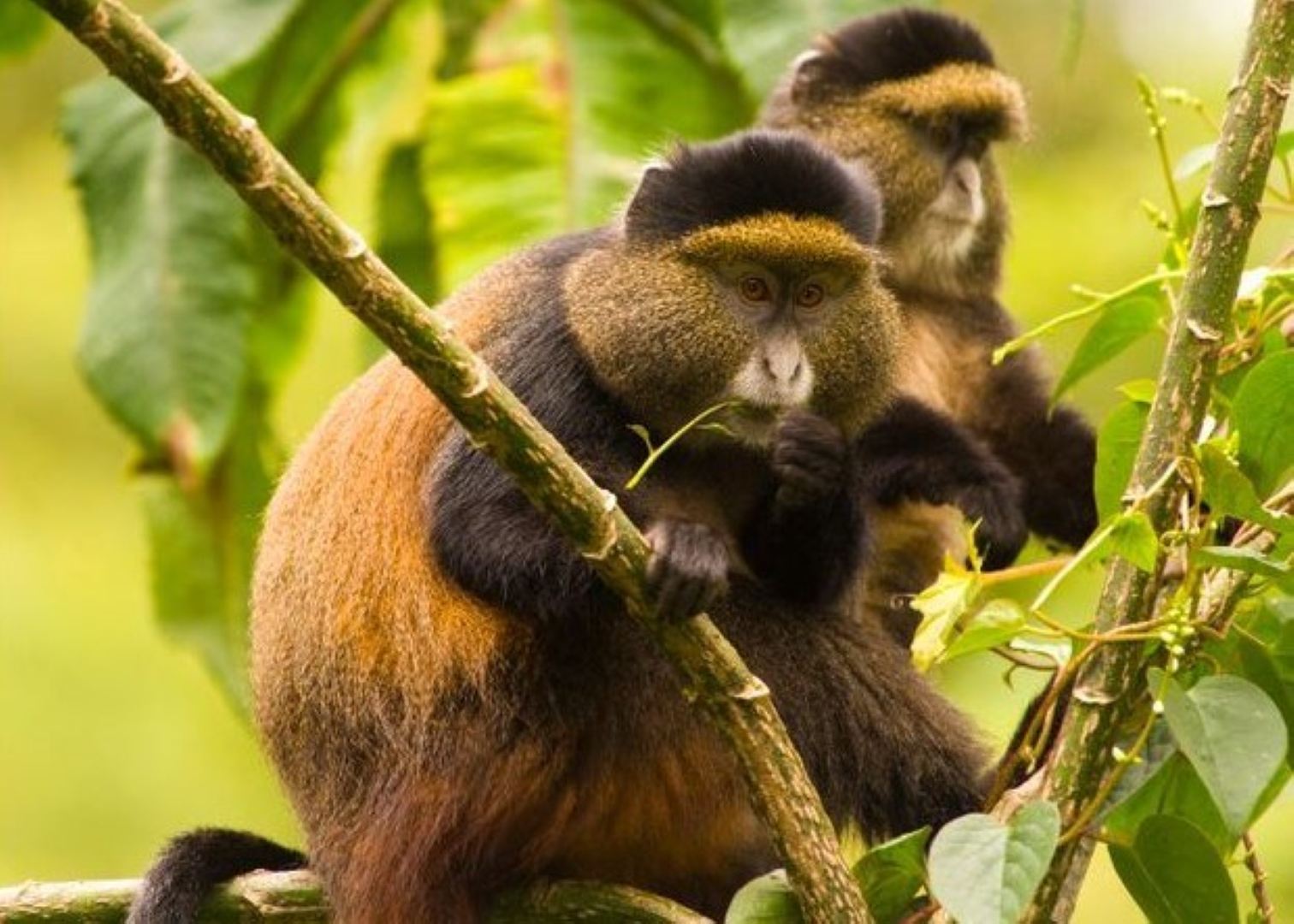
Today offers a choice between two iconic adventures. You can track the rare and playful Golden Monkeys, which inhabit the bamboo forests at the base of the volcanoes. These energetic primates are endemic to the region and offer fantastic photography opportunities as they swing through the stalks. Alternatively, for the more physically fit, a hike up Mount Bisoke is a challenging but rewarding budget option. The hike culminates at a stunning crater lake at the summit, offering views into the neighboring Democratic Republic of Congo. Both activities have lower permit fees than the gorillas, making them excellent "add-ons" for a budget-conscious itinerary. Whether you choose the golden monkeys or the volcanic climb, you’ll experience the unique alpine environment that makes this park a global conservation priority, followed by a quiet evening in the Musanze highlands.
Day 9: Culture and the Twin Lakes
Focus on Rwanda’s rich heritage today with a visit to the Iby’Iwacu Cultural Village. This community-led project, run largely by former poachers, showcases traditional Rwandan life through dance, archery, and herbal medicine demonstrations. It is an affordable and impactful way to see how tourism directly supports local livelihoods. In the afternoon, you’ll visit the Twin Lakes, Burera and Ruhondo. These deep blue lakes, separated by a narrow strip of land and shadowed by the volcanoes, offer some of the best landscapes in the country. A stroll along the lakeshore or a visit to a local viewpoint is free and provides a serene end to your time in the mountains. This day balances the high-octane wildlife treks with meaningful human connection and breathtaking natural scenery, rounding out your understanding of the "Land of a Thousand Hills."
Day 10: Crafts and Departure
On your final day, you make the two-hour drive back to Kigali. The road winds through the heart of the terraced hills, providing a last chance to appreciate the stunning landscape. Once in the city, visit the Caplaki Craft Village or the Kimironko Market for souvenir shopping. These markets are the best places to find high-quality, handmade items like "Agaseke" baskets and local textiles at fair prices, especially if you’re willing to engage in a bit of friendly bargaining. After a final Rwandan lunch—perhaps a grilled tilapia—you’ll head to the airport for your departure. You leave with a camera full of photos and a deep appreciation for Rwanda's resilience and beauty, having experienced the very best of its savanna, rainforests, and mountains on a well-planned, budget-friendly odyssey.
Traveling through Rwanda on a budget requires a strategic approach, as the country has intentionally positioned itself as a high-end destination. However, by focusing on local guesthouses, overland travel, and prioritizing specific high-impact activities, you can experience the "Land of a Thousand Hills" without the five-star price tag.
1. How much does a 10-day budget Rwanda safari cost?
A 10-day budget safari in Rwanda typically costs between $2,500 and $4,000 per person. It is important to understand that the "floor" of this budget is largely dictated by the $1,500 mountain gorilla permit. This single expense often accounts for more than half of a budget traveler's total spend. Unlike neighboring Uganda or DR Congo, Rwanda does not offer "low season" discounts on these permits, meaning the primary way to save money is through other logistical choices.
To keep costs within this range, travelers must opt for mid-range or budget guesthouses, which typically cost between $50 and $100 per night, rather than the $600+ luxury lodges. Eating at local restaurants (choosing "melange" buffets) and using a shared 4x4 vehicle with other travelers can also significantly reduce daily expenses. While the price tag may seem high for a "budget" trip compared to Southeast Asia or South America, the investment covers world-class conservation infrastructure and life-altering wildlife encounters that are strictly regulated to ensure the survival of endangered species.
2. What is the cheapest time to visit Rwanda?
Strictly speaking, there is no "cheap" season for permits, but the Shoulder Seasons (March to May and October to November) offer the best opportunities for accommodation discounts. During these rainy months, many mid-range and budget lodges experience lower occupancy and are often willing to negotiate rates or offer "stay 3, pay 2" deals. While the rain makes trekking more challenging and slippery, it provides a lush, verdant backdrop for photography that the dry season cannot match.
Furthermore, flight prices to Kigali often drop during these periods. If you are willing to navigate a bit of mud and pack high-quality rain gear, the wet season allows you to experience the parks with fewer crowds. The gorillas also tend to stay at lower altitudes during the rainy season to feed on fresh bamboo shoots, which can actually result in shorter, easier treks. For a budget traveler, the trade-off of a little rain for significantly lower lodging and flight costs is often a worthwhile exchange.
3. Do I need a visa for Rwanda?
Rwanda has one of the most progressive visa policies in Africa. Many nationalities—including citizens of the African Union, the Commonwealth, and the Francophonie—can obtain a visa on arrival free of charge for stays up to 30 days. For others, a tourist visa is available on arrival for $50 USD, though applying for an e-visa in advance is often recommended to speed up the entry process at Kigali International Airport.
If you are planning to combine your Rwandan trip with visits to Uganda or Kenya, the East Africa Tourist Visa ($100 USD) is the most cost-effective option. This multi-entry visa allows you to move between the three countries seamlessly for 90 days. For budget travelers, this avoids the cost of paying for separate individual visas at each border crossing. Always ensure your passport has at least six months of validity and a few blank pages before you arrive to avoid any logistical delays at customs.
4. How can I save on gorilla trekking?
Beyond the non-negotiable permit fee, the best way to save on gorilla trekking is by optimizing your logistics. Stay in the town of Musanze (Ruhengeri) rather than at a lodge on the park boundary. Musanze offers a wide variety of budget guesthouses and "homestays" that are just a 20-minute drive from the park headquarters. This allows you to pay "town prices" for food and lodging while still having easy access to the mountain.
Another tip is to bring your own gear. Many travelers end up spending extra money renting gaiters, gloves, and waterproof jackets at the park gate. By packing these essentials yourself, you keep your daily costs down. Additionally, while hiring a porter ($15–$20) is highly recommended to support the local community, if you are physically fit and traveling on a very tight budget, carrying your own small daypack is a way to save. Finally, booking through a local Rwandan tour operator rather than an international agency can often shave off the "middleman" commissions, keeping more of your money in the local economy.
5. What is the best budget accommodation in Volcanoes National Park?
For those looking to save, the town of Musanze is the primary hub. Budget guesthouses like Fatima Hotel, Muhabura Hotel (famous for being Dian Fossey’s preferred stopover), or various community-run campsites offer clean, basic rooms for $30 to $80 per night. These establishments usually include breakfast and have reliable Wi-Fi, which is a significant saving compared to the all-inclusive luxury forest camps.
Staying in Musanze also gives you access to local markets and "brochettes" (grilled meat skewers) stands, where a full dinner costs a fraction of a lodge meal. Many of these guesthouses are accustomed to early-morning safari departures and will provide a packed breakfast for your trek. For the truly adventurous budget traveler, some community projects offer camping facilities where you can pitch your own tent for a nominal fee, providing a rugged and authentic mountain experience under the shadows of the Virunga Volcanoes.
6. Are there budget options for transport?
While private 4x4 rentals with a driver-guide are the standard, self-driving is a growing trend for budget-conscious travelers in Rwanda. Renting a RAV4 or a small 4x4 can cost between $50 and $100 per day. Rwanda’s roads are generally in excellent condition and the country is small, making navigation relatively straightforward with a GPS or local SIM card. This eliminates the cost of a professional guide’s daily fee and accommodation.
For the ultra-budget traveler, Rwanda has an incredibly efficient public bus system. Modern coaches run frequently between Kigali and major hubs like Musanze (for gorillas) and Rusizi (for Nyungwe). While you cannot take a public bus into the national parks, you can use them for the long-distance legs and then hire a private taxi or "special hire" for the final 15-kilometer stretch to the park gates. This "hybrid" transport model—using buses for transit and taxis for park access—can save you hundreds of dollars over a 10-day itinerary.
7. How to visit Akagera National Park on a budget?
Akagera is the most "budget-friendly" of Rwanda's parks because it offers a traditional savanna experience without the high primate permit fees. To save money here, self-drive through the park. The entry fee for a vehicle is modest, and the tracks are well-marked. By driving yourself, you avoid the cost of a hired safari vehicle and guide. You can also pick up a community guide at the park entrance for a small fee ($25–$40 per half day), which provides expert spotting and local knowledge without the high price of a private tour.
Accommodation-wise, staying outside the park in the town of Kayonza or at the park-run campsites is the best strategy. Camping in Akagera is a fantastic experience; the sites are secure, offer stunning views of the lakes, and cost very little compared to the permanent lodges. If you bring your own camping gear and food to cook over a fire, you can experience a full "Big Five" safari for a fraction of the usual cost.
8. Can I see chimpanzees cheaply in Rwanda?
Yes, chimpanzee tracking in Nyungwe National Park is a relative bargain compared to gorillas. A permit currently costs $100 USD for foreign non-residents ($150–$250 depending on specific forest zones). This allows you to trek through one of Africa’s oldest rainforests and spend an hour with a habituated chimp community. For a budget traveler, Nyungwe provides a world-class primate experience for less than 10% of the cost of a gorilla permit.
To keep the rest of the Nyungwe visit cheap, stay at guesthouses in the nearby town of Gisakura. There are several affordable lodges and tea estate guesthouses that offer basic rooms and stunning views of the forest edge. You can also save by combining the chimp trek with the Canopy Walk ($40–$60) on the same day, maximizing your park entrance fee. Nyungwe’s extensive trail system also offers several guided nature hikes that are cheaper than the primate treks but still offer the chance to see rare birds and colobus monkeys.
9. What should I pack for a budget safari?
Packing correctly is a hidden way to save money, as buying gear in Rwanda is expensive and options are limited. You must bring sturdy, waterproof hiking boots; do not rely on sneakers for the slippery slopes of Bwindi or Volcanoes. Long-sleeved shirts and long trousers are essential to protect against stinging nettles and insects, potentially saving you from needing expensive medical creams later.
Because budget guesthouses often have limited or slow laundry services, bring moisture-wicking, quick-dry fabrics that you can hand-wash in your sink if necessary. A high-quality rain poncho is a non-negotiable item, even in the dry season. Finally, bring a reusable water bottle with a built-in filter (like a LifeStraw). This allows you to drink tap water safely, saving you the daily cost (and plastic waste) of buying bottled water, which can add up significantly over a 10-day trip.
10. Is it safe to travel budget in Rwanda?
Rwanda is consistently ranked as one of the safest countries in the world for solo and budget travelers. The streets of Kigali are safe to walk at night, and the "motto-taxis" (motorcycle taxis) are a regulated and safe way to get around the city for a few cents. There is a strong police and military presence throughout the country, which serves as a significant deterrent to crime.
For a budget traveler, "safety" also means financial safety. Rwandan culture is generally very honest, and you are unlikely to be overcharged or "scammed" in the way that can happen in more tourist-heavy global hubs. However, standard travel precautions apply: keep your passport and large amounts of cash in a money belt, and don't leave valuables unattended in budget guesthouses. The most common "danger" in Rwanda is actually the road—always wear a helmet on a moto-taxi and be cautious of the winding mountain turns when self-driving.
11. What is the currency and should I carry cash?
The Rwandan Franc (RWF) is the currency for daily transactions. While luxury lodges and park offices will accept (and often prefer) US Dollars, you will need Francs for local markets, small guesthouses, and restaurants. For budget travelers, the best strategy is to withdraw RWF from an ATM upon arrival in Kigali. Most major banks (like BK or I&M) accept international Visa and Mastercard.
If you carry US Dollars, they must be printed after 2009 and be in pristine condition; banks and bureaux de change in Rwanda will often reject older or torn notes. It is also wise to carry a mix of denominations. Use Dollars for the large "anchor" payments like permits and accommodation, but use Francs for everything else to get the best local exchange rate. Note that credit card surcharges (usually 3–5%) are common in smaller establishments, so having cash is a key way to avoid these extra fees.
12. Can I visit Lake Kivu on a budget?
Lake Kivu is a budget traveler's paradise. The lakeside towns of Gisenyi (Rubavu) and Karongi (Kibuye) offer a wide range of public guesthouses and religious-run hostels (often called "Centres d'Accueil") that are clean, safe, and cost as little as $20–$40 per night. These spots often have the best locations right on the water’s edge.
Many of the best activities at Lake Kivu are free or very low-cost. You can swim in the clear, bilharzia-free water, hike along the shoreline trails, or visit the local hot springs. A boat trip to see the fruit bat colony on Napoleon Island can be negotiated directly with local fishermen for a much lower price than a lodge-arranged tour. Watching the sunset while the "singing fishermen" head out in their traditional three-hulled boats is one of the most magical experiences in Africa, and it doesn't cost a cent to watch from the shore.
13. Do I need malaria medication?
Yes. Despite Rwanda’s high altitude in the west, the entire country is considered a malaria zone. For a budget traveler, the cost of a malaria prophylaxis prescription (like Malarone or Doxycycline) is a vital investment in your health. Getting sick on a trip is not only dangerous but can be incredibly expensive if you require medical evacuation or private hospital care.
In addition to medication, you should pack a high-DEET insect repellent and wear long sleeves in the evenings. Most budget guesthouses provide mosquito nets, but it’s a good idea to check them for holes upon arrival. If you are camping in Akagera, being diligent about "zipping up" your tent is your best line of defense. Remember that the mosquitoes that carry malaria are most active at dawn and dusk, so these are the times to be most vigilant with your repellent and clothing.
14. Are there any restrictions on plastic bags?
Rwanda is world-famous for its strict ban on non-biodegradable plastic bags. When you land at Kigali International Airport, your luggage may be searched, and any plastic bags (including Ziplocs) will be confiscated. This is part of the country’s "Umuganda" culture of cleanliness and environmental stewardship.
For a budget traveler, this means you should pack using reusable fabric bags or "dry bags" for your electronics and laundry. If you are caught with a plastic bag in a national park or a city street, you could face a fine. Embracing this policy is a great way to participate in the local culture of conservation. It’s one of the reasons Rwanda feels so different from its neighbors; you will notice a distinct lack of litter on the roadsides and in the forests, making for a much more pristine and photogenic safari experience.
15. What are the best free or low-cost activities?
Rwanda offers several profound experiences that cost very little. The Kigali Genocide Memorial is free to enter, though a donation is highly encouraged to support its upkeep and educational programs. Exploring the Kimironko Market costs nothing and provides hours of cultural immersion and "people watching." You can also hike the various hills surrounding Kigali for panoramic views of the city at no cost.
In the countryside, a visit to the Iby’Iwacu Cultural Village near Musanze is a fantastic low-cost activity (approx. $35). It is a community-run project where former poachers demonstrate traditional dance, archery, and herbal medicine. This provides a direct social impact and a deep cultural insight for the price of a single meal at a luxury lodge. Finally, walking the "Congo Nile Trail" along Lake Kivu is free if you do it on foot, offering hundreds of kilometers of spectacular scenery and village interaction for just the cost of your daily food and basic guesthouses along the way.
Booking 10 days Rwanda safari with us Roads of Adventure safaris
Book a 10-day Rwanda safari with Roads of Adventure Safaris for an immersive journey featuring Volcanoes National Park gorilla trekking, Akagera National Park game drives, and Nyungwe Forest chimpanzee tracking. Typical 10-day packages include Kigali city tours, 4x4 transport, and top-tier gorilla permits ($1,500 value).
