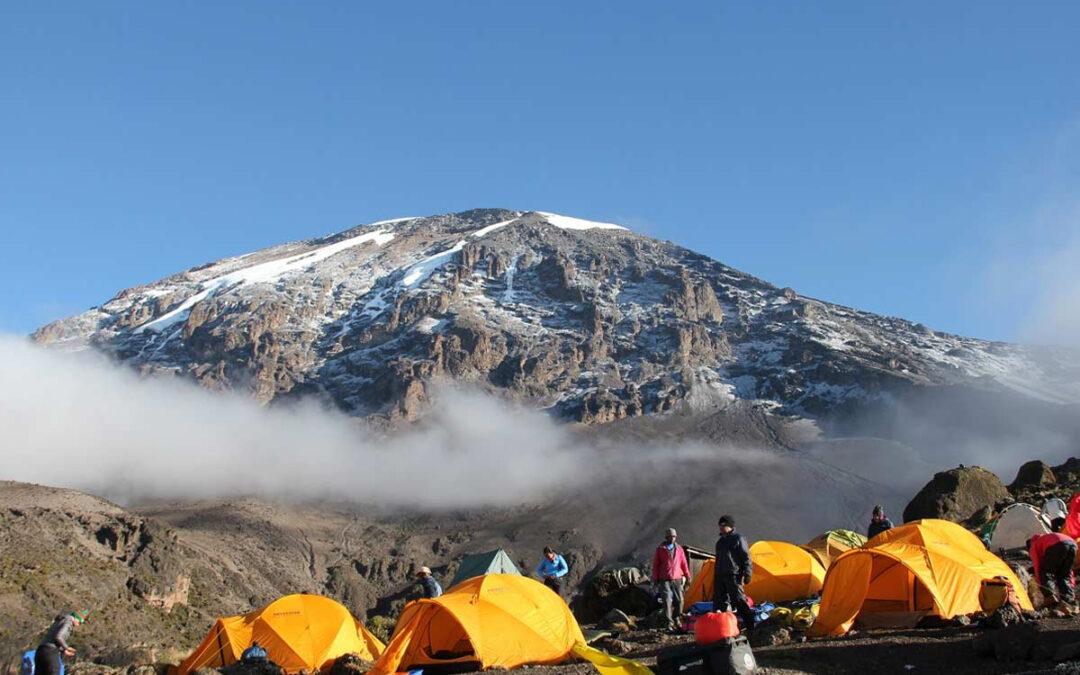
Planning a 5-day Kilimanjaro hike means tackling a compressed timeline where physical fitness and high-altitude acclimatization are critical. You will exclusively use the Marangu Route (the "Coca-Cola Route"), which offers hut accommodations instead of tents.
5-day-kilimanjaro-climb-marangu-route
1. Select a Licensed Tour Operator
The first and most critical decision in planning your Kilimanjaro expedition is selecting a licensed tour operator. Under Tanzanian law, it is mandatory to book your climb through a registered agency; you cannot attempt the ascent independently. This regulation exists primarily for your safety and to ensure that the mountain's delicate environment is protected. When you book a trip, you aren't just paying for a guide—you are commissioning an entire logistical operation. A quality operator provides comprehensive services, including national park permits, skilled mountain guides, reliable porters, a professional cook, high-quality tents or huts, and all necessary meals.
When evaluating potential operators, look beyond the price tag. Your life and summit success depend on the competence of your team. Prioritize companies with proven safety records and transparent business practices. A major indicator of a reputable operator is their commitment to porter welfare. Look for companies that are Kilimanjaro Porter Assistance Project (KPAP) certified. This certification ensures that the company adheres to ethical standards, including fair wage payments, proper gear provision, and reasonable load limits for the porters who make your journey possible.
Furthermore, use platforms like TourRadar or Explore-Share to read verified reviews from past climbers. Look for comments specifically regarding the guides' medical training, the quality of the food provided, and the general communication style of the company. A good operator will be your partner from the moment you book until you return to the trailhead. They should be willing to answer your technical questions, provide detailed gear lists, and advise on your acclimatization strategy. By choosing a professional, ethical, and highly-rated operator, you secure the logistical foundation necessary for a safe and successful ascent to the Roof of Africa.
2. Choose Your Hiking Dates
Timing your Kilimanjaro trek is arguably the most important decision you will make regarding your comfort and summit probability. While the mountain can be climbed year-round, its climate is governed by two distinct dry seasons that offer vastly different experiences compared to the rainy periods. The most reliable windows for your climb are from January to mid-March and June to October. These months align with the dry season, characterized by clear blue skies, lower humidity, and better visibility—which is crucial for the breathtaking photography that makes this trip a bucket-list achievement.
January to mid-March is often slightly warmer, making it a favorite for those who are particularly sensitive to the cold. Conversely, the June to October window is the most popular time for international climbers. July, August, and September are peak months, offering stable, crisp air and excellent conditions for trekking. However, because these months are the most popular, you should expect busier trails and crowded campsites.
Conversely, you should avoid the "long rains" (mid-March to early June) and the "short rains" (November to early December). During these times, the mountain’s microclimates turn volatile. You are likely to face heavy, consistent rain in the lower forest zones, which turns trails into deep, slippery mud, while the summit environment becomes shrouded in freezing mist and snow. Trekking in these conditions is not only physically demoralizing, but it also increases the risk of hypothermia and makes it difficult to maintain morale during the intense summit push. By aligning your travel with the dry seasons, you maximize your comfort, safety, and the likelihood of experiencing the spectacular panoramic views that define the Kilimanjaro experience.
3. Start Specific Physical Training
A 5-day Kilimanjaro trek—or even the standard 6-to-7-day versions—is a high-intensity endurance challenge. You will be walking for 4 to 8 hours daily, culminating in a summit day that can last 10 to 15 hours. To succeed, you must arrive in peak physical condition. Training should begin at least 3 to 4 months before your departure, focusing on building aerobic capacity and muscular endurance in your legs and core.
Cardiovascular training is your first priority. Aim for 4 to 5 sessions a week of jogging, swimming, or using a stair climber. The stair climber is particularly effective because it mimics the repetitive step-up motion required for thousands of meters of vertical gain. You need to build a heart and lung system that can operate efficiently while oxygen is scarce.
Equally important is "weighted trekking." At least once a week, go for a long hike on uneven or hilly terrain while wearing a daypack loaded with 10 to 20 pounds (approx. 5–9 kg). This weight approximates the pack you will carry with your water, extra layers, and camera equipment. This training conditions your shoulders, lower back, and core, and—most importantly—it gives you a chance to break in your hiking boots. Never wear brand-new boots on the mountain; doing so is the most common cause of debilitating blisters that end trekking trips prematurely. Focus your training on consistency rather than extreme intensity. You aren't training for a sprint; you are training for sustained, steady movement. If you can maintain a comfortable, conversational pace while hiking on an incline for several hours, you are physically ready for the mountain’s unique demands.
4. Plan Your Travel Logistics
Successful trekking is built on a foundation of sound logistics. Your gateway to the mountain is the Kilimanjaro International Airport (JRO). This airport is the standard entry point for nearly all climbers and is serviced by several international carriers. Once you arrive, you will typically be transferred to the nearby towns of Moshi or Arusha. These towns are the operational hubs for all mountain outfitters; they are where you will stay before your climb, meet your head guide for a final gear check, and finalize your logistical preparations.
Never plan to land at JRO and start your trek the following day. This is a recipe for failure. Always build in at least two "buffer days" before your climb begins. These days are essential for recovering from long-haul flights, overcoming jet lag, and allowing your body to start acclimatizing to the local environment. If your luggage is delayed by the airline—a rare but stressful possibility—these two days give you a window to source replacement items in the local markets before you head to the mountain gate.
Furthermore, use your time in Moshi or Arusha to meet your guide. This meeting is more than just a formality; it is your chance to review the packing list, discuss any dietary restrictions, and go over the safety protocols. Having these details locked in before you reach the trailhead reduces anxiety, allowing you to enter the "mountain mindset" early. Proper travel planning is the silent partner to your physical training; by removing logistical friction, you ensure that when the day comes to board the transport to the mountain gate, you are fully focused on the journey ahead.
5. Secure Gear and Medical Essentials
Preparing your gear and medical kit is where safety and comfort meet. You do not need to buy a full mountaineering wardrobe, especially for specialized items you won't use again. Most reputable outfitters in Moshi or Arusha offer high-quality rentals for expensive, bulky gear like sub-zero sleeping bags, insulated parkas, and trekking poles. Renting these items is not only cost-effective but also keeps your baggage weight manageable for international flights.
However, prioritize purchasing your own high-quality, waterproof hiking boots. Buy these well in advance and wear them regularly. The key to a successful trek is keeping your feet healthy; blister-free feet are essential for your daily movement. Pair your boots with quality moisture-wicking socks to manage sweat and friction.
On the medical front, your preparation must be proactive. Consult your doctor about high-altitude medication, such as Diamox (Acetazolamide), which can help your body adjust to the thin air. Always test this medication before your trip to ensure you don't have an allergic reaction. Furthermore, secure specific travel and medical insurance that explicitly covers "high-altitude trekking up to 6,000 meters." Many standard travel insurance policies exclude mountain climbing or trekking above 3,000 meters. Having a policy with an emergency medical evacuation clause is non-negotiable for an expedition of this nature. Taking the time to assemble a well-vetted gear and medical kit ensures that you are prepared for the mountain’s harsh, unpredictable conditions and, more importantly, that you have the infrastructure in place to handle any health concerns quickly and effectively.
1. Which route is best for an 8-day trek?
For an 8-day expedition, the Lemosho Route is widely considered the gold standard. It is specifically designed to maximize summit success through a gradual, steady ascent that prioritizes physiological adaptation. By taking eight days, you avoid the "rush" associated with shorter, 5- or 6-day itineraries, which often lead to premature exhaustion or altitude-related issues. The Lemosho path approaches from the west, allowing you to traverse the stunning Shira Plateau—a high-altitude desert landscape that provides incredible views and vital acclimatization time. Crucially, the 8-day variation breaks up the demanding push from Barranco to Barafu Camp into two manageable segments. This shorter penultimate day before the summit push is a game-changer; it ensures you are well-rested before the midnight departure for Uhuru Peak. The alternative "Northern Circuit" is also excellent if you have nine days, but for a strict 8-day window, Lemosho offers the optimal balance of scenery, challenge, and safety. Most professional, high-success-rate operators prioritize this schedule because the "slow and steady" approach ($pole\ pole$) is the most reliable way to conquer the mountain.
2. What is the overall cost of an 8-day Kilimanjaro climb?
Budgeting for an 8-day Kilimanjaro climb requires looking beyond just the operator’s quote, as total costs typically range from $2,000 to $4,500 per person. The base package price usually covers the "big-ticket" items: mandatory national park entrance fees, conservation and camping levies, rescue fees, experienced guides, skilled porters, all your meals, and tented accommodation. Because park fees are fixed by the Tanzanian government and apply to all licensed operators, be wary of "budget" operators offering prices significantly below $2,000, as these often cut corners on staff wages, safety equipment, or food quality. Beyond the base fee, you must budget for extra expenses. Flights to Kilimanjaro International Airport can cost $800–$2,000 depending on your origin. You will also need $50–$100 for a Tanzanian tourist visa, $200–$400 for comprehensive travel insurance that includes high-altitude trekking, and $300–$500 for tips for your support crew. While you can save by renting gear, don't underestimate the personal costs of preparation. A safe, ethical, and successful climb represents a significant investment in both logistics and support.
3. How fit do I need to be?
You do not need to be an elite athlete or a marathon runner to summit Kilimanjaro, but you do need robust cardiovascular endurance and the ability to handle multi-day exertion. The mountain is a trekking peak—meaning no technical climbing skills are required—but the sheer duration of the climb is taxing. You should aim to be comfortable hiking for 4–6 hours on hilly terrain while carrying a light daypack. Training should mimic the "mountain approach," which means focusing on uphill and downhill movement. If you have access to a local trail, spend your weekends there; if you are limited to a gym, use a stair climber or treadmill at a significant incline to simulate the constant ascent. Building leg strength is equally critical. Incorporate exercises like lunges, squats, and step-ups into your weekly routine, starting at least six months before your departure. This isn't about speed; it's about conditioning your muscles to handle thousands of vertical feet of movement, day after day, in an oxygen-depleted environment. A disciplined training plan will turn the trek from a grueling survival exercise into a challenging but manageable adventure.
4. What are the best months to climb?
Timing your expedition is crucial for a comfortable experience, and the "dry seasons" are your best bet. The primary climbing windows are January to March and June to October. These months offer the most favorable weather conditions, characterized by clearer skies, less precipitation, and better trail conditions. January and February are particularly popular because they often feature warmer, crisper days, though the mountain can be busy. July through October is also a fantastic period, though you should expect cooler temperatures as you reach higher altitudes. Attempting to climb during the "long rains" (April and May) or the "short rains" (November) is generally discouraged for beginners. During these wet seasons, the trails can become muddy, slippery, and incredibly difficult to navigate, and the clouds often obscure the panoramic views that define a Kilimanjaro trek. By sticking to the dry months, you minimize the risk of "summit night" being hampered by freezing rain or thick fog, significantly improving both your physical comfort and your chances of a successful, scenic climb.
5. Do I need altitude training?
While you cannot truly "train" your body to handle high altitude in a low-altitude environment, you can prepare it to be as resilient as possible. Because altitude sickness (AMS) is the primary reason people fail to summit, your strategy should be acclimatization, not altitude training. Spending eight days on the mountain—specifically by utilizing routes that include "climb high, sleep low" profiles—is the most scientifically sound way to allow your body to adjust. During your training at home, focus on aerobic health; a heart and lungs conditioned by regular cardio exercise (cycling, swimming, or running) will be more efficient at managing oxygen intake when the air becomes thin. Many climbers also find value in yoga and meditation, which emphasize deep, controlled breathing. This is a critical skill for high-altitude environments where shallow breathing can worsen symptoms of AMS. While some companies sell "hypoxic" tents or masks, they are generally unnecessary for Kilimanjaro. Trust the itinerary your guide provides, stay hydrated, and focus on your physical fitness at sea level; if your body is well-conditioned, it will manage the thinning air much more gracefully.
6. Do I need to buy all my hiking gear?
Absolutely not. Kilimanjaro requires specialized, heavy-duty gear that can be prohibitively expensive to buy for a one-off trip. In fact, most veteran climbers advocate for renting. Outfitters in Moshi and Arusha have evolved to provide high-quality, professional-grade equipment for exactly this purpose. You can rent bulky items like four-season sleeping bags, trekking poles, waterproof gaiters, and even technical outer layers like down-insulated parkas and ski pants. Renting is not only more affordable but also more practical for international travel, as it saves you from lugging an oversized bag through airports. Before you leave, check your rental outfitter’s catalog online to reserve your sizes. However, there are exceptions: never rent your hiking boots. Your boots must be broken in over dozens of miles of training to ensure they don’t give you debilitating blisters on the mountain. Renting the "big" gear is a smart way to keep costs down and keep your luggage manageable, leaving you to focus on the essential personal items that must be tried and tested.
7. What is the most important gear to buy before the trip?
If you invest in only a few things, make them the ones that directly impact your comfort and safety. Hiking boots are at the very top of that list. Buy them at least three to four months before your trip and wear them constantly—to the grocery store, on local trails, and during your gym sessions—to ensure they are perfectly molded to your feet. The second most important purchase is a high-quality daypack (30–40 liters). This is the bag you will carry every day, and it needs a comfortable harness that won't chafe. Third, prioritize Merino wool base layers. Cotton is your enemy on Kilimanjaro because it holds moisture, stays cold, and leads to chafing. Merino wool regulates body temperature, wicks sweat, and stays warm even when damp. Finally, invest in reliable, UV-blocking sunglasses and a high-lumen headlamp. You will spend hours in the intense equatorial sun and, on summit night, your headlamp will be your only connection to the trail in the pitch black of an arctic-temperature climb. These core items are non-negotiable for comfort and success.
8. What is the weather like on the mountain?
Climbing Kilimanjaro is often described as walking from the equator to the North Pole in just a few days. You will transition through five distinct climate zones, each with its own weather personality. You start in the lush, warm, and humid Cultivated Zone (farmed land) and quickly ascend into the Rainforest Zone, where it is often misty and damp. As you climb higher, the forest gives way to the Heath and Moorland Zone, which can be sunny and hot during the day but freezing at night. Above this lies the Alpine Desert Zone—a stark, volcanic landscape characterized by extreme temperature swings. Finally, you reach the Arctic Summit Zone, a world of ice, glaciers, and sub-zero temperatures. Because of these rapid shifts, the secret to Kilimanjaro weather is "layering." You need to be able to strip down to a thin base layer when the sun is blazing on the moorlands and rapidly bundle up into your down parka and hardshells as you enter the arctic environment. The weather can change within minutes, so always be ready for sun, wind, rain, and snow on the same day.
9. Will my gear be safe while I'm hiking?
Yes, your gear is in very capable hands. Kilimanjaro treks are supported by an incredible crew of porters who are the backbone of the mountain’s infrastructure. When you start your hike, you will typically be given a main duffel bag (which you must pack within a weight limit, usually around 15 kg) that the porters will carry from camp to camp. This allows you to walk with only a lightweight daypack containing your water, rain jacket, camera, and snacks. The porters are incredibly efficient and usually arrive at the next camp before you do, often setting up your tent and preparing your sleeping area. Theft is virtually non-existent; the trekking community on the mountain is tight-knit and highly professional. To ensure everything stays organized and dry, pack your clothing and sleeping bag inside high-quality, waterproof dry bags or heavy-duty trash bags inside your duffel. While your main bag will be carried by the crew, you should keep your passport, cash, and high-value electronics in your daypack, which stays with you at all times.
10. How is food handled on the trek?
Nutrition is managed by a dedicated cook team that travels with your expedition. Their goal is to provide high-calorie, easily digestible meals designed to keep your energy levels high at high altitude. You will typically be served three hot meals a day. Breakfasts usually include porridge, eggs, and fruit; lunches and dinners often feature hearty soups, pasta, rice, chicken, vegetables, and stews. Drinking plenty of water is essential for acclimatization, so the kitchen crew will also ensure you have access to plenty of filtered water. As you climb higher, your appetite may naturally decrease due to the altitude; don't be alarmed if you find yourself less hungry, but it is critical that you keep eating. Your guides will encourage you to take small, frequent bites to maintain your glucose levels. If you have specific dietary needs—such as vegetarian, gluten-free, or vegan—most reputable agencies can accommodate this if you inform them well in advance. Consider bringing your own "comfort" snacks (like energy gels, chocolate, or nuts) to help supplement your diet on particularly long hiking days.
11. Where do we go to the bathroom and shower?
The reality of Kilimanjaro hygiene is basic: there are no showers on the mountain. Water is a precious resource that must be carried up by the porters, so it is strictly rationed for drinking and cooking. Most trekkers use wet wipes and a small, daily bowl of warm water provided by the crew to "wash" up in their tent vestibule. It is a humbling experience, but it is part of the challenge! For the bathroom, you will either use primitive communal outhouses provided at campsites or portable, private toilet tents if your outfitter provides them. If you are on the trail between camps, you will use designated "bush" areas; your guides will teach you how to follow "Leave No Trace" principles to protect the environment. While the lack of a proper shower can feel daunting, it is a temporary inconvenience that you quickly adapt to. Focus on good foot care—changing your socks daily and keeping your feet dry—to prevent infection and maintain comfort. Accept that you will be dusty and tired; it is part of the authentic mountaineering experience.
12. What vaccinations or health precautions do I need?
Staying healthy is your primary responsibility before you even step foot on the mountain. Ensure you are up to date on your routine vaccinations (Tetanus, Hepatitis A, and Typhoid are the standard recommendations for travel to Tanzania). Because Kilimanjaro is located in a region where Yellow Fever is present, you may be required to show a Yellow Fever vaccination certificate, especially if you are traveling from or transiting through a country with a risk of transmission. Check the latest requirements from the Tanzania Ministry of Health well before you depart. Additionally, many climbers choose to consult a travel doctor about prescription medications for altitude sickness, such as Diamox, which can help your body acclimatize. Be sure to carry a well-stocked personal first-aid kit that includes blister care (moleskin or Compeed), antiseptic, pain relievers, and any personal medications you take daily. It is also wise to mention your climb to your primary care physician to ensure there are no underlying health conditions that could be exacerbated by high-altitude exertion.
13. Do I need a visa for Tanzania?
Yes, most international travelers—including citizens from the US, UK, Canada, and EU countries—require a visa to enter Tanzania. The most convenient method is to apply for an e-Visa online through the official Tanzania Immigration Department website well in advance of your trip. The process typically takes a few weeks to complete, so do not leave it until the last minute. When applying, you will usually need your passport (valid for at least six months beyond your departure date), a digital passport photo, and your flight information. Some nationalities may be eligible for a visa on arrival, but it is highly recommended to secure your e-Visa ahead of time to avoid long queues at the airport after a tiring international flight. Keep a printed copy of your approved visa and your return flight itinerary with your travel documents. Tanzania's immigration requirements can shift occasionally, so always double-check the official government portal or your local Tanzanian embassy’s website for the most current information before you book your travel.
14. What does a typical hiking day look like?
A day on Kilimanjaro follows a rhythmic, slow-paced schedule. Your day begins early—often around 6:00 or 7:00 AM—with a wake-up call and a warm bowl of water for a quick wash. After a hearty breakfast, you set out on the trail, typically hiking for 4 to 6 hours. The pace is notoriously slow; your guides will insist on pole pole (slowly, slowly) to ensure you conserve energy and acclimatize properly. You’ll stop mid-day for a trail lunch, often a mix of sandwiches, hard-boiled eggs, or fruit. You usually reach your next campsite by mid-afternoon, which gives you plenty of time to rest, hydrate, and explore the camp area. Some days include a short "acclimatization hike" to a higher elevation before returning to camp for dinner. Evenings are for resting, playing cards with your team, and preparing your gear for the next day. By the time the sun sets, most climbers are more than ready to crawl into their sleeping bags. The routine is simple and meditative, focused entirely on the singular goal of putting one foot in front of the other.
15. What are the common mistakes for beginners?
The most frequent mistake beginner climbers make is rushing. Altitude sickness does not respect strength or ego; it respects time. The biggest reason people fail to summit is because they hike too fast on the lower slopes, burning their energy reserves and denying their body the time needed to adjust to the elevation. Another common error is failing to drink enough water; dehydration mimics and worsens the symptoms of altitude sickness, making it impossible to continue. Nutrition is also key—some climbers lose their appetite and stop eating, which leads to "bonking" (running out of glucose) on the toughest day of the climb. Finally, neglecting your gear—especially wearing new boots or not having enough insulation for the freezing summit night—is a setup for disaster. Choose a reputable guide service that prioritizes an 8-day itinerary and listens to their experts. If your guide tells you to slow down, slow down. If they ask if you're drinking water, take a sip. Following the rules of the mountain is the fastest way to get to the top.
Booking 5 Days Kilimanjaro hike with us Roads of Adventure safaris
Booking your 5-Day Mount Kilimanjaro Hike with Roads of Adventure Safaris is an exciting choice, as a 5-day itinerary on Kilimanjaro typically runs via the famous Marangu Route (also known as the "Coca-Cola" route). This is the only path on the mountain that offers comfortable A-frame sleeping huts instead of camping in tents
