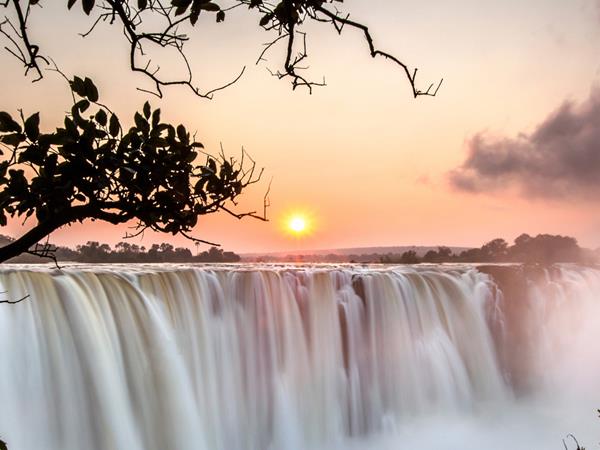
A 9-day luxury Zambia safari typically combines elite, all-inclusive lodges in South Luangwa, Lower Zambezi, and Victoria Falls for a blend of top-tier walking safaris, boat excursions, and intimate wildlife viewing. Expect to fly between parks via light aircraft, staying at exclusive, secluded camps with private guides. The best time to visit is June to October for dry-season game viewing.
9-days-africa-big-cats-zambia-safari-itinerary
9-days-ultimate-zambia-safari-tour-to-best-zambia-wildlife-parks
9-Day Luxury Zambia Safari Itinerary
Zambia is a premier destination for wildlife enthusiasts, offering opportunities to view an array of remarkable species. From the majestic African elephant and powerful lion to the elusive leopard, Zambia is home to diverse wildlife. Visitors can look for buffalo, giraffes, rhinos, and a variety of antelope, including kudu, impala, and waterbuck. Birdwatchers will delight in spotting over 400 species, such as the colorful Lilac-breasted Roller and the majestic African Fish Eagle. The combination of stunning natural beauty and abundant wildlife makes Zambia a top choice for safaris. A luxury safari here includes exquisite lodges, guided tours, and thrilling activities like canoeing, game drives, and walking safaris, allowing visitors to fully appreciate the richness of Zambia’s wildlife and habitats.
Day 1: Arrival & Livingstone (Victoria Falls)
Upon your arrival at Livingstone Airport (LVI), you will be transferred to a luxury lodge such as Sussi & Chuma or Tongabezi, where comfort meets scenic beauty. In the afternoon, enjoy a sunset cruise on the Zambezi River, providing opportunities to view wildlife along the water's edge. Look for hippos basking in the sun, elephants drinking, and various bird species flitting through the trees. The Zambezi River is teeming with life, and photographers will appreciate the vibrant colors reflecting off the water. Be on the lookout for crocodiles sunning on riverbanks and the occasional sighting of a fish eagle soaring overhead. As the sun sets, savor the tranquility and vastness of the river. This delightful beginning sets the stage for your adventure in one of Africa’s most iconic regions.
Day 2: Victoria Falls Exploration
After a hearty breakfast, enjoy a private guided tour of Victoria Falls (Mosi-oa-Tunya), allowing you to avoid the crowds. Witness the powerful cascade of water and its mist, which creates a unique habitat for several species. While walking along the paths, be attentive to monkeys playing and birds like the beautiful African Grey Parrot. The area around the falls is rich with flora and fauna, from vibrant flowers to small mammals darting about. Optionally, consider a helicopter flight over the falls, providing an aerial perspective of their grandeur and the surrounding scenery. Look for the herds of zebra grazing in nearby fields and the unique vegetation that supports them. This day will enhance your appreciation for the natural wonders of Victoria Falls and the wildlife that thrives in its vicinity.
Day 3: Fly to South Luangwa National Park
Catch a light aircraft charter flight from Livingstone to Mfuwe, the gateway to South Luangwa National Park. Upon arrival, check into a luxury camp such as Time + Tide Chinzombo or Puku Ridge, known for its comfort and views. In the evening, set out for a game drive, a perfect time to spot elusive predators like leopards and lions. The park's terrain is ideal for wildlife sightings, especially at dusk. Look for hippos emerging from water, buffalo herds grazing, and perhaps even the rare African wild dog. Your guide will highlight fascinating animal behaviors, adding depth to your adventure. Return to camp for a gourmet dinner, reflecting on the wildlife you encountered, setting the stage for the days ahead.
Day 4-5: South Luangwa Walking Safaris & Drives
These two days are dedicated to exploring iconic South Luangwa by foot and vehicle. Join experienced guides on walking safaris, a practice that originated here. These excursions provide a chance to understand the environment intimately. Keep an eye out for various creatures, including bushbuck, warthogs, and colorful birds like the Lilac-breasted Roller and the Hornbill. Full-day game drives will allow you to search for larger animals like elephants, lions, and leopards while offering gourmet picnic lunches in the bush. The abundance of wildlife, combined with different approaches to viewing, enhances your photography opportunities significantly. Evening drives may reveal nocturnal animals, such as bush babies and porcupines, creating memorable photographic moments.
Day 6: Fly to Lower Zambezi National Park
After breakfast, it's time to fly from Mfuwe to Lower Zambezi National Park. Upon arrival, check into your luxurious camp, such as Anabezi or Lolebezi, renowned for its exquisite service and views. Enjoy afternoon tea with refreshments before heading out on a sunset boat cruise along the Zambezi River. As you glide on the water, look for hippos surfacing, elephants bathing, and crocodiles lounging on the banks. Birdwatching is fantastic here, with opportunities to see the African Fish Eagle hunting for supper. The serene moments on the river as the sun sets create an atmosphere perfect for relaxation and reflection, all while enjoying the proximity of Zambia's incredible wildlife.
Day 7-8: Canoeing & Wildlife Activities
Start your days with a private canoeing trip, allowing you to paddle quietly along the Zambezi River. From the canoe, spot wildlife such as elephants drinking, buffalo grazing, and hippos communicating with one another. The tranquility of being on the water offers unparalleled opportunities for unobtrusive wildlife observation. During these two days, enjoy guided game drives in an area renowned for large buffalo herds, often accompanied by predators like lions and leopards who are drawn to them. Evenings at the lodge may include spa treatments or relaxation at the campfire, sharing tales of the day’s escapades. The duality of canoeing and driving provides diverse prospects for both wildlife viewing and photography.
Day 9: Departure
On your final morning in Zambia, take one last game drive or enjoy breakfast overlooking the Zambezi River. This moment is an excellent opportunity to reflect on your safari adventure and the wildlife you've encountered. Afterward, board a light aircraft for your return flight to Lusaka (LUN) for your international departure. The memories of this extraordinary nine-day safari will stay with you as you carry the spirit of Zambia's wildlife and beauty into your future travels. Whether it’s the elephants, lions, or rich birdlife, Zambia will leave an indelible mark on your heart.
What is the best time of year for a Days Luxury Zambia safari itinerary?
The prime window for a luxury Zambia safari is the dry season, which runs roughly from June through October. During these months rainfall has receded, rivers and pans shrink, and wildlife concentrates around remaining water sources—so game viewing is at its clearest and most reliable. Early mornings and late afternoons are cooler and are when many species are most active; the dry-season climate typically features crisp dawns, warm afternoons, and minimal daytime drizzle, which makes game drives, walking safaris, and boat activities more comfortable. Vegetation is thinner and the skies are often clear, improving sightlines for both animals and photographers; predators are easier to spot as they use exposed vantage points and prey congregates in predictable areas. Additionally, many of the seasonal waterholes and floodplains create natural funnels that bring large herds of elephants, buffalo, and antelope into close proximity—ideal for observing complex social interactions and predator–prey dynamics. The dry season also tends to produce better wilderness-camp logistics: roads are more passable, small aircraft schedules are less likely to be disrupted by storms, and outdoor dining, sundowner stops, and night-time campfires are more feasible. That said, each month within the dry season has specific highlights: June–July often sees dense concentrations of animals as the dry season deepens; August–September can offer some of the best predator sightings because hunters and prey are highly visible; and October, before the rains begin, can present excellent bird activity tied to late dry-season breeding and the first green shoots that attract grazers. If you value lush landscapes and migratory bird spectacles, however, consider a shoulder-season visit; for maximum, reliable large-mammal viewing and optimal walking-safari conditions, prioritize June–October.
How many days are typically recommended for a Days Luxury Zambia safari itinerary?
For a truly rewarding luxury Zambia experience that covers both wildlife depth and the variety of habitats, a recommended duration is between 8 and 14 days. This timeframe lets you visit multiple signature parks—such as South Luangwa and Lower Zambezi—without feeling rushed, while permitting both daytime vehicle safaris and specialized activities like guided walking safaris, canoe trips, and photographic sessions. With 8 days you can comfortably combine two major parks: typically three to four nights in one (e.g., South Luangwa) to explore walking and night drives, and three to four nights in another (e.g., Lower Zambezi) for water-based activities and river safaris. Extending to 10–14 days enables inclusion of a third destination (Kafue or a longer stay near Victoria Falls), more relaxed transfers via charter flights, and time to savor lodge amenities—spa treatments, private dining, and relaxed mornings. Longer itineraries also let you schedule wildlife-focused windows (dawn and dusk) and include recovery time between transfers: charter flights, short drives, and optional rest days at luxury camps. For photographers and serious naturalists, additional days increase the chance of prolonged predator encounters, multiple sightings of elusive species (like leopards and painted dogs), and repeated visits to resident herds to study behavior. Families and travelers who prefer a more leisurely pace often choose longer stays to minimize the hustle of constant transfers and to allow children or less mobile guests to acclimate. Ultimately, your priorities—whether focused on walking safaris, fishing, birding, or combining Zambia with Victoria Falls—will determine the optimal length, but 8–14 days is a practical sweet spot for a comprehensive luxury itinerary.
What is the birthplace of walking safaris in a Days Luxury Zambia safari itinerary?
South Luangwa National Park is widely acknowledged as the birthplace of the guided walking safari and remains the spiritual home for that activity within Zambia’s luxury safari offerings. Beginning decades ago, pioneering rangers and guides in South Luangwa began taking guests out of vehicles to experience the bush at walking pace—learning to read tracks, listen for subtle bird and mammal calls, and appreciate small-scale ecological interactions that are missed from a vehicle. The park’s terrain—mixtures of open floodplain, woodland, and riverine forests—with relatively high wildlife density and long-established guiding traditions created ideal conditions for safe and informative on-foot experiences. Today, South Luangwa’s walking safari model blends conservation-minded practices with intimate wildlife interpretation: highly trained guides lead small groups along well-chosen routes, often accompanied by experienced local trackers and, where necessary, armed rangers for added safety. These walks emphasize low-impact techniques such as quiet movement, spoor interpretation, and respect for wildlife space. The legacy of South Luangwa’s walking safaris is reflected in how other parks adopted similar programmes, but the original ethos—slow, sensory immersion in the bush paired with deep natural-history commentary—remains strongest here. For luxury travelers, South Luangwa combines this historical walking-safari pedigree with high-end comforts: exclusive, small camps that support night drives, photographic hides, and customized walking options that cater to different fitness levels. The park’s reputation as the birthplace of the walking safari also brings a cadre of highly experienced guides whose skills were honed over generations—making South Luangwa a top pick for anyone keen to walk with expert interpreters in a region that shaped the practice.
Which parks are usually included in a 10 to 15-day Days Luxury Zambia safari itinerary?
A 10–15 day luxury Zambia itinerary typically combines several of the country’s most iconic parks to deliver variety in habitat, activities, and wildlife encounters. Common combinations include South Luangwa, Lower Zambezi, Kafue National Park, and a short stay at Victoria Falls (Livingstone) to bookend the trip with one of the region’s greatest spectacles. South Luangwa is often the wildlife and walking-safari highlight; visitors spend multiple nights here for game drives, guided walks, and night-time game viewing. Lower Zambezi complements that with exceptional river-based activities—canoeing, boat cruises, and tiger fishing—plus large concentrations of elephants and water-dependent wildlife. Kafue National Park, one of Africa’s largest wildernesses, offers remote luxury camps, diverse landscapes (from floodplains to miombo woodlands), and excellent predator and plains-game sightings, and can be included for its sheer scale and sense of wilderness. For a well-rounded itinerary, include 3–5 nights in South Luangwa, 3–4 nights in Lower Zambezi, 2–4 nights in Kafue, and 2–3 nights in Livingstone for Victoria Falls activities. Many high-end operators use domestic charter flights (or a mix of scheduled services) to move guests quickly between these parks, preserving time for wildlife experiences rather than long drives. Some itineraries substitute or add specialty options such as an overnight on a Zambezi riverboat, a photographic workshop camp, or community visits to provide cultural context. The overall logic is to sequence parks to minimize transfer times and to pair complementary activities—walking and night drives in South Luangwa, water-based pursuits in Lower Zambezi, and expansive wilderness exploration in Kafue—so travelers experience the full spectrum of Zambia’s luxury-safari offerings within a single, cohesive trip.
Is Victoria Falls part of a standard Days Luxury Zambia safari itinerary?
Yes, Victoria Falls (Livingstone) is commonly included in standard luxury Zambia itineraries and often serves as a memorable beginning or end to a safari circuit. The falls—known locally as Mosi‑oa‑Tunya, “The Smoke That Thunders”—are one of the world’s most dramatic natural spectacles and provide a compelling complement to Zambia’s bush experiences. Most luxury programmes allocate 2–3 nights in Livingstone to allow time for a guided viewpoint tour of the falls, a sunset cruise on the Zambezi River, helicopter or microlight flights for aerial perspectives, and cultural excursions to nearby villages and markets. Staying at a high-end lodge near the river affords easy access to both the falls and water-based activities such as private boat safaris and catch-and-release tiger fishing. For practicality, many itineraries combine Victoria Falls with parks like Lower Zambezi or Kafue because of their proximity and the convenience of domestic flights into Livingstone. Including the falls enriches the trip by providing diverse experiences—thrilling scenery, adrenaline activities (white-water rafting on the Zambezi’s rapids, bungee jumping), and refined relaxation opportunities—all set against a dramatic natural backdrop. From the logistics perspective, Livingstone is well served by an international airport, making it a sensible arrival or departure point for travelers seeking to combine international flights with domestic charters to Zambia’s parks. Overall, Victoria Falls is considered a near-standard addition to luxury Zambia safaris for its spectacle, accessibility, and activity range.
What kind of accommodation can I expect on a Days Luxury Zambia safari itinerary?
Luxury Zambia safaris emphasize exclusivity, comfort, and immersion in the bush, so you can expect a selection of intimate, high‑end lodges and tented camps with exceptional service. Accommodations typically feature spacious en‑suite tents or suites, often raised on wooden platforms or tucked into riverine settings to maximize views and privacy. Luxury properties commonly include private plunge pools, outdoor showers, and large verandas for wildlife viewing; interiors blend refined furnishings with local materials and contemporary comforts. Dining is usually gourmet and personalized—multi‑course menus using fresh, local ingredients, paired with curated wine lists and attentive service. Many camps offer bespoke experiences: private sundowner drives, exclusive boat trips, guided walking safaris tailored to fitness levels, and photographic safaris with dedicated hides. Amenities often extend to spa treatments, private dining setups, and cultural visits arranged with local communities. Despite the remote settings, lodges maintain high standards for guest comfort—hot running water, reliable electricity (often via solar and generators), and Wi‑Fi in common areas. Staffing ratios are generous: experienced guides, trackers, and lodge managers ensure small group sizes and personalized attention. Sustainability is a hallmark of many luxury operators, reflected in eco‑design, low‑impact water and waste management, and community‑support initiatives. For travelers restricting transfers to private charters, camps often coordinate seamless transfers with luggage handling and VIP-style logistics. Overall, expect a melding of authentic wilderness experience with five‑star service, where days are rich with activities and evenings are spent in comfort under starry skies.
Are domestic flights included in a Days Luxury Zambia safari itinerary?
Luxury Zambia itineraries commonly incorporate domestic flights—either scheduled services like Proflight or private charters—to move guests efficiently between remote parks and to maximize wildlife time. Given Zambia’s vast protected areas and the often-distant locations of South Luangwa, Lower Zambezi, and Kafue, flying is the preferred option to avoid long overland transfers that cut into wildlife-viewing opportunities. Scheduled flights can be convenient and economical for straightforward point-to-point travel, but private charters are frequently used in high‑end packages for flexibility, direct transfers to remote airstrips, coordinated luggage handling, and a tailored itinerary pace. Charter flights also allow for variable departure times that align with game‑drive schedules, early-morning pickups, or late arrivals without being restricted by commercial timetables. While domestic flights are commonly included in luxury packages, whether they are part of the quoted price depends on the operator and package level: some itineraries include all internal flights in the overall cost, while others list them as an add-on. It’s important to confirm details—weight and baggage limits for small aircraft, transfer times to camps from airstrips, and any additional handling fees. For travelers concerned about flight schedules or preferring minimal flying, some operators can craft road-based transfers, but these often increase travel time substantially. In short, domestic flights (especially charters) are a typical and practical feature of luxury Zambia safaris, enabling efficient connections between parks and more time immersed in wildlife.
What wildlife can I see during a Days Luxury Zambia safari itinerary?
A luxury Zambia safari offers abundant wildlife viewing across ecosystems; you can expect to see large herds of elephants, abundant hippos in river systems, buffalo, giraffes, various antelope species (including impala and greater kudu), and a high density of predators such as lions, leopards, spotted hyenas, and frequently encountered wild dogs in some areas. Many itineraries advertise “Big Five” potential—lion, elephant, buffalo, leopard, and (rarely) black rhino—though rhino sightings are uncommon due to very low populations and limited ranges. South Luangwa is especially strong for leopard encounters and night drives that reveal nocturnal species, while Lower Zambezi’s river corridors support large elephant and hippo populations and prolific birdlife. Kafue’s vast, varied habitats favor species like sable, roan, and regional plains grazers, plus good predator dynamics. Carnivore highlights can include coordinated wild-dog hunts, leopard ambushes, and pride behavior at carcasses, and the dry season’s water concentration frequently triggers intense interactions at riverbanks and pans. Birders will enjoy raptors, kingfishers, and waterbird congregations, particularly in riverine parks. For travelers focused on specific species—such as photographic clients seeking leopards or anglers seeking tigerfish—specialized guides and extended stays increase encounter probability. Luxury camps leverage local ecology to position guests for extended observations: private hides by waterholes or river bends, early-morning stakeouts, and expert tracking increase the chance of prolonged views. Overall, Zambia’s combination of walking safaris, boat-based encounters, and vehicle drives affords a high probability of seeing iconic African fauna in varied and behaviorally rich contexts.
What are the unique water activities in a Days Luxury Zambia safari itinerary?
Water-based activities are a distinctive hallmark of many luxury Zambia safaris, especially in Lower Zambezi, where the river system creates an intimate platform for wildlife viewing. Canoeing (poling) along quiet channels provides stealthy, close-up encounters with elephants, hippos, and birds as paddlers glide past drinking and grazing animals; the silence of a canoe often elicits natural behaviors that vehicles cannot. Sunset and sunrise river cruises combine relaxation and wildlife spotting—expect abundant waterbirds, crocodiles, and shore‑side mammals coming to drink. Tiger fishing (catch-and-release) is a specialty activity for anglers: the Zambezi’s powerful tigerfish offer thrilling fights and are often arranged with experienced guides and tailored equipment. Some lodges offer private boat safaris for photography or romantic dining on the river, and seasonal floodplains and lagoons can be explored by shallow-draft craft when conditions allow. In addition to guided boating, some camps feature night boat drives to observe hippos and nocturnal waterbird roosts, and combined canoe-and-walk excursions let guests experience both aquatic and riverine forest habitats. Water activities emphasize safety—trained guides, life jackets, and local boatmen—and are scheduled to avoid disturbing sensitive breeding sites. From a photographic standpoint, water allows striking compositions: reflections of elephants in still pools, kingfishers perched on overhanging branches, and flamingos against glassy shallow pans. For travelers who relish a mix of land and river experiences, Lower Zambezi’s aquatic programme is a defining element of luxury Zambia itineraries.
What should I pack for a Days Luxury Zambia safari itinerary?
Pack practical, neutral-colored clothing suitable for warm days and cooler mornings: cotton or technical shirts in khaki, olive, or tan, lightweight long-sleeved shirts for sun and insect protection, and quick‑dry trousers. Avoid white and bright colors that show dust or may startle wildlife. For footwear, bring sturdy walking shoes or lightweight hiking boots with good tread; sandals or camp shoes are useful for evenings at lodges. Layering is key—mornings and evenings can be chilly, especially during the June–October dry season—so include a fleece or light insulated jacket and a windproof outer layer. Accessories: a wide‑brimmed hat, sunglasses, high‑SPF sunscreen, and reliable insect repellent (DEET or picaridin). Bring binoculars (8x42 or 10x42 recommended), a camera with telephoto capability and ample memory cards and batteries (spare batteries/power banks are essential), and a good field guide or birding app if you’re interested in avifauna. Toiletries and any prescription medications are important, as remote camps may lack full pharmacy services; include a small first‑aid kit and altitude-appropriate remedies if combining with Victoria Falls activities. Check baggage-weight limits for small aircraft and pack accordingly—soft-sided bags are often preferred for charters. Finally, consider essentials like a reusable water bottle, headlamp with spare batteries, travel documents and copies, and cash for tips and purchases at camps. Many luxury lodges provide laundry services, so you can pack lighter. Confirm specific kit requirements with your operator—some camps provide safari clothing or require neutral tones—to ensure a smooth and comfortable trip.
Are laundry services available on a Days Luxury Zambia safari itinerary?
Yes—most luxury lodges and tented camps include complimentary daily laundry service as part of their guest offering, which helps travelers pack lighter and adhere to small-aircraft baggage restrictions. Typically, laundry is collected each morning, washed and pressed, and returned the same day or the following day, depending on camp logistics and the number of guests. Higher-end properties pride themselves on reliable, discreet service and may offer same‑day turnaround for essential items; some remote camps operate on slightly longer cycles during peak season or when relying on off-site facilities. It’s wise to check with your operator regarding any limits: while many lodges offer generous laundry services, some may exclude delicate items, special fabrics, or heavy outerwear from complimentary cleaning, or may have a reasonable limit on the number of items processed per day. If you require frequent changes of clothing for photographic work or need expedited handling, notify the camp in advance so staff can accommodate if possible. Laundering is usually done using eco-friendly detergents and water-conserving systems, consistent with many camps’ sustainability practices. For travelers concerned about hygiene or specific detergent sensitivities, bringing a small travel laundry kit for hand-washing a few items in your room is convenient. Overall, the availability of laundry services at luxury properties adds convenience and comfort to multi-night itineraries across Zambia’s parks, reducing the need for excessive packing while maintaining a polished camp experience.
Is a Days Luxury Zambia safari itinerary suitable for families?
Many luxury lodges in Zambia welcome families and can craft child-friendly experiences, but suitability depends on the property and specific activities. Some walking safaris and night drives carry minimum age limits—commonly 12 years or older—for safety reasons and because these activities require focus and stamina; conversely, family-oriented camps often provide tailored daytime activities for younger guests, educational programs, and supervised bush experiences. When planning, choose lodges that explicitly market family facilities: family suites or connecting rooms, child-friendly menus, babysitting services, and curated children’s programmes that introduce wildlife and conservation in age-appropriate ways. Activities such as short game drives in soft-top vehicles, boat trips, cultural visits, and guided nature walks on easy trails are often suitable for older children, while infants and toddlers may be better served by lodge-based nature interpretation and pool time. Logistics—like short transfer times and private charter flights—can make multi-destination itineraries more manageable for families, reducing long drives. Discussing expectations with your operator in advance lets them arrange suitable guides, adjust schedules to nap times, and ensure safety measures (e.g., seat belts, child seats where available). For families with teenagers, Zambia’s combination of walking safaris, canoeing, and opportunities for responsible, guided exploration can be especially engaging. Ultimately, with careful selection of lodges and honest conversation about activity limits, a luxury Zambia itinerary can be a wonderful family adventure that balances comfort, learning, and memorable wildlife encounters.
Do I need a visa for a Days Luxury Zambia safari itinerary?
Visa requirements for Zambia vary by nationality and can change, so it’s important to verify current Zambian immigration rules for your specific passport well before travel. Some nationalities are eligible for visa-free entry for short stays, while others can obtain visas on arrival at major points of entry such as Livingstone or Lusaka, or apply in advance through Zambian diplomatic missions or an official e‑visa portal where available. Additionally, some travelers may need transit visas depending on routing through neighboring countries. Beyond the visa itself, ensure your passport has sufficient validity (often six months beyond the planned departure date) and spare blank pages for entry and exit stamps. Some safari operators and lodges request copies of visas and passports in advance for logistics and park permits, so have digital copies readily available. For multi-country itineraries—if combining Zambia with Zimbabwe (Victoria Falls) or Botswana—confirm whether border crossings will require separate entry procedures or visas; note that while Victoria Falls straddles two countries, Livingstone-based itineraries typically handle Zambian entry formalities. Health requirements may also be linked to immigration: a current yellow fever vaccination certificate can be required for travelers arriving from endemic countries. Given the potential for rule changes, consult your nearest Zambian embassy or consulate, reputable travel agents, or the official immigration website for the latest information and processing times, and apply early if a pre-entry visa is needed.
What are the tipping guidelines for a Days Luxury Zambia safari itinerary?
Tipping is customary in Zambia and forms an important part of remuneration for guides, trackers, and lodge staff; guidelines vary by lodge and guest expectations, but a common benchmark at luxury properties is approximately $10–$20 per person per day for guides (often pooled for guide and tracker teams) and a similar daily amount for general lodge staff to be distributed among housekeeping, kitchen, and service teams. For exceptional service, guests often tip above the guideline; personalized gratuities for private guides, specialized activities (like a private boat outing or extended photographic session), or lodge managers who arrange special requests are also appreciated. Many lodges provide a tipping box or a recommended tipping scale at check-in; if not, staff or your lodge host can advise on customary practices. When traveling as a group, pooling tips and distributing them through management helps ensure equitable sharing among staff, including behind-the-scenes personnel. Carry small denominations of US dollars (clean, unmarked bills are preferred) for tips, as many remote camps do not accept card payments for gratuities. For longer stays or multi-lodge itineraries, consider an overall gratuity plan allocated across teams and days to reduce daily handling. Finally, remember that while tipping is discretionary, it is culturally important and directly supports local livelihoods and conservation-focused employment—so following local tipping norms is a meaningful way to acknowledge high-quality service during your luxury Zambia safari.
Is Wi-Fi available at remote camps on a Days Luxury Zambia safari itinerary?
Most luxury lodges and camps offer Wi‑Fi in common areas, though connectivity quality varies widely depending on remoteness and infrastructure. In more established luxury properties near major corridors or airstrips, Wi‑Fi is often reliable enough for basic email, messaging, and light web browsing; some high-end camps even provide stronger connections suitable for video calls in designated lounges. In extremely remote bush camps, however, connectivity may be limited, slower, or intermittently available—many operate with satellite links that prioritize essential communication and guest needs over high‑bandwidth use. Operators typically design these experiences with a degree of digital disconnection in mind, encouraging guests to enjoy wildlife and natural rhythms; yet they also understand modern travelers’ needs and frequently provide options such as scheduled Wi‑Fi windows, dedicated satellite hotspots for an additional fee, or business centers at larger lodges. If reliable, high-speed internet is critical—for remote work, streaming, or frequent large-file transfers—discuss connectivity expectations with your operator before booking; they can advise which camps best fit those needs or suggest alternative arrangements (e.g., stays at lodges near towns or additional nights in Livingstone for stronger internet access). Charging facilities and USB points are commonly available, and some camps provide portable Wi‑Fi devices for loan. Overall, expect basic to moderate Wi‑Fi at luxury lodges, with variable service in the most remote wilderness camps.
Booking Luxury Zambia safari with us Roads of Adventure safaris
Experience the pinnacle of luxury with Roads of Adventure Safaris in Zambia. We curate bespoke journeys, featuring exclusive stays in South Luangwa and the Lower Zambezi, paired with spectacular Victoria Falls tours. Enjoy private walking safaris, expert-guided game drives, and intimate, high-end lodges. Our tailor-made itineraries ensure an unforgettable, seamless adventure through Zambia’s premier wildlife destinations, offering unmatched comfort and personal service in the heart of Africa. Book now for a truly exceptional African safari experience!
