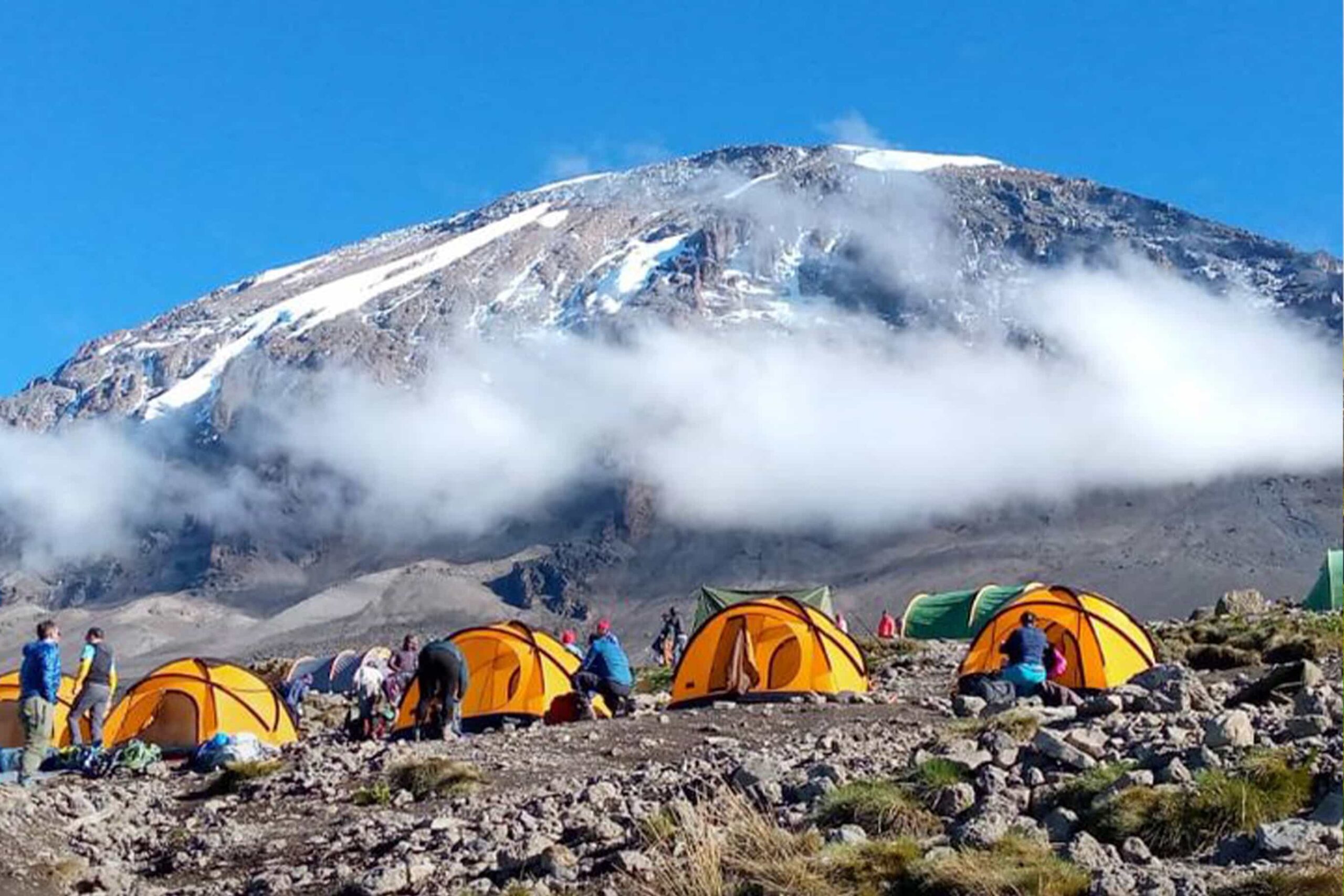
A 9-day Kilimanjaro climb, typically on the scenic Lemosho or Northern Circuit route, offers the highest success rates (over 95%) by allowing excellent acclimatization. The journey includes 7-8 days on the mountain ascending through rainforests, moorlands, and arctic zones, with a midnight summit push to Uhuru Peak (ft) and, for some, a unique crater camp.
10-days-best-kilimanjaro-hike-serengeti-safari-tour-and-ngorongoro-tour-combo
8-days-lemosho-route-kilimanjaro-climb
7-days-kilimanjaro-climb-and-hiking-safari-ascent-to-peak
6-days-best-kilimanjaro-climb-via-marangu-route
5-day-kilimanjaro-climb-marangu-route
9 Days Kilimanjaro climb to the summit
Climbing Mount Kilimanjaro is a majestic journey that offers trekkers the chance to experience diverse ecosystems, stunning landscapes, and a sense of accomplishment when reaching Africa's highest peak. This 9-day Kilimanjaro climb itinerary is crafted for optimal acclimatization and enjoyment, making it ideal for both beginners and experienced climbers. This expedition typically follows the Lemosho Route, known for its beauty and lower crowds, ensuring a more immersive experience.
Participants will traverse rainforests, plateaus, and alpine deserts, witnessing breathtaking views every step of the way. From orientation on Day 1 to the exhilarating summit night, where climbers conquer Uhuru Peak at dawn, every moment is carefully designed to build endurance and enhance overall enjoyment. As you embark on this life-changing adventure, prepare to forge lasting memories, embrace the incredible beauty of Kilimanjaro, and achieve your dream of standing atop the Rooftop of Africa.
Day 1: Arrival
Upon landing at Kilimanjaro Airport (JRO), the adventure begins with a warm welcome from your trekking team, who will transfer you to a hotel in Arusha or Moshi. This day is dedicated to orientation, where you’ll meet your guides and fellow trekkers. An important gear check will help ensure you have everything needed for the climb. During the briefing, you’ll learn about safety protocols, the day-to-day itinerary, and the challenges ahead. This introductory experience serves to prepare you mentally and physically for the journey, instilling confidence as you embark on this extraordinary adventure. Enjoy the evening relaxing and soaking in the vibrant local atmosphere, which allows you to acclimate before your ascent begins.
Day 2: Londorossi Gate to Mti Mkubwa
Day two marks the official start of your trek as you drive to the Lemosho Gate for registration. Once the paperwork is complete, you’ll begin your journey through the enchanting rainforest. This segment of the trek is characterized by lush vegetation, which is home to diverse wildlife, including monkeys and colorful birds. As you trek, the sounds of nature surround you, creating an immersive experience. The ascent to Mti Mkubwa Camp takes approximately 5-6 hours and rewards you with stunning views of the vibrant vegetation and dynamic landscapes. Upon reaching the camp, take the time to relax, hydrate, and enjoy a hearty meal as you prepare for the days of adventure that lie ahead, appreciating the beauty of the mountain’s lower slopes.
Day 3: Mti Mkubwa to Shira 1 Camp
On the third day, you’ll ascend to the Shira Plateau, which provides exhilarating panoramas of the mountain. This trek introduces you to the moorland terrain, characterized by unique flora such as giant heather and wildflowers. The journey takes roughly 5-7 hours, allowing ample time to acclimatize and absorb the breathtaking scenery. As you climb, the altitude rises to around 3,610 meters, which enhances the opportunity to experience the diverse ecosystems of Kilimanjaro. Shira 1 Camp is an ideal spot for rest, situated in a picturesque landscape where you can marvel at the expansive plateaus. Once camp is set up, enjoy the stunning sunset views and the stars that emerge during the night, serving as a testament to the adventure unfolding before you.
Day 4: Shira 1 to Shira 2 Camp
Day four is designed for acclimatization, as you trek across the Shira Plateau to reach Shira 2 Camp. The hike usually takes about 4-6 hours, offering gradual elevation while allowing your body to adapt to altitude changes. As you traverse the plateau, you’ll experience panoramic views of the surrounding landscapes and the majestic peaks of Kilimanjaro. This gentle hike is crucial for your acclimatization process, allowing you to breathe deeply and enjoy the magnificent scenery. The camp is situated at approximately 3,850 meters, enabling you to rest and prepare for the climb ahead. Take time in the evening to reflect on the journey so far, absorb the breathtaking environment, and bond with fellow climbers under the expansive African night sky.
Day 5: Shira 2 to Lava Tower to Barranco Camp
On day five, the trek to the Lava Tower begins, enhancing your acclimatization as you hike to an altitude of approximately 4,600 meters. This challenging ascent usually takes 6-8 hours, providing stunning panoramic views and unique geological features. The Lava Tower acts as a critical acclimatization point, encouraging trekkers to "hike high, sleep low." After a brief stop at the tower, you’ll descend to Barranco Camp, situated at about 3,960 meters. The descent allows your body to adjust after the higher elevation, aligning with the acclimatization principles crucial for success on the trek. Barranco Camp is a beautiful setting to relax, where you can recharge for the upcoming days. Enjoy a warm meal and share experiences with fellow adventurers around the campfire as night falls.
Day 6: Barranco Camp to Karanga Camp
Day six kicks off with the ascent of the Barranco Wall, a steep climb that awaits adventure seekers. This section demands some scrambling, making it an exhilarating challenge. The ascent offers breathtaking views and the opportunity to navigate a remarkable part of Kilimanjaro. Once at the top, you’ll traverse to Karanga Camp, located at around 4,000 meters. This segment of the hike takes about 4-5 hours. The landscape shifts from rocky terrain to diverse ecosystems, showcasing Kilimanjaro's beauty. Upon arrival at Karanga Camp, you’ll enjoy some well-deserved rest while soaking in the spectacular surroundings. The afternoon allows you to acclimatize further, and you may take time to appreciate the stunning vistas and see wildlife in the area
Day 7: Karanga to Barafu Camp (Base Camp)
Day seven features a relatively shorter hike to Barafu Camp, which serves as the base camp for your summit attempt. This journey typically takes around 3-4 hours, providing a welcoming pause before the ascent. The path winds through various landscapes, ultimately leading you to 4,600 meters. Upon reaching Barafu Camp, climbers benefit from hydration and nourishment while preparing their bodies for the strenuous night ahead. This day is vital for resting and gathering strength, as the following night marks your summit attempt. Settle into your camp and discuss strategies with fellow trekkers while enjoying the stunning backdrop of Kilimanjaro’s towering peaks. As evening approaches, embrace the tranquility of the mountain as you prepare mentally for the culmination of your journey.
Day 8: Summit Night to Mweka Camp
Summit night arrives, beginning around midnight. The excitement and anticipation are palpable as trekkers don headlamps and prepare for the challenging ascent to Uhuru Peak. The journey to Stella Point—a critical landmark at 5,730 meters—takes approximately 6-8 hours. As you climb toward the summit, breathtaking views unfold, especially during sunrise. Upon reaching Uhuru Peak, the sense of achievement is profound. After celebrating this momentous occasion, you’ll descend to Barafu Camp for a short rest before continuing down to Mweka Camp at around 3,100 meters. The descent offers additional opportunities to appreciate the diverse ecosystems surrounding you. Reaching Mweka Camp concludes a long and rewarding day, where you can unwind, enjoy dinner, and share stories of the incredible journey you’ve just completed.
Day 9: Mweka Camp to Gate
The final day begins with a descent from Mweka Camp through the lush rainforest, taking about 3-4 hours to reach the park gate. This segment of the trek offers a distinct contrast to the higher elevations you’ve traversed, showcasing the vibrant flora and fauna that thrive in the lower regions of the mountain. Upon arriving at the gate, a celebratory lunch awaits you, marking the completion of your climb. During this time, a tipping ceremony acknowledges the hard work and dedication of your guides, cooks, and porters, essential to your successful ascent. As you reflect on your journey, you’ll cherish the memories and achievements gained on this extraordinary adventure. Finally, you’ll depart Kilimanjaro, taking with you the memories of a remarkable trek and the sense of accomplishment that comes from standing atop Africa’s highest peak.
Why Choose a 9-Day Kilimanjaro Climb to the Summit?
Opting for a 9-day Kilimanjaro climb presents a multitude of advantages, making it an outstanding choice for climbers seeking both safety and enjoyment. One of the primary benefits is its unparalleled acclimatization schedule. Allowing more time for gradual ascent, the itinerary significantly mitigates the risks associated with altitude sickness, a common affliction on hikes over 4,000 meters. This careful pacing increases the likelihood of reaching the summit, with success rates often exceeding 95% for longer climbs compared to just 60-70% for shorter 5-7 day trips.
Additionally, a 9-day trek provides ample opportunity to enjoy the diverse and stunning landscapes found on Kilimanjaro. From the lush rainforests to the beautiful moorlands and arctic desert zones, each stage of the journey reveals unique ecosystems and breathtaking vistas. More time allows climbers to absorb these sights, take photographs, and engage with fellow trekkers.
Moreover, the extended itinerary enriches the experience by allowing for acclimatization hikes, where climbers ascend to higher points during the day and return to lower camps to sleep. This method helps climbers adapt better to the elevation while making the trek more manageable and enjoyable.
In summary, choosing a 9-day climb not only boosts your chances of summiting but also allows for a more enriching experience, enabling you to connect with the culture and beauty of Kilimanjaro while ensuring a safer and more fulfilling journey.
Which Route is Best for a 9-Day Kilimanjaro Climb to the Summit?
When it comes to a 9-day Kilimanjaro climb, the Northern Circuit Route emerges as the most recommended option. Renowned for its breathtaking scenery and relatively low foot traffic, this route allows climbers to explore untouched landscapes with panoramic views in a less crowded environment.
The Northern Circuit offers a comprehensive experience, covering diverse terrains more than any other route. Starting from the Lemosho Gate, climbers gradually ascend through lush rainforests, move across flower-filled moorlands, and finally traverse steep sections leading to the alpine desert. Each stage showcases the unique flora and fauna of the mountain, providing ample opportunities for photography and wildlife spotting.
The climb itself is structured to optimize acclimatization with a gentler ascent. With numerous hours allocated for trekking each day, participants benefit from a slow yet steady pace, reducing the risk of altitude sickness and increasing summit success rates. The route allows trekkers to appreciate the varied ecosystems, from the rich green zones at lower altitudes to the stark, majestic views near the summit.
Additionally, the Northern Circuit typically culminates in a spectacular sunrise summit push, allowing climbers to reach Uhuru Peak at dawn, basking in the celebration of their accomplishment against a beautiful backdrop.
In summary, the Northern Circuit Route stands out as the best choice for a 9-day Kilimanjaro climb, offering unparalleled scenic variety, excellent acclimatization opportunities, and a more peaceful trekking experience.
Is a 9-Day Kilimanjaro Climb to the Summit Suitable for Beginners?
Yes, a 9-day Kilimanjaro climb is exceptionally suitable for beginners, primarily due to its thoughtful pacing and comprehensive itinerary. For those with a good level of physical fitness, this extended climb allows participants to acclimatize to the altitude more effectively than shorter treks.
The slow and steady approach, inherent in a 9-day itinerary, is beneficial for novice climbers, who may be inexperienced with high-altitude trekking. Each day typically involves around 4-6 hours of hiking, with rest and recovery periods factored in. This provides ample time to adjust to the physical demands of the climb while enjoying the breathtaking surroundings without feeling rushed.
Moreover, the added acclimatization days reduce the risk of altitude sickness, a common concern for those unfamiliar with high altitudes. The gradual ascent helps beginners’ bodies adapt to the diminishing oxygen levels, contributing to a safer and more enjoyable experience.
Support staff, including guides and porters, play a key role in ensuring that all climbers, including beginners, receive the assistance and motivation they need throughout the journey. Their expertise lends confidence to novice trekkers, allowing them to focus on the climb and relish the enriching experience.
In conclusion, a 9-day Kilimanjaro climb is ideal for beginners, providing a safe and enjoyable way to explore one of the world’s greatest mountains while equipping them with the necessary tools for success.
What is the Summit Success Rate for a 9-Day Kilimanjaro Climb to the Summit?
The summit success rate for a 9-day Kilimanjaro climb is impressively high, often exceeding 95%. This remarkable statistic is largely attributed to the emphasis on acclimatization and the slower pace of the itinerary. Unlike shorter climbs, which typically last 5-7 days, the extended timeframe allows climbers to properly acclimatize to the high altitudes while minimizing the risk of altitude sickness.
Longer itineraries provide opportunities for climbers to ascend to higher altitudes during the day and descend for restful nights, a practice known as the "hike high, sleep low" technique. This strategy proves invaluable as it grants trekkers the physiological benefits of gradual altitude adjustment.
The combination of careful planning and experienced guidance plays a significant role in ensuring climber safety and encouraging summit attempts. Guides on longer treks are well-trained to monitor signs of altitude sickness and adapt plans accordingly, fostering a supportive environment for climbers.
As a result, when choosing to undertake a 9-day climb, climbers significantly improve their chances of standing triumphantly atop Uhuru Peak at dawn, reaping the rewards of their efforts. This achievable success rate is one of the major draws for trekkers seeking the thrill of conquering Africa's highest peak.
How Much, on Average, Does a 9-Day Kilimanjaro Climb to the Summit Cost?
The cost of a 9-day Kilimanjaro climb can vary significantly based on multiple factors, including the choice of trekking operator, group size, and level of luxury. On average, prices generally range from $2,500 to over $5,000 per person. Budget operators may offer lower prices, yet it’s essential to consider the quality of guides, food, and safety measures.
Mid-range options, which typically provide good services without the premium costs, usually fall between $3,000 and $4,500. These packages often include essential amenities, such as experienced guides, nutritious meals, well-maintained camping equipment, and park fees.
High-end operators may charge upwards of $5,000 per person, offering luxurious camping gear, gourmet meals, and additional perks like hot showers and private camping toilets. Many trekkers feel that investing in quality services not only enhances their experience but also contributes to the overall safety and success of the climb.
It’s also advisable to factor in additional costs such as tips for guides and porters, which may add a few hundred dollars to your total budget. In summary, understanding the cost breakdown and selecting the right operator is vital to ensuring an enjoyable and successful Kilimanjaro experience.
Will I Get Altitude Sickness on a 9-Day Kilimanjaro Climb to the Summit?
While the risk of altitude sickness is never zero on Mount Kilimanjaro, a 9-day climb significantly mitigates that risk due to its structured acclimatization strategy. The extended itinerary allows climbers more time to adjust to the increasing elevations, making it less likely for them to experience severe symptoms associated with high altitude.
The gradual ascent approach, often described as "hike high, sleep low," is implemented in the itinerary. Participants ascend to higher altitudes during the day but descend to sleep at lower elevations, helping their bodies acclimate. This practice strengthens the body's ability to adapt to diminished oxygen levels, lowering the chances of altitude-related issues.
Even for those well-prepared, symptoms of mild altitude sickness—such as headaches, nausea, or fatigue—can occur. Staying well-hydrated, maintaining good nutrition, and following your guides’ advice can greatly help prevent these symptoms.
Overall, when climbing Kilimanjaro over 9 days, climbers benefit from an enhanced chance of acclimatization. Though altitude sickness may occur, the thoughtfully designed itinerary aims to optimize the climbers' overall health and enjoyment throughout the journey.
How Many Hours a Day Do I Walk on a 9-Day Kilimanjaro Climb to the Summit?
On a 9-day Kilimanjaro climb, climbers can expect to hike for approximately 4 to 6 hours per day, with the exception of summit day. This structure not only promotes a slower and safer ascent but also allows trekkers to enjoy the breathtaking scenery and unique ecosystems found along the way.
Typical hiking hours vary based on daily objectives and terrain. For most days, the focus is on gradual elevation gain, accommodating the body's acclimatization process while enjoying the stunning landscapes. Each hike is carefully planned with built-in breaks for hydration, meals, and rest, further enhancing the experience while minimizing fatigue.
Summit day is a notable exception; climbers wake up around midnight to begin the ascent to Uhuru Peak. This grueling trek can last anywhere from 10 to 15 hours, depending on the pace and climber endurance. Starting in the cold dark, climbers aim to reach Stella Point by sunrise before continuing to the summit.
In summary, the daily hiking hours during a 9-day climb are designed to be manageable and enjoyable, allowing climbers to fully appreciate the magnificent ambiance of Kilimanjaro while preparing adequately for the final ascent.
What is the Food Like During a 9-Day Kilimanjaro Climb to the Summit?
Food on a 9-day Kilimanjaro climb is generally hearty, nutritious, and tailored to meet the caloric needs of climbers tackling high-altitude challenges. Reputable trekking operators prioritize providing balanced meals that include a combination of carbohydrates, proteins, and fats necessary to fuel your body during strenuous hiking days.
Breakfast often features options like oatmeal, eggs, pancakes, and fresh fruit to kickstart your day. Lunch typically consists of energy-boosting foods such as sandwiches, pasta salads, or hearty soups packed with vegetables. Dinners are more substantial, frequently including dishes like rice, potatoes, stews, and grilled meats, accompanied by vegetables.
Snacks are also an integral part of the meal plan, provided to keep your energy levels up throughout the day. Common snacks include energy bars, nuts, dried fruits, and local Tanzanian specialties.
Hydration is equally important, and trekkers are encouraged to drink plenty of water during the climb. Operators often provide treated water along the trail, ensuring you stay hydrated even as you reach higher altitudes.
Overall, the focus on nourishing meals during a 9-day climb not only ensures trekkers maintain their energy levels but also enhances the overall trekking experience on Kilimanjaro.
What Gear Do I Need for a 9-Day Kilimanjaro Climb to the Summit?
Selecting the right gear for a 9-day Kilimanjaro climb is crucial to ensuring a successful and enjoyable experience. Layering your clothing is essential, as temperatures can fluctuate dramatically throughout the climb. Here is a breakdown of the key items you’ll need:
- Base Layers: Moisture-wicking materials that keep you dry and comfortable.
- Insulating Layers: Fleece or thermal tops to provide warmth during cooler nights.
- Outer Layers: A waterproof and windproof jacket is important for protection against the elements.
- Pants: Waterproof and breathable trousers are ideal, along with thermal leggings for added warmth at higher altitudes.
- Hiking Boots: Sturdy, well-broken-in boots that offer ankle support and grip for varying terrain.
- Sleeping Bag: A high-quality, warm sleeping bag rated for sub-zero temperatures is crucial for comfortable nights.
- Trekking Poles: Useful for stability, especially during steep ascents and descents.
- Daypack: A comfortable pack that holds your daily essentials, such as water, snacks, and extra layers.
Additional items, such as a thermal water bottle, sunscreen, a hat, and gloves, are also essential. It’s crucial to ensure that each piece of gear fits well and functions properly to enhance comfort and safety during the trek.
In conclusion, having the right gear is vital for a successful Kilimanjaro adventure, enabling you to fully focus on the breathtaking journey ahead without discomfort.
Do I Need to Carry All My Gear on a 9-Day Kilimanjaro Climb to the Summit?
No, you do not need to carry all your gear on a 9-day Kilimanjaro climb. The logistical support provided by trekking operators includes a team of porters who are responsible for carrying the bulk of your equipment, such as tents, food, and cooking supplies. This arrangement allows climbers to focus on the trek itself without the burden of heavy packs.
As a climber, you will only need to carry a daypack that contains your personal essentials, including water, snacks, a light jacket, and anything else you may require during the day. This daypack typically weighs between 5 to 10 kilograms, making it manageable even through long hiking hours.
Porters are trained to handle the mountain terrain effectively and are skilled in managing weight distribution to ensure they can carry multiple packs without compromising their own safety. Trekking companies tend to have strict guidelines regarding the weight limits for porters, which helps streamline your overall climbing experience.
In summary, the porter system enables trekkers to enjoy their climb up Kilimanjaro more fully, focusing on the unique environments and challenges ahead, while ensuring their overall comfort and safety.
How Cold Does It Get on a 9-Day Kilimanjaro Climb to the Summit?
Temperatures during a 9-day Kilimanjaro climb can drop remarkably low, particularly at higher elevations and during the summit attempt. On summit night, the temperature can plummet below freezing, ranging between -10°C to -20°C (14°F to -4°F) at Uhuru Peak.
As you ascend, temperatures typically decrease as you climb higher, causing the conditions to become progressively colder. The nights at higher camps, particularly at places like Barafu Camp and Mweka Camp, can also be quite chilly, usually falling into the single digits Celsius, further emphasizing the need for appropriate thermal clothing and gear.
To prepare for these cold conditions, layering is essential. Base layers made of moisture-wicking material are crucial for maintaining warmth and dryness, while insulating layers, like fleece or down jackets, provide essential warmth during the cold nights. Outer layers, such as waterproof and windproof jackets, help protect against wind chill during your nighttime ascent.
Overall, understanding the temperature swings during a 9-day climb is crucial for effective preparation, allowing for a comfortable and successful climb while tackling the challenges of Kilimanjaro.
Is It Possible to Use the Toilet During a 9-Day Kilimanjaro Climb to the Summit?
Yes, using the toilet during a 9-day Kilimanjaro climb is possible, and many reputable operators provide portable, private camping toilets for climbers. This upgrade is particularly valued on longer treks, as it enhances the comfort and convenience of the experience.
Unlike basic restroom facilities, portable toilets feature a seated design with privacy enclosures, allowing trekkers to maintain hygiene standards more comfortably throughout their journey. The presence of these toilets makes it much easier for climbers to manage bathroom breaks without the discomfort of using bush sites, which are common on many trekking expeditions.
However, it’s important to note that the availability of these facilities may depend on the operator, so it's essential to inquire ahead of time. Understanding what amenities your chosen trekking company offers can significantly affect your experience.
Overall, having access to portable toilets is yet another benefit of organizing with a reputable trekking company, allowing climbers to focus on the journey ahead while ensuring they maintain personal hygiene effectively.
How Do I Train for a 9-Day Kilimanjaro Climb to the Summit?
Training for a 9-day Kilimanjaro climb is vital to enhancing your chances of success and ensuring a pleasurable experience. A well-rounded training regimen begins 3-6 months before the climb. Focus on building cardiovascular endurance, strength, and flexibility to adapt to the demands of trekking at high altitudes.
Engaging in consistent cardio activities, such as brisk walking, running, or cycling, will help improve your cardiovascular fitness. Aiming for 4-5 sessions each week establishes a solid base. Incorporating interval training can be beneficial, gradually increasing durations and intensities over time.
Endurance training is particularly important. Long hiking sessions with a backpack mimicking the weight you will carry on the climb are invaluable. Aim for at least one long hike per week, gradually increasing distance and elevation to simulate the Kilimanjaro experience. Practice hiking with the gear you intend to use, which helps familiarize yourself with conditions you'll face.
Additionally, strength training exercises that target the legs, core, and back will markedly improve your climbing performance. Exercises such as lunges, squats, and deadlifts help build the necessary muscle strength to tackle steep inclines effectively.
In summary, a well-planned training schedule that focuses on aerobic conditioning, endurance, and strength will not only prepare your body for the challenges of Kilimanjaro but also enhance your confidence as you take on this incredible journey.
What is the Best Time of Year for a 9-Day Kilimanjaro Climb to the Summit?
Choosing the best time of year for a 9-day Kilimanjaro climb is crucial for ensuring optimal weather conditions and a successful experience. The two primary trekking seasons are during the dry months, which are typically from January to March and June to October.
January to March is considered a fantastic time to climb, as the weather is generally cooler, making for comfortable trekking conditions. This period is characterized by clear skies and relatively lower temperatures, enhancing visibility on the mountain. While days can be warm, evenings and nights can drop to chilly temperatures, requiring appropriate layering for warmth.
The second climbing season from June to October is also popular, as it offers similar dry conditions. This interval tends to attract a larger number of climbers, so expect more travelers on the trails. Despite the crowds, the weather tends to be stable, with clear days and manageable temperatures for trekking.
In contrast, the rainy seasons from April to May and November can pose challenges due to muddy and slippery trails, potentially complicating the ascent. Trekking during these months is generally not recommended for advanced climbers unless acclimatization is managed well.
In summary, for a successful and enjoyable 9-day Kilimanjaro climb, consider embarking during the dry seasons of January to March or June to October, ensuring peak weather conditions for your unforgettable adventure.
Can I Shower During a 9-Day Kilimanjaro Climb to the Summit?
Showers during a 9-day Kilimanjaro climb are limited, as the remote, high-altitude camps do not offer traditional shower facilities. However, many reputable trekking operators are increasingly providing alternatives, such as portable shower tents or solar showers, to enhance the trekking experience.
Typically, camp life at higher elevations focuses on functionality rather than comfort due to the logistics of water supply and the cold temperatures at night. Climbers often rely on sponge baths with wet wipes or biodegradable soap to maintain personal hygiene instead of traditional showers.
Booking 9 Days Kilimanjaro climb with us Roads of Adventure safari
Book your 9-day Kilimanjaro climb with Roads of Adventure Safaris for a premier, safe, and unforgettable experience on the Roof of Africa. Our extended itineraries, such as the Lemosho or Machame routes, maximize acclimatization for higher summit success rates. We provide expert guides, quality equipment, and nutritious meals, ensuring your comfort and safety. Experience personalized service from pre-trek briefings to reaching Uhuru Peak, creating memories that last a lifetime. Choose a trusted local operator for an expertly managed, thrilling adventure. Visit our website for more information.
