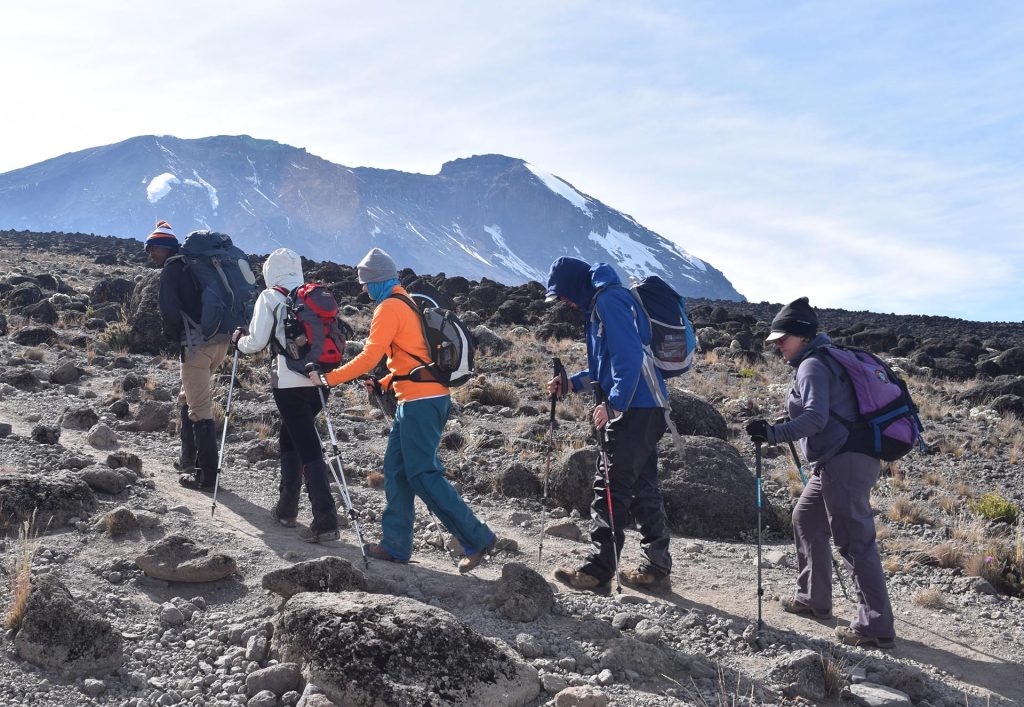
An 8-day Kilimanjaro climb is best spent on the Lemosho route, which offers superior scenery and high success rates through excellent acclimatization. The itinerary typically spans 8 days from Arusha to summit (Uhuru Peak) and back, involving rainforests, the Shira Plateau, Lava Tower (4,600m), and the Barranco Wall before the midnight summit push
10-days-best-kilimanjaro-hike-serengeti-safari-tour-and-ngorongoro-tour-combo
8-days-lemosho-route-kilimanjaro-climb
7-days-kilimanjaro-climb-and-hiking-safari-ascent-to-peak
6-days-best-kilimanjaro-climb-via-marangu-route
5-day-kilimanjaro-climb-marangu-route
The 8-Day Lemosho Route is one of the most scenic and celebrated paths to climb Mount Kilimanjaro, offering trekkers breathtaking landscapes and a diverse range of ecosystems. This route is particularly popular for its gradual ascent, providing ample opportunities for acclimatization while immersing climbers in lush rainforests, expansive moorlands, and stunning alpine deserts. Beginning at the Lemosho Gate, this adventure takes you through pristine environments filled with unique flora and fauna, offering panoramic views of the Kilimanjaro massif. From lush rainforests to stark volcanic landscapes, each day presents new challenges and awe-inspiring vistas. On the final ascent, climbers aim to reach the summit, Uhuru Peak, at sunrise, creating an unforgettable climax to the journey. With careful planning and expert guidance, this itinerary is designed to ensure a safe and memorable experience on Africa's highest peak. Join us for an extraordinary adventure of a lifetime!
Day 1: Arrival & Transfer
Upon arriving at Kilimanjaro Airport (JRO), you'll be greeted by our team and transferred to a comfortable hotel in Arusha or Moshi. This day is crucial for acclimatization and preparation before your trek. After checking into your hotel, you'll participate in a gear check to ensure you have all necessary equipment for the climb, including proper clothing, hiking boots, and sleeping bags. Following this, enjoy a comprehensive briefing with your guide, who will outline the itinerary, safety protocols, and climbing tips. This introductory day offers a chance to relax, orient yourself, and absorb the local culture before embarking on your remarkable Kilimanjaro adventure.
Day 2: Lemosho Gate to Mti Mkubwa Camp
On your second day, the trek begins at the Lemosho Gate where your adventure officially starts. After signing in at the gate, you’ll embark on a hike that takes you through lush rainforest teeming with vibrant greenery and the sounds of nature. The moderate trail winds through dense vegetation, providing sightings of unique wildlife and native plants, including ancient trees and colorful birds. As you ascend to approximately 2,780 meters, you'll gradually come to the first camp, Mti Mkubwa (Big Tree Camp). This location is perfect for settling in and enjoying your first camp dinner amidst the tranquil beauty of the forest, setting the tone for the journey ahead.
Day 3: Mti Mkubwa to Shira 1 Camp
Day three sees climbers ascending to the Shira Plateau, reaching an altitude of around 3,500 meters. After breakfast, you’ll leave Mti Mkubwa Camp, hiking through increasingly diverse landscapes as the forest gradually gives way to moorland. Enjoy panoramic views of the surrounding plains and the majestic peak of Kilimanjaro. The route features vibrant wildflowers and unique rock formations that will capture your attention. Upon arrival at Shira 1 Camp, you’ll have the opportunity to rest and acclimatize. Take in the breathtaking vistas of the plateau while staying hydrated. This day not only boosts your altitude experience but builds excitement for the next stages of your adventure.
Day 4: Shira 1 to Moir Camp
Departing from Shira 1 Camp, you'll journey to Moir Camp, known for its serene ambiance and stunning views. The hike is designed for acclimatization as you ascend to approximately 4,200 meters. This leg of the trek takes you along less traveled paths, providing a peaceful atmosphere and opportunities for solitude amidst nature. As you hike, you’ll pass fascinating geological formations and may even spot wildlife roaming in the distance. Moir Camp lies at the base of a lava ridge, which offers remarkable views and optimal acclimatization opportunities. Upon settling in, take time to relax, enjoy a hearty meal, and soak in the stunning environment surrounding you.
Day 5: Moir Camp to Lava Tower to Barranco Camp
On the fifth day, you’ll set out for a challenging hike to Lava Tower, ascending to approximately 4,600 meters. This elevation gain is crucial for acclimatization as you climb high and then descend, following the principle of "climb high, sleep low" to mitigate altitude sickness. The trek to Lava Tower provides exceptional views of the surrounding landscapes, showcasing the rugged beauty of Kilimanjaro’s volcanic features. After a brief break at Lava Tower, you’ll descend towards Barranco Camp, located at 3,960 meters. The descent allows your body to adjust to the altitude, and Barranco Camp serves as a stunning spot to rest, nestled amongst towering cliffs and lush vegetation.
Day 6: Barranco Camp to Karanga Camp
Day six begins with the famous ascent of the Barranco Wall, a 300-meter climb that presents both a physical challenge and an exhilarating experience. The wall offers stunning views over the surrounding valleys and peaks as you navigate your way to the top. After conquering the wall, you’ll continue the trek towards Karanga Camp, situated at around 4,035 meters. The trail leads through alpine desert landscapes, revealing a stark contrast to the lush forests of earlier days. Upon arrival at Karanga Camp, you will have the chance to relax and prepare for the upcoming ascent to Barafu Camp the next day. Witnessing the sunset over the rugged terrain is a rewarding way to end the day.
Day 7: Karanga Camp to Barafu Camp
On the seventh day, you’ll make your way to Barafu Camp, located at 4,673 meters, the high base camp from which you will launch your final ascent to the summit. The trail from Karanga is shorter but steep, emphasizing the need for gradual acclimatization. As you ascend, take in the breathtaking views of the surrounding peaks and valleys. Barafu Camp serves as a crucial resting point, where you’ll prepare for the summit attempt tonight. After settling in and having an early dinner, ensure your gear is ready for the challenging ascent ahead. It's vital to get plenty of rest since you’ll be waking up in the early hours to begin your journey to Uhuru Peak.
Day 8: Summit Day and Descent
Summit day arrives, and you'll wake before dawn for the exciting journey to Uhuru Peak. Departing from Barafu Camp, you'll ascend through the night, navigating rocky and steep trails. Don't forget to take pauses to appreciate the stars that illuminate the sky above. The anticipation builds as you near the summit, with breathtaking panoramic views awaiting you at sunrise. Once you reach Uhuru Peak at 5,895 meters, a sense of accomplishment envelopes you as you stand on Africa's highest point. After taking photos and relishing the moment, the descent begins towards Mweka Camp at 3,100 meters. This descent allows your body to readjust to a lower altitude while celebrating your achievement. The final night on the mountain at Mweka Camp is a fitting end to an incredible and unforgettable journey.
What is the best route for an 8-day Kilimanjaro climb?
The 8-day Lemosho route is often hailed as the best option for climbing Mount Kilimanjaro, largely due to its exceptional acclimatization profile and scenic diversity. This route allows trekkers ample time to adjust to the high altitude and offers a varied landscape experience. The journey begins in the lush rainforests at Lemosho Gate, traverses through breathtaking moorlands, and ultimately reaches the stark beauty of the alpine desert. By adopting a “pole, pole” (slowly, slowly) pace, climbers can better acclimatize to the altitude, significantly reducing the risk of altitude sickness.
Moreover, the Lemosho route has a comparatively low foot traffic, making it a more tranquil experience for climbers. The itinerary includes days spent exploring vibrant ecosystems rich in vegetation, wildlife, and stunning vistas, enriching the overall experience of trekking.
Enhanced acclimatization is essential for mounting such a challenging ascent, and the inclusion of additional days helps climbers incrementally adapt to the heights. As a result, the Lemosho route not only enhances the likelihood of a successful summit but also provides climbers with a rich and fulfilling trekking experience through one of Africa's most iconic landscapes.
What is the success rate for an 8-day Kilimanjaro climb?
The 8-day Lemosho route boasts an impressive success rate, typically reported to be between 90-95%. This high rate of success can be attributed to the route's design, which emphasizes gradual acclimatization over a longer timeframe. The extra days of trekking allow climbers' bodies to adjust to the lower oxygen levels at higher altitudes, minimizing the risk of altitude sickness, a common challenge faced on shorter treks.
In comparison, shorter routes, such as the 5 or 6-day itineraries, may rush climbers through altitude gains, which can lead to a higher incidence of altitude-related illnesses. The Lemosho route's extended itinerary includes a well-paced approach, implementing the “climb high, sleep low” strategy, further optimizing acclimatization.
This careful planning ensures that trekkers make steady progress while allowing their bodies to adapt, resulting in a more comfortable and enjoyable climbing experience. Additionally, the psychological benefits of taking one’s time—enjoying the scenic beauty, wildlife sightings, and camaraderie—contribute to an overall sense of well-being among climbers. Consequently, the 8-day Lemosho route stands out as one of the most dependable choices for those looking to successfully summit Kilimanjaro.
How difficult is an 8-day Kilimanjaro climb?
The 8-day Kilimanjaro climb via the Lemosho route is deemed physically demanding but not technically challenging, making it accessible for fit beginners. While the trek does not require technical climbing skills, it presents various obstacles that test your endurance, stamina, and mental fortitude. The significant altitude gained throughout the journey can result in fatigue and requires climbers to manage their physical and emotional states effectively.
However, the extended nature of this itinerary allows for a gradual acclimatization process, making the overall challenge more manageable than that of shorter, steeper routes. Trekkers can approach the ascent with a steady pace, utilizing the “pole, pole” principle to climb safely while minimizing physical strain. This slower approach enhances the climber's chances of success and enjoyment as well.
Preparation is crucial; a reasonable baseline fitness level, including cardiovascular training and strength exercises, helps climbers tackle the physical demands they will face. Being well-prepared also instills confidence for the journey ahead.
Ultimately, while the 8-day climb presents a significant physical challenge, the thoughtful pacing and acclimatization strategies make it suitable for those willing to invest the necessary training and preparation.
What is the daily routine like on an 8-day Kilimanjaro climb?
The daily routine on an 8-day Kilimanjaro climb is structured yet flexible, providing climbers with a fulfilling and immersive experience. Each day typically begins around 6:30 AM, with climbers waking to the gentle sounds of the mountain environment. After a hearty breakfast, consisted of items like porridge, eggs, and toast, adventurers set out on their trek.
Hiking usually lasts between 4 to 8 hours, depending on the day’s itinerary. The pace is moderate, adhering to the “pole, pole” philosophy, allowing for ample opportunity to acclimatize and appreciate the landscape. Lunch is a hot meal, either enjoyed on the trail or at the camp, refreshingly prepared by the cook. Meals include soups, sandwiches, and salads, providing necessary energy for the trek.
After a day of climbing, groups arrive at camp, typically in the late afternoon. This period allows trekkers to rest, hydrate, and engage in nightly health checks performed by guides, who assess each climber’s acclimatization and well-being. Evening meals often consist of hearty dishes like rice, pasta, or chicken, followed by time to socialize under the stars. Lights out is usually early to ensure adequate rest before another day of adventure.
How much hiking is done each day on an 8-day Kilimanjaro climb?
On an 8-day Kilimanjaro climb, trekkers typically hike between 6 to 8 hours daily, traversing varying terrains and altitudes. The daily hiking distance can range from 8 to 15 kilometers, depending on the day’s specific itinerary. The focused strategy of "climb high, sleep low" is intrinsic to the Lemosho route. This approach helps climbers effectively manage elevation gains while aiding acclimatization to the altitude.
Each trekking day combines physical exertion with breathtaking views and unique flora and fauna. The rhythm of the hike allows climbers to not only tackle the altitude increases effectively but also enjoy the scenery surrounding them, fostering a strong connection to the environment.
Proper acclimatization is further facilitated by scheduled breaks, allowing trekkers to recover, hydrate, and appreciate their surroundings while maintaining energy levels. Engaging with the landscape enhances the overall experience, and resting periods in picturesque locations can create lasting memories.
The daily physical challenges, coupled with the necessity for a steady pace, keep climbers focused yet allow for exploration, camaraderie, and enjoyment during the trek to the summit of Kilimanjaro.
What is the accommodation like on an 8-day Kilimanjaro climb?
During an 8-day Kilimanjaro climb, climbers sleep in high-quality, 4-season mountain tents provided by their tour operator. These tents are designed to withstand the unpredictable weather conditions on Kilimanjaro, offering sufficient insulation and comfort to ensure a restful night's sleep.
The accommodations are typically arranged in small groups, where each tent can accommodate two to three climbers. Privacy is balanced with social opportunities, as trekkers can engage with their fellow climbers while sharing experiences of the day's trek.
A separate mess tent is set up for meals, providing a communal space for dining and relaxation. This tent is furnished with tables and chairs, creating a comfortable atmosphere to enjoy meals prepared by the accompanying chef. The culinary offerings range from nutritious breakfasts and lunches to hearty dinners, ensuring climbers receive the sustenance necessary for their hike.
Although luxurious accommodations are not expected in such a remote environment, the attention to comfort and safety makes the tents a welcoming retreat after long days on the trail, contributing to the overall enjoyment and success of the climbing experience.
What is the food like on an 8-day Kilimanjaro climb?
The food served during an 8-day Kilimanjaro climb is prepared by a skilled chef and is designed to provide climbers with essential nutrients and energy for their daily treks. Meal offerings are carefully planned, including a variety of items that cater to different dietary preferences.
Breakfast typically includes porridge, toast, eggs, and fruit, offering climbers a hearty start to their day. During lunch, trekkers can expect hearty soups, sandwiches, and fresh salads, which replenish energy reserves while on the trail.
Dinner is often the highlight, featuring dishes like rice, pasta, grilled chicken, and hearty vegetables to refuel for the following day’s hike. Meals are served with care, often accompanied by a warm drink, ensuring climbers feel nourished and satisfied after long hours of trekking.
Accommodations prioritize high-quality ingredients and well-balanced meals, maintaining health and strength throughout the climb. This attention to culinary detail not only meets the nutritional needs of trekkers but also contributes to the overall experience of the climb, providing warmth and comfort after the day’s challenges.
How do I manage altitude sickness on an 8-day Kilimanjaro climb?
Managing altitude sickness is paramount during an 8-day Kilimanjaro climb, and the Lemosho route is specifically designed to minimize this risk. The gradual ascent allowed by the extended itinerary, combined with the “climb high, sleep low” approach, enhances acclimatization, giving climbers time to adapt to altitude changes.
Hydration is key; trekkers are advised to consume 3–4 liters of water per day to stay properly hydrated. Drinking water frequently helps mitigate the effects of altitude and keeps energy levels up during long hikes.
Climbers should adopt a slow pace, ensuring their body can effectively adjust to the reduced oxygen levels at higher altitudes. Additionally, many climbers consider taking Diamox (Acetazolamide), a medication that aids acclimatization, although this should be discussed with a physician prior to the trek and used under a guide’s recommendation.
Regular health assessments by guides, who monitor vital signs and overall well-being, are essential. If symptoms of altitude sickness arise, seeking immediate help and following the guide's instructions is crucial. Overall, with careful preparation and adherence to acclimatization practices, most climbers can manage altitude-related challenges successfully.
What should I pack for an 8-day Kilimanjaro climb?
Packing appropriately for an 8-day Kilimanjaro climb is essential to ensure comfort, safety, and enjoyment throughout the trek. Key gear includes a waterproof duffel bag for porters to carry, as well as a daypack for personal items such as water, snacks, and layers on the trail.
Climbers should include a -10°C rated sleeping bag, thermal layers for warmth, and a waterproof jacket to protect against unpredictable mountain weather. Sturdy, well-fitted hiking boots and gaiters will also be crucial for navigating varying terrains.
Other essential items include hiking poles to provide stability, a hat for sun protection, and gloves for warmth. A basic first aid kit, sunscreen, and personal toiletries should not be overlooked. Binoculars and a camera can enhance wildlife spotting and scene-capturing.
Finally, include a headlamp for navigation at night and extra batteries. Adhering to a well-thought-out packing list ensures that you're prepared for the elements and can focus on the incredible journey ahead while trekking to the summit of Kilimanjaro.
How many porters and guides accompany me on an 8-day Kilimanjaro climb?
When embarking on an 8-day Kilimanjaro climb, climbers are typically supported by a comprehensive team, including 3 to 4 staff members for each climber. This includes a mix of guides, assistant guides, a chef, and porters.
The lead guide plays a crucial role in ensuring safety, providing knowledge about the terrain, and managing the overall trekking experience. Assistant guides offer additional support, keeping climbers motivated and monitoring their well-being throughout the journey.
The chef prepares daily nutritious meals, contributing significantly to the overall experience. Porters are responsible for carrying the main luggage and camping equipment, typically managing up to 15 kg per climber. This system ensures that trekkers need only carry a small daypack with personal items, significantly reducing physical strain.
This dedicated support team not only enhances the safety and comfort of the trek but also fosters a sense of community among climbers, allowing trekkers to focus on the adventure and summit without being burdened by heavy loads.
Do I need to carry all my gear on an 8-day Kilimanjaro climb?
No, you do not need to carry all your gear on an 8-day Kilimanjaro climb. The logistical structure of the climb involves a team of porters who are responsible for transporting the majority of your luggage, including sleeping bags, camping equipment, and additional clothing. Typically, each climber is allowed to carry a main luggage weight of up to 15 kg.
As a climber, you will be tasked with carrying only a small daypack containing essential items needed for daily use. This usually includes water bottles, personal snacks, extra layers for warmth, a camera, and possibly a first aid kit.
By having porters manage the more substantial loads, trekkers can focus their energy on the hiking itself, allowing for a more enjoyable experience. The porters’ assistance is not only vital for logistics but also enhances the overall journey by allowing climbers to engage fully with the trek and the stunning landscapes of Kilimanjaro without undue physical strain.
Is it possible to take a shower during an 8-day Kilimanjaro climb?
During an 8-day Kilimanjaro climb, traditional shower facilities are not available due to the remote nature of the mountain environment. However, climbers can expect a convenient alternative: porters will provide a bowl of hot water for washing in the mornings and evenings. This arrangement allows for basic hygiene without compromising the trekking experience.
The hot water can be used to wash hands, face, and any exposed areas to maintain freshness throughout the trek. While this method may not replicate a regular shower, it does help climbers stay clean and comfortable on the trail.
Many experienced trekkers understand that a little flexibility with hygiene expectations is necessary while climbing in the wild. The focus shifts toward embracing the adventure and the breathtaking landscapes, while keeping personal cleanliness manageable. This system of washing up daily, however minimal, contributes to overall well-being during the climb and helps maintain motivation.
What is the bathroom situation on an 8-day Kilimanjaro climb?
The bathroom situation during an 8-day Kilimanjaro climb is structured but basic. Most camps along the Lemosho route provide standard long-drop latrines, which are pit toilets situated at a designated distance from the campsite to ensure hygiene and sanitation. These facilities do vary in quality; however, they generally meet essential needs.
Many reputable tour operators enhance the experience by providing portable toilet tents. These tents feature a more hygienic setup, including a seat over a toilet bucket, significantly improving comfort.
The use of these portable toilet tents can foster a more pleasant experience during the climb, offering privacy and cleanliness that climbers appreciate. Trekking in a remote environment presents unique challenges, but the thoughtful approach of many operators ensures that climbers have access to reasonable bathroom facilities.
Overall, while facilities may not match what one finds in urban settings, the arrangements facilitate essential functions, allowing trekkers to focus on the adventure and beauty surrounding them.
What happens on the summit night of an 8-day Kilimanjaro climb?
Summit night on your 8-day Kilimanjaro climb is one of the most thrilling yet challenging experiences. The ascent typically begins around midnight, allowing climbers to tackle the steep trails leading to Uhuru Peak while aiming to reach the summit at sunrise. Starting at such an early hour means that the temperatures are at their coldest, often plunging below freezing, so layering appropriately is essential.
Climbers will navigate through rocky terrain, often in darkness, and pace themselves while the excitement of the summit drives them forward. The first stretch involves ascending through the alpine desert, where oxygen levels drop significantly. Strong mental determination and teamwork become vital during this arduous section.
In about 6-8 hours, trekkers reach Uhuru Peak, where the stunning views at dawn reward the effort invested. Standing at Africa’s highest point is immensely fulfilling; taking photographs and absorbing the moment becomes an integral part of the experience.
After celebrating the summit achievement, climbers must descend back to Mweka Camp, a critical measure for acclimatization and allow for a safer return, ensuring the journey culminates in a successful experience.
How much should I tip the crew on an 8-day Kilimanjaro climb?
Tipping your crew during an 8-day Kilimanjaro climb is customary and serves as an essential way to express gratitude for the hard work and support provided by guides, chefs, and porters. A general recommendation is to budget between $250 to $350 per climber for the entire team, which is typically distributed among all staff members.
This tipping range acknowledges the effort and dedication of each crew member who has contributed to a successful trek. The lead guide usually receives the highest share, followed by assistant guides, cooks, and porters, each playing a crucial role in ensuring that climbers have a safe and enjoyable experience.
It is advisable to present the tips at the end of the climb, often in a group setting following a celebratory gathering at camp. Such ceremonies allow climbers and staff to share stories and reflect on the experience, creating a memorable closing to the adventure. Ultimately, providing a thoughtful tip enhances the bond formed during the trek and acknowledges the collaborative effort that makes the climb possible.
Booking 8 days Kilimanjaro climb with us Roads of Adventure safaris
Booking an 8-day Kilimanjaro climb with Roads of Adventure Safaris via the Lemosho Route offers one of the most scenic and successful approaches to Africa's highest summit. This extended itinerary is specifically designed to provide optimal acclimatization, maximizing your chances of reaching Uhuru Peak while enjoying the pristine wilderness on the western side of the mountain.
