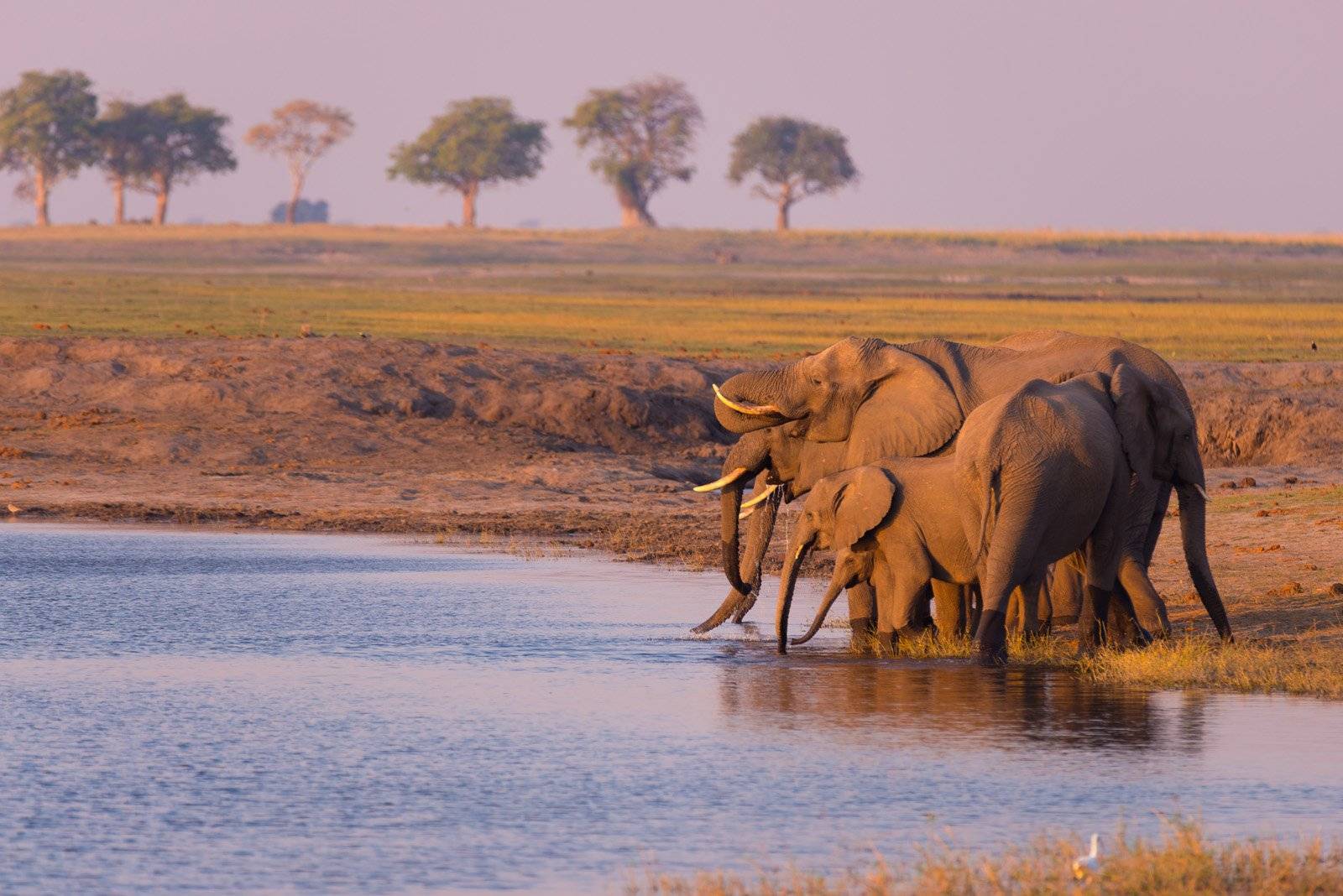
A 7-12-day Botswana safari offers an in-depth experience of diverse ecosystems, typically combining the Okavango Delta, Moremi Game Reserve, Chobe National Park, and sometimes the Makgadikgadi Pans or Victoria Falls. Key activities include mokoro trips, 4x4 game drives, and boat cruises, allowing for high-density wildlife viewing
21-days-exceeding-botswana-safari-itinerary-all-inclusive-tour-package
18-days-exclusive-botswana-safari-victoria-falls-and-zambia-wildlife-safari-tour
16-days-botswana-safari-hwange-and-victoria-fall-tour
15-days-best-of-botswana-and-zimbabwe-safari-holiday-vacation-southern-africa-safari
14-best-botswana-safari-holiday-tour-itinerary-to-botswana-safari-parks
14-days-best-safari-in-africa-to-best-botswana-safari-parks
13-days-luxury-botswana-safari-and-uganda-gorilla-trekking-tour-package-combo
13-days-best-botswana-tour-to-zimbabwe-safari-holiday-and-zambia-safari-tours
12-days-best-of-hwange-victoria-falls-chobe-and-okavango-delta-botswana-safari
11-days-victoria-falls-tour-chobe-national-park-and-rwanda-gorilla-trekking-combo-itinerary
10-days-classic-victoria-falls-tour-and-botswana-wildlife-safari-tour
9-days-best-safari-in-botswana-and-victoria-falls-tour-zimbabwe-side
8-days-exciting-botswana-safari-holiday-vacation-in-okavango-delta-moremi-and-chobe
7-days-exclusive-luxury-botswana-safari-tour-package
7-Day Okavango & Chobe Botswana safari itinerary
This trip takes you through some of Africa's most sought-after wildlife areas, utilizing small planes and 4x4 vehicles for transportation. Starting in Maun, you will travel into the Okavango Delta, home to a rich variety of species including elephants, lions, leopards, buffalo, hippos, crocodiles, giraffes, zebras, cheetahs, wild dogs, and numerous bird species. You'll explore the lush amenities of the Moremi Game Reserve, known for its high wildlife densities, particularly in its lagoons and channels. Afterward, you will head to Chobe National Park, famous for its large elephant populations and riverine wildlife. Here, you'll partake in boat cruises along the Chobe River while spotting impressive animals such as elephants bathing, hippos lounging, and a wide variety of bird species. This well-rounded itinerary offers a perfect mix of water and land wildlife observation, making it suitable for nature enthusiasts and photographers alike.
Day 1-2: Maun to Okavango Delta
Arrive in Maun, the gateway to the Okavango Delta, where your adventure begins. After a brief orientation, you'll fly into a private concession in the Delta. During your first two days, you'll have the opportunity to explore the waterways through mokoro (canoe) trips, allowing you to glide quietly among the reeds. Look for wildlife such as elephants, hippos, and crocodiles along the banks. Walking safaris will deepen your understanding of the area, with the chance to see animals in their natural habitats. Keep an eye out for even more wildlife, including lechwe, reedbuck, and a variety of bird species like the African Fish Eagle. After thrilling days filled with wildlife encounters, relax as the sun sets over the Delta, with the sounds of nature surrounding you.
Day 3-4: Moremi Game Reserve
On days three and four, you will travel to the Moremi Game Reserve, one of the most renowned wildlife territories in Botswana. Here, you can participate in guided game drives that traverse the various lagoons and channels. The reserve is known for its impressive concentrations of wildlife, including lions, elephants, buffalo, and giraffes. As you navigate this diverse habitat, you're likely to spot agile antelopes such as kudu and impala, alongside warthogs and various birds. The early morning game drives offer optimal conditions for viewing wildlife, as animals are most active at dawn. In the afternoons, you can relax and perhaps take a short nature walk, enhancing your connection with the flora and fauna. As day turns to night, the calls of various creatures fill the air, creating a captivating atmosphere.
Day 5-6: Chobe National Park
Transitioning to Chobe National Park on day five, you will witness a shift in scenery and wildlife. Known for one of the largest elephant populations in Africa, the park is a must-visit. Here, partake in exhilarating boat cruises along the Chobe River, where you're likely to see elephants wading in the water, along with hippos and crocodiles basking on the banks. The river teems with life, and you may spot numerous bird species, including Fish Eagles and Kingfishers. On day six, enjoy guided safari drives that afford closer looks at elephants and other animals such as lions, leopards, and buffalo. The combination of land and water observations provides varied opportunities for photography and wildlife observation, as each day offers something unique. As the sun sets over the river, you can witness elephants congregating along the banks, creating postcard-perfect moments.
Day 7: Departure
On your final day, enjoy a leisurely morning game drive before saying goodbye to this incredible region. This drive offers one last chance to spot any wildlife you may have missed, such as wild dogs or jackals. The natural beauty of the area is best appreciated in the early hours, as the wildlife is still quite active. Following your game drive, return to the lodge to gather your belongings. Afterward, you will depart for Maun, where your connecting flight awaits. Reflect on the remarkable wildlife interactions and memorable moments you've experienced throughout the week. With a bounty of sights, sounds, and memories, you will leave with a deeper appreciation for the natural world and its inhabitants, cherishing the myriad experiences that this safari has offered.
10-12 Day comprehensive Botswana safari
This comprehensive safari itinerary allows you to explore diverse ecosystems in Southern Africa while also visiting one of the world's natural wonders, Victoria Falls. The trip includes a variety of landscapes and wildlife experiences, ensuring a deeper engagement with the region's rich biodiversity. You will begin your exploration at Victoria Falls, famous for its thundering waters and dramatic scenery. Continue your adventure to Chobe National Park, known for large elephant herds and abundant birdlife along the Chobe Riverfront. Then, venture into the remote wilderness of Linyanti or Savuti to encounter predators in their natural habitat. The itinerary also includes the mesmerizing Okavango Delta, where you can enjoy mokoro trips through tranquil waters, and concludes at the Makgadikgadi Pans, where you can learn about the Kalahari Bushmen culture. This well-rounded itinerary offers an exciting blend of wildlife observation, unique landscapes, and cultural experiences.
Day 1-3: Victoria Falls (Zimbabwe/Zambia)
Your safari begins at Victoria Falls, one of the largest and most spectacular waterfalls in the world. Over the next three days, you will explore both the Zimbabwean and Zambian sides of the falls. You can take scenic helicopter flights for breathtaking aerial views, allowing you to appreciate the sheer magnitude of the cascading water. In the evenings, enjoy a relaxing sunset cruise on the Zambezi River, where you may spot hippos, crocodiles, and various bird species such as the African Fish Eagle. Additional activities could include guided tours of the falls or cultural experiences in local communities. The roaring waters and lush surroundings create a remarkable backdrop, providing perfect opportunities for photography and reflection. By the end of your time here, you will feel enriched and ready to continue your safari adventures.
Day 4-6: Chobe National Park
Next, you'll travel to Chobe National Park, renowned for its vibrant wildlife and diverse ecosystems. Your focus will be on the Chobe Riverfront, where you'll observe large herds of elephants, often seen drinking and bathing in the river. During these three days, you'll enjoy both boat cruises and guided safari drives. The river's lush banks attract a wide variety of animals, including buffalo, zebras, and various bird species like the Lilac-breasted Roller and African Spoonbill. The combination of water and land activities offers myriad opportunities for wildlife photography. As dusk falls, watch the sun set over the river, providing a picturesque scene with silhouetted animals. This segment of the trip enhances your understanding of regional wildlife dynamics and contributes to a rich safari experience.
Day 7-9: Linyanti or Savuti
For the next three days, you will venture into the remote areas of Linyanti or Savuti, both known for their exceptional wildlife and predator concentrations. These lesser-visited regions provide an opportunity to experience a wilder, more untouched side of Botswana. Your guided safari drives will focus on tracking predators such as lions, leopards, and spotted hyenas, as well as larger herbivores. The diverse habitats are home to animals like tsessebe, sable antelope, and warthogs, along with a variety of birds including the Kori Bustard and African Grey Hornbill. The wide-open spaces and less crowded environment enhance your chances of unique wildlife encounters. Each evening, enjoy the tranquility of the bush, sharing stories around the campfire while listening to the sounds of nature.
Day 10-11: Okavango Delta & Makgadikgadi
The adventure continues as you move to the Okavango Delta, a UNESCO World Heritage site characterized by its unique waterways and wetlands. Over these two days, you will engage in mokoro trips, allowing you to glide silently through the channels while observing aquatic wildlife such as frogs, fish, and aquatic birds. The beautiful lily-covered waters are home to creatures like the African Marsh Harrier. If time allows, visit the Makgadikgadi Pans for a Kalahari bushman experience, where you can learn about traditional survival techniques and the rich cultural heritage of the Bushmen people. This segment of the itinerary offers a blend of both water and land ecosystems, providing a fuller understanding of Botswana's diverse wildlife.
Day 12: Departure
On your final day, you will depart from Maun, reflecting on your comprehensive safari experience. Depending on your flight schedule, you may have some free time for last-minute shopping or relaxing before heading to the airport. Look back on the incredible moments spent at Victoria Falls, along the Chobe River, and in the remote wilderness of Linyanti or Savuti. This safari has provided you with a rich tapestry of Southern Africa's wildlife, landscapes, and cultures. As you prepare for your journey home, carry with you the memories of animals encountered, breathtaking views, and the spirit of adventure that defines this part of the world.
Key Activities & Areas
Okavango Delta
The Okavango Delta is one of Africa's most unique ecosystems, a sprawling inland delta that floods annually, creating a lush paradise teeming with wildlife. One of the best ways to explore this incredible watery landscape is through Mokoro (dugout canoe) trips. Gliding silently through the crystal-clear waters allows travelers to immerse themselves in the natural beauty of the delta while observing wildlife at close range. These traditional canoes are steered by skilled guides, who provide insights into the flora and fauna of the area.
In addition to Mokoro trips, walking safaris offer an exhilarating way to experience the Delta up close. Accompanied by expert guides, participants can learn about tracking animals, identifying plants, and understanding the intricate web of life in the ecosystem. Walking safaris encourage a deeper connection with nature, allowing enthusiasts to appreciate the sights, sounds, and smells of the wilderness in a way that vehicle-based safaris cannot.
The combination of Mokoro excursions and walking safaris provides a holistic experience of the Okavango Delta, showcasing its rich array of wildlife, including elephants, hippos, and a plethora of bird species. Visitors can easily encounter animals in their natural habitat, whether it’s spotting a proud lion lounging on the bank or witnessing a herd of elephants splashing playfully in the water. Overall, the Okavango Delta offers an unparalleled opportunity for adventure, exploration, and connection with nature.
Moremi Game Reserve
Moremi Game Reserve is celebrated as one of Botswana's premier wildlife destinations, offering outstanding game drives that attract nature enthusiasts from around the world. Located within the Okavango Delta, Moremi encompasses a diverse range of habitats, including open savanna, forest, and waterways, providing a rich setting for observing an array of wildlife.
Game drives in Moremi are particularly renowned for the high likelihood of encountering Africa's iconic big cats, including lions, leopards, and cheetahs. The area's varied landscapes serve as a backdrop for some of the best wildlife viewing experiences, where sightings of large herds of elephants, buffaloes, and impalas are commonplace. The reserve's road network allows for easily accessible routes that guide visitors to prime animal spotting locations.
In addition to the big cats, Moremi is home to an impressive array of bird species, including the African fish eagle and the lilac-breasted roller, making it a paradise for birdwatchers. Guided night drives provide unique opportunities to spot nocturnal wildlife, such as hyenas and bushbabies, creating a well-rounded safari experience that showcases the biodiversity of the reserve.
In summary, Moremi Game Reserve's excellent game drives, rich wildlife, and stunning scenery make it a must-visit destination for anyone seeking the thrill of African wildlife in its natural habitat.
Chobe National Park
Chobe National Park, recognized for its diverse ecosystems and abundant wildlife, is one of Botswana's most visited national parks. It is particularly famous for its boat-based game viewing, which offers visitors a unique and safe way to observe wildlife up close while cruising along the Chobe River.
Boat safaris allow for exhilarating encounters with large populations of elephants and hippos, often seen grazing on the riverbanks or basking in the water. The boats glide quietly, providing an intimate experience that keeps noise to a minimum, ensuring close sightings of the animals. In addition to elephants, Chobe is home to a variety of other wildlife, including crocodiles, buffaloes, and countless bird species, including kingfishers and herons.
The park is also known for its incredible landscapes, with a beautiful mix of riverine, savanna, and woodland environments. This variation not only enriches the wildlife experience but also offers stunning photography opportunities, particularly during sunrise and sunset.
Chobe National Park is a prime example of how eco-tourism can present sustainable wildlife observation practices. Guided boat trips usually emphasize conservation, fostering a connection with nature while minimizing the impact on wildlife. Whether it’s a peaceful morning cruise or an exhilarating sunset safari, Chobe offers unforgettable experiences that highlight the beauty and diversity of Botswana’s wildlife.
Makgadikgadi Pans
The Makgadikgadi Pans present a striking contrast to the lush surroundings of Botswana's other parks, featuring vast, surreal landscapes that are among the largest salt flats in the world. Once part of a massive lake, the pans now offer a unique environment characterized by shimmering white crusts and fascinating geological formations, creating a dreamlike setting for exploration.
Visitors to the Makgadikgadi Pans can engage in a variety of activities that highlight the area’s natural beauty and cultural richness. One of the most popular experiences is tracking and interacting with the resident meerkat populations. Observing these playful creatures in their natural habitat provides a delightful and educational experience, showcasing their intricate social behaviors.
The pans also host several cultural tours led by the San people, who share their deep-rooted knowledge of the land and its ecology. These experiences highlight traditional hunting and gathering methods, offering insights into the rich heritage and lifestyles of the indigenous San communities.
Additionally, the dramatic landscapes and wide-open spaces make the Makgadikgadi Pans an ideal location for stargazing. With minimal light pollution, the night sky becomes a mesmerizing tapestry of stars, perfect for a serene evening under the Milky Way. Overall, the Makgadikgadi Pans offer a distinct look at Botswana's varied landscapes, blending adventure with cultural exploration and a deep appreciation for nature.
What is the ideal itinerary length for a Botswana safari?
A 7–12-day Botswana safari is widely regarded as the perfect duration for visitors wanting to explore the country's diverse natural offerings. This timeframe allows travelers to immerse themselves in multiple ecological zones without feeling overwhelmed. Not only does it provide the opportunity to visit iconic destinations like the Okavango Delta and Chobe National Park, but it also offers a chance to experience the various landscapes and ecosystems that Botswana has to offer.
With 7 to 12 days, you can easily spend a few days in each location, allowing for multiple activities such as game drives, mokoro trips, and guided walking safaris. This balance gives you the time needed to fully appreciate the wildlife and surrounding habitats. Furthermore, staying longer allows for relaxing moments, where you can absorb the tranquil beauty and sounds of the wilderness.
Planning an itinerary in this range means that you won't be rushed from one location to another, making the trip more enjoyable and fulfilling. Importantly, it enables you to capture the richness of Botswana's wildlife, landscapes, and experiences without feeling hurried. Overall, a 7–12-day safari provides a comprehensive view of what makes Botswana such a renowned destination for wildlife enthusiasts.
What are the must-see destinations in 7-12 days?
When planning a 7–12-day itinerary in Botswana, several must-see destinations should be on your list to ensure a fulfilling experience. Chief among these is the Okavango Delta, a unique inland delta teeming with wildlife and biodiversity. Various activities, from mokoro rides to guided walks, provide chances to see elephants, hippos, and countless bird species.
Moremi Game Reserve is another key location that follows. Known for its exceptional concentrations of wildlife, Moremi offers excellent opportunities for game drives where you can witness lions, leopards, and numerous bird species. The reserve's landscapes, consisting of lagoons and rich woodlands, enhance its appeal.
Next on the list is Chobe National Park, famed for its large elephant populations. The Chobe Riverfront is particularly stunning, where you can enjoy boat cruises that afford views of wildlife drinking at the river’s edge, as well as predators like lions and crocodiles.
Additionally, the Makgadikgadi Pans offers a unique experience of the Kalahari Desert’s salt pans, providing a stark contrast to the lush Delta. Here, you can learn about the local Kalahari Bushman culture and partake in unique wildlife sightings.
All these destinations can be harmoniously woven into a well-rounded itinerary that ensures you capture the essence of Botswana's natural wonders within 7-12 days, making your trip both memorable and diverse.
Is 7-12 days enough time for a Botswana safari?
Yes, a 7–12-day timeframe is generally sufficient for a comprehensive Botswana safari. This duration allows travelers to explore several of the country’s key locations while ensuring adequate time for various activities without feeling rushed. With proper planning, visitors can cover 3-4 different highlights efficiently, allowing for a fulfilling wildlife and nature experience.
During this period, you can easily allocate time for significant wildlife areas like the Okavango Delta, Chobe National Park, and Moremi Game Reserve. Each of these locations offers unique landscapes and wildlife experiences. For instance, in the Okavango Delta, mokoro trips and game drives can coexist, allowing you to experience the beautiful waterways and the rich wildlife that resides in the region.
In Chobe National Park, you can spend your days on both land and water, enjoying game drives and boat cruises without feeling the need to rush through your activities. Additionally, the extra days can include leisure time where you can absorb the beauty of the Bush and take in the serenity it provides.
Overall, 7-12 days strikes a balance between efficiently covering major attractions while also allowing for various enriching experiences. This timeframe results in a deeper connection with Botswana's flora and fauna and a more relaxing pace for adventure.
When is the best time to visit?
The best time to visit Botswana for wildlife viewing is during the dry season, which runs from May to October. During these months, animals congregate around water sources like rivers and waterholes, making them easier to spot. The vegetation is also less dense, thus improving visibility for game drives and walking safaris. Wildlife behavior during this period becomes more active due to lower temperatures, especially around sunrise and sunset, which are ideal for seeing animals in their natural behavior.
Conversely, the green season from November to April presents its own advantages, although it's primarily focused on birdwatching and seeing newborn wildlife. This time sees many migratory birds arriving, filling the skies with color and song. Additionally, the landscape becomes lush and vibrant, creating a visual delight for photographers. However, the lush vegetation can make animal sightings more challenging, as animals are often better hidden among the foliage.
Each season offers distinct benefits, and the choice will depend on the type of experience you're seeking. If seeing larger mammals is a priority, the dry season is ideal. For birdwatching enthusiasts or those seeking lower prices, the green season is a great choice. Ultimately, timing your visit according to your interests will ensure a rewarding Botswana safari.
Can I see the Big Five in 7-12 days?
Yes, a 7–12-day safari in Botswana commonly provides opportunities to see the Big Five: lions, leopards, rhinos, elephants, and buffalo. The Okavango Delta and Moremi Game Reserve are particularly renowned for their high concentrations of these species.
In Moremi, you can embark on game drives that increase your chances of encountering lions and leopards in their natural habitat. The diversity of environments in the reserve, from wetlands to woodlands, supports a variety of wildlife.
Chobe National Park is another excellent location for spotting elephants, particularly in the Chobe Riverfront area, where large herds come to drink. Buffalo are also frequently observed here, alongside opportunities to see hippos and crocodiles thanks to the park's extensive river system.
While rhinos are rarer in Botswana compared to other countries like South Africa, you may still encounter them in certain private reserves or during special wildlife initiatives.
In summary, a well-planned 7–12-day itinerary can facilitate sightings of the Big Five, enhancing the richness of your safari experience. With expert guides and the right timing, you’re likely to witness some iconic wildlife moments, making your trip truly unforgettable.
What is the best way to travel between camps?
The most efficient way to travel between camps in Botswana, especially in remote areas, is via light aircraft flights. These flights are designed to efficiently connect various destinations, allowing travelers to cover long distances in a short amount of time. Small planes offer stunning views of Botswana’s varied landscapes from above, providing a unique perspective on the Delta, savannas, and other natural features.
Flying significantly reduces travel time compared to ground transport, enabling you to maximize your time spent enjoying the wildlife and various activities at each location. Most camps are equipped with their own airstrips, making the logistics streamlined.
While flying is the most common option for longer distances, for shorter connections, or when traveling to nearby camps, road transfers in comfortable 4x4 vehicles are often available. This mode of travel is still enjoyable and allows for impromptu wildlife sightings along the way.
Overall, combining light aircraft with ground transportation offers the best of both worlds: the efficiency and awe of aerial travel, as well as the opportunity to remain connected to the landscape during ground transfers.
Do I need a visa for 7-12 days?
For most travelers, a visa is not required for short visits to Botswana lasting up to 90 days. Citizens from numerous countries, including the United States, United Kingdom, European Union nations, and South Africa can enter Botswana without obtaining a visa in advance for tourist activities.
However, it is essential to check the most current regulations before your trip, as visa policies can change. You can verify your requirements by consulting with the Botswanan embassy or consulate in your country or referencing reliable government travel information websites. Some nationalities may need to apply for a visa ahead of time, while others can obtain an entry permit upon arrival.
Regardless of your nationality, it's advisable for all travelers to have a passport that is valid for at least six months beyond your intended departure date. This precaution eliminates any issues at border control, ensuring a smooth entry into Botswana.
Overall, make sure you have all necessary travel documentation ready to facilitate your 7–12-day safari, letting you focus on enjoying your adventure.
Is 7-12 days on Botswana safari good for bird watching?
Yes, a 7–12-day safari in Botswana is excellent for birdwatching enthusiasts. The country is home to hundreds of bird species, making it a paradise for both amateur and seasoned birders. Various habitats, from wetlands to savannas, provide ideal conditions for diverse avian life.
The green season (November to April) is particularly enriching for birdwatchers, as many migratory species arrive to nest in Botswana during this time. Notable species include the African Fish Eagle, Lilac-breasted Roller, and numerous waterfowl. The lush vegetation supports a variety of resident birds, ensuring a pleasing array of colors and calls.
During your 7–12-day itinerary, visits to key destinations like the Okavango Delta, Moremi Game Reserve, and Chobe National Park populate the opportunities for bird sightings. The Delta's waterways attract numerous species that can be observed during mokoro trips or birdwatching walks. Chobe and Moremi offer excellent game drives where the chance to spot birds begins alongside mammal observations.
With ample time to focus on various habitats and engage in specialized birding activities, your Botswana safari will undoubtedly leave you with lasting memories of the area’s avian richness.
What activities can I expect in 7-12 days?
During a 7–12-day safari in Botswana, you can anticipate a wide range of exciting activities designed to enhance your wildlife experience. Game drives are a staple, taking you into prime wildlife areas where you can observe iconic animals such as lions, elephants, and leopards in their natural setting. These drives typically occur early in the morning or late afternoon when animal activity is heightened.
Another popular activity is mokoro trips in the Okavango Delta, where you glide quietly through the winding waterways in traditional dugout canoes. This serene mode of travel allows for close encounters with aquatic wildlife, such as hippos and various bird species.
Walking safaris offer a different perspective, allowing you to track animals on foot and learn about the flora and fauna of the region from knowledgeable guides.
In addition to these activities, boat cruises along rivers like the Chobe provide opportunities for wildlife viewing and birdwatching. You may also have the chance to engage in cultural experiences, such as visiting local communities or participating in a Kalahari Bushmen tour.
Overall, your days will be filled with diverse activities that cater to a wide range of interests, all while surrounded by the natural beauty of Botswana.
How does 7-12 days on Botswana safari compare to longer trips?
A 7–12-day safari in Botswana is an excellent option for those seeking to cover all major highlights while still allowing for a considerable amount of exploration. While longer trips of three weeks provide a deeper, more leisurely look at both wildlife and landscapes, the condensed itinerary allows travelers to efficiently visit key destinations such as the Okavango Delta, Chobe National Park, and Moremi Game Reserve.
In a shorter timeframe, you can still enjoy a robust range of activities, including game drives, mokoro trips, and boat cruises. This means you will engage with the environment and observe numerous species without feeling rushed. Moreover, the focused schedule can result in a more intense connection to the areas visited.
In contrast, longer trips facilitate more in-depth exploration and the opportunity for additional experiences, such as spending extra days in specific locations. A three-week itinerary might allow you to see lesser-known areas or to engage in multiple cultural experiences.
Ultimately, while both options have their merits, a 7-12 day safari offers ample opportunity to capture the essence of Botswana’s natural beauty and wildlife, making it ideal for travelers with limited time who still wish to enjoy a fulfilling adventure.
Are there Malaria risks?
Yes, malaria is a concern in Botswana, particularly in the northern regions where many of the top safari destinations are located. Most travelers are advised to take malaria prophylaxis as a preventive measure, especially if they will be visiting areas like the Okavango Delta, Chobe National Park, and parts of the Moremi Game Reserve.
To mitigate the risks, consult with a travel doctor or health professional well in advance of your trip. They can recommend appropriate medications and provide advice tailored to your specific itinerary.
In addition to medication, it's crucial to practice preventive measures such as wearing long sleeves, using insect repellent containing DEET, and sleeping under mosquito nets when available.
Overall, while the risk of malaria exists, taking sensible precautions can help ensure a safe and enjoyable safari experience. Being proactive about health care is one of the best ways to focus on the wildlife and natural beauty that Botswana offers.
What should I pack for 7-12 days on Botswana safari?
Packing appropriately for a 7–12-day safari in Botswana is essential for a comfortable and enjoyable experience. Start with neutral-colored clothing that helps you blend into the environment. Choose lightweight, breathable fabrics for daytime activities, and opt for layers to stay warm during early morning and evening game drives.
For footwear, bring sturdy walking shoes or boots for walking safaris, in addition to comfortable sandals for relaxation at the lodges. Don't forget sun protection—a wide-brimmed hat, sunglasses, and sunscreen are vital to shield yourself from the sun.
A good camera with a zoom lens is essential for capturing wildlife moments, so ensure you have quality gear and extra batteries. Binoculars are also useful for spotting distant animals and birds.
Pack a reusable water bottle to stay hydrated throughout your days of exploration. If you plan on going into the Delta, consider bringing a light backpack for day trips. Also, have a basic first-aid kit handy, including any personal medications.
Finally, ensure that you have all essential travel documents like your passport, visas, and any necessary health information. Packing wisely will help you maximize your safari experience while enjoying all that Botswana has to offer.
Is it safe to visit for 7-12 days?
Botswana is generally considered a safe travel destination, particularly for visitors on organized tours. The country has a well-regulated tourism sector, with professional guides and operators providing high standards of safety and comfort. Additionally, the low-density tourism model allows visitors to engage with nature in a less crowded environment, which enhances the overall experience.
While in the bush, it's important to follow the guidelines provided by your guides, as they are trained to navigate safely through wildlife territories. Common-sense practices—such as not wandering off alone or approaching wildlife—greatly reduce any potential risks.
Urban areas like Maun and Kasane also have a low crime rate, although standard precautions are advisable as in any travel situation, such as safeguarding your belongings and being aware of your surroundings.
Overall, with proper planning and adherence to safety guidelines, you can enjoy a worry-free 7-12 day safari in Botswana, allowing you to focus entirely on appreciating the wildlife and unique experiences that lie ahead.
What is the typical cost for 7-12 days?
The cost for a 7-12 day safari in Botswana varies widely depending on factors such as accommodation type, inclusivity of activities, and the level of luxury desired. High-end lodges and camps, known for their exclusive offerings and remote locations, can charge significantly more, often starting around $500-800 per person per night. This typically includes meals, guided activities, and sometimes game drives and park fees.
Mid-range options may range from $300-500 per person per night, providing comfort with a mix of group activities. Budget travelers can find basic accommodations ranging from $100-200 per person per night, although these may offer limited amenities and guided services.
In addition to accommodation, flights within Botswana via light aircraft can add to the overall cost, making it essential to factor these into your budget.
Ultimately, it's advisable to tailor your safari itinerary to fit your financial plan while still allowing you to engage in the rich offerings of Botswana's wildlife and scenery. Proper budgeting can result in a fulfilling experience tailored to your preferences.
Can I combine 7-12 days on Botswana safari with Victoria Falls?
Absolutely, combining a 7-12 day Botswana safari with a visit to Victoria Falls is a popular choice among travelers. Given the close proximity of Victoria Falls to Botswana—particularly if you are starting your safari near Chobe National Park or Kasane—this addition becomes a seamless inclusion.
An extended itinerary may start with a few days exploring the thundering water cascades at Victoria Falls before proceeding to Botswana for its diverse wildlife experiences. At Victoria Falls, activities such as helicopter flips and sunset cruises on the Zambezi River provide memorable opportunities to admire the falls from different perspectives.
This combination allows you to experience both the natural wonder of Victoria Falls and the varied ecosystems of Botswana, enriching your overall adventure. Many safari operators offer packages that include both destinations, simplifying logistics and ensuring a smooth travel experience.
