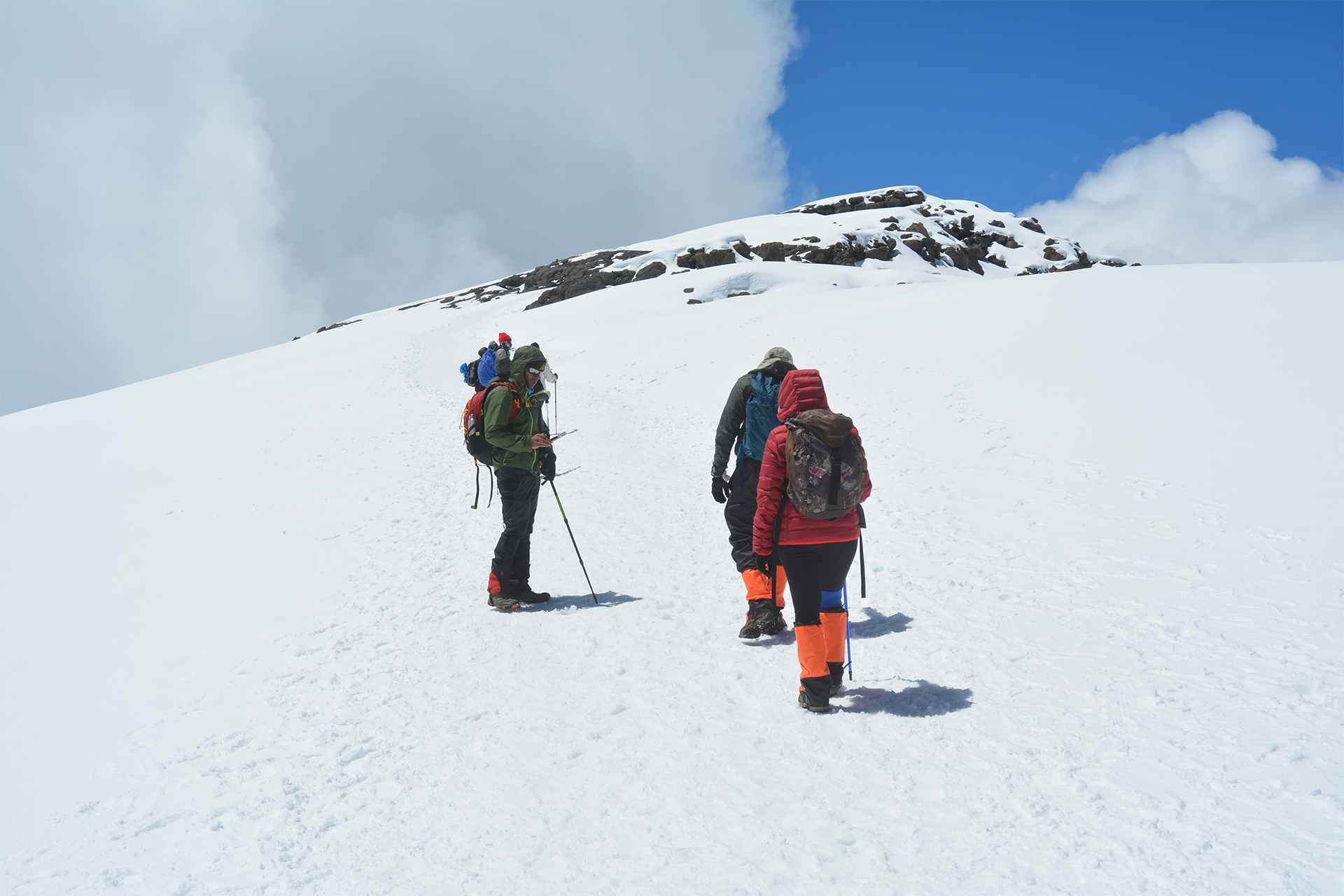
A 6-day Kilimanjaro hike, usually via the Marangu Route (hut-based) or Machame Route, is a demanding, high-intensity trek focusing on rapid, safe ascent. Days are spent moving from rainforests to alpine deserts, requiring careful acclimatization—often including a crucial acclimatization hike at 3,700m—before a midnight summit attempt on Day 5 and descending on Day 6
10-days-best-kilimanjaro-hike-serengeti-safari-tour-and-ngorongoro-tour-combo
8-days-lemosho-route-kilimanjaro-climb
7-days-kilimanjaro-climb-and-hiking-safari-ascent-to-peak
6-days-best-kilimanjaro-climb-via-marangu-route
5-day-kilimanjaro-climb-marangu-route
6 Days Ultimate Kilimanjaro hike
The 6-Day Marangu Route on Mount Kilimanjaro offers a unique and noteworthy experience for trekkers seeking the thrill of reaching Africa's highest peak, Uhuru Peak. Known as the “Coca-Cola Route,” this path is the only one with hut accommodations, making it a more comfortable option for climbers who prefer not to camp. The route combines stunning natural beauty with diverse ecosystems, allowing trekkers to traverse lush rainforests, alpine desert, and moorland while enjoying breathtaking views of Kibo and Mawenzi peaks.
The carefully structured itinerary incorporates an acclimatization day, essential for reducing the risk of altitude sickness, thus enhancing summit success rates. Each day unfolds with its own captivating scenery, wildlife sightings, and camaraderie among climbers. This trek is suitable for those with a reasonable level of fitness, making it an excellent choice for beginners as well as seasoned adventurers. Join us on this unforgettable journey to the Roof of Africa, where every step brings you closer to an extraordinary achievement and spectacular vistas.
Day 1: Marangu Gate to Mandara Hut
Your journey begins at the Marangu Gate after completing registration. A scenic hike through lush rainforests unfolds, with rich greenery surrounding you. This initial ascent, approximately 4-5 hours, takes you from 1,860 meters to 2,720 meters, allowing you to immerse yourself in the vibrant ecosystem. As you trek, keep an eye out for monkeys swinging through the branches and colorful birds perched among the leaves. The gentle trails are well-marked, making for a pleasant and manageable hike. Upon reaching Mandara Hut, relax and enjoy a warm meal while soaking in the stunning views of the surrounding forests. The evening provides an excellent opportunity to bond with fellow trekkers as you prepare for the days ahead. Rest well, as the adventure has just begun!
Day 2: Mandara Hut to Horombo Hut
Day two takes you from Mandara Hut to Horombo Hut, a trek of approximately 5-7 hours that ascends from 2,720 meters to 3,720 meters. As you leave the rainforest behind, the landscape gradually transforms into heath and moorland zones, characterized by hardy plants and unique vegetation. Along the way, enjoy impressive views of the majestic Kibo and Mawenzi peaks rising into the sky. This part of the hike is slightly steeper, giving you a sense of the altitude as you progress. As you approach Horombo Hut, the terrain becomes more barren, setting the stage for the alpine environment ahead. Once settled, take time to relax and savor a delightful meal while talking with fellow climbers about their experiences, all while enjoying the stunning surroundings of Kilimanjaro.
Day 3: Acclimatization Day at Horombo Hut
Day three is an important acclimatization day spent at Horombo Hut. This day is essential for helping your body adapt to the elevation, reducing the risk of altitude sickness. After a leisurely breakfast, embark on a hike toward Mawenzi Ridge, which offers breathtaking views of the surrounding landscape. This acclimatization hike typically spans 4-5 hours and allows you to ascend closer to 4,000 meters before returning to the hut. The stunning vistas of Mawenzi Peak and the expansive plains below are opportunities for great photographs and reflection. Once back at the hut, hydrate and enjoy your meals, while resting for the ascent to come. Engaging with fellow trekkers about their experiences fosters camaraderie and makes this vital acclimatization day enjoyable and memorable.
Day 4: Horombo Hut to Kibo Hut
On day four, you’ll trek from Horombo Hut to Kibo Hut, covering approximately 6-8 hours and ascending from 3,720 meters to 4,700 meters. This route traverses the desolate alpine desert, known as the "saddle," situated between the Mawenzi and Kibo peaks. The landscape transforms dramatically, with fewer plants and more rocky terrain as you approach the high-altitude base camp. This section is physically demanding, so take breaks to hydrate and enjoy the panoramic views. Upon arrival at Kibo Hut, take the time to rest, hydrate, and prepare for the upcoming summit attempt. The night ahead will be pivotal, requiring você to pack carefully for the final ascent. The anticipation builds as you settle in, knowing that you are one step closer to standing atop Africa.
Day 5: Summit Attempt & Descend
Day five is the highlight of your trek—a midnight start for the summit attempt on Uhuru Peak. As you depart Kibo Hut, the thin air and cold conditions will challenge you, making it a physically and mentally demanding climb. The journey climbs approximately 1,195 meters to reach the summit at 5,895 meters. You’ll hike through the night, guided by headlamps, witnessing the breathtaking sunrise as you reach Stella Point. This is a beautiful moment as the horizon lights up, signaling the summit is within reach. After a short celebration at Uhuru Peak, you’ll begin your descent back to Horombo Hut, a steep trek that may take about 6-8 hours. You'll feel a sense of accomplishment as you return to the hut, reflecting on the arduous but rewarding journey you just completed.
Day 6: Descend to Gate
On the final day, the descent from Horombo Hut back to the Marangu Gate awaits, taking approximately 5-7 hours. You’ll return through the scenic moorland and rainforest, experiencing a sense of nostalgia and accomplishment as you retrace your steps. The lush vegetation and sounds of wildlife provide a refreshing contrast to the earlier days spent at higher altitudes. Upon reaching the Marangu Gate, you will celebrate the successful completion of your trek with fellow climbers. Don’t forget to collect your summit certificate as a testament to your achievement. This experience embodies the spirit of perseverance and teamwork, and you’ll leave Kilimanjaro with unforgettable memories and newfound friendships. Enjoy a hearty meal and share stories, marking the end of an extraordinary adventure on Africa’s highest peak.
What is the 6 Days Ultimate Kilimanjaro Hike?
The 6 Days Ultimate Kilimanjaro Hike is an intense, accelerated trekking itinerary designed specifically for climbers aiming to reach the summit of Mount Kilimanjaro, Uhuru Peak, in a compressed timeframe. This challenging ascent often utilizes the Umbwe Route, renowned for its steepness and direct path to the summit. The route is less traveled, which can provide a more intimate experience with the mountain, yet it demands a high level of physical fitness and mental endurance from climbers.
The 6-day schedule is fast-paced, allowing climbers to minimize their exposure to altitude sickness while still covering significant elevations in a short amount of time. However, the rapid ascent does present risks, so trekkers must be vigilant about monitoring their health and response to the changing altitude. While the faster pace enhances the adventure for experienced trekkers, it makes proper preparation and acclimatization all the more critical.
Choosing this itinerary means engaging in a rigorous challenge that often appeals to seasoned hikers looking to conquer Kilimanjaro swiftly. It’s important to approach this hike with respect, ensuring that climbers are prepared for the demands of both their physical exertion and the environmental factors that come with high-altitude trekking.
Which Routes are Best for a 6 Days Ultimate Kilimanjaro Hike?
For a 6 Days Ultimate Kilimanjaro Hike, the Umbwe Route is often favored due to its challenging ascent and rapid progression toward the summit. This route is recognized for its steep trails and limited acclimatization opportunities, making it ideal for experienced hikers who are well-prepared for the rigors of mountaineering. The direct approach offers stunning views while allowing trekkers to experience some of Kilimanjaro's more remote landscapes.
In addition to the Umbwe Route, the Rongai Route is another option that can be completed within this timeframe. Starting from the northern side of Kilimanjaro, Rongai tends to be less crowded than the more popular Marangu and Machame routes. It provides a gradual ascent, which can be advantageous for acclimatization and may appeal to hikers who prefer a slightly easier approach.
Nonetheless, both routes demand high levels of fitness and readiness, as the rigor of a 6-day climb leaves little room for error in physical conditioning and acclimatization. Those considering this itinerary need to assess their skills and training levels honestly to ensure they can handle the rapid ascent and the challenges presented by the mountain.
Ultimately, the choice of route can significantly influence the trekking experience, and hikers should select based on their preferences, physical preparedness, and desired level of challenge.
How Fit Do I Need to Be for a 6 Days Ultimate Kilimanjaro Hike?
High physical fitness is crucial for anyone planning to embark on a 6 Days Ultimate Kilimanjaro Hike. This challenging trek involves rapid ascents, steeper trails, and significant altitude changes, all of which require a solid base of stamina, strength, and cardiovascular endurance. Ideally, hikers should begin preparing several months in advance, focusing on a tailored training regimen that includes aerobic, strength, and endurance exercises.
Cardiovascular training is vital, as hikers need to sustain a good fitness level over long periods. Incorporating activities like running, cycling, or swimming into your routine will help build the cardiovascular base necessary for this type of expedition. Additionally, practicing hiking with a weighted backpack replicates the conditions you’ll face on Mount Kilimanjaro, further enhancing your readiness.
Leg strength is equally important, given the steep inclines involved in the climb. Incorporating exercises such as squats, lunges, and step-ups into your training will vitalize your leg muscles and improve your overall stamina. Flexibility and core strength training are also beneficial, helping to increase mobility and stability on the diverse terrain of Kilimanjaro.
Ultimately, being in top physical shape is essential not just for reaching the summit safely but also for maximizing your enjoyment of the incredible views and experiences along the way. A well-thought-out training plan focused on building physical fitness will greatly increase your success and satisfaction during the climb.
What is the Success Rate of a 6 Days Ultimate Kilimanjaro Hike?
The success rate for a 6 Days Ultimate Kilimanjaro Hike varies based on several factors, including the experience level of the climbers, health conditions, and the effectiveness of acclimatization strategies. While the intense nature of this itinerary often results in lower success rates compared to longer treks, working closely with professional guides can significantly improve odds. Many operators boast success rates ranging from 70% to 90% for experienced climbers on 6-day routes.
One of the main challenges in this compressed schedule is the rapid ascent, which can increase the risk of altitude sickness. Climbers must ascend more than 1,000 meters within 24 hours, leaving less time for the body to acclimatize to the diminishing oxygen levels. Professional guides are trained to recognize early symptoms of altitude sickness and can implement strategies to mitigate risks, including pace adjustments and ensuring proper hydration and nutrition.
Factors such as weather conditions and individual climber fitness also play important roles in determining success. Hikers who are well-prepared, maintain a steady pace, and monitor their health closely are more likely to summit successfully. Therefore, climbers should engage in comprehensive training, select knowledgeable guides, and remain vigilant throughout the trek to enhance their chances of reaching the summit of Kilimanjaro.
What is the Biggest Challenge of a 6 Days Ultimate Kilimanjaro Hike?
The primary challenge of a 6 Days Ultimate Kilimanjaro Hike lies in its high altitude, compounded by the rapid ascent that characterizes this intense itinerary. Climbing Mount Kilimanjaro involves traversing diverse ecosystems, but the altitude itself poses a significant risk to climbers. The human body needs time to acclimate to higher elevations; this itinerary provides comparatively limited time for acclimatization due to the accelerated schedule, making it less forgiving than longer hikes.
As climbers ascend rapidly, they are at greater risk of experiencing altitude sickness, which can manifest as headaches, nausea, dizziness, and fatigue. The intensity of the trek means that signs of altitude sickness must be closely monitored and managed. Experienced guides understand the importance of pacing, steady hydration, and nutrition, but trekkers must also be proactive in recognizing how their bodies are responding to the altitude.
To prepare for this challenge, climbers are encouraged to embark on a rigorous training program that includes aerobic conditioning and endurance strength training, as well as prior experience at elevation whenever possible. Mental preparedness is just as essential; climbers should have a clear understanding of the challenges they may face and strategies to cope with them. This combination of physical readiness and mental resilience is crucial for successfully navigating the hurdles presented by this adventurous trek.
Can Beginners Do a 6 Days Ultimate Kilimanjaro Hike?
Generally, a 6 Days Ultimate Kilimanjaro Hike is not recommended for beginners due to its intense and accelerated nature. This trek requires a high level of physical fitness and mental endurance, making it more suitable for experienced hikers or those with excellent conditioning. The rapid ascent presents unique challenges, especially in regards to acclimatization, which can be difficult for those who lack prior high-altitude experience.
For individuals new to trekking, even those with reasonable fitness levels may struggle with the steep terrain and the pace required for a successful summit attempt in this timeframe. Training beforehand is essential; beginners would benefit from gradually gaining experience through multi-day hikes at lower elevations, building their physical fitness and stamina over time.
Additionally, the psychological aspect of high-altitude trekking can be daunting for inexperienced climbers. Understanding altitude sickness and recognizing its symptoms is crucial, as is knowing when to prioritize safety over the summit.
While it’s possible for motivated beginners with ideal fitness levels to undertake this challenge, they must be clear about the risks involved and ensure they prepare adequately. For less experienced hikers, other itineraries with longer durations (7-8 days) that allow for gradual acclimatization and a more manageable pace would be a wiser choice.
What is the Weather Like During a 6 Days Ultimate Kilimanjaro Hike?
During a 6 Days Ultimate Kilimanjaro Hike, climbers will encounter five distinct climate zones, each with its own unique weather patterns and challenges. Starting your journey in the lush rainforests, temperatures are typically warm and humid, often reaching around 20-30°C (68-86°F). This area experiences significant rainfall, so waterproof gear and proper clothing are essential.
As you ascend, transitioning into the heath and moorland zone, weather conditions change. Here, temperatures vary from 10-20°C (50-68°F) during the day and can drop significantly at night. This zone is characterized by a mix of vegetation and open areas, presenting opportunities for stunning views but also exposed conditions.
Further up, as trekkers enter the alpine desert zone, temperatures can fall dramatically, especially at higher altitudes. Climbers may experience cold winds and temperatures below freezing, particularly on summit night, where temperatures can plunge to around -10°C to -20°C (14°F to -4°F).
Ultimately, understanding these varying climates is vital for preparation. Climbers should bring layered clothing to adapt to fluctuating temperatures as they rise in elevation. This ensures that trekkers remain comfortable and safe throughout the journey while fully enjoying Kilimanjaro’s breathtaking scenery.
What Gear is Needed for a 6 Days Ultimate Kilimanjaro Hike?
For a 6 Days Ultimate Kilimanjaro Hike, having the right gear is essential to navigate the diverse climatic conditions and terrains successfully. An effective packing strategy should include layered clothing to accommodate fluctuating temperatures, as well as high-quality equipment for durability and comfort.
Base Layers: Start with moisture-wicking base layers that manage sweat effectively, ensuring you stay dry during physical exertion. Combine this with thermal mid-layers, such as fleece or down, to provide necessary insulation as temperatures drop.
Outer Layers: A sturdy, waterproof, and breathable jacket is crucial to shield yourself from rain and wind, particularly in the lower rainforest zones. Consider waterproof pants, especially on summit night, to protect against the cold winds and snow.
Footwear: A pair of durable, well-fitting hiking boots is non-negotiable, providing the necessary ankle support and traction on the varied terrains. Additionally, bring gaiters to keep debris out of your boots during the hike.
Camping Gear: While the tour operator typically supplies camping gear, a 4-season sleeping bag rated for sub-zero temperatures is essential for comfort on cold nights.
Accessories: Include a headlamp for nighttime visibility, warm hats, gloves, and a hydration system or water bottles. Trekking poles to assist on steep sections can also enhance stability and reduce fatigue.
Overall, carefully selecting gear is vital for a successful trek, ensuring that climbers are prepared for the physical challenges and atmospheric shifts they will experience.
How are the Sleeping Arrangements on a 6 Days Ultimate Kilimanjaro Hike?
On a 6 Days Ultimate Kilimanjaro Hike, sleeping arrangements typically involve camping in tents provided by the tour operator. These tents are essential for ensuring climbers' comfort and providing shelter against the changing weather conditions experienced on the mountain. Each climber usually shares a tent with one or two companions, allowing for camaraderie and support during the journey.
The tents are lightweight, easy to assemble, and designed to withstand various weather conditions, ensuring climbers are protected against wind and rain. When selecting an operator, it's essential to verify the quality of their camping gear, as this can significantly impact your overall experience.
In addition to the sleeping tents, operators usually set up a communal dining tent. Here, climbers gather for meals, allowing for bonding and sharing experiences while enjoying the local cuisine prepared by the crew. This communal aspect fosters a sense of community among trekkers.
To ensure comfort during the nights, layering your sleeping system is crucial. A good sleeping bag, rated for colder temperatures, combined with a sleeping pad for insulation from the ground, makes for a more enjoyable night's rest. Proper sleeping arrangements and quality gear ultimately contribute to a successful trek, allowing climbers to recharge for each day's challenges.
Do I Need to Carry My Own Bag on a 6 Days Ultimate Kilimanjaro Hike?
No, you do not need to carry your own heavy bag on a 6 Days Ultimate Kilimanjaro Hike. The tour operator typically provides a team of porters who are responsible for carrying the bulk of the camping gear and personal equipment. This includes tents, cooking supplies, and your larger backpack containing your clothes and other essentials.
As a climber, you’ll only need to carry a smaller daypack, which should include items you may need throughout the day. This could include water, snacks, extra layers, and personal items like a camera or sunscreen. The daypack usually weighs between 5-10 kilograms, making it easier to manage during long hiking hours, especially in the challenging terrain of Kilimanjaro.
The support of porters is one of the advantages of trekking on Kilimanjaro, allowing climbers to focus on the physical act of hiking and enjoying the spectacular views without the added burden of heavy packs. It also creates job opportunities for locals and is an integral part of the trekking experience.
Overall, the porter system promotes a more enjoyable trek as it enables climbers to remain agile and focused on their goal of reaching the summit of Kilimanjaro.
When is the Best Time to Do a 6 Days Ultimate Kilimanjaro Hike?
The best time to undertake a 6 Days Ultimate Kilimanjaro Hike is during the dry seasons, specifically from December to March and July to October. These months typically offer the most favorable weather conditions for climbing, characterized by clear skies, less rain, and moderate temperatures.
During the dry season, the risk of heavy rain and mud is significantly reduced, making trekking conditions more pleasant and safer. The visibility is generally better, which enhances the overall hiking experience, allowing climbers to appreciate the stunning scenery that Kilimanjaro has to offer.
Temperatures during these periods tend to remain relatively stable, particularly in the lower rainforest region, while cooler conditions are experienced at higher elevations. The dry months also tend to attract fewer climbers compared to peak seasons, providing a more intimate and tranquil trekking experience.
While climbing outside of these optimal periods is possible, it often presents challenges such as slippery trails, increased cloud cover, and colder conditions at the summit. Therefore, planning your trek during the dry seasons significantly improves the chances of a successful and enjoyable experience on Kilimanjaro.
Is It Safe to Do a 6 Days Ultimate Kilimanjaro Hike?
Yes, a 6 Days Ultimate Kilimanjaro Hike can be safe, provided you take the necessary precautions and choose experienced, licensed guides. Safety is paramount in high-altitude trekking, and understanding the risks associated with rapid ascents is crucial. One of the primary concerns is altitude sickness, which can occur when climbers ascend too quickly.
To mitigate these risks, it’s essential to work with professional guides who are knowledgeable about altitude acclimatization and can monitor climbers’ health throughout the trek. Guides will set a reasonable pace, encourage climbers to stay hydrated and maintain proper nutrition, and provide guidance on recognizing the symptoms of altitude sickness.
Additionally, climbers should have the right gear and equipment, ensuring they are well-prepared for various weather conditions encountered on Kilimanjaro. Solid communication and emergency protocols established by experienced guides can also enhance safety.
While the 6-day hike presents additional challenges due to the fast pace, it is achievable with adequate preparation and awareness. By following guidance and safety practices, trekkers can confidently navigate the ascent and make the most of their Kilimanjaro experience while ensuring their well-being.
What is Included in a 6 Days Ultimate Kilimanjaro Hike Package?
A typical 6 Days Ultimate Kilimanjaro Hike package includes a range of essential services and equipment designed to support trekkers throughout their climb. Common inclusions feature experienced and licensed guides, who provide invaluable assistance regarding navigation, safety, and acclimatization strategies.
Porter services are also an integral part of the package, where the team of porters carries the bulk of the camping gear, personal equipment, and food supplies. This support allows climbers to focus on hiking rather than the logistical demands of carrying heavy loads.
Meals during the trek are another key component, with operators usually providing nutritious food to keep trekkers energized. Breakfasts, lunches, and dinners tailored to the nutritional needs of climbers are typically included, meeting dietary preferences whenever possible.
Furthermore, packages cover park fees, which make up a considerable portion of the overall cost, including entrance fees, conservation fees, and camping fees. Essential camping equipment, such as tents, kitchens, and dining gear, is usually supplied by the operator, enhancing camper comfort.
In summary, a well-structured package offers climbers comprehensive support throughout their Kilimanjaro experience while ensuring they are well-fed, well-equipped, and properly guided as they embark on their ascent.
How Do I Prevent Altitude Sickness on a 6 Days Ultimate Kilimanjaro Hike?
Preventing altitude sickness during a 6 Days Ultimate Kilimanjaro Hike requires a multifaceted approach focused on acclimatization and respect for your body’s signals. The rapid ascent in this itinerary increases the risk of altitude sickness, so it’s essential to adopt proactive strategies.
First and foremost, ensuring adequate hydration is vital. Drink plenty of water throughout the trek, typically aiming for around 3-4 liters daily. Staying hydrated helps maintain blood flow and oxygen delivery, reducing the likelihood of altitude-related symptoms.
Nutrition also plays a critical role. Eating well-balanced meals that include carbohydrates, proteins, and healthy fats provides the necessary energy and nutrients to support your body at high altitudes. Proper meal intake is crucial before, during, and after hiking.
Maintain a slow and steady pace during the climb to allow your body to acclimatize. The slower you ascend, the more time your body has to adapt to the decreasing oxygen levels. Listen to your body; if you experience symptoms of altitude sickness, inform your guide and consider descending to a lower elevation to recover.
Finally, follow professional advice from your guides regarding acclimatization strategies and any precautions they recommend. By implementing these practices, you’ll maximize your chances of avoiding altitude sickness while enjoying the incredible experience of trekking Kilimanjaro.
How Much Does a 6 Days Ultimate Kilimanjaro Hike Cost?
The cost of a 6 Days Ultimate Kilimanjaro Hike can vary significantly based on factors like the trekking operator, included amenities, and group size. However, on average, prices typically range from $1,500 to $3,000 per person. A considerable part of this cost is devoted to mandatory park fees, which can constitute roughly 50% of the overall expense.
Budget operators may offer lower-priced packages but might compromise on important aspects like guide experience, porters' wages, and the quality of food and gear. In contrast, mid-range to premium operators generally deliver superior service and support, which enhances the overall trekking experience.
What is often included in the cost is accommodation, meals, guiding services, porters, and park fees. When assessing the overall cost, it’s vital to consider what services are offered in the package, ensuring that the trek not only meets safety standards but also provides a fulfilling experience.
Ultimately, investing in a reputable operator is crucial for ensuring a safe, comfortable, and successful climb. Prospective climbers should thoroughly research different packages and operators to find a
Booking 6 Days Ultimate Kilimanjaro hike with us Roads of Adventure safaris
Book the 6-Day Ultimate Kilimanjaro Hike with Roads of Adventure Safaris for a thrilling climb via the scenic Machame route. This expertly guided, 62km journey takes you through five climate zones, including the stunning Shira Plateau, Lava Tower, and the challenging Barranco Wall. Designed for active adventurers seeking the "Whiskey" route experience, this 5-night camping tour maximizes acclimatization for the best chance at reaching Uhuru Peak (5,895m). Our package includes professional guides, porters, delicious meals, and all park fees for a safe, unforgettable adventure to the "Roof of Africa". Book your unforgettable challenge today
