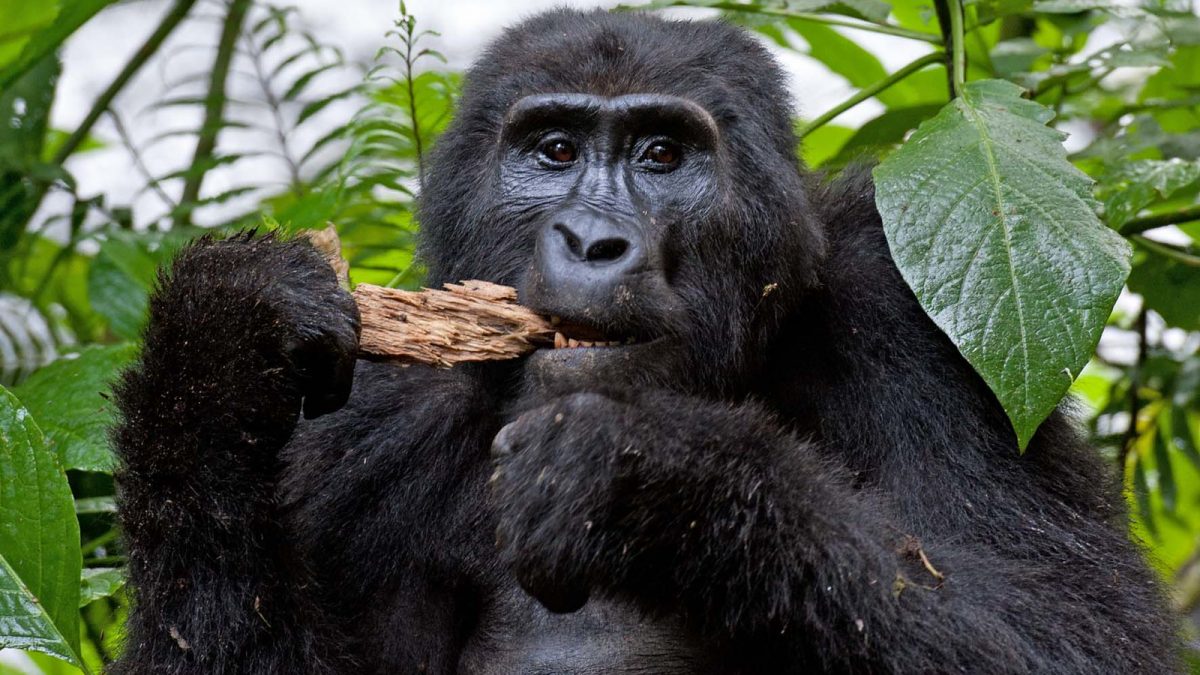
A 12-day Uganda and Rwanda tour is best spent combining gorilla trekking in Bwindi (Uganda) and Volcanoes National Park (Rwanda) with chimpanzee tracking in Kibale or Nyungwe, and savannah game drives in Queen Elizabeth or Akagera. Key highlights include visiting the Kigali Genocide Memorial, boat cruises on Lake Ihema or Kazinga Channel, and exploring Lake Bunyonyi.
21-days-perfect-uganda-rwanda-safari-and-kenya-wildlife-safari-vacation
17-days-best-safari-in-uganda-ending-in-kigali-rwanda
16-days-ultimate-uganda-safari-to-rwanda-safari-tour-package-combo
15-days-best-uganda-to-rwanda-combined-primate-and-wildlife-safari
14-days-uganda-and-rwanda-safari-tour-itinerary
13-days-uganda-safari-and-rwanda-safari-tour-holiday-combo
12-days-all-inclusive-uganda-wildlife-and-primate-safari
12-days-perfect-rwanda-uganda-gorilla-trekking-safari-holiday-vacation
12-days-best-uganda-rwanda-primate-safaris-and-akagera-big-five-safaris
10-days-best-of-uganda-and-rwanda-all-big-five-animal-and-gorilla-trekking
8-days-best-uganda-rwanda-safari-holiday-ending-in-kigali
7-days-best-gorilla-trekking-and-safari-in-uganda-to-see-big-fives
7-day-best-uganda-safari-holiday-true-escape
7-day-uganda-gorilla-trekking-chimpanzee-wildlife-safari-tour-and-culture
7-days-best-uganda-safari-tour-to-popular-safari-parks
5-days-uganda-gorilla-trekking-chimps-and-rwanda-golden-monkey-tracking-combo
5-day-akagera-bwindi-gorilla-trekking-lake-bunyonyi-and-batwa-experience
12 Days on Uganda and Rwanda tour package
On a 12-day tour of Uganda and Rwanda, visitors gain a comprehensive view of East Africa's diverse wildlife and rich cultures. This itinerary promises encounters with magnificent animals such as lions, elephants, giraffes, buffalos, hippos, leopards, chimpanzees, and various bird species including the iconic shoebill and African fish eagle. Both countries offer unique habitats where these creatures thrive, from the wetlands of Akagera National Park to the dense forests of Bwindi. Travelers will also have the opportunity to observe the rare mountain gorillas, golden monkeys, and tree-climbing lions. The varied terrains—ranging from savannahs to forests—ensure a wide range of wildlife viewing, providing glimpses of the daily activities and interactions among different species. Combining wildlife viewing with cultural experiences, such as a visit to the local communities, this tour offers a holistic view of the region. This itinerary is ideal for nature and wildlife enthusiasts looking to appreciate the beauty and diversity of Uganda and Rwanda's wildlife.
Days 1-2: Arrival & Akagera National Park (Rwanda)
Upon arrival in Kigali, you will travel approximately 2.5 hours to Akagera National Park. Once settled, a sunset boat ride on Lake Ihema allows for sightings of hippos, crocodiles, and various bird species like the African fish eagle. The following day features a full-day game drive where you may encounter elephants, lions, zebras, and buffalos. As you traverse grasslands and wetlands, keep an eye out for graceful giraffes, agile bushbucks, and elusive leopards. Akagera’s diverse habitats contribute to the impressive variety of wildlife that can be observed. The park is known for its beautiful scenery and the chance to see lions resting under acacia trees, while various antelope species can be spotted grazing. At the end of your two days, you will get a thorough understanding of Akagera's rich wildlife.
Days 3-4: Volcanoes National Park (Rwanda)
On Day 3, travel approximately 2.5 hours from Akagera to Volcanoes National Park. This area is famed for its mountain gorillas and golden monkeys. On Day 4, take part in a gorilla trekking adventure, which involves hiking through dense vegetation to observe these gentle giants in their natural habitat. The trek might also lead you to view other wildlife, such as bush pigs and various bird species. After the trek, you’ll visit the Ibyi'wacu Cultural Village, where local communities showcase their traditions, including weaving and pottery making. Engage with local residents and learn about their sustainable living practices and the importance of conservation in preserving both wildlife and cultural heritage. As you conclude your time in Volcanoes National Park, you will have gained valuable insights into these remarkable species and the local culture.
Days 5-6: Bwindi Impenetrable National Park (Uganda)
On Day 5, transfer from Volcanoes National Park to Bwindi Impenetrable National Park, taking about 3 hours to cross the border into Uganda. This park is renowned for its mountain gorillas, where the trek provides encounters with not only these great apes but also other wildlife such as forest elephants, duikers, and diverse bird species, including the rare shoebill. On Day 6, enjoy a gorilla trekking expedition through dense forests and rugged terrain. After the trek, participate in a community walk to engage with local farmers and learn about their cultural practices. You may witness the local methods of agriculture, including coffee and banana farming. As you walk, keep an eye on the forest for occasional glimpses of red-tailed monkeys and various forest birds. These two days in Bwindi will deepen your understanding of the vital importance of wildlife conservation in the region.
Days 7-8: Queen Elizabeth National Park (Uganda)
Day 7 involves a scenic drive to Queen Elizabeth National Park, taking approximately 2.5 to 3 hours. Here, you can spot unique wildlife such as tree-climbing lions in the Ishasha sector, along with leopards and various herbivores like Uganda kobs and warthogs. The park is also home to hippos and mud-dwelling crocodiles along the shores. On Day 8, enjoy a boat cruise on the Kazinga Channel, where you may encounter large numbers of hippos, elephants along the banks, and various bird species like pelicans and kingfishers. Following the cruise, explore the Kasenyi Plains for a morning game drive, where additional sightings may include buffalos, warthogs, and a variety of antelope. These two days allow for an in-depth look at the rich wildlife of Queen Elizabeth National Park, combining both water and land-based activities.
Days 9-10: Kibale Forest National Park (Uganda)
On Day 9, drive approximately 2 hours to Kibale Forest National Park, noted for having one of the highest concentrations of primates in Africa. Engage in chimpanzee trekking, where you will likely encounter not only chimpanzees but also other primate species such as the blue monkey and red-tailed monkey. These encounters take place amidst lush greenery, enhancing the vibrant experience of trekking through the forest. Day 10 includes a visit to the Bigodi Wetlands Sanctuary, where you can enjoy birdwatching, spotting species such as the great blue turaco and various kingfishers. The wetland area is also home to unique mammals and serves as an important habitat for numerous birds. Your two days in Kibale culminate in a thorough understanding of primate behavior, ecological diversity, and the importance of conservation efforts in preserving these vital habitats.
Days 11-12: Lake Mburo/Kampala & Departure
On Day 11, take a drive of about 2.5 hours to Lake Mburo National Park. This park offers an alternative wildlife viewing opportunity, primarily featuring herbivores such as zebras, buffalos, and elands. Enjoy a boat ride on Lake Mburo, where you can see hippos and a variety of bird species, including the rare shoebill. A walking safari provides another way to encounter wildlife safely. It allows for closer observation of grazing animals and unique insights into their behaviors and habitats. On Day 12, you will transfer back to Entebbe or return to Kigali for departure, concluding the trip. Reflect on the diverse wildlife encounters experienced throughout your Uganda and Rwanda tour, along with the cultural learning moments. The combination of these factors ensures a memorable conclusion to your travels in this remarkable region.
1. What are the Main Highlights of a 12-Day Uganda-Rwanda Tour?
A 12-day Uganda-Rwanda tour is loaded with unique wildlife experiences, cultural insights, and stunning natural beauty. One of the most notable highlights is gorilla trekking, which takes place in either Bwindi Impenetrable National Park in Uganda or Volcanoes National Park in Rwanda. These treks allow travelers to observe the majestic mountain gorillas in their natural habitat, an unforgettable experience that is at the heart of this itinerary.
In addition to gorilla trekking, visitors can engage in chimpanzee tracking in Kibale Forest, known for its high primate diversity. This park is home to many other species, providing ample opportunities for wildlife observation. The tour also includes golden monkey tracking, another captivating activity exclusive to Volcanoes National Park.
Game drives in parks like Queen Elizabeth and Murchison Falls National Park offer the chance to see a variety of animals, including lions, elephants, and various antelope. Notably, a visit to the Kigali Genocide Memorial is included, providing poignant insights into Rwanda's history and resilience. By combining wildlife and cultural experiences, the tour offers a holistic view of these two stunning countries. Travelers will leave with lasting memories of their encounters with nature and a deeper understanding of the local culture and history.
2. Is Gorilla Trekking in Both Uganda and Rwanda Included?
In most 12-day packages, gorilla trekking is prominently featured; however, it's usually limited to one gorilla permit, either for Bwindi Impenetrable National Park in Uganda or Volcanoes National Park in Rwanda. The inclusion of a gorilla trekking permit is a major highlight, offering travelers the once-in-a-lifetime opportunity to observe these magnificent creatures up close in their natural habitat.
For those interested in experiencing both locations, premium packages may provide an option for a permit in both parks. Alternatively, travelers can often arrange for an extra gorilla trek at an additional cost. This flexibility allows tourists to tailor their itineraries according to their preferences and budget.
Regardless of the choice made, participating in gorilla trekking is highly recommended, as it offers a profound connection to the wildlife and the landscapes of East Africa. Visitors should be prepared for the trek's physical demands, as the terrain can be challenging, adding to the adventure. Overall, the focus on gorilla trekking emphasizes the tour's commitment to showcasing the rich biodiversity and wildlife conservation efforts in both Uganda and Rwanda.
3. What is the Difference Between Gorilla Trekking in Uganda vs. Rwanda?
When comparing gorilla trekking in Uganda and Rwanda, several factors come into play that can influence a traveler’s choice. Rwanda’s Volcanoes National Park is renowned for offering easier and shorter treks compared to Uganda's Bwindi Impenetrable National Park. This is largely because the terrain in Rwanda tends to be less rugged, making it more accessible for a wider range of fitness levels.
Conversely, Uganda’s Bwindi Park provides a more immersive trekking experience through a dense and lush rainforest, which many travelers find rewarding. The trekking conditions in Bwindi can be rough, with steep slopes and muddy paths, which may pose a challenge at times. However, the chance to see the mountain gorillas in their natural habitat is often cited as worth the effort, with fewer tourists and a more intimate encounter.
Cost is another significant difference; gorilla permits in Uganda are typically less expensive, ranging from $700 to $800 USD, while Rwandan permits are around $1,500 USD. This price discrepancy may influence some travelers when planning their safari. Ultimately, the choice between Uganda and Rwanda for gorilla trekking will depend on individual preferences regarding trekking difficulty, price, and the desired type of experience.
4. When is the Best Time to Book This Safari?
The best time to book a safari in Uganda and Rwanda is during the dry seasons, which run from June to September and December to February. These months are characterized by more stable weather conditions, making travel between different national parks easier and more enjoyable. During the dry periods, the roads are typically in better condition, allowing for smoother journeys.
Moreover, dry seasons mean that the hiking trails are less muddy, making gorilla and chimpanzee tracking less physically taxing. Wildlife is also more active and visible during these months, as animals gather around water sources. The likelihood of encountering large herds of buffalo, elephants, and other wildlife increases significantly.
Booking during the dry seasons also aligns with peak tourist months, leading to a vibrant atmosphere in the parks. However, it's advised to reserve spots early, as permits for gorilla trekking and accommodations can fill up quickly during these peak times. Overall, planning your safari during these dry months enhances the overall experience, as it combines favorable conditions with maximum wildlife viewing opportunities.
5. Do I Need a Visa for Both Countries?
Yes, travelers planning to visit Uganda and Rwanda typically need a visa for both countries. However, to streamline the process, it’s convenient to apply for the East Africa Tourist Visa, which covers all three countries: Uganda, Rwanda, and Kenya. This visa costs around $100 USD, making it a cost-effective option for those wanting to explore the region thoroughly.
Securing the East Africa Tourist Visa simplifies paperwork and eliminates the need for multiple applications. It is valid for 90 days and allows multiple entries across the three countries. Tourists are advised to apply for the visa online before their trip for a hassle-free arrival experience.
Upon entering Uganda or Rwanda, visitors must also comply with health requirements, including vaccinations for yellow fever. Checking the latest travel advisories and visa requirements is essential before departure to ensure a smooth process. Ultimately, obtaining the East Africa Tourist Visa enhances convenience, encouraging exploration of the rich cultural and natural diversity across these beautiful countries.
6. What is the Cost of a Gorilla Permit in this Package?
As of 2024/2025, the cost of gorilla permits varies between Uganda and Rwanda, reflecting the differing conservation costs and experiences. In Rwanda, a gorilla permit is priced at $1,500 USD, making it one of the more expensive options for wildlife enthusiasts. This fee includes access to the permits for tracking gorillas, contributing to conservation efforts in Volcanoes National Park, and providing support for local communities around the park.
In Uganda, gorilla permits generally cost between $700 to $800 USD for foreign non-residents, offering a more budget-friendly option for those wanting to view mountain gorillas in their natural habitat. Despite the lower cost, Bwindi Impenetrable National Park remains a top destination for gorilla trekking, equally committed to conservation efforts.
These permit fees are essential for maintaining the parks and their wildlife populations, helping ensure that both countries can protect their unique biodiversity. Given the significant investment required for these permits, it’s vital for travelers to include them in their budget when planning their safari itinerary.
7. How Physically Fit Do I Need to Be?
When planning to participate in gorilla and chimpanzee tracking, a reasonable level of fitness is needed. The physical demands of these activities can vary greatly, with treks taking anywhere from 1 to 7 hours, depending on various factors such as the location of the gorillas and the terrain. Tracking often involves steep hills, dense vegetation, and slippery ground, particularly during rainy months.
Because of these challenging conditions, travelers should be prepared for a physically engaging day, requiring walking, climbing, and occasionally navigating through muddy patches. Participants are encouraged to engage in physical preparation prior to their trip, such as hiking or walking regularly, to build stamina.
While the treks can be strenuous, both Ugandan and Rwandan guides are well-trained and will adjust the pace according to the group’s fitness levels. They offer support throughout the trek, allowing participants to enjoy the wildlife encounters safely. Overall, maintaining good physical fitness will contribute to a more enjoyable and manageable tracking experience.
8. What is Included in the 12-Day Package Price?
A typical 12-day Uganda-Rwanda safari package includes several key components designed to make your experience smooth and enjoyable. One of the primary inclusions is transport in a 4x4 vehicle, which provides comfort, stability, and safety during travels between various national parks. An English-speaking guide accompanies you throughout the tour, offering valuable insights into the wildlife and cultures encountered along the way.
Accommodations are also part of the package, ranging from budget-friendly lodges to more luxurious options, catering to a variety of traveler preferences. Meals are typically included, allowing guests to sample local cuisine and enjoy their dining experiences in different locations.
Additionally, the package includes permits for gorilla trekking, chimpanzee tracking, and golden monkey observations, along with park entrance fees. Bottled water is usually provided, ensuring hydration during the activities. These inclusions are carefully selected to enhance the overall experience, providing convenience and comfort during your exploration of Uganda and Rwanda's rich wildlife and cultural heritage.
9. What is Excluded from the Package?
While the 12-day Uganda-Rwanda safari package includes many essential components, certain expenses remain outside the package costs. International flights are not included, necessitating separate booking prior to departure. Visa fees for entry into Uganda and Rwanda are also the traveler's responsibility.
Other items typically excluded from the package are alcohol and extra beverages, allowing travelers to choose their refreshment preferences. Personal expenses such as laundry services and tips for guides and service staff are also not included and can vary based on individual budgets.
For those seeking additional comfort, optional activities not covered in the package might incur extra fees. Travelers are encouraged to prepare for these excluded expenses to ensure a smooth and enjoyable journey. Understanding what is included and excluded will help in budgeting effectively for the overall trip experience.
10. Where Does the Tour Start and End?
Most 12-day Uganda and Rwanda safari packages begin at Entebbe International Airport in Uganda and conclude at Kigali International Airport in Rwanda. This arrangement is strategically planned to minimize long driving distances and streamline travel logistics.
Starting in Entebbe allows travelers to explore Uganda’s national parks, such as Lake Mburo and Bwindi, before crossing into Rwanda to engage in activities like gorilla trekking in Volcanoes National Park. Ending the tour in Kigali enables visitors to experience Rwanda's capital city while providing convenient access to international flights.
This start-and-end approach not only enhances logistics but also allows travelers to enjoy a broader array of wildlife and cultural experiences. By organizing the itinerary this way, guests can maximize their time in both countries, discovering the remarkable biodiversity and rich history that define Uganda and Rwanda.
11. What Should I Pack for the Gorilla Trekking?
Packing appropriately is essential for a successful gorilla trekking adventure in Uganda and Rwanda. Essential items include sturdy, waterproof hiking boots that provide good ankle support, as the terrain can be steep and slippery. Long-sleeved shirts and trousers made from lightweight, breathable materials are advisable to protect against insect bites and thorny vegetation.
You'll also want to pack gardening gloves, which can help during tricky sections of the trek, and a rain jacket to shield against unexpected showers. A hat and sunglasses can protect against sun exposure, while a refillable water bottle will keep you hydrated throughout the day.
A camera is a must for capturing memorable moments with the gorillas; however, remember to observe park regulations regarding flash photography. Additionally, a small backpack to carry these essentials is useful. Ensuring you have the right gear will enhance your comfort and enjoyment while trekking through the forests in search of mountain gorillas.
12. Are the Parks Safe to Visit?
Both Uganda and Rwanda have made significant investments in security, particularly to ensure the safety of tourists in national parks. Each park has established measures, including ranger escort services, to guide travelers during their excursions, particularly during gorilla and chimpanzee trekking activities.
Security personnel are trained to manage potential risks, ensuring the well-being of visitors. The governments in both nations prioritize tourism safety and conservation, leading to a robust framework for protecting guests and wildlife alike. Consequently, visitors can enjoy their wildlife adventures with peace of mind.
Local communities are also engaged in tourism initiatives, which fosters relationships between residents and visitors, further enhancing security. Travelers are encouraged to follow safety guidelines presented during park orientations and remain aware of their surroundings. Overall, the commitment to safety in these parks allows for enjoyable wildlife viewing experiences in both countries.
13. What is the Accommodation Standard?
Accommodation in the 12-day Uganda-Rwanda tour is varied, catering to different traveler preferences and budgets. Options range from budget lodges and tented camps to luxury accommodations near key national parks. Each property offers unique amenities and experiences reflective of the local culture and environment.
Budget lodges are comfortable and provide essential facilities, making them a practical choice for travelers seeking affordability without sacrificing quality. Mid-range accommodations often feature more amenities, such as well-equipped rooms, restaurant services, and cultural decor. Luxury lodges offer upscale experiences with high-end dining, private tents, and stunning views of the natural surroundings.
All accommodations prioritize guest comfort, combining local charm with modern conveniences. Regardless of the choice, travelers will enjoy easy access to the parks and their wildlife. Overall, the range of available lodging ensures that guests can find suitable options that align with their individual preferences and budgets throughout the tour.
14. What is the Age Limit for Gorilla Trekking?
The minimum age requirement for participating in gorilla trekking is set at 15 years old. This policy is in place to ensure the safety and well-being of both the trekkers and the mountain gorillas. The terrain can be challenging, and the trek often involves strenuous physical activity, which may be unsuitable for younger children.
By maintaining this age limit, parks ensure that participants have a reasonable level of maturity and fitness to engage in the trekking experience effectively. Additionally, adult supervision during the trek is required for younger participants, which helps promote safety and adherence to protocols established to protect the gorillas.
Parents considering gorilla trekking for their families should plan accordingly, as engaging with these magnificent animals can ignite a lifelong passion for wildlife conservation. Overall, the age restriction reflects a commitment to responsible wildlife tourism that prioritizes both human and animal welfare.
15. What Vaccinations are Required?
Travelers to Uganda and Rwanda must adhere to specific vaccination requirements before entering the countries. The yellow fever vaccination is mandatory and must be obtained at least ten days prior to travel. Proof of vaccination is required upon entry, so obtaining a yellow fever certificate is essential.
Additionally, malaria prophylaxis is strongly recommended, given that malaria is prevalent in various regions of both countries. Visitors should consult their healthcare provider to discuss suitable medications tailored to their travel plans. Other routine vaccinations, such as those for hepatitis A and typhoid, are also advised for travelers heading to Uganda and Rwanda.
Taking the necessary health precautions and vaccinations prior to your journey enhances your overall safety and health during the trip. These measures ensure that travelers can focus on enjoying their adventure while minimizing health risks associated with visiting these beautiful destinations.
16. What are the "Tree-Climbing Lions" and Where Are They?
Tree-climbing lions are a unique phenomenon found in the Ishasha sector of Queen Elizabeth National Park in Uganda. Unlike most lions that prefer resting on the ground, these lions have adapted to an unusual habit of lounging in the branches of fig trees. This behavior allows them to escape the heat and avoid insects while surveying their territory.
The lions typically climb at a young age, displaying remarkable agility and strength. Visitors to the Ishasha sector often come specifically to catch a glimpse of these fascinating creatures at rest in the trees, creating a sought-after opportunity for wildlife photography. Seeing tree-climbing lions in their natural habitat adds to the allure of a visit to Queen Elizabeth National Park, making it a highlight of the 12-day safari.
The distinctive behavior of these lions forms part of the park's unique appeal, showcasing the diverse wildlife adaptations found throughout Uganda. Visitors consistently leave with lasting memories of this unique and engaging wildlife observation opportunity.
Booking Uganda Rwanda safari with us Roads of Adventure safaris
Roads of Adventure Safaris invites you to experience an unforgettable journey through the heart of Africa, blending the breathtaking landscapes of Uganda and Rwanda. Specializing in tailored, high-quality itineraries, we ensure an intimate encounter with endangered mountain gorillas, chimpanzee trekking in Kibale, and awe-inspiring wildlife in Queen Elizabeth and Akagera national parks. With expert local guides and comfortable logistics, we promise a seamless, adventurous experience designed to maximize your sightings and cultural interactions. Choose Roads of Adventure Safaris for a secure, passionate, and deeply enriching East African safari that combines comfort with true exploration. Book your dream safari with us today!
