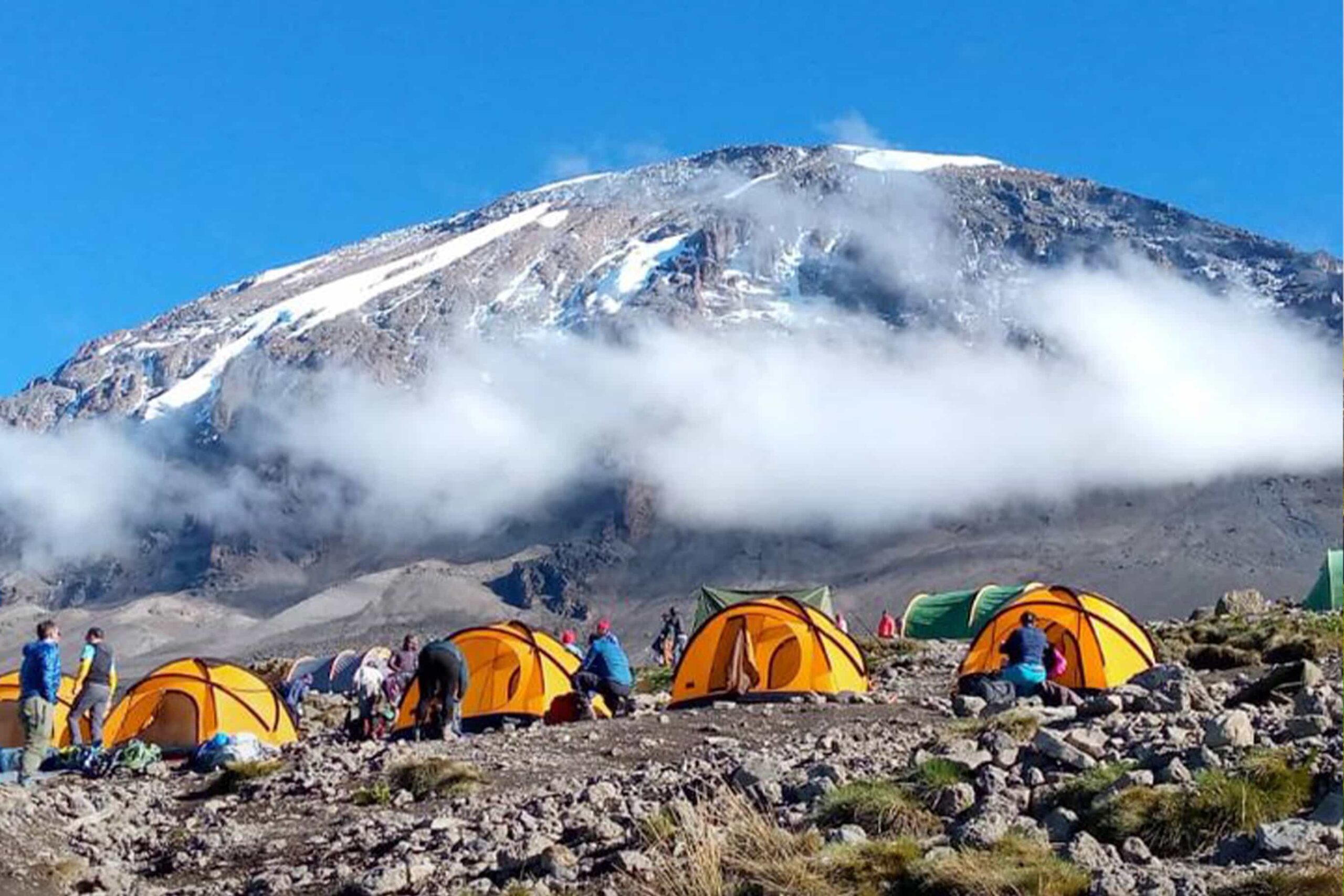
A 10-day Kilimanjaro hike, usually via the scenic Northern Circuit or leisurely Lemosho routes, offers the highest success rates through maximum acclimatization. Spend days 1-2 arriving, prepping in Arusha/Moshi, and hiking through lush rainforests. Days 3-8 involve traversing the Shira Plateau, walking around the northern slopes, and preparing for the midnight summit push to Uhuru Peak (5,895m) on day 9, descending to finish on day 10.
10-days-best-kilimanjaro-hike-serengeti-safari-tour-and-ngorongoro-tour-combo
8-days-lemosho-route-kilimanjaro-climb
7-days-kilimanjaro-climb-and-hiking-safari-ascent-to-peak
6-days-best-kilimanjaro-climb-via-marangu-route
5-day-kilimanjaro-climb-marangu-route
Typical 10-Day Northern Circuit Itinerary
The 10-Day Northern Circuit Itinerary for climbing Mount Kilimanjaro is designed to provide optimal acclimatization, scenery diversity, and reduced crowding. This route circles the mountain and allows trekkers to experience various ecosystems, from lush rainforests to barren alpine desert. Below is a detailed day-by-day breakdown of the journey:
Day 1: Arrival
Upon arrival at Kilimanjaro International Airport (JRO), you'll be greeted by your team and transferred to your accommodation in Arusha or Moshi. This day is dedicated to settling in, a gear briefing, and meeting your guides from Nyumbu Beyond Journeys. You’ll have the opportunity to go over your gear, ensure you are well-prepared, and discuss the itinerary and safety measures. Enjoy the evening relaxing before the adventure begins!
Day 2: Londorossi Gate to Mti Mkubwa (2,650m)
After breakfast, you’ll transfer to the Londorossi Gate, where you'll sign in before starting your hike. Passing through thick rainforest, the route is well-defined and vibrant with the sounds of nature. The trek to Mti Mkubwa Camp, situated at 2,650m, takes approximately 4-6 hours. Upon arrival, you'll set up camp, enjoy a hot meal, and prepare for the following day’s ascent. The lush surroundings serve as a perfect backdrop for your first night on the mountain.
Day 3: Mti Mkubwa to Shira 1 Camp (3,610m)
Day three involves ascending to the Shira 1 Camp, located at 3,610m. The journey will take you through the moorland zone, showcasing stunning views as you approach the edge of the Shira Plateau. This hike takes roughly 5-7 hours, culminating in a beautiful campsite with panoramic vistas. Once settled, enjoy a hearty dinner, and take some time to acclimatize with an evening stroll while soaking in the stunning landscape around you.
Day 4: Shira 1 Camp to Moir Camp (4,200m)
Today, you'll trek across the Shira Plateau towards Moir Camp, situated at an altitude of 4,200m. This scenic hike offers views of granite peaks and diverse vegetation, making it an exhilarating experience. The trek should take around 5-6 hours. You will reach the camp, allowing time for an afternoon acclimatization hike to maximize your adjustment to the altitude. Enjoy the tranquility of your surroundings as you relax for the night.
Day 5: Moir Camp to Buffalo Camp (4,035m)
On day five, you’ll hike towards Buffalo Camp, reaching an elevation of 4,035m. The route takes you eastward across alpine desert terrain, providing stunning views of the northern plains. This hike takes approximately 4-5 hours. The camp's location allows for beautiful sunset views, which is perfect for relaxation after a rewarding day of trekking. Enjoy a hot meal and prepare for the next day’s challenges.
Day 6: Buffalo Camp to Third Cave Camp (3,870m)
The trek to Third Cave Camp is next, and today you will continue around the north side of the mountain. You will descend slightly to reach an altitude of 3,870m. This day involves a moderate hike of about 5-6 hours, with the landscape shifting as you approach the cave area. Arriving at camp, settle in and take advantage of the incredible surrounding views while enjoying a meal and preparing for tomorrow’s ascent.
Day 7: Third Cave Camp to School Hut (4,750m)
Day seven involves a steady climb toward School Hut, located at 4,750m. You'll trek towards the saddle between Kibo and Mawenzi peaks, which offers breathtaking views and varying landscapes. The journey takes around 5-6 hours. Once at School Hut, it’s advisable to rest early and hydrate, as you prepare for the summit attempt in the days to come. Tonight, you’ll experience the chilly temperatures at high camp.
Day 8: Crater Camp (Optional/Alternative)
On day eight, you have the option to either spend the day resting at School Hut or camp at Crater Camp, which provides a closer point for summit attempts but exposes climbers to colder conditions. If you choose to rest at high camp, take time to acclimatize and prepare your gear for summit day. If camping in the crater, know that it allows for a shorter summit expedition for the next day.
Day 9: Summit Day (5,895m) to Mweka Camp
It's summit day! Depart from camp around midnight for the ascent to Stella Point at 5,730m, and then to Uhuru Peak at 5,895m. This challenging trek typically takes 6-8 hours, making the journey through the darkness a surreal experience, with breathtaking views awaiting at sunrise. After summiting, descend to Mweka Camp, passing through Barafu and Millennium Camp, for a total descent of approximately 7-9 hours. Celebrate your achievement with fellow climbers!
Day 10: Departure
After breakfast, today involves a serene descent through the forest back down to Mweka Gate. You’ll receive your summit certificates, marking the successful completion of your climb. Transfer back to your hotel or the airport for departure. Reflect on the unforgettable journey, memories made, and the stunning views experienced along the way.
1. What is a 10-day Kilimanjaro hike?
A 10-day Kilimanjaro hike is a carefully designed itinerary that emphasizes acclimatization and safety, accommodating climbers of all experience levels. This extended trek typically follows the Northern Circuit or the Lemosho Route, which are particularly favorable for their gradual ascent profiles. The structure of the 10-day climb allows climbers to ascend slowly while giving their bodies the chance to adapt to the diminished oxygen levels found at higher altitudes.
The significance of a longer hike is rooted in its ability to reduce the risk of altitude sickness—a common problem when climbing at high altitudes. By allowing for several acclimatization days, the hike tends to achieve success rates of over 95% for reaching Uhuru Peak, Africa’s highest point.
During the trek, climbers experience diverse ecosystems, from lush rainforests and moorlands to stark alpine deserts. This journey also offers trekkers unparalleled views of the mountain and the unique flora and fauna inhabiting the area.
In essence, the 10-day hike is not just about reaching the summit; it's an opportunity to immerse oneself in the breathtaking beauty of Kilimanjaro, forging a deeper connection with nature while enhancing the likelihood of a successful ascent.
2. Is a 10-day Kilimanjaro hike better than shorter routes?
Yes, a 10-day Kilimanjaro hike is generally considered superior to shorter options like the 6 or 7-day treks. One of the primary advantages is the opportunity for a more gradual ascent, which allows climbers' bodies ample time to acclimatize to lower oxygen levels. This slower pace minimizes the risk of altitude sickness, a common concern for climbers on steeper, faster routes.
The extended itinerary not only improves physical preparedness but also enhances the overall experience. Trekkers can savor the diverse landscapes that Kilimanjaro has to offer, from dense rainforests bustling with wildlife to the stark beauty of the high desert.
Moreover, the 10-day hike often includes more scenic viewpoints and varied terrains, allowing climbers to appreciate the mountain's breathtaking beauty fully. Participants frequently report that the additional acclimatization days provide numerous social interactions and bonding opportunities within their group, deepening the shared experience of the climb.
In sum, while shorter routes can be enticing for their brevity, a 10-day hike provides a more enjoyable and safer ascent, making it increasingly preferable for both novice and experienced climbers alike.
3. Which routes offer a 10-day Kilimanjaro hike?
The most popular 10-day Kilimanjaro hike routes are the Northern Circuit and the Lemosho Route. The Northern Circuit is the longest route available, circling the mountain in a broader loop that offers more varied scenery and reduced crowding. This route is specifically designed to improve acclimatization as it takes climbers through different ecosystems over several days, ensuring a slower ascent and increasing the likelihood of reaching the summit successfully.
On the other hand, the Lemosho Route's extended version also encourages gradual acclimatization and provides an enriching experience, as it journeys through lush rainforests, beautiful moorlands, and alpine desert landscapes.
Both routes share the same core philosophy of allowing climbers time to adjust to altitude. While they can vary in terms of specific details, each itinerary generally includes several acclimatization days and a focus on enhancing the climber’s experience through stunning views and diverse environments.
Ultimately, both routes not only prioritize safety and comfort but also ensure that climbers can forge a deeper connection with the extraordinary landscapes of Kilimanjaro. They have become the top choices for trekkers seeking a more in-depth experience of this iconic mountain.
4. What is the success rate of a 10-day Kilimanjaro hike?
The success rate of a 10-day Kilimanjaro hike is impressive, generally exceeding 95% for climbers reaching Uhuru Peak. This high success rate is largely attributed to the extended duration of the trek, which emphasizes gradual acclimatization. By allowing for additional time on the mountain, climbers have the opportunity to adjust to the high altitude more effectively than on shorter itineraries.
Acclimatization is critical to a successful ascent, as it minimizes the risk of altitude sickness—a common challenge that can derail even the most prepared climbers. The 10-day schedule is strategically designed to incorporate acclimatization hikes and well-planned rest periods, ensuring that trekkers do not rush their ascent.
Additionally, routes like the Northern Circuit and Lemosho are particularly effective due to their gradual elevation gains, allowing travelers to acclimatize while exploring a rich diversity of environments.
In summary, the carefully constructed acclimatization strategy of a 10-day hike results in very high success rates, making it an attractive option for both seasoned climbers and novices aiming to reach the summit of Africa’s tallest mountain.
5. Is a 10-day Kilimanjaro hike suitable for beginners?
Yes, a 10-day Kilimanjaro hike is exceptionally suitable for beginners, particularly for those concerned about the risks associated with altitude sickness. The extra days in the itinerary allow for gradual acclimatization, which is crucial for minimizing altitude-related issues. Beginners benefit from this extended schedule since it provides more time to adapt to changing altitudes and environmental conditions.
The slower pace of the 10-day trek adheres to the "pole, pole" philosophy, encouraging climbers to ascend at a comfortable rate. This can be especially reassuring for first-time trekkers, as they won't feel pressured to keep up with seasoned climbers on shorter hikes.
Moreover, the 10-day itinerary usually offers a broad range of experiences, including diverse ecosystems and stunning vistas. By immersing themselves in the beauty and culture of the mountain, beginners have the opportunity to acclimatize both physically and mentally.
In conclusion, the 10-day Kilimanjaro hike not only enhances the safety and success probability for novice climbers but also ensures that they have a memorable and rewarding experience as they navigate this magnificent landscape.
6. What does a 10-day Kilimanjaro hike itinerary look like?
A 10-day Kilimanjaro hike itinerary typically combines 1-2 days of hotel accommodations (for arrival and departure) with 8 days dedicated to actual trekking. The structure of this itinerary allows climbers to explore various stunning landscapes while gradually acclimatizing to the altitude.
The journey generally begins with arrival at Kilimanjaro International Airport (JRO) and transfer to a hotel in Arusha or Moshi. After a gear briefing and meeting with guides, climbers head to the trail on the second day. The route often starts in the rainforest before transitioning through the moorland zone and eventually reaching the alpine desert as climbers ascend.
Specific campsites along the way include Mti Mkubwa, Shira 1 Camp, Moir Camp, Buffalo Camp, and Third Cave Camp, before reaching the high-altitude School Hut. There is typically an acclimatization hike planned, further enhancing the chances of success.
Ultimately, the itinerary culminates with the summit attempt, where climbers depart early to reach Uhuru Peak at sunrise. Afterward, the hike concludes with several days of descent, finally leading back to the park gate to receive summit certificates.
This thoughtfully designed itinerary not only emphasizes safety and acclimatization but also enriches the overall experience through diverse terrains and breathtaking views.
7. How much does a 10-day Kilimanjaro hike cost?
The cost of a 10-day Kilimanjaro hike generally varies based on the level of service, accommodations, and additional features included in the package. For mid-range operators, you can expect to pay anywhere from $2,500 to $4,000 per person. This price range typically includes essentials such as guide services, porters, park fees, and camping equipment.
If you're considering a more luxurious experience, which often includes better accommodations, gourmet meals, and enhanced camping facilities, prices can exceed $4,000. Luxury trekking companies may offer specialized services, including hot meals, high-quality camping gear, and additional comforts that enhance the experience on the mountain.
It's essential to understand that these costs often reflect the quality of service, level of expertise of guides, and environmental management practices that the operators follow. Therefore, while price is an important factor, it’s advisable to choose a reputable tour operator that aligns with your budget and offers quality services for a safe and enjoyable trek.
In summary, the financial investment for a 10-day Kilimanjaro hike can greatly vary, so it’s beneficial to research and compare packages to find one that best fits your needs and expectations.
8. What is the average daily walking time on a 10-day Kilimanjaro hike?
On a 10-day Kilimanjaro hike, the average daily walking time typically ranges from 4 to 6 hours. This duration allows climbers to maintain a relaxed pace—commonly referred to as "pole pole," which means "slowly, slowly" in Swahili. This approach is crucial for acclimatization and helps to minimize the risk of altitude sickness.
Each day of trekking is structured to provide ample time for breaks, meals, and hydration, which further aids climbers in adjusting to the altitude. The varied terrain—from rainforest to alpine desert—also dictates the hiking pace, as certain sections may require more attention and care.
The carefully planned daily durations not only enhance physical conditioning but also encourage climbers to immerse themselves in the breathtaking scenery and ecosystems they traverse. Trekkers often describe the experience as meditative, offering plenty of opportunities for observation and connection to nature.
In essence, the pacing and planned resting periods contribute significantly to the overall experience, allowing climbers to enjoy the journey and optimize their acclimatization process effectively.
9. Will I get altitude sickness on a 10-day Kilimanjaro hike?
While the risk of altitude sickness can never be entirely eliminated on any high-altitude trek, a 10-day Kilimanjaro hike significantly lowers that risk. The extended itinerary is designed with acclimatization in mind, adhering to the principle of "climb high, sleep low." This strategy allows climbers to ascend to higher elevations during the day while returning to lower camps to sleep, promoting better adjustments to reduced oxygen levels.
Most trekkers may experience mild symptoms of altitude sickness early in the climb, but the risk of severe altitude sickness is greatly diminished with the slow ascent offered by this 10-day approach. Participants are encouraged to communicate any symptoms they might feel to their guides for further evaluation and assistance.
Proper hydration, rest, and dietary considerations greatly contribute to reducing the likelihood of altitude-related issues. Over the years, many climbers have reported that a longer trek not only enhances their physical experience but also alleviates anxiety around potential altitude sickness.
In summary, while altitude sickness can occur, the chances are considerably lowered with an intelligently designed 10-day hiking itinerary focused on gradual ascent and acclimatization.
10. Can I see wildlife on a 10-day Kilimanjaro hike?
Yes, a 10-day Kilimanjaro hike offers climbers the chance to spot wildlife, particularly during the early stages of the trek. The Lemosho Route, for instance, begins in lush rainforest zones where trekkers can encounter various species such as monkeys, including colobus monkeys, as well as buffalo in the underbrush.
As you ascend, the opportunities to see wildlife become less frequent due to the altitude and the harsher climate, but the lower elevations provide a rich opportunity for animal encounters. Birds and other smaller wildlife can often be spotted as you trek.
This added aspect of wildlife viewing provides a unique layer to the climbing experience. Understanding that Kilimanjaro is not just a trekking destination, but also a haven for diverse flora and fauna, enriches your journey.
In summary, while the hike is primarily focused on reaching the summit, the potential for wildlife sightings enhances the immersion into Kilimanjaro’s ecological diversity, making the trek even more memorable.
11. What kind of accommodation is used on a 10-day Kilimanjaro hike?
On a 10-day Kilimanjaro hike, trekkers typically stay in high-quality mountain tents that are set up by the support crew. The tents are specifically designed to withstand varying mountain weather conditions, providing both safety and comfort throughout the journey.
The camping experience is organized to ensure that climbers have adequate space for resting, and most tour operators provide tents that can accommodate two or three climbers each. Additionally, many itineraries include a separate mess tent for dining, which allows climbers to enjoy meals together while sheltered from the elements.
The focus on comfortable accommodation enhances the overall trekking experience, allowing climbers to recover effectively each night before continuing their ascent the following day. Moreover, the tents are set up in thoughtfully selected campsites that often offer beautiful views of the Kilimanjaro landscape.
In summary, the accommodations used during a 10-day Kilimanjaro hike not only serve functional purposes but also contribute significantly to climbers' enjoyment and comfort, ensuring they feel well taken care of as they embark on their adventure.
12. Do I need to bring my own water for a 10-day Kilimanjaro hike?
No, for a 10-day Kilimanjaro hike, trekkers do not need to bring their own water. The support crew, including porters, will gather water from available sources along the route, typically treating it to ensure safety. However, it is recommended to bring water purification tablets or a filter as a backup, just in case.
Staying hydrated is crucial during the hike, and climbers are encouraged to drink ample fluids throughout each day. The crew will provide designated amounts of water daily, ensuring you remain well-hydrated as you trek through various terrains.
The practice of treating water helps to mitigate concerns regarding waterborne diseases, allowing climbers to focus more on their trekking experience rather than logistical challenges.
In conclusion, while you don't need to carry large quantities of water, being prepared with suitable measures for backup ensures a seamless experience on your 10-day hike and supports your overall health and safety.
13. What is the coldest temperature I will experience on a 10-day Kilimanjaro hike?
During a 10-day Kilimanjaro hike, you can expect temperatures to drop significantly, especially at higher altitudes and during summit attempts. At Uhuru Peak, the temperatures can plummet below -15 to -20 degrees Celsius, combined with wind chill, creating a harsher climate than at lower elevations.
While trekkers spend time acclimatizing, the temperature remains chillier during the nights, particularly near the summit, where the cold can be quite biting. Such conditions necessitate adequate thermal gear and sleeping bags rated for extreme cold.
Preparing for these chilly conditions involves layering your clothing and ensuring you have sufficient insulation to retain body heat in the freezing temperatures encountered during the early morning hours.
In summary, climbers should be prepared for very cold temperatures, particularly when approaching the summit, and ensure they have appropriate gear to manage the extreme weather conditions.
14. What is the tipping etiquette for a 10-day Kilimanjaro hike?
Tipping is an important component of a 10-day Kilimanjaro hike, as it constitutes a significant part of the income for local guides and support staff. Proper etiquette suggests planning to tip your guides, cooks, and porters a total of between $200-$300 per climber, although this can vary based on individual satisfaction and the overall quality of service provided.
Generally, tipping is distributed among the entire team supporting your trek, which can include several porters, assistant guides, and head guides. It's customary to present tips at the end of the trek in a group setting, allowing climbers to express their appreciation collectively.
Many trekkers find it gratifying to acknowledge the dedication of the crew, as their assistance is crucial for a successful climb. In summary, being aware of and participating in generous tipping practices enhances the livelihood of the local staff and enriches your overall experience.
15. Do I need to carry a heavy backpack on a 10-day Kilimanjaro hike?
No, during a 10-day Kilimanjaro hike, you do not need to carry a heavy backpack. The logistical support provided by the trekking crew means that porters manage the heavier equipment, food supplies, and camp gear. Each climber typically carries only a smaller daypack that contains essentials such as water, snacks, personal items, and necessary layers for warmth.
This arrangement allows you to focus on the trek itself without the burden of a heavy load, facilitating a more enjoyable and manageable climbing experience. The daypack generally weighs no more than 5-10 kilograms, making it comfortable to carry throughout the day's trek.
In summary, the support provided by porters not only enhances your trekking experience but also ensures that you can concentrate on acclimatization and enjoying the stunning scenery of Kilimanjaro.
Booking 10 Days Kilimanjaro hike with Us Roads of Adventure safaris
Book a 10-day Kilimanjaro hiking adventure with Roads of Adventure Safaris for a comprehensive, high-success-rate experience, likely utilizing the scenic Lemosho or Northern Circuit routes for superior acclimatization. This extended itinerary typically includes experienced guides, porters, all park fees, camping equipment, and meals. The package generally features a detailed 10-day breakdown, beginning with transfers, followed by a gradual ascent through rainforests, moorlands, and high-altitude deserts to reach Uhuru Peak. Roads of Adventure Safaris ensures safe, well-organized trekking with a focus on safety and spectacular wildlife views before or after the climb.
