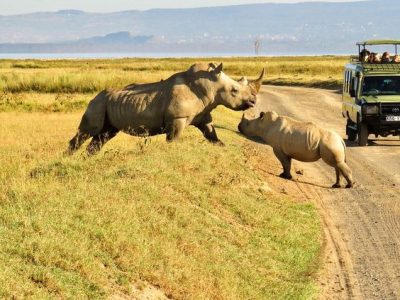
Planning a 10-day Kenya family safari requires balancing thrilling wildlife viewing in the Maasai Mara with relaxing, educational stops like Lake Naivasha or Diani Beach. Key steps include choosing the right time (July-October for migration or December-March for dry weather), booking family-friendly lodges with pools, and hiring a private guide for flexibility.
5-days-best-of-uganda-safari-kenya-and-tanzania-safari-in-africa
12-days-uganda-safari-and-tours-combined-with-zanzibar-beach-vacation
25-days-east-africa-safari-to-uganda-rwanda-kenya-tanzania-safari-and-zanzibar-beach-holidays
15-days-uganda-rwanda-tanzania-safari-and-zanzibar-beach-holidays
8-days-serengeti-ngorongoro-and-bwindi-gorilla-trekking-in-uganda
20-days-uganda-kenya-tanzania-and-zanzibar-beach-holidays
19-days-kenya-tanzania-wildlife-combined-with-zanzibar-beach-holiday-vacation
18-days-exclusive-kenya-tanzania-safari-to-uganda-primate-safari
17-days-east-africa-safari-to-uganda-rwanda-kenya-tanzania-and-zanzibar-beach-holidays
14-days-best-of-kenya-safari-holiday-2-weeks-africa-kenya-safari-vacation
13-days-samburu-ol-pejeta-lake-nakuru-masai-mara-lake-naivasha-and-amboseli-kenya-safari
12-days-kenya-tanzania-safari-and-zanzibar-beach-holiday-vacation
11-days-gorilla-trekking-and-kenya-safari-in-masai-mara-to-zanzibar-beach-holiday
9-days-budget-kenya-wildlife-safari-holiday-vacation-trip
8-days-ol-pejeta-lake-nakuru-masai-mara-lake-naivasha-and-amboseli
7-days-budget-kenya-safari-holiday-vacation-tour
10-Day Family Safari Itinerary
The 10-Day family safari itinerary in Kenya is designed to provide a memorable adventure filled with diverse wildlife and cultural experiences. Starting in Nairobi, families can visit renowned sites like the Giraffe Center, where they can see the endangered Rothschild's giraffe, and the David Sheldrick Elephant Orphanage, home to baby elephants rescued from the wild. Other wildlife highlights of the trip include viewing lions, leopards, buffaloes, zebras, and rhinoceroses in the Maasai Mara National Reserve, renowned for its Big Five. Participants will visit Maasai villages, learning about the culture and traditions of the Maasai people.
The itinerary also includes activities like boat rides on Lake Naivasha, where you might see hippos and various bird species, along with cycling in Hell’s Gate National Park. In Amboseli National Park, families can observe large herds of elephants against the backdrop of Mount Kilimanjaro. This safari concludes with relaxation at Diani Beach, perfect for swimming and snorkeling, creating an unforgettable family adventure filled with wildlife sightings and cultural insights.
Day 1: Arrival in Nairobi
Upon arrival at Jomo Kenyatta International Airport in Nairobi, your family will be greeted by a guide who will transport you to your hotel. After check-in, enjoy some time to rest before starting your adventure. The first stop is the Giraffe Center, where you can feed the endangered Rothschild's giraffes. Children will delight in getting up close to these gentle giants and learning about their conservation. Next, visit the David Sheldrick Elephant Orphanage, where you will see baby elephants being cared for by their keepers. Listen to heartwarming stories about their rescue and rehabilitation. In the evening, you can explore local dining options, enjoying Kenyan cuisine together. This first day allows your family to ease into Kenyan culture and wildlife, creating excitement for the days ahead. Reflect on the incredible experiences and engage children by asking them what they look forward to in the safari.
Day 2: Nairobi – Wildlife Education
On Day 2, continue your family’s wildlife education by visiting the Karen Blixen Museum, situated in the former home of the author. Learn about her life in Kenya and the local flora and fauna. After the museum, head to the Nairobi National Park for a game drive where you can spot animals like lions, giraffes, zebras, and buffaloes roaming in their natural habitat against the city skyline. The park’s unique setting allows families to view wildlife conveniently without leaving Nairobi. Enjoy a picnic lunch at the park, where kids can share their favorite animals they hope to see. In the afternoon, visit the Nairobi Railway Museum to learn about the country’s history. Wrap up your day with dinner at a local restaurant, discussing the wildlife seen and preparing for the adventure in the Maasai Mara. This day is focused on enriching your family’s understanding of Kenya's wildlife conservation.
Day 3: Transfer to Maasai Mara National Reserve
After breakfast, depart Nairobi and drive to the Maasai Mara National Reserve. The journey takes approximately six to seven hours, providing the opportunity to enjoy the scenic views of the Kenyan countryside. Upon arrival at the reserve, check into your lodge or tented camp for lunch. After settling in, head out for an afternoon game drive. The Maasai Mara is famous for its diverse wildlife, including the Big Five: lions, leopards, elephants, buffaloes, and rhinoceroses. As you drive through the reserve, be on the lookout for cheetahs and wildebeests as well. Your guide will share insights about different animal behaviors and habitats. As the sun sets, return to your lodge for dinner and reflect on the various wildlife sightings. This day sets the stage for continued exploration of one of Africa's premier wildlife destinations.
Day 4: Full Day in Maasai Mara
Day 4 focuses on exploring the Maasai Mara extensively. After an early breakfast, set off for a full day of game drives. Encountering large herds of wildebeests and zebras grazing the plains will undoubtedly impress the entire family. It's also an excellent opportunity for children to learn about animal migrations and their interactions. Midday, enjoy a picnic lunch in the reserve while observing the wildlife around you. In the afternoon, visit a Maasai village to learn about local customs and traditions. Engage with the Maasai people and enjoy traditional dance performances. Return to your lodge for dinner after a full day of wildlife and cultural discoveries. As your family reflects on the day's experiences, discuss what each member found most intriguing about the wildlife or the Maasai culture. This day deepens the understanding of the rich wildlife and cultural heritage in the Maasai Mara.
Day 5: Optional Activities in Maasai Mara
On Day 5, select optional activities tailored for the family, such as a hot air balloon ride at dawn followed by a champagne breakfast in the wild. This experience provides a unique perspective of the Maasai Mara's wildlife from above. After breakfast, take another game drive in the reserve, keeping an eye out for elusive leopards and playful baby animals. In the afternoon, engage in a guided nature walk with a Maasai warrior to learn about their traditional use of plants and tracking techniques. This hands-on activity provides a different perspective on wildlife. By evening, return to your lodge for a relaxing dinner. As the day concludes, share stories about the animals seen and discuss which activities were favorites for each family member. This day focuses on adventure and education, solidifying connections with nature and culture.
Day 6: Lake Naivasha and Hell’s Gate National Park
After breakfast, depart the Maasai Mara for Lake Naivasha, a drive of about 5-6 hours. Upon arrival, check into your accommodation and have lunch. In the afternoon, take a boat ride on Lake Naivasha, where you’ll likely see hippos sunbathing and various bird species, including pelicans and kingfishers. After the boat ride, head to Hell’s Gate National Park by bike or on foot. This park allows families to explore the unique geological features and spot wildlife such as zebras, giraffes, and more. The park’s lush environment features walking trails and breathtaking cliffs. After a day filled with activity, return to your lodge for dinner, sharing highlights from the day. This day combines scenic beauty with active fun, ensuring everyone remains engaged with Kenya's wildlife and natural wonders.
Day 7: Transfer to Amboseli National Park
On Day 7, after breakfast, drive to Amboseli National Park, known for its large elephant herds and views of Mount Kilimanjaro. The drive lasts about 5-6 hours. Upon arrival, check into your lodge and enjoy lunch while discussing expectations for the afternoon. Start with an early afternoon game drive to observe elephants, buffaloes, and various bird species, such as the African spoonbill. Amboseli also offers unique opportunities to see wildlife against the spectacular backdrop of Kilimanjaro, particularly during sunset. As evening approaches, return to your lodge for dinner. Reflect on the animals spotted, and let children share their favorite moments. This day allows everyone to appreciate Amboseli’s renowned wildlife while enjoying family time in a beautiful setting.
Day 8: Full Day in Amboseli National Park
The focus for Day 8 is on wildlife viewing in Amboseli National Park. Early morning is prime time for animal activity, so after breakfast, set out for a game drive to view elephants, lions, and other wildlife. The park is home to over 50 species of mammals, presenting a unique opportunity for the family to learn about various ecosystems and habitats. Enjoy a picnic lunch in the park. Afterward, take a short hike to one of the scenic viewpoints for a broader view of the wildlife below. This day provides many chances for memorable photographs and lessons about animal behaviors. Before returning to your lodge, spend some time at a local Maasai village nearby to connect with the culture. Over dinner, share what each person loved about the day, fostering a sense of shared adventure. This day reinforces the theme of wildlife conservation, enhancing knowledge about the park's diverse inhabitants.
Day 9: Travel to Diani Beach
On Day 9, after breakfast, leave Amboseli and travel to Diani Beach. This drive takes around 5-6 hours. Upon arrival, check into your beachfront hotel, offering a perfect setup for relaxation after days of wildlife exploration. Unpack and spend time at the beach, where the family can swim, sunbathe, or engage in water sports. Depending on your family’s interests, activities such as snorkeling can also be arranged to see colorful coral reefs and tropical fishes. Enjoy dinner at a seaside restaurant, listening to the sound of the waves. This day contrasts the previous safari activities, providing a serene environment for relaxation. As the sun sets over the beach, reflect on the excitement of the safari and look forward to concluding the trip with fun in the ocean.
Day 10: Leisure at Diani Beach and Departure
On your final day, enjoy a leisurely breakfast before heading out for more beach activities. Spend the morning swimming, relaxing, or exploring Diani's beautiful coastline. Consider a visit to Mombasa’s Fort Jesus, where your family can learn about the region's history and cultural influences. After lunch, return to your hotel for final preparations before your departure. Depending on your flight time, you may have a chance for last-minute beach fun or shopping at local crafts markets. Your guide will assist with the transfer back to the airport. As you depart, take time to reflect on the memories made during your 10-day safari and beach adventure. Discuss favorite wildlife encounters, cultural experiences, and activities enjoyed together. This day wraps up the itinerary perfectly, allowing families to leave Kenya with lasting memories and a deeper appreciation for its wildlife and culture.
What is the best time of year to book a 10-day Kenya family safari?
The best time to book a 10-day Kenya family safari is during the dry season, which spans from late June to October. This period is not only ideal for wildlife viewing but also coincides with the Great Migration in the Maasai Mara, where millions of wildebeest and zebras traverse the plains in search of greener pastures. The dry weather improves visibility and makes animals easier to spot as they gather around water sources, enhancing your family’s wildlife encounters.
During the dry season, temperatures are generally mild, making for comfortable game drives and outdoor activities. Another benefit of this timing is the reduced risk of rain, allowing for seamless travel between parks and ensuring that itineraries remain on schedule.
However, it's essential to book accommodations and guided tours well in advance, as this is a peak travel season. Families can expect higher rates for lodges and transportation due to increased demand, but the wonderful wildlife experiences and unforgettable memories will make the investment worthwhile.
Planning a safari outside of the migration season, such as during the wet months (November to May), can also offer unique experiences, including lush scenery and fewer tourists, but wildlife intensity may vary. Ultimately, if your primary goal is to witness the Great Migration and have optimal wildlife viewing opportunities, aiming for a trip during the dry season from late June to October is recommended.
Is 10 days long enough for a comprehensive Kenya family safari?
Yes, 10 days is generally considered an ideal duration for a comprehensive Kenya family safari. This length gives you ample time to explore 3 to 4 different parks, such as the Maasai Mara, Amboseli, Ol Pejeta, and Lake Nakuru, without feeling rushed. Each destination offers unique wildlife experiences, ensuring a well-rounded safari adventure.
In the Maasai Mara, you can witness the Big Five—lions, leopards, rhinoceroses, elephants, and buffaloes—in their natural habitat. The park is famous for its vast savannas and incredible wildlife density, making it a highlight of any safari. Amboseli National Park provides the chance to observe large elephant herds with beautiful views of Mount Kilimanjaro as a backdrop.
Ol Pejeta Conservancy is excellent for rhino conservation and offers a hands-on understanding of wildlife protection efforts. Additionally, visiting Lake Nakuru National Park provides opportunities to see flocks of flamingos and a variety of bird species.
Ten days also allows for a mix of attractions and activities, tailored to suit family interests. You can partake in youthful adventures, like a hot air balloon ride over the Maasai Mara or visits to cultural sites such as Maasai villages. With downtime scheduled into the itinerary, families can relax in between activities, making for a balanced and enjoyable safari.
Overall, 10 days strikes a good balance between exploration and relaxation, ensuring a memorable adventure packed with experiences and family bonding moments.
What is the minimum age for children on a Kenya family safari?
The minimum age for children on a Kenya family safari varies by lodge and the type of activities planned. While many lodges welcome children of all ages, most safari experts recommend that children be at least 6 years old to fully appreciate the game drives and engage in activities designed for safari adventures.
For families traveling with younger children, it's essential to ensure that the chosen lodges and activities are child-friendly. Many lodges and camps have specific age restrictions for activities such as walking safaris, and game drives with young children might be limited to where children can remain safe and entertained.
Younger children may have a different understanding of the wildlife and may not have the attention span for lengthy game drives, leading to potential restlessness. For this reason, engaging older children makes the trip more enjoyable for everyone. With older kids, deeper discussions about wildlife, environmental issues, and cultural interactions can lead to meaningful learning experiences.
Parents should also consider the stamina of their children for the activities involved. Long drives or hikes may be exhausting for younger kids. By choosing a more age-appropriate itinerary and accommodations, families can create a positive and enriching safari experience that fosters a love for wildlife and nature in all family members, regardless of age.
Are specialized kid-friendly activities included in a Kenya family safari?
Yes, many Kenya family safari itineraries are designed to include specialized kid-friendly activities that make the experience enjoyable and educational for children. These activities are tailored to engage younger travelers, ensuring they have fun while learning about wildlife and conservation.
One popular activity is the "Maasai Warrior School," where children can learn traditional spear-throwing techniques and engage in games. This allows them to connect with the local Maasai culture meaningfully. Another exciting opportunity is animal tracking, which can teach children about various animal behaviors and their habitats. Professional guides often encourage participation in these educational aspects, making them interactive and engaging.
Visiting places like the Giraffe Centre in Nairobi is also a fantastic way to introduce kids to wildlife conservation. Here, they can learn about the endangered Rothschild's giraffe and participate in feeding sessions. The David Sheldrick Elephant Orphanage offers a similar experience with baby elephants, allowing children to understand the significance of wildlife rescue and rehabilitation efforts.
Many lodges provide family-friendly amenities, such as swimming pools, nature walks, and workshops on local crafts, ensuring that downtime is equally enriching. Engaging storytelling sessions around the campfire can also capture children's imaginations.
These specialized kid-friendly activities are crucial for creating a safari experience that caters to family dynamics and leaves lasting impressions on children, making them advocates for wildlife and conservation as they grow
What kind of vehicles are used for a 10-day Kenya family safari?
For a 10-day Kenya family safari, families typically travel in customized 4x4 Toyota Land Cruisers designed for game viewing and equipped for comfort and safety. These vehicles provide ample space and excellent visibility for all passengers, which is crucial for wildlife spotting during game drives.
The 4x4 design allows for smooth travel over rough terrain, making them suitable for various park conditions. Most vehicles have pop-up roofs or large windows, enabling optimal wildlife viewing and photography. Families can often take advantage of these features, making it easier for kids to spot animals and engage in discussions about their characteristics and habitats.
Many tour operators modify these vehicles to accommodate families, including additional legroom and child-friendly safety measures. Some vehicles also come with options like air conditioning, charging ports, and storage for personal items, ensuring comfort on long drives.
Professional guides usually accompany the vehicles, sharing insights about the wildlife and local ecosystems. They also assist with any questions children may have, helping to enhance the safari experience through engaging storytelling.
The choice of vehicle is a significant component of ensuring a successful family safari. By providing comfort, safety, and enhanced visibility, the right transportation fosters a more enjoyable and educational interaction with Kenya's incredible wildlife.
How much does a mid-range 10-day Kenya family safari typically cost?
A mid-range 10-day Kenya family safari typically costs between $300 and $500 per person, per day. This pricing usually encompasses accommodations, meals, transport, park entrance fees, and guided game drives, making it essential for families to budget accordingly. Therefore, total costs for a family can vary significantly based on the number of days spent on safari, the type of lodges selected, and any additional activities included in the itinerary.
Accommodations in the mid-range category often consist of comfortable lodges or tented camps that offer various amenities and child-friendly options. Families can choose from interconnected rooms or family tents to ensure that everyone stays together comfortably.
Meal plans generally include breakfast, lunch, and dinner at the lodges or camps, with some offering packed lunches on game drives. It's advisable to inquire about specific dietary requirements when booking.
Costs can increase during high season (like the dry months from late June to October), so booking in advance is recommended. Meanwhile, opting for off-peak seasons may result in lower prices but fewer wildlife sightings or potential weather-related challenges.
Understanding the overall cost structure is vital for families planning their safari, ensuring the trip stays within budget while delivering enjoyable experiences that enrich family bonds through wildlife adventures.
Is it safe to take young children on a Kenya family safari?
Yes, it is generally safe to take young children on a Kenya family safari, provided families follow professional guidelines and stay in secure, family-oriented lodges. Kenya has become increasingly welcoming for families, with many lodges and camps providing tailored experiences catering to children.
Selecting child-friendly accommodations is essential for safety and comfort. Many lodges offer amenities like family rooms, activities suited for kids, and staff trained in child care. Additionally, professional guides are well-trained in child safety protocols and adapt activities based on the age and interests of all family members.
While on safari, it's crucial to adhere to safety guidelines, such as remaining in the vehicle during game drives, following instructions from guides, and ensuring children stay close to adults at all times, especially in wildlife areas. Lodges are often located in secure, fenced-off spaces to minimize encounters with wild animals.
Health considerations are also essential when traveling with children. Ensure all routine vaccinations are up to date, and consult a healthcare provider about malaria prevention, especially for younger children.
While it's wise to prepare adequately, many families have safely enjoyed safari adventures together without significant issues, creating beautiful memories and a deeper appreciation for wildlife conservation.
Can we include beach time in a 10-day Kenya family safari itinerary?
Absolutely! Many families choose to spend a portion of their 10-day Kenya family safari itinerary at beaches like Diani or Malindi for relaxation after their wildlife adventures. Typically, families might allocate 5 to 7 days for safari activities and reserve the remaining time for beach activities, allowing for a balanced experience that combines adventure with leisure.
Including beach time provides a wonderful contrast to the sometimes physically demanding nature of game drives. At the beach, families can enjoy various activities like swimming, snorkeling, and beach games. This downtime after a week of safari exploration allows everyone to recharge and soak in the sun.
Popular beaches like Diani are known for their stunning white sands and crystal-clear waters, making them ideal for family outings. Many beachfront hotels offer kid-friendly amenities, such as pools, playgrounds, and opportunities for organized water sports, including kayaking and paddleboarding.
Additionally, families can partake in cultural excursions to nearby attractions, such as Mombasa’s Fort Jesus or local markets, enriching their understanding of coastal heritage and local communities.
Incorporating beach time into a Kenya family safari provides a holistic and enjoyable experience, ensuring families leave with lasting memories from both wildlife encounters and relaxing beach escapes.
What are the best parks for a 10-day Kenya family safari?
When planning a 10-day Kenya family safari, several parks stand out due to their unique offerings and family-friendly activities.
- Maasai Mara National Reserve: Known for the Great Migration and the Big Five (lions, leopards, rhinoceroses, elephants, and buffaloes), the Maasai Mara is a prime destination for unforgettable game drives and wildlife encounters.
- Amboseli National Park: Famous for its large elephant herds, Amboseli sits at the base of iconic Mount Kilimanjaro. The park is excellent for photography and provides unique opportunities to see elephants in their natural environment.
- Ol Pejeta Conservancy: This park focuses on rhino conservation and has a variety of wildlife, including black and white rhinos. Ol Pejeta offers educational experiences, making it ideal for families keen to learn about conservation efforts.
- Lake Nakuru National Park: Renowned for its flamingo populations, Lake Nakuru also hosts various wildlife, including lions, leopards, and black rhinos. This park is perfect for birdwatching, and its scenic views add to the appeal.
- Tsavo National Park: One of the largest parks in Kenya, Tsavo is home to a vast array of wildlife, including elephants, cheetahs, and various bird species. Its size means there are fewer crowds, providing a more intimate experience.
Each of these parks offers unique opportunities for wildlife viewing, cultural interactions, and memorable family activities, making them the best choices for a comprehensive 10-day safari experience in Kenya.
Do lodges on a Kenya family safari offer specialized family rooms?
Yes, many lodges on a Kenya family safari offer specialized family rooms designed with the comfort and needs of families in mind. These accommodations can vary by lodge and may include interconnected rooms, larger family tents, or suites that provide enough space for everyone to stay together comfortably.
Family-friendly lodges often prioritize amenities such as child-sized beds, safety measures for younger children, and options for extra bedding. Additionally, many lodges provide facilities like swimming pools, playgrounds, and organized activities for kids, creating an engaging atmosphere for families.
Some lodges may also offer tailored experiences like guided nature walks specifically designed for families, cooking classes that involve children, or wildlife tracking activities that are educational yet entertaining. These programs can enhance family bonds and make the safari adventure more enjoyable.
Choosing family-oriented accommodations is essential not only for comfort but also for ensuring that young travelers have an enriching experience. Families can ask about specific amenities and services when booking to ensure that their chosen lodges align with their needs, making for a stress-free and memorable safari.
Are there health and vaccination requirements for a Kenya family safari?
Yes, certain health and vaccination requirements exist for a Kenya family safari to ensure travelers are prepared and safe. While routine vaccinations should be up to date (including measles, mumps, rubella, and hepatitis A), families are strongly advised to consult healthcare professionals about malaria prophylaxis, especially for children. Malaria is present in some areas, particularly around wetlands and national parks.
Travelers are also advised to check for yellow fever vaccination requirements, which may be mandated depending on the country of origin and travel routes. A yellow fever certificate is often required for entry into Kenya if traveling from a yellow fever-endemic region.
Travelers should also consider obtaining travel insurance that covers medical emergencies and evacuation services. Ensuring access to necessary medications and first-aid supplies is crucial while on safari.
Parents are encouraged to hydrate frequently and ensure their children are comfortable with the local climate. Teaching children about safety—like not approaching wildlife and washing hands before meals—helps keep everyone healthy during the trip.
By taking these precautions, families can enjoy their Kenyan safari safely and meaningfully while fostering a sense of adventure and respect for wildlife and nature.
What should we pack for a 10-day Kenya family safari?
Packing for a 10-day Kenya family safari requires careful consideration to ensure comfort and preparedness for various activities. Begin with neutral-colored, lightweight clothing; khaki, beige, and olive tones are ideal, as these colors blend well with the natural surroundings. Avoid bright colors, which can attract unwanted attention from wildlife. Layered clothing is essential, as the temperature can fluctuate between warm days and cooler evenings. Include long-sleeved shirts and lightweight long pants, which provide protection from the sun and insects.
A high-SPF sunscreen is crucial to protect against the sun’s rays during outdoor activities. Remember to include wide-brimmed hats for sun protection and sunglasses with UV protection. Binoculars are also a great addition for children, allowing them to observe wildlife more closely and enhancing their safari experience.
Footwear should be comfortable, sturdy, and suitable for walking, including hiking boots and sandals. Don’t forget to pack personal necessities such as insect repellent, a first-aid kit, and any prescription medications. It's wise to include a reusable water bottle to stay hydrated during the day.
For children, include any comfort items, such as lightweight toys or books to keep them entertained during downtime or long drives. Finally, consider a small daypack for carrying essentials during game drives, such as snacks and cameras, ensuring that everyone is ready for the adventure ahead.
Is Wi-Fi available at the lodges during a Kenya family safari?
Wi-Fi availability during a Kenya family safari largely depends on the lodges and camps chosen for the trip. Most modern safari lodges and permanent tented camps offer free Wi-Fi in common areas, such as lounges and dining areas. This connectivity allows families to share their adventures, check in with loved ones, or plan for the next day's activities.
However, it's important to note that Wi-Fi might be limited or less reliable in remote bush locations where lodges are situated deep in the wilderness. The purpose of a safari is to disconnect from daily life and enjoy the environment, so families should keep expectations realistic regarding internet connectivity.
While some luxury lodges provide better connectivity, the focus on family bonding, engaging with nature, and wildlife experiences can often overshadow the need for constant online access. Many travelers, including families, find the temporary disconnection refreshing, allowing for quality time spent together while observing wildlife and enjoying unique activities.
In preparation for the safari, families should consider downloading any necessary offline maps or entertainment on devices, such as books, movies, or games, to ensure everyone stays engaged during longer drives or when Wi-Fi is unavailable. Overall, while Wi-Fi can be available in certain areas, the true appeal of the safari lies in the incredible experiences that await outside the screens.
How do we handle long drives during a 10-day Kenya family safari?
Handling long drives during a 10-day Kenya family safari can be made enjoyable and engaging with thoughtful planning. Many professional operators design safari itineraries that take into account the need for shorter daily drives, allowing families to visit multiple parks without feeling exhausted or rushed. Typically, these operators create travel routes that minimize time spent in transit while maximizing wildlife viewing opportunities, maintaining a balanced pace throughout the safari.
To keep children entertained during long drives, it’s essential to bring along a variety of snacks and drinks. Healthy options such as fruits, nuts, granola bars, and sandwiches can keep energy levels up. Regular stops for bathroom breaks and to stretch legs are incorporated into the itinerary, ensuring children can move around and relieve any restlessness.
Engaging activities during transit can also make the drives more enjoyable. Bring along games, books, and toys that can be easily packed in a small bag, as well as educational materials related to wildlife and conservation, fostering learning while on the move. Playing games like spotting animals or counting specific types of wildlife can create a fun and engaging atmosphere in the vehicle.
Most importantly, the presence of knowledgeable and friendly guides can significantly enhance the travel experience. They often share interesting stories about the regions, anecdotes about the animals, and insights on local cultures, effectively turning long drives into entertaining and educational experiences. Through this careful planning and engagement, long drives can become a memorable part of the overall safari adventure.
What kind of food is served on a Kenya family safari?
When embarking on a Kenya family safari, families can expect a diverse and delicious range of food options served at lodges and camps. Most lodges typically offer international-style cuisine, including a mix of Kenyan delicacies and continental dishes. Breakfast often includes a variety of options, such as eggs, fresh fruits, cereals, pastries, and traditional dishes like ugali or chapati, catering to various tastes and dietary preferences.
Lunch is usually served buffet-style or as packed lunches on game drives, featuring sandwiches, salads, fruits, and snacks. This allows families to enjoy meals amid the beautiful scenery of the African wilderness, enhancing the overall safari experience. Dinner often consists of a multi-course meal with options that range from grilled meats to vegetarian dishes. Many lodges make an effort to source fresh, local ingredients to ensure high-quality meals.
Importantly, lodges are generally accommodating to picky eaters or specific dietary requirements, including vegetarian, gluten-free, or more specialized diets. Families should inform their tour operators and lodges in advance of any food allergies or restrictive diets to ensure availability. Meals are often accompanied by local beverages, including fresh fruit juices or Kenya’s famous chai tea.
Lastly, dining experiences can vary by lodge, with some offering unique outdoor dining options like bush dinners, where families dine under the stars while surrounded by the sounds of nature. Overall, the culinary offerings during a safari aim to provide comfort and satisfaction, enhancing the family experience while exploring the wild.
Are internal flights recommended for a 10-day Kenya family safari?
Yes, internal flights are often recommended for a 10-day Kenya family safari, particularly for families wishing to maximize their time spent exploring wildlife. Internal flights can significantly reduce travel time between parks and lodges, allowing families to focus more on wildlife encounters and less on long drives.
Many safari operators offer fly-in safaris, which typically include scheduled flights between major destinations such as Nairobi, Maasai Mara, Amboseli, and more. These flights are usually conducted in small planes that can land directly at airstrips close to many lodges, making transfers smooth and straightforward. While this option offers convenience, it's important to note that there are usually strict luggage limits, often set at 15 kilograms (33 pounds) for soft-sided bags. Families should plan their packing accordingly and ensure they follow the weight restrictions when flying.
Flying not only saves time but also provides unique aerial views of the landscapes and wildlife, making the experience even more memorable. Moreover, the process of taking flights can have a fun "travel adventure" aspect for children, adding excitement to their safari.
However, there are budget considerations, as internal flights tend to increase the overall cost of the safari package. Families should weigh the benefits of time saved against budget constraints. Overall, internal flights are a practical option for families looking to enjoy a comprehensive and efficient safari experience while exploring Kenya’s beautiful wildlife.
Can we visit a local community during our Kenya family safari?
Yes, many Kenya family safari itineraries include visits to local communities, such as Maasai or Samburu villages, providing enriching cultural experiences for families. These interactions enhance the safari experience by allowing families, particularly children, to learn about traditional customs, crafts, and everyday life in local communities.
Visiting a Maasai village often includes opportunities for children to engage in local cultural practices such as traditional dances, crafts, and storytelling. These hands-on experiences make learning more enjoyable and relatable for young travelers while fostering a sense of appreciation for cultural diversity.
Such village visits are typically organized by tour operators, ensuring the experience is respectful and authentic. Families can participate in crafts and learn about local farming practices, showcasing the community's relationship with nature and sustainability efforts.
Additionally, these visits provide an opportunity for families to contribute positively to local economies through purchasing handmade crafts or goods, further engaging in the cultural exchange. Interactions within local communities often foster meaningful dialogue between children and community members, enhancing understanding of different ways of life.
Overall, visiting local communities during a Kenya family safari enriches the adventure while building valuable cultural awareness and understanding for all family members, encouraging younger travelers to develop respect and appreciation for cultural differences.
What happens if a child needs a bathroom during a Kenya family safari game drive?
During a Kenya family safari, if a child needs a bathroom break during a game drive, your professional guide will find a safe, scouted location for a "bush toilet" break. Guides are well-trained to handle such situations with care and discretion, ensuring that everyone remains comfortable and safe.
When it comes time for a bathroom break, guides will look for secluded spots away from the main wildlife viewing areas to set up a temporary restroom situation. Depending on the landscape, they can help create a private area for the child while ensuring that the surroundings are safe and free from any animal activity.
Teaching children about the basic practices of what to do in these situations can help prepare them for the safari experience. They should understand the importance of staying close to the vehicle and following guide instructions for safety reasons.
Parents should also consider bringing along biodegradable wipes or toilet paper for convenience. This preparation can further ease any potential discomfort related to the lack of formal restroom facilities in the wild.
Overall, the combination of knowledgeable guides and well-planned safaris ensures that families can enjoy their adventure without worrying about the logistics of restroom breaks. Having strategies in place allows parents and children to maintain comfort while focusing on the excitement of wildlife viewing.
Are there swimming pools at the camps on a Kenya family safari?
Many mid-range and luxury lodges on a Kenya family safari feature swimming pools, making them ideal for cooling off during the midday heat. These pools provide families with a relaxing space to unwind after engaging in game drives and other activities, especially in warmer months when temperatures can climb.
Swimming pools often serve as a welcome retreat for children and adults alike, allowing families to enjoy leisurely time together in a safe environment. They are particularly useful for relaxation between game drives or after a day filled with activities. Many lodges have designated areas for kids, ensuring that they can enjoy the pool safely while parents watch and share in the fun.
Additionally, some lodges create beautiful poolside settings that are perfect for relaxation, with comfortable loungers and shaded areas for enjoying snacks or drinks. This ambiance allows families to form lasting memories while connecting over shared experiences, like splashing in the water or enjoying family games poolside.
Before booking, it's a good idea for families to inquire about specific amenities, such as pool availability and child safety measures at the lodges chosen. Overall, pools contribute to making family safaris more comfortable and enjoyable, enhancing the overall experience amidst the exciting backdrop of Kenya’s wildlife-rich landscapes.
Do we need a private vehicle for a 10-day Kenya family safari?
A private 4x4 vehicle is highly recommended for families on a 10-day Kenya safari. Having a private vehicle provides numerous advantages, particularly in terms of flexibility, comfort, and personalizing the pace of the safari.
With a private vehicle, families can create their itinerary based on interests and preferences, allowing for spontaneous stops for animal sightings or longer pauses to enjoy a picnic in a scenic spot. This flexibility can be especially crucial for managing children’s needs during the trip. Children may require more frequent breaks for snacks, bathroom visits, or simply stretching their legs after long periods of travel.
Additionally, a private vehicle allows the family to enjoy the experience in an intimate setting. Traveling together fosters family bonding while providing children with undivided attention from their parents and guides, enhancing their learning and engagement with wildlife.
Safety and comfort also come into play with private vehicles. Families can travel without the concerns of sharing space with strangers, allowing for a more tailored experience. The likelihood of suitable seating arrangements, luggage space, and overall comfort levels improves significantly with a private vehicle.
Booking Kenya family safari with us Roads of Adventure safaris
Book your unforgettable Kenya family safari with Roads of Adventure Safaris for expertly crafted, safe, and personalized itineraries. Specializing in family-friendly adventures, they provide private, professional guided tours, ensuring comfortable, tailored experiences—from Masai Mara game drives to cultural encounters. Enjoy seamless logistics, including secure accommodation and transport, designed to keep children engaged while witnessing the Big Five. Contact them to secure your spot for a 2026 adventure.
