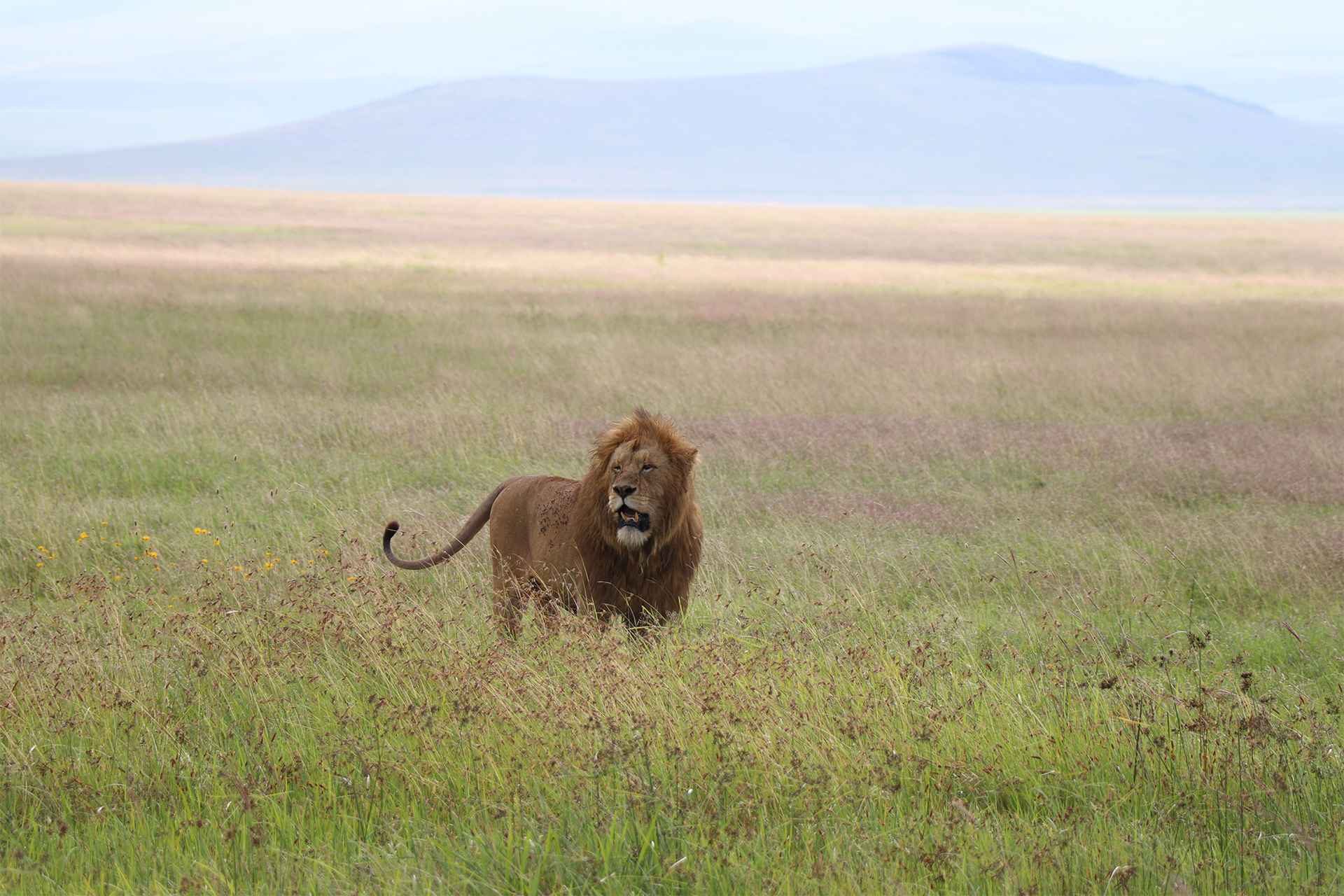
Filming lions in Murchison Falls National Park (MFNP) requires specific legal permits and strategic planning to navigate its savannah landscapes successfully. The park's northern sector, particularly the Buligi, Victoria, and Queen’s tracks, offers the most consistent lion sightings.
38-days-unmatched-uganda-primate-safari-tour-and-uganda-wildlife-safari-with-culture
30-days-uganda-rwanda-photography-safari-adventure
10-days-best-photography-uganda-wildlife-safari-holiday-and-gorilla-trekking
7-days-photography-uganda-safari-all-big-five-chimpanzee-and-gorillas
3-days-murchison-falls-national-park-best-uganda-safari-road-trip
3-days-best-honeymoon-uganda-safari-escape-to-murchison-falls-national-park
5-day-best-safaris-to-uganda-kidepo-and-murchison-falls-national-parks
5-days-kidepo-valley-uganda-safari-via-ziwa-rhino-sanctuary
6-days-best-of-murchison-and-kidepo-uganda-safari-via-ziwa
7-days-murchison-falls-uganda-safari-trip-via-ziwa-rhinos-kidepo-valley-and-jinja
7-days-uganda-tour-to-murchison-falls-via-ziwa-kibale-and-queen-elizabeth-national-park
9-days-africa-big-five-safari-in-uganda-safari-parks-and-gorilla-trekking
Press Accreditation (Media Card)
Press accreditation (media cards) issued by the Uganda Media Council are mandatory for every crew member involved in professional filming in Uganda. The media card verifies your team’s identity and purpose, and UWA frequently requires a copy of each card when processing park filming permits. There are two standard fee bands: $175 per person for up to 30 days and $225 for up to six months—budget accordingly for cast and crew who will enter park lands. The application process centers on Form G (or the current Media Council template), which must be completed for each individual. Required attachments typically include a clear copy of the applicant’s passport, two passport-sized photographs, and a succinct film synopsis or assignment letter explaining the production’s scope, editorial intent, and institutional affiliation. Freelancers should include a statement of intent, prior credits or portfolio links, and contact details for any commissioning body. Timelines matter: the Media Council can take several business days to weeks to process multiple applications, so submit as early as possible to avoid delays to UWA permit processing. Cards are personal and non-transferable; ensure every crew member carries their original card while on duty. For international crews, also check visa and work-permit requirements—media cards do not replace immigration rules. If your shoot involves sensitive topics, research areas, or long-term stays, include letters of introduction from your employer or university and any relevant ethical clearance documentation. Keep clear, digital copies of every card and include them in permit submission packets to UWA and customs agents. Finally, use a local fixer or production manager to coordinate bulk submissions—this expedites processing and helps resolve any documentation queries quickly.
Commercial Filming Permit (UWA)
Commercial filming within Uganda Wildlife Authority (UWA) jurisdictions is strictly controlled and calculated relative to park activity fees. For Kibale Forest National Park, the commercial permit cost is expressed as a percentage of the base park activity fee—commonly 40% of the activity fee. Using your baseline example (approx. $18 per person per 24 hours for standard entry), the commercial surcharge converts to roughly $7.20 per person per 24 hours (40% of $18). However, commercial productions are frequently charged as a package based on crew numbers, shoot days, and additional services (rangers, monitoring personnel, park closures), so the exact invoiced figure will be a tailored total. To apply, submit a detailed production proposal to UWA: shooting schedule, exact locations, crew list with Media Cards, equipment manifest, risk assessment, intended use of footage, and deliverables (often UWA requests sample footage or final copies). UWA will review for conservation impact, potential troop disturbance, and operational feasibility before issuing a permit and invoice. Payment terms and refundability vary—confirm whether partial refunds apply for cancellations or shorter-than-planned filming. Expect supplemental charges for after-hours access, special-site closures, or exclusive use of habituated groups. Also factor in mandatory park entrance fees for each crew member, ranger escort fees, porter costs, and logistical support. For drones, aerial passes, or filming in research sectors, UWA will coordinate with other agencies and may add surcharges or deny permission. Start negotiations early and secure a written contract specifying permitted activities and financial obligations. Using a local fixer or production manager helps translate UWA’s cost structure into an accurate budget line and prevents surprises at payment time.
Monitoring Fee
UWA commonly levies a monitoring fee on commercial filming to fund supervisory oversight and ensure compliance with permit conditions. This charge is often calculated as an additional percentage—your figure of 10% of the total filming fee is typical in many contracts and operates as both an enforcement and cost-recovery mechanism. The monitoring fee covers the deployment of UWA-appointed personnel (rangers or monitoring officers) whose responsibilities include accompanying the crew in the field, verifying that distance, biosecurity, equipment and timing conditions are observed, and documenting compliance with the contract. In some agreements the monitoring fee may be refundable—fully or partially—if no breaches occur and if post-shoot reports confirm compliance; in others it is retained to support conservation monitoring programs. Producers should request a written statement that details the monitoring officer’s role, expected hours, and any additional costs (e.g., accommodation and per diems) that the crew must cover separately. Because monitoring officers add operational cost and may influence shoot logistics, factor the fee and associated personnel needs into the production schedule—monitoring officers may require separate briefing sessions and workspace. The monitoring process typically includes a post-shoot compliance report submitted to UWA; producers should be prepared to receive and act on any corrective feedback. Non-compliance discovered by monitors can result in fines, permit suspension, or confiscation of footage in extreme cases—so the monitoring fee is an investment in risk reduction. Confirm the exact monitoring percentage, refund conditions, payment schedule, and any per diem obligations before signing the filming contract to avoid unforeseen expenses.
Equipment Clearance (Customs) & Drone Permits
All filming equipment imported temporarily into Uganda must be declared at entry and cleared by customs to avoid import duties or seizure. The recommended way to facilitate temporary importation is an ATA Carnet—an internationally recognized customs document that acts as a passport for professional gear. If a carnet is not used, employ a licensed clearing agent or fixer to submit a detailed equipment manifest (item descriptions, serial numbers, declared dollar values, and intended duration of stay). Customs typically requires production documentation: the UWA filming permit, Media Cards, company registration details, and an assignment/production letter. For drones there are two parallel clearance streams: customs temporary importation and an operational permit. Drones attract extra scrutiny—customs will inspect serial numbers and may request proof of the operator’s licensing and insurance. UWA (and sometimes UPDF/Civil Aviation Authority coordination) requires a separate drone operation permit outlining flight plans, operator qualifications, insurance, risk mitigation, and proof of temporary importation. Drone permits can add costs (temporary import bonds, aviation fees) and are frequently time-consuming to obtain; some drone permissions are denied if the perceived disturbance to wildlife is too great. Always declare all battery types (especially Li-ion packs) because aviation and customs have hazardous-material rules for transport. Keep original invoices and proof of ownership to facilitate re-exportation at the end of the shoot—customs often requires exit documentation to avoid post-departure duty claims. Plan customs clearance into your schedule, and use an experienced clearing agent to expedite inspections and avoid costly delays that can derail tight shoot windows.
Top Locations & Wildlife Patterns
Queen’s Track
Queen’s Track is a 13 km route famed among guides and filmmakers for consistent big-cat activity, especially lion sightings. The track cuts through a mix of open savanna and riverine patches, creating natural ambush points and prey corridors that lions exploit. For film crews, Queen’s Track offers predictable behaviors—long-distance stalking, pride resting scenes in late morning, and territorial marking at dusk—making it valuable for scripted sequence planning and B-roll. Accessibility is generally good in the dry season when the track is firm, enabling repeated passes and repositioning for different angles. However, the track’s length means crew logistics must be planned: fuel planning, staggered camera teams (to avoid crowding a single pride), and clear radio/comms protocols are essential so teams can coordinate without disturbing wildlife. Expect vehicle traffic from tourist operators during peak season; negotiate with camp managers or UWA game rangers for temporary priority windows if you need exclusive access. Safety is paramount—lions near roads are wild and unpredictable; always observe minimum distance rules set by park authorities and prioritize crew positioning inside vehicles or behind natural cover. Use long focal-length lenses to capture intimate behavior without encroaching. Night shoots can produce dramatic results (patrols, hunts) but require permits, high-ISO performance, and illumination plans that won’t disturb animals (infrared or low-glow options). Finally, gather local intelligence: speak with rangers and experienced guides before each shoot day to update on pride locations, recent kills, or territorial shifts. Their insights can save hours of fruitless searching and maximize productive filming time along the Queen’s Track.
Victoria Track
Victoria Track is a sought-after location for filming lionesses with cubs because its mosaic of tall grass and protective buffer zones gives mothers space to rear young while maintaining access to hunting grounds. For filmmakers aiming to capture maternal behavior—nursing, grooming, teaching cubs to play, and early hunting lessons—Victoria Track provides recurring opportunities during the denning and post-denning periods. The area’s ecology supports abundant small to medium prey populations, which in turn reduces the need for lionesses to range far from cubs, increasing on-location predictability. Approach planning is critical: cubs are extremely vulnerable, and both park rules and ethical filmmaking practices require maintaining generous distances, minimizing noise, and avoiding any action that could reveal den locations to predators or poachers. Timing is important; the window when cubs are old enough to be active but still remain in proximity to their mothers delivers the best footage—this typically occurs a few months after birth, varying by pride. Coordinate with park authorities and guides for exact pride locations and follow any restrictions (time-of-day curfews, limits on vehicle numbers near dens). For camera set-ups, combine long telephoto coverage for close-ups with wide-angle environmental shots showing the protective buffer landscape. Use vehicle-mounted beanbags for steady telephoto work without deploying tripods that can disturb the substrate. Capture contextual b-roll—tracks, prey species, and the surrounding buffer—to tell a fuller conservation story about why protective habitat matters for cub survival. Remember that filming lion families carries ethical obligations: avoid anything that draws attention to den sites or alters mother behavior. Prioritize animal welfare over obtaining a “perfect” shot.
Delta Area (Nile–Lake Albert confluence)
The Delta area, where the Nile meets Lake Albert, creates a dynamic ecological junction that attracts high prey densities and consequently concentrated predator activity—particularly lions that exploit seasonal prey movements and water access points. For filmmakers, this convergence offers a varied palette of scenes: riverside ambushes, hippo and croc interactions, waterhole congregations, and dramatic evening crossings. The mosaic of wetlands, papyrus fringes, and nearby woodlands concentrates herbivores during the dry season, increasing the likelihood of observing hunting sequences and territory overlapping between prides. Logistically, delta filming requires careful planning: waterlogged ground and seasonal flooding can restrict vehicle access, necessitating amphibious or raised-access routes and contingency plans for boat-based shoots. Sound recording needs special attention because water and wind introduce distinct noise profiles—choose directional mics, windscreens, and plan for ADR where necessary. The delta’s light at sunrise and sunset can be spectacularly cinematic, with reflective water surfaces enhancing color and contrast. However, the same water sources attract a dense population of insects and birds, which can complicate framing and require protective measures for crew and gear. Obtain local intelligence from park rangers about seasonal fish migrations and hippo wallows because these events can precipitate predictable predator behaviors. Safety protocols are critical near water—nocrossing rules, crocodile awareness, and strict distance maintenance from hippo groups. Finally, a strong conservation narrative often accompanies delta footage: the area’s ecological importance for migratory species, fisheries, and community livelihoods is an engaging story arc to pair with predator sequences.
Best Time (Seasonality: Dry Seasons)
For lion-focused filming in savanna and riverine environments, the dry seasons—generally December to February and June to September—are the optimal windows. During these months vegetation is shorter and sparser, visibility improves markedly, and prey animals aggregate around remaining water sources, concentrating predator activity and increasing the odds of sighting and filming lions. Road and track conditions are also more reliable; vehicles can access remote vantage points with less risk of getting stuck, allowing crews to move quickly between hotspots like Queen’s Track, Victoria Track, and the Delta area. Dry-season light quality is favorable for cinematography: clearer skies produce cleaner color temperatures and more consistent golden-hour lighting at dawn and dusk. That said, dry-season filming brings its own challenges—heat haze can reduce long-distance sharpness in midday, and dust is a constant hazard that degrades lenses and camera sensors if not managed. Plan daily schedules around early morning and late afternoon activity peaks to maximize wildlife action and avoid the heat of midday when animals rest. Additionally, peak tourist season occurs in parts of the dry months, so secure permits, guide windows, and possibly exclusive access well in advance. If you need specific behaviors tied to breeding, denning, or post-rain abundance (e.g., lush-season cub play or rains-triggered migrations), factor those seasonal nuances into your creative brief. Ultimately, the dry seasons offer the most predictable logistical and behavioral environment for lion filming, but smart scheduling, gear protection, and local coordination remain essential.
Optimal Light: Golden Hours & Daily Rhythms
The “golden hours”—short periods after sunrise (roughly 06:00–07:30) and before sunset (roughly 17:30–18:30)—are the most advantageous times for lion cinematography. The low-angle, warm-toned light produces soft, directional shadows that accentuate texture, musculature, and facial expressions while minimizing the harsh contrast and blown highlights of midday sun. Matched with lion activity patterns—crepuscular peaks when lions are most likely to be moving, hunting, or socializing—golden-hour windows combine aesthetic and behavioral advantages. For production planning, schedule primary camera setups and key behavioral scenes to coincide with these times; use midday for scouting, gear maintenance, interviews, or logging footage. Light changes quickly during golden hours, so plan a shot list ranked by priority and rehearse framing and blocking beforehand to capitalize on narrow windows of ideal light. Early morning shoots often produce atmospheric effects—mist lifting from riverine areas, dew on grass, and animals licking moisture—which add depth and cinematic mood. On the technical side, choose lenses and camera settings that preserve shadow detail without blowing highlights: expose for eyes and midtones, use gradual ND filters if needed, and shoot in a log profile to retain dynamic range for grading. When doubling up with aerials or water-based shoots, golden-hour reflections can create striking compositions, but also risk lens flare—use hoods, flags, or polarizers strategically. Finally, ensure crew logistics support pre-dawn departures and safe, well-lit staging zones so teams can arrive at vantage points before the light window opens.
Gear Recommendations (Lenses & Camera)
For lion filming, prioritize reach and light-gathering capability. Fast telephoto lenses in the 300–600mm range are essential for intimate close-ups from safe distances; a 400mm f/2.8 or 500–600mm f/4 (or modern stabilized equivalents) lets you frame facial expressions and hunting mechanics without intrusion. Pair telephotos with mid-range zooms like 70–200mm f/2.8 for environmental portraits and interaction shots that reveal habitat context. On-body stabilization (in-body image stabilization, IBIS) or optically stabilized lenses reduce motion blur when shooting from vehicles. Choose camera bodies with strong high-ISO performance and wide dynamic range—this helps in shaded or early-morning conditions common along riverine tracks and the delta. For multi-cam shoots, include at least one 4K-capable cinema body for deliverables and a stills camera for rapid documentation and archival. Accessories: teleconverters provide extra reach but at the cost of light and AF performance—use only with high-quality glass. Neutral-density filters and variable NDs enable wide-aperture work in bright conditions. For sound, shotgun mics on booms or vehicle-mounted rigs help capture ambient and vocal cues; lavalier mics are useful for embedded interviews but must be managed for wind and rustle noise. Bring multiple batteries and robust media management (backups, RAID solutions) because remote locations often lack reliable power. Weather-seal your kit and include waterproof covers, desiccants, and sensor-cleaning tools; dust and humidity are persistent threats. Finally, pack lightweight rigs for mobility: monopods, gimbal heads for long lenses, and compact tripods that fit in vehicle spaces without destabilizing crop.
Stabilization & Vehicle Choice
In safari filming, vehicle-based stabilization and platform choice are mission-critical. Tripods are often impractical inside vehicles; instead, use beanbags, window mounts, or custom vehicle clamps that securely anchor long lenses to window ledges for stable telephoto shooting. A low-profile gimbal head attached to a robust tripod or clamp enables smooth tracking of moving subjects while keeping the center of gravity low in the vehicle. Monopods are versatile for rapid repositioning and provide decent stability when shooting through open roofs. Vehicle selection should prioritize a 4x4 Safari Land Cruiser or equivalent with a pop-up roof or open-sided configuration that allows elevated, unobstructed sightlines. These vehicles offer stability on rough tracks, cargo capacity for gear, and safe shooting positions within an enclosed chassis—important when filming conspicuous species like lions. Discuss with vehicle providers the ability to remove or reconfigure seats for better camera mounting, and ensure extra stabilizing points are available to clamp equipment. For delta or river work, consider boat mounts or raised platforms with gimbaled heads and secure anchor points, and always use harnesses and tethering for crew safety. Maintain clear communication protocols (hand signals, radios) between drivers and camera operators to prevent sudden vehicle movements during critical shots. Lastly, brief drivers on smooth acceleration and braking styles to minimize shake while moving between vantage points.
Local Fixers & Permit Timing (2–5 Working Days)
Hiring local fixer streamlines permit processes and on-the-ground logistics; many crews report that a competent fixer reduces permit turnaround to 2–5 working days for standard permits (longer for drone approvals or research-area access). Fixers handle form submissions, Media Card coordination, customs clearance for equipment, and liaison with UWA and lodge managers. They also source experienced local guides and arrange vehicle modifications and porter support that local operators expect. When contracting a fixer, confirm their track record with UWA, their relationships with park authorities, and whether they offer customs-clearing services or have a reliable clearing agent partner. Build at least a 2–week buffer even after permit approval to account for lodge bookings, crew acclimatization, and last-minute equipment issues; for drone permits or research-sector access, assume several additional weeks as these involve cross-agency approvals and security vetting. Always get written timelines and a clear fee schedule from your fixer; unexpected “rush” charges are common if timelines shorten. A local fixer who understands filming needs—rather than just tourism logistics—adds enormous value: they anticipate technical requirements, advise on local light and animal patterns, and coordinate ranger windows to maximize golden-hour opportunities.
Do I need a permit to film lions in Murchison Falls?
Yes — any commercial filming within Murchison Falls National Park requires a formal commercial filming permit issued by the Uganda Wildlife Authority (UWA). The permit is not merely a bureaucratic formality: it governs where, when, and how you can film to protect wildlife, visitor safety, and park infrastructure. Application and adherence to granted conditions are mandatory; failure to comply can result in fines, permit revocation, or confiscation of footage and equipment. For lions specifically — a high-profile species subject to disturbance risks — UWA is particularly strict about minimum approach distances, the number of vehicles allowed near a pride, and rules around night or close-range filming. Expect UWA to ask for a detailed production proposal including crew lists, daily shooting schedules, specific locations, and an explanation of how your activity will avoid stressing animals or exposing den sites. The permit fee structure in Uganda commonly charges commercial productions a percentage of base park fees (your earlier figure of 40% is widely applied), plus monitoring charges. Plan for lead times: UWA requires time to review conservation risk, coordinate ranger support, and, where relevant, consult scientific partners. If aerial filming or drone work is planned, additional cross-agency approvals will be needed. A local production fixer or licensed Uganda-based agency can help package the application, manage payments, and ensure compliance with customs temporary importation requirements for equipment. In short, do not attempt to film lions without first obtaining the UWA commercial filming permit — it’s legally required, protects your production from disruptive enforcement actions, and helps ensure your shoot aligns with conservation and safety standards.
How do I apply for a lion filming permit in Uganda?
Applying for a commercial filming permit to film lions in Uganda begins with a formal written request to the Uganda Wildlife Authority (UWA). Your application should be comprehensive: include a production synopsis, final deliverables (broadcast/online/commercial usage), proposed shooting dates and daily schedule, detailed crew list with roles and passport details, media accreditation numbers (or proof of application to the Uganda Media Council), and a full equipment manifest with serial numbers and values for customs clearance. Specify exact locations within Murchison Falls (e.g., Buligi tracks, Queen’s Track, Albert Track, Delta area) and provide a risk assessment addressing wildlife disturbance, biosecurity measures (cleaning of boots/gear), and contingency plans for animal encounters or medical emergencies. If you plan night filming, aerials, or drone use, clearly state this and include pilot qualifications, insurance policies, and flight plans. UWA expects producers to outline how they will minimize impact: using long lenses instead of close approaches, limiting vehicle numbers, and agreeing to UWA-appointed monitoring. Submit the request through the official UWA film-permit channel or via your local fixer who liaises directly with UWA. Payment terms and invoices are issued after permit approval; fees often include a percentage of park activity fees plus monitoring charges. Allow ample lead-time: UWA review and inter-agency coordination can take several weeks, and drone approvals or special-area clearances may require additional time. Keep a printed and digital packet of all approvals during the shoot — customs, Media Council accreditation, and the UWA permit — and brief the crew on stipulated conditions. Using a fixer experienced in UWA processes speeds approvals, avoids costly omissions, and ensures your application meets conservation and safety expectations.
Are there additional costs for filming lions?
Yes — beyond standard park entrance fees, commercial productions are charged additional fees tied to the scale and nature of the shoot. The commonly applied model in Uganda calculates the commercial filming surcharge as a percentage of the park’s activity (entrance) fees — your reference of 40% of standard park fees is typical. On top of that, UWA usually levies a monitoring fee to cover oversight by rangers or monitoring officers; while earlier you noted 10%, you’ve stated 15% here — confirm the exact percentage with UWA at application because it varies based on project type and negotiated terms. These percentages are applied to the aggregated park fee base for all crew members and days. Additional likely costs include ranger escort fees, vehicle permits, exclusive-use or site-closure charges if you require private access, after-hours or night-shoot premiums, and fees for special services (e.g., road clearing, porters). Equipment handling can trigger customs or temporary importation bonds (ATA Carnet recommended), and drone operation often attracts both aviation authority fees and additional UWA charges. Accommodation, per diems for rangers or monitoring officers, fuel surcharges for remote access, and logistics for boats (for Delta/river shoots) can be substantial. Permits can also include refundable or retained deposits against environmental damage or non-compliance. Budget for contingency — a percentage of the permit/infrastructure costs — to cover unexpected requests from UWA or last-minute local charges. Always request a detailed written invoice from UWA prior to commencement and confirm refund or cancellation policies. Work with a local fixer to decode fee categories, avoid double-charging, and negotiate transparent payment schedules.
Do I need media accreditation?
Yes — every crew member entering Uganda to film must carry press accreditation (a media card) issued by the Uganda Media Council. This accreditation validates the person’s status as media and is a precondition used by UWA and customs to process filming permits and equipment clearance. There are established fee brackets (e.g., USD 175 per person for up to 30 days; USD 225 for up to six months), and the application requires Form G (or the current Media Council form), passport copies, passport-sized photographs, and a succinct film synopsis or assignment letter. Processing can take several days to weeks depending on volumes; plan to submit accreditation requests well before your scheduled shoot. Media cards are personal and non-transferable; each crewmember must maintain original documents during park entry and filming. For international crews, media accreditation does not replace immigration or work-authorization requirements — ensure visas and any necessary permits are also secured. Many productions expedite bulk submissions through a local fixer who coordinates Form G filings and reconciles differences in documentation standards. Keep digital copies of all cards, and include them in your UWA permit submission packet. Finally, check for any specialized accreditation if you’re operating drones, filming sensitive research areas, or working under restricted access; additional vetting may be required.
When is the best time to film lions in Murchison?
The optimal windows for lion filming in Murchison Falls are the dry seasons: June–September and December–February. During these months vegetation is shorter and sparser, offering improved visibility and making long-distance observation and telephoto shooting much easier. Water becomes concentrated in predictable sources (river edges, permanent pools, and the Nile-Lake Albert delta), which aggregates prey species and increases predator activity around these focal points. Road and track conditions are also more reliable, allowing crews to reposition quickly between hotspots like Buligi tracks, Queen’s Track, and Albert Track. Crepuscular behavior—early morning and late afternoon activity—aligns with the golden hours, providing both favorable light and increased likelihood of movement or hunting behaviours. However, dry-season filming has trade-offs: dust is a persistent issue that accelerates equipment wear and can degrade image quality; heat haze at midday reduces long-range sharpness; and tourist traffic often peaks, requiring permit coordination for exclusive access windows. Conversely, the wet season can provide greener landscapes and active newborn prey dynamics but reduces visibility and increases logistical complexity due to muddy tracks. If you require specific behaviors—denning, cub-rearing windows, or post-rain dispersals—coordinate with local guides and UWA as these events are seasonally variable. Overall, for probability of clear lion sightings, operational ease, and optimal light, plan primary shoots in the designated dry months while building contingency days for weather or movement unpredictability.
Where in the park are lions best filmed?
The Northern sector of Murchison Falls is widely regarded as the lion hotspot. Key tracks include the Buligi tracks, Queen’s Track, and the Albert Track — each offering different filming advantages. Queen’s Track (13 km) provides open savanna vistas interspersed with riverine patches, enabling a mix of stalking, resting, and territorial-behaviour footage. The Buligi region often harbors prides that utilize nearby woodlands and floodplain edges, giving opportunities to film ambushes and evening congregations near water. Albert Track and the Delta area (where the Nile meets Lake Albert) concentrate prey during the dry season, increasing encounter probabilities near shorelines and water-crossing points; boat safaris can capture river-edge behaviour and unique perspectives. Each area requires distinct logistics: Queen’s Track is accessible by a 4x4 and benefits from repeated passes, while Delta filming may require boat support and water-safety protocols. Consult UWA rangers and local guides daily for current pride locations—their real-time intelligence is critical because pride movements shift based on kills, inter-pride conflict, and human disturbance. Understand habitat differences: open plains yield long-distance tracking shots; riverine edges provide intimate waterhole-subject interactions; thicker woodlands increase denning likelihood but limit visibility and demand stricter distance and ethical protective measures. For exclusive access — such as filming sensitive denning behaviour — negotiate ranger windows or short-term closures with UWA ahead of time. In all cases, prioritize animal welfare, maintain prescribed distances, and use long telephoto lenses to avoid disturbance.
Can I film lions from a boat?
Yes — boat-based filming is a valuable method in Murchison Falls, particularly in the Delta area and along river margins where lions come down to drink or hunt near waterways. Boat safaris can provide low-angle, cinematic perspectives of lions on riverbanks, dramatic crossing sequences, and contextual shots that include water reflections and wetland wildlife interactions. However, boat filming poses safety and ethical considerations: keep a respectful distance to avoid provoking defensive behavior in lions and other species; maintain quiet and minimal wake to prevent disturbance; and coordinate with boat operators to approach slowly and anchor in stable, secure positions for steady shots. Weather and water levels affect access—during high water or strong currents certain river stretches may be unsafe, while low water may expose mud and shallows that limit navigation. Use stabilized mounts or gimbals on the boat and tether all gear to prevent loss; also plan for wind and water noise by employing robust wind protection on microphones. Boat-based filming sometimes requires separate permits or additional fees (river-use charges) and a qualified boat operator familiar with wildlife protocols; check with UWA and your local fixer. Be cautious around hippo and crocodile territories—boats may inadvertently place your crew in danger if these species are nearby. Finally, the best boat-based filming windows align with crepuscular periods when lions are most active and light is most favorable; plan to stage boats early and avoid sudden changes in engine noise once animals are in view.
How long does it take to process filming permits?
Permit processing time can vary with application complexity, the need for inter-agency clearances (drones, research areas), and the current UWA workload. For standard commercial filming permits — with complete documentation, Media Council accreditation, and a local fixer facilitating submissions — allow a minimum of 2–3 weeks. However, best practice is to start the process 2–3 months in advance. This buffer covers initial UWA review, payment processing, coordination of monitoring ranger availability, and any customs documentation for equipment. Drone approvals, filming in restricted research zones, or requests for exclusive access can add several additional weeks due to inter-department and security checks. UWA may ask for clarifications, additional risk assessments, or liability proofs; responding rapidly avoids delays. If you’re working with international crews, include time for Media Council accreditation, temporary equipment importation (ATA Carnet or customs bonding), and lodge or vehicle logistics that may hinge on permit dates. Use a trusted fixer to expedite submissions and track status — they often maintain direct lines with UWA and can flag missing elements early. Never assume permits are instantaneous; align production schedules and travel bookings around confirmed permit windows to avoid costly rescheduling.
What equipment should I bring?
Prioritize telephoto coverage and redundancy. For lions, bring fast telephoto lenses (400–600mm) for close-up behavior from safe distances, complemented by 70–200mm zooms for mid-range environmental portraits. Teleconverters add reach but cost light and AF performance—test them beforehand. Cameras should have strong high-ISO performance and wide dynamic range; include at least one cinema body for deliverables and a stills body for rapid documentation. For stabilization, pack beanbags, gimbal heads, monopods, and compact tripods suitable for vehicle mounting. Drone rigs require special permission and a qualified operator; include spare props and batteries, and proof of insurance. Supply multiple batteries, robust media-management solutions (portable RAID backups), and on-location charging (solar packs, multi-bank chargers). Weather-proofing is essential: rain covers, sensor-cleaning kits, lens hoods, desiccants, and dust seals. Sound gear: directional mics with windscreens for ambient sound and isolated vocals. Also bring GPS trackers, SAT or radio comms for remote coordination, first-aid kits, insect repellents, and pelican-style cases for secure transit. Lastly, prepare documentation: equipment manifests with serial numbers, ATA Carnet or customs paperwork, insurance certificates, and UWA permit copies.
Do I need a local fixer?
Yes — hiring a reputable local fixer (agency or independent fixer) is highly recommended and often essential. Fixers handle practicalities that can otherwise derail shoots: they submit permit applications to UWA and the Uganda Media Council, coordinate customs clearance and temporary importation, arrange vehicles and drivers familiar with park protocols, hire rangers and porters, and advise on local logistics such as fuel, accommodation, and catering. Experienced fixers know current UWA expectations, the nuances of daily pride locations, and can negotiate ranger windows or limited-access periods. They also expedite processing, often reducing administrative legwork and preventing costly omissions. Choose a fixer with proven experience in commercial filming (not just tourism), ask for references, and confirm whether they provide customs-clearing services or partner with licensed clearing agents. Factor the fixer’s fee and any retainer into your budget. Working through a recognized local agency also offers legal cover: they can represent your production in interactions with UWA and other authorities, ensuring compliance and providing a local point of contact in emergencies.
Are there penalties for filming without a permit?
Yes — filming without the required UWA commercial filming permit is a serious offense. Penalties can include immediate cessation of filming activity, fines, confiscation of footage and equipment, deportation of foreign crew members, and criminal charges in severe cases. UWA has the authority to impound cameras and other gear until legal issues are resolved, which can halt production for indeterminate periods and incur storage or legal fees. Non-compliance also risks reputational damage and could jeopardize future permit applications for your production company. Additionally, filming without permits undermines conservation safeguards and may unintentionally disturb sensitive wildlife (den sites, nesting areas), amplifying the severity of enforcement actions. Always secure written permits before filming and carry physical and digital copies during shoots.
Can I use a drone for filming?
Yes, but drone usage is tightly controlled and requires multiple approvals. Obtain UWA authorization plus clearance from the Uganda Civil Aviation Authority (CAA) or relevant aviation body; UWA may demand additional conditions given the disturbance drones can cause to wildlife. Your application should include pilot credentials, insurance certificates, a full flight plan, drone specifications (model, weight, serial numbers), operation times, and mitigation measures to avoid wildlife disturbance. Drones may be denied in sensitive areas, over dens, or during critical behavioural windows. Temporary equipment importation for drones must be declared to customs; carry proof of ownership and ATA Carnet where possible. Expect longer lead times and potential higher fees for aerial permits. Always follow approved flight paths, maintain visual line of sight, and cease operation immediately if animals show signs of distress.
What is the best way to move around the park while filming?
A sturdy 4x4 safari vehicle (Safari Land Cruiser or equivalent) with a pop-up roof or open-sided configuration is the standard choice. These vehicles offer high ground clearance for rough tracks, stable platforms for camera work, and the elevated vantage needed for long telephoto coverage. Configure seating and mounting points to allow beanbag/window-mount setups, and ensure drivers understand smooth driving protocols to minimize shake. For the Delta and river edges, supplement with competent boat operators for water-based shoots. Always plan routes with local guides and UWA rangers to avoid closed areas and respect wildlife movement patterns.
Is it possible to film lion hunting?
Yes — hunting events most commonly occur during crepuscular periods (early morning, late afternoon) and near water sources in dry seasons where prey congregates. Capturing a hunt requires patience, rapid multi-camera setups, and ethical considerations: do not interfere with the animals, follow UWA distance rules, and be prepared for unpredictability—many chases end without a kill. Use long lenses, high-frame-rate options for dramatic slow-motion, and multiple vantage points coordinated via radio to capture the full sequence without disturbing the pride.
What happens to my footage?
UWA retains the right to monitor filming and often requests copy(s) of final materials for their archives, research, or promotional use as stipulated in your permit. The permit may outline delivery timelines, formats, and whether UWA expects raw footage, edited masters, or both. In rare cases and for sensitive content, UWA can review footage for compliance with permit conditions; failure to provide materials as agreed may affect future permit approvals. Always secure written terms in the permit agreement and maintain a transparent chain-of-custody for footage while on location.
Booking Uganda wildlife safari with us Roads of Adventure safaris
Book your unforgettable Uganda wildlife safari with Roads of Adventure Safaris, experts in gorilla trekking and customized savanna adventures. We offer tailored itineraries featuring Bwindi Impenetrable National Park, Queen Elizabeth Park, and Murchison Falls. Our services ensure a seamless experience with secured lodge bookings, 4x4 transport, and knowledgeable, professional guides. Whether it's a luxury or budget safari, we prioritize safety and comfort. A 30% deposit secures your dream trip, allowing you to immerse yourself in the heart of Africa’s stunning landscapes and diverse wildlife. Contact us to plan your journey
