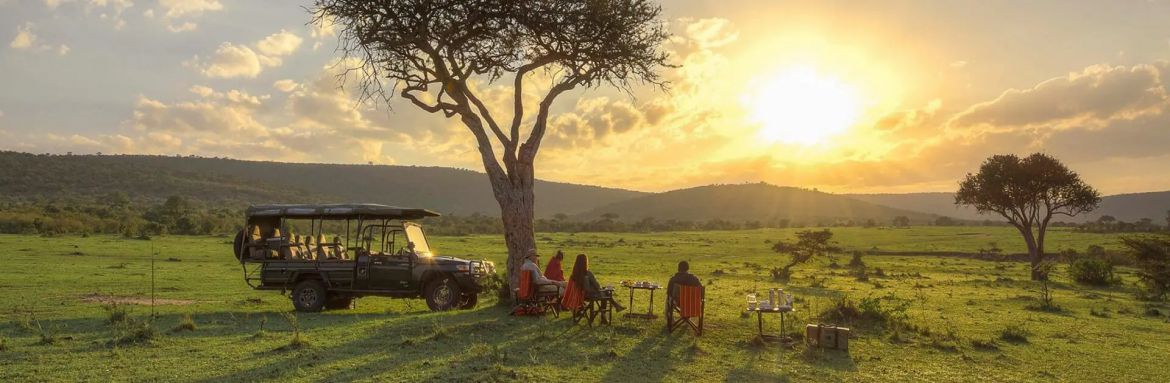
A dream safari in Tanzania usually centers around the spectacular "Northern Circuit" where you can witness the Great Wildebeest Migration and spot the Big Five. Packages range from budget group camping ($900-$1,700) to luxury private lodge itineraries ($4,000+ per person).
Popular safaris in Tanzania
7-days-best-great-wildebeest-migration-safari-in-tanzania
7-days-epic-africa-big-five-safari-in-tanzania-top-best-parks
7-days-budget-tanzania-safari-affordable-africa-budget-safari
7-days-kilimanjaro-climb-and-hiking-safari-ascent-to-peak
7-days-tanzania-wildlife-safari-africa-safari-tour-best-park-visits
7-days-best-southern-tanzania-safari-parks-nyerere-mikumi-ruaha-and-udzungwa
7-day-best-zanzibar-beach-holidays-combo-to-ruaha-and-mikumi-safari-parks
7-days-zanzibar-beach-activities-and-chimpanzee-tracking-in-mahale-mountains
4-days-best-tarangire-ngorongoro-and-serengeti-safari-itinerary
3-days-best-zanzibar-beach-holiday-tour-to-prison-island-and-stone-town
3 days-budget-Tanzania-to-safari-Serengeti-and-Ngorongoro
3-days-serengeti-safari-fly-in-ngorongoro-big-five-safari-from-zanzibar-island
3-days-serengeti-safari-fly-in-ngorongoro-big-five-safari-from-zanzibar-island
Serengeti National Park
Spanning over 14,763 square kilometers, Serengeti National Park is the crowning jewel of Tanzania’s safari circuit and a definitive symbol of wild Africa. The name itself, derived from the Maasai word Siringet, translates to "endless plains," a flawless descriptor for the sweeping grasslands, rolling savannas, and occasional granite kopjes that define this vast ecosystem. The park’s sheer scale supports an unparalleled concentration of wildlife, including flourishing populations of lions, leopards, cheetahs, and hyenas, all thriving in one of the most dynamic predator-prey environments on earth.
The undisputed headline of the Serengeti is the Great Migration, the largest overland wildlife movement on the planet. Each year, over 1.5 million wildebeest, accompanied by hundreds of thousands of zebras and gazelles, traverse a continuous, 800-kilometer clockwise circuit in search of fresh grazing lands and water. Witnessing this spectacle—whether it is the dramatic, predator-fueled calving season on the southern plains or the death-defying, crocodile-infested river crossings in the northern corridor—is a deeply visceral experience that captures the raw essence of natural selection.
Beyond the migration, the Serengeti offers exceptional, year-round game viewing. The central Seronera Valley is globally renowned for its resident big cats, often spotted lounging on kopjes or resting in acacia branches. The park's diverse habitats, ranging from riverine forests to dense woodlands, shelter everything from massive elephant herds and buffalo to over 500 avian species. Whether floating above the plains in a dawn hot-air balloon or tracking a pride on a traditional game drive, the Serengeti delivers a sense of infinite space and timeless beauty that leaves an indelible mark on every traveler.
Ngorongoro Crater
The Ngorongoro Crater is a breathtaking geographical marvel, recognized as a UNESCO World Heritage site and celebrated as the world's largest unbroken, unfilled volcanic caldera. Formed two to three million years ago when a colossal volcano collapsed in on itself, the resulting bowl drops 610 meters from the forested rim to a flat floor spanning roughly 260 square kilometers. Descending the steep, misty tracks into the crater feels like entering a real-world prehistoric amphitheater, where an enclosed, self-sustaining ecosystem thrives in total isolation from the surrounding highlands.
Within this compact arena, over 25,000 large mammals coexist in remarkable density, creating an extraordinarily fast-paced safari experience where wildlife encounters happen every few minutes. The crater floor is a mosaic of open grasslands, fresh water swamps, a soda lake blushed pink with thousands of flamingos, and the shady Lerai fever-tree forest. This rich variety of habitats provides everything resident animals need, meaning massive prides of black-maned lions, spotted hyenas, golden jackals, and heavy-tusked elephants rarely ever leave the caldera's protective walls.
Most notably, the Ngorongoro Crater serves as one of the final, most secure sanctuaries in East Africa for the critically endangered black rhinoceros. The crater’s natural boundaries and dedicated, around-the-clock ranger patrols provide an exceptionally safe haven against poaching. Travelers embarking on early morning game drives stand a phenomenal chance of spotting these prehistoric, elusive grazers moving between the cover of the Lerai Forest and the open marshes. Combined with the dramatic backdrop of the soaring caldera walls, Ngorongoro offers an intense, highly concentrated visual spectacle unmatched anywhere else in the world.
Tarangire National Park
Often affectionately dubbed the "Elephant Capital of Tanzania," Tarangire National Park is a landscape of extraordinary visual character that injects a refreshing sense of unhurried intimacy into the northern safari circuit. Covering approximately 2,850 square kilometers, the park is instantly recognizable by its rolling red-dirt savannas heavily punctuated by thousands of iconic baobab trees. These ancient, gnarled giants—some exceeding a thousand years in age—rise against the horizon like living monuments, creating a dramatic, photogenic backdrop that distinguishes Tarangire from the endless grasslands of the neighboring Serengeti.
The park’s ecological lifeblood is the Tarangire River, which snakes through the valley and serves as the only permanent water source across a vast regional network. During the dry season from June to October, this river transforms into a wildlife magnet of epic proportions. As peripheral waterholes completely evaporate, thousands of animals migrate from surrounding dispersal zones to the river’s edge. This seasonal compression creates staggering concentrations of wildlife; massive herds of Cape buffalo, wildebeest, zebra, and giraffes jostle along the banks, closely shadowed by resident lion prides and leopards.
Tarangire’s ultimate draw, however, is its legendary elephant population, which is the largest in Tanzania and numbers well into the thousands. During the peak dry months, it is not uncommon to witness spectacular mega-herds of 200 to 300 elephants bathing in the river, stripping acacia bark, and feeding on fallen baobab pods. Because these gentle giants are highly habituated to vehicles, travelers can enjoy exceptionally close, peaceful encounters. For those seeking raw wildlife density, brilliant photography, and a quieter, less commercial safari atmosphere, Tarangire is an absolute masterpiece.
8 Days Dream safari in Tanzania
Imagine standing out on the open savanna as the sun rises, listening to the distant roar of a lion while a cool breeze sweeps across the plains. This curated 8 Days Dream safari in Tanzania gives you front-row seats to the absolute best of East Africa’s wild Northern Circuit. Over a scenic, 700-kilometer journey, you’ll venture deep into four world-renowned wilderness areas. This ecosystem is home to over two million migrating animals, the highest concentration of apex predators on earth, and an incredible array of birdlife. Traveling in a private 4x4 with a master tracker by your side, you won't just look at nature—you'll step right into it. Whether you are checking off the iconic Big Five or staring down into a massive prehistoric crater, this itinerary captures the true, untamed soul of Africa.
Day 1: Arrival in Arusha
Your adventure kicks off the moment you land at Kilimanjaro International Airport (JRO). After clearing customs, your private guide will welcome you and handle the smooth, 50-kilometer drive to your lodge in Arusha. As you drive, you'll catch glimpses of Mount Meru towering in the distance at 4,562 meters. Arusha is a bustling, vibrant safari hub nestled among lush coffee plantations, making it the perfect spot to unwind and shake off any jet lag. Before you turn in for the night, you’ll sit down with your guide for an evening chat over a cold drink to run through the exciting route ahead, safety tips, and what to look forward to tomorrow.
Day 2: Tarangire National Park
After breakfast, you’ll leave Arusha behind for a 120-kilometer drive south to Tarangire National Park. The moment you enter, you’re greeted by a stunning landscape of deep red soil and ancient, massive baobab trees that look like they belong in a storybook. Tarangire is world-famous for its giants—housing a thriving population of over 4,000 elephants. During the dry season, the Tarangire River becomes the only reliable water source for miles, drawing in wildlife from all directions. You’ll spend your day tracking massive elephant herds that can reach up to 300 strong, alongside zebras, wildebeests, and rare antelopes like the eland, before heading to your lodge along the park border.
Day 3: Lake Manyara National Park
Today, a short 70-kilometer drive brings you to Lake Manyara National Park, a beautiful strip of wilderness nestled right against the steep, 600-meter walls of the Great Rift Valley. A massive, shimmering soda lake takes up most of the park, and depending on the time of year, it is fringed by up to two million flamingos that turn the water bright pink. Your game drive starts in a dense, green underground forest echoing with the calls of baboon troops and blue monkeys. As you move into the open woodlands, keep your eyes glued to the branches of the umbrella acacia trees—this is one of the rare places in Africa where lions love to climb and nap high above the ground.
Days 4 & 5: Serengeti National Park
Get ready to cross the high country and drop into the crown jewel of Africa: Serengeti National Park. Spanning an incredible 14,763 square kilometers, the Serengeti is the quintessential image of the wild savanna. Over the next two days, you’ll lose yourself in these endless plains. If the timing aligns with the Great Migration, your guide will track the thunderous herds of 1.5 million wildebeest and a quarter-million zebras moving across the land. Even outside of migration season, the central Seronera Valley is an absolute powerhouse for wildlife, boasting roughly 3,000 resident lions, plenty of cheetahs, and leopards hiding out in the riverine trees.
Day 6: Serengeti to Ngorongoro Crater
Wake up early for a magical sunrise game drive, when the morning air is a crisp 15°C and the plains are alive with activity. This is your best chance to spot hyenas returning from a night hunt or lions lounging after a meal. After a relaxing picnic lunch out in the bush, you’ll begin a scenic 140-kilometer drive toward the Ngorongoro Conservation Area. The road climbs steadily, leaving the dry plains behind as you wind up into the cool, misty green highlands. By late afternoon, you’ll check into your lodge perched right on the edge of the Ngorongoro Crater rim, offering a breathtaking, birds-eye view across the caldera floor as twilight settles in.
Day 7: Ngorongoro Crater
This morning, you'll drive down the steep, forested walls into the Ngorongoro Crater, dropping 600 meters into a completely self-contained natural wonderland. Spanning 260 square kilometers, this ancient volcanic bowl holds the highest density of large predators in Africa, with over 25,000 animals living side by side. Your morning will be spent exploring the grasslands, the shady Lerai fever-tree forest, and the shores of Lake Magadi. Because the crater provides an incredibly secure natural sanctuary, it is your absolute best chance to spot the critically endangered black rhino, with around 30 of these majestic, prehistoric creatures protected inside its boundaries.
Day 8: Departure
On your final morning, enjoy a relaxed breakfast while soaking in the views one last time. Before heading back, you’ll visit a traditional Maasai boma, where you’ll be welcomed into the village to learn firsthand about their timeless pastoral culture, songs, and deep connection to this land. Afterward, you’ll hit the road for the 190-kilometer drive back to Arusha, stopping at a vibrant local market to pick up some handcrafted souvenirs. To wrap up your unforgettable 8 Days Dream safari in Tanzania, your driver will take you straight to Kilimanjaro International Airport (JRO) in time for your evening flight home.
Which national parks are included in your safari itinerary?
Your 8-day itinerary takes you through three of East Africa's most famous protected areas: Tarangire National Park, Lake Manyara National Park, and Serengeti National Park, along with the Ngorongoro Conservation Area. This covers a combined conservation footprint of over 20,000 square kilometers across Tanzania's legendary Northern Circuit. Your journey progresses from the 2,850-square-kilometer elephant sanctuary of Tarangire to the compact, 330-square-kilometer lakeside ecosystem of Manyara, before venturing into the vast 14,763-square-kilometer plains of the Serengeti and concluding inside the 260-square-kilometer Ngorongoro Crater floor.
Will you witness the Great Wildebeest Migration River crossings?
Whether you witness the death-defying river crossings depends entirely on the calendar month you travel. The migration moves in an 800-kilometer continuous clockwise loop, and the dramatic Mara River crossings only occur in the northern Serengeti from late July through October. If your 8-day tour is booked between November and June, you will still see hundreds of thousands of the 1.5 million wildebeest and 250,000 zebras, but they will be grazing or calving on the southern or central plains rather than navigating the crocodile-infested waters up north.
What is the best season to see the Big Five?
The absolute best window to view the Big Five—lions, leopards, rhinos, elephants, and Cape buffalo—is during the dry season from June to October. During these months, regional temperatures hover comfortably around 20°C to 27°C, and rainfall drops to nearly zero, forcing animals to crowd tightly around scarce water sources like the Tarangire River and Lake Magadi. Furthermore, the natural savanna grasses die down to minimal heights, stripping away the thick camouflage and making it significantly easier to spot elusive predators like leopards or the 30 protected black rhinos living in Ngorongoro.
Are you staying in luxury lodges or traditional tented camps?
Your specific accommodation mix depends on the tier you select when booking, as this itinerary can be tailored from mid-range to ultra-luxury. A standard premium booking features a blend of both options: fixed-structure luxury lodges perched on the scenic rim of the Ngorongoro Crater at 2,200 meters elevation, paired with authentic, canvas-walled luxury tented camps situated deep in the heart of the Serengeti's Seronera Valley. These canvas camps offer the classic safari feel of hearing wildlife at night while still providing king-sized beds, flushing toilets, and running hot water.
Does your package include a hot air balloon ride?
A hot air balloon safari over the endless plains of the Serengeti is not included in the standard baseline package price and must be added as an optional excursion. This world-famous experience requires a separate booking fee, typically ranging from $550 to $600 per person due to strict aviation licensing and conservation fees. It takes place at dawn on Day 5, lifting off around 6:00 AM to give up to 16 passengers per basket a bird's-eye view of the wildlife below, followed by a traditional champagne bush breakfast.
Will you visit a local Maasai village during the trip?
Yes, a guided cultural visit to an authentic Maasai boma is seamlessly integrated into Day 8 of your itinerary before you return to Arusha. This excursion allows you to meet members of a community that has coexisted alongside the region's wildlife for centuries. The entry fee, which usually runs between $20 and $50 per vehicle, goes directly toward supporting community initiatives such as local clean water wells or primary schools. You will experience traditional jumping dances, tour their mud-and-thatch homes, and learn about their ancestral pastoral lifestyle.
What are the luggage weight limits for domestic safari flights?
If you choose to fly between parks or add an internal flight to Arusha, local safari airlines like Coastal Aviation and Auric Air enforce a strict weight limit of 15 kilograms (33 pounds) per passenger, which strictly includes your checked luggage and hand camera gear. Furthermore, because the luggage holds on these small 12-to-14-seat Cessna Caravan aircraft are highly compact, hard-shell suitcases are completely banned. All gear must be packed in soft-sided, flexible duffel bags that can be easily squeezed into the plane's belly compartments.
Do you need yellow fever vaccinations before entering the country?
Tanzania only strictly requires a valid Yellow Fever International Certificate of Vaccination if you are entering the country from, or transiting for more than 12 hours through, a yellow fever-endemic nation. For example, if you fly directly from Europe or the United States and only transit through a non-endemic hub for a few hours, you do not need it. However, if your itinerary combines a gorilla trek in Uganda or a flight through Nairobi, Kenya, you must present your official yellow card at border customs.
Is a trip extension to Zanzibar beaches included afterward?
A beach extension to the historic spice island of Zanzibar is not included in this core 8-day mainland itinerary, but it can easily be added to the back end of your journey. To make this extension happen, you would board a 1.5-hour domestic flight on Day 8 from Kilimanjaro International Airport (JRO) or Arusha Airstrip directly to Abeid Amani Karume International Airport (ZNZ) in Zanzibar. This allows you to smoothly transition from an intense wildlife safari directly to a 3-to-4-day beach getaway on the Indian Ocean.
What is the cancellation policy for your tour booking?
Cancellation policies are determined by your specific tour operator, but industry standards for Tanzanian safaris remain fairly consistent due to non-refundable park fees. Most operators require a 20% to 30% non-refundable deposit at the time of booking to lock in vehicles and lodge space. If you cancel your trip 61 to 90 days before departure, you typically forfeit that initial deposit; canceling between 31 and 60 days out generally incurs a 50% penalty, while any cancellations made within 30 days of arrival are 100% non-refundable.
Booking Dream safari in Tanzania with us Roads of Adventure safaris
Booking your dream Tanzania safari with Roads of Adventure Safaris is a straightforward, highly personalized process. With custom packages ranging from $300 to $1,000 per person per day, you can unlock iconic destinations like the Serengeti, Ngorongoro Crater, and Tarangire while enjoying the comfort of private 4x4 vehicles and luxury lodges. To get started, you simply select your ideal itinerary—ranging from 5 to 10 days or even a combined Kenya-Tanzania holiday—and confirm your travel dates, group size, and preferred accommodation style. Once you finalize your custom details and pay the required deposit, your dates are officially locked in, leaving you ready to experience the ultimate African adventure.
