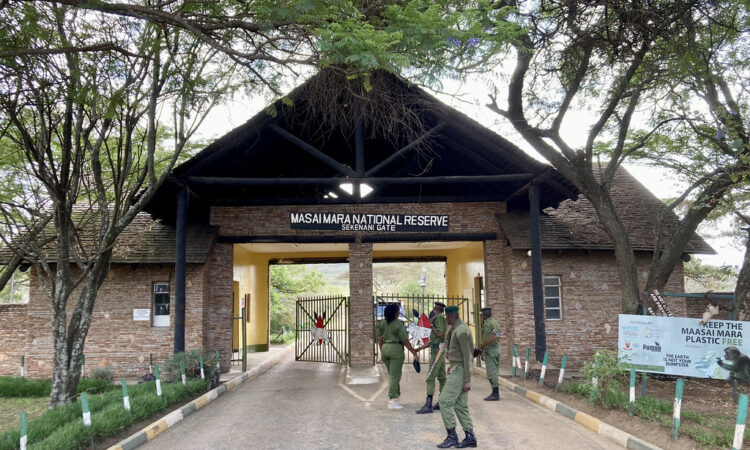
Yes, staying inside the Masai mara national reserve means you will pay park entry fees for each calendar day you are inside. Because tickets are valid only for a strict 12-hour window (6:00 AM to 6:00 PM), if you spend the night and go on a game drive the next morning, you must pay for another day's entry
21-days-kenya-photography-safari-kenya-parks-diani-beach-and-malindi
20-days-uganda-kenya-tanzania-and-zanzibar-beach-holidays
18-days-exclusive-kenya-tanzania-safari-to-uganda-primate-safari
17-days-east-africa-safari-to-uganda-rwanda-kenya-tanzania-and-zanzibar-beach-holidays
16-day-classic-kenya-wildlife-safari-and-diani-beach-life-itinerary
15-days-luxury-kenya-safari-holiday-and-zanzibar-beach-holiday-combined-itinerary
14-days-best-of-kenya-safari-holiday-2-weeks-africa-kenya-safari-vacation
13-days-kenya-tanzania-safari-and-uganda-gorilla-trekking
12-days-kenya-tanzania-safari-and-zanzibar-beach-holiday-vacation
11-days-best-kenya-wildlife-safaris-and-kenya-beach-holiday-combo
10-days-kenya-safari-to-mombasa-beach-escape
10-days-samburu-amboseli-nakuru-naivasha-maasai-mara-safari-tour
10-days-kenya-wildlife-safari-and-kenya-beach-holiday-at-diani-beach
10-days-kenya-wildlife-safari-and-gorilla-safari-in-uganda
10-days-best-kenya-tanzania-honeymoon-safari-with-zanzibar-beach-holidays
9-days-luxury-africa-big-five-kenya-safari-itinerary
9-days-best-kenya-and-tanzania-safari-muti-country-combo
9-days-best-kenya-and-tanzania-safari-muti-country-combo
8-days-budget-kenya-tanzania-safari-with-serval-wildlife-and-zanzibar-beach-holiday
8-day-africa-safari-tour-to-masai-mara-safari-tour-serengeti-ngorongoro
7-days-ultimate-africa-big-cats-kenya-safari-holiday-best-parks
7-days-amboseli-kenya-and-serengeti-fly-in-tanzania-safari
7-days-incredible-africa-big-five-kenya-tanzania-combined-tour
5-days-masai-mara-safari-lake-nakuru-and-hells-gate-national-park-kenya-tour
4-days-masai-mara-and-lake-nakuru-kenya-safari-tour-package
3-days-masai-mara-national-reserve-kenya-safari-tour-package
What is the park entry fee for Masai mara national reserve from January to June
From January to June (low/mid-season), the daily park entry fee for non-resident adults staying inside the Masai Mara National Reserve is USD 100 per person. Fees are valid for a single 24-hour period or calendar day.
Specific rates vary by residency and age, with the January to June rates structured as follows:
- Non-Resident Adults: USD 100 per day
- Non-Resident Children (ages 9–17) & Students: USD 50 per day
- Children (under 8 years old): Free
- East African Citizens / Residents: KES 1,000 to KES 2,500 per adult depending on exact residency status
Additional vehicle entry fees apply and range from KES 1,000 to KES 4,500 per day depending on the seating capacity of your safari vehicle.
What is the park entry fee for Masi mara national reserve from July to December
From July to December (High Season), the Masai Mara National Reserve entry fees for non-resident adults are $200 per person, per day. For children (9–17 years), the fee is $100, while children 8 years and under enter for free
During the high season from July to December, the daily entry fees for the Masai Mara National Reserve vary based on age and residency status. For international non-resident adults, the admission fee is $200 per day, while the rate for non-resident children between the ages of 9 and 17 is $100 per day. For East African citizens and residents, the daily rates are priced in Kenyan Shillings, costing KES 5,000 for adults and KES 2,000 for children aged 9 to 17. Across all residency categories, children under the age of 8 are permitted free entry into the reserve.
How the 12-hour validity rule affects your Masai mara safari itinerary cost?
The Maasai Mara's strict 12-hour validity rule operates on a firm calendar-day clock from 06:00 AM to 06:00 PM, a massive shift from the classic 24-hour park tickets you find elsewhere in East Africa. This means if you pass through the gates for an evening game drive at 04:00 PM, your ticket does not last until the next afternoon; it expires the second the sun goes down at 06:00 PM.
To avoid getting hit with an expensive double-charge the next morning, you really have to time your entry perfectly. Most smart travelers plan to arrive right at the main gates early in the morning to maximize their $200 high-season ticket, or they make sure their arrival day is spent relaxing at a lodge just outside the reserve boundaries before paying the entrance fee the following full day.
1. The 10:00 AM Departure Cutoff
If you are staying at a lodge inside the reserve, your final day's ticket comes with a strict 10:00 AM checkout rule. For road travelers, this means you must physically clear the exit gates by 10:00 AM, as rolling through even a few minutes late will instantly trigger a full $200 double-charge. The same rule applies if you are flying out from a bush airstrip. However, if your camp sits outside the park but your flight departs from an airstrip inside, you can grab a 2-hour transit ticket at the gate to avoid paying a full day’s fee.
2. Morning Activity Restrictions on Check-Out Day
This strict 10:00 AM departure rule completely changes your final morning. You cannot head out for a standard morning game drive on your check-out day unless you are willing to purchase a brand-new $200 ticket. This also catches people off guard when booking a morning hot air balloon safari. Because the balloon flight, bush breakfast, and game drive back to camp easily stretch past the 10:00 AM cutoff, participating in this bucket-list experience on your departure day automatically forces you to pay for an entire extra day of park fees.
3. Arrival Timing Strategy
Since your ticket expires at 06:00 PM on the calendar day you buy it, arriving late in the afternoon is a massive waste of money. Rolling into the park at 03:30 PM means you are paying the full $200 high-season fee for just two and a half hours of safari time. To get the most value, a great strategy is leaving Nairobi at the break of dawn. This gets you to the Maasai Mara gates by roughly 10:30 AM, giving you a solid seven and a half hours of prime wildlife viewing on day one.
4. Accommodation Boundaries
Your entire daily schedule revolves around where your camp is located.
If you choose a lodge outside the reserve boundaries, you must be entirely clear of the main park gates by 06:00 PM every night, and you cannot re-enter on that same ticket.
On the other hand, if you stay at an in-park lodge, you just need to be back at your camp by 06:00 PM. While you enjoy total freedom to roam during the day, remember that the $200 fee applies for every single night you sleep inside.
Mara Conservancy (Mara Triangle) Entry via Purungat Bridge Gate, Oloololo Gate or Serena Airstrip
Getting into the stunning Mara Triangle is an adventure in itself, and you will enter through one of three main points depending on how you travel. If you are driving in from the northwest via the road from Narok, you will head through the Oloololo Gate, which treats you to a steep, beautifully winding descent down the escarpment into the valley. If you are crossing over from the main eastern Narok sector, you will use the southern Purungat Bridge Gate to cross right over the Mara River. For those who prefer to skip the dusty roads entirely, the centrally located Mara Serena Airstrip serves as the primary fly-in hub for quick domestic flights arriving straight from Nairobi.
Once you arrive at any of these gates, the most important logistical rule to remember is that the entire Mara Triangle is strictly cashless. You will want to ensure you have your M-Pesa loaded up or a Visa or Mastercard ready to go, as the rangers will not accept physical bills under any circumstances. This applies directly to your daily conservation fees, which track the rest of the reserve's updated structure: it costs $100 per adult daily during the low season from January to June, and jumps to a steep $200 per adult daily for the peak migration months from July through December.
Finally, keeping an eye on the clock is crucial due to how tickets are tracked inside the conservation zone. Your standard entry ticket gives you unlimited re-entries, but it is strictly bound to a 12-hour calendar-day window that runs from 06:00 AM to 06:00 PM rather than a rolling 24-hour clock. However, if you aren't actually stopping to view wildlife and your vehicle is simply transiting through the Triangle to get to a neighboring area, the gate rangers will grant you a tight two-hour transit window to cross the sector before any daily park fees are triggered.
What to do in Masai Mara national reserve?
The Maasai Mara is a bucket-list destination that offers some of the most exhilarating wildlife encounters on the planet. Naturally, game drives are the main event; traversing the endless savannah plains puts you face-to-face with the legendary Big Five—lions, leopards, elephants, buffaloes, and rhinos. If you are visiting during the migration months, spending hours parked by the Mara River allows you to witness the heart-pounding spectacle of thousands of wildebeest and zebras braving giant Nile crocodiles as they cross the water.
Beyond the traditional safari vehicle, you can take to the skies for a breathtaking sunrise hot air balloon safari, floating silently over the plains before landing for a classic champagne bush breakfast. For a deeper, more grounded experience, step out on a guided walking safari with local Maasai warriors to learn how to track wildlife by their footprints and discover the traditional medicinal uses of local plants. Finally, completing your journey with a visit to a traditional Maasai Manyatta village offers an incredible cultural exchange, where you can join in their vibrant jumping dances, tour their homes, and learn about a rich way of life that has thrived alongside wild predators for centuries.
When is the best time to visit Masai mara national reserve?
Choosing the right time to visit the Maasai Mara largely depends on whether you want to witness the Great Migration or enjoy a quieter, more budget-friendly adventure. The absolute peak window falls between July and October. This is the dry season, when over two million wildebeests, zebras, and gazelles flood into the reserve from the neighboring Serengeti, making it the best time to see dramatic river crossings and intense predator action. Because the grass is short and wildlife gathers around permanent water sources, spotting animals is incredibly easy, though park fees peak at $200 per day.
If you prefer to avoid the heavy crowds and higher prices, the green season from January to March is a fantastic alternative. Often called the calving season, this period sees the plains blanketed in lush green grass and filled with thousands of newborn animals, which naturally draws out big cats on the hunt. The short rainy seasons around November and December, along with the longer rains from April to June, bring lower park fees ($100 per day) and beautifully dramatic skies that are absolute heaven for landscape photographers, even if the afternoon showers require a bit of flexibility in your daily schedule.
Booking Masai mara safari with us Roads of Adventure safaris
Planning an African safari can feel a bit overwhelming with all the shifting park fees, seasonal timing, and strict gate rules, but booking your Maasai Mara safari with us at Roads of Adventure Safaris means you won't have to stress over a single detail. We specialize in crafting completely seamless, highly personalized itineraries that take the guesswork out of your trip. Whether you want to witness a dramatic river crossing during the Great Migration or enjoy a peaceful green-season getaway, our expert team handles everything from securing your logistics to booking top-tier eco-lodges that fit your personal style.
When you travel with us, you will ride in custom-designed 4x4 safari land cruisers featuring pop-up roofs for unobstructed, 360-degree wildlife viewing and photography. Our local driver-guides are deeply passionate experts who know the hidden tracks of the Mara like the back of their hands, ensuring you are always in the right place at the right time. Most importantly, we understand all the tricky logistics—like navigating the 12-hour park clock and meeting the strict 10:00 AM checkout cutoff—so you can completely immerse yourself in the magic of the savannah while we handle the rest.
