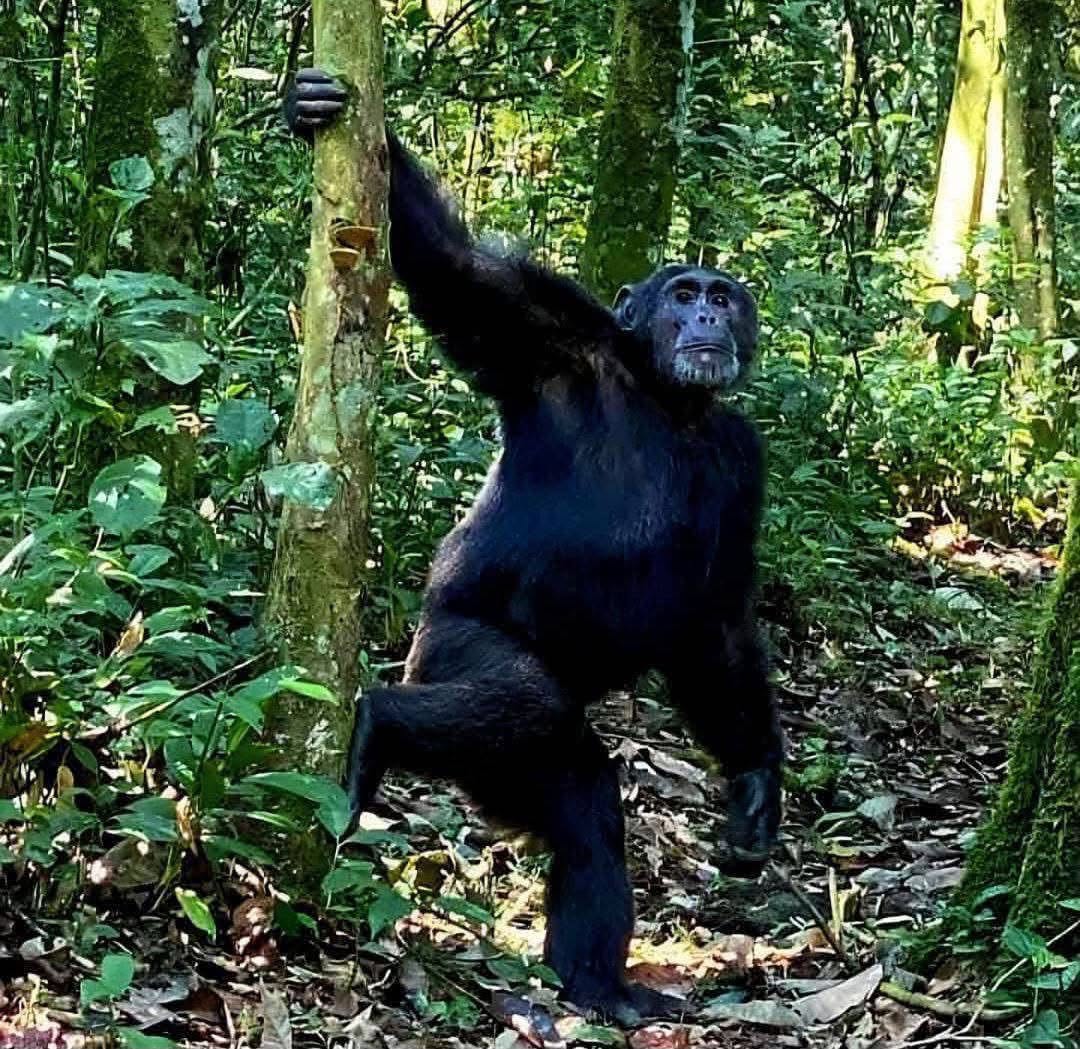
If you’re looking for a truly unforgettable safari experience, chimpanzee tracking in Kibale Forest National Park is one of the best places in Africa to do it. Located in western Uganda, Kibale is a thick, green rainforest that feels alive—quiet in some moments, but full of sound and movement the next. This is the kind of place where you don’t just “see wildlife”—you get to meet them up close.
Kibale is often called the “Primate Capital of the World” because it is home to a remarkable variety of primates, including an impressive chimpanzee population. On tracking day, you’ll join a team of experienced ranger guides who help you follow signs and locate the chimpanzees deep in the forest. As you move through misty paths and towering trees, you’ll hear the calls of chimps echoing from above—until the moment you finally find them.
When you reach the habituated chimpanzee community, you’ll spend about one special hour observing them. You may watch them feed, groom one another, play, and move quickly through the branches. It feels raw and real—like you’re witnessing nature in its most honest form. For many travelers, it’s the highlight of their trip to Uganda.
2-days-best-chimpanzee-tracking-in-kibale-forest-park-tour-package
3-days-chimpanzee-tracking-to-kibale-forest-national-park
3-days-chimpanzee-habituation-in-kibale-forest-park
4-days-chimpanzee-tracking-in-lake-mburo-national-park-and-lake-mburo-safari
4-days-ultimate-gorilla-and-uganda-safari-and-chimpanzee-tracking
4-days-kibale-forest-chimpanzee-tracking-and-queen-elizabeth-national-park
5-days-uganda-big-five-safari-and-chimpanzee-tracking-in-kibale-forest-park
5-day-safari-to-bwindi-lake-bunyonyi-and-queen-elizabeth-national-park
Why is Kibale Forest National Park called the Primate Capital of the World?
Kibale earns this name because of how many primate species it supports, and how successfully they live together in one place. The forest protects around 13 different primate species, all within a relatively compact rainforest area.
The standout attraction is the chimpanzee population. Kibale is known for having a large number of chimpanzees, making it one of the best destinations for people who want high chances of seeing them during a guided tracking experience.
Besides chimpanzees, visitors commonly encounter other primates such as:
- Red colobus monkeys
- Black-and-white colobus monkeys
- Grey-cheeked mangabeys
- L’Hoest’s monkeys
- Blue monkeys
- Olive baboons
- And even some smaller nocturnal species in certain areas
This richness comes from Kibale’s unique location, where the rainforest supports both varied habitats and plenty of food throughout the year—helping different primates thrive.
Is there any place with more chimpanzees than Kibale?
No, there is no place in the world that has a higher concentration or better-managed tracking experience for chimpanzees than Kibale Forest National Park.
While vast countries like the Democratic Republic of Congo contain larger overall numbers of wild chimpanzees spread across remote, impenetrable rainforests, those populations are largely inaccessible to tourists. Kibale remains the undisputed global leader for close-up, reliable, and habituated chimpanzee tracking
Kibale Chimpanzee Tracking Permit Cost (from 2027 onwards)
Starting January 1, 2027, Uganda Wildlife Authority permits are expected to follow the revised tariff structure.
- Foreign non-residents: USD 300 per person
- Foreign residents in Uganda (with valid work permits): USD 200 per person
- East African citizens: community-based/local rates apply
These permit fees cover the ranger-led tracking and access to the chimpanzee tracking experience. You’ll still need to budget separately for things like accommodation, transport, flights, and optional tips.
Tip: If you’re traveling during peak seasons, it’s best to book through a trusted local tour operator early so your preferred date is secured.
Chimpanzee Habituation Experience Permit Cost (from 2027 onwards)
For travelers who want something more immersive than standard tracking, Kibale also offers the Chimpanzee Habituation Experience (CHEX). This option allows you to spend more time with researchers and rangers as they follow wild chimpanzees during the habituation process.
From January 1, 2027, the expected pricing is:
- Foreign non-residents: USD 400 per person
- Foreign residents: USD 300 per person
Unlike standard tracking (which is limited to one structured hour with fully habituated chimps), habituation gives you a longer, more relaxed window to learn about behavior and watch daily chimp activity as it unfolds.
How far in advance should you book chimp tracking permits?
Chimp tracking is very popular, especially during Uganda’s busiest travel months. The best advice is to arrange your permits well ahead of your travel dates, ideally 3 to 6 months before.
This is especially important if you plan to travel during the drier months when more people visit:
- June to September
- December to February
Booking early helps you choose the most convenient schedule and reduces stress when coordinating transport and accommodation.
Is Bigodi Wetland part of Kibale Forest Park?
Bigodi Wetland Sanctuary is not officially inside Kibale National Park boundaries. However, it is closely connected to the broader Kibale ecosystem and is managed by local communities.
Ecologically, it works like an important extension of the rainforest wildlife area. Many birds and primates benefit from the habitats around Bigodi, and it’s one of the most loved add-ons for visitors after chimp tracking.
Why combine Kibale chimp tracking with Bigodi Wetland walk?
Many travelers choose this combination because it gives you a full day of nature.
- In Kibale, you focus on chimpanzees and forest primates.
- In Bigodi, you move to wetlands and boardwalk paths where birds and other wildlife stand out in a very different way.
Bigodi is known for excellent birding, including sightings of species that are difficult to spot elsewhere. You may also see other animals that visit the wetland edges.
It’s a great way to expand your wildlife experience in one location and also support community conservation.
Can you combine Kibale chimp tracking with a community coffee tour?
Yes. Many visitors add a community coffee tour after chimpanzee tracking. It’s a meaningful cultural experience that helps you learn how coffee is grown and processed by local farmers.
You’ll usually get to:
- see how coffee cherries are harvested,
- understand how beans are processed,
- and learn how coffee becomes your cup—seed-to-cup style.
It’s a wonderful way to balance your rainforest adventure with a taste of local life.
How long does chimpanzee tracking take in Kibale?
The exact time varies because chimps can move around the forest. Once your ranger team briefs you at the park meeting point (like Kanyanchu), the trekking itself often takes around 2 to 4 hours in total.
A key part of the day is the chimpanzee viewing hour, where you watch the habituated community closely under ranger guidance. Some days the chimps are nearer, other days you may need a longer trek—but the experience is always worth it.
What other primates can you expect during your Kibale tracking day?
Even though chimps are the main reason people visit, Kibale is full of primate life. While tracking your chimp group, you may also spot other species such as:
- red colobus monkeys
- black-and-white colobus monkeys
- L’Hoest’s monkeys
- mangabeys
- sometimes blue monkeys
- and other primates depending on the area and movement of troops
Because the forest is so rich, you often feel like you’re surrounded by primates even beyond the chimp encounter.
Do you receive certificates after chimpanzee tracking?
Kibale chimp tracking typically focuses on the experience itself rather than issuing formal certificates for every visitor.
That said, many lodges and safari operators may offer:
- personalized confirmation notes,
- photo logbook-style souvenirs,
- or digital “completion” materials as part of their service.
(If you’d like something specific—like a printed note or photo package—ask your tour operator in advance.)
Kibale chimp tracking sectors and meeting points
Chimp tracking in Kibale is organized around the main visitor base, most commonly linked to the Kanyanchu Visitor Centre. Most travelers will attend briefings scheduled for either:
- a morning session, or
- an afternoon session
Your exact chimp community and trekking route depend on where the chimps are located that day.
Morning vs afternoon chimp tracking: which is better?
Both can be amazing, but here’s what many travelers prefer:
- Morning tracking is often ideal because chimps may be more vocal and active as they move from sleeping areas to feeding places. The forest is also fresh and misty in the early hours.
- Afternoon tracking can suit photographers well because light filtering through the trees can be beautiful.
In the end, the best experience is usually the one you book—because chimp sightings depend on the day’s chimp movement.
Can you track Golden Cats in Kibale?
Golden cat tracking is a different, more specialized type of expedition. It’s not part of the standard tourist chimp tracking experience, and it usually requires separate permits and planning.
If golden cat tracking is your priority, it’s best to speak with a professional safari planner early so they can confirm availability and requirements.
Where to stay near Kibale Forest Park
Kibale has options for different budgets:
Luxury lodges (close to the rainforest)
Some of the well-known upscale choices include lodges like Primate Lodge Kibale, Kyaninga Lodge, and other high-end properties that offer great comfort and quick access to park activities.
Midrange lodges
For travelers wanting comfort without the highest price, there are midrange lodges near the park edges and nearby crater areas.
Budget-friendly camps and guest options
If you’re traveling on a tighter budget, there are smaller camps and community-run stays around the region that keep the experience natural and affordable.
How do you get to Kibale from Entebbe?
Driving from Entebbe/Kampala to Kibale typically takes around 5 to 6 hours, depending on road conditions and your route.
The most popular route often runs through Mubende and then Fort Portal. You’ll see beautiful countryside along the way—tea plantations, markets, and scenic stretches.
What to pack for chimpanzee tracking in Kibale
Rainforest tracking can be muddy and wet, so it’s important to come prepared. Bring:
- sturdy, supportive shoes or hiking boots,
- long-sleeved clothing (lightweight, breathable),
- a rain jacket,
- insect repellent,
- sunscreen and a hat,
- a small daypack for water and camera items.
A good mindset helps too—some days the trek takes longer, but chimp tracking is always a memorable adventure.
Booking chimpanzee tracking in Kibale with Roads of Adventure Safaris
When you book with Roads of Adventure Safaris, you get help from start to finish—permits, transport arrangements, and guidance on planning your best dates. We coordinate the details so you can focus on the experience.
From the moment you confirm your trip, we help you plan a smooth journey to Kibale, select suitable lodges, and connect you with professional ranger-guided tracking so you’re ready for that unforgettable chimp encounter.
