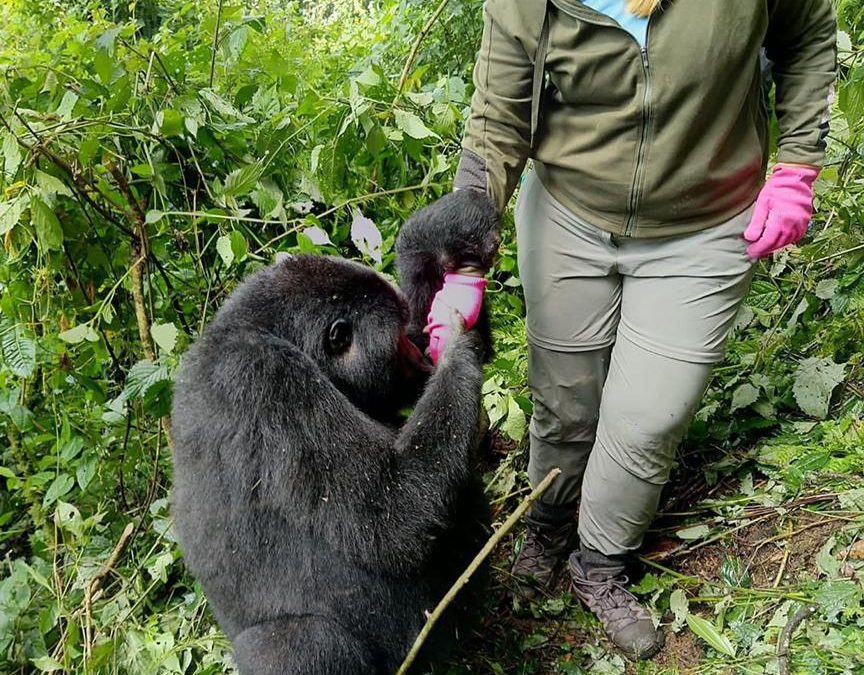
The Gorilla habituation experience is a unique opportunity that allows visitors to participate in the long-term process of training wild mountain gorillas to become accustomed to human presence. This process typically takes 2 to 3 years and involves activities focusing on minimizing the animals’ stress levels while they acclimate to regular human observers. Visitors interested in this experience have the chance to join researchers and trackers in their efforts, gaining insights into gorilla behavior, social structures, and the importance of conservation.
During the habituation process, trained researchers engage with the gorillas while monitoring their responses to human presence. This careful approach ensures that the gorillas maintain their natural behaviors while gradually becoming more accepting of humans nearby. Participating in this experience not only offers an enriching wildlife observation opportunity but also contributes to crucial research efforts aimed at understanding and protecting these magnificent animals. As a participant, you become part of a dedicated conservation initiative, gaining a deeper appreciation for the complex dynamics of gorilla societies and the challenges they face in the wild.
The Gorilla habituation experience presents an extraordinary chance for connection and learning, allowing for intimate, lasting memories while fostering a sense of responsibility for the protection and preservation of these endangered species.
3-days-fly-in-uganda-gorilla-habituation-africa-safari-tour-package
4-days-gorilla-trekking-and-gorilla-habituation-experience
3-days-affordable-uganda-budget-gorilla-trekking-via-kigali
4-days-ultimate-gorilla-and-uganda-safari-and-chimpanzee-tracking
4-days-ultimate-gorilla-and-uganda-safari-and-chimpanzee-tracking
4-days-uganda-gorilla-safari-with-golden-monkey-tracking-from-rwanda
4-days-luxury-gorilla-trekking-safari-in-bwindi-fly-in-all-inclusive-tour
5-days-gorilla-and-uganda-safari-and-golden-monkey-trekking-tour-from-kigali
5-days-un-matched-uganda-gorilla-safari-and-chimpanzee-tour-itinerary
6-days-gorilla-and-uganda-safari-to-see-big-five
Where can I do the Gorilla habituation experience?
The Gorilla habituation experience occurs exclusively in the Rushaga sector of Bwindi Impenetrable National Park in Uganda. This area is renowned for its rich biodiversity and is home to a significant population of mountain gorillas. The park, a UNESCO World Heritage Site, provides crucial habitats for a variety of wildlife, offering a stunning backdrop for this immersive experience.
In Rushaga, visitors participate in organized treks where encounters with semi-habituated gorillas take place. The beautifully lush surroundings of Bwindi mean that trekkers may also observe diverse flora and fauna along the way, adding to the adventure. Tourists will be accompanied by experienced researchers and rangers who have extensive knowledge of the gorillas and the surrounding environment.
The exclusive nature of the habituation experience ensures intimate encounters with gorillas, allowing for deeper personal interaction while emphasizing responsible and ethical wildlife tourism practices. By participating in this unique program, visitors contribute directly to conservation efforts aimed at protecting both the gorillas and their habitat, making it a truly worthwhile endeavor during their time in Uganda.
How much is a Gorilla habituation permit?
As of 2025/2026, the cost of a Gorilla habituation permit in Uganda is $1,500 per person. This fee is significantly higher than the standard gorilla trekking permit, reflecting the extended time spent with the gorillas. During the habituation experience, visitors are allowed to spend up to 4 hours interacting with semi-habituated gorillas, which allows for richer and more engaging experiences compared to the usual hour allotted for standard trekking.
The elevated price of the permit is also a direct contribution to conservation efforts aimed at protecting mountain gorillas and their habitats, as well as supporting ongoing research into their behaviors and needs. This financial commitment helps fund ranger salaries, community projects, and the infrastructure necessary to sustain the conservation initiatives within Bwindi Impenetrable National Park.
Furthermore, the restricted number of visitors who can participate in the habituation experience each day ensures a more intimate and less disruptive interaction with the gorillas, which enhances the quality of observation and engagement. Overall, the investment in a Gorilla habituation permit offers not only a remarkable wildlife experience but also a chance to significantly support gorilla conservation efforts in Uganda.
What is the difference between gorilla trekking and Gorilla habituation?
The primary difference between gorilla trekking and the Gorilla habituation experience lies in the duration and depth of interaction with the gorillas. In standard gorilla trekking, participants are permitted to spend a maximum of 1 hour with fully habituated gorillas, which have become accustomed to human presence through careful habituation processes. This experience allows for brief observation of the gorillas in their natural habitat, focusing on their behaviors and social interactions.
In contrast, the Gorilla habituation experience allows trekkers to spend up to 4 hours with semi-habituated gorillas. During this time, participants engage in the ongoing process of acclimating these animals to human presence under the guidance of experienced researchers and trackers. The longer interaction period fosters a more in-depth connection with the gorillas, as participants can witness their behaviors, social dynamics, and interactions at a much closer range.
While both experiences emphasize responsible wildlife observation and contribute to conservation efforts, the Gorilla habituation experience offers a unique and comprehensive insight into gorilla behavior, making it a preferred choice for wildlife enthusiasts who seek a more profound connection with these magnificent creatures.
How many people are allowed for a Gorilla habituation experience?
To ensure a more intimate and less disruptive interaction with the mountain gorillas, the Gorilla habituation experience is strictly limited to only 4 tourists per group per day. This limitation plays a crucial role in minimizing disturbance to the semi-habituated gorillas during the acclimatization process. Fewer visitors also allow for tailored experiences where guides can offer each individual more personalized insights into the gorillas’ behavior, social structure, and the overall ecosystem.
This small group size facilitates a more meaningful connection with the gorillas, allowing participants to immerse themselves in the experience fully. It enhances the quality of interaction, enabling trekkers to observe the subtle nuances of gorilla behavior that may be overlooked in larger groups.
Moreover, limiting the number of trekkers contributes to responsible and ethical wildlife tourism practices. It aligns with conservation goals, prioritizing the welfare of the gorillas while providing visitors with unforgettable and enriching encounters. Those seeking a truly unique and impactful wildlife experience will find the small group dynamic of the Gorilla habituation experience to be one of its most appealing features.
Why is the Gorilla habituation permit more expensive?
The Gorilla habituation permit is more expensive, costing $1,500 per person, due to several factors that contribute to its unique nature. The primary reason for the higher price is the extended interaction time, allowing participants to spend up to 4 hours with semi-habituated gorillas, compared to just one hour in standard gorilla trekking. This inclusion allows for deeper insights into gorilla behaviors and social dynamics, making the experience more enriching.
Additionally, the permit fee directly supports vital conservation and research efforts essential for the ongoing protection of mountain gorillas and their habitats. The funds generated from these permits help cover ranger salaries, community development initiatives, and habitat preservation projects. This financial support is crucial, especially given the threats faced by these endangered animals, such as habitat loss and poaching.
Moreover, the limited number of permits available each day for the Gorilla habituation experience ensures a more intimate and personal interaction, allowing for better observation and engagement while reducing stress on the animals. The combination of these factors justifies the higher cost of the permit and underscores the importance of responsible wildlife tourism.
Ultimately, purchasing a Gorilla habituation permit not only grants visitors a unique adventure but also plays an integral role in supporting effective conservation strategies for the critically endangered mountain gorillas.
How long does the Gorilla habituation process take?
The Gorilla habituation process is a meticulous and time-intensive undertaking that generally takes between two to three years to successfully acclimate a wild mountain gorilla family to human presence. Although some gorilla families may take up to five years to fully habituate, the primary goal is to establish a strong, trusting relationship between the gorillas and the human researchers or trackers working with them.
During this period, experienced researchers engage with the gorillas daily, closely monitoring their behaviors and responses to human contact. The process involves gradually introducing the gorillas to human observers, allowing them to adjust to human sounds and sights without causing stress or discomfort. Regular interactions are essential, as they help develop the gorillas' comfort levels over time.
The Gorilla habituation process plays a fundamental role in both conservation and research efforts, enabling scientists to gather valuable data on gorilla behavior, health, and social dynamics. This understanding is crucial for effective management strategies aimed at ensuring the long-term survival of these endangered animals and their habitats.
As a participant in the Gorilla habituation experience, you contribute to this ongoing process, positively impacting the future of mountain gorillas in the wild while deepening your appreciation for these incredible creatures.
What is the age limit for the Gorilla habituation experience?
To participate in the Gorilla habituation experience, individuals must be 15 years of age or older. This age limit is in place for several important reasons. Firstly, the physical demands of gorilla habituation require a certain level of maturity and fitness, as participants often engage in long hikes through rugged and sometimes unpredictable terrains.
Additionally, given the responsibilities involved in observing semi-habituated gorillas, it is essential for participants to understand and follow the rules and guidelines designed to protect both the gorillas and themselves. This understanding is typically more easily achieved by older participants who can appreciate the complexities of wildlife observation and conservation efforts.
Setting an age restriction also aims to minimize potential disturbances to the gorillas during the acclimatization process. Younger children may have difficulty adhering to the guidelines, such as maintaining a respectful distance and keeping quiet, which can stress the gorillas. Thus, the age requirement serves to ensure that all participants are capable of conducting themselves appropriately and responsibly during this unique wildlife experience.
By adhering to the age minimum, the Gorilla habituation experience becomes a more enriching and safer opportunity for both visitors and the mountain gorillas they seek to protect.
When is the best time to do a Gorilla habituation experience?
The best time to engage in a Gorilla habituation experience is during the drier seasons, which take place from June to September and December to February. These periods offer more favorable trekking conditions, as the trails tend to be less muddy and easier to navigate, making it more enjoyable for participants.
During the dry seasons, the likelihood of encountering the gorillas is higher, as they are often more active and engaged in their daily behaviors. The clearer visibility and stable weather conditions also enhance the quality of the experience, allowing trekkers to focus on observing the gorillas in their natural habitat.
However, it is important to note that even in the dry seasons, weather can still be unpredictable. Rain can occur at any time, so participants should be prepared with appropriate clothing and gear for varying conditions.
Opting for the Gorilla habituation experience during these ideal months maximizes the likelihood of enjoying a successful trek while participating in a truly immersive encounter with the mountain gorillas. The combination of favorable weather, accessibility, and behavioral observation makes these periods the most popular times for this remarkable wildlife experience.
How safe is the Gorilla habituation experience?
The Gorilla habituation experience is generally considered safe, as it is conducted under the supervision of highly trained and experienced researchers, trackers, and armed rangers. These professionals possess extensive knowledge about the gorillas and the terrain, ensuring the safety of both participants and the animals throughout the experience.
Before embarking on the trek, participants receive thorough briefings that include safety protocols and guidelines for interaction with the gorillas. The presence of armed rangers further enhances the safety of the adventure, as they are there to protect both you and the animals from potential threats.
Moreover, the small group size—limited to 4 tourists per day—also contributes to a safer and more controlled environment. This setting minimizes disturbance to the gorillas while allowing for more personalized attention from your guides.
Health and safety considerations are also taken into account, as participants are required to follow specific hygiene protocols, such as wearing masks during close encounters, to prevent the transmission of diseases between humans and gorillas.
Overall, with proper preparation, adherence to guidelines, and the support of skilled professionals, the Gorilla habituation experience is a safe and rewarding opportunity to engage with these incredible animals in their natural habitat while contributing to vital conservation efforts.
Do I need to be physically fit for the Gorilla habituation experience?
Yes, a good level of fitness is required for the Gorilla habituation experience. The adventure involves long hikes through dense, often steep forests, where trail conditions can be unpredictable. Participants should be prepared for physical exertion, as trekking may include navigating rugged terrain and enduring various weather conditions.
Individuals joining the habituation experience should consider regular aerobic exercise in advance to improve stamina and leg strength, which will significantly enhance their trekking capabilities. Engaging in outdoor activities or practice hikes can help prepare participants for the actual trek, which often lasts several hours.
Though the experience can be physically demanding, guides are trained to pace the trek according to the group’s fitness levels, offering breaks as needed. This ensures that all participants can comfortably enjoy the experience and engage with the gorillas effectively.
It’s essential to listen to your body and communicate openly with your guides. If at any point you feel fatigued or in discomfort, request assistance, as their primary goal is to facilitate a safe and enjoyable experience for everyone involved.
Preparing yourself physically and mentally for the adventure will allow you to fully immerse yourself in this once-in-a-lifetime encounter with mountain gorillas, leaving you with unforgettable memories and a profound appreciation for wildlife conservation.
How close can I get to the gorillas during Gorilla habituation?
During the Gorilla habituation experience, participants are required to maintain a distance of 6 to 8 meters (approximately 20 to 26 feet) from the gorillas. This distance is set to ensure the safety of both the trekkers and the animals, minimizing stress on the gorillas while allowing for an authentic observation experience.
While the guidelines dictate this distance, it is not uncommon for the gorillas to approach closer out of curiosity, particularly if they are comfortable with the presence of humans. However, trekkers should always adhere to the recommended distance unless instructed otherwise by their guides. This practice helps maintain a respectful boundary and safeguards the gorillas’ natural behavior.
The interactions during the habituation experience are designed to promote a connection between visitors and the animals while prioritizing the safety and well-being of the gorillas. Understanding the importance of maintaining a respectful distance fosters responsible wildlife tourism and contributes to ongoing conservation efforts aimed at protecting these critically endangered species.
By adhering to this protocol, participants can enjoy the extraordinary and unique opportunity to observe mountain gorillas in their natural habitat while contributing to their preservation.
Can I use a camera with flash during the Gorilla habituation experience?
No, the use of flash photography is strictly prohibited during the Gorilla habituation experience. Flash can be startling and distressing for the gorillas, potentially leading to anxiety or other negative reactions. Since the habituation process aims to accustom gorillas to human presence without causing them stress, it is crucial to follow guidelines that prioritize their well-being.
Photographers are encouraged to use natural light settings on their cameras to capture the beauty of the mountain gorillas without resorting to flash. Many modern cameras and smartphones feature low-light capabilities that allow for quality images in dimly lit environments, ensuring that you can still record precious moments from the experience.
Additionally, adhering to these photography guidelines contributes to responsible wildlife observation practices, fostering a respectful environment for both trekkers and the animals. The focus should be on enjoying the intimate experience of observing these incredible creatures in their natural habitat rather than capturing the moment through intrusive methods.
Overall, by following the no-flash photography rule, participants can fully engage in the Gorilla habituation experience, creating lasting memories while supporting the conservation and protection of these magnificent mountain gorillas.
How many Gorilla habituation permits are available per day?
Only 8 Gorilla habituation permits are available daily, which are split between the two families currently undergoing the habituation process in the Rushaga sector of Bwindi Impenetrable National Park. Specifically, this means that there are 4 permits allocated for each family, allowing a limited number of visitors to observe the gorillas while minimizing disturbance during their acclimatization to human presence.
This restriction on permits is crucial for both conservation efforts and the overall experience of participants. Fewer visitors lead to more intimate observations, enabling trekkers to form a deeper connection with the gorillas and witness their natural behaviors. Additionally, the limited number of permits helps ensure that researchers can effectively monitor the gorillas’ interactions, health, and behavioral responses to human presence.
Due to high demand for these permits, it is advisable to book well in advance. This allows travelers to secure their spots for a unique gorilla habituation experience, which is often considered one of the most rewarding wildlife encounters available. Limited availability also underscores the importance of wildlife conservation, as proceeds from permit sales contribute to ongoing efforts to protect gorillas and their habitats.
Collectively, the stringent permit regulations enhance the quality of the habituation experience while supporting crucial conservation initiatives in Uganda.
What should I pack for the Gorilla habituation experience?
Preparing for the Gorilla habituation experience requires thoughtful packing to ensure a comfortable and enjoyable trek. Essential items include waterproof hiking boots, which provide stability and grip on muddy or uneven terrain. It's crucial to choose footwear designed for rugged conditions to prevent slipping and keep your feet dry.
Long-sleeved shirts and gardening gloves are recommended for protection against thorny foliage and insects, allowing trekkers to navigate the dense forest safely. Wearing lightweight and breathable fabrics will help manage temperature fluctuations during the hike, especially in changing weather conditions.
Since rain is common in tropical forests, bringing rain gear such as waterproof jackets and ponchos is essential to staying dry and comfortable during sudden showers. Trekking may last several hours, so being prepared for unpredictable weather is vital.
A camera is also a must, as capturing the rare moments spent with the gorillas becomes a treasured part of your journey. However, remember that flash photography is prohibited to avoid startling the animals.
Overall, thoughtful preparation and packing of appropriate gear not only enhance the comfort of the journey but also enable trekkers to immerse themselves fully in this remarkable wildlife experience while ensuring safety and enjoyment throughout the trek.
How long is the actual time spent with the gorillas during the Gorilla habituation experience?
During the Gorilla habituation experience, participants are allowed to spend up to 4 hours with the gorillas, excluding the trekking time needed to find them. This extended interaction period sets the habituation experience apart from traditional gorilla trekking, where visitors typically only spend one hour observing fully habituated gorilla families.
This longer duration provides a unique opportunity for travelers to engage more deeply with the gorillas and gain insightful perspectives into their behaviors and social interactions. Participants can observe the gorillas as they play, groom, and interact with one another, which is invaluable for understanding their complex social dynamics.
Additionally, this time allows for a more immersive experience, where trekkers can document behaviors, take photographs, and appreciate the natural environment surrounding the gorillas. Guides and researchers can provide context and insights during this extended period, enhancing the overall experience.
The chance to spend 4 hours in close proximity to these magnificent creatures fosters a deeper emotional connection and greater appreciation for their lives. This opportunity to observe semi-habituated gorillas up close contributes significantly to wildlife conservation efforts, making it a fulfilling experience for both participants and the gorillas involved.
What is the difference between Bikingi and Bushaho families in Gorilla habituation?
The Bikingi and Bushaho families are the two specific groups currently undergoing the Gorilla habituation process in the Rushaga sector of Bwindi Impenetrable National Park. Each family presents unique characteristics and challenges during the habituation process, providing participants with distinct experiences.
The Bikingi family is known for its dynamic social structure and the intricate interactions between members. Observing this group can provide an in-depth look into their behaviors and tendencies as researchers work to acclimate them to human presence. This family may display varying levels of comfort around visitors, contributing to a more nuanced understanding of gorilla dynamics.
On the other hand, the Bushaho family is often characterized by a different set of behaviors and social interactions, potentially offering insights into diverse responses to human contact. As researchers continue to monitor both families, participants can learn about how each group navigates the habituation process in its unique way.
These differences enrich the Gorilla habituation experience, allowing participants to explore and appreciate the complexity of gorilla behavior. By tracking both families, researchers gain valuable data that informs conservation efforts, making the encounter with either family a significant contribution to wildlife research and understanding.
Can I hire a porter for the Gorilla habituation experience?
Yes, hiring a porter for the Gorilla habituation experience is not only allowed but also highly recommended. Porters provide valuable assistance by carrying your gear and belongings, allowing you to focus on the experience rather than being weighed down by your items. This support is particularly beneficial given the challenging terrain and potential for long hikes during the trek.
Porters are usually well-versed in the local environment and can provide additional insights about the flora and fauna you may encounter along the way. Their knowledge can enhance your overall experience, adding a layer of depth to your understanding of the ecosystems surrounding the gorillas.
Furthermore, employing a porter contributes to the local economy, helping families in nearby communities. Hiring local porters ensures they earn a living while providing you with essential assistance throughout the trek.
Typically, the cost of hiring a porter is relatively modest and provides significant benefits during the experience. By choosing to employ a porter, you not only enhance your own comfort but also make a positive impact on the livelihoods of local community members.
What time does the Gorilla habituation experience start?
The Gorilla habituation experience starts early in the morning, with the briefing beginning around 7:30 AM. This timing is slightly earlier than standard gorilla trekking initiatives, designed to maximize the time spent in the forest with the gorillas.
The early start allows participants to receive important pre-trek instructions and guidelines, ensuring that they understand safety protocols and the significance of responsible wildlife observation. After the briefing, trekkers typically set off on their hike to locate the gorillas, making the most of the cooler morning temperatures as they navigate the dense rainforest.
Beginning the day early also enhances the likelihood of observing the gorillas at their most active. As morning progresses, these magnificent creatures are often engaged in feeding and socializing, providing trekkers with rich insights into their daily behaviors.
This structured timetable is essential for optimizing the overall experience, as it allows participants sufficient time to reach the gorilla families while remaining respectful of their natural habitats and routines. Overall, the early start contributes to a rewarding and memorable encounter with these endangered animals.
Is the Gorilla habituation experience ethical?
Yes, the Gorilla habituation experience is considered ethical, as it is a closely monitored conservation activity designed to protect gorillas from poaching and habitat loss. It allows trained researchers to engage with semi-habituated gorillas, promoting a gradual acclimatization to human presence while adhering to established guidelines to ensure both safety and well-being.
The habituation process plays a vital role in conservation efforts by facilitating research and understanding of gorilla behaviors and social structures. By spending time with these endangered animals, participants contribute to valuable data collection that informs conservation strategies and the protection of their habitats.
The fees collected from habituation permits also directly support local conservation initiatives. Proceeds are utilized for ranger training, anti-poaching efforts, and rehabilitation of gorilla habitats. This financial aspect enhances the ethical responsibility of the program, ensuring that the gorillas’ safety and survival remain a top priority.
Moreover, the small group sizes during the habituation experience minimize disturbances to the gorillas, allowing for intimate and respectful encounters. This responsible approach emphasizes the importance of wildlife conservation, fostering a strong relationship between the local community and these remarkable creatures. Overall, the Gorilla habituation experience provides a meaningful and ethical way for visitors to engage with mountain gorillas while supporting essential conservation efforts.
What is the success rate of finding gorillas during the Gorilla habituation experience?
The success rate of finding gorillas during the Gorilla habituation experience is remarkably high, sitting at roughly 98%. Researchers track the gorillas daily, monitoring their movements and behaviors, which significantly increases the likelihood of encounters during the trek. This meticulous tracking allows guides to lead participants effectively to the gorillas’ locations with minimal effort and confusion.
As participants set out on their trek, skilled trackers and experienced rangers are well-equipped to navigate the dense rainforest environment. Their intimate knowledge of the terrain and the behaviors of the particular gorilla families enhances the chances of a successful sighting, creating a fulfilling experience for trekkers.
Even in instances where gorillas are not immediately located, the adventure of exploring the lush wilderness and learning about the ecosystem adds value to the journey. Participants often have the opportunity to observe other wildlife and appreciate the stunning natural beauty surrounding them.
Overall, the high success rate of spotting gorillas, combined with expert guidance and support, makes the Gorilla habituation experience one of the most rewarding and fulfilling wildlife adventures available, providing unforgettable memories and deep insights into the lives of these endangered animals.
Do I need a special, separate permit for the Gorilla habituation experience?
Yes, to participate in the Gorilla habituation experience, you must obtain a specialized "Habituation Permit." This permit is separate from the standard gorilla trekking permit and is specifically designed for those wishing to engage in the immersive process of habituating mountain gorillas.
You can book the habituation permit through the Uganda Wildlife Authority (UWA) or via trusted tour operators offering this unique experience. Since the number of permits available each day is limited, it is highly recommended to secure your permit well in advance, particularly during peak travel seasons when demand is highest.
The unique nature of the habituation permit not only allows for longer interaction time with the semi-habituated gorillas—up to 4 hours—but also directly contributes to vital conservation efforts. The fees collected from these permits help fund ranger salaries, habitat preservation, and community development initiatives that benefit local populations.
Obtaining a separate permit underscores your commitment to responsible wildlife tourism and conservation efforts in Uganda, ensuring that every visit positively impacts the mountain gorilla populations and their habitats. Being proactive in securing your habituation permit is essential for experiencing this extraordinary adventure.
What is the role of a tourist during the Gorilla habituation experience?
During the Gorilla habituation experience, tourists play an active role in the process of acclimating the semi-habituated gorillas to human presence. Participants are encouraged to closely follow experienced researchers and trackers as they navigate the dense forest environment. This engagement provides valuable insights into the behaviors and social dynamics of the gorillas.
One of the primary responsibilities of tourists is to help observe and document the gorillas' behaviors during their time with them. Participants may be asked to take notes on various activities, such as feeding, grooming, or social interactions, contributing to the ongoing research efforts aimed at understanding these endangered animals better.
Furthermore, tourists have the unique opportunity to help the gorillas become more comfortable with human presence. By quietly observing and interacting in a respectful manner, trekkers assist in the gradual habituation process, which is essential for the long-term survival of the species. This hands-on involvement creates a deeper connection between participants and the gorillas while emphasizing the importance of responsible wildlife tourism.
Overall, the role of tourists during the Gorilla habituation experience is integral to both their personal journey and the broader conservation mission. Engaging actively and responsibly not only enriches individual experiences but also supports crucial efforts aimed at protecting mountain gorillas for future generations.
What if I get tired during the Gorilla habituation experience?
If you find yourself getting tired during the Gorilla habituation experience, it's important to communicate with your ranger guide. They are trained to assess the needs of participants and can adjust the pace of the trek if necessary. If you feel fatigued, your guide can find a suitable spot for you to rest, ensuring that you don’t overexert yourself.
While the Gorilla habituation experience can involve long hikes through rugged terrain, the guides are skilled at managing the group’s pacing to accommodate various fitness levels. They will encourage regular breaks, allowing everyone to hydrate and catch their breath while enjoying the surrounding landscape.
Preparation is key to enhancing your experience, so engaging in physical training before your trek can significantly help minimize fatigue during the journey. Understanding your limits is essential; knowing when to communicate concerns can foster a supportive hiking environment.
Ultimately, the goal is to ensure a comfortable and enjoyable experience while still providing an opportunity for significant wildlife observation. By working with your guide, you can make the most of your time with the gorillas while caring for your physical well-being throughout the adventure.
What is the difference in behavior between gorillas in a Gorilla habituation vs. a Gorilla trekking group?
The difference in behavior between gorillas in the Gorilla habituation experience and those in a Gorilla trekking group is significant and underscores the distinct dynamics of each situation. Gorillas in habituation settings tend to be less predictable and more timid as they are still in the acclimatization process to human presence. This naturally leads to a raw, "wilder" experience during habituation since the gorillas are not fully accustomed to dealing with human observers.
In contrast, gorillas that are part of a trekking group have undergone extensive habituation, allowing them to be more comfortable and relaxed around humans. These fully habituated families typically display more predictable behaviors, such as grooming and socializing, making the encounters feel more engaging for tourists. The trekkers in these situations can appreciate the animals' interactions without the hesitance often observed in semi-habituated gorillas.
This difference in behavior can result in varied experiences for visitors. Tourists participating in the habituation process often find themselves witnessing more natural and instinctive interactions as the gorillas navigate their world while still adjusting to the presence of humans. Observing these subtleties can lead to a deeper understanding of gorilla behavior and contribute to ongoing conservation efforts.
Ultimately, both experiences offer unique insights into the lives of mountain gorillas, but the stark distinctions in behavior between habituated and semi-habituated groups enrich the overall experience for participants and underscore the importance of responsible wildlife tourism.
Booking Gorilla habituation experience with us Roads of Adventure safaris
Ready to book your Gorilla Habituation with Roads of Adventure Safaris? This unique 4-hour experience lets you join researchers with semi-habituated gorillas in Bwindi (Rushaga Sector), offering an immersive look at their lives. We handle your permits (book well in advance!), arrange transport in our 4x4s, and provide accommodation, making it an unforgettable, life-changing journey into the wild. Contact us with your dates to check availability and start planning your extraordinary primate adventure today!.
