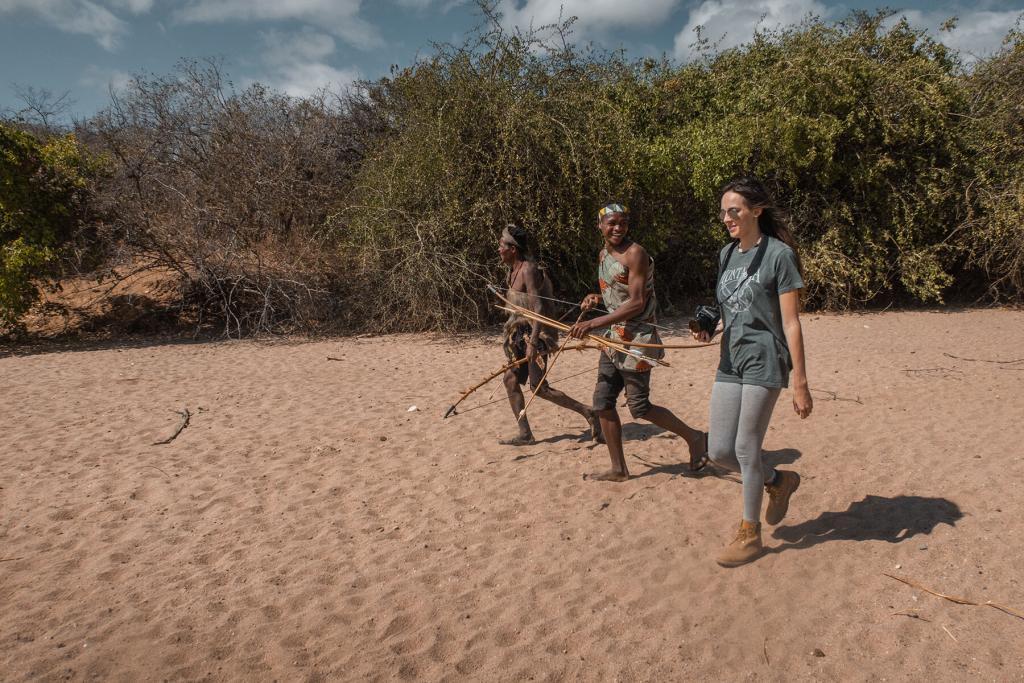
Yes, you can visit the Hadzabe tribe on a cultural safari in Tanzania, primarily near Lake Eyasi in the Northern Circuit. This immersive experience allows you to join them on morning hunts, learn to shoot their bows, and observe foraging traditions, often paired with visits to the nearby Datoga tribe
15-days-africa-big-cats-safari-kenya-tanzania-safari-and-zanzibar-beach-holidays
12-days-best-tanzania-and-kenya-safari-combo-itinerary
10-days-ultimate-budget-tanzania-safari-holiday-vacation
9-days-luxury-family-tanzania-safari-in-africa-holiday-vacation
8-days-7-nights-midrange-safari-in-tanzania-northern-circuit-parks
Location:
The Hadzabe people, one of the last remaining hunter-gatherer communities in Africa, primarily inhabit the area around Lake Eyasi in Tanzania. This region, characterized by its diverse ecosystems and proximity to several iconic wildlife destinations, is often incorporated into broader Northern Circuit safari itineraries. Visitors to the Serengeti National Park or the Ngorongoro Conservation Area frequently find opportunities to include a cultural experience with the Hadzabe during their travels. Lake Eyasi itself is an intriguing landscape, surrounded by rolling hills and unique geological formations, providing a stunning backdrop for this immersive cultural experience. The area is also rich in biodiversity, with various animals and birds commonly sighted in the vicinity. The accessibility of Lake Eyasi makes it a popular stop for travelers, enhancing its appeal as a cultural and ecological destination. As part of a broader safari experience, visiting the Hadzabe community enables travelers to engage with a unique culture while witnessing the remarkable wildlife that Tanzania is renowned for. This geographical and cultural intersection allows for a well-rounded adventure, blending the thrill of wildlife viewing with the enriching perspective of one of the world’s oldest ways of life. The combination of these elements creates a unique safari experience, offering visitors not only the opportunity to enjoy breathtaking landscapes but also a chance to learn from the Hadzabe and appreciate their sustainable ways of living.
Activity Details:
Engaging with the Hadzabe community involves a variety of immersive activities that showcase their unique nomadic lifestyle and deep connection to the land. One of the highlights of a Hadzabe experience is a walking safari, where visitors accompany local guides into the bush, observing and, in some cases, participating in traditional hunting and foraging practices. These walks are led by skilled hunters who share invaluable knowledge about the local flora and fauna, illustrating the Hadzabe's intimate understanding of their environment. The experience highlights sustainable practices, showing how the Hadzabe gather food and resources without depleting their surroundings, ensuring a continued reliance on their natural habitat. Additionally, visitors have the opportunity to visit a Hadzabe village, where they can learn about traditional crafts, social structures, and daily routines. Listening to stories from community members offers insights into their rich cultural heritage and the survival skills that have been passed down through generations. Engaging in these activities not only deepens the visitor's understanding of the Hadzabe lifestyle but also fosters a sense of connection and respect for their way of life. This interactive approach allows guests to witness the resilience and adaptability of the Hadzabe people, making for a truly unforgettable experience that bridges culture, nature, and human ingenuity.
Best Time:
When planning a trip to experience the Hadzabe culture, it’s important to consider the best times for visits. Trips to Lake Eyasi and the Hadzabe community are available year-round, allowing travelers flexibility in their itineraries. However, certain seasons may offer specific advantages. The dry season, from June to October, is often ideal for wildlife viewing in surrounding parks, making it a popular time for travelers to combine traditional safari experiences with cultural visits. During these months, the weather is generally pleasant, facilitating outdoor activities such as walking safaris and village visits. The Hadzabe’s nomadic lifestyle means that they may move based on the availability of resources, but during this time, more stable interactions can typically be arranged. Additionally, this season coincides with various wildlife migrations, enhancing the overall experience for visitors exploring the broader landscape. On the other hand, the wet season, from November to May, presents a different landscape and can also be rewarding, with lush greenery and vibrant ecosystems. Although some road access may be limited, the experience of witnessing springtime renewal can be particularly enriching. Trips during these months are often organized as day trips or two-day immersive tours from Arusha, allowing visitors to experience the Hadzabe way of life while also enjoying the stunning natural beauty of the region. Ultimately, the best time depends on individual preferences and the desired combination of wildlife and cultural experiences.
Ethical Considerations:
Visiting the Hadzabe community requires careful consideration of ethical principles to ensure respectful and sustainable interactions. As one of the last remaining hunter-gatherer societies in Africa, the Hadzabe face numerous challenges, including encroachment on their land and cultural dilution. Thus, it is crucial to engage with reputable and responsible tour operators who prioritize ethical practices and actively support the community. Tour operators should have established relationships with the Hadzabe, ensuring that the community benefits directly from tourism revenue. This approach not only empowers the Hadzabe but also fosters cultural preservation. Visitors should be mindful of their impact, understanding that they are guests in a community with rich traditions and a unique way of life. Engaging in respectful behaviors, such as asking for permission before taking photographs and being sensitive to the community's customs, fosters trust and goodwill. Additionally, it’s essential to avoid any activities that could disrupt their daily lives or traditional practices. Support for local artisans and purchasing handmade crafts can also promote economic sustainability. Visitors can help ensure that the Hadzabe retain agency over their cultural representation and that their traditions continue to thrive. This ethical approach provides an opportunity for cultural exchange while respecting the autonomy and dignity of the Hadzabe people, creating a win-win situation that benefits both visitors and the community.
Flexibility:
The nomadic lifestyle of the Hadzabe means that flexibility is a key component of any planned visit. Since the Hadzabe move periodically to locate fresh grazing land and resources, there are no guarantees that specific community members will be available at any given time. As a result, trips are typically organized with the understanding that adjustments may need to be made based on the community's movements and activities. Experienced guides play a crucial role in facilitating these visits, as they have established relationships with the Hadzabe and are often able to assess the best times and locations for meaningful interactions. Guides can provide insights into the community's current whereabouts, allowing for spontaneous adjustments to itineraries, ensuring that visitors have the opportunity to engage meaningfully. This flexibility enhances the overall experience, as travelers can immerse themselves in the present moment and adapt to the rhythms of the Hadzabe way of life. Visitors should approach these experiences with an open mind and readiness for spontaneity, as this adaptability often leads to the most rewarding encounters. Ultimately, the ability to embrace flexibility not only enriches the visitor's experience but also honors the traditional ways of the Hadzabe, creating a deeper understanding of their resilient connection to the environment and each other.
Who are the Hadzabe Tribe?
The Hadzabe tribe, also known as Hadza, is one of the last remaining authentic hunter-gatherer tribes in Africa. Residing primarily around Lake Eyasi in northern Tanzania, the Hadzabe have maintained their traditional way of life for thousands of years, living in harmony with their environment. Their culture is characterized by a deep connection to the land and a reliance on natural resources for sustenance. Unlike many other tribes, the Hadzabe have preserved their hunter-gatherer lifestyle, largely avoiding contact with mainstream society, which helps maintain their cultural identity. Their understanding of the local ecosystem is profound, facilitating efficient foraging and hunting practices.
The Hadzabe society is egalitarian, lacking a formal leadership structure or hierarchy, which allows for shared decision-making and communal living. As a semi-nomadic group, they move seasonally in search of food and resources, constructing simple shelters made from branches and grass. This adaptability to their surroundings is key to their survival. Today, the Hadzabe face numerous challenges due to encroachment from agriculture and land development. Efforts to protect their land rights are ongoing, highlighting the importance of sustainable practices and the protection of indigenous cultures. Interactions with the Hadzabe offer visitors a unique glimpse into a way of life that is rapidly vanishing, and emphasize the importance of respecting their traditions and promoting ethical tourism.
Where is the Best Place to See the Hadzabe Tribe on a Safari in Tanzania?
The best place to see the Hadzabe tribe is in the Eyasi region, specifically around Lake Eyasi in northern Tanzania. This area is not only a breathtaking landscape but also serves as the heart of Hadzabe culture. Visitors traveling to this region often have the opportunity to combine cultural experiences with wildlife safaris in nearby attractions such as the Serengeti, Ngorongoro Crater, or Lake Manyara National Park.
Lake Eyasi itself is a shallow endorheic lake, surrounded by mountains and a rich variety of ecosystems that provide sustenance for the Hadzabe. The accessibility of this area makes it a popular stop for travelers who wish to engage with the Hadzabe community while enjoying the stunning natural beauty of northern Tanzania. Organized tours often include visits to Hadzabe camps, where visitors can observe their daily lives, learn about their hunting and foraging practices, and even participate in hunting activities, depending on the tour operator.
Engaging with the Hadzabe in their natural environment not only enriches the travel experience but also fosters respect and understanding for their way of life. The regions surrounding Lake Eyasi are often quiet, allowing for a more intimate and authentic interaction with the tribe, enhancing the overall cultural experience for visitors.
What Language Do They Speak?
The Hadzabe speak a unique language known as Hadza, which is a click-based language. This language has no relation to any other known language families, making it a linguistic curiosity and a significant aspect of the Hadzabe’s cultural identity. Click languages, such as Hadza, employ a variety of distinctive sounds made by clicking the tongue and are quite rare globally, found primarily in Africa among certain tribes.
The preservation of the Hadza language is critical for maintaining the tribe’s heritage and cultural practices. Language serves as a means of communication that encapsulates the tribe's worldview, traditions, and knowledge of their environment. Despite modern pressures and the encroachment of more dominant languages, the Hadzabe have managed to retain their linguistic identity. However, the youth increasingly face the influence of Swahili and English due to outside interactions and educational frameworks.
Revitalizing and preserving the Hadza language is vital for future generations, as it carries with it the wisdom and experiences of a hunter-gatherer society. Efforts to document and promote the language can help ensure that the identity of the Hadzabe people remains robust in the face of modernization, providing a valuable link to their ancestral practices and beliefs.
Can I Join a Hunting Trip with the Hadzabe Tribe on a Safari in Tanzania?
Yes, it is possible for visitors to participate in traditional hunting activities with the Hadzabe tribe, providing a unique insight into their ancient practices. Typically organized by reputable tour operators familiar with the Hadzabe lifestyle, these activities are designed to be respectful, educational, and safe for both participants and the tribe. Early morning is generally the best time for hunting, as animals are often more active, and temperatures are cooler.
During these hunts, visitors can observe or partake in the use of traditional tools like bows and poison-tipped arrows, showcasing the skill and knowledge that the Hadzabe possess in tracking and hunting game. The tribal members often initiate guests into the techniques and philosophies behind their hunting practices, emphasizing sustainable methods that have been passed down for generations.
Participating in a hunting trip with the Hadzabe is not only a thrilling adventure but also an opportunity to understand the deep connection they have with their environment. This experience fosters respect for their traditions and highlights the importance of preserving hunter-gatherer lifestyles in a rapidly changing world. However, it's essential for visitors to approach this experience with an open mind and a sense of responsibility, acknowledging the cultural significance of each practice and the delicate balance of their way of life.
What Animals Do They Hunt?
The Hadzabe employ traditional hunting methods to capture various animals, reflecting their deep understanding of the local ecosystem. Their primary targets include small to medium-sized game such as impalas, dik-diks, monkeys, baboons, and bush pigs. Using bows and poison-tipped arrows, they exhibit remarkable skill and knowledge of animal behavior, which is crucial for successful hunts in the wild.
The hunting techniques of the Hadzabe are steeped in tradition, often involving communal efforts that strengthen social bonds within the tribe. Hunting is not just about sustenance; it is also a communal activity that reinforces cultural identity and collective responsibility. The hunt is approached with respect toward the animals, emphasizing the sustainability and harmony that characterize their interactions with nature.
The animals hunted provide not only food but also materials for clothing and tools, making each hunt integral to their survival. The Hadzabe’s understanding of seasonal variations and animal patterns reflects a long history of living in balance with their environment. This relationship highlights the importance of conserving the ecosystems in which they live, as modern challenges increasingly threaten their traditional ways of life.
Visitors who partake in hunting experiences with the Hadzabe gain valuable insights into the practices that have sustained this unique culture for millennia. These experiences emphasize the critical role that animals play in the Hadzabe lifestyle, allowing for a deeper appreciation of their sustainable practices.
What is the Role of Women in the Hadzabe Tribe?
In the Hadzabe tribe, women play a vital role in the community, primarily focusing on foraging and gathering activities. While men are responsible for hunting, women contribute significantly to the tribe's sustenance by collecting various food sources such as berries, tubers, and nuts. Their knowledge of edible plants and the landscape is indispensable, as they often know the best foraging spots and the seasonal availability of different foods.
A staple food for the Hadzabe is the baobab fruit, which is rich in nutrients and serves as an important dietary source. The gathering of this fruit, along with other edible plants, showcases women's essential role in maintaining the tribe's food security. In addition to foraging, women also participate in raising children and imparting cultural knowledge to the younger generations, ensuring that traditional skills and values are passed down.
The egalitarian nature of Hadzabe society means that women have a voice in decision-making, and their contributions are recognized as equally significant as those of men. This gender balance fosters a community where responsibilities are shared, making it easier for them to adapt to challenges in their environment.
The integration of women's roles in the tribe not only highlights their importance in daily survival but also enhances the social fabric of Hadzabe society. Visitors to the Hadzabe community often find opportunities to engage with women, providing valuable insights into their knowledge, skills, and perspectives, enriching the overall cultural experience.
What Will I Eat When Visiting the Hadzabe Tribe on a Safari in Tanzania?
When visiting the Hadzabe tribe, visitors may have the unique opportunity to sample traditional foods that form a part of the Hadzabe diet. As a hunter-gatherer community, the tribe's diet is diverse and largely determined by seasonal availability and local resources. Guests may be offered roasted meat, which could include delicacies such as monkey or antelope, depending on recent hunts. The method of preparing and cooking meat often reflects traditional practices passed down through generations.
Another prized food source for the Hadzabe is honey, which is highly valued for its sweetness and nutritional benefits. Gaining access to honey involves various foraging techniques that demonstrate the tribe's connection to their environment and knowledge of local flora. Visitors may also get a chance to taste honey during their visit, highlighting the importance of this resource in Hadzabe culture.
While the Hadzabe's traditional diet consists mainly of wild foods, visitors should note that offerings during organized tours may be more curated to ensure food safety and cater to the preferences of tourists. This approach allows for a cultural exchange that respects dietary customs while offering a taste of Hadzabe culinary practices.
Sharing meals not only provides insight into the tribe's lifestyle and methods of food preparation but also fosters connection and understanding among visitors and community members. Overall, dining with the Hadzabe allows for a deeper appreciation of their resourcefulness and adaptability, celebrating the richness of their food culture.
How Do the Hadzabe Live?
The Hadzabe live a semi-nomadic lifestyle characterized by simple, temporary shelters made from readily available materials. Their camps are typically constructed of branches, grass, and leaves, providing basic protection against the elements while allowing them to relocate easily in pursuit of food and resources. This flexibility is a hallmark of their lifestyle, enabling them to adapt to changing environmental conditions and the availability of wildlife.
The nature of their shelter reflects their deep understanding of their surroundings, as the Hadzabe have honed their building techniques to suit the local climate. These semi-permanent structures are designed to be easily assembled and disassembled, allowing for swift relocation. The layout of their camps promotes communal living, with spaces designated for sleeping, cooking, and socializing, further enhancing communal bonds.
The Hadzabe’s egalitarian society means that decisions are often made collectively, and daily responsibilities are shared, fostering a sense of community. Their lifestyle also encourages a deep spiritual connection to nature, as they rely on the land for their sustenance and cultural identity. The simplicity of their living arrangements is a testament to their ability to thrive in challenging environments while maintaining a profound bond with the natural world.
Visiting a Hadzabe camp provides travelers with a unique glimpse into their daily lives, showcasing their resourcefulness and adaptability. It offers a valuable opportunity for cultural exchange, allowing guests to engage with a heritage deeply rooted in the rhythms of nature.
Do the Hadzabe Have a Chief or Leader?
The Hadzabe tribe is characterized by its lack of formal leadership structures or hierarchies, making them one of the most egalitarian societies in the world. There are no chiefs or designated leaders; instead, decisions are made collectively, with discussions and consensus being key elements of their social organization. This decentralized form of governance fosters a strong sense of community and shared responsibility among members.
Each individual, regardless of gender or age, has the opportunity to contribute to discussions, voicing their opinions and perspectives. Leadership emerges organically through respect and recognition of individuals' wisdom and experience, particularly in areas such as hunting, foraging, or environmental knowledge. This allows for a diversity of viewpoints and promotes egalitarian principles, enabling the Hadzabe to adapt as a cohesive unit in response to challenges.
The absence of a rigid hierarchy also reduces competition among members and promotes cooperation and collaboration. This social structure is reflective of their shared values, with an emphasis on harmony and mutual support, essential for survival in a harsh environment.
Visitors to Hadzabe camps often note the friendly and open atmosphere, which is enhanced by the tribe’s egalitarian lifestyle. Engaging with the Hadzabe offers profound insights into how community and individuality can coexist in a functional society, highlighting the importance of respect, inclusion, and shared values in their way of life.
Is It Ethical to Visit the Hadzabe Tribe on a Safari in Tanzania?
Visiting the Hadzabe tribe can be ethical, provided it is done through reputable and responsible tour operators. Ethical tourism should prioritize respectful interactions, ensuring that visits support the community economically while protecting their land rights and cultural integrity. Engaging with the Hadzabe can offer valuable insights into their traditional way of life, fostering cross-cultural understanding and appreciation.
To promote ethical tourism, it’s crucial that operators respect the wishes of the Hadzabe community and involve them in the planning and execution of tours. This ensures that the tribe benefits directly from tourism revenues and retains control over how their culture is represented. Additionally, guiding visitors on appropriate behaviors is essential to maintain respect for their traditions and lifestyle.
Participants should be mindful and engage with the Hadzabe community in a way that honors their beliefs and way of life. This includes asking permission for photographs, which underscores the importance of consent and respect in cultural exchanges. By taking these precautions, visitors can help safeguard the cultural heritage of the Hadzabe.
Ultimately, well-organized visits can positively impact the Hadzabe community, supporting their livelihoods while promoting the preservation of their unique way of life amid modern pressures. Responsible tourism fosters learning, cultural appreciation, and mutual respect, creating a rewarding experience for both visitors and the Hadzabe.
When is the Best Time to Visit?
The best time to visit the Hadzabe tribe is during the dry season, which runs from June to October. This period offers optimal conditions for both wildlife viewing in the surrounding national parks and opportunities to engage with the Hadzabe. The dry weather allows for easier access to Lake Eyasi and increases the likelihood of observing traditional hunting activities.
During the dry season, animal movements and behaviors are more predictable, and temperatures are generally pleasant, making it an ideal time for outdoor activities, such as walking safaris and cultural visits. Moreover, this season coincides with various wildlife migrations, enhancing the overall safari experience and providing visitors with opportunities to observe diverse wildlife in their natural habitats.
While organized tours to visit the Hadzabe community are available year-round, the dry season typically sees higher tourist traffic, thus offering the chance for a more vibrant atmosphere. Cultural events and communal gatherings may occur more frequently during this time, providing rich experiences for visitors looking to engage deeply with the tribe's traditions.
However, it's important to note that the wet season, from November to May, also offers unique advantages, such as lush landscapes and an abundance of flora and fauna. While access may be more challenging, the vibrant scenery can provide a different perspective on Hadzabe life. Regardless of the season, the timing of visits should be planned with attention to local customs and the tribe's needs, ensuring respectful interactions and memorable experiences.
Do I Need Special Gear?
When planning a visit to the Hadzabe tribe, particular attention should be paid to the gear and clothing needed for an enjoyable and respectful experience. Comfortable walking shoes are essential, as the terrain around Lake Eyasi can be rugged and uneven, especially during outdoor activities like walking safaris and foraging. Proper footwear helps ensure safety and ease of movement during exploration.
Additionally, sunscreen is highly recommended, as the Tanzanian sun can be intense, especially during the dry season. Protecting your skin from UV rays is vital to avoiding sunburn while spending time outdoors. Hats and sunglasses can also provide extra protection from the sun.
As for clothing, it's advisable to wear light, breathable fabrics that can withstand dusty conditions, as some areas may become dry and arid. Dressing modestly is also important, respecting the cultural values of the Hadzabe community. Neutral or earthy tones may help you integrate more seamlessly into the environment and reduce the risk of startling wildlife.
Bringing a refillable water bottle is also recommended, as staying hydrated is crucial, especially during outdoor excursions. Avoiding plastic waste by using eco-friendly options aids in promoting sustainability. Preparing for changing weather conditions is wise, as temperatures can vary significantly from day to night. By equipping yourself with the appropriate gear, you can enhance your experience while ensuring respect for the environment and the Hadzabe lifestyle.
How Long Does the Visit Last?
A typical visit to experience the culture of the Hadzabe tribe generally lasts a few hours, usually scheduled in the morning when hunting activities are most prevalent. These visits may be organized as part of a day trip or incorporated into longer safari itineraries in the region. During this time, guests can participate in traditional hunting practices, observe foraging activities, and engage in cultural exchanges with community members, offering a comprehensive view of Hadzabe life.
Some tour operators may offer longer, immersive experiences, including overnight camping with the Hadzabe. This option allows visitors to spend a night in the community, facilitating deeper connections and a more comprehensive understanding of daily life. Staying overnight provides opportunities to engage in evening activities and observe the social dynamics of the tribe in a relaxed atmosphere.
The duration of visits is often flexible and can be tailored to individual preferences and schedules. However, it's essential for guests to be respectful of the Hadzabe's time and commitments, as their nomadic lifestyle may involve varying activities depending on the season and availability of resources. Ultimately, the length of the visit should aim to balance an enriching experience with respect for the community's needs and lifestyle, creating an authentic and meaningful cultural exchange.
What Do I Need to Bring for the Hadzabe?
When visiting the Hadzabe tribe, it is best to consult with your tour operator about appropriate gifts that can be offered to the community. Items such as maize flour, cooking oil, sugar, or water are often appreciated. These contributions can help support the tribe's dietary needs and ongoing sustenance. It is essential to consider useful items that align with their lifestyle and challenges, rather than giving cash, which may not be as effective in providing support.
Additionally, bringing small gifts that may enhance their daily lives can be viewed favorably. Items like sewing kits, fishing lines, or even simple recreational tools may also be welcomed, as they can enrich their communal living and experiences. Ensuring that your donations are respectful and thoughtful will foster goodwill and enhance cultural understanding.
When engaging with the Hadzabe, maintaining a spirit of appreciation and respect is critical. Avoiding the expectation of quid pro quo for your offerings can help foster genuine connections. Visitors should also be mindful about not disrupting the community dynamics or their daily routines; contributions should be given in a way that honors their traditions and acknowledges their needs.
Lastly, it can be useful to bring a refillable water bottle to stay hydrated and minimize plastic usage during your visit, promoting both personal wellness and environmental consideration. By being prepared and respectful, visitors can enhance their overall experience while contributing positively to the Hadzabe community.
Can I Combine This with a Serengeti Safari?
Yes, visiting the Hadzabe tribe can easily be combined with a safari trip to the Serengeti and other nearby attractions such as Lake Manyara, Tarangire, or the Ngorongoro Conservation Area. Many tour operators design packages that offer a well-rounded safari experience, allowing travelers to enjoy both wildlife viewing and cultural encounters in one trip.
The proximity of Lake Eyasi to the Northern Circuit makes it convenient for travelers to weave in a visit to the Hadzabe communities as part of their safari itinerary. These combined experiences allow visitors to immerse themselves in Tanzania’s stunning landscapes and rich biodiversity while gaining insights into the timeless traditions of the Hadzabe.
Typically, day trips to Lake Eyasi can be organized from major safari hubs like Arusha or Karatu. This allows guests to participate in cultural activities with the Had
Booking Tanzania safari with us Roads of Adventure safaris
Book your unforgettable Tanzania safari with Roads of Adventure Safaris for expert-led, personalized adventures across the Serengeti and Ngorongoro Crater. We specialize in bespoke itineraries, offering everything from luxury lodges to budget-friendly camping, ensuring a comfortable, tailored experience. Our knowledgeable guides provide exceptional wildlife viewing, including the Big Five and the Great Migration, with meticulous planning for seamless travel. Enjoy tailored, memorable, and safe journeys in one of Africa's most stunning destinations. Contact us today to start planning your dream adventure with Roads of Adventure Safaris.
