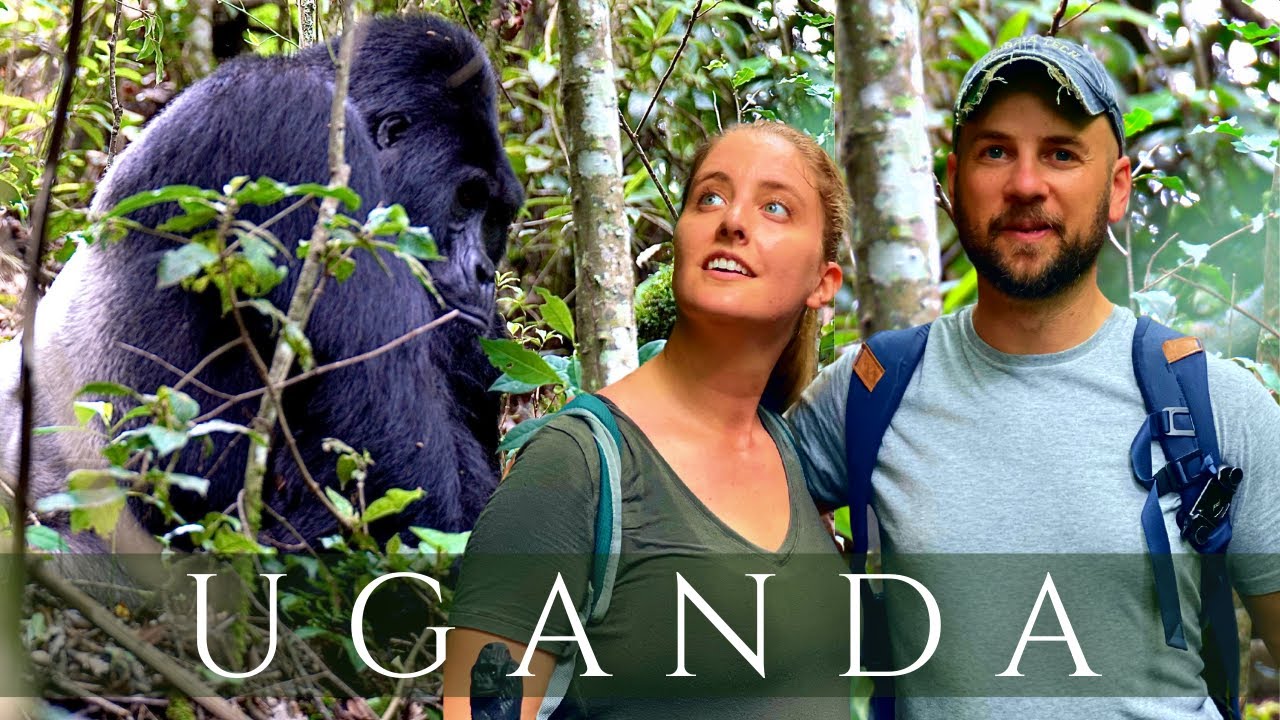
Buhoma Lodge is a premier, intimate safari property located in the northern Buhoma sector of Bwindi Impenetrable National Park, Uganda. Renowned for its unparalleled location, the lodge is just a 5-minute walk from the gorilla trekking briefing point. It offers exceptional comfort, forest views, and personalized service for
2-days-all-inclusive-uganda-gorilla-trekking-from-kigali-rwanda
3-days-affordable-uganda-budget-gorilla-trekking-via-kigali
3-days-gorilla-trekking-tour-in-buhoma-sector-of-bwindi-impenetrable-forest-park
4-days-bwindi-impenetrable-gorilla-trekking-and-queen-elizabeth-park-tour
7-days-africa-big-five-safari-in-uganda-and-gorilla-trekking-and-chimpanzee-tracking
The Lodge: Everything to Know
Accommodations
The chalets at this property are specifically engineered to provide an oasis of luxury after a demanding day of gorilla trekking in Buhoma. The lodge features 10 spacious, elevated chalets that blend seamlessly into the surrounding environment. Built entirely out of locally sourced stone, volcanic rock, and sustainable timber, these structures pay homage to the architectural heritage of the Kigezi highlands while minimizing their ecological footprint. Each chalet is raised on sturdy stilts, placing you right at eye level with the misty canopy of Bwindi Impenetrable National Park.
Inside, the design prioritizes rustic warmth and modern comfort. The expansive bedrooms feature plush king or twin beds draped in crisp linens and protective mosquito netting, positioned directly in front of floor-to-ceiling glass doors. These lead out onto your private veranda, a serene space equipped with comfortable safari chairs where you can sit with a cup of coffee and enjoy uninterrupted views of the ancient forest. It is the perfect spot to watch black-and-white colobus monkeys jump through the branches or listen to the morning calls of exotic birds.
The en-suite bathrooms are a true highlight, featuring double vanities, flush toilets, and large walk-in showers with an abundance of pressurized hot water, which is essential for soothing tired muscles after a long trek. For your peace of mind, each chalet is equipped with a digital safe to secure your camera lenses, passports, and valuables while you are out in the jungle. The thoughtful integration of locally woven textiles and hand-carved furniture creates an inviting, upscale sanctuary that feels like a natural extension of the Ugandan wilderness.
Facilities
The communal areas of the lodge are designed to serve as the social and emotional heart of your safari, providing a welcoming environment to share stories of your gorilla trekking in Buhoma. The central lodge building is an expansive, elevated timber structure that offers panoramic vistas of the surrounding forested ridges. Inside, you will find a cozy lounge filled with oversized, comfortable sofas, hand-woven carpets, and shelves stocked with African literature and wildlife reference books.
Adjoining the lounge is a fully stocked bar offering an impressive selection of premium international wines, local Ugandan craft beers, and top-shelf spirits. It is the ideal place to gather for a sundowner cocktail as the mist begins to settle over the valleys. The dining area is arranged to offer both intimate seating for couples and larger communal tables for groups who wish to dine together. The standout feature of the main lodge is the massive stone fireplace, which the staff lights every single evening as the temperature drops in the mountain forest. Sitting by the crackling fire with a warm drink creates a timeless safari atmosphere.
Beyond relaxation and dining, the facilities include a charming gift shop curated with high-quality, authentic handicrafts, wood carvings, and vibrant batiks made by local community cooperatives, ensuring your souvenirs directly support the Buhoma population. For those seeking deeper physical rejuvenation, the on-site spa facility offers a peaceful, aromatic environment dedicated to wellness. The spa features specialized therapies tailored specifically to hikers, ensuring that your body is fully restored and pampered after navigating the steep, tangled terrain of the national park.
Included Perks
What truly elevates this lodge from a standard luxury property into a world-class hospitality experience is its comprehensive array of included perks, which are thoughtfully designed around the physical realities of gorilla trekking in Buhoma. Hiking through Bwindi Impenetrable Forest is an incredible adventure, but it is also a physically demanding endeavor that involves navigating thick undergrowth, slippery mud, and steep volcanic ridges. The lodge staff anticipates every single post-trek need with intuitive, seamless hospitality.
The moment you return to the lodge from your encounter with the mountain gorillas, you are greeted by a dedicated team ready to take your muddy hiking boots. The lodge provides a complimentary boot-cleaning service, where staff scrub, wash, and dry your footwear, returning them to your chalet door looking brand new and ready for your next adventure. Alongside this, the lodge offers a free daily laundry service. Given the humid rainforest environment and the likelihood of getting your clothes covered in soil and sweat, having your trekking gear washed, pressed, and returned within 24 hours is an invaluable luxury that allows you to pack light.
To crown the experience, the lodge includes complimentary massages at the spa for all tracking guests. After spending three to six hours trekking through the dense jungle, a professional deep-tissue massage focusing on your legs, back, and shoulders is the ultimate antidote to physical fatigue. These generous, all-inclusive touches remove all logistical stress from your trip. They allow you to focus entirely on the emotional and spiritual impact of your gorilla encounter, knowing that every detail of your physical comfort and garment care is being meticulously handled by a warm and dedicated team.
Dining
Dining at the lodge is a celebratory culinary journey that complements the adventurous spirit of your gorilla trekking in Buhoma. Operating on a full-board basis, all your daily meals—breakfast, lunch, afternoon tea, and multi-course dinners—are included in your stay. The kitchen team is led by talented chefs who specialize in a fusion of international contemporary cuisine and rich African flavors, utilizing fresh, organic ingredients sourced directly from the lodge’s private vegetable gardens and local farmers in the Buhoma community.
Your day begins with a breakfast spread featuring fresh tropical fruits, freshly baked pastries, and a cooked-to-order menu ranging from classic eggs Benedict to traditional Ugandan choices. If your tracking group is heading deep into the forest, the kitchen prepares a customized, gourmet packed lunch box filled with nutritious wraps, energy bars, and fresh juices to keep your stamina up in the jungle. Upon your return, a delightful afternoon tea with homemade cakes and savory snacks awaits you in the lounge.
Dinner is a sophisticated, candlelit affair featuring a rotating three-course menu. A unique and highly recommended highlight of the dining experience is the opportunity to request authentic Ugandan dishes. The chefs are incredibly proud to prepare local specialties such as Matooke (steamed, mashed green bananas), Luwombo (a rich, aromatic stew cooked slowly inside banana leaves), and roasted groundnut paste sauces. Experiencing these traditional dishes provides a deep cultural connection to the region. The culinary team is exceptionally accommodating and can effortlessly tailor all menus to cater to specific dietary requirements, including vegan, gluten-free, and halal diets, ensuring that every guest eats like royalty throughout their stay.
Gorilla Trekking Trips
Here is a comprehensive guide to planning your ultimate wildlife adventure, detailing what to expect when embarking on your gorilla trekking in Buhoma.
The Experience
The journey of gorilla trekking in Buhoma is a profound, life-changing encounter that begins at dawn. Your morning starts at the Uganda Wildlife Authority sector headquarters, where the crisp mountain air is filled with anticipation. Here, you gather for an essential briefing by senior park rangers who explain the history of the forest, conservation rules, and the vital safety protocols required when entering the territory of wild primates. You are assigned to a specific habituated gorilla family based on your physical fitness levels, with groups strictly limited to eight tracking guests per family to ensure the animals' well-being.
Buhoma holds a legendary status in primate conservation as it is the birthplace of gorilla tourism in Uganda. The sector is home to five beautifully habituated gorilla families, each boasting its own unique history and social dynamics. The Mubare family is famous for being the very first group to be habituated in Uganda back in 1993. The Habinyanja family is celebrated for its large, complex numbers and frequent internal power struggles, while the Rushegura family is beloved for its remarkably calm demeanor and occasional tendency to wander right into the lodge gardens. The Katwe and Muyambi families are newer additions, offering dynamic viewing experiences led by dominant, protective silverbacks.
Accompanied by armed ranger guides and specialized trackers who trail the primates daily, you plunge into the dense, ancient rainforest. The hike itself is an exhilarating adventure that can last anywhere from 2 to 7 hours, depending on where the family nested the previous night. You will navigate steep volcanic ridges, tangled vines, and thick undergrowth. When the trackers finally signal that the gorillas are ahead, a wave of adrenaline washes away all physical exhaustion.
You spend one unforgettable hour standing mere meters from these magnificent creatures. Watching a massive, 400-pound silverback calmly monitor his surroundings while mothers cradle infants and juveniles wrestle in the leaves is an emotional, deeply moving experience. The sheer humanness in their expressive eyes creates an instant, unforgettable connection that makes every strenuous step of the mountain trek entirely worth it.
Trip Preparation
Proper physical and material preparation is the secret to fully enjoying your experience of gorilla trekking in Buhoma. Bwindi Impenetrable National Park does not have manicured walking trails; it is a wild, rugged, and untamed ecosystem characterized by steep clay slopes, thick briars, and unpredictable tropical downpours. To ensure your safety and physical comfort throughout the day, your choice of tracking clothing and gear is absolutely critical.
First and foremost, your wardrobe must prioritize protection over fashion. You should wear heavy-duty, long-sleeved shirts and thick trousers to shield your skin from sharp branches, thorny brush, and the infamous stinging nettles, which can cause intense skin irritation on contact. Tucking your trousers into long moisture-wicking socks is a mandatory insider tip to prevent safari ants from crawling up your legs. Sturdy, waterproof hiking boots with deep ankle support and excellent tread are non-negotiable for navigating slippery, muddy mountain ridges. You should also pack a lightweight, breathable rain jacket, as weather in the montane rainforest can shift from bright sunshine to a heavy downpour within minutes.
To make your packing logistics completely stress-free, the lodge provides an invaluable array of complimentary tracking gear. You will be equipped with sturdy wooden walking sticks that offer vital stability on steep inclines and descents. The lodge also supplies heavy-duty canvas gaiters to protect your lower legs, lightweight backpacks to carry your gear, and extra bottled water to keep you hydrated during the humid hike.
Additionally, we highly recommend hiring a local porter at the trailhead briefing. For a standard fee, these incredible individuals carry your daypack and provide a steady, supportive hand through the most challenging sections of the jungle. Hiring a porter is not only a fantastic physical aid, but it also serves as a direct, meaningful contribution to the livelihood of families living on the edge of the park.
Permits
Securing a tracking permit is the most crucial administrative step in planning your gorilla trekking in Buhoma. Because mountain gorillas are an endangered species and highly sensitive to human presence, the Uganda Wildlife Authority strictly regulates access to their habitat. A limited number of permits are issued per day for each habituated family, meaning that availability is extremely tight, especially during the peak dry seasons.
The investment for a standard gorilla trekking permit in Uganda is priced according to your residency status. For foreign non-residents, a permit costs $800, while foreign residents living and working in East Africa with valid work permits can secure them for $700. East African citizens (from Uganda, Kenya, Tanzania, Rwanda, Burundi, South Sudan, and the DRC) benefit from a localized rate of 300,000 Ugandan Shillings. While this financial investment is significant, it is important to understand that the revenue generated from permit sales does not just fund park operations. It directly finances 24/7 anti-poaching patrols, veterinary care for the gorilla families, and habitat preservation. Furthermore, a direct percentage of permit revenue is shared with local community development funds to build schools, clinics, and infrastructure around Buhoma.
Due to the immense global popularity of the Buhoma sector—which is highly favored for its lower altitude trails and excellent lodge accessibility—permits often sell out up to six months to a year in advance. Attempting a last-minute booking during the dry months of June to August or December to February is rarely successful. To guarantee your spot on this bucket-list safari, you must book your permits well ahead of time, either directly through the official Uganda Wildlife Authority booking platforms or, most efficiently, through an authorized, registered local tour operator who can manage all the local logistics on your behalf.
Other Things to Do
Batwa Cultural Experience
While encountering mountain gorillas is often the primary focus for travelers, participating in the Batwa Cultural Experience adds a profound human element to your time in the region. The Batwa Pygmies are the original, indigenous inhabitants of Bwindi Impenetrable Forest, having lived harmoniously within the deep jungle for thousands of years as hunter-gatherers. When the forest was gazetted as a national park and UNESCO World Heritage site in 1991 to protect the gorillas, the Batwa were displaced to the park edges, transitioning abruptly from their ancestral forest lifestyle to modern agrarian societies. This cultural excursion was created to preserve their ancient heritage and provide sustainable income to their community.
The experience typically takes place on an ancestral community land holding bordering the national park, where elder Batwa guides lead you into the forest to demonstrate how they once survived. As you walk the trails, they reveal their sophisticated knowledge of the jungle, pointing out specific plants, roots, and tree barks used for centuries to treat ailments, heal wounds, and ward off illness. They demonstrate their traditional hunting techniques, showing you how they skillfully crafted bamboo bows and arrows and set ingenious traps for small game without upsetting the ecological balance.
The highlight of the experience is a visit to a simulated traditional homestead and a sacred cave. Here, the community gathers to share oral histories, folk tales, and mesmerizing traditional music. The rhythmic drumming, haunting vocal harmonies, and energetic dances are deeply moving, telling stories of their deep spiritual connection to the forest and its wildlife. Participating in this tour gives you a holistic understanding of the human history of Bwindi, ensuring your journey supports both wildlife conservation and indigenous cultural preservation.
Bird Watching
For nature enthusiasts and dedicated ornithologists alike, the region surrounding the park is nothing short of a world-class birding paradise. Because Bwindi Impenetrable National Park is one of Africa's oldest and most ecologically diverse rainforests, it serves as a critical refuge for an astonishing array of avian life. The park is home to over 350 distinct bird species, an impressive number that includes 23 species strictly endemic to the Albertine Rift Valley, making a birding excursion here the perfect complement to your primary focus on primates.
The diverse topography around Buhoma—ranging from dense, misty forest canopies and steep valley ridges to open secondary growth and riverine wetlands—creates a myriad of specialized micro-habitats. Heading out in the early morning with a specialized local birding guide reveals a hidden world of color and sound. As the morning mist lifts from the trees, your guide will help you decipher the complex chorus of bird calls and pick out movement through the thick foliage using high-powered binoculars and spotting scopes.
Among the highly sought-after species you can encounter are the striking Great Blue Turaco, the brilliant African Green Broadbill, the elegant Black-billed Turaco, and the elusive Short-tailed Warbler. You will also look for various sunbirds, hornbills, and barbets darting through the flowering canopies. The trails running along the Ivy River and the specialized forest edge pathways are particularly famous for yielding high species counts in a single morning. For travelers who enjoy photography, the contrasting colors of the birds set against the deep emerald green of the rainforest canopy offer spectacular, rewarding shots that beautifully round out your East African wildlife portfolio.
Forest Hikes
If your legs are still eager for adventure after your primate encounters, the network of established nature trails around the sector provides an exceptional way to explore the interior of the jungle. Unlike the unscripted off-trail scramble required to find primates, these guided forest hikes follow designated historical pathways, allowing you to focus entirely on the architectural beauty, ancient botany, and serene atmosphere of one of the oldest ecosystems on Earth.
One of the most popular short routes is the Munyaga Waterfall Trail. This scenic walk follows the rushing waters of the Bizenga River, leading you through giant tree ferns and mist-shrouded valleys until you reach a series of three spectacular, plunging waterfalls. The air here is incredibly crisp and cool, and the surrounding rocks are covered in vibrant mosses and orchids. For more ambitious hikers, the lodge can arrange the legendary cross-forest trail connecting Buhoma to the southern sector of Nkuringo. This immersive full-day hike carves directly through the heart of Bwindi's pristine interior, taking you across ridge lines, through deep valleys, and over clear mountain streams.
As you navigate these paths, accompanied by an informative Uganda Wildlife Authority ranger, you will learn about the ancient hardwood trees, massive ficus species, and delicate ferns that make up the multi-layered rainforest canopy. The physical exertion of climbing the final steep ridge into Nkuringo rewards you with breathtaking, panoramic vistas of the jagged Virunga Volcanoes lining the horizon. Incorporating these varied forest hikes into your itinerary allows you to experience the park at your own pace, soaking in the quiet majesty of the jungle long after your tracking adventure is complete.
1. What Makes Buhoma Lodge’s Location Special for Gorilla Trekking?
Buhoma Lodge stands out primarily due to its exceptional placement within the actual boundaries of Bwindi Impenetrable National Park. It is one of only two properties permitted inside the park limits. For gorilla trekkers, this translates to an unmatched logistical advantage: the lodge is situated less than a five-minute walk from the main UWA (Uganda Wildlife Authority) Buhoma briefing point and trailhead. Guests can enjoy a relaxed breakfast without worrying about long morning drives or traffic delays on bumpy dirt roads. Because the chalets are fully immersed in the ancient rainforest canopy, mountain gorillas occasionally wander directly through the lodge grounds. The elevated design provides uninterrupted, sweeping views of the mist-covered forest, allowing travelers to connect visually and emotionally with the primate habitat before they even step onto the trail.
2. How Much Do Gorilla Trekking Permits Cost and How Do You Get Them?
A gorilla trekking permit is a mandatory legal document issued by the Uganda Wildlife Authority (UWA). The pricing is structured by residency status: Foreign Non-Residents pay USD 800 per person per trek, Foreign Residents (with valid work permits) pay USD 700, and East African Citizens pay UGX 300,000. Due to the high global demand and a strict cap of eight trackers per gorilla family per day, permits for the popular Buhoma sector frequently sell out 6 to 12 months in advance, especially during the dry peak seasons. Securing a permit independently can be administratively challenging; therefore, it is highly recommended to book them through a registered tour operator. The permit fee grants park entry, UWA ranger escort, and exactly one hour of face-to-face time with the habituated gorilla family once located.
3. What Are the Accommodations and Amenities Like at Buhoma Lodge?
Buhoma Lodge features ten intimate, eco-friendly chalets built on raised wooden platforms using sustainable, locally sourced timber, stone, and thatch. The architecture mimics an upscale treehouse aesthetic, blending effortlessly into the jungle. Each chalet is outfitted with oversized panoramic windows, comfortable insect-proofed bedding, and a private veranda looking out over the primary forest. The spacious en-suite bathrooms are equipped with flush toilets and hot-water rain showers, and some select rooms feature deep bathtubs. The central multi-level main building offers an open-air lounge, a dining room serving multi-course meals, and a cozy bar centered around an open fireplace to stave off the chilly mountain evenings. Complimentary Wi-Fi and device-charging stations are conveniently located in the central lounge area.
4. What Specialized Trekkers' Services Are Offered at Buhoma Lodge?
Recognizing that gorilla trekking can be physically demanding and messy, Buhoma Lodge offers specialized, complimentary amenities tailored specifically for trackers. Every guest returning from the forest is greeted with a thorough boot-cleaning service, returning mud-caked hiking footwear to an immaculate state by evening. For those who lack specialized gear, the lodge provides an inventory of complimentary trekking packs, gaiters, ponchos, and walking poles to navigate the tricky terrain. Laundry services are handled by hand and provided free of charge for guests staying two nights or more, helping dry out clothing damp from the rainforest climate. Additionally, every overnight guest receives one complimentary massage at the spa treatment room, an invaluable treat for soothing aching muscles after a long day of steep mountain climbing.
5. Which Gorilla Families Are Tracked from the Buhoma Sector?
Buhoma is historically significant as the cradle of mountain gorilla tourism in Uganda, opening the very first habituated group, the Mubare family, to visitors in 1993. Today, five primary habituated gorilla families are tracked directly from this sector: Mubare, Rushegura, Habinyanja, Katwe, and Muyambi. Each family displays a distinct social dynamic and history; for example, the Rushegura family is famously relaxed and frequently visits the lodge grounds. Because Buhoma sits at a lower altitude (around 1,500 meters) compared to southern sectors like Nkuringo, the terrain here is generally characterized by gentler, more accessible slopes. This makes the Buhoma families highly sought after by multi-generational travelers, families, or those seeking a slightly less strenuous hiking experience.
6. What Is the Daily Timeline for a Gorilla Trekking Trip?
A typical trekking day begins with an early wake-up call at Buhoma Lodge for a hearty breakfast. By 7:00 AM, guests walk over to the nearby UWA park headquarters for an essential registration and pre-trek safety briefing. Park rangers assign visitors into groups of eight and pair each group with a specific gorilla family based on physical fitness preferences. By 8:30 AM, trackers head out into the forest alongside armed UWA rangers and trackers. The search can last anywhere from 2 to 8 hours, depending on where the gorillas nested the previous night. Once the family is located, trackers spend precisely one hour observing them. Afterward, the group hikes back to headquarters to receive trekking certificates before returning to Buhoma Lodge for late-afternoon relaxation.
7. When Is the Best Time of Year to Visit Buhoma for Tracking?
Gorilla tracking can be successfully conducted year-round, but the two distinct dry seasons offer the most comfortable trekking conditions. The primary dry window runs from June to September, followed by a shorter dry spell from December to February. During these months, the forest trails are significantly less muddy, footing is more secure, and clear skies make for excellent wildlife photography. The rainy seasons (March to May and October to November) bring slippery, demanding clay trails and dense undergrowth. However, the rainy months have distinct advantages: the gorillas often descend to lower slopes because food is abundant, leading to shorter treks, and the lodge offers lower shoulder-season rates with fewer crowds.
8. What Are the Physical Demands and Fitness Requirements?
While Buhoma is generally considered the least steep of Bwindi’s tracking sectors, gorilla trekking remains a rigorous outdoor activity. Trekkers must navigate high altitudes, dense undergrowth, stinging nettles, and slippery, uneven paths without clear foot trails. A basic level of cardiovascular fitness, balance, and leg strength is highly recommended. Treks can range from a relatively simple 2-hour walk to an exhaustive 8-hour mountain expedition. For travelers with mobility challenges or physical limitations, the lodge and UWA can help arrange local porters and a specialized sedan chair (commonly called a "helicopter stretcher") to carry guests safely through the forest, ensuring the experience remains inclusive.
9. What Gear and Clothing Should Be Packed for the Trek?
Proper outfitting is vital for protection against Bwindi's variable weather and thick forest environment. Trekkers should wear lightweight, sturdy, waterproof hiking boots with good ankle support and deep traction. Long-sleeved shirts and thick, long trousers are non-negotiable; tucking trousers into socks prevents safari ants from crawling up legs, while the thick fabric shields against sharp thorns and stinging nettles. Thick gardening gloves are highly beneficial for gripping muddy branches or pulling yourself up steep inclines safely. A lightweight, breathable waterproof rain jacket should always be packed in your daypack, alongside a wide-brimmed hat, insect repellent, sunblock, and a refillable water bottle containing at least two liters of water.
10. What Rules and Guidelines Protect the Mountain Gorillas?
Because humans and mountain gorillas share roughly 98% of their DNA, the primates are highly susceptible to human airborne illnesses and pathogens. UWA enforces a strict 7-meter (23-foot) viewing distance rule to minimize disease transmission and avoid provoking behavioral defense mechanisms. Anyone displaying signs of communicable illness, such as a cold, flu, or cough, will not be permitted to track. Inside the forest, visitors must maintain a quiet, calm demeanor, avoid sudden movements, and never touch the gorillas, even if an inquisitive juvenile approaches closely. Flash photography is completely prohibited as it can startle the silverback and trigger an aggressive charge. All trash must be packed out to preserve the pristine nature of the ecosystem.
11. How Do You Travel to Buhoma Lodge from Entebbe or Kampala?
Travelers can choose between a scenic but lengthy road journey or a fast, convenient domestic flight. Driving from Kampala or Entebbe International Airport to the Buhoma sector takes roughly 8 to 9 hours, covering approximately 500 kilometers of diverse Ugandan terrain. While long, the drive offers gorgeous rural landscapes, including the equator monument and the rolling terraced hills of Kigezi. Alternatively, for those wishing to avoid a full day on the road, domestic flight options operate twice daily from Entebbe to Kihihi Airstrip. The flight takes about 90 minutes, followed by a scenic 45-to-60-minute lodge-arranged road transfer from the airstrip directly to Buhoma Lodge, cutting overall transit times significantly.
12. Can Children Go Gorilla Trekking at Buhoma?
The Uganda Wildlife Authority enforces a strict minimum age limit of 15 years old for gorilla trekking to ensure safety and compliance with forest rules. Children under 15 may struggle with the intense physical exertion, unpredictable wilderness conditions, and the self-discipline required to remain perfectly still and quiet around large primates. However, Buhoma Lodge itself welcomes families and provides a spacious two-bedroom family chalet. While parents are away on their morning gorilla trek, the lodge can arrange alternative, age-appropriate activities for younger children, such as supervised guided children's nature walks outside the park boundaries, educational bird watching, or interactive arts and crafts experiences with local community members.
13. What Is the Difference Between Trekking and the Gorilla Habituation Experience?
Standard gorilla trekking involves visiting a family that is already completely habituated to human presence. A maximum of eight tourists spend exactly one hour observing them from a safe distance. In contrast, the Gorilla Habituation Experience allows a tiny group of just four tourists to accompany researchers and rangers as they train a wild gorilla family to tolerate human observers. This deep-dive experience allows for four full hours in the presence of the gorillas. However, habituation permits cost USD 1,500 and are conducted exclusively in the southern Rushaga sector of Bwindi. Guests staying at Buhoma Lodge who wish to do habituation would need to transition or base themselves at a sister property in the south.
14. What Non-Gorilla Activities Can Be Booked at Buhoma Lodge?
Bwindi is a UNESCO World Heritage site celebrated for its immense biodiversity beyond primates. Buhoma Lodge coordinates exceptional alternative excursions, including a highly recommended 3-to-4-hour guided waterfall trail walk that winds past prehistoric ferns and showcases some of the park's 350 distinct bird species and 200 butterfly types. Guests can also book a fascinating cultural walk to the Batwa Empowerment Village to learn about the ancient hunter-gatherer traditions, fire-making techniques, and dance rituals of the forest’s indigenous inhabitants. Other localized options include community village walks that visit a traditional healer, a local primary school, a community hospital, and a regional banana-beer brewery.
15. How Does Staying at Buhoma Lodge Support Local Communities?
Buhoma Lodge operates with a deep commitment to sustainable ecotourism and community empowerment. The lodge works hand-in-hand with the Future Generations Trust, integrating a conservation fee into guest tariffs to fund ongoing community livelihood and wildlife protection initiatives. Nearly all the lodge staff—including structural maintenance workers, housekeepers, chefs, and waitstaff—are hired from the immediate surrounding villages, providing sustainable income to families living on the park borders. The kitchen prioritizes sourcing fresh, organic ingredients from neighborhood farmers, stimulating the local agricultural economy. By choosing to stay within the community-supported footprint of Buhoma Lodge, travelers directly ensure that the preservation of Bwindi’s mountain gorillas provides tangible economic value to the human neighbors who protect the forest boundaries.
Booking gorilla trekking in Buhoma sector with us Roads of Adventure safaris
To book a gorilla trek in the Buhoma sector with Roads of Adventure Safaris, you must first secure a gorilla permit Your Guide to 3 Days of Gorilla Trekking in Bwindi (From Kampala). Because Buhoma is one of the most popular areas in Bwindi Impenetrable National Park, permits should be booked 3 to 6 months in advance
