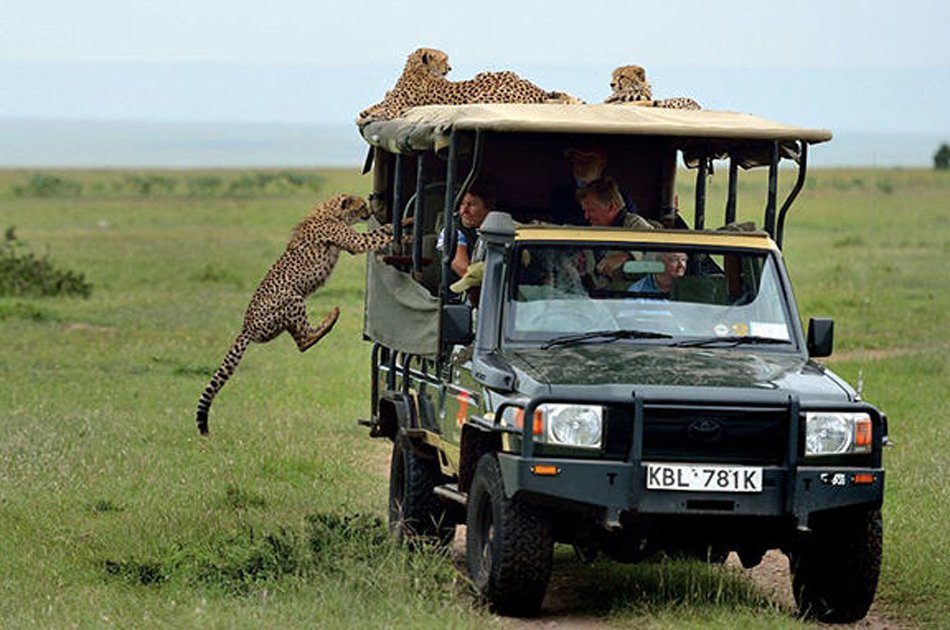
The best time to visit Tanzania on a Tanzania safari tiur is during the dry seasons from June to October and mid-December to early March. These periods offer the best wildlife viewing opportunities, with clear skies enhancing the safari experience. During these months, animals gather around limited water sources, making them easier to spot. The Great Migration is a highlight, particularly in the Serengeti, where thousands of wildebeests and zebras traverse the landscape. January and February are also excellent for witnessing the calving season, where newborns attract predators, providing thrilling encounters. These months allow visitors to enjoy both the wildlife and the stunning scenery without the peak crowds.
6-days-ndutu-migration-and-tanzania-safari-itinerary
7-days-epic-africa-big-five-safari-in-tanzania-top-best-parks
7-days-budget-tanzania-safari-affordable-africa-budget-safari
10-days-best-tanzania-honeymoon-safari-with-3-days-zanzibar-beach-holidays
7-days-kilimanjaro-climb-and-hiking-safari-ascent-to-peak
7-days-best-great-wildebeest-migration-safari-in-tanzania
3-days-amazing-serengeti-safari-to-ngorongoro-crater-tanzania-tour
Best time to Visit Tanzania for Mara River Crossing June to October (Dry Season)
The dry season from June to October is the peak time for safari tours in Tanzania. During this period, temperatures are cooler, averaging between 20°C and 25°C, and vegetation is sparse, making wildlife easier to spot. Animals congregate around permanent water sources, providing excellent opportunities for viewing iconic species. This is also when the famous Mara River crossing of the Great Migration occurs, particularly in June and July, attracting thousands of tourists eager to witness this dramatic natural event. With optimal conditions for safari adventures, this period guarantees unforgettable wildlife experiences, making it the most sought-after time to visit Tanzania.
Best time to Visit Tanzania for Calving season December to March (Short Dry Season)
The short dry season from December to March is also an excellent time for wildlife viewing in Tanzania, particularly for witnessing the calving of wildebeest and zebras in the southern Serengeti. During this period, the landscape is lush and green, and temperatures are warm, averaging around 25°C. This is a prime time to see newborn animals, which attract a high concentration of predators, providing thrilling encounters for safari-goers. While tourist numbers are lower than in the peak dry season, the wildlife activity remains high, making this an ideal time for those looking to experience the vibrant life of the Serengeti without large crowds.
Bes time to Visit Tanzania for Fewer Crowds (January, February, and November)
Traveling to Tanzania in January, February, and November offers a unique experience with fewer crowds and lower prices. These months are ideal for visitors seeking a more tranquil safari experience. January and February are particularly special, as they coincide with the calving season in the Serengeti, where thousands of wildebeests give birth, attracting predators and creating dynamic wildlife interactions. November, following the short rains, presents lush landscapes and vibrant scenery, perfect for photography. With average temperatures around 25°C, travelers can enjoy comfortable conditions while exploring the rich biodiversity without the overwhelming tourist numbers typical of peak season.
Shoulder season (October and November)
October and November present a favorable balance of good weather and fewer crowds compared to the peak season. October is characterized by warm, dry conditions, making it an excellent time for wildlife viewing as animals are still concentrated near water sources. By November, the landscape becomes lush and green due to the onset of the short rains, offering beautiful scenery for photographers and outdoor enthusiasts. This transitional period allows visitors to experience Tanzania’s diverse wildlife and stunning environments without the large crowds seen during peak months. Both months provide great opportunities for safari adventures, cultural experiences, and engagement with local communities.
Best Time for Zanzibar Beach Holidays & Diving
The dry season from June to October is also the best time for beach holidays in Zanzibar. This period features clear skies, calm seas, and warm temperatures averaging around 28°C, making it ideal for sunbathing, swimming, and engaging in water sports like snorkeling and diving. The coral reefs surrounding the island offer vibrant marine life and excellent visibility, attracting divers and snorkelers. December to February is also a great time for beach activities, though it can be slightly busier. The combination of beautiful beaches, warm weather, and minimal rain makes this season perfect for those looking to relax or explore the underwater wonders of Zanzibar.
Safari and Wildlife Viewing
Best Time: June to October (Dry Season)
The dry season is peak safari time in Tanzania, attracting around 80,000 tourists monthly. With cooler temperatures averaging 20°C to 25°C, wildlife congregates around dwindling water sources, making animals easier to spot. The sparse vegetation enhances visibility, allowing for exceptional viewing of iconic species like elephants, lions, and rhinos. This period also coincides with the Great Migration, where over 1.5 million wildebeests and zebras traverse the Serengeti, creating an unforgettable wildlife experience.
Great Migration River Crossings (Mara River crossing and Grumeti river crossing)
Best Time: July to October
The most dramatic phase of the Great Migration occurs from July to October, when massive herds of wildebeest and zebra cross the Grumeti and Mara rivers in the northern Serengeti. This event attracts thousands of tourists, eager to witness the perilous river crossings, where predators like crocodiles lie in wait. During this period, approximately 70,000 visitors flock to see this natural spectacle. The breathtaking sight of thousands of animals navigating the treacherous waters provides one of the most iconic wildlife experiences in the world.
Wildebeest Calving Season
Best Time: January to March
The calving season takes place in the southern Serengeti's Ndutu region from January to March, attracting an estimated 800,000 wildebeest and 200,000 zebras. During this period, around 500,000 calves are born, creating a prime opportunity to see young animals in their natural habitat. The presence of newborns also attracts a high concentration of predators, including lions and hyenas, providing thrilling wildlife encounters. With average temperatures around 25°C, this season offers a unique combination of vibrant landscapes and abundant wildlife, making it a favorite for photographers and nature lovers alike.
Climbing Mount Kilimanjaro
Best Time: January to March and June to October
The most favorable times to climb Mount Kilimanjaro are during the dry seasons from January to March and June to October. These months feature clearer skies and less rain, with temperatures averaging between 15°C and 20°C. Climbing during these periods enhances visibility, making the trek more enjoyable. Approximately 35,000 climbers attempt the summit each year, with successful ascents often occurring during these optimal months. The wet seasons, from April to May and November to December, bring slippery trails and poor visibility, making climbing more challenging and less appealing.
Beach Holidays in Zanzibar
Best Time: June to October and December to February
The best time for beach holidays in Zanzibar is during the dry seasons from June to October and December to February. These months boast warm temperatures averaging around 28°C, with plenty of sunshine and minimal rain, making them ideal for sunbathing, swimming, and snorkeling. Visitor numbers can reach over 60,000 in peak months, drawn by the idyllic beaches and vibrant coral reefs. The rainy seasons, particularly from March to May, see heavy rains that can disrupt activities, although they offer lower prices and fewer crowds for budget-conscious travelers.
Birdwatching and Lush Scenery
Best Time: November to May (Wet Season)
The wet season from November to May is the prime time for birdwatching in Tanzania, attracting migratory birds from Europe and North Africa. This period transforms the landscape into a lush paradise, with vibrant greenery and abundant water sources, making it ideal for photographers. Over 1,000 bird species can be spotted, including the stunning African fish eagle and various migratory species. While this season may deter some tourists due to occasional rains, the dramatic scenery and rich biodiversity create a captivating experience for nature enthusiasts and birdwatchers
1. What is the peak tourist season in Tanzania?
The peak tourist season in Tanzania typically runs from June to October. During these months, the dry weather makes wildlife viewing excellent, particularly in the Serengeti and Ngorongoro Crater. This period coincides with the Great Migration, attracting thousands of visitors seeking to witness this spectacular natural event.
2. When is the wildebeest migration in the Serengeti?
The wildebeest migration occurs year-round but peaks from late June to September when the herds cross the Mara River into Kenya. This dramatic phase of the migration attracts predators and provides incredible wildlife viewing opportunities. Calving season in February is also exciting, as many young wildebeests are born.
3. When is the best time for Zanzibar beach holidays?
The best time to visit Zanzibar for beach holidays is from June to October and December to February. These months feature warm, dry weather, ideal for relaxing on the pristine beaches and engaging in water sports like snorkeling and diving. The crystal-clear waters and sunny skies make for perfect beach conditions.
4. When is the best time for Tanzania Big Five safaris?
The best time for witnessing the Big Five (lion, leopard, elephant, buffalo, and rhinoceros) is during the dry season from June to October. Animals congregate around water sources, making them easier to spot in national parks like Serengeti, Ngorongoro, and Tarangire. Wildlife visibility is at its peak during these months.
5. When is the best time for Tanzania honeymoon safaris?
The best time for honeymoon safaris in Tanzania is from June to October. The dry season offers stunning wildlife viewing and comfortable weather, perfect for romantic adventures. Couples can enjoy a mix of safaris and beach time in Zanzibar, creating unforgettable memories in beautiful settings.
6. When is the best time for Tanzania family safaris?
The best time for family safaris is during the dry season, particularly from June to October. The weather is pleasant, and wildlife is abundant, making it easier to plan family-friendly activities. Additionally, school holidays in July and August are popular times for families to travel together.
7. When is the best time to visit Tanzania on a budget?
The best time to visit Tanzania on a budget is during the low season, from April to early June and November. During these months, tourist numbers are lower, and many lodges offer discounts. The lush landscapes can provide a unique experience, although wildlife viewing may be less predictable.
8. When is the best time for Kilimanjaro climbs?
The best times to climb Mount Kilimanjaro are during the dry seasons, specifically from late June to October and January to early March. These months offer clear skies and more stable weather conditions, making the climb safer and more enjoyable. The cooler temperatures are also more comfortable for trekkers.
Best time to Visit Tanzania on a Tanzania safari tour Month by Month
January
January is one of the best months to visit Tanzania, characterized by warm temperatures ranging from 21°C to 30°C. This period is the height of summer, making it ideal for wildlife viewing, especially in the Serengeti. The Great Migration is in full swing, with thousands of wildebeests and zebras moving across the plains, creating spectacular sights. Tourists can expect around 65,000 visitors this month, making it a bustling time in major parks. Activities include guided safaris, where visitors can witness the dramatic interactions between predators and prey. The Ngorongoro Crater offers breathtaking views and diverse wildlife, including elephants and rhinos. Cultural experiences, such as visiting the Maasai communities, provide insights into local traditions and lifestyles. January also sees clear skies and little rain, making it perfect for photography and outdoor activities.
February
February continues to attract tourists, with temperatures averaging between 22°C and 31°C. This month is particularly special for wildlife enthusiasts, as it marks the calving season in the Serengeti. Herds of wildebeests give birth to thousands of calves, drawing predators like lions and hyenas, which creates thrilling wildlife viewing opportunities. Tourist numbers peak at around 70,000, and the parks are vibrant with life. Besides safari adventures, visitors can engage in cultural experiences, including the Maasai's traditional dances and ceremonies. The weather remains warm, with occasional short rains, refreshing the landscape. February is also a great time for birdwatching, as migratory birds are abundant in the wetlands.
March
March sees temperatures ranging from 21°C to 30°C, with the onset of the long rainy season. While the rainfall can deter some tourists, around 60,000 still visit, drawn by the lush landscape and vibrant wildlife. This month is ideal for birdwatching, as migratory species are present, and many parks become lush and green. Wildlife viewing is still excellent, particularly in the Serengeti and Ngorongoro Crater, where animals are more visible against the green backdrop. Guided walks and cultural tours provide unique experiences, offering deeper insights into local traditions and environments. Although some roads may become muddy, adventurous travelers can still explore the pristine beauty of Tanzania’s natural landscapes.
April
April is the peak of the rainy season, with temperatures between 20°C and 28°C. Tourist numbers drop significantly, with approximately 35,000 visitors. While wildlife viewing may be less predictable due to the rains, the lush landscapes are breathtaking, offering excellent photography opportunities. April is also home to the Nguvumali Festival, showcasing local music, dance, and cultural performances. Those who venture out can enjoy quieter parks and experience a different side of Tanzania, where nature is thriving. This month is ideal for travelers interested in exploring cultural aspects or engaging in community projects. Many lodges offer discounts to attract visitors during this low season.
May
May continues the rainy season, with temperatures ranging from 19°C to 27°C. Tourist numbers are lower, around 30,000, and the weather can be quite wet. However, this month is perfect for cultural experiences and exploring Zanzibar, where the weather is milder and drier. On the mainland, the lush landscapes offer a tranquil environment, ideal for photography and nature walks. Wildlife is still present, but viewing conditions may vary. May is also a great time to engage in eco-tourism and community outreach programs, allowing travelers to contribute to local initiatives. The quiet parks can provide a unique and intimate experience with nature.
June
June marks the beginning of the dry season, with temperatures between 17°C and 26°C. Tourist numbers begin to rise again, with around 50,000 visitors, as wildlife becomes more active, congregating around water sources. The Serengeti becomes increasingly vibrant with wildlife sightings, making it a prime time for safaris. The Ngorongoro Crater is also a highlight, offering breathtaking views and diverse wildlife. Events such as the Ngorongoro Crater Festival celebrate local culture and attract visitors. Hiking Mount Kilimanjaro is popular this month, as the drier weather provides excellent trekking conditions. June is a fantastic time for outdoor adventures and wildlife photography.
July
July is one of the best months to visit Tanzania, with temperatures ranging from 16°C to 25°C. This month sees a peak in tourism, with approximately 80,000 visitors flocking to experience the Great Migration. Herds of wildebeests and zebras cross the Mara River, creating one of nature's most spectacular events. The dry weather enhances wildlife visibility, making it easier to spot animals in the Serengeti and Tarangire National Parks. Cultural experiences, such as visiting local villages and participating in traditional ceremonies, add depth to the trip. July is also ideal for hiking and climbing Kilimanjaro, with many adventurers taking advantage of the favorable conditions.
August
August continues the dry and cool weather, with temperatures between 15°C and 24°C. Tourist numbers remain high at around 85,000, as wildlife viewing is exceptional. The Great Migration is still a major draw, as large herds of wildebeests are visible in the Serengeti. This month is great for both safaris and cultural experiences, with various local festivals showcasing traditional music and dance. The beaches of Zanzibar are also vibrant, attracting tourists looking to relax and enjoy the sun. Activities such as snorkeling and diving are popular, as the waters are clear and warm. Overall, August is a prime time for a well-rounded Tanzanian experience.
September
September offers pleasant weather, with temperatures between 15°C and 25°C. Tourist numbers remain high, around 75,000, as the Great Migration continues to attract visitors. The wildlife is abundant, and many animals are visible near water sources, making for excellent safari opportunities. September is also a great month for hiking and outdoor activities, with clear skies and cooler temperatures. Cultural experiences, including local festivals and community visits, provide additional engagement for travelers. This month is ideal for those looking to blend adventure with cultural immersion, as many lodges offer special programs to enhance the visitor experience.
October
October sees temperatures rise to between 18°C and 28°C, and tourist numbers begin to decrease to around 60,000. Wildlife activity remains excellent, particularly in Tarangire National Park, known for its large elephant herds. October is a great month for photography, with the landscape still vibrant and wildlife interactions captivating. The Zanzibar International Film Festival also takes place this month, attracting film enthusiasts and cultural explorers. Although it’s a transitional month, travelers can enjoy a mix of safari adventures and cultural experiences. The weather is usually warm and dry, making it ideal for outdoor activities and exploration.
November
November brings short rains, with temperatures between 20°C and 29°C. Tourist numbers decrease to around 50,000 as the wet season begins. While wildlife viewing can be less predictable, the lush landscapes are perfect for photography and birdwatching, as migratory species return. Cultural tours provide engaging experiences, showcasing local traditions and lifestyles. This month is ideal for those looking for a quieter experience while still enjoying Tanzania's natural beauty. Eco-tourism initiatives and community projects offer opportunities for meaningful engagement with local communities. Despite the rains, November can be a rewarding time to explore Tanzania’s diverse offerings.
December
December marks the start of the dry season, with temperatures ranging from 19°C to 28°C. Tourist numbers increase to about 65,000, as wildlife viewing becomes more predictable and enjoyable. This month is excellent for safaris in the Serengeti and Ngorongoro Crater, with many animals congregating around water sources. Special events like Christmas celebrations in Zanzibar attract visitors looking for a festive atmosphere. The weather is generally pleasant, making it a great time for outdoor activities, including hiking and cultural experiences. December is a fantastic month for those seeking a mix of wildlife, culture, and adventure in Tanzania.
When to start planning your Visit to Tanzania
Planning Timeline
Ideally, you should begin planning your visit to Tanzania at least 6 to 12 months in advance. This timeframe allows for comprehensive research into various aspects of your trip, including accommodations, safari tours, and activities. Booking early is particularly crucial during peak seasons, from June to October and mid-December to early March, when popular lodges fill up quickly. Additionally, this timeline provides ample opportunity to compare prices and options, ensuring you find the best deals. Starting early also allows you to avoid last-minute stress, giving you time to refine your itinerary and make informed decisions about your travel preferences, ultimately leading to a more enjoyable experience in this stunning destination.
Weather Considerations
Tanzania's climate plays a significant role in planning your visit, making it essential to understand the best times for your specific interests. The dry season, from June to October and mid-December to early March, offers optimal conditions for wildlife viewing, as animals congregate around water sources. In contrast, the long rainy season from March to May can hinder travel, making some areas inaccessible. If you’re interested in climbing Mount Kilimanjaro or enjoying Zanzibar's beaches, knowing the ideal weather for each activity is crucial. Researching seasonal variations in temperatures and rainfall ensures you choose the right time to visit, aligning your plans with your desired experiences and expectations.
Visa and Vaccination Requirements
Visa and vaccination requirements should be a key focus when planning your trip to Tanzania. Depending on your nationality, you may need to apply for a visa ahead of time, which can often be done online or upon arrival. It's important to check the specific requirements well in advance, as processing times can vary. Additionally, certain vaccinations, such as yellow fever, are recommended or required, depending on your travel history. Consulting a healthcare provider or travel clinic several months before your trip will help you stay informed about necessary vaccinations and health precautions. Being proactive about these requirements ensures a smoother entry into the country and a safer travel experience overall.
Budgeting for Your Trip
Budgeting for your trip to Tanzania should start as early as possible to allow for thorough planning. Costs can vary significantly based on factors such as travel season, accommodations, and activities. Researching the average prices for flights, lodges, safari tours, and daily expenses will help you create a realistic budget. Booking early often leads to better deals, especially for popular lodges and tours during peak seasons. Additionally, consider potential extra costs, such as visas, vaccinations, and travel insurance. By establishing a budget in advance, you can prioritize your spending on experiences that matter most to you, ensuring a fulfilling and enjoyable trip without financial stress.
Special Events and Festivals
Incorporating local culture into your travel itinerary can greatly enhance your experience in Tanzania. Researching special events and festivals that coincide with your travel dates can provide unique opportunities to engage with the local community. Popular festivals, such as the Zanzibar International Film Festival in July or the Ngorongoro Crater Cultural Festival in September, showcase vibrant traditions, music, and art. By planning your visit around these events, you can immerse yourself in the rich culture of Tanzania while enjoying its stunning landscapes. Keep an eye on local calendars and consult travel guides to discover what’s happening during your stay, ensuring a memorable and culturally rich experience.
Booking Tanzania safari tour with Roads of Adventure safaris
When booking a Tanzania safari with Roads of Adventure Safaris, we assist you by identifying the best times to visit based on your interests. For optimal wildlife viewing, we recommend planning your trip from June to October, particularly during the Great Migration’s River crossings in July and August. If you're interested in the calving season, the short dry season from mid-December to early March is ideal, especially in January and February. For those seeking fewer crowds and lower prices, we suggest traveling in January, February, or November. Our team will guide you through the timing options to ensure you experience the best of Tanzania while accommodating your preferences. Avoid traveling from March to early May due to long rains that can disrupt your plans.
