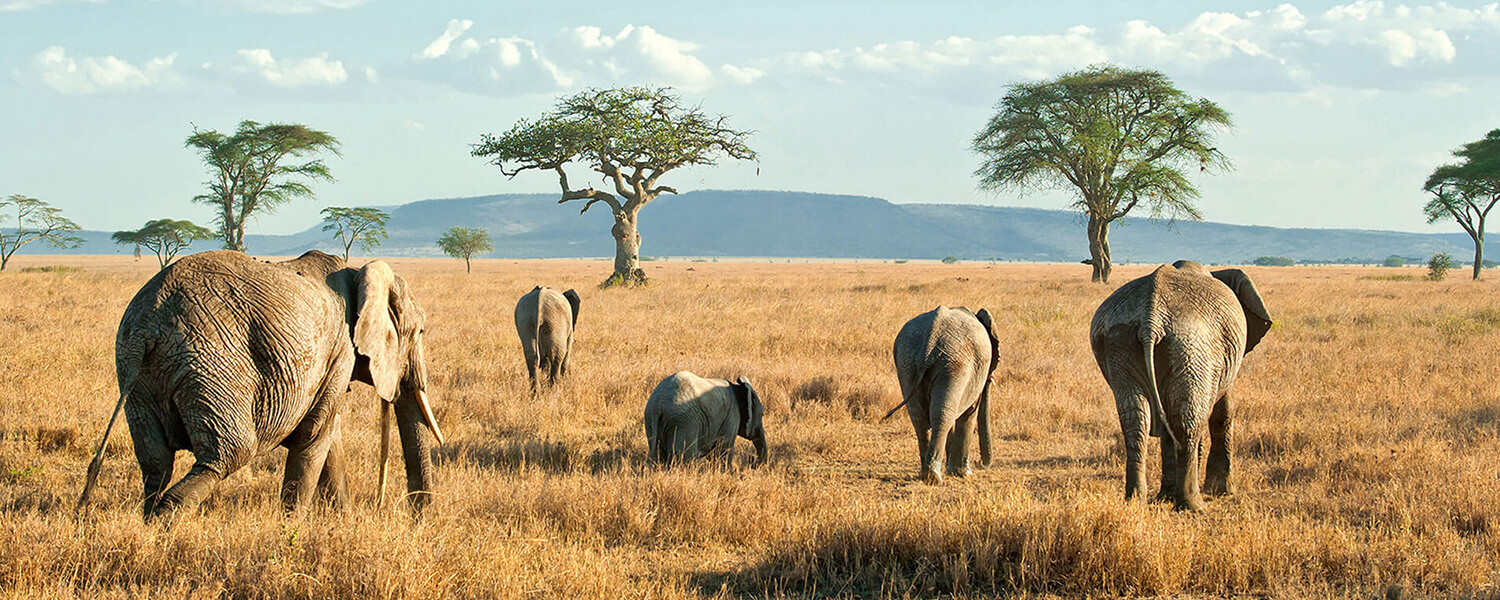
The best time for a 7-day Tanzanian safari for optimal wildlife viewing is during the dry season (June to October), especially for witnessing the Great Migration. The dry season provides easier game viewing as animals gather at water sources. For a more budget-friendly option with fewer crowds but still good wildlife, the shoulder season (January to March) is excellent.
Popular Tanzania safari tour packages
7-days-best-great-wildebeest-migration-safari-in-tanzania
7-days-epic-africa-big-five-safari-in-tanzania-top-best-parks
7-days-budget-tanzania-safari-affordable-africa-budget-safari
7-days-kilimanjaro-climb-and-hiking-safari-ascent-to-peak
7-days-tanzania-wildlife-safari-africa-safari-tour-best-park-visits
7-days-best-southern-tanzania-safari-parks-nyerere-mikumi-ruaha-and-udzungwa
7-day-best-zanzibar-beach-holidays-combo-to-ruaha-and-mikumi-safari-parks
7-days-zanzibar-beach-activities-and-chimpanzee-tracking-in-mahale-mountains
Peak Dry Season (June to October)
The peak dry season from June to October is considered the prime time for a 7 days Tanzania safari. During these months, wildlife viewing is at its best, as animals congregate around dwindling water sources, making them easier to spot. The dry weather enhances the overall safari experience, with clear skies and comfortable temperatures ideal for game drives.
One of the most remarkable highlights during this period is the Great Migration, where millions of wildebeest and zebras traverse the plains of the Serengeti. From June to September, the migration is concentrated in the northern Serengeti, where dramatic river crossings occur. This spectacle of wildebeest leaping into the Mara River, often pursued by hungry crocodiles, is a must-see for any wildlife enthusiast.
However, this peak season also brings some downsides. It’s the busiest time for tourism, which means higher prices for accommodations and tours, as well as larger crowds in popular areas. For those looking to experience the breathtaking sights of the migration and enjoy optimal wildlife viewing, the peak dry season remains unmatched.
For a well-rounded adventure, consider including diverse activities in your 7 days Tanzania safari itinerary, such as cultural visits and guided walks, to enrich your experience beyond just wildlife sightings.
Shoulder Season (January to March)
The shoulder season from January to March offers a unique opportunity for a 7 days Tanzania safari. This period is characterized by good wildlife viewing and fewer crowds compared to the peak season, making it a more tranquil experience for visitors. Additionally, prices for accommodations and tours are generally lower, providing a more budget-friendly option for those looking to explore Tanzania.
One of the most remarkable highlights during this time is the wildebeest calving season in the southern Serengeti. Here, thousands of calves are born, creating a vibrant spectacle as the landscape comes alive with new life. This event not only draws the attention of wildlife enthusiasts but also attracts many predators, including lions and hyenas, eager to take advantage of the vulnerable young animals. Witnessing this natural drama unfold offers an incredible chance for photographers and nature lovers alike.
While the calving season is a significant attraction, it does come with its challenges. The presence of predators can lead to intense interactions, and some visitors may find the emotional dynamics of nature difficult to watch. Nevertheless, the unique combination of fewer tourists and the captivating sights of new life make the shoulder season a compelling choice for a 7 days Tanzania safari. Consider incorporating diverse activities to enhance your adventure during this vibrant time.
When to Avoid: Long Rainy Season (March to May)
The long rainy season from March to May is generally considered a less favourable time for a 7 days Tanzania safari. During this period, heavy rains can make some park roads inaccessible, posing challenges for transportation and wildlife viewing. The unpredictable weather can lead to muddy conditions, which may hinder game drives and limit your ability to explore the parks fully.
While the rain can put a damper on some activities, the lush landscape that emerges during this time has its own appeal. The vibrant greenery attracts numerous herbivores, which can be a delight for wildlife enthusiasts looking to see animals in a different environment. This is also an excellent time for birdwatchers, as migratory species flock to the region, creating a colourful and dynamic avian landscape.
However, the trade-off for these beautiful scenes is the decreased likelihood of spotting larger predators, as their movements can be affected by the weather. Additionally, the heavier rain can lead to fewer tourists, which might appeal to those seeking solitude but may also mean that some lodges and camps close during this period.
In summary, while the long rainy season offers unique opportunities, planning a 7 days Tanzania safari during this time can be challenging. Consider alternative dates to ensure a more predictable and rewarding experience.
Key Considerations for Your 7-Days Tanzania safari Trip
Witnessing the Great Migration
If witnessing the Great Migration is your primary goal during your 7-day trip to Tanzania, timing is crucial. The period between June and September is considered the peak for river crossings, particularly in the northern Serengeti. During this time, millions of wildebeest and zebras embark on their epic journey, facing treacherous river crossings where they must navigate past lurking crocodiles. This dramatic spectacle offers incredible photographic opportunities and is a highlight for many safari-goers.
In addition to the river crossings, you’ll also have the chance to see large predators, such as lions and hyenas, taking advantage of the vulnerable wildebeest. This makes for a thrilling experience as nature’s drama unfolds. However, be prepared for larger crowds, as this is peak tourist season, which can lead to higher prices for accommodations and tours.
If your heart is set on this extraordinary event, planning your 7 days Tanzania safari around these dates ensures you won’t miss out on one of nature’s most captivating displays, where the struggles and triumphs of wildlife create a vivid tapestry of life in the Serengeti.
Budget vs. Experience
When planning your 7-day trip to Tanzania, it’s essential to balance your budget with your desired experience. If you aim for the best wildlife sightings and are willing to pay peak prices, the dry season from June to October is ideal. This period offers exceptional opportunities for viewing iconic species, such as elephants, lions, and giraffes, as they congregate around water sources. However, this comes at a cost, with higher prices for accommodations and tours, as well as larger crowds.
On the other hand, if you prefer a more affordable trip with fewer tourists, consider traveling during the shoulder season from January to March. This period still provides good wildlife viewing, particularly with the calving season in the southern Serengeti, where you can see newborn calves and the predators that follow them. While you might not witness the Great Migration’s River crossings, the experience can be equally rewarding in a less crowded environment.
Ultimately, reflecting on your priorities—whether they lean toward maximizing wildlife sightings or minimizing costs—will help you curate the perfect 7 days Tanzania safari experience that suits your needs.
Flexibility
Flexibility is a key consideration for your 7-day trip to Tanzania. The wildlife experience can vary significantly depending on the time of year and specific locations within the country. While the Great Migration is a major draw, different parts of the migration occur year-round, allowing for excellent wildlife viewing at various times. For example, the calving season in the southern Serengeti from January to March presents a unique opportunity to see thousands of newborn wildebeest, attracting predators like lions and hyenas.
By being flexible with your travel dates, you can take advantage of specific wildlife events that align with your interests. Even outside peak migration times, Tanzania offers rich wildlife experiences, including diverse birdwatching opportunities and encounters with other animals, such as elephants in Tarangire National Park or the unique wildlife of Ngorongoro Crater.
Consider planning your itinerary based on the wildlife you wish to see, rather than strictly adhering to peak seasons. This adaptability can enhance your 7 days Tanzania safari experience, allowing you to witness the beauty of Tanzania's natural landscape and its incredible wildlife, no matter the time of year.
Best time for 7 days Tanzania safari and wildebeest migration
The best time for a 7-day Tanzania safari focusing on the wildebeest migration is July to September to witness the dramatic Mara River crossings in the Northern Serengeti. Alternatively, late January to February is ideal for the calving season, with large herds gathered in the Southern Serengeti. Your choice depends on whether you prioritize river crossings or the birth of thousands of calves
For River Crossings (July - September)
If you're planning a 7-day trip to Tanzania, experiencing the river crossings between July and September in the northern Serengeti is a must. During this period, millions of wildebeest and zebras embark on their perilous journey across the Mara River, navigating strong currents and the lurking threat of crocodiles. The sight of these animals leaping into the water, often in dramatic fashion, creates a spectacle that leaves an indelible mark on any wildlife enthusiast.
What to expect during this time is not just the sheer number of animals crossing but the tension that builds as they approach the riverbank. The dramatic moments of hesitation and the chaos of the crossing itself provide captivating photographic opportunities. You'll also witness the intense predator interactions, as lions and crocodiles take advantage of the vulnerable wildebeest.
However, it's important to note that this peak season attracts many tourists, resulting in larger crowds and potentially longer wait times at popular viewing spots. This influx can affect the overall experience, as you'll need to share this breathtaking moment with many others. Despite the crowds, the excitement and natural drama of the river crossings make it a highlight of any 7 days Tanzania safari, ensuring unforgettable memories of one of nature’s greatest events.
For the Calving Season (January - February)
For those interested in a 7-day trip to Tanzania, the calving season from January to February is an extraordinary time to visit the southern Serengeti and the Ndutu region. During this period, over half a million wildebeest calves are born, creating a vibrant scene that signifies the start of new life in the wild. This event attracts numerous predators, including lions, cheetahs, and hyenas, all drawn to the abundance of vulnerable young animals.
What to expect during the calving season is a fascinating glimpse into the natural cycles of life. The landscape transforms into a nursery of sorts, with mothers caring for their newborns while the surrounding predators remain ever-watchful, ready to pounce on the opportunity for an easy meal. This dynamic creates significant predator activity, providing thrilling encounters for wildlife watchers.
One of the advantages of traveling during this time is the relatively fewer tourists compared to the peak season, allowing for a more intimate experience with the wildlife. However, it’s worth noting that the herds can be more dispersed than during the river crossings, which means you might have to search a bit for the action. Despite this, witnessing the miracle of life and the ensuing predator-prey interactions makes the calving season a compelling choice for any 7 days Tanzania safari adventure.
Considerations for a 7-Day Tanzania Safari and wildebeest migration
Focus on a Specific Region
When planning a 7-day Tanzania safari, it’s essential to concentrate on a specific region to maximize your wildlife viewing experience. Each area in Tanzania offers unique opportunities, influenced by the seasons and migration patterns. For example, if you aim to witness the Great Migration, focusing on the northern Serengeti during July to September is ideal for river crossings. Alternatively, visiting the southern Serengeti during the calving season from January to February provides an incredible chance to see newborn calves and the predators that follow them.
By concentrating on a particular region, you can immerse yourself in the local ecosystem and take advantage of optimal wildlife sightings. This focused approach allows for more in-depth exploration, enhancing your overall experience. Whether you choose the dramatic river crossings or the vibrant calving season, dedicating your 7 days Tanzania safari to one key area ensures you won't miss the spectacular wildlife events that define Tanzania's natural beauty.
Consult with a Safari Operator (Roads of Adventure Safaris)
The timing of the migration can vary each year due to fluctuations in rainfall, making it crucial to consult with a safari operator when planning your 7-day Tanzania safari. These experts have up-to-date knowledge of animal movements and can provide valuable insights into the best times to visit specific regions. For instance, if you’re aiming to witness the river crossings in the northern Serengeti, a reliable operator can inform you about the current status of the migration and suggest the ideal time for your trip.
Additionally, safari operators can help tailor your itinerary to include other remarkable experiences, ensuring you don’t miss out on key wildlife events. Their expertise can be instrumental in navigating logistics, such as accommodations and park access. Engaging with a knowledgeable safari operator will enhance your chances of having a successful and memorable 7 days Tanzania safari, allowing you to fully appreciate the dynamic wildlife landscape of the region.
Combine with Ngorongoro Crater
To enrich your 7-day safari experience, consider combining a Serengeti migration safari with a visit to the nearby Ngorongoro Crater. This UNESCO World Heritage Site is renowned for its stunning landscapes and high concentration of wildlife, making it a perfect complement to your Serengeti adventure. The crater is home to a diverse array of animals, including the Big Five: lions, elephants, buffalos, leopards, and rhinos, all within a compact area.
Visiting the Ngorongoro Crater allows you to experience a different ecosystem and witness wildlife in a unique setting. The contrast between the vast plains of the Serengeti and the lush crater floor enhances your overall safari journey. Additionally, the crater's relatively stable wildlife population makes it an excellent spot for sightings, regardless of the season. By incorporating both the Serengeti and Ngorongoro Crater into your 7 days Tanzania safari, you’ll enjoy a well-rounded and unforgettable wildlife experience that captures the essence of Tanzania’s natural beauty.
A typical 7-day wildebeest migration safari in Tanzania allows you to explore some of the country’s most iconic wildlife areas. Your trip begins in Arusha, the starting point for many safaris, before heading to Tarangire National Park, famous for its large elephant herds and unique baobab trees. From there, you'll travel to the vast Serengeti, where millions of wildebeest and zebras move in search of fresh grazing. This migration creates excellent opportunities for wildlife viewing. After spending time tracking the herds, you’ll visit the Ngorongoro Crater, celebrated for its high concentration of wildlife. This itinerary helps you make the most of your time in Tanzania, ensuring each day is filled with remarkable wildlife interactions.
Day 1: Arrival in Arusha
Upon arrival at Kilimanjaro International Airport (JRO), you’ll be welcomed and transferred to your accommodation in Arusha. Take this time to relax and adjust before your safari begins. Your guide will meet with you to discuss the itinerary and share insights about the regions you will explore and the wildlife you might see. This day is essential for preparing for the days ahead. Enjoy an evening meal featuring local cuisine and rest well, as the upcoming days will be filled with wildlife observation and exploration.
Day 2: Arusha to Tarangire National Park
After breakfast, depart for Tarangire National Park, known for its diverse wildlife and iconic baobab trees. The drive takes about two to three hours, leading you into a park rich in animal life. Once you arrive, set out on an afternoon game drive, where you can spot large herds of elephants, along with giraffes, zebras, and various antelope species. Tarangire is also home to numerous bird species, making it a great spot for birdwatching. This initial game drive sets the stage for the wildlife observations to come during your 7-day wildebeest migration safari.
Day 3: Tarangire to Serengeti National Park
After breakfast, travel to Serengeti National Park, a vast area known for the annual wildebeest migration. The drive takes approximately three to four hours. As you enter the park, keep an eye out for wildlife along the way. Begin your game drives in the Serengeti with a focus on locating the migrating herds. You may see lions, cheetahs, and elephants as you explore the park. The diverse habitats in the Serengeti create numerous opportunities for spotting different animals, making this day an exciting start to your time in the national park.
Day 4 & 5: Full Days in Serengeti National Park
Spend these two days exploring the Serengeti with full-day game drives aimed at tracking the wildebeest migration. Move through various regions of the park, following the herds as they traverse the plains. Look for river crossings, particularly at the Grumeti River, where the wildebeest face challenges from both the water and crocodiles. Each game drive presents chances to observe the dynamics of predator and prey. With ample time for wildlife photography and observations, these days highlight the remarkable animal behaviours and interactions that occur during your 7-day wildebeest migration safari.
Day 6: Serengeti to Ngorongoro Crater
After a final morning game drive in the Serengeti, enjoy breakfast before driving to the Ngorongoro Conservation Area, taking about two to three hours. Once you arrive, descend into the Ngorongoro Crater, known for its high wildlife concentration. Spend the afternoon on a game drive within the crater floor, where you can see elephants, lions, and rhinos. The varied habitats within the crater create excellent wildlife viewing opportunities. This visit contrasts with the open plains of the Serengeti, allowing you to observe different animal behaviors in this unique setting.
Day 7: Ngorongoro Crater to Arusha & Departure
On your final day, start with an early morning game drive on the Ngorongoro Crater floor to enjoy the early light. This time is great for spotting wildlife as they become active in the cooler morning hours. After your drive, return to Arusha, where you may have time for a brief rest or some last-minute shopping before your outbound international flight. Reflect on the experiences and encounters during your 7-day wildebeest migration safari, filled with remarkable wildlife sightings and the beauty of Tanzania's parks.
Accommodation Options for 7 Days Tanzania Safari
- Luxury Lodges
- Experience comfort in luxury lodges that offer stunning views and top-notch amenities. These accommodations often feature private balconies, gourmet dining, and personalized service. Located close to key wildlife areas, they provide an ideal base for your 7-day Tanzania safari while ensuring a relaxing atmosphere after a day of adventure.
- Mid-Range Tented Camps
- Enjoy the charm of mid-range tented camps that combine comfort with an authentic safari experience. These camps often feature spacious tents with en-suite bathrooms and communal dining areas. Set in prime wildlife locations, they allow you to be close to nature while still providing essential comforts during your 7-day Tanzania safari.
- Budget Lodges
- For budget-conscious travellers, budget lodges offer basic yet comfortable accommodations. These lodges provide essential amenities and are often located near national parks. While simpler, they still allow you to enjoy the beauty of Tanzania without breaking the bank, making them a practical choice for your 7-day Tanzania safari.
- Mobile Camps
- Experience a unique adventure with mobile camps that move with the migration. These camps provide a more immersive experience, allowing you to be close to the action. Equipped with comfortable tents and communal spaces, mobile camps are perfect for those seeking an adventurous spirit during their 7-day Tanzania safari.
Booking 7 days Tanzania safari with Roads of Adventure Safaris
Booking your 7-day Tanzania safari with Roads of Adventure Safaris ensures a tailored experience that meets your needs. Our knowledgeable guides provide insights into wildlife and the best viewing spots. We handle all logistics, from accommodations to meals, allowing you to focus on enjoying the journey. Trust us to create memorable moments in Tanzania
