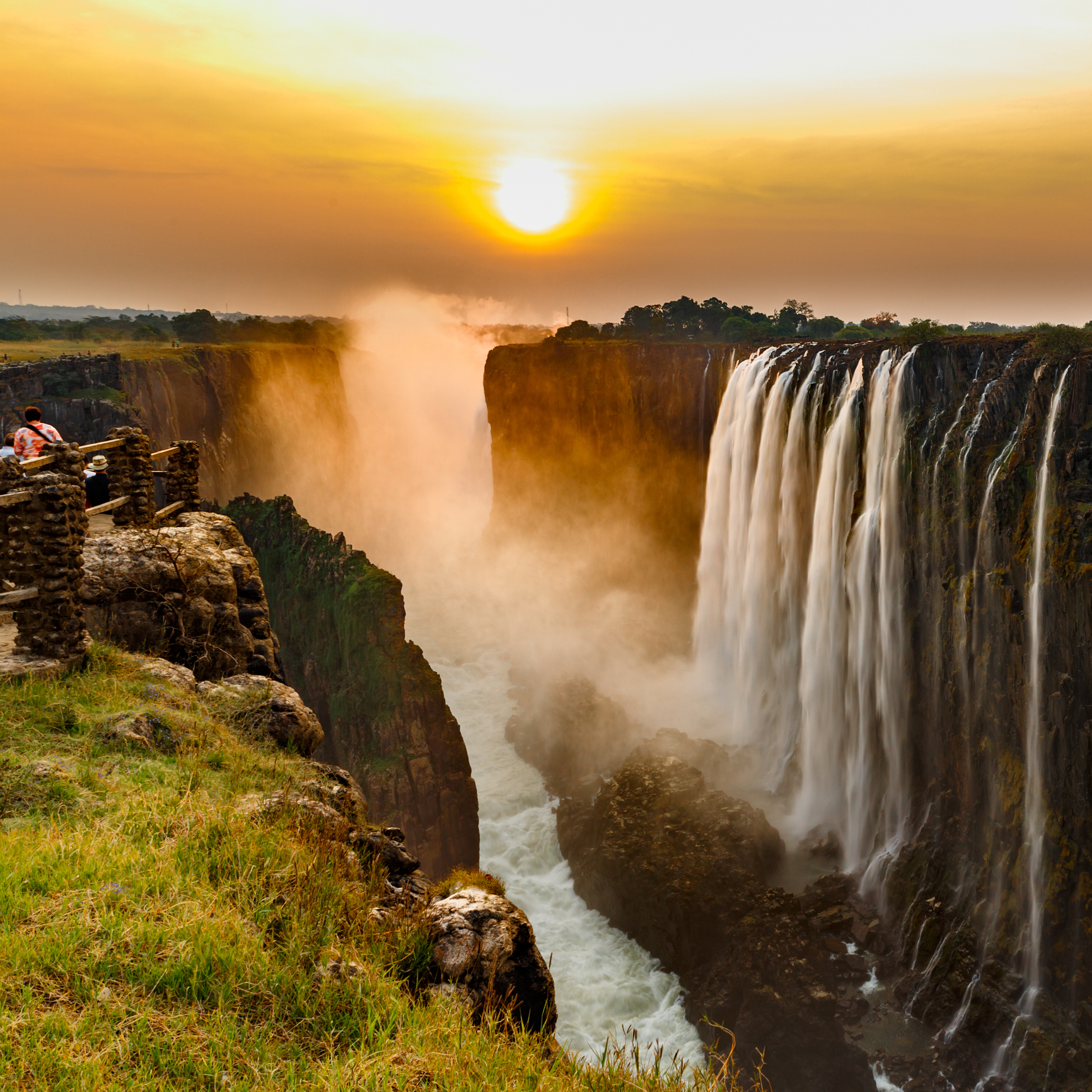
The best Southern Africa safari for first-time visitors is a combination of South Africa’s Big Five (Kruger), the breathtaking Victoria Falls (Zimbabwe/Zambia), and the scenic beauty of Cape Town, often with a stop in Botswana. These itineraries are highly recommended because they offer a mix of adventure, culture, and high-quality wildlife viewing.
17-days-south-africa-safari-tour-botswana-zimbabwe-and-zambia-safari-tour-ending
15-days-best-of-zambia-safari-and-victoria-falls-tour-package
8-days-perfect-zambia-wildlife-safari-escape-and-victoria-falls-tour
9-days-ultimate-zambia-safari-tour-to-best-zambia-wildlife-parks
7-days-south-luangwa-and-lower-zambezi-safari-in-zambia
6-days-in-zambia-safari-parks-discovering-south-luangwa-and-lower-zambezi
5-days-canoe-and-safari-in-zambia-lower-zambezi-national-park
3-days-livingstone-town-and-honeymoon-victoria-falls-tour-for-couples
3-days-best-victoria-falls-tour-from-zambia-zimbabwe-to-botswana-safari-in-chobe-park
21-days-exceeding-botswana-safari-itinerary-all-inclusive-tour-package
16-days-botswana-safari-hwange-and-victoria-fall-tour
15-days-best-of-botswana-and-zimbabwe-safari-holiday-vacation-southern-africa-safari
14-best-botswana-safari-holiday-tour-itinerary-to-botswana-safari-parks
14-days-best-safari-in-africa-to-best-botswana-safari-parks
13-days-best-botswana-tour-to-zimbabwe-safari-holiday-and-zambia-safari-tours
12-days-best-of-hwange-victoria-falls-chobe-and-okavango-delta-botswana-safari
11-days-un-comparable-best-botswana-safari-itinerary-and-optional-victoria-falls-tour
10-days-best-luxury-family-botswana-safari-itinerary
9-days-best-safari-in-botswana-and-victoria-falls-tour-zimbabwe-side
8-days-best-zimbabwe-botswana-safari-all-inclusive-tour-package-from-victoria-falls
8-days-exciting-botswana-safari-holiday-vacation-in-okavango-delta-moremi-and-chobe
8-day-ultimate-zimbabwe-and-botswana-safari-chobe-moremi-and-victoria-falls-trip
7-days-perfect-victoria-falls-tour-hwange-and-chobe-zimbabwe-safari-tour
7-days-budget-botswana-safari-okavango-delta-moremi-and-chobe-riverfront
7-days-fly-in-and-out-of-okavango-delta-luxury-botswana-safari-experience
7-days-exclusive-luxury-botswana-safari-tour-package
7-days-best-botswana-safari-to-makgadikgadi-pans-okavango-delta-and-chobe
7-days-best-africa-big-cats-botswana-safari-itinerary
7-days-best-botswana-safari-combined-with-namibia-safari-tour-southern-africa-safari
6-day-best-victoria-falls-tour-chobe-and-hwange-zambia-wildlife-safari-holiday
3-days-chobe-national-park-botswana-safari-tour-package-from-victoria-falls-town
Top Recommended Southern Africa safari tour package for First time Visitors to Africa
- Best of Southern Africa: Cape Town, Safari & Falls (10-12 Days): A quintessential, popular route combining the vibrant city of Cape Town (Table Mountain, Winelands), safari in the Kruger National Park area (Sabi Sands), and the majestic Victoria Falls.
- Essential South Africa & Victoria Falls (11 Days): This classic, often escorted package typically includes 4 nights in Cape Town, 2 nights in the Limpopo safari region (Kruger), and 2 nights in Victoria Falls, featuring guided game drives and city tours.
- Southern Africa Highlights (Botswana & Vic Falls) (10-14 Days): This itinerary focuses on the "Big Five" in Chobe National Park, Botswana, a boat safari on the Chobe River, a sunset cruise on the Zambezi River, and a visit to Victoria Falls.
- Luxury Safari & Falls Experience (8-10 Days): Focuses on high-end accommodation in Greater Kruger (e.g., Sabi Sands), a flight to Victoria Falls, and optional experiences like scenic helicopter flights ("Flight of Angels").
What is the best time to visit Southern Africa?
The best time to visit Southern Africa is during the dry winter months, from May to October. These months encompass some of the region's most favorable weather conditions and prime wildlife viewing opportunities. As the dry season progresses, animals congregate around water sources, making it easier to spot and observe them. The landscape transforms, with less vegetation, providing clearer sightlines.
During this period, especially in popular locales like Kruger National Park or Etosha National Park, temperatures are cooler, ranging from mild to warm during the day and cooler at night. Wildlife activity increases as animals become more mobile in search of water and food. Additionally, the dry season minimizes the risk of malaria, making it a more comfortable and safer time for visitors.
While this window is ideal for wildlife enthusiasts, it’s essential to book accommodations and tours well in advance, especially in famous reserves, as they tend to fill quickly during peak season. Moreover, the prevailing conditions, along with the spectacular sunsets and early morning light, enhance the photographic possibilities, making this a truly exceptional time for safaris and explorations throughout the region.
What is included in a typical safari tour package?
A typical safari tour package offers a comprehensive and immersive experience, blending adventure with comfort. Primarily, these packages include accommodation, whether in luxurious lodges or cozy tented camps, providing a range of options to suit various budgets and preferences. Guests are generally offered full board, including meals prepared on-site to showcase local flavors and ingredients.
Guided game drives are central to the safari experience, allowing travelers to explore the wildlife-rich environments with professional guides knowledgeable about animal behavior and the ecosystems. These drives occur at optimal times, such as dawn and dusk, when animal activity is heightened. The package also encompasses entrance fees to national parks and reserves, ensuring that guests experience the incredible biodiversity that Southern Africa has to offer.
Some packages may include additional activities such as walking safaris, boat safaris, or cultural visits, offering deeper engagement with local communities and conservation efforts. Transportation within the safari area is typically organized, whether via vehicles or light aircraft, ensuring a seamless experience. Ultimately, a well-crafted safari package delivers an unforgettable adventure, allowing travelers to connect with nature and create lasting memories.
Is a Southern Africa safari safe for beginners?
Yes, a Southern Africa safari is considered very safe for beginners, particularly when organized through reputable and experienced tour operators. Many safari companies prioritize the safety of their guests, employing knowledgeable guides familiar with local wildlife, safety protocols, and emergency procedures. These experts ensure that even those new to safari experiences feel comfortable and secure throughout their journey.
Transportation is generally through well-maintained vehicles, and guided trips provide additional layers of safety by informing guests about appropriate behavior around wildlife. Safety briefings are commonplace, ensuring that all participants understand the do's and don’ts on safari, which helps mitigate risks related to wildlife encounters. Furthermore, significant efforts are made to maintain the security of camps and lodges, with many situated in protected areas monitored by rangers.
It's essential for beginners to follow guidance from their safari operators, dress appropriately, and stay attentive during game drives or walking safaris. By being mindful of the surroundings and prepared for safe wildlife encounters, beginners can enjoy a rewarding and thrilling experience while discovering the remarkable landscapes and animals of Southern Africa.
Do I need malaria medication for a Southern Africa safari?
The need for malaria medication during a Southern Africa safari depends on the specific regions you plan to visit and the time of year. Malaria is a risk in some areas, particularly in northern parts of South Africa, such as Kruger National Park, as well as in Botswana, Zimbabwe, and parts of Namibia. However, many safari hotspots, especially in the arid southwestern regions, have low or no malaria risk.
It is crucial to consult a healthcare professional before your trip to get tailored advice based on your itinerary. Doctors may recommend anti-malarial medications if traveling to higher-risk areas, especially during the wet season when mosquito populations peak. In addition to medication, travelers should employ preventive measures, such as using insect repellent, wearing long sleeves and trousers in the evenings, and sleeping under mosquito nets in areas where malaria is prevalent.
By taking these precautions and discussing options with your doctor, you can significantly reduce the risks associated with malaria and ensure a healthier and more enjoyable safari experience. Overall, awareness and preparation are the keys to navigating health considerations during your adventure in Southern Africa.
How do I get close to the Big Five?
To get close to the Big Five—lions, leopards, elephants, buffaloes, and rhinoceroses—consider visiting private game reserves such as Sabi Sands or Timbavati in South Africa. These reserves offer unique advantages that set them apart from public areas. Private reserves typically have fewer vehicles and more expansive territories, enhancing your chance of close wildlife encounters without the crowds often found in national parks.
Guided game drives conducted by experienced rangers provide insights into animal behavior and habitats, significantly improving your chances of witnessing these iconic animals. Furthermore, many private reserves allow off-road driving, which enables vehicles to venture closer to wildlife sightings. This flexibility often results in thrilling moments that are both intimate and educational.
In addition, early morning and evening game drives maximize the potential for encountering the Big Five, as animals are more active during these cooler periods. Staying overnight at a lodge within the reserve ensures that you can participate in night drives, offering opportunities to spot leopards and other nocturnal species.
Choosing lodges that emphasize ethical wildlife viewing and sustainable tourism can also enhance your experience, providing deeper connections to the animals and their environments.
What clothing should I pack for safari?
When preparing for a safari in Southern Africa, choosing the right clothing is essential for comfort, safety, and enjoyment. Neutral-colored clothing in shades like khaki, beige, and brown is highly recommended as it blends seamlessly into the natural environment and minimizes visibility to wildlife. Avoid bright colors, as these can startle animals and detract from the safari experience.
Layering is crucial due to temperature fluctuations in the savannah. Mornings and evenings can be quite chilly, while daytime temperatures can soar. Light, breathable fabrics are ideal for daytime activities, while warmer layers like fleece or a light jacket are essential for cooler mornings and evenings. A wide-brimmed hat provides protection from the sun, and sunglasses can shield your eyes from the bright light.
Sturdy, comfortable shoes are a must, as safaris often include walking safaris or hikes. Packing lightweight, breathable socks will further enhance comfort on foot. Lastly, don’t forget a waterproof jacket to prepare for unexpected rain, ensuring you remain comfortable throughout your adventure. By packing wisely, you can fully enjoy the stunning landscapes and wildlife encounters that Southern Africa has to offer.
Do I need a visa to visit South Africa?
Visa requirements for visiting South Africa vary significantly based on your nationality and the duration of your stay. Many Western countries, including the United States, Canada, and various European nations, do not require a visa for stays of up to 90 days for tourism purposes. However, travelers from other regions may need to apply for a visa in advance.
Before your trip, it’s crucial to check the specific entry regulations for your nationality on the official South African government website or through a local consulate. Being organized and informed ensures that you have all necessary documentation and avoid any last-minute complications.
In addition to the visa, travelers should ensure their passports have at least six months of validity remaining and have a couple of blank pages for entry and exit stamps. It’s also wise to carry copies of important documents, including your travel insurance and itinerary, to present if required.
Planning ahead and staying informed about visa regulations will contribute to a smoother travel experience as you embark on your safari adventure in Southern Africa.
How much cash should I bring on safari?
When planning a safari, it is advisable to bring an adequate amount of cash for various expenses, while also considering the balance with credit or debit cards. It’s recommended to bring US dollars, as they are widely accepted in many parts of Southern Africa, particularly in tourist areas. The key uses for cash during your safari will typically include tips for your guides and staff, souvenirs, and local currency needs for smaller establishments.
For tipping, the general guideline suggests around $10 to $20 per person per day for your safari guide. It’s prudent to have small denominations to make tipping easy without needing change. Local currency may also be essential for small purchases or dining outside the lodge, where they might not accept cards.
However, it’s important to inform your bank of your travel plans to avoid issues with card transactions overseas. ATMs are available in larger towns, but these can be few and far between in remote areas, so make sure to withdraw sufficient cash when you have the opportunity. Ultimately, a balanced approach using both cash and cards will ensure that you are fully prepared for your safari adventure and its various opportunities.
Will I have internet access during my safari?
Internet access availability during a safari can vary significantly depending on your location and the accommodation you choose. Many lodges and camps provide Wi-Fi in common areas, enabling guests to check in with family, share their experiences, or catch up on news. However, it’s worth noting that the connection speed may not be as fast or reliable as what you might be accustomed to at home, particularly in remote or rural areas.
In more luxurious or higher-end lodges, connectivity may be better, but don’t expect consistent access in the heart of the wilderness. During early morning or late evening activities, when connectivity is typically less crowded, you might have a better experience.
If internet access is essential during your safari, consider bringing a mobile hotspot or checking with your lodge about cellular service availability. It’s also a great opportunity to disconnect and immerse yourself in the natural surroundings, allowing for a more genuine safari experience. Regardless of access, remember that these moments of exploration, connection with nature, and adventure are truly invaluable.
How many days do I need for a good safari?
For a fulfilling safari experience, a duration of 3 to 5 days is typically recommended, allowing for an immersive exploration of one or two prime wildlife areas. This timeframe ensures you can engage in multiple game drives, enhancing your opportunities to spot a diverse range of animals and witness varying behaviors throughout different times of the day.
Spending 3 days in one key location, such as Kruger National Park or Etosha National Park, provides ample time to discover the unique ecosystems, landscapes, and wildlife that characterize these regions. Many wildlife encounters occur during dawn and dusk, so having multiple days allows you to participate in these early and late game drives consistently.
For those who wish to explore different regions, a 5-day safari that includes 2 days in one area and 2-3 days in another enhances your chances of witnessing a broader spectrum of wildlife. This approach allows a more varied experience of distinct landscapes and wildlife interactions, providing a greater sense of Southern Africa’s biodiversity. Whether opting for a quick safari or an extended journey, planning according to your interests will enhance the entire experience.
Should I fly or drive between game lodges?
When traveling between game lodges in Southern Africa, the choice between flying or driving greatly depends on personal preferences, distance, and the time available for your safari. Flying, typically via light aircraft, offers speed and efficiency. It allows travelers to cover larger distances quickly, granting more time for wildlife viewing or relaxation. Small planes usually land at airstrips close to lodges, ensuring minimal transit time.
On the other hand, driving offers a scenic experience, allowing you to soak in the captivating landscapes and wildlife along the route. Many lodge transfers involve picturesque drives through national parks or reserves, providing opportunities to spot animals en route. This option can be more economical, especially for families or larger groups.
Additionally, driving can allow for flexible stops along the way, enriching your safari adventure with spontaneous wildlife viewing opportunities. Ultimately, both modes of transportation have their unique benefits, and many travelers opt for a combination of both flying and driving to optimize their Southern Africa safari experience.
Is it safe to drink the water on safari?
During a safari in Southern Africa, it is generally advisable to avoid drinking tap water, even in major cities, due to potential water quality issues. Instead, opt for bottled water provided by your accommodation or camp, ensuring proper hydration throughout your adventure. Most reputable lodges and safari operators prioritize guest safety and provide filtered water for drinking.
For the most part, drinking bottled or filtered water will keep you safe from any waterborne illnesses that could disrupt your experience. In more remote areas, such as some bush camps, guides typically provide safe drinking water. Be aware and check with the lodge or camp about water sources and treatment methods.
Carrying a reusable water bottle can also be a sustainable choice on safari. Ask your lodge if they offer refillable options, allowing you to reduce plastic waste while remaining hydrated. Ultimately, paying attention to drinking water safety will contribute to a worry-free and enjoyable safari experience in Southern Africa.
Are there luggage restrictions on small safari planes?
Yes, there are often strict luggage restrictions when flying on small safari planes within Southern Africa, typically allowing a limit of 15 to 20 kilograms (33 to 44 pounds) per person. These restrictions require travelers to pack efficiently to comply with safety regulations. Because of space constraints on smaller aircraft, soft-sided bags are usually preferred over hard-shell suitcases, making it easier to pack and store luggage aboard.
When preparing for your safari, consider using lightweight travel bags, packing versatile clothing, and minimizing unnecessary items. It’s a good idea to prioritize essential items, ensuring that you have everything needed for your safari while complying with weight restrictions.
In some cases, lodges may offer laundry services, allowing travelers to reduce the amount of clothing needed. Checking with your airline or tour operator for specific luggage guidelines is also important, as they can provide you with the necessary information to prepare accordingly. By adhering to these guidelines, you can enjoy a smooth transition between safari locations without luggage-related hassles.
What is a "sundowner" in the bush?
A "sundowner" is a cherished tradition in Southern Africa, where travelers enjoy a refreshing drink while witnessing the breathtaking beauty of sunset over the African landscape. Typically, this experience occurs at the end of a day filled with wildlife viewing, creating the perfect opportunity to unwind and reflect on the day’s adventures.
As the sun begins to set, safari guides often find a scenic viewpoint—perhaps overlooking a vast savannah or a tranquil river—providing a stunning backdrop for this relaxing ritual. Guests are served a selection of drinks, which may include local wines, spirits, or refreshing non-alcoholic options. This moment provides more than just a drink; it creates an ambiance of camaraderie and connection with nature, allowing guests to soak in the serene atmosphere while watching the sky transform into vibrant hues of orange and pink.
Sundowners exemplify the magical feeling of being immersed in the wild, combining comfort with the raw beauty of the African bush. This delightful experience adds a memorable element to any safari, emphasizing the region’s charm and beauty.
Can children go on a safari with us?
Yes, many lodges and safari operators in Southern Africa welcome children, offering family-friendly experiences tailored to all ages. A variety of accommodations cater to families, providing amenities such as junior ranger programs, kid-friendly activities, and special accommodations to ensure that younger guests feel included during their safari adventure.
Many safari lodges run educational programs that engage children with wildlife conservation themes, offering hands-on experiences and guided walks that ignite curiosity about the environment. These programs emphasize learning and fun, encouraging kids to connect with nature and understand the importance of wildlife preservation.
Nonetheless, it's essential to check with the specific lodges or safari operators about their age restrictions, as some locations may have age limits for game drives or walking safaris due to safety considerations. Proper planning ensures that families can enjoy memorable experiences together while discovering the wonders of Southern Africa's wildlife and landscapes. Ultimately, a family safari can be a rewarding adventure for children and adults alike, fostering a spirit of adventure and appreciation for nature.
How much should I tip my safari guide?
Tipping your safari guide is an important part of the safari experience and is generally expected in Southern Africa. The typical guideline suggests tipping around $10-$20 USD per person per day, depending on the level of service and the quality of the experience provided. This monetary appreciation recognizes the hard work and dedication of guides who enhance your safari adventure with their knowledge and expertise.
Before offering a tip, consider the group's dynamics and whether the guide is leading a group or offering private guiding services. In private tours, it is customary to tip more generously, reflecting the personalized experience received. Tipping can be done at the end of your safari or as each activity concludes, depending on what feels appropriate.
Aside from monetary tips, consider expressing gratitude verbally or writing a positive note to your guide, recognizing their efforts. This added gesture contributes to a meaningful exchange, acknowledging the guides’ passion and dedication to enhancing your journey through the wild. Ultimately, tipping is a way to show appreciation and support the local economy, making a positive impact on the tourism industry in the region.
What is the difference between a lodge and camp?
The primary difference between a lodge and a camp in the context of safari accommodations lies in the structure, amenities, and overall experience. Lodges are typically permanent facilities built with brick or stone, offering a range of comforts and services. They often provide luxurious accommodations and amenities like en-suite bathrooms, restaurants, and swimming pools, catering to those seeking a more upscale safari experience.
In contrast, tented camps offer a more rustic, close-to-nature experience, often set up in secluded locations within or near wildlife reserves. These camps may use canvas tents or structures that blend seamlessly into the environment while providing essential comforts like beds, private bathrooms, and sometimes electricity. Tented camps aim to immerse guests in the wilderness, promoting a more adventurous and authentic safari experience.
While both lodges and camps provide access to guided game drives and wildlife experiences, camps often emphasize a back-to-basics and immersive approach, connecting guests more directly with nature. Ultimately, the choice between a lodge and a camp comes down to personal preferences, desired comfort levels, and the kind of safari experience you want to embark on during your adventure in Southern Africa.
Can I see animals at night?
Yes, it is possible to see animals at night during a safari, with many lodges providing special night drives that offer unique opportunities to observe nocturnal wildlife. These late excursions allow guests to witness the behaviors of species that are active after sunset, such as lions, leopards, hyenas, and various small mammals and birds.
During night drives, expert guides use powerful spotlights to search for wildlife and enhance viewing experiences while maintaining animal safety and comfort. This creates thrilling and captivating encounters, as animals can be seen in their natural nighttime habitats. Nighttime also provides a magical ambiance in the bush, with sounds and sights that differ dramatically from daytime safari experiences.
However, it's essential to check with your lodge whether night drives are available, as not all lodges offer this activity due to various factors, including wildlife behavior and safety regulations. For a well-rounded safari experience, including both daytime and nighttime adventures can greatly enrich your understanding and appreciation of the diverse creatures inhabiting Southern Africa's intriguing wilderness.
Do I need to be physically fit for a safari?
While most aspects of a safari are designed to accommodate a range of fitness levels, the level of physical fitness required can vary depending on the specific activities included in your safari itinerary. For the majority of driving safaris, physical fitness is not a significant concern, as most game drives are conducted from comfortable vehicles with minimal walking involved.
However, if your itinerary includes walking safaris, which provide a more immersive experience and allow guests to explore the bush on foot, a moderate level of fitness will be beneficial.
Booking Southern Africa safari with us Roads of Adventure safaris
Book your unforgettable Southern Africa safari with Roads of Adventure Safaris, experts in crafting tailored, high-quality adventures. Experience premier Big Five game drives in Kruger National Park, explore Cape Town, and enjoy scenic, well-managed tours across South Africa, Botswana, and Zimbabwe. We provide expert, passionate guides and offer comfortable, secure, and personalized itineraries, ensuring a memorable luxury or mid-range adventure. Our team handles all logistics for a seamless journey. Contact Roads of Adventure Safaris today to secure your dream safari in Southern Africa’s breathtaking landscapes.
