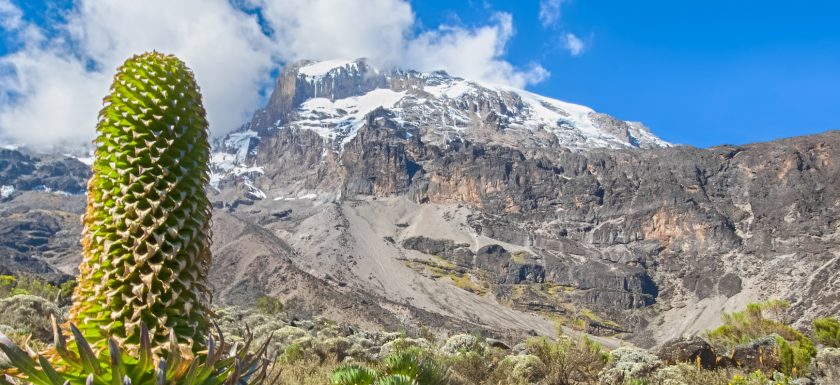
The 8 Days ultimate Mtn Kilimanjaro hike through the most scenic Lemosho route provides a robust framework for successfully reaching the mountain summit. This itinerary is meticulously designed for those who value both physical challenge and proper acclimatization. As you undertake the 8 Days ultimate Mtn Kilimanjaro hike through the most scenic Lemosho route, you will navigate diverse ecosystems ranging from lush rainforests to stark alpine deserts. By prioritizing a gradual ascent, this specific path enhances the physiological adaptation required to manage thin air. The trek is fully supported, with local crews managing all camp logistics, allowing you to focus entirely on your physical performance and environmental observation. Throughout this 8 Days ultimate Mtn Kilimanjaro hike through the most scenic Lemosho route, the focus remains on steady progress and health monitoring. Choosing this 8 Days ultimate Mtn Kilimanjaro hike through the most scenic Lemosho route is a commitment to a structured, high-quality mountain experience that respects the immense scale of the African landscape.
Tour highlights for 8 Days ultimate Mtn Kilimanjaro hike
Western mountain trail access
Dense rainforest canopy trek
Shira Plateau moorland hike
Lava Tower acclimation climb
Barranco Wall rock scramble
Alpine desert terrain crossing
Uhuru Peak summit ascent
Arctic glacial field reach
Professional mountain crew support
Nighttime summit challenge start
Morning sunrise crater views
Private mess tent service
Daily health check monitoring
Portable toilet tent access
Expert porter logistics team
Official summit certificate award
Day by day 8 Days ultimate Mtn Kilimanjaro hike
Day 1: Londorossi Gate to Mti Mkubwa
The 8 Days ultimate Mtn Kilimanjaro hike through the most scenic Lemosho route begins at Londorossi Gate, located at 2,200 meters. After finishing registration, you drive to the trailhead. The first section involves a 6-kilometer walk through a dense rainforest. The humidity is noticeable, and the canopy is thick, sheltering the trail. You will hike for approximately 3 hours to reach Mti Mkubwa Camp, positioned at 2,750 meters. This initial elevation gain of 550 meters is a gentle introduction to the incline. The support team will have already set up the dining and sleeping tents. Temperatures are mild, typically remaining above 10°C. You will spend the evening settling into your equipment and listening to the briefing for the following day. This first leg of the 8 Days ultimate Mtn Kilimanjaro hike through the most scenic Lemosho route focuses on adjusting to the rhythm of mountain trekking while maintaining a steady pace.
Day 2: Mti Mkubwa to Shira 1 Camp
Today, the environment transitions from the rainforest into the heath and moorland zone. You will trek for about 5 hours, covering 8 kilometers. The path climbs from 2,750 meters to 3,500 meters. The vegetation becomes noticeably sparse, with tall trees replaced by hardy shrubs and grasses. As you approach the Shira Plateau, the landscape opens significantly, revealing wide-ranging views of the mountain slopes. Reaching Shira 1 Camp at 3,500 meters requires a consistent, slow speed to help your heart and lungs manage the change. The evening temperature will drop toward 5°C, requiring warm layers. Proper hydration remains a priority as you cross this threshold. This stage of the journey is characterized by the physical effort required to leave the forest behind. The transition to higher altitudes begins in earnest here, as your body starts its primary adaptation to the reduced oxygen levels at this elevation.
Day 3: Shira 1 Camp to Shira 2 Camp
The trek across the Shira Plateau continues today, covering 7 kilometers over 4 hours. You move from 3,500 meters to 3,850 meters. The terrain is largely flat but covered in volcanic rock, which requires careful foot placement. Shira 2 Camp is located in a position that offers clear views toward the Western Breach and Kibo. The air here is noticeably thin, and the temperature is cooler, frequently nearing 0°C at night. You should monitor your breathing and continue to follow the slow pace established by your lead guide. The afternoon is reserved for short walks around the campsite to assist with acclimatization. Being at 3,850 meters for the night is a significant step in the process. You will notice the cold more intensely now, so ensure your sleeping bag and thermal layers are prepared before the sun sets over the plateau.
Day 4: Shira 2 to Barranco Camp
This day is essential for your long-term success on the mountain. You hike to the Lava Tower at 4,600 meters, gaining 750 meters. After a lunch break at this high point, you descend to Barranco Camp at 3,950 meters. This 10-kilometer trek takes about 7 hours. The descent allows your body to recover from the altitude pressure experienced at the tower. The landscape is classified as alpine desert, where vegetation is minimal and the ground is dominated by rocks and scree. By sleeping at 3,950 meters, you allow your physiology to stabilize after the exposure to 4,600 meters. This "climb high, sleep low" method is a proven technique for mitigating symptoms related to thin air. You will arrive at camp feeling the physical demands of the day, but the lower sleep altitude will aid your recovery for the next stage.
Day 5: Barranco Camp to Karanga Camp
The morning starts with the Barranco Wall, a 250-meter ascent that requires focused movement. Though it appears steep, the path is manageable with careful stepping. Once you reach the top, you navigate the undulating southern circuit for 5 kilometers. The route involves crossing several valleys and ridges, leading to Karanga Camp at 3,995 meters. The hike lasts about 4 hours. The terrain consists of alternating segments of loose rock and firm ground. Arriving at 3,995 meters puts you at a base where the evening is used for rest and proper nutrition. Your oxygen saturation levels should be checked by the guides here. This stage of the trek is vital for maintaining energy levels. The constant change in elevation between valleys helps your body adjust to the fluctuating pressures, ensuring you remain strong for the final approach to the base of the summit.
Day 6: Karanga Camp to Barafu Camp
Today, you cover 4 kilometers in 3 hours, climbing from 3,995 meters to 4,675 meters. Barafu Camp serves as the final staging ground before the summit attempt. The climb is steep, and the ground is covered in compacted volcanic ash. As you reach the arctic zone, the temperature drops below freezing, often reaching -5°C during the afternoon. You reach camp early to allow for maximum recovery time. Your main task is to organize your gear for the upcoming midnight departure. You must pack your water bottles with covers to prevent freezing and ensure your layers are ready for the extreme cold. High-calorie meals are provided to support the energy requirements of the final ascent. Resting in your tent at 4,675 meters is difficult due to the altitude, but sleep remains the main priority before the challenging night ahead.
Day 7: Barafu Camp to Uhuru Peak and Mweka
The summit day begins at midnight. You trek 17 kilometers over 14 hours. The climb covers 1,220 meters to reach the 5,895-meter Uhuru Peak. The ascent is marked by steep switchbacks and freezing conditions. Once at the summit, you take in the surroundings before descending 2,800 meters to Mweka Camp at 3,100 meters. The drop is significant, passing through the arctic, alpine desert, and moorland zones. This is the most physically demanding portion of the entire journey. You will rely on your headlamp and your guide’s pace to navigate the scree slopes. Reaching 3,100 meters provides a return to higher oxygen levels, which instantly assists your recovery. While the descent is hard on the knees and joints, the return to a lower altitude signifies the successful completion of the main objective. The exhaustion is tempered by the achievement of reaching the peak.
Day 8: Mweka Camp to Mweka Gate
The final morning involves a 10-kilometer walk from 3,100 meters to 1,600 meters. The descent takes 3 hours through the rainforest. The trail is often wet, requiring steady footing. As you lose altitude, the air becomes warmer and denser. You finally reach the Mweka Gate, where you sign the park register and collect your official certificate. This marks the conclusion of the trek. You meet your transport team for the drive back to Moshi. After over a week on the mountain, the return to lower elevations feels refreshing. You have successfully navigated the varied climates and steep gradients, finishing the itinerary as planned. The experience has tested your endurance and your ability to adapt to extreme conditions. You will depart the mountain with a complete record of your performance and the satisfaction of having navigated the route successfully.
1. Why is the 8-day Lemosho route considered the best?
The 8-day Lemosho route is frequently cited by professional guides and veteran mountaineers as the superior choice for climbing Mount Kilimanjaro. Its status is earned through a unique combination of factors that distinguish it from busier, shorter paths like the Marangu or Machame routes. First and foremost, the 8-day timeline provides the optimal balance of time for altitude acclimatization. By dedicating more days to the ascent, the route follows the fundamental mountaineering rule of "climbing high and sleeping low," which allows the body to physiologically adapt to the thin air of the upper mountain. This reduces the severity of altitude sickness and increases the likelihood of reaching the summit in good physical condition.
Beyond safety, the Lemosho route is celebrated for its pristine, untouched environment. Because it approaches the mountain from the west, it remains significantly less crowded than the more popular routes, providing a sense of solitude that is hard to find elsewhere on the mountain. You are walking through remote, verdant forests and expansive moorlands without the constant noise of heavy tourist traffic. This isolation fosters a deeper, more immersive connection with the landscape. The route offers a diverse array of scenery, transitioning through five distinct climate zones, ensuring that every day presents a new visual and ecological experience. When you factor in the exceptional safety profile—which consistently leads to higher success rates—it becomes clear why those who value a rewarding, high-quality, and more meditative trekking experience choose the 8-day Lemosho route as the definitive way to climb the Roof of Africa.
2. How long is the hike and what is the elevation?
The 8-day Lemosho trek is a substantial physical journey that covers a total distance of approximately 71 kilometers (about 43 miles) from the start of the hike at the Londorossi Gate to the conclusion of the trek. While this mileage might appear modest compared to long-distance trekking trails found in other parts of the world, the difficulty is intensified by the vertical gain and the physiological challenges of high altitude.
Your expedition begins at the Londorossi Gate, located at an elevation of roughly 2,250 meters. From this starting point, the trail progressively climbs through the lush, humid rainforest zone before ascending into the open, high-altitude moorlands and the desolate, rocky terrain of the alpine desert. The primary objective is to reach Uhuru Peak, the highest point on the Kibo volcanic cone, which sits at a staggering 5,895 meters (19,341 feet). Over the course of 8 days, you will climb nearly 3,650 meters of vertical gain. This gradual ascent is the secret to the route’s success; the profile is designed to distribute this massive change in elevation across a full week, rather than forcing the body to scramble through the altitude zones in a shortened timeframe. Every kilometer is intentionally paced to ensure that as you climb from the dense jungles to the arctic conditions of the summit, your body remains capable of operating in an environment where oxygen levels are less than half of those at sea level.
3. What is the daily itinerary like?
The 8-day Lemosho itinerary is structured to provide a comprehensive, progressive ascent that prioritizes safety and acclimatization. The journey begins on Day 1, as you travel from the Londorossi Gate at 2,250 meters to Mti Mkubwa Camp, which sits in the lush, green rainforest zone. Day 2 takes you from Mti Mkubwa to Shira Camp 1, where the landscape transitions into the open moorlands. On Day 3, you continue across the expansive plateau to Moir Hut, a quieter site that further prepares you for the higher altitudes.
Day 4 is perhaps the most important day for physiology, as you trek from Moir Hut to the Lava Tower, reaching 4,600 meters before descending to sleep at a lower elevation—a classic "climb high, sleep low" maneuver. Day 5 involves crossing the famous Barranco Wall, a thrilling but manageable rock scramble, before continuing to Karanga Camp. Day 6 marks the final approach through the alpine desert to Barafu Camp, the base for your summit attempt. Day 7 is the climax of the expedition; you begin your summit push at midnight, reaching Uhuru Peak at 5,895 meters before beginning the long, multi-zone descent to Mweka Camp. Finally, Day 8 consists of a final 10-kilometer hike from Mweka Camp down to the Mweka Gate at 1,600 meters. This itinerary is specifically engineered to ensure you reach the top not by speed, but by allowing your body to adapt to the mountain’s harsh, changing conditions over a full week of steady, purposeful movement.
4. How difficult is the Lemosho Route?
The Lemosho Route is widely classified as moderately challenging. It is important to distinguish "challenging" from "technical"—while it is physically demanding, it does not require technical mountaineering skills. You will never need to use ropes, harnesses, or climbing gear, and you will not have to negotiate vertical rock faces that require formal training. If you are in good physical health and have a baseline of cardiovascular fitness, the route is entirely accessible.
The difficulty lies in the combination of external and internal stressors. You will be trekking for 6 to 8 hours on most days, navigating uneven, steep, and rocky terrain. The primary hurdle, however, is the altitude. As you climb higher, the oxygen in the air becomes increasingly thin. This manifests as fatigue, shortness of breath, and potentially mild symptoms of altitude sickness, such as headaches or loss of appetite. Furthermore, the mountain environment is unpredictable; you will battle the physical sensation of cold and the psychological challenge of continuing to hike when your body feels tired. The Lemosho route is not a sprint; it is an endurance event that tests your stamina and your grit. Because the route is 8 days long, the challenge is spread out, allowing you to manage these stressors. It is less about raw athletic ability and more about your ability to maintain a slow, steady pace—the legendary pole pole—day after day. Anyone who arrives with a positive mindset, adequate preparation, and respect for the mountain's demands can successfully complete this iconic trek.
5. What is the summit success rate?
Summit success on Mount Kilimanjaro is intrinsically linked to the duration of the climb. The 8-day Lemosho route is frequently cited as having one of the highest success rates on the mountain, often falling between 85% and 98% for reputable outfitting companies. These statistics are not arbitrary; they are the direct outcome of the route's intentional, phased design.
On shorter, 5- or 6-day routes, many trekkers fail to reach the summit because their bodies cannot keep pace with the rapid altitude gain. They experience severe symptoms of altitude sickness that force them to turn back for safety reasons. The 8-day Lemosho itinerary effectively removes this limitation by providing more time in the critical "acclimatization zone" between 3,000 and 4,500 meters. During these extra days, the body has the time it needs to synthesize the oxygen transport systems required for the thin air at the summit. This acclimatization buffer reduces the stress on the heart and lungs and keeps the climber's energy levels stable. When you choose an 8-day route, you are essentially purchasing a form of insurance against the mountain’s most common physical pitfalls. While no trekker can be guaranteed a summit—due to factors like weather or sudden medical issues—selecting a longer itinerary drastically shifts the probability in your favor. It turns the final push to Uhuru Peak from a desperate, high-risk effort into a sustainable, well-supported endeavor that is well within the reach of a prepared, determined climber.
6. Do I need to carry all my own gear?
One of the most important aspects of a professional Kilimanjaro expedition is the robust support system provided by the local crew. You are not expected to carry the heavy infrastructure of the camp—such as tents, sleeping pads, dining equipment, or large amounts of food—up the mountain. This work is handled entirely by a dedicated team of professional porters.
Your responsibility on the trail is limited to a small, lightweight daypack. This pack should contain only the items you require for the current day's trekking: your water bladder (which can hold up to 3 liters), extra clothing layers in case the weather changes, sunscreen, snacks, a camera, and your headlamp. By keeping this pack light, usually between 5 to 8 kilograms, you save your energy for the ascent and prevent the fatigue that would result from carrying a full-weight expedition load.
Your main duffel bag, which houses your sleeping bag, extra clothing, toiletries, and other personal items, is carried by the porters. These individuals are highly skilled at moving through the mountain environment and are often waiting for you at the campsite with your gear already organized when you arrive after a long day. This division of labor is essential to the success of the trek. It ensures that you are not physically depleted by the burden of heavy gear, which allows your body to dedicate every calorie and every breath of oxygen to the climbing process. This level of logistical support is a standard feature of the 8-day Lemosho experience, ensuring that your climb is focused on the summit rather than the load you are carrying.
7. Where do I sleep during the trek?
The Lemosho route is a traditional, full-service camping experience. Unlike the Marangu route, which utilizes basic wooden huts for its trekkers, the Lemosho path requires your support crew to carry and set up mobile infrastructure at every overnight stop. This means you will be sleeping in high-quality, all-season mountain tents that are specifically engineered to withstand the extreme conditions found on Kilimanjaro, including freezing temperatures, high winds, and precipitation.
The process of "camping" on the mountain is remarkably organized. Because the Lemosho route is fully supported, you do not need to worry about setting up your own living space. As you arrive at each campsite, your porters and guides will have already selected the best available ground and assembled your sleeping tents. You will also have access to a large, dedicated mess tent where you will take your meals and socialize with the other members of your group. This space is essential, as it provides a warm, dry area to recover in the evenings.
Living in a tent for 8 days is an authentic part of the adventure. It brings you closer to the mountain's changing environment; you will fall asleep to the sound of the wind across the moorlands and wake up to the sight of the sunrise over the clouds. While it requires adjusting to a simpler lifestyle, the professional management of the camp ensures that your environment is clean, comfortable, and organized. It is a vital part of the "expedition" feel of the Lemosho experience.
8. What should I do to prepare physically?
Preparation for an 8-day Kilimanjaro trek should focus on endurance and cardiovascular capacity rather than explosive strength. You should begin your physical conditioning at least 3 to 6 months before your scheduled departure. The goal is to build the stamina required to sustain 6 to 8 hours of trekking per day for a full week, often under varying terrain and weather conditions.
The best training is specific to the activity: hiking. Try to find local trails with elevation gains and walk them regularly. If possible, do these hikes with a weighted daypack that mimics the one you will carry on the mountain. This trains your muscles, joints, and tendons to handle the repetitive stress of moving uphill and downhill. If you do not have access to natural trails, stair-climbing at a gym is an excellent alternative—it is one of the most efficient ways to build the specific leg endurance needed for climbing.
Complement this hiking with a regular aerobic routine. Activities such as jogging, cycling, or swimming are ideal for strengthening your heart and lungs, which will directly translate to a better experience in the thin, oxygen-depleted air of the mountain. Strength training should focus on your core and your legs, as these are the pillars of your stability on uneven trails. Remember, the goal is not to become a competitive athlete, but to ensure that your physical fitness is at a level where the walking itself becomes secondary. If your body is well-prepared, you will find it significantly easier to manage the mental challenges of the climb.
9. Are there toilets and showers on the mountain?
Sanitation on Mount Kilimanjaro is basic and follows "wilderness" standards. At each of the designated campsites, the National Park authority provides communal long-drop or outhouse-style toilets. These are functional but do not offer the amenities or privacy that many travelers are used to in urban environments. They are shared by many groups, and their cleanliness can vary.
To mitigate this, most professional tour operators now offer an optional upgrade: a private, portable chemical toilet tent for your group's exclusive use. This is a highly recommended service for many trekkers. These tents are set up by your porters at every camp, and your crew takes responsibility for keeping them clean and sanitized. It provides a level of privacy and hygiene that can significantly reduce the anxiety and discomfort associated with using shared facilities, especially at night or in cold weather.
Regarding showers, there are none on the mountain. Mount Kilimanjaro is a desert in its higher elevations, and all water used for drinking, cooking, and washing must be carried up by the porters from lower elevations. In the mornings and evenings, your crew will provide a basin of warm water for a "sink bath," which is more than sufficient for staying clean and refreshed during the 8-day trek. This practice is standard, and while you will certainly be looking forward to a long, hot shower when you return to your hotel in Moshi or Arusha, this basic ritual is a surprisingly satisfying part of life on the trail.
10. What food and water do we eat?
Proper nutrition is the fuel for your summit success, and on an 8-day Lemosho trek, you will be well-fed by a dedicated team of camp cooks. Your crew carries fresh, nutrient-dense ingredients up the mountain to ensure that your energy levels remain high. You can expect three hearty, hot meals each day. Breakfasts usually include porridge, eggs, toast, and pancakes; lunches are often substantial soups or warm sandwiches; and dinners are filling affairs featuring pasta, rice, chicken, or bean-based stews. The food is specifically chosen to be easily digestible and calorie-rich, providing the sustained energy needed for long hours of walking.
Water management is equally critical. Because you need to drink 4 to 5 liters of fluid daily to stay hydrated at high altitude, your crew is responsible for providing all your drinking water. They collect water from pristine, high-mountain sources and follow a strict safety protocol: all water is either boiled or passed through professional-grade filtration systems before it is given to you. This is non-negotiable, as avoiding gastrointestinal illness is a top priority for any mountain expedition. Your guides will remind you consistently to keep your water bottles filled and to drink constantly. This system of constant hydration and regular, high-energy meals is the most effective way to combat the physical stress of the climb. By the time you reach the higher camps, you will appreciate how much of a difference a hot meal and a reliable supply of safe water can make to your morale and physical performance.
11. Do I need Diamox (Acetazolamide)?
Deciding whether or not to use Diamox (the brand name for Acetazolamide) is a personal medical decision that should be discussed with your primary care physician well before your departure. Diamox is a diuretic that helps your body adjust to the thinner air at high altitude by encouraging you to breathe more deeply, which in turn increases the amount of oxygen in your bloodstream. It is not a cure for altitude sickness, but it is a widely recognized tool for helping the body adapt more quickly and for alleviating mild symptoms like headaches or dizziness.
For many climbers on the 8-day Lemosho route, Diamox provides an extra layer of comfort and confidence. It is not mandatory, and some climbers choose to skip it, opting instead to rely on the slow, intentional acclimatization of the 8-day itinerary. However, if your doctor clears you to use it, many people find it highly beneficial. It is important to remember that if you do bring it, you should have tested it before the trip to ensure you do not have any adverse reactions. Additionally, your guides will be well-trained in identifying the symptoms of altitude sickness and will advise you on when to take it, but you should never start or change a medication regimen on the mountain without expert guidance. Treat Diamox as an aid—a helpful part of your medical kit—rather than a substitute for the most important rules of the mountain: slow movement (pole pole), high hydration, and listening to your body’s signals.
12. When is the best time to climb?
Mount Kilimanjaro is situated near the equator, but its massive height creates its own local weather patterns. The best time to attempt your 8-day Lemosho trek is during the two primary dry seasons. The first window is from January to March. During these months, the mountain is generally warmer, and the skies are famously clear. This is an excellent time for climbers who want to enjoy crisp, sunny days and the best possible visibility for photography. It is often a bit quieter on the trails, allowing for a more peaceful experience.
The second, and perhaps more popular, window is the long dry season from June to October. These months are characterized by very low rainfall and stable weather patterns. While the air can be quite cold, especially at night and at higher altitudes, the chance of significant storms or rain is much lower than in other parts of the year. The trails are drier and easier to navigate. It is important to avoid the "long rains," which occur in April and May, as these can make the forest sections muddy and the upper mountain conditions difficult, as well as the "short rains" in November. Ultimately, your choice will depend on whether you prioritize slightly warmer temperatures (Jan–March) or the most reliable, dry conditions (June–October). Both windows provide a fantastic setting for your Lemosho adventure.
13. What is "Summit Night" like?
Summit night is the most intense, demanding, and unforgettable part of the entire 8-day journey. After reaching the high camp at Barafu (4,675 meters), you are instructed to rest, eat, and sleep as much as possible before being woken up in the middle of the night—typically between 11:00 PM and 1:00 AM. You will then dress in all your cold-weather layers, grab your headlamp, and prepare for the final ascent to Uhuru Peak.
The conditions are extreme; you are walking in pitch darkness in sub-zero temperatures, sometimes as low as $-20^{\circ}C$ or lower when factoring in the wind chill. The climb itself is a slow, steady slog up a steep path covered in loose volcanic scree. It often feels like you are taking two steps forward and one step back. You will be moving at a very slow pace to conserve your remaining energy, focusing entirely on your breathing and the movement of your boots in the dust. The psychological challenge is significant, as your body will be exhausted and you will feel the effects of the thin air. However, your guides remain by your side, providing constant encouragement. The experience changes when you see the first glimmer of dawn on the horizon. Reaching Stella Point on the crater rim as the sun begins to rise is a transformational moment. The final walk along the crater rim to Uhuru Peak is often the most rewarding experience of a climber's life, as you stand at the highest point in Africa to witness the world waking up beneath you.
14. Are there any age limits or restrictions?
Mount Kilimanjaro is a remarkably accessible mountain, but there are strict regulations regarding age for safety reasons. The Tanzanian National Park authority (TANAPA) sets a mandatory minimum age of 10 years for reaching Uhuru Peak. While children younger than this can hike to lower levels of the mountain, they are not permitted to reach the final summit. This rule is in place because the physiological challenges of high altitude are significantly more complex for children, whose bodies are still developing and who may not be able to communicate symptoms of altitude sickness effectively.
There is no formal maximum age limit for climbing Kilimanjaro, and every year, many trekkers in their 60s, 70s, and even 80s successfully stand at Uhuru Peak. The key for older climbers is preparation. It is strongly recommended that any individual planning to trek after the age of 60 undergoes a thorough medical evaluation by their physician. This should include checking cardiovascular health, blood pressure, and any chronic conditions that might be exacerbated by extreme altitude. Kilimanjaro is an endurance event that puts significant strain on the body, so having a "clean bill of health" is essential. When properly prepared and with a supportive team of guides, age should not be a barrier, provided you have the fitness and the medical clearance to handle the rigors of an 8-day high-altitude expedition.
15. How do I book an 8-day Lemosho trek?
Booking your trek is a critical step, as the quality of your experience is largely determined by your tour operator. You should focus your search on licensed, reputable companies that have a demonstrated history of excellence on Kilimanjaro. A high-quality operator does more than just secure your permits; they provide professional, certified guides who are trained in wilderness first aid and high-altitude emergency protocols, and they prioritize the ethical treatment of their support staff (porters and cooks).
To find the right company, start by looking at international trekking review platforms or reputable travel organizations that specialize in adventure travel, such as Ian Taylor Trekking or similar organizations. Use resources like Explore Share to read honest reviews from previous trekkers, focusing specifically on how the company handles safety, food quality, and staff welfare. When comparing packages, look for transparency in what is included in the price—such as airport transfers, hotel stays, all park fees, and rescue protocols. Don't be tempted by companies offering significantly cheaper prices, as these outfits often cut corners on safety equipment, staff wages, or food quality, which can directly jeopardize the success of your 8-day journey. A good operator will be happy to answer your questions about their acclimatization schedules and safety procedures. By doing your research upfront, you ensure that you are partnering with professionals who share your goal of a safe, successful, and life-changing ascent.
Booking 8 days Kilimanjaro with us Roads of Adventure safaris
Experience the ultimate 8-day Kilimanjaro trek with Roads of Adventure Safaris. We expertly guide you via the scenic Lemosho route, ensuring high summit success and breathtaking acclimatization. Our all-inclusive packages feature professional local guides, robust mountain gear, and nutritious meals. Book your unforgettable roof-of-Africa expedition today through the Roads of Adventure Safaris official website.
