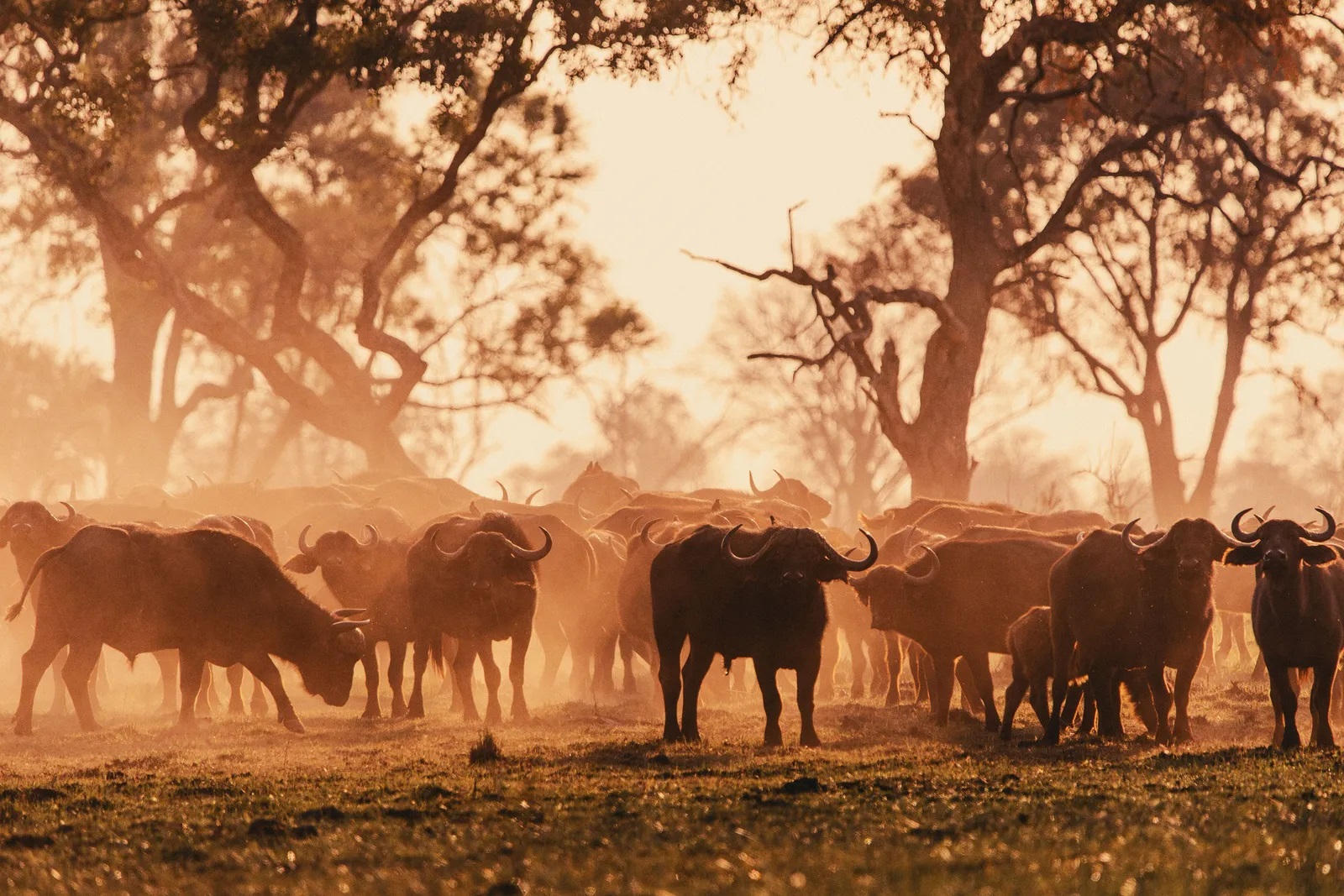
A 3-day Chobe National Park safari usually divides your time between land-based game drives and water-based river safaris. You'll get the chance to witness the park's famous massive elephant herds, lions, and hippos. Below are 5 distinct itinerary ideas to suit different travel styles
3-days-chobe-national-park-safari-itinerary
3-days-chobe-national-park-botswana-safari-tour-package-from-victoria-falls-town
3 Days Classic Chobe Riverfront & Boat Safari
Embark on an unforgettable journey to the heart of Botswana’s wilderness with our 3-day Chobe Riverfront safari. This itinerary is meticulously crafted for both first-time safari-goers and avid photographers, offering an unparalleled opportunity to witness Africa’s iconic wildlife in its natural habitat. By basing your stay at a premium lodge near Kasane, we eliminate the need for exhausting transit, ensuring your time is spent where it matters most: deep within the action. The Chobe Riverfront is world-renowned for its staggering concentration of elephants, vast buffalo herds, and diverse birdlife, all set against the breathtaking backdrop of the river’s emerald waters. Whether you are aiming your lens at a pride of lions stalking the riverbanks or watching a golden sunset from the deck of a boat, this immersive experience delivers the authentic rhythm of the bush. Prepare for three days of awe-inspiring encounters and refined relaxation.
Day 1: Arrival and Golden Hour on the Water
Your adventure begins the moment you touch down at Kasane Airport, where a seamless transfer will whisk you away to your riverside lodge. After settling into your accommodation and enjoying a refreshing, locally inspired lunch, you will prepare for the highlight of the afternoon: a sunset boat cruise on the Chobe River. This perspective is unmatched; from the water, you can drift quietly toward massive herds of elephants gathering for their afternoon drink, often just meters away from your boat. As the sun dips toward the horizon, painting the sky in dramatic hues of orange and violet, the river comes alive with the calls of hippos and the elegant silhouettes of wading birds. This serene introduction to the ecosystem provides the perfect setting to adjust to the pace of the bush before returning to the lodge for a delicious dinner under the stars.
Day 2: Predators and River Giants
Wake up before dawn to the chorus of the bush for an exhilarating open-vehicle game drive. As the morning light filters through the acacia trees, your expert guide will lead you through the riverfront’s prime territory, expertly tracking the elusive predators that define this landscape. You will have the best chance to spot leopards lounging in the branches or prides of lions returning from a night of hunting. Mid-morning, you will return to the lodge to enjoy a hearty brunch and some well-deserved downtime, allowing you to relax, edit your photos, or simply soak in the river views from the pool. As the afternoon temperatures cool, you will head out for a second safari session. This time, focus on the river’s unique aquatic inhabitants and the sheer density of game that congregates along the banks as the day draws to a close.
Day 3: A Final Morning in the Wild
On your final morning, the wilderness offers one last chance to immerse yourself in the Chobe magic. You may choose between a guided bush walk, which provides an intimate, sensory-focused look at the smaller wonders of the ecosystem—from tracking spoor to identifying unique flora—or a final, action-packed game drive to catch any sightings you may have missed. The crisp morning air and the golden light of sunrise provide ideal conditions for photography, capturing the wildlife at their most active. Following your morning activity, return to the lodge for a final, leisurely breakfast, where you can share stories of your sightings with fellow travelers. With your bags packed and your memory cards full of extraordinary wildlife encounters, a comfortable transfer will return you to Kasane Airport, marking the conclusion of your remarkable 3-day Chobe expedition and leaving you with memories that will last a lifetime.
3 Days Chobe & Victoria Falls Combo
Experience the perfect harmony of nature’s raw power and untamed wildlife with our exclusive 3-day Victoria Falls and Chobe National Park combo. This meticulously planned itinerary bridges the gap between two of Africa’s most iconic destinations, allowing you to witness the awe-inspiring thunder of the "Smoke that Thunders" in Zimbabwe and the world-renowned biodiversity of Botswana’s Chobe Riverfront. Designed for travelers seeking a comprehensive African experience, this trip balances the adrenaline of exploring a World Heritage site with the serenity of a world-class river safari. By efficiently utilizing your time across the Zimbabwe-Botswana border, we ensure you maximize your opportunities for spectacular wildlife sightings—including Africa's largest elephant herds—while still leaving space for the majestic vistas of the Zambezi. Whether you are a photography enthusiast or an adventure seeker, this seamless blend of culture, geology, and wildlife promises an immersive, unforgettable journey through the heart of Southern Africa.
Day 1: The Smoke that Thunders
Your journey begins at Victoria Falls International Airport, where the mist of the falls often greets travelers before they even reach the town. You will kick off your adventure with a professional, guided walking tour of the Victoria Falls rainforest. Standing before the massive curtains of water as they plummet into the Batoka Gorge is a sensory overload, offering incredible photo opportunities and a profound appreciation for the power of nature. After soaking in the spray and the vibrant rainbows, you will transition to the tranquil waters of the upper Zambezi River. Here, you will board a sunset cruise, a quintessential experience that offers a chance to spot hippos, crocodiles, and elephants silhouetted against a dramatic African horizon. With a drink in hand, you will watch the sun dip below the trees, providing a perfect, relaxed conclusion to your first day in this legendary landscape.
Day 2: Into the Heart of Chobe
Today marks your transition from the lush surrounds of Victoria Falls into the wild plains of Botswana. You will be picked up early for a scenic transfer across the Kazungula border, where you will enter Chobe National Park. This park is famous for its massive elephant population and high density of predators. Your day is structured to provide a comprehensive look at the ecosystem through a combined game drive and boat cruise. The land-based game drive offers the best vantage point to track lions, leopards, and buffalo, while the boat safari allows you to drift past banks teeming with wildlife that remain oblivious to your presence. The proximity to the animals is simply unmatched here. You will spend the entire day immersed in the rhythms of the bush, concluding with a stay at a lodge that keeps you connected to the sounds of the wilderness.
Day 3: A Final Safari and Departure
On your final day, you will head out for one last morning game drive, maximizing your time to search for any wildlife you have yet to tick off your list. The early morning hours are the most active time for predators, and the soft, golden light is perfect for capturing one final shot of the iconic Chobe landscape. After enjoying a final, hearty bush breakfast, you will prepare for your journey back across the border. Your afternoon transfer will take you through the changing landscapes as you head back toward Victoria Falls. This route allows you to reflect on the contrast between the mighty waterfall and the sprawling riverfront of Botswana. Arriving at the Victoria Falls airport with plenty of time, you will depart with a heavy camera roll, a deeper connection to nature, and the lasting memories of a truly spectacular African adventure.
3 Days Wilderness Savuti Experience
For the intrepid traveler seeking a deeper connection with the untamed African wilderness, the Savuti region of Chobe National Park is an unrivaled destination. Characterized by its dramatic, arid landscapes, ancient rock formations, and a reputation for intense, high-stakes predator action, Savuti offers a raw and remote safari experience far removed from the bustling tourist circuits. This 3-day itinerary is designed to plunge you into the heart of this mysterious territory, where the Savuti Channel’s unpredictable cycles have sculpted a unique and rugged ecosystem. Whether you are tracking the legendary lion prides that have adapted to hunt formidable prey or observing colossal elephant bulls navigating the dry marshlands, Savuti demands your full attention. Prepare to leave the familiar behind and embrace the solitude and untamed spirit of one of Africa’s most storied wilderness areas—a place where every horizon holds the promise of a thrilling encounter.
Day 1: Journey into the Mysterious Marsh
Your adventure begins with a flight into Kasane, where the true scale of the Okavango-Chobe basin becomes apparent. From here, you will transition into the deep bush, either by a light aircraft flight that offers breathtaking aerial views of the sprawling landscape or via a rugged 4x4 transfer that tests your spirit of adventure. As you arrive in the Savuti Marsh, the environment shifts into a striking panorama of sun-scorched plains and dramatic rocky outcrops. After checking into your intimate luxury camp—an oasis of comfort in this harsh, beautiful land—you will set out for an afternoon game drive. The golden hour in Savuti is transformative; as shadows lengthen across the marsh, the area’s resident predators begin to stir, providing you with your first glimpse of the high-intensity wildlife viewing that defines this legendary region.
Day 2: Tracking Predators and Giants
Dedicate your second day to exploring the vast Savuti landscape, a region world-famous for its complex predator dynamics and awe-inspiring scenery. You will head out early to navigate the Savuti Channel and the surrounding hills, where the terrain is punctuated by massive, ancient Baobab trees. This area is home to some of the most formidable lion prides in Africa, known for their unique ability to hunt elephant calves, as well as a high concentration of nomadic leopards and hyena clans. The contrast between the rugged hills and the open plains creates a stark, cinematic backdrop for wildlife photography. Whether you are watching a pride of lions stake out a waterhole or observing giant elephant bulls navigating the dry, mysterious terrain, today is about immersion. You will experience the true, unfiltered drama of the bush, where every sighting feels earned and every moment is charged with excitement.
Day 3: Sunrise Over the Savuti Plains
Your final morning in Savuti begins with the sun rising over the iconic, craggy hills, casting long shadows across the plains. You will embark on a final game drive, moving slowly through the tall grass to catch any lingering activity from the night's predators. This is a quiet, contemplative time, allowing you to absorb the vastness and the haunting beauty of this remote environment one last time. Following the drive, a traditional bush breakfast awaits, served under the open sky—a perfect way to toast to your expedition in the wild. As you savor your meal, you will prepare for your departure, boarding a light aircraft for a scenic flight back to Kasane or Maun. The aerial perspective provides a final, spectacular view of the terrain you have just explored, leaving you with a profound respect for the wild heart of Botswana.
3 Days Authentic Mobile Camping Safari
Escape the boundaries of traditional lodges and embrace the raw, unfiltered essence of Africa with a 3-day authentic mobile camping safari. This experience is designed for those who seek a profound connection with the landscape, stripping away the walls and windows of modern resorts to place you directly in the heart of the wilderness. Traveling in a fully serviced mobile camp means your home moves with the rhythm of the bush, allowing you to venture deeper into the Chobe ecosystem than standard itineraries allow. From the scent of woodsmoke at dawn to the symphony of nocturnal calls surrounding your tent at night, this is an intimate, back-to-nature adventure that prioritizes exclusivity and deep immersion. Expertly managed by a dedicated safari crew, this setup offers a unique blend of rugged exploration and surprising comfort, ensuring that you wake up every morning exactly where the action is.
Day 1: Entering the Untamed
Your journey begins in Kasane, where you will meet your dedicated safari crew—your guides, camp chef, and support team who will facilitate your transition into the wild. After a comprehensive briefing, you will climb into a rugged, open 4x4 vehicle and head directly into the Chobe Forest or along the legendary Riverfront. As the town fades away, the landscape opens up into a vast, untamed expanse. You will spend the day traversing the terrain, tracking wildlife as they move through their natural habitat. Upon arrival at your private, pre-set mobile camp, you will find a sanctuary tucked away in a secluded area of the park. As evening settles, you will enjoy a freshly prepared, multi-course dinner cooked over an open campfire. Sitting under a brilliant canopy of southern stars, you will drift off to the distant, rhythmic sounds of the African bush.
Day 2: Deep Exploration and Roving Horizons
The true benefit of a mobile safari is the flexibility to move with the wildlife. After a sunrise start, you will embark on a day of rotating game drives and guided bush walks, allowing you to see the ecosystem from both a vehicle and on foot—a perspective that reveals the smaller, fascinating details of the bush. If your outfitter operates a mobile circuit, you will break camp and relocate to a second, more remote location, effectively expanding your exploration range and reaching deeper into pristine territory. This allows you to witness animal behavior away from the influence of permanent tourist routes. Between drives, you will enjoy camp meals served in the shade of ancient trees, surrounded only by the sights and sounds of the wilderness. This day is about total immersion, where the focus remains entirely on discovery, tracking, and experiencing the environment on its own terms.
Day 3: A Final Sunrise in the Bush
On your final morning, the early light reveals the bush at its most active. You will head out for a final dawn game drive, capturing the golden hour as predators return from their nightly patrols and the plains begin to stir. This last opportunity to explore is often the most rewarding, as you traverse familiar trails with a heightened sense of appreciation for the habitat. Returning to camp, you will sit down to a hearty, hot bush breakfast, savoring the final moments of your nomadic lifestyle. As your crew efficiently packs up the camp, leaving no trace behind, you will depart for the return journey to Kasane. This final leg is conducted as a game-viewing transfer, ensuring that your adventure continues until the very last moment. You will return to civilization with a renewed spirit and the indelible memories of a truly authentic wilderness encounter.
3 Days Delta & Chobe Combo
Experience the breathtaking diversity of Botswana’s wilderness with this premier 3-day itinerary, which masterfully pairs the lush, water-logged wonders of the Okavango Delta Click to open side panel for more information with the rugged, elephant-dense plains of
Chobe National Park Click to open side panel for more information . This curated route is designed for travelers who desire the best of both worlds: the serene, rhythmic isolation of an inland river delta and the high-octane wildlife encounters of Africa's most famous riverfront. By utilizing light aircraft transfers to navigate between these distinct ecosystems, you gain valuable time to immerse yourself fully in each environment rather than spending it on the road. From the silent, gliding approach of a mokoro safari in the waterways to the thundering herds of the Chobe, this itinerary captures the essence of a land defined by water and survival. It is an adventurous, sophisticated, and deeply rewarding journey that showcases the absolute pinnacle of Southern African safari experiences.
Day 1: Into the Okavango Oasis
Your journey begins in Maun Click to open side panel for more information , the vibrant gateway to the northern wilderness. Upon arrival, you will board a light aircraft for a scenic flight over the sprawling, emerald-green mosaic of the delta, offering a perspective that few ever see. Your destination is a remote lodge deep within the heart of the Okavango, where the outside world feels worlds away. The afternoon is dedicated to the delta’s signature experiences: quiet boat excursions and traditional mokoro safaris. Drifting through the narrow channels in a hand-carved canoe, you will gain an intimate view of the delta’s unique aquatic flora and diverse birdlife, often catching sight of shy, semi-aquatic antelope like the red lechwe. As the sun sets over the waterways, the delta transforms into a peaceful sanctuary, setting the stage for a truly magical start to your safari adventure.
Day 2: Deep Immersion in the Delta
Dedicate your full second day to fully exploring the wonders of the Okavango. This is a day for slow, thoughtful discovery. You will venture out on guided bush walks, where expert guides share their deep knowledge of the smaller, often overlooked marvels of the bush—from tracking animal spoor to identifying medicinal plants. Following the walks, you will head out on wildlife drives to explore the higher, wooded islands of the delta, which act as refuges for iconic megafauna. The contrast between the water-based activity and the land-based drive provides a comprehensive look at how life thrives in this complex ecosystem. Whether you are observing a family of elephants bathing in the shallows or spotting a leopard camouflaged in the dense riverine thickets, you will be constantly reminded why this UNESCO World Heritage site is considered one of the most beautiful wild places on Earth.
Day 3: From Delta to Riverfront
On your final day, you will take to the skies once more for a spectacular flight across the sprawling, glistening waterways of the delta, heading north toward the legendary Chobe Riverfront. Upon arrival in the Chobe region, you will transition immediately into the rhythmic energy of the plains, known for its unparalleled elephant concentrations. Your trip concludes on a high note with an iconic Chobe River sunset cruise. This is perhaps the best wildlife viewing experience in Botswana, as thousands of animals—from massive buffalo herds to crocodiles—congregate along the riverbanks to drink and socialize before nightfall. Watching the sunset from the water, with the silhouettes of giants mirrored in the calm river, provides a perfect, poignant end to your journey. You will then head to the airport for your departure flight, carrying memories of two of Africa's most breathtaking wilderness environments.
1. What are the highlights of a 3-day itinerary in Chobe?
A 3-day itinerary in Chobe National Park is carefully structured to provide an immersive experience that maximizes your wildlife viewing opportunities while offering moments of deep relaxation. The "classic" approach is a blend of land-based and water-based activities, which is essential because the park's diverse terrain hosts different behaviors throughout the day. Typically, Day 1 begins with an afternoon arrival followed by a quintessential Chobe River sunset cruise. This cruise is a highlight, allowing you to witness herds of elephants wading into the river to bathe and drink while the sun paints the sky in dramatic colors. Day 2 is generally dedicated to a full-day or split-session 4x4 game drive. Heading deep into the park in a customized safari vehicle allows you to explore the denser woodlands and interior plains, which are prime territories for predators like lions, leopards, and hyenas. Finally, Day 3 serves as a farewell, often featuring an early morning game drive when the bush is cool and predators are active, or a final river cruise to catch any wildlife missed in the initial days. This balance ensures you see both the massive river-dwelling giants and the elusive hunters of the interior, creating a perfectly rounded safari experience that leaves you feeling satisfied and fulfilled.
2. Should I choose river cruises or game drives?
You absolutely do not have to choose between river cruises and game drives; in fact, the magic of a Chobe safari lies in combining both. Each activity offers a distinct perspective and reveals different aspects of the ecosystem. River cruises are unparalleled for photography and intimate wildlife encounters. Because animals are less threatened by a boat than a vehicle, you can drift remarkably close to elephants, buffalo, and pods of hippos as they interact at the water's edge. It is also the best way to spot crocodiles basking on mudbanks and a myriad of water birds, including the iconic African Fish Eagle. Conversely, game drives in a customized 4x4 vehicle are your primary tool for deep exploration. The park is vast, and a vehicle is required to venture away from the river into the remote bushveld and grasslands. This is where you track the park’s more elusive residents—the lions, leopards, and occasionally African wild dogs—as they hunt or patrol their territories. A 4x4 drive allows you to follow the action off the main paths, providing the flexibility needed to find game that may be hiding deep within the thickets. By alternating between the serenity of the water and the rugged excitement of the land, you ensure that you experience the full breadth of Chobe’s incredible biodiversity.
3. What is the best time of year to visit?
The consensus among experts and seasoned safari-goers is that the dry season—running from May through October—is the absolute best time to visit Chobe. As the dry season progresses, the seasonal rains cease, the vegetation thins out significantly, and the smaller inland waterholes begin to dry up. This environmental shift acts as a natural magnet, forcing thousands of animals to migrate toward the permanent water source of the Chobe River. This period offers perhaps the most concentrated wildlife viewing on the continent. In the peak months of August, September, and October, the riverfront teems with activity; you will see massive, iconic herds of elephants that have become synonymous with the park, alongside buffalo, zebra, and various antelope species, all gathering daily to quench their thirst. The lack of lush foliage also makes it much easier to spot wildlife, as there is less cover for predators to hide behind, and visibility is vastly improved. While the winter nights can be chilly, the days are usually bright, sunny, and temperate. Although the shoulder months of May and October may see slight variations in climate, the dry season consistently provides the most reliable and dramatic wildlife sightings, making it the premier choice for photographers and first-time visitors alike.
4. What animals can I expect to see?
Chobe National Park is globally renowned for its staggering density of wildlife, specifically its massive elephant population, which is widely considered one of the largest on the planet. Visitors can expect to see these gentle giants in numbers that are truly humbling, often watching them swim across channels or enjoy mud baths along the riverbanks. Beyond the elephants, the park is a stronghold for Cape buffalo, which are frequently seen in colossal herds. Hippos and crocodiles are constant companions on any river-based activity, and the riparian zone is rich with giraffe, zebra, and various antelope species like lechwe, impala, and kudu. For those interested in big-cat sightings, Chobe does not disappoint. The park supports a thriving population of lions and leopards, which are most active during the early morning and late afternoon hours. Cheetahs and the endangered African wild dog can also be found if you venture deeper into the interior during game drives. Furthermore, Chobe is a paradise for birders; with over 450 recorded species, you can expect to spot vibrant rollers, kingfishers, eagles, and the majestic Shoebill stork in marshy areas. The diversity of the fauna, coupled with the frequency of sightings, ensures that every single game drive or cruise is packed with potential for a world-class wildlife encounter.
5. Where should I stay?
When planning your stay at Chobe, there are two primary strategic approaches: staying inside the park boundaries or choosing accommodation in the adjacent town of Kasane. Staying inside the park—whether in a luxury eco-lodge or a private mobile tented camp—offers an immersive experience that keeps you at the heart of the wilderness. These locations often allow for early starts, putting you on the tracks before other visitors arrive from outside, and offer the serene experience of sleeping surrounded by the sounds of the bush. It is a fantastic choice for those prioritizing an "authentic" escape. On the other hand, the town of Kasane, located just on the park's doorstep, serves as a bustling hub that offers a wider spectrum of convenience and variety. Kasane provides everything from budget-friendly guesthouses and campsites to high-end, full-service properties like the Chobe Marina Lodge. Staying in town can be more cost-effective and provides easier access to local shops, airport transfers, and a greater choice of dining options. It is ideal for travelers who prefer a bit of town infrastructure or those who are combining their stay with excursions to nearby Victoria Falls. Both options are excellent; your choice ultimately depends on whether you value total wilderness isolation or the convenience and flexibility offered by a base in town.
6. Can I do a self-drive safari?
Yes, Chobe National Park does allow visitors to conduct self-drive safaris, offering a sense of autonomy and adventure for those with the appropriate vehicle and experience. Exploring the park at your own pace can be deeply rewarding; you can spend as much time as you like at a specific sighting without needing to consult a group schedule. However, it is highly recommended—even for experienced drivers—to hire a professional local guide for at least part of your stay. The Chobe ecosystem is vast and complex, and professional guides possess years of training and intimate knowledge of animal behavior that an average tourist simply cannot match. They are experts at tracking, which involves reading subtle signs in the sand or listening to alarm calls from birds and monkeys, significantly increasing your probability of spotting elusive predators like leopards or lions. Furthermore, navigating the sandy, uneven tracks of the park requires specialized driving skills, and guides are well-versed in handling these terrain challenges. They also maintain constant communication with other guides, meaning they often know exactly where major sightings are happening in real-time. While you are certainly capable of driving yourself, a guide elevates the experience from a simple drive to a masterclass in African wildlife ecology, ensuring you see more than just the animals that are easily visible by the roadside.
7. Can I combine a Chobe safari with Victoria Falls?
Absolutely; in fact, combining a Chobe safari with a trip to Victoria Falls is one of the most popular and logical itineraries in all of Southern Africa. Kasane, the primary access point for Chobe, is located just about 80 km (roughly 50 miles) from Victoria Falls in Zimbabwe and Zambia. This proximity allows for a seamless transition between two of the world's most impressive natural attractions. Many travelers choose to fly directly into the Victoria Falls International Airport to witness the awe-inspiring power of the falls—one of the Seven Natural Wonders of the World—before crossing the nearby Kazungula border. The road transfer from the Falls to Chobe is efficient and short, typically taking only a few hours. This combo itinerary offers a wonderful contrast: you start by experiencing the majestic, thundering water of the Zambezi River at the falls, then transition into the wild, arid bushlands of Botswana. Whether you spend your time on the mist-shrouded walking paths of the Zambezi or the game-filled riverbanks of the Chobe, the two destinations complement each other perfectly. Most tour operators specialize in this specific route, providing reliable, door-to-door transfer services that handle all the border logistics, ensuring that your journey is as smooth and stress-free as possible.
8. Is this a malaria area?
Yes, Chobe National Park is situated in a high-risk malaria zone, and it is vital that travelers take this seriously, particularly during the warmer, wetter summer months, which run from November through April. The combination of humidity and intermittent rainfall creates the perfect environment for mosquitoes, the primary vectors for the disease. It is strongly advised that you consult with your personal physician or a travel health clinic well in advance of your trip to discuss appropriate preventative measures. Most doctors will recommend a course of prophylactic antimalarial medication, which needs to be started before you arrive in the region. Beyond medication, common-sense prevention is your best line of defense. This includes wearing long-sleeved shirts, long trousers, and socks, particularly during the dawn and dusk hours when mosquitoes are most active. Always use a high-quality, DEET-based mosquito repellent on any exposed skin, and ensure your accommodation is properly screened or utilizes mosquito netting. While the risk of malaria should not deter you from experiencing the beauty of Chobe, it absolutely necessitates a proactive and disciplined approach to health. By following your doctor’s advice and staying diligent with your repellent and protective clothing, you can focus on enjoying your safari safely and with peace of mind.
9. What should I pack?
Packing for a Chobe safari is an exercise in balancing functionality with the practicalities of the bush environment. You should focus on lightweight, breathable fabrics like cotton or linen that will keep you cool under the intense Botswana sun. In terms of color, neutrality is key; stick to tans, browns, khakis, and olive greens. These shades help you blend into the natural environment, which makes you less conspicuous to the wildlife and, crucially, helps avoid attracting tsetse flies, which are known to be drawn to dark colors like navy blue or black. While the days are warm, the early morning game drives can be surprisingly brisk, so always pack a fleece or a light, windproof jacket that you can easily peel off as the day heats up. A wide-brimmed sun hat, high-quality sunglasses, and generous amounts of sunscreen are absolute essentials to protect against the harsh UV rays. On the technical side, a pair of high-quality, durable binoculars is indispensable; even the best guides cannot always spot a distant leopard hidden in the grass without them. Finally, remember that space is often limited, especially if you are traveling on small bush planes, so opt for a soft-sided, foldable duffel bag rather than a rigid suitcase. This makes packing the vehicle much easier and ensures you have everything you need without the unnecessary bulk.
10. Are there age restrictions for children?
Yes, age restrictions for children are a standard and important part of safari logistics in Chobe, largely centered around safety and the nature of the activities. Many lodges and tour operators have a minimum age limit, often set at 12 years of age, for participating in standard group river cruises or game drives. These restrictions exist because a safari environment, while beautiful, is inherently unpredictable. Small children may find it difficult to sit quietly and still for the long periods required during a game drive, and their presence could potentially distract wildlife or disturb other guests who are trying to photograph or observe animals. Furthermore, the safety measures on open-topped vehicles or small boats are designed with adults in mind. However, these rules do not necessarily mean families with young children cannot enjoy a safari. Many lodges are very family-friendly and offer customized experiences. If you are traveling with young children, you will likely need to book a private safari vehicle and, in some cases, specific family-oriented accommodation that can cater to younger guests. Some lodges even offer specialized children’s programs or "bush camps" that focus on education and shorter, engaging activities. It is always best to be transparent with your tour operator about the ages of your children during the booking process so that they can curate a safe, comfortable, and age-appropriate adventure for your family.
11. What are the photography tips for Chobe?
Chobe is a world-class destination for photography, offering a variety of lighting and subjects that can challenge even seasoned professionals. The most important tip is to embrace the "golden hour"—the period shortly after sunrise and the final hour before sunset. During these times, the light is soft, directional, and warm, which highlights the texture of animal fur and the contours of the landscape far better than the harsh, flat light of midday. For gear, a versatile zoom lens is essential; a 200-400mm or even a 600mm lens will give you the reach needed to capture intimate portraits of animals from a respectful and safe distance. Because so much of the action happens on the water, you must plan for the unique challenges of a boat safari. Water splashes are common, and the vibration of the boat engine can blur shots, so a waterproof dry bag is an absolute necessity to protect your camera gear, and a high shutter speed is recommended to keep your images crisp. If you are using a tripod, ensure it is steady, but often a beanbag is much more effective for stabilizing long lenses against the side of a boat or vehicle. Finally, be patient. The best wildlife photos aren't just about the animal; they’re about the behavior. Keep your camera ready, your settings dialed in, and spend time observing the animals—the most breathtaking shots come when you anticipate the action before it happens.
12. Are park fees included in safari packages?
If you are booking a pre-arranged, organized 3-day tour, the vast majority of reputable safari operators will include the cost of non-resident park fees, activity fees, and local government taxes in the initial package quote. This "all-inclusive" approach is designed to make the traveler's experience as seamless as possible, preventing the stress of having to manage cash payments or complex entry requirements while on the ground. However, you should never assume this is the case without verification. It is essential to explicitly confirm with your operator what is covered before you finalize your booking. Some budget or "a la carte" operators may exclude these fees to keep their advertised price appearing artificially lower, leaving you to pay them separately at the park gates. Additionally, be aware that fees are often tiered based on whether you are a resident of Botswana or an international guest, so ensure your quote specifically reflects your residency status. If there are any extras—such as private transfers, specific luxury dining options, or gratuities—these are rarely included in the base package. By asking for a clear, itemized breakdown of what is included during your planning stage, you ensure complete transparency and can enter the park with the confidence that everything has been handled professionally.
13. Can I book last-minute?
While Chobe National Park is technically accessible and open to visitors year-round, the reality of booking is heavily influenced by seasonal demand. During the peak dry season—specifically from July through October—the park is exceptionally popular, and the limited number of high-quality lodges and boat cruise operators can often book up completely months in advance. Because the wildlife viewing is at its absolute best during these months, travelers from around the world compete for a finite number of spots, meaning last-minute availability is rare and often forces you to compromise on your preferred accommodation. If your heart is set on a specific, high-end lodge or a specialized mobile camping operator, you should prioritize securing your booking several months in advance. That said, if your travel dates are flexible or fall within the "shoulder" or "green" seasons (typically November to April), last-minute bookings are far more feasible. If you are trying to pull something together on short notice, the most effective tool to use is SafariBookings, which allows you to compare real-time availability across numerous local operators. Ultimately, while last-minute travel to Chobe is not impossible, it requires a high degree of flexibility; booking well in advance is the only way to guarantee that you get the exact itinerary and lodging experience you desire.
14. What are the luggage limits on safari flights?
When you are moving between remote safari destinations, such as flying from the Chobe region down to the Okavango Delta, you will almost certainly be traveling on small, chartered light aircraft. These bush planes are designed for landing on short, unpaved airstrips and have very strict weight and balance requirements. Consequently, luggage is strictly limited, typically restricted to around 15-20 kg (about 33-44 lbs) per person. This weight limit is non-negotiable for safety reasons. Just as important as the weight is the structure of the bag itself. You must pack your gear into soft-sided, foldable duffel bags. Rigid, hard-shell suitcases are strictly prohibited because they simply do not fit into the unusually shaped, tight cargo holds of these small planes. If you show up at the airstrip with a hard-shell case, you will likely be asked to leave it behind or pay for an extra seat, which is incredibly expensive and sometimes impossible to secure on short notice. When preparing, aim for simplicity—you will be spending most of your time in your safari gear, and most lodges offer laundry services, meaning you don't need a huge wardrobe. A soft-sided bag is your best friend on a bush flight, keeping you compliant with the limits and ensuring your transfers go off without a hitch.
15. What is the tipping etiquette?
Tipping in the safari industry is customary, though it remains entirely voluntary and should always reflect your level of satisfaction with the service provided. Because the safari industry relies heavily on a dedicated team of staff—ranging from the guides who find the animals to the camp hands who ensure your stay is comfortable—tipping is a significant part of the culture. A widely accepted guideline is to tip your primary safari guide or driver roughly $10 to $15 per day, per guest, depending on the quality of their service and expertise. For the rest of the lodge staff—including housekeepers, servers, and chefs—most lodges provide a communal tip box. The recommendation here is typically around $5 to $10 per day, per guest, which is then distributed fairly among the support staff. It is important to remember that these are just general guidelines; if you feel your guide went above and beyond, or if a specific staff member made your stay truly memorable, feel free to tip more. When it comes to the logistics, it is always a good idea to carry enough local currency or U.S. dollars in small denominations to make tipping convenient. While it may feel like an added expense, remember that for many working in the remote bush, these tips provide a meaningful supplement to their income and are deeply appreciated as a gesture of gratitude for their hard work and dedication to your experience.
Booking 3 Days Botswana safari in Chobe with us Roads of Adventure safaris
To book your 3-day Chobe safari with Roads of Adventure Safaris, you can contact their team directly via their Roads of Adventure Safaris homepage. Their standard 3-day itinerary covers thrilling Chobe River boat cruises and land-based game drives
