20 Reasons to visit Botswana on southern Africa safari, Botswana offers an unparalleled, exclusive safari experience in Southern Africa, driven by a high-value, low-volume tourism model that protects its pristine wilderness. Renowned for the Okavango Delta and massive elephant herds, it provides diverse, eco-friendly adventures across varied landscapes, from wetlands to salt pans.
21-days-exceeding-botswana-safari-itinerary-all-inclusive-tour-package
16-days-botswana-safari-hwange-and-victoria-fall-tour
15-days-best-of-botswana-and-zimbabwe-safari-holiday-vacation-southern-africa-safari
14-best-botswana-safari-holiday-tour-itinerary-to-botswana-safari-parks
14-days-best-safari-in-africa-to-best-botswana-safari-parks
13-days-best-botswana-tour-to-zimbabwe-safari-holiday-and-zambia-safari-tours
12-days-best-of-hwange-victoria-falls-chobe-and-okavango-delta-botswana-safari
11-days-un-comparable-best-botswana-safari-itinerary-and-optional-victoria-falls-tour
10-days-best-luxury-family-botswana-safari-itinerary
9-days-best-safari-in-botswana-and-victoria-falls-tour-zimbabwe-side
8-days-best-zimbabwe-botswana-safari-all-inclusive-tour-package-from-victoria-falls
8-days-exciting-botswana-safari-holiday-vacation-in-okavango-delta-moremi-and-chobe
8-day-ultimate-zimbabwe-and-botswana-safari-chobe-moremi-and-victoria-falls-trip
7-days-perfect-victoria-falls-tour-hwange-and-chobe-zimbabwe-safari-tour
7-days-budget-botswana-safari-okavango-delta-moremi-and-chobe-riverfront
7-days-fly-in-and-out-of-okavango-delta-luxury-botswana-safari-experience
7-days-exclusive-luxury-botswana-safari-tour-package
7-days-best-botswana-safari-to-makgadikgadi-pans-okavango-delta-and-chobe
7-days-best-africa-big-cats-botswana-safari-itinerary
7-days-best-botswana-safari-combined-with-namibia-safari-tour-southern-africa-safari
6-day-best-victoria-falls-tour-chobe-and-hwange-zambia-wildlife-safari-holiday
3-days-chobe-national-park-botswana-safari-tour-package-from-victoria-falls-town
1. The Okavango Delta
The Okavango Delta is a UNESCO World Heritage site renowned for its unique ecosystem. One of the largest inland deltas in the world, it features a network of channels, lagoons, and islands. The delta is formed by seasonal floods from the Okavango River, creating a rich habitat for diverse wildlife. Visitors can experience this wonder through various water-based safaris, including mokoro (dugout canoe) excursions, traditional boat cruises, and guided walking safaris. The waterway system allows for exceptional opportunities to spot elephants, hippos, and an array of bird species, such as the African fish eagle and herons. The experience of drifting silently through the reeds in a mokoro, observing wildlife up close, is unparalleled. Moreover, the delta's seasonal variations provide different experiences throughout the year, whether it’s the lush green landscapes during the flood season or the crystal-clear lagoons during the dry months. The serene beauty, combined with excellent wildlife viewing opportunities, makes the Okavango Delta a must-visit destination for any safari enthusiast.
2. Largest Elephant Population
Botswana is home to the largest elephant population in the world, with estimates exceeding 70,000, particularly concentrated in Chobe National Park. This remarkable population offers a unique experience for wildlife enthusiasts, as visitors can observe these majestic creatures in their natural habitat. Chobe National Park is famous for its spectacular elephant herds, often seen roaming along the banks of the Chobe River, particularly during the dry season when they congregate around water sources. The park’s diverse habitats—from riverine forests to open savannahs—further support a vibrant array of wildlife, making it a premier destination for game viewing. The sight of elephants bathing in the river, especially during sunset, creates iconic photographic opportunities. Furthermore, local conservation efforts have contributed to the stability of these populations, allowing for intimate encounters with elephants. A visit here not only highlights the sheer scale of these gentle giants but also emphasizes the importance of preserving their natural habitats, ensuring future generations can enjoy these extraordinary experiences.
3. Exclusive, Low-Density Tourism
Botswana adopts a unique approach to tourism, emphasizing low-density, low-impact experiences. This commitment ensures that visitors enjoy a more intimate and private wildlife experience. With limited guest numbers in lodges and camps, visitors can explore the expansive wilderness without the inconvenience of large crowds. This atmosphere allows for deeper connections with nature and wildlife, enhancing the overall safari experience. Being able to enjoy the sounds of nature, observe animals in their habitats, and have a genuine feeling of seclusion is invaluable in today's travel landscape. Many lodges and camps are designed to blend seamlessly with their surroundings, promoting environmental conservation while providing luxurious accommodations. The focus on sustainable tourism practices not only protects the wildlife and their habitats but also fosters the local economy. Travelers to Botswana can feel good about supporting a responsible tourism model that prioritizes conservation and community involvement, making their visit deeply rewarding on multiple levels.
4. Mokoro Excursions
Exploring the Okavango Delta by mokoro is an unforgettable experience. This traditional dugout canoe, carved from a single tree trunk, offers a unique way to navigate the delta’s intricate waterways. Guided by local polers, visitors glide silently through the tranquil waters, providing opportunities to observe wildlife from a different perspective. The mokoro excursions allow travelers to get up close to hippos, crocodiles, and a variety of bird species nesting along the banks. The experience is peaceful and immersive, emphasizing the beauty and serenity of the wetland environment. Mokoro trips often include guided nature walks on the surrounding islands, where knowledgeable guides share insights into the flora and fauna. These excursions are particularly popular during the flood season when the delta is at its most vibrant and teeming with life. The gentle rhythm of the mokoro and the surrounding sounds of nature create a meditative atmosphere, making it an essential activity for those looking to connect with Botswana’s wild heart.
5. Diverse Safari Types
Botswana offers a wide array of safari experiences to cater to different interests and preferences. This diversity allows travelers to choose activities that suit their individual tastes, whether it’s traditional land-based game drives, thrilling walking safaris, or relaxing boat cruises along the delta. Game drives can be conducted in specially designed 4x4 vehicles, providing optimal wildlife viewing conditions while allowing for interaction with knowledgeable guides who share their expertise. Boat safaris offer a unique vantage point to observe wildlife along rivers and lakes, particularly in areas like the Chobe River and Okavango Delta. For those seeking a more active experience, walking safaris provide opportunities to track wildlife on foot, gaining insight into smaller creatures and plant life often overlooked from vehicles. Each type of safari offers its unique advantages, contributing to a richer understanding of Botswana's ecosystems and wildlife. This variety ensures that every traveler can curate their own adventure, making for an unforgettable travel experience.
6. Unspoilt Wilderness
Botswana is celebrated for its vast, unspoilt wilderness, which covers over 37% of the country’s land area. With a strong commitment to conservation, much of this land is designated as national parks and game reserves, protecting diverse ecosystems and wildlife populations. This pristine environment allows visitors to witness nature in its raw and authentic state. Unlike more tourist-heavy regions, Botswana provides a sense of solitude and serenity, where one can truly disconnect from the hustle and bustle of modern life. The untouched landscapes range from sprawling savannas to dense forests, offering habitats for a myriad of wildlife species. Enthusiasts can explore iconic areas like the Okavango Delta, the Kalahari Desert, and the Linyanti region, each presenting unique natural splendor and opportunities for adventure. This focus on maintaining vast tracts of wilderness not only enhances wildlife viewing but also sustains important ecosystems for future generations. A visit to Botswana is a chance to embrace the raw beauty of nature, making it an unparalleled destination for eco-tourism.
7. Predator Hotspot
Botswana is renowned for its exceptional predator sightings, particularly in regions like the Okavango Delta and Linyanti area. This hotspot is home to large populations of lions, leopards, and cheetahs, offering wildlife enthusiasts the chance to observe these magnificent creatures in their natural environment. The varied landscapes include open grasslands, dense bush, and riverine habitats, which support hunting grounds for these elusive predators. Guided game drives during early mornings and late afternoons increase the likelihood of encountering hunting behaviors or resting lions piled atop rocks. The rich biodiversity of the delta attracts a variety of prey species, ensuring that these predators can thrive, while wildlife enthusiasts benefit from thrilling predator experiences. The rarity of spotting such predators enhances the excitement of a safari, making Botswana an optimal choice for those keen on observing these apex hunters. In addition, responsible wildlife management practices contribute to the preservation of their populations, ensuring a sustainable balance within the ecosystem.
8. Endangered Wild Dogs
Botswana is recognized as one of the best places in Africa to see the endangered African wild dog, also known as the painted wolf. These highly social and intelligent animals are known for their unique pack behavior and cooperative hunting strategies. The country’s vast wilderness areas, particularly in regions like the Linyanti and Okavango Delta, provide undisturbed habitats for these rare canids. Visitors have the opportunity to observe them in their natural environment, often involved in communal activities such as grooming, playing, or hunting. With their strikingly beautiful coats and dynamic social structures, African wild dogs are fascinating to watch. Conservation efforts in Botswana focus on protecting their habitats and reducing human-wildlife conflict, promoting sustainable tourism that benefits both wildlife and local communities. The chance to encounter these rare animals in the wild adds a layer of excitement to any safari and contributes to a deeper understanding of biodiversity conservation efforts.
9. Makgadikgadi Salt Pans
The Makgadikgadi Salt Pans are among the world’s largest salt flats, offering surreal landscapes that captivate visitors. Stretching over 12,000 square kilometers, this unique geographical feature presents a striking contrast to Botswana’s lush wetlands and savannahs. The salt pans are remnants of ancient lakes that once covered the area, and today they provide a remarkable setting for stargazing and landscape photography. During the wet season, the pans transform into a vibrant hub for migratory birds and wildlife, attracting large populations of zebras that gather to graze. This seasonal transformation is a testament to the area’s ecological significance. Exploring the salt pans can include guided quad bike adventures, where travelers can traverse the vast expanses while learning about the rich history and ecology of the region. Visitors also have the opportunity to engage with local San communities, gaining insights into their traditional lifestyles and cultural heritage. The dramatic beauty and ecological diversity of the Makgadikgadi Salt Pans make them an essential stop on a Botswana safari.
10. Chobe National Park
Chobe National Park is one of Botswana's crown jewels, famous for its incredible wildlife diversity, particularly its enormous herds of elephants and buffalo. Located near the Chobe River, the park provides a prime habitat for a variety of wildlife, making it a top destination for safari enthusiasts. The riverbanks, lush with vegetation, attract wildlife throughout the year, presenting a spectacular display of animals drinking and socializing along the water’s edge. Visitors can partake in game drives as well as boat safaris, allowing them to experience wildlife from both land and water perspectives. The sight of elephants crossing the river or interacting within their family groups is a highlight for many travelers. In addition, Chobe is home to a variety of other wildlife, including lions, leopards, hippos, and numerous bird species, making it a hotspot for photographers and nature lovers alike. The combination of stunning landscapes, abundant wildlife, and diverse activities ensures that Chobe National Park remains a must-visit on any Botswana safari itinerary.
11. Kalahari Desert Experience
The Central Kalahari Game Reserve is a vast, arid wilderness that captures the essence of Botswana. Spanning over 52,800 square kilometers, it is one of the largest game reserves in the world, featuring a diverse range of ecosystems, from sand dunes to expansive grasslands. Visitors can explore the stunning landscapes through guided game drives or self-guided adventures, where they might encounter wildlife such as gemsbok, springbok, and the elusive Kalahari lion.
Besides wildlife, the Kalahari is a marvel of natural beauty. The contrast between the sandy dunes and the vibrant hues of sunset provides breathtaking scenery perfect for photography. Historically, the Kalahari has been home to the San people, who have adapted to its challenges for thousands of years; guided walks led by San trackers offer insights into their ancient survival skills, plant knowledge, and rich cultural practices.
During the wet season, the Kalahari transforms into a lush haven. Seasonal rains attract migrating birds and various wildlife species. Camping beneath the stars allows visitors to experience the tranquility of this remote location, making for a serene escape from the hustle and bustle of modern life. The Kalahari Desert is not just a destination; it's an adventure that reveals the raw and captivating beauty of Botswana's landscapes and the resilience of its wildlife.
12. Unique Birdwatching
Botswana is a paradise for birdwatching enthusiasts, boasting over 500 species of birds. The country’s diverse habitats—from wetlands to savannahs—provide rich environments for avifauna, making it one of Africa's top birdwatching destinations. In places like the Okavango Delta and Chobe National Park, birders can encounter a myriad of species, ranging from the majestic African fish eagle to vibrant lilac-breasted rollers and the elusive shoebill stork.
During the wet seasons, Botswana becomes particularly vibrant, attracting migratory species and creating opportunities for exceptional birdwatching experiences. Visitors can take guided birding tours that focus not only on spotting birds but also on understanding their behaviors, habitats, and the ecological significance they hold. Birding safaris often include early morning or late afternoon excursions, optimizing chances to observe birds as they are most active.
Birdwatching in Botswana is further enriched by the presence of unique and endemic species that are not easily found elsewhere. Whether you are an experienced birder or a casual observer, the opportunity to witness such an array of birdlife in breathtaking natural settings is a rewarding aspect of any Botswana safari.
13. Luxury Safari Lodges
Botswana is home to some of the most luxurious and remote safari lodges in Africa, providing unparalleled experiences for visitors seeking comfort and exclusivity in the wild. Many lodges are strategically located in prime wildlife areas, such as the Okavango Delta and Chobe National Park, ensuring that guests have exceptional access to game viewing while enjoying superb accommodations.
These luxury lodges often feature spacious tented suites or villas with breathtaking views of the surrounding landscapes. Guests can enjoy private plunge pools, spa services, and gourmet dining prepared by skilled chefs. The emphasis on personalized service allows for tailored experiences, from private game drives to bespoke dining under the stars.
Many lodges also prioritize sustainable practices by using eco-friendly materials and supporting local communities. With fewer guest numbers compared to other safari destinations, visitors can enjoy a more intimate and peaceful experience in nature. Luxury camps like Xigera or Chobe Game Lodge blend elegance with adventure, offering guided walking safaris, mokoro excursions, and sunset boat cruises to maximize wildlife encounters.
Choosing a luxury lodge in Botswana guarantees a safari experience that is as comfortable as it is captivating, allowing guests to immerse themselves in the beauty of the African wilderness while enjoying world-class hospitality.
14. Cultural Experiences with the San
Visiting Botswana provides unique opportunities to engage with the indigenous San people, one of Africa's oldest cultures. Their rich traditions, survival skills, and profound connection to the Kalahari Desert offer invaluable insights into their lifestyle. Guided tours led by San elders or knowledgeable local guides allow visitors to learn about traditional hunting techniques, gather herbal medicines, and understand their deep respect for nature.
Participating in cultural experiences with the San often includes engaging storytelling, music, and dance that express their ancient heritage. Visitors can witness firsthand how the San have adapted to the challenging environment of the desert and their incredible knowledge of flora and fauna. These interactions foster a greater appreciation for the challenges faced by indigenous communities and their ongoing efforts to preserve their cultures in a rapidly changing world.
Moreover, purchasing handicrafts and art made by the San people supports their livelihoods and contributes to sustainable tourism in the region. By participating in these cultural experiences, travelers can gain a deeper understanding of Botswana's identity while fostering respect for the traditions that have shaped its history. A visit with the San is not just a safari; it’s a chance for meaningful cultural exchange that enriches any travel experience.
15. Safe and Stable Country
Botswana is renowned for being one of Africa’s safest and most stable countries, making it an attractive destination for travelers seeking adventure without the worry of safety concerns. Since the country’s independence in 1966, Botswana has maintained a stable democracy and has been recognized for its good governance and commitment to social and economic development.
This environment fosters a welcoming atmosphere for visitors, and tourism plays a significant role in the country’s economy. Enforced safety measures, particularly in the tourism industry, ensure that travelers can explore seamlessly while feeling secure. The well-maintained infrastructure, reliable transportation, and friendly locals add to the overall positive travel experience.
Botswana’s commitment to conservation and sustainable tourism also contributes to its stability. By prioritizing wildlife preservation and responsible tourism practices, the country attracts eco-conscious travelers eager to engage in meaningful experiences while supporting the local economy. The assurance of safety and security allows visitors to immerse themselves fully in the breathtaking wilderness, observing wildlife and experiencing cultural interactions without distraction.
Traveling to Botswana offers peace of mind, enabling visitors to focus on the rich experiences that await them in this remarkable country.
16. Sustainable Tourism Focus
Botswana stands out in the realm of sustainable tourism, placing a strong emphasis on conservation and responsible travel practices. The country has committed to protecting its natural resources, prohibiting hunting in many areas to safeguard wildlife populations and their habitats. This focus on sustainability ensures that tourism generates environmental and economic benefits for local communities and future generations.
Botswana’s approach to low-density tourism is designed to minimize human impact on ecosystems while maximizing wildlife encounters. By limiting the number of visitors, the country maintains the natural integrity of its parks and reserves. Eco-friendly lodges often use renewable energy sources and support local conservation initiatives, reinforcing the relationship between tourism and environmental stewardship.
Additionally, Botswana’s investment in community-based tourism enables residents to benefit from the industry, creating sustainable livelihoods that contribute to both conservation efforts and local culture. Travelers can engage in immersive experiences while supporting communities directly, fostering a deeper understanding of the complexities of wildlife conservation.
Choosing to travel to Botswana means participating in a model of tourism that prioritizes the preservation of nature, promotes community welfare, and showcases the beauty of the environment, making each visit impactful in multiple ways.
17. Aerial Safari Perspectives
Experiencing Botswana from above offers breathtaking perspectives of its remarkable landscapes and wildlife. Aerial safaris via helicopter or light aircraft provide a unique way to view the Okavango Delta, Kalahari Desert, and other natural wonders. These flights not only allow visitors to see wildlife from a distance but also enable them to appreciate the vastness and diversity of the terrain.
From high above, the intricate patterns of the delta’s waterways become evident, revealing how they intersect and meander through the land. Aerial views also expose the sheer expanse of the Kalahari Desert, showcasing its stunning geology and myriad of colors. This unforgettable experience can enhance understanding of the region’s ecology, offering insights into how different ecosystems interact.
Additionally, many safari companies offer package deals that include both ground-based and aerial components, allowing for diverse experiences during a single trip. Aerial safaris are particularly beneficial for spotting wildlife in hard-to-reach areas and give photographers a chance to capture extraordinary images from angles they wouldn’t ordinarily have on the ground.
Overall, an aerial safari experience is not just about observing wildlife but also about connecting with the land itself, making it an essential aspect of a comprehensive Botswana adventure.
18. The Rare Sitatunga Antelope
Botswana is one of the best places in Africa to observe the elusive sitatunga antelope, a unique species adapted to living in wetland environments. Recognizable by their long, splayed hooves, sitatunga are semi-aquatic and are commonly found in the marshy areas of the Okavango Delta. They are particularly challenging to spot due to their shy nature and excellent camouflage, which allows them to blend seamlessly into their surroundings.
Wildlife enthusiasts and photographers often highlight the opportunity to track sitatunga during mokoro excursions or guided walking safaris. These activities allow for stealthy approaches, increasing the chances of a successful sighting. The best times to observe sitatunga are early in the morning or late in the afternoon when they are most active, and visitors can enjoy the tranquility of the wetlands while waiting for a glimpse of these beautiful creatures.
In addition to their rarity and adaptative traits, sitatunga are emblematic of Botswana's commitment to wildlife conservation. Their presence in the wetlands serves as an indicator of a healthy ecosystem, illustrating the significance of preserving such habitats. Seeing them in their natural environment adds a unique and rewarding element to any Botswana safari.
19. Game Viewing by Horseback
Horseback safaris in Botswana offer a unique means of experiencing the wild, providing close-up encounters with wildlife while allowing for a silent and unobtrusive approach. Riding through areas like the Okavango Delta or the outskirts of the Kalahari can bring one closer to the rhythms of nature, offering opportunities to observe animals without the noise typically associated with game vehicles.
Equestrian safaris often cater to various riding abilities, making them accessible to both experienced riders and novices. Guided by knowledgeable rangers, these excursions can lead to encounters with elephants, zebras, and giraffes in their natural habitats. Riding horses allows visitors to explore areas that may be less accessible by vehicle, offering a fresh perspective on the wilderness.
Moreover, the experience of riding through diverse terrains adds an adventurous flair to the traditional safari experience. With the wind in your hair and the sounds of nature surrounding you, horseback safaris foster a deep connection to the land and its wildlife. As conservation practices become increasingly important, many horseback alternatives also focus on sustainability, minimizing environmental impact.
Whether it's a simple ride through open plains or a multi-day equestrian adventure, game viewing by horseback provides an unforgettable way to immerse yourself in Botswana's extraordinary landscapes.
20. Easy Access to Victoria Falls
Botswana’s proximity to Victoria Falls makes it an excellent addition to any safari itinerary. Located just a short drive from the Chobe region, the falls are one of the Seven Natural Wonders of the World and a UNESCO World Heritage site. This allows for a convenient extension of your Botswana adventure into Zimbabwe or Zambia, enhancing your overall experience.
Visitors can easily combine a wildlife safari in Chobe National Park with a trip to Victoria Falls, enjoying the wonders of both locations. Various tour operators offer day trips or multi-day packages that include activities such as guided tours of the falls, white-water rafting, sunset cruises on the Zambezi River, and cultural experiences in surrounding towns.
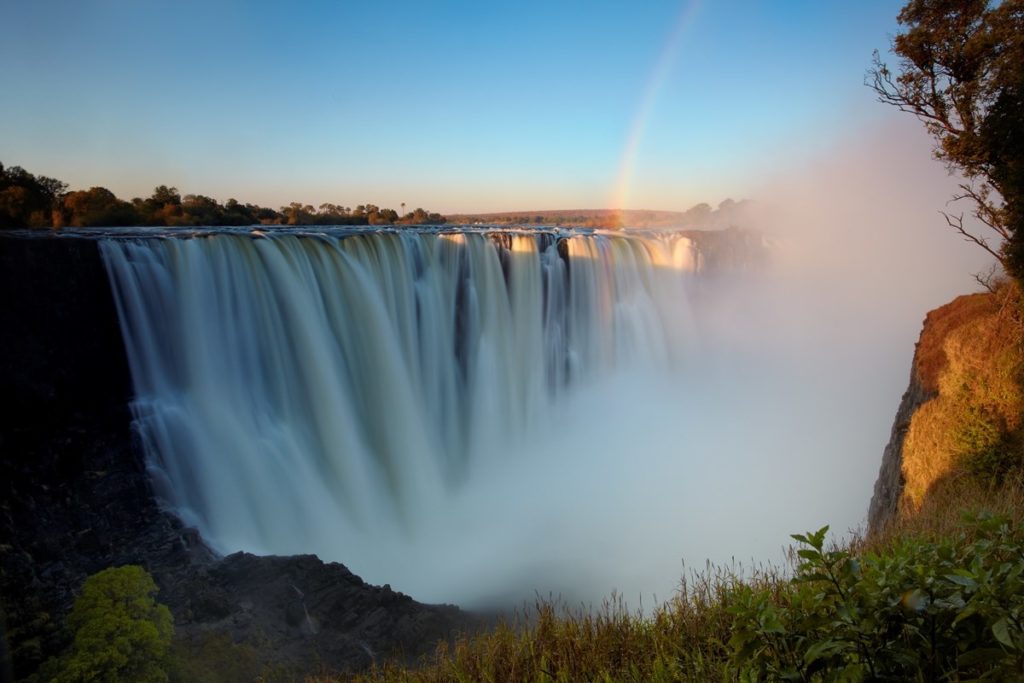
Victoria Falls offers breathtaking views and excitement, whether you stand on the viewpoints overlooking the falls or take a thrilling helicopter ride for a bird’s eye view. The roaring waters, mist hovering above the gorge, and vibrant rainbows create an unforgettable atmosphere that complements the serenity of Botswana's landscapes.
This combination of Botswana's wildlife-rich experiences and the mesmerizing allure of Victoria Falls makes for an unforgettable journey, showcasing the best that Southern Africa has to offer. Visitors leave with lasting memories of both the raw beauty of nature and the incredible adventures that await in this vibrant region.
1. Why Visit the Okavango Delta?
The Okavango Delta is a UNESCO World Heritage site and the world’s largest inland delta, renowned for its breathtaking beauty and unparalleled biodiversity. This unique ecosystem is created by seasonal flooding from the Okavango River, resulting in a complex network of channels, lagoons, and islands that support an incredible diversity of wildlife.
One of the best ways to experience the delta is through boat safaris, which allow visitors to navigate the waters and explore the intricate waterways. Glide silently through the lush vegetation in a mokoro (traditional dugout canoe), where you can observe elephants, hippos, and a plethora of bird species. The peaceful surroundings provide a sense of tranquility while affording excellent opportunities for photography.
Moreover, the delta is a vital source of life for many animals, attracting large herds of herbivores and their predators. Wildlife viewing in the delta is exceptionally rewarding, as it offers the chance to see species thriving in a wetland habitat. During your visit, you may also partake in guided walking safaris on the islands, giving you a different perspective on the region's rich wildlife. Altogether, the Okavango Delta promises an unforgettable adventure where nature thrives in a pristine setting.
2. Is Wildlife Abundant in Botswana?
Yes, Botswana is one of Africa’s premier wildlife destinations, boasting an extraordinary variety of fauna. It is home to the largest elephant population in the world, with over 70,000 elephants residing primarily in Chobe National Park. This remarkable density of elephants creates an incredible spectacle, particularly during the dry months when herds gather around water sources.
In addition to elephants, Botswana is part of the exclusive enclave known as the “Big Five,” which includes lions, leopards, buffalo, rhinos, and elephants. The expansive national parks and reserves, like Chobe and the Okavango Delta, provide key habitats for these iconic species. Regular sightings of lions and leopards, along with packs of wild dogs and rare sitatunga antelopes, can be enjoyed throughout the year.
Botswana's commitment to conservation and sustainable tourism practices has fostered an environment where wildlife thrives, which further enhances the safari experience. Low-volume, high-value tourism promotes fewer crowds along game drives, allowing for more intimate encounters with animals. There’s no doubt that Botswana offers some of the richest wildlife viewing opportunities in Africa, guaranteeing an unforgettable adventure filled with natural wonders.
3. What Makes Botswana Safaris Exclusive?
Botswana is renowned for its exceptional safari experiences, characterized by low-volume, high-value tourism. This model emphasizes smaller group sizes and intimate encounters with nature, providing an uncrowded wilderness experience. With a commitment to sustainability, Botswana limits visitor numbers in its parks, making each safari feel exclusive and private.
Travelers are often treated to personalized experiences, whether through private game drives, guided walking safaris, or unique cultural encounters. The focus on low-density tourism allows for meaningful connections with wildlife and the landscapes they inhabit. This approach not only enriches the safari experience but also promotes conservation efforts by minimizing human impact on the environment.
Luxury lodges and eco-friendly camps often align with this ethos, offering comfortable accommodations that blend seamlessly with the natural surroundings. Guests can indulge in high-quality service while engaging in sustainable practices. Given the limited number of tourists, Botswana presents an intimate setting for wildlife watching, enhancing the sense of adventure and wonder. This exclusive approach ensures that guests leave with lasting memories of wildlife encounters in a serene and pristine atmosphere.
4. What is a Mokoro Trip?
A mokoro trip is a quintessential experience in the Okavango Delta, allowing visitors to explore the waterways in traditional dugout canoes. Guided by local polers, participants glide silently through the lush channels and lagoons, offering a unique perspective on the delta's stunning ecosystems.
The mokoro, traditionally crafted from a single tree trunk, is specifically designed for maneuvering through the shallow waters, allowing visitors to get close to wildlife that frequents the riverbanks. As you navigate the tranquil waters, you might encounter herds of elephants, hippos, and an abundant variety of bird species. The experience is peaceful and immersive, emphasizing connection with nature.
In addition to wildlife viewing, mokoro trips foster a deeper appreciation of the delta’s ecology. Knowledgeable guides share insights about the flora and fauna, ecology, and cultural significance of the waterways. For those seeking a unique and intimate adventure in the heart of the Okavango Delta, a mokoro trip is a must. It encapsulates the spirit of Botswana's wilderness and offers an unparalleled opportunity to experience nature up close.
5. Can I See Rare Animals?
Absolutely! Botswana is a prime location for seeing rare and endangered species, making it a paradise for wildlife enthusiasts. Among the most sought-after animals are the African wild dog and the sitatunga antelope.
The African wild dog, known for its distinctive markings and social behavior, is one of the continent's most endangered carnivores. Botswana’s vast wilderness areas, particularly the Linyanti and Okavango Delta, provide excellent habitats for these elusive creatures. Guided safaris often focus on tracking wild dogs’ movements, offering visitors a unique chance to observe their social structures and dynamic hunting techniques.
In addition to wild dogs, the sitatunga antelope presents another rare viewing opportunity. These semi-aquatic antelopes are adapted to life in wetland environments, making the Okavango Delta an ideal spot to encounter them. Their impressive adaptations enable them to navigate marshy terrain, making sightings special.
The combination of Botswana's diverse habitats and conservation efforts increases the likelihood of spotting these rare animals. Many safari operators emphasize responsible wildlife viewing, ensuring the integrity of these species' natural behaviors. Thus, you can experience exceptional wildlife viewing that highlights Botswana's commitment to biodiversity conservation.
6. What is the Kalahari Desert Like?
The Kalahari Desert is a vast expanse characterized by immense, silent landscapes that offer a stark beauty unlike any other. Spanning regions of Botswana, Namibia, and South Africa, the Kalahari is not a true desert; it’s a semi-arid region rich with wildlife and unique ecosystems.
Visitors to the Kalahari can expect to see iconic wildlife species such as black-maned lions, which are well-known for their impressive manes and are a draw for photographers and wildlife enthusiasts. Other inhabitants include ostriches, springbok, and meerkats, which are charming and fascinating to watch as they dig and forage.
The Kalahari also boast stunning geological features, including red sand dunes and salt pans, which create mesmerizing landscapes that shift with the light throughout the day. Early mornings and late afternoons provide the best opportunities for wildlife spotting, as animals become more active in cooler temperatures.
Additionally, guided tours led by local San people offer profound insights into the survival techniques and rich cultural heritage of indigenous communities. Exploring the Kalahari provides a blend of wildlife encounters and cultural experience, set against a backdrop of unmatched natural beauty.
7. Are there Luxury Accommodations?
Botswana is home to some of Africa’s most luxurious safari accommodations, offering remote, eco-friendly lodges that provide exceptional comfort in stunning natural settings. These lodges often feature spacious tented suites or villas, designed to blend seamlessly into the wilderness while providing modern amenities. Luxurious touches such as private plunge pools, gourmet dining, and personalized service enhance the overall experience.
Many of these lodges are situated near prime wildlife viewing areas, allowing guests to embark on game drives, walking safaris, or boat excursions right from their doorstep. The emphasis on privacy and exclusivity means that visitors can explore the untamed landscapes and encounter wildlife without the presence of large crowds.
Additionally, these eco-friendly lodges focus on sustainability, utilizing renewable energy sources, responsible waste management, and community engagement initiatives. This commitment to preserving the environment creates a sense of belonging and responsibility among guests, encouraging them to participate in conservation efforts during their stay.
Staying in one of Botswana’s luxurious lodges promises a unique and memorable experience—combining the thrill of wildlife encounters with the comfort and elegance of exceptional accommodations in the heart of nature.
8. When is the Best Time?
The best time to visit Botswana for wildlife viewing is during the dry season, which typically spans from May to October. This period offers optimal conditions for spotting wildlife, as animals congregate around dwindling water sources, making them easier to locate. The dry season coincides with cooler weather, making outdoor excursions more comfortable.
As the landscape transforms, the vegetation becomes less dense, improving visibility and enhancing the safari experience. Game drives and walking safaris during this season provide excellent opportunities to see the “Big Five,” including elephants, lions, leopards, and buffalo. The abundance of wildlife during this time, paired with the unique behaviors, such as mating displays and young animal rearing, adds excitement to every safari venture.
During the dry months, visitors can also participate in specialized activities like canoeing and mokoro excursions in the Okavango Delta, where the water levels are at their highest, creating numerous channels for exploration.
Overall, the dry season in Botswana is synonymous with unparalleled wildlife encounters and comfortable travel conditions, establishing it as the prime time for an unforgettable safari experience.
9. What are Makgadikgadi Pans?
The Makgadikgadi Pans are one of the largest salt flats in the world and offer a strikingly unique landscape that beckons adventure and exploration. Remnants of ancient lakes that once covered a vast area, the pans present an otherworldly experience where shimmering salt stretches as far as the eye can see.
Visitors can engage in thrilling activities such as quad-biking across the pans, providing an exhilarating way to traverse the stark beauty of this environment. The experience of racing across the glistening salt flats is unlike any other, offering vast panoramic views and a sense of freedom in the open landscape.
During the wet season, the Makgadikgadi Pans come alive, attracting migratory birds and wildlife, including large herds of zebras that gather to graze. This transformation adds another layer to the experience, creating opportunities for photography and wildlife observation.
Camp sites in the area often provide stunning views of the salt pans, allowing guests to partake in stargazing at night when the skies become a canvas of stars. Named one of the most surreal landscapes in Africa, the Makgadikgadi Pans promise thrilling adventures and unforgettable memories.
10. Can I Walk with Locals?
Yes! One of the most enriching experiences in Botswana is the opportunity to participate in guided walks led by local San people. This culturally immersive activity allows visitors to learn about the indigenous Bushmen's traditional practices, survival skills, and deep connection to the land.
Local guides share their vast knowledge of the flora and fauna, highlighting how they have navigated and survived in the harsh Kalahari environment for thousands of years. Visitors can gain insights into ancient hunting methods, edible plants, and tracking techniques, providing a profound appreciation for the rich cultural heritage and resilience of the San people.
Walking with locals fosters meaningful interactions and encourages a greater understanding of the challenges faced by indigenous communities today. This experience not only promotes cultural appreciation but also enhances awareness of sustainability and conservation.
Engaging with the San people through guided walks nourishes a deeper connection to the land and highlights Botswana’s commitment to preserving cultural identities. This unique opportunity transforms a mere safari into a comprehensive journey of education and cultural exchange, enriching visitors’ experiences long after they leave.
11. Is Botswana Safe?
Botswana is regarded as one of Africa’s safest and most stable countries, offering a secure environment for travelers. Its reputation for peace and political stability since independence in 1966 has contributed to a welcoming atmosphere, where tourism thrives alongside local communities.
The safety of visitors is a priority across the tourism sector, with well-established infrastructures, including reliable transportation and well-trained guides. Crime rates are relatively low compared to many other countries, which fosters an environment where guests can explore with confidence and ease.
Botswana’s commitment to conservation and sustainable tourism further reinforces the country’s safety. By promoting responsible travel practices and community involvement, tourists can engage in activities that not only benefit local ecosystems but also support the communities living within them.
The sense of security allows visitors to focus on the rich wildlife experiences and cultural exchanges available. Whether embarking on thrilling adventures in the Kalahari Desert or exploring the waterways of the Okavango Delta, travelers can rest assured that they are in safe hands while discovering the beauty and diversity of Botswana.
12. Are There Photographic Safaris?
Yes, Botswana offers photographic safaris tailored specifically for photography enthusiasts. These specialized tours utilize professional vehicles designed for optimal views and access, ensuring that photographers can capture stunning images of the breathtaking landscapes and diverse wildlife.
Photographic safaris often have smaller group sizes, allowing participants more space and flexibility to position themselves for ideal shots. Guides with expertise in wildlife photography accompany these tours, providing tips and insights on composition, lighting, and animal behavior to enhance the overall experience.
Botswana’s diverse habitats—from the lush wetlands of the Okavango Delta to the dramatic landscapes of the Kalahari and the expansive Makgadikgadi Pans—create a plethora of photographic opportunities. During these safaris, visitors can capture incredible images of elephants drinking at sunset, lions lounging in the grass, or the spectacular migratory birds that flock to the region.
Photographers can also benefit from golden hour excursions, ensuring that they get the best light for their shots. A dedicated photographic safari in Botswana promises an enriching and rewarding experience, combining the thrill of wildlife viewing with the opportunity to create lasting visual memories.
13. What About Bird Watching?
Botswana is a birdwatcher’s paradise, boasting rich and diverse ecosystems that support an incredible variety of avian species. With over 500 recorded bird species, the country caters to both seasoned birders and casual observers.
The Okavango Delta, in particular, is a hotspot for birdwatching, attracting vibrantly colored species such as the lilac-breasted roller, African fish eagle, and the elusive shoebill stork. Wetlands, savannahs, and woodlands create an array of habitats that support different bird species throughout the year, making every visit unique.
Birdwatching tours in Botswana often include specialized guides who are knowledgeable about bird identification and behavior, leading you to the best spots for sightings. Morning and late afternoon excursions are most productive, as birds are active during these cooler times of day.
Additionally, the different seasons in Botswana bring diverse migratory species, providing year-round opportunities to explore avifauna. Whether on a boat safari in the Delta or a guided walk through varied landscapes, birdwatching in Botswana guarantees memorable moments surrounded by stunning wildlife and breathtaking scenery.
14. Can I Take a Scenic Flight?
Absolutely! Scenic flights provide breathtaking aerial views of Botswana’s stunning landscapes, particularly the Okavango Delta. Helicopter or light aircraft tours offer a unique perspective on the intricate waterways and abundant wildlife that thrive in this UNESCO World Heritage site.
From the sky, you can witness the delta's vast expanse of green channels and shimmering lagoons, complemented by the rich colors of the surrounding vegetation and wildlife. The sight of elephants, hippos, and other animals from above is both exhilarating and eye-opening, as it offers a true appreciation for the scale and beauty of this unique ecosystem.
Private scenic flights can often be customized to cater to your interests, whether you wish to focus on specific wildlife areas or enjoy panoramic views of landmarks such as the Makgadikgadi Pans. The thrill of flying above the landscape adds an adventurous element to your trip, making it memorable.
Scenic flights are particularly popular during the early morning or sunset, offering stunning views as the sunlight casts a golden glow over the terrain. For those seeking a unique and unforgettable experience, a scenic flight in Botswana is simply not to be missed.
15. What is Chobe National Park?
Chobe National Park is one of Africa’s most remarkable wildlife destinations, famed for its massive herds of elephants and diverse ecosystems. Located near the Chobe River in northern Botswana, the park features a variety of habitats, including floodplains, woodlands, and savannahs that support an incredible array of wildlife.
Chobe is renowned for its elephant population, with some estimates suggesting over 50,000 elephants inhabit the park. Visitors can witness these magnificent creatures in their natural environment, particularly during the dry season when they congregate along the riverbanks to drink and socialize. The sight of elephants interacting with one another and engaging in social behaviors is a highlight for many travelers.
In addition to elephants, Chobe is home to a plethora of other wildlife, including lions, leopards, buffalo, and numerous bird species, making it ideal for both game drives and boat safaris. The combination of land and water ecosystems offers unique opportunities for wildlife encounters and photography.
Chobe National Park’s accessibility and diverse habitats make it a fantastic addition to any Botswana itinerary, offering visitors an unforgettable African safari experience in one of the continent’s most awe-inspiring natural settings.
Booking Botswana safari with us Roads of Adventure safaris
Book your unforgettable Botswana safari with Roads of Adventure Safaris for expert-led, tailored journeys. Experience premier wildlife viewing in the Okavango Delta, Moremi, and Chobe, ranging from luxury lodges to thrilling mobile camping. Our team handles all logistics—transport, guides, and itineraries—ensuring a seamless, sustainable adventure tailored to your interests. Discover big cats, vast elephant herds, and unique cultural encounters. Contact us to start planning your dream Botswana adventure today.
