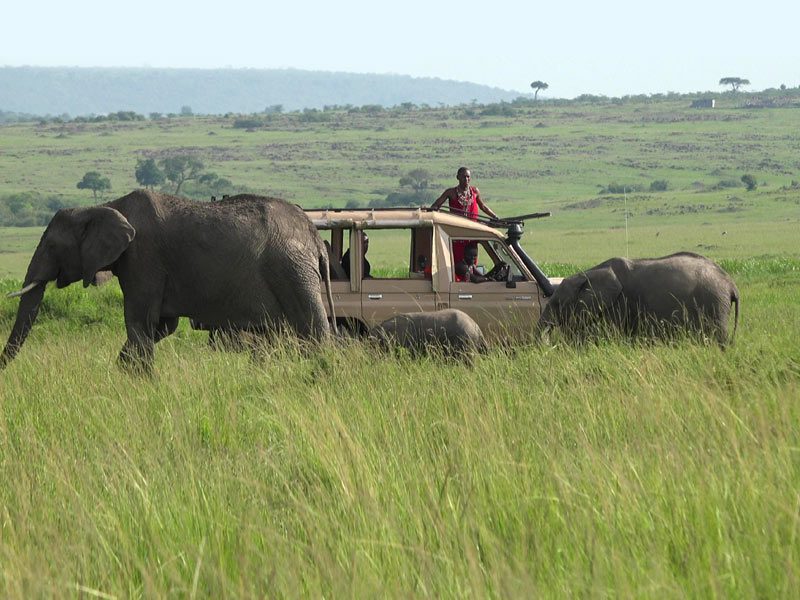
When you think of Kenya safari, your mind likely drifts straight to the iconic image of a 4x4 tracking lions across the golden savannah. But look past the binoculars, and you’ll find a country pulsing with a completely different kind of magic. Beyond the traditional safari circuit lies an entire universe of vibrant culture, adrenaline-pumping adventure, and coastal bliss just waiting to be uncovered. Whether you’re getting lost in the historic, car-free labyrinth of Lamu Old Town, scaling the rugged crater rims of the Great Rift Valley, or catching world-class trade winds on a kitesurf board over the Indian Ocean, Kenya offers an incredibly diverse playground. From the artistic heartbeat of Nairobi's bustling markets to the serene, powder-white beaches of Diani, stepping off the beaten game-drive path reveals the true, multi-faceted soul of this East African gem.
6-days-kenya-wildlife-safari-and-uganda-gorilla-tracking-safari-tour
6-days-maasai-mara-nakuru-amboseli-affordable-budget-kenya-safari
6-days-circuit-kenya-safari-to-masai-mara-lake-nakuru-and-amboseli-park
6-days-luxury-kenya-safari-round-trip-starting-from-masai-mara
6-days-mid-range-kenya-wildlife-safari-all-inclusive-tour-package
6-days-mid-range-kenya-wildlife-safari-all-inclusive-tour-package
6-days-kenya-safari-and-gorilla-tracking-vacation-in-rwanda
7-days-budget-kenya-safari-holiday-vacation-tour
7-days-amboseli-kenya-and-serengeti-fly-in-tanzania-safari
7-days-masai-mara-safari-tour-and-serengeti-safari-tour-in-kenya-and-tanzania
7-days-best-of-kenya-wildlife-safaris-itinerary
7-days-kenya-wildlife-safari-to-kenya-beach-holiday-at-diani-beach
7-days-ultimate-budget-kenya-tanzania-safari-holiday-vacation
7-days-ultimate-africa-big-cats-kenya-safari-holiday-best-parks
7-days-kenya-honeymoon-safari-holiday-and-vacation-couple-escape
7-days-kenya-family-safari-package-and-zanzibar-beach-holiday-vacation
19-days-kenya-tanzania-wildlife-combined-with-zanzibar-beach-holiday-vacation
18-days-exclusive-kenya-tanzania-safari-to-uganda-primate-safari
17-days-east-africa-safari-to-uganda-rwanda-kenya-tanzania-and-zanzibar-beach-holidays
14-days-ultimate-kenya-tanzania-safari-to-zanzibar-beach-beach-holidays
12-days-kenya-tanzania-safari-and-zanzibar-beach-holiday-vacation
11-days-ultimate-kenya-tanzania-safari-combined-tour
10-days-best-kenya-tanzania-honeymoon-safari-with-zanzibar-beach-holidays
10-days-perfect-kenya-tanzania-photographic-safari-tour
Culture & History
Tour Nairobi National Museum
Stepping into the Nairobi National Museum feels like pulling back the curtain on the very cradle of humanity. If you think a Kenya safari is only about watching animals, this cultural hub will beautifully shatter that preconception. The moment you walk through the doors, you are greeted by an astonishing collection of paleontology, contemporary African art, and deep tribal history. It is a space where the ancient and the modern sit side by side. Walking through the halls, you can marvel at early hominid fossils—including the famous Homo erectus and Australopithecus specimens—that date back millions of years, offering a profound look at our shared human origins. Beyond the fossils, the museum showcases the vibrant, living cultures of Kenya's 42+ distinct ethnic groups through traditional clothing, weaponry, and musical instruments. It gives you an essential grounding in the human stories that shape this land, providing the perfect context before you head out into the wider country. It is an enlightening, grounding afternoon that proves the country's heritage is just as wild and fascinating as its wilderness.
Explore Lamu Old Town
Lamu Old Town is a place where time seems to have stood completely still, offering a sensory escape unlike any other. As the oldest and best-preserved Swahili settlement in East Africa, this UNESCO World Heritage site replaces the typical roar of a Kenya safari vehicle with the gentle clip-clop of over 6,000 donkeys walking down car-free alleys. The air here is thick with the scent of coastal spices and sea salt, and the architecture tells stories of centuries of maritime trade between Africa, Arabia, and Asia. Wandering through the labyrinth of narrow streets, you will find yourself staring in awe at the famously intricate, hand-carved wooden doors that adorn beautiful coral-stone houses. The rhythm of life here is beautifully slow and deeply human. You can spend hours chatting with local craftsmen, sipping spiced tea at a rooftop café, or simply watching the traditional wooden dhows glide across the water. It is a living, breathing museum where the warmth of the Swahili people makes you feel less like a passing tourist and more like a welcomed guest in a forgotten paradise.
Visit Fort Jesus in Mombasa
Perched dramatically on the edge of Mombasa Island, Fort Jesus stands as an imposing sentinel to a turbulent and fascinating past. Built by the Portuguese in the late 16th century (specifically between 1593 and 1596 by order of King Philip I), this massive fortress has witnessed countless battles, sieges, and shifts of power, making it a dream destination for anyone looking to add historical depth to their Kenya safari vacation. Walking past its thick, weathered coral walls, you can practically feel the weight of the centuries. The museum inside houses a captivating collection of artifacts recovered from shipwrecks—such as the Portuguese frigate Santo António de Tanná—and archaeological digs, showcasing the global trade that once converged on this coast. As you explore the dark watchtowers, old battlements, and open courtyards, local guides bring the history alive with tales of Omani Arabs, British soldiers, and Portuguese explorers who all fought fiercely for control of this strategic gateway. Standing on the ramparts and looking out over the blue waters of the Indian Ocean, you get a powerful sense of how deeply connected Kenya has always been to the rest of the world.
Wander through Gedi Ruins
Tucked away inside the shadows of a dense, indigenous coastal forest near Watamu lie the Gedi Ruins (historically spelled Gedi rather than Gede), one of Africa’s most compelling mysteries. This abandoned Swahili town, which thrived from the 13th to the 17th centuries, was mysteriously deserted, leaving behind a ghost city of stone structures slowly being swallowed by nature. As you walk the quiet, shaded paths of the Arabuko-Sokoke Forest ecosystem, you will come across the remains of a magnificent palace, a large mosque, and stone houses complete with advanced sanitation systems including indoor plumbing and flush toilets. Sunbeams pierce through the thick canopy, illuminating ancient walls where wild Sykes' monkeys now swing from the vines. Unlike the wide-open plains of a typical Kenya safari, Gedi offers an intimate, almost hauntingly beautiful look into an advanced civilization that vanished without a trace. There are no written records explaining why the residents left—though theories range from a lack of fresh water to a Mombasa retaliatory expedition or Galla (Oromo) incursions—leaving you to wander, wonder, and piece together the clues of the past amidst the whispering trees and ancient stones. It is an enchanting stroll through history that feels like discovering a hidden world.
Shop at Maasai Market
If you want to experience the vibrant, creative heartbeat of modern-day Nairobi, the Maasai Market is an absolute must-visit. This rotating open-air market—which changes locations across the city depending on the day of the week (such as the High Court parking lot on weekends or the Galleria Mall on Tuesdays)—is a sensory explosion of color, sound, and human energy that contrasts beautifully with the quiet expanses of a classic Kenya safari. The stalls are piled high with brilliant beaded jewelry, hand-woven kiondo baskets, vibrant shuka cloths, and beautifully detailed wooden carvings. What makes the market truly special is the direct connection with the people; you are buying directly from the artisans and vendors who poured their time and skill into these crafts. Striking up a conversation, sharing a laugh, and engaging in the friendly, expected art of bartering is all part of the experience. The energy is infectious, and the warmth of the sellers makes the bustling environment feel incredibly welcoming. It is the ultimate place to find a meaningful keepsake that carries a genuine human story, all while supporting the local creative economy in the heart of the city.
Adventure & Sports
Climb Mount Kenya
For those who find their peace at high altitudes, trading the flat savannah of a Kenya safari for the jagged, snow-capped peaks of Mount Kenya is the ultimate thrill. As Africa’s second-highest mountain, it offers an incredibly diverse and visually stunning trek that leads you through several distinct ecological zones. You will begin your journey hiking through lush bamboo forests, ascend into otherworldly moorlands filled with giant rosette plants (like the unique Lobelia and Dendrosenecio), and finally scramble across rugged alpine rock. The ultimate goal for most hikers is Point Lenana, standing proud at 4,985 meters (16,355 feet), the highest peak accessible without technical climbing gear. Standing at the summit at dawn, shivering in the crisp air as the golden African sun breaks through the clouds below you, is an emotional, unforgettable milestone. The sheer quiet of the mountain, broken only by the wind, provides a space for deep personal reflection. It is a physically demanding journey, but the sense of achievement and the panoramic views across the continent make every single step worth it.
Hike Mount Longonot
Rising sharply from the floor of the Great Rift Valley, Mount Longonot offers a thrilling day-hiking adventure that will completely redefine your view of the local landscape. This dormant volcano features a distinct, massive crater rim that beckons hikers from all over the world. The trek up to the rim is a steep, heart-pumping challenge that takes you through dusty trails and rocky ridges, testing your legs but rewarding you at every turn. Once you reach the rim, the true magic reveals itself: a vast, lush forest grows undisturbed right inside the crater floor below. Hiking the full 7.2-kilometer (4.5-mile) loop around the edge of the crater gives you breathtaking, 360-degree views of the sprawling Rift Valley and the glittering waters of Lake Naivasha in the distance. It feels incredibly liberating to stand on the edge of a volcano, feeling the breeze and looking out over the vast landscape. It is a fantastic, active alternative to the traditional vehicle-based Kenya safari, offering a raw, physical connection to the earth.
Cycle Hell’s Gate National Park
Hell’s Gate National Park offers one of the most uniquely liberating outdoor experiences in East Africa. Unlike most wildlife parks where you are strictly confined to a vehicle, here you can rent a mountain bike and pedal your way right through the landscape. Riding along the dirt paths with towering red volcanic cliffs rising on either side feels intensely adventurous. The best part is the casual company you keep along the way; it is completely normal to cycle past small herds of grazing zebras, Thomson's gazelles, hartebeests, and giraffes looking at you with mild curiosity. Without the roar of a car engine, you can hear the crunch of the gravel beneath your tires and the calls of birds echoing off the rock faces. The park also features the dramatic Ol Njorowa Gorge that you can explore on foot with a local guide, adding a hiking element to your day. It is an active, exhilarating way to experience the environment, perfectly blending the thrill of a Kenya safari with the freedom of human-powered exploration.
Kitesurf in Diani Beach
When you need a break from land-based adventures, the coastal paradise of Diani Beach stands ready with world-class water sports. Renowned globally for its reliable trade winds—the Kaskazi blowing from the northeast and the Kuzi from the southeast—warm turquoise waters, and protective coral reefs, this stretch of the Indian Ocean is an absolute haven for kitesurfing enthusiasts. Whether you are a seasoned pro looking to catch big air or a complete beginner taking your very first lesson on the shallow, flat water near the shore, the energy here is incredibly welcoming and vibrant. Strapping into a board and letting the wind pull you across the sparkling water offers a rush of pure adrenaline that contrasts beautifully with the slow pace of a land safari. The local kitesurfing community is tight-knit, friendly, and deeply passionate, making it easy to share tips, stories, and laughs on the beach after a long session in the water. It is a spectacular way to embrace Kenya’s dynamic coastal energy while feeling completely alive in the elements.
Scuba Dive in Watamu Marine Park
Dropping beneath the surface of the Indian Ocean at Watamu Marine National Park & Reserve reveals a breathtakingly colorful underwater world that rivals any terrestrial landscape. This protected marine sanctuary features thriving coral reefs that host an incredible abundance of marine life, making it a spectacular diving destination. As you drift through the warm, crystal-clear water, you will find yourself swimming alongside green sea turtles, vibrant schools of parrotfish, surgeonfish, and blue-spotted ribbontail rays gliding elegantly over the ocean floor. The coral formations themselves are stunning, creating intricate underwater topographies to explore. Diving here offers a serene, weightless tranquility that provides a wonderful balance to the dusty excitement of a typical Kenya safari. The local dive guides are incredibly passionate about reef conservation, happily pointing out hidden creatures like octopuses or moray eels. It is a beautiful reminder that the country's natural wonders do not end at the shoreline, extending deep into the blue ocean.
White Water Rafting on the Tana River
For an intense rush of pure adrenaline, leaving the capital behind for a day of white water rafting on the Tana River (centered around the adventure hub of Sagana) is an absolute thrill. Located just a 90-minute drive north of Nairobi, this dynamic river features an exciting mix of calm, scenic stretches and heart-pounding rapids ranging from Class II all the way to Class V, depending on the season and water levels. Gripping your paddle tightly as your raft plunges through churning, white water waves is an incredible, bonding experience that requires real teamwork. Between the turbulent rapids, the river calms down significantly, allowing you to drift peacefully through lush gorges and spot some of the abundant birdlife—like the malachite kingfisher or the African fish eagle—lining the riverbanks. The local river guides are highly skilled, keeping the entire experience incredibly safe while ensuring everyone has an absolute blast. It is a wild, soaking-wet adventure that injects an element of high-octane fun into your trip, proving that a memorable Kenya safari experience can also happen on a rushing river.
Nature & Leisure
Hand-feed Giraffes
There are very few places in the world where you can stand eye-to-eye with a towering giant, which makes a visit to the Giraffe Centre in Nairobi exceptionally special. Established by the African Fund for Endangered Wildlife (A.F.E.W.), this wonderful sanctuary is dedicated to the protection and breeding of the endangered Rothschild’s giraffe. Walking up onto the raised wooden observation platform allows you to stand at head height with these gentle creatures. Holding out a small wooden bowl of specialized food pellets, you can watch as a long, prehensile, blue-grey tongue reaches out gently to take the treat right from your hand. Feeling the soft brush of their muzzle and looking directly into their massive, long-lashed eyes is a deeply touching experience that brings out a sense of childlike wonder in everyone. The passionate educators on-site share details about giraffe conservation, making this sweet encounter both deeply personal and highly educational.
Adopt a Baby Elephant
A morning spent at the Sheldrick Wildlife Trust in Nairobi is bound to be one of the most heartwarming, emotionally moving experiences of your entire journey. This world-renowned conservation project rescues and rehabilitates orphaned baby elephants from all across the country, many of whom lost their mothers due to poaching, severe droughts, or human-wildlife conflict.
Important Travel Note: The public visiting hour takes place strictly from 11:00 AM to 12:00 PM daily, and advanced pre-booking online via email is strictly mandatory as walk-ins are no longer permitted.
Standing along a simple mud ring, you can watch as the tiny elephants come running out, eagerly guzzling giant bottles of specialized milk formula held by their dedicated keepers. Watching them play, roll around in the red dust, and playfully nudge one another is a pure joy. You even have the unique opportunity to officially foster an orphan (starting at $50 USD per year), allowing you to receive regular updates on their progress and eventual return to the wild. It adds a beautiful layer of human compassion and personal connection to your wider Kenya safari journey.
Relax at Diani Beach
After days spent traveling along dusty roads and waking up for early morning game drives, Diani Beach offers the ultimate coastal sanctuary for rest and rejuvenation. Stretching for miles along the warm waters of the Indian Ocean, this paradise features incredibly soft, powder-white sand shaded by leaning coconut palms. The vibe here is completely laid-back, inviting you to kick off your shoes and fully embrace the slow, gentle rhythm of coastal life. You can spend your days reading a book under a thatched makuti umbrella, taking refreshing dips in the bright turquoise water, or enjoying fresh, locally caught snapper or lobster with coconut rice (wali wa nazi) at a beachfront restaurant. The ocean breeze keeps the tropical heat perfectly comfortable, creating an ideal environment to clear your mind. It is a beautiful, peaceful contrast to the high energy of a traditional Kenya safari, providing a dreamy space where you can relax, unwind, and fully process all your travel adventures.
Explore the Great Rift Valley Viewpoints
Driving out of Nairobi towards the west along the Waiyaki Way / Nairobi-Nakuru Highway, the landscape suddenly drops away into one of the most geologically spectacular sights on earth: the Great Rift Valley. Stopping at one of the scenic viewpoints along the Mai Mahiu escarpment offers a panoramic vista that will leave you completely breathless. The sheer scale of the valley is staggering, stretching out for thousands of miles with ancient volcanic cones like Mount Longonot and Mount Suswa, alongside shimmering lakes dotted across the floor far below. Standing at the edge of the viewpoint with the wind whipping past, you get a profound sense of the massive tectonic forces that shaped our planet. Local vendors line the viewpoints, offering hand-crafted souvenirs, beautiful shuka blankets, and a warm conversation while you take in the view. It is an iconic landscape feature that connects all aspects of a Kenya safari, providing a brilliant, sweeping sense of place and scale that stays with you long after you leave the edge.
Dhow Cruise in Lamu
There is an undeniable, quiet magic to sailing along the Swahili coast on a traditional wooden dhow. These elegant, hand-crafted vessels have been used for maritime trade across the Indian Ocean for centuries, and taking a sunset cruise in Lamu allows you to step right into that living history. As the crew hoists the massive, triangular white sail (known locally as a tanga), the boat cuts quietly through the calm waters of the Lamu Archipelago without the disruptive noise of an engine. You can lounge on comfortable cushions on the deck, enjoying fresh tropical fruit, samosas, and cool drinks as the sky shifts through brilliant shades of gold, pink, and deep purple. The mangrove-lined coastline takes on a peaceful, silhouette beauty as the sun dips below the horizon. The sheer tranquility of the experience, combined with the gentle lapping of the water against the wooden hull, offers a deeply relaxing, romantic escape that perfectly complements the terrestrial adventures of a regular Kenya safari.
Birdwatch at Lake Naivasha
Lake Naivasha offers a serene, freshwater escape surrounded by yellow-barked acacia trees (frequently called "fever trees"), providing a completely different pace from a typical land-based Kenya safari. Taking a quiet boat ride out onto the calm waters brings you incredibly close to a thriving ecosystem. The lake is a paradise for birdwatchers, home to over 400 species of birds, including the iconic African fish eagle, which you can watch dive dramatically to snatch fish right from the water's surface. As your boat glides past large pods of wallowing hippos yawning in the shallows, you will also spot giraffes, waterbucks, and zebras grazing peacefully along the grassy shores of Crescent Island. The peaceful atmosphere, broken only by the lap of the water and the calls of the birds, makes it an incredibly soothing place to spend a morning. It is a gentle, immersive way to appreciate nature, highlighting the incredible diversity of the country's unique water systems.
Visit the Kazuri Beads Factory
Hidden away in the beautiful, historic suburb of Karen in Nairobi, the Kazuri Beads Factory is a wonderful workshop that beautifully combines artistic creativity with deep social impact. Founded to provide sustainable employment, the factory empowers over 300 local single mothers and vulnerable women by teaching them the delicate craft of making ceramic jewelry. Taking a guided tour through the workshop allows you to see the entire process firsthand, from the initial shaping of the raw clay sourced from Mount Kenya to the hand-painting of bright, beautiful glazes and the final firing in the kilns. The atmosphere inside is filled with warmth, chatter, and Swahili songs as the women work together. Chatting with the artisans and seeing the pride they take in their work makes purchasing a piece of jewelry from the gift shop incredibly meaningful. It is a heartwarming stop that shows how the spirit of a Kenya safari holiday can extend to supporting the livelihoods of amazing local communities.
Food & Agritourism
Dine at Carnivore
For meat lovers looking for a legendary culinary experience, a dinner at the famous Carnivore Restaurant in Langata, Nairobi is an absolute rite of passage. This iconic dining spot takes the concept of a barbecue—or local "nyama choma"—to an extraordinary level, roasting a massive variety of meats on traditional Maasai swords over a huge, charcoal pit right in the center of the restaurant.
Menu Correction: Kenya instituted a strict ban on wild game hunting and wild game meat sales. Therefore, you will not find wild zebra or antelope here. Instead, you will be served legally farmed exotic meats like crocodile and ostrich, alongside delicious domestic cuts of beef, pork, lamb, chicken, and savory sausages.
As you sit down, a team of energetic carvers moves from table to table, slicing sizzling cuts directly onto your cast-iron plate. The meal keeps coming until you finally surrender by lowering the small white paper flag placed on your table. The atmosphere is loud, celebratory, and incredibly fun, making it a fantastic place to toast to your travel adventures with a classic Dawa cocktail—Kenya's signature drink made with vodka, crushed lime, ice, and a honey-coated stirring stick. It is a bold feast that provides a unique culinary spin on your wider Kenya safari journey.
Tour a Tea or Coffee Plantation
Visiting the lush, rolling highlands of Kiambu, Limuru, or Kericho offers a beautiful look into the agricultural heart of the nation. The endless, vibrant green fields of neatly trimmed tea bushes stretching across the hills create a stunning landscape that feels worlds away from the dry savannah plains of a typical Kenya safari. Taking a walking tour through a historic estate—such as the famous Kiambethu Tea Farm in Limuru—allows you to learn exactly how the country’s world-famous Camellia sinensis (tea) and rich Arabica coffee are grown, harvested, and processed. You can watch the incredible skill of local pickers moving quickly through the fields, selecting only the finest "two leaves and a bud." The tour wraps up with a guided tasting session, where you can learn to appreciate the delicate flavor profiles of fresh brews. Chatting with the farmers over a warm cup provides a wonderful human connection, giving you a deep appreciation for the hard work that goes into producing two of Kenya's most famous global exports.
What makes the modern Nairobi National Museum special?
The Nairobi National Museum isn’t just a warehouse of old bones; it’s a living testament to the human journey. Stepping inside, you instantly realize that Kenya’s story runs far deeper than its legendary wildlife. The paleontology gallery is deeply grounding, housing iconic fossils like the Turkana Boy, a nearly complete Homo erectus skeleton that connects every visitor to our shared prehistoric roots. But the museum beautifully balances this ancient history with a celebration of the present. The art gallery showcases contemporary African painters and sculptors, proving that the local creative spirit is thriving and evolving. Meanwhile, the cultural exhibitions offer an intimate look at the traditions, clothing, and musical instruments of the country’s diverse ethnic groups. It gives you a profound sense of place and respect for the people who call this land home before you even set foot in the savannah. It’s an essential, eye-opening stop that reminds us that human heritage is just as vibrant, complex, and captivating as the natural world outside its walls.
Can visitors explore Lamu Old Town without vehicles?
Yes, and that is exactly where the magic lies. Lamu Old Town is a rare, living sanctuary where the frantic rush of modern life completely melts away, replaced by a rhythm that feels beautifully slow and deeply human. As a car-free UNESCO World Heritage site, the only way to navigate its labyrinth of narrow, sun-dappled alleys is on foot or by hopping out of the way of the island’s unique transport system: over 6,000 donkeys. Instead of traffic hum and car horns, your senses are treated to the gentle clip-clop of hooves, the calls of local merchants, and the rich scent of coastal spices mingling with the sea breeze. Walking here feels less like being a passing tourist and more like being a welcomed guest in a forgotten paradise. You can spend hours admiring the famously intricate, hand-carved Swahili doors, chatting with local woodcarvers, or sitting at a rooftop café watching traditional wooden dhows glide across the water. It’s a place that forces you to slow down, breathe deeply, and connect with a historic coastal lifestyle that has proudly stood the test of time.
Who built Fort Jesus in Mombasa during history?
Fort Jesus was built by the Portuguese in the late 16th century, specifically between 1593 and 1596 under the orders of King Philip I. Designed by an Italian architect named Giovanni Battista Cairati, this imposing coral-stone sentinel was constructed to protect the lucrative port of Mombasa and secure Portugal's dominance over the Indian Ocean trade routes. Walking past its thick, weathered walls today, you can practically feel the weight of its turbulent past. This fortress has witnessed countless bloody battles, long sieges, and shifts of power, changing hands at least nine times between the Portuguese, Omani Arabs, and eventually the British. Local guides bring these centuries of conflict alive with stories of courage, betrayal, and resilience. Inside the museum, you can explore fascinating artifacts recovered from archaeological digs and historic shipwrecks, like the Portuguese frigate Santo António de Tanná. Standing on the old battlements and looking out over the blue waters, you gain a powerful appreciation for how deeply connected Mombasa has always been to global history, serving as a vital crossroad where empires collided.
What secrets are hidden within the Gedi Ruins?
Tucked away inside the quiet shadows of a lush coastal forest, the Gedi Ruins remain one of Africa’s most captivating and beautiful mysteries. This was once a wealthy, highly advanced Swahili town that thrived from the 13th to the 17th centuries, complete with a grand palace, a large mosque, and stone houses featuring indoor plumbing and coral-stone flush toilets. Yet, despite its sophistication and clear success in global maritime trade, the city was suddenly and completely abandoned, leaving a ghost town to be swallowed up by nature. Because no written records exist to explain why the residents packed up and left, walking through the shaded paths feels like stepping into a hidden world full of unanswered questions. Theories suggest a sudden drying up of their fresh water wells or incursions by local tribes, but nothing is certain. Today, sunbeams pierce the thick canopy, illuminating ancient walls where wild Sykes' monkeys swing from the vines. It offers an intimate, almost hauntingly beautiful contrast to the wide-open plains of a typical safari, inviting your mind to wonder about the people who built this vanished civilization.
Where can travelers experience the rotating Maasai Market?
The Maasai Market is a vibrant, moving feast of color and energy that shifts locations across Nairobi depending on the day of the week. For instance, you might find it filling the High Court parking lot in the city center on weekends, or bringing life to the Galleria Mall on Tuesdays. This rotating schedule is part of what makes it so exciting; it transforms everyday urban spaces into bustling hubs of creativity. The stalls are piled high with brilliant beaded jewelry, hand-woven kiondo baskets, vibrant shuka blankets, and detailed wood carvings. What truly sets the market apart, though, is the direct human connection. You aren't just buying souvenirs; you are interacting face-to-face with the artisans who poured their time, skill, and heritage into their crafts. Engaging in the friendly, expected art of bartering, sharing a genuine laugh, and hearing the stories behind the items makes the lively environment feel incredibly warm and welcoming. It’s the ultimate place to find a meaningful keepsake that supports the local creative economy while experiencing the pulse of modern Nairobi.
What is the highest trekker peak on Mount Kenya?
The highest peak accessible to regular hikers on Mount Kenya is Point Lenana, which stands proud at an impressive 4,985 meters (16,355 feet) above sea level. While the mountain’s twin highest summits, Batian and Nelion, require technical rock-climbing gear and advanced mountaineering skills, Point Lenana offers an achievable yet deeply rewarding challenge for determined trekkers. The journey to the top takes you through an extraordinary shifting landscape, beginning in lush bamboo forests before ascending into otherworldly moorlands filled with giant rosette plants like unique Lobelias and Dendrosenecios. The final push to the summit usually happens in the freezing pre-dawn hours, scrambling over rugged alpine rock. Reaching the peak just as the golden African sun breaks through the clouds below is a deeply emotional, unforgettable milestone. The sheer, expansive quiet of the mountain, broken only by the wind, provides a powerful space for personal reflection. It is a physically demanding trek, but the sweeping panoramic views across the continent make every single step worth it.
How long is the hike around Mount Longonot?
The hike around the spectacular rim of Mount Longonot is a thrilling 7.2-kilometer (4.5-mile) loop that offers an outdoor adventure unlike any other in the Great Rift Valley. The journey begins with a steep, heart-pumping climb from the park gate up to the crater's edge, testing your legs against dusty trails and rocky ridges. Once you conquer that initial ascent and reach the rim, the true magic of the mountain reveals itself. Looking down, you’ll see a vast, lush forest growing completely undisturbed right inside the massive crater floor below. Walking the full loop around the edge gives you breathtaking, 360-degree views of the sprawling Rift Valley landscape and the glittering waters of Lake Naivasha in the distance. The sense of liberation you feel standing on the rim of a dormant volcano, with the breeze whipping past and the earth falling away on either side, is unmatched. It is a fantastic, physically engaging alternative to traditional game drives, giving you a raw, active connection to the landscape.
Which wild animals share paths at Hell’s Gate?
Hell’s Gate National Park offers one of the most uniquely liberating wildlife experiences because it allows you to trade a safari vehicle for a bicycle. As you pedal along the dirt paths flanked by towering red volcanic cliffs, you’ll find yourself sharing the landscape with a wonderful variety of grazing herbivores. It is completely normal to cycle right past small herds of zebras, Thomson's gazelles, impalas, hartebeests, and towering giraffes that look down at you with mild, quiet curiosity. Because the park lacks large predators, it is safe to explore on two wheels or on foot. Without the roar of a car engine, the experience becomes incredibly peaceful; you can hear the crunch of the gravel beneath your tires and the calls of birds echoing off the rock faces. The park also features the dramatic Ol Njorowa Gorge, which you can hike through with a local guide. It’s an active, exhilarating day that perfectly blends the thrill of seeing African wildlife with the freedom of human-powered exploration, leaving you feeling completely alive in the elements.
When can people watch the Sheldrick elephant feeding?
The public visiting hour at the Sheldrick Wildlife Trust in Nairobi takes place strictly from 11:00 AM to 12:00 PM daily. This gives the public a precious, one-hour window to witness the heartwarming results of an incredible conservation project. Because this experience is deeply loved and spaces are intentionally limited to keep the animals stress-free, advanced pre-booking online via email is strictly mandatory—walk-ins are not permitted. Standing along a simple mud ring, you’ll watch the tiny orphaned elephants come running out, full of playful energy, eagerly guzzling giant bottles of specialized milk formula held by their dedicated keepers. Seeing them roll around in the red dust, nudge one another, and play with giant soccer balls is pure joy. Many of these orphans lost their families to poaching or drought, making their resilience incredibly moving. You even have the chance to officially foster an orphan, which connects you directly to their journey back to the wild and adds a beautiful layer of human compassion to your travels.
Why is wild game meat banned at Carnivore?
Kenya instituted a strict ban on wild game hunting and the sale of wild game meat to protect its world-famous wildlife populations from poaching and commercial exploitation. Because of these vital conservation laws, you will no longer find wild zebra, antelope, or giraffe on the menu at Nairobi’s famous Carnivore Restaurant. Instead, the legendary dining spot legally sources farmed exotic meats, allowing you to try delicious, responsibly raised crocodile and ostrich alongside premium domestic cuts of beef, pork, lamb, and chicken. The experience remains an absolute rite of passage for food lovers. Massive varieties of meat are roasted on traditional Maasai swords over a huge charcoal pit right in the center of the restaurant. Energetic carvers move from table to table, slicing sizzling cuts directly onto your plate until you finally surrender by lowering the small white paper flag on your table. It’s a loud, celebratory feast, best enjoyed with a classic Dawa cocktail, providing a unique culinary spin on your journey while respecting the country's commitment to protecting its natural heritage.
Booking Kenya safari with us Roads of Adventure safaris
Booking a custom Kenya safari with Roads of Adventure Safaris involves a highly personalized process. Since they specialize in bespoke mid-range to luxury tours rather than rigid packages, you can start the process by reaching out to them directly with your dates, group size, and specific wildlife interests (e.g., the Great Migration or Big Five)
