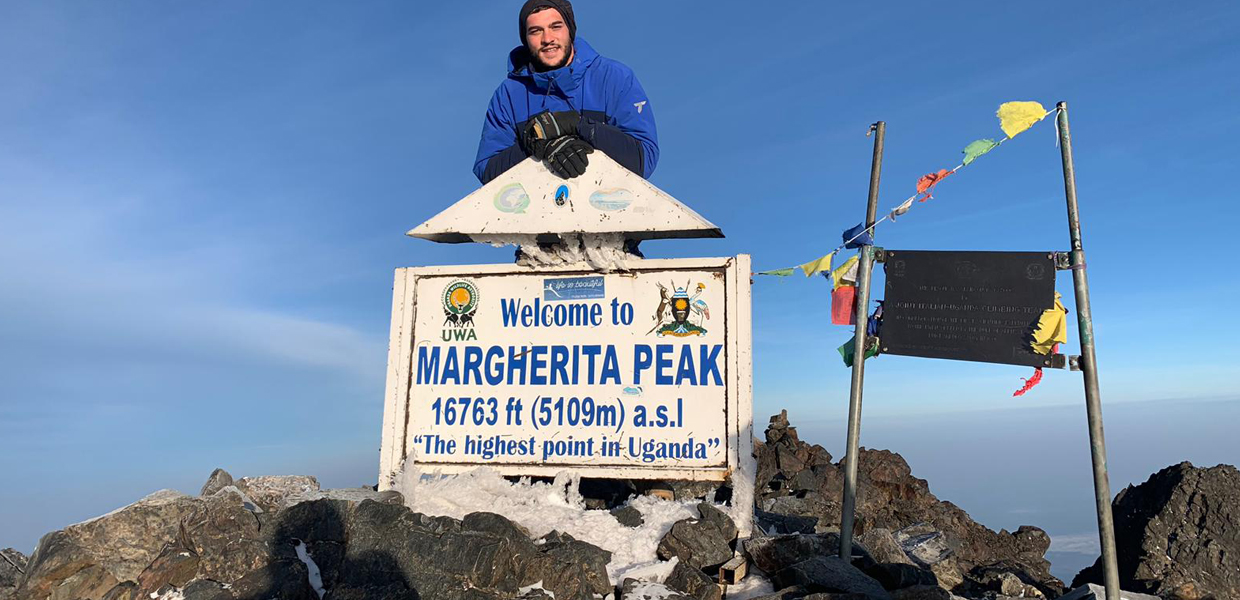
Climbing the Rwenzori Mountains is a highly rewarding, rugged and remote expedition. Trekking to the summit (Margherita Peak, 5,109m) typically takes 7 to 10 days. The mountain is renowned for its diverse vegetation, pristine glaciers, and challenging, often muddy, terrain
15-days-rwenzori-hiking-safari-and-mountain-gorilla-trekking-vacation
11-days-best-rwenzori-mountain-hike-to-margherita-peak
8-days-rwenzori-hike-via-central-circuit
7-days-mountain-rwenzori-mountain-climbing-active-adventure-to-margherita-peak
7-days-rwenzori-trek-to-mountain-gessi-or-amin
6-days-rwenzori-trek-with-mountain-stanley-margherita-albert-or-alexander
5-days-rwenzori-hike-to-either-mountain-sepeke-baker-or-luig-di-savoia
5-days-mountain-rwenzori-trek-to-bujuku-camp-3977-m-high
3-days-mtn-rwenzori-trek-to-john-mate-camp-3505-m-ascent
2-days-rwenzori-trek-to-nyabitaba-camp
1. Where are the Rwenzori Mountains located?
The Rwenzori Mountains are in southwestern Uganda. They stretch along the border between Uganda and the Democratic Republic of the Congo. Many travelers reach the start of the trek through Kasese and nearby trailheads. This location is why the Rwenzori climb is often described as a true border landscape with rainforest and mountain wetlands. The mountains rise from low tropical zones into cooler high alpine terrain. That change in elevation shapes the whole trekking experience. You can expect humid conditions in the lower areas. You can also expect colder nights near higher camps. The border position also supports rich habitats. It includes forest species and many birds. This makes the Rwenzori climb more than a summit goal. It is also an environment journey. Local guides often explain how the mountains act like a vertical island. Each elevation band has its own plants and wildlife. That is part of the reason the trails feel wild and scenic. The mountains are best known for dramatic peaks like Margherita Peak. They also contain glaciers even though the latitude is near the equator. When planning your Rwenzori climb, focus on access to trailheads. Also confirm park entry rules and ranger requirements. Most treks begin with transport to Kasese. Then you move by road to the base area. From there the hiking schedule starts. Your route will determine the exact direction you walk and where camps are placed.
2. How high is the Rwenzori’s highest peak?
The highest peak in the Rwenzori Mountains is Margherita Peak. It stands at about 5,109 meters above sea level. That height makes it one of Africa’s highest summits. Many trekkers plan their Rwenzori climb with Margherita Peak as the main target. The altitude is a major reason the trek demands care and patience. The climb is not only steep hiking. It includes swampy bogs and rocky scrambling. You must also manage changing weather. At higher elevations temperatures drop fast. Nights can feel very cold even during the day. The height also links to altitude sickness risk. Trekkers must move slowly and allow acclimatization. Guides usually build rest and slow ascent into the plan. This reduces stress on the body. The summit altitude also influences what you see near the top. You may notice icy features and glacier remnants depending on recent conditions. The Rwenzori climb route rises from roughly 1,600 meters toward over 5,000 meters. That large gain happens over several days. That time helps your body adjust. Still the summit pushes you to the upper limit of many hikers. It takes teamwork between you and the crew. A good porter and guide plan makes a big difference. You also need warm clothing for exposed summit weather. Many teams aim for a summit day at early morning hours. That timing helps with visibility and safer footing. The summit itself is challenging but rewarding. Margherita Peak is the peak that defines the Rwenzori climb.
3. Why are they called the “Mountains of the Moon”?
The name “Mountains of the Moon” comes from a long history of exploration and map making. The Greek geographer Ptolemy is often linked to the legend around 150 A.D. He described snowcapped mountains at the source of the Nile. To many early writers this seemed like mountains that belonged to moonlight and myth. Over time the Rwenzori Mountains became the main candidate for those snowcapped features. That is because the Rwenzori have high peaks with permanent glaciers and ice caps. Even with its near equator location, the higher altitudes stay cold enough for ice to persist. This unique fact helped keep the legend alive. The Rwenzori climb carries this story into modern trekking. When you hike higher you may see icy landscapes and cold clouds. That makes the nickname feel real to many hikers. Local culture also respects these mountains. They are seen as powerful and sacred. That cultural view matches the “Mountains of the Moon” idea. Today the nickname is used in travel guides and expedition plans. It also highlights how different the region feels from lower Africa. The mix of rainforest swamps and high alpine ice is rare. So, the name works as a summary of the contrast. When you plan a Rwenzori climb, understand the name as a link between geography and legend. It is not just a slogan. It points to why these mountains captured ancient imagination. Many trekkers enjoy learning this story before their summit trek begins.
4. How long does it take to climb to the summit?
A Rwenzori climb to Margherita Peak usually takes between 7 and 10 days. The exact number of days depends on the route. It also depends on pacing and group conditions. Most summit trekking plans include acclimatization days. That is important for safe ascent. The mountains rise quickly from low elevations to high altitude zones. Even with a multi-day itinerary your body needs time to adjust. If you rush you increase risk of altitude sickness. That is why guides build a slow climbing schedule. The Central Circuit is often described as about 7 days. The longer routes can take more time. They include extra nights for stability and recovery. Weather can also shift schedules. Heavy rain can slow travel across bogs and trails. It can also affect river crossings and footing. If conditions are unsafe guides may adjust camp positions. That can extend the trek. Still the main point is that the Rwenzori climb requires a full expedition timeline. You are not doing a single day hike. You are hiking through multiple ecological zones. That includes rainforest lower sections and alpine higher sections. Each zone requires physical effort. It also changes your breathing and endurance. Your crew and route plan will set realistic daily distances. Many hikers underestimate how tiring bogs can be. Your legs feel fatigue even before the summit push. So, plan extra buffer days when possible. A 7-to-10-day trek allows better rest. It also increases your chance to summit safely. Confirm your route with your operator before you book flights and hotel stays.
5. What are the main climbing routes?
There are three main trails for a Rwenzori climb. Each trail has its own style of scenery and logistics. The most common routes include the Central Circuit, the Kilembe Trail, and the Bukurungu Trail. The Central Circuit is often linked with the oldest and most direct approach. It is sometimes managed by RMS in trekking systems. Many hikers choose it because it fits a shorter summit schedule. It still remains physically demanding due to altitude gain and wet terrain. The Central Circuit often includes huts along the route. That helps some hikers who prefer camp support and cooking areas. The Kilembe Trail is known for being longer and highly scenic. It is associated with RTS management in many trekking plans. This route often provides well equipped mountain huts. It also tends to offer more time for acclimatization. That can help hikers manage altitude stress. The Bukurungu Trail is newer and wilder. It often involves camping rather than standard huts. Many trekkers enjoy it for its rugged feel and quieter atmosphere. Still, you must carry more planning details if you camp. You may need to manage tents and additional camp items. All routes aim for Margherita Peak. Yet the trail choice changes your daily effort. It also changes your level of comfort. Before you select a route consider your fitness level and experience. Also consider the kind of support you want during the Rwenzori climb. Your operator can match you with the best trail. That matching depends on group size and weather patterns. You should also ask about ranger requirements. Ask what is included like guides porters and meals. A good route selection protects your health and increases summit success.
6. Can a beginner climb the Rwenzoris?
A beginner can attempt the Rwenzori climb but it is not an easy start for most people. The trek is physically demanding and can test balance and stamina. You will face scrambling and uneven rocky sections. You may also move through muddy bogs and wet swamp areas. The trail includes steep inclines. That means your heart rate rises quickly even if you move carefully. Many first-time hikers struggle with the combination of mud altitude and cold nights. Because of this the Rwenzori climb is generally not recommended for true beginners. Unless they have strong fitness and hiking experience. “Beginner” can mean different things. If you are new to high altitude treks you may find the acclimatization difficult. Altitude sickness can still occur even when you are determined. You need good self-awareness. You also need to follow guide instructions. Guides often advise slow steps and frequent rest. They may check you for symptoms throughout the ascent. If symptoms appear you must respond quickly. Another beginner issue is gear discipline. You need waterproof layers. You need warm sleep clothing. You also need boots that suit wet ground. Wet feet lead to pain and fatigue. That fatigue can increase risk near the summit. The Rwenzori climb also involves long days on your feet. Even without technical climbing skills the workload is heavy. So, if you are considering the Rwenzori climb as a beginner focus on preparation. Build cardio endurance and hill walking practice months before. Also plan for a reputable operator and experienced guides. That support matters for safety and pacing. In short, it is possible but it is not a casual introduction to mountaineering.
7. What is the physical fitness requirement?
The fitness requirement for a Rwenzori climb is high. You do not need prior technical mountaineering experience in most cases. However, you do need real physical readiness. The trek includes long walking days. It also includes steep slopes and uneven footing. You must be able to scramble over rocks. You must also manage long hours through muddy bogs. Those areas can slow you and tire your legs fast. Your body must handle repeated exertion with limited rest. That is why regular cardio is important. You should train for several months before your trip. Hill walking is one of the best preparation tools. It builds leg strength for inclines and helps your stamina. Core and balance practice can also help with uneven trail conditions. Another factor is altitude. Even fit hikers can feel sick if they ascend too fast. That is why the schedule includes acclimatization days. Still your fitness supports your recovery at camp. It helps you sleep better. It also helps you stay hydrated and eat properly. Many trekkers also recommend practicing with hiking boots. You should break them in before travel. That reduces blister risk. Also practice carrying a loaded daypack. During the Rwenzori climb you typically carry only a light daypack. Still, you will feel the environment and temperature changes. Good fitness also helps you handle cold mornings and late evenings. When you are tired you make slower decisions. You may slip more on wet ground. So, fitness is a safety factor as well. If you have a medical condition discuss it with a clinician before booking. A good operator will also ask about your experience and health. That helps them set the best route pacing and daily plan for the Rwenzori climb.
8. When is the best time to climb?
The best time for a Rwenzori climb is during the dry seasons. Dry conditions usually make trails more passable. They also reduce the severity of bog conditions and muddy trails. Many trekking planners highlight two main windows. The first dry period is from June to August. The second is from December to February. Rain can still occur even in these months. But the amount and trail impact are generally lower than peak rainy periods. During wetter seasons the route can become extremely slick. Swampy sections can grow deeper and harder to cross. That affects pacing and can increase fatigue. It can also increase safety concerns. Guides often prefer drier months because visibility can improve. It becomes easier to navigate in mist and fog. Better visibility helps when routes are exposed or rocky. Also, campsites and footpaths can be easier to reach. Still, you should plan for a changeable mountain weather pattern. The Rwenzori often receives heavy rainfall across the year. So even during dry months carry reliable waterproof gear. A good strategy is to pack layers and keep rain protection accessible. You should also plan your trek calendar around your flight schedule. Many travelers start by reaching Kasese then moving toward trailheads. Booking earlier helps you secure guides and porter teams for your dates. If you aim for June August you should still expect some rain events. If you aim for December February you should also expect mist and possible showers. The key is trail dryness and safer walking conditions. So, choose your dates using these dry seasons as your baseline. Confirm your exact start date with your operator. They monitor route conditions and can advise if delays are likely. That careful planning improves your chance to finish your Rwenzori climb successfully.
9. How much does a trek cost?
A standard Rwenzori climb to the summit typically costs about 1,200 to 2,000 USD per person. Many trips target a 7-to-8-day summit itinerary. The final price depends on how many days you trek. It also depends on the route and your group size. The number of nights in huts or camps can change the cost. Routes also vary in support and equipment needs. A hut-based route can differ from a camping-based route. Also, some trails include different ranger fees and park charges. Operator packages vary in what they include. That is why you should request a detailed quote. When you compare prices focus on the full breakdown rather than a single number. Many costs include park entry and guide services. They also include porter support. Many packages include meals during the mountain trek. Some operators include accommodation at huts. Others may provide camping arrangements on specific routes. The glacier area may require special gear. Some operators include crampons and rope systems. Others may rent locally at base. Pricing can also be influenced by season. During peak dry months demand can be higher. That can raise package costs slightly. Currency changes can also affect final pricing from your bank conversion. For planning you should also set a budget buffer. Rain delays or schedule adjustments can affect logistics. Travel costs to and from Kasese are often separate from trek package fees. You may also need visa and local transport costs. So, treat the 1,200 to 2,000 range as the trekking expedition cost. Then add your travel and personal expenses. Always confirm your itinerary days and route name before you pay. A clear quote helps prevent misunderstandings. That clarity supports a safer Rwenzori climb experience.
10. What is included in the cost?
The cost of a Rwenzori climb usually covers the core expedition services you need on the mountain. Most packages include park entry and ranger related fees. It often includes mountain accommodation. This may be mountain huts for some routes or camping support for other routes. Many operator packages also include guide services. You also get porter services for carrying your heavy items. Meals on the mountain are commonly included as well. That typically means breakfast lunch and dinner during trekking days. It also includes essential drinking water guidance depending on the plan. Some packages include snacks and hot drinks. Another key inclusion is logistics for the trek schedule. That can include setting camp timing and daily route planning. You should ask what your daily meals include. Some operators provide simpler meals. Others offer more variety. The cost may also include specialized equipment for glacier travel. That equipment can include crampons and ropes. Not every package includes it in the base price. Some operators may provide it when available. Others may ask you to rent locally. You should request a list of equipment that is included for your selected dates. Also check whether you must bring personal items like headlamps and rain covers. Most packages do not include every personal gear item. However, they cover the major expedition framework. That framework supports your summit attempt. For example, porters carry most items. You carry a light daypack. Guides ensure route guidance and safety decisions. This is why the package fee matters. Confirm inclusions for your route. Confirm hut or camping details. Confirm whether park fees and guides are included for every day. This prevents extra charges later. With clear inclusions your Rwenzori climb becomes easier to budget and plan.
11. Do I need to bring my own gear?
Yes, you should bring your own gear for a Rwenzori climb. Your personal items directly affect comfort and safety. The mountains are cold and wet. So, you need durable waterproof clothing. You also need warm layers for high elevation nights. Most trekkers bring thermal base layers. They also bring a waterproof shell jacket. Waterproof trousers are important because rain and wet ground are common. You should bring reliable hiking boots with good grip. Wet bogs and muddy trails can test footwear quality. Boots that are not broken in can cause blisters fast. Many hikers also bring warm gloves and a hat. Even during a dry season summit night can feel cold. A headlamp is often necessary for early morning summit starts. You should also bring trekking poles if you use them. Poles can help balance on uneven and muddy ground. A backpack that fits well is needed for your light daypack carry. You will usually carry a small load while porters carry most supplies. Still, you need to carry essentials like water and personal snacks. Also pack a waterproof cover for your bag. Rain can come suddenly. Keeping your gear dry helps reduce discomfort. A good sleeping setup is also important. Some operators provide mattress and basic hut bedding. But you still may need a warm sleeping bag for colder sections. Confirm with your operator what is provided. If glacier gear like crampons is required, you may rent it at the base. Ice axes and harness type equipment may be available via operator rental. Still, you should not assume availability. Ask in advance so you know what to pack. Also bring water bottles and a method to filter or treat water if your plan requires it. This ensures hydration safety. In short personal clothing and core comfort items must come from you. Your operator provides the expedition framework. Your gear choice supports your success on the Rwenzori climb.
12. Is altitude sickness a major risk?
Yes, altitude sickness is a real risk during a Rwenzori climb. The trek climbs from roughly 1,600 meters to over 5,000 meters. That is a large altitude shift across several days. Even healthy hikers can react to lower oxygen levels. Symptoms can include headache nausea dizziness and unusual fatigue. Some hikers also develop reduced appetite and sleep issues. Altitude sickness may become severe if you push too fast. That is why slow ascent and acclimatization are central to the trek plan. Guides usually monitor your condition daily. They often advise you to move steadily and rest when needed. You should drink enough water throughout the day. Dehydration can worsen symptoms. Eating simple meals also helps your energy level. If you feel symptoms, you must report them early. Then the crew can adjust pacing or recommend descent. Descending is sometimes the safest action. Trying to force the summit during severe symptoms can be dangerous. Also, cold air and heavy wet terrain can add to fatigue. That makes it easier to misjudge how serious your symptoms are. So, listen to your body. Do not ignore headaches or repeated vomiting. Similarly, do not assume that youth or past fitness guarantees safety. Altitude affects everyone differently. Your Rwenzori climb plan should include rest days and gradual elevation changes. The goal is to give your body time to adapt. Training for cardio and hill walking helps. But it does not replace acclimatization. You also need to follow your guide rules strictly. Keep your steps slow on steep sections. Aim for steady breathing and consistent hydration. In short altitude sickness is major enough that you must plan for it. With the right pace and quick response, the risk becomes manageable.
13. What is the accommodation like on the mountain?
Accommodation on a Rwenzori climb mainly falls into two categories. The most common is mountain huts. The second is wild camping. The hut-based style often provides bunk beds and a cooking area. Some huts are operated by local teams. They offer shelter from wind and rain. This can make nights more comfortable. It also reduces the load you need to carry. If your route includes huts, you still need warm clothes for cold nights. High elevation temperatures drop quickly. The hut environment can be basic but functional. You may sleep close to other trekkers in shared bunks. Many routes also provide common meal areas so you can warm up. The second accommodation type is wild camping. This is linked with the newer Bukurungu route in many trekking plans. On camping routes, you carry tents and basic camping items. You rely on your porter and guide team to set up camp. Camping can feel more remote and rugged. It can also create a stronger sense of wilderness during the Rwenzori climb. However, camping adds physical effort and preparation. You may need to manage wet conditions for tent setup. The ground can be muddy. So, a planned camping kit matters. Weather can also shift quickly. That is why waterproofing is crucial. For both hut and camping night’s sleep quality depends on layers. A warm sleeping bag is often necessary. Some operators provide certain sleeping items but not always. Confirm the package details so you do not face cold nights with missing gear. Also bring a small headlamp for moving around camps. Huts and camps can be dim. You may need to use the bathroom or manage personal gear at night. Accommodation affects your energy. Since summit day requires strength, you should choose routes that match your comfort needs. In general huts offer more convenience while wild camping offers more freedom. Both support the expedition goal of reaching Margherita Peak safely.
14. What are the porters' responsibilities?
Porters play a key role in a successful Rwenzori climb. They are local workers who help carry the bulk of trekking gear and supplies. That support lets trekkers walk with a manageable load. Most porters carry heavy items and food for the group. The amount varies by route and plan. It is commonly up to about 15 to 20 kilograms per porter. Porters handle logistics that keep the trek moving. They transport items between camps and trail points. They also help distribute supplies when camp is set up. That includes carrying cooking related supplies if included in the operator plan. In many organized treks your porter carries your main baggage while you carry a light daypack. Your daypack usually holds water rain gear snacks and personal essentials. Porters may also assist with camp setup tasks. This can include arranging items and helping prepare for meals. The porter responsibilities require strength and consistent pacing. You should respect their role and follow crew guidance. Also understand that they work long days in wet and cold conditions. Proper behavior helps the entire team. For example, you should keep your personal daypack organized. Provide clear packing instructions before the trek begins. If you lose control of your items, it slows the team. Porters are not your replacement for fitness. They still rely on you to follow the schedule. You should not rush ahead or ignore acclimatization steps. Porters may also help identify safe paths in tricky boggy sections. They are familiar with typical trail conditions. Still the main safety decisions belong to the guide team. When you plan a Rwenzori climb ask your operator about porter support. Ask about carry limits and what you personally should bring. With a respectful porter partnership, the trek becomes safer and more enjoyable. The summit effort becomes a team process rather than only a personal challenge.
15. How do I get to the Rwenzoris?
Getting to the Rwenzori Mountains usually starts with travel to Kasese in Uganda. From there you continue by road to the trailheads depending on your chosen route. Many travelers take a road trip from Kampala to Kasese. The drive is often about 5 to 6 hours. Traffic conditions can change the exact travel time. This road access is common because it is flexible for groups. Another option is flying within Uganda. Some itineraries include a domestic flight from Kajjansi to Kasese. After landing you then take a short road transfer. That transfer can be about one hour to reach the mountain area trailheads. The best choice depends on your schedule and budget. Road travel can be cheaper but it takes longer and is less predictable. Flights can save time and reduce fatigue before your Rwenzori climb. Either way your operator or driver can organize the transfer. You should plan to arrive with enough buffer days. That means not only on the day your trek starts but also with time for weather or delays. This helps you avoid missing the first hiking day. Also ask where your trek will begin for the specific route. Central Circuit and Kilembe and Bukurungu trailheads can differ in access point. Your crew will guide you on the meeting place and the pickup time. If you travel by road, consider rest stops. Also consider sea of wet weather as you get closer to the mountains. Comfortable clothing helps for the drive. Once you reach the base area you will complete trek briefings. You meet guides and porters and confirm gear. Then the Rwenzori climb begins on schedule. With smooth access logistics you start the trek rested. That supports safer acclimatization from the beginning.
16. What kind of wildlife will I see?
Wildlife viewing can be a highlight on a Rwenzori climb. On the lower slopes the environment includes rich rainforest. That rainforest supports diverse animals and many bird species. Depending on season and trail conditions you might see elephants. You may also see chimpanzees. Colobus monkeys are also possible in forest areas. Birdlife is often easier to spot because birds are active in tree canopies. Guides often point out tracks and calls. They can also suggest where wildlife sightings are more likely based on recent observations. As you climb higher the alpine zones become less dense. Vegetation changes and open space increases. Higher areas may have fewer animals. Still, you can see unique plants and mountain ecology. The Rwenzori also has giant flowering plants and unusual alpine species. Many trekkers find that the plant diversity itself feels like wildlife. Even when animals are not visible the scenery can feel alive. The trails pass through swampy zones and wet areas. Those habitats support insects and small creatures. So, you can experience constant natural activity. Wildlife sightings are not guaranteed. Weather and human movement affect animals. Heavy rain can reduce visibility and animal activity. Also, animals may keep distance from humans. But the chance is real because the Rwenzori ecosystem is rich. Your best approach is patience. Follow your guide instructions. Avoid loud behavior. Also keep a respectful distance from any animal. For safety do not approach wildlife for photos. Use zooms if you have a camera. For your Rwenzori climb the main goal remains reaching the summit safely. Wildlife is an added bonus when it happens. The rainforest section offers the highest chance of spotting mammals and birds. The higher zones focus more on views and unique alpine flora.
17. Is there permanent snow at the summit?
Yes, there can be permanent snow and glacier ice near the summit of the Rwenzori Mountains. Margherita Peak is known for having permanent glaciers and ice caps in Africa. This is one of the reasons the Rwenzori climb draws attention from climbers worldwide. However, you should understand that glacier coverage can change. Global warming has reduced ice extent over recent decades. So, the summit area may not look like it did in older reports. Still the high altitude and cold conditions can preserve snow and ice in some forms. Depending on the year the glacier features may appear different. On some days you may see snow fields or icy remnants even when full glacier presence is less. Guides often plan glacier related safety depending on conditions. That can include equipment such as crampons and ropes in certain sections. The presence of ice also connects to your gear needs. Cold wet wind can affect you even if the ice looks small. So, plan warm layers and waterproof protection. Also plan careful footing on icy or slippery rock. Permanent ice does not mean safe footing. It means you may have slick zones where visibility can shift in mist. You should rely on guide routes and their assessment of ice conditions. Do not assume that glacier lines are static. If you are booking a Rwenzori climb, ask the operator about the current condition of the summit area. They often track recent seasons and can advise on gear needs. The overall message is that ice and snow can be present at the high point. But climate changes mean you must treat each trek as unique. That approach keeps you safe and helps you enjoy what is actually on the mountain.
18. Will it rain on the mountain?
Yes, it is very likely that you will experience rain during a Rwenzori climb. The Rwenzori Mountains receive heavy rainfall across the year. Some sources describe extremely high numbers of rainy days. Rain is part of why the region stays lush and why swamps and dense vegetation exist. Even when you choose a dry season you should still expect showers. Mountain weather can change quickly. You may start the day with clear skies. You may then face mist and rain during afternoon hours. So, you need to pack for wet conditions all the time. Bring highly waterproof gear. That includes a waterproof shell jacket and waterproof trousers. You should also bring rain cover for your backpack. Wet packs can soak clothing and reduce warmth. Warmth matters because cold plus rain can drain energy. You may also need waterproof gloves and a hat if winds are strong. Footwear should handle mud and puddles. Consider water resistant socks and extra socks in your daypack. That can help prevent long wet foot discomfort. Also bring a towel and small towel cloth if your trek plan allows. During rain the trail becomes slippery. Mud bogs can be deeper and footing more unstable. That makes walking slower and more tiring. It also increases fatigue which can affect altitude adjustment. So, slow your pace during rainy periods. Guides often adjust daily timing so you arrive at camps safely. Rain can also affect visibility on higher sections. That is why headlamps and backup navigation skills matter. A Rwenzori climb is not a dry adventure. It is a wet mountain trek where rain gear is basic equipment. Plan your clothing strategy early. Keep layers breathable. But keep them waterproof where needed. With correct rain protection your trip stays comfortable even when weather is active.
19. Can I combine my Rwenzori hike with a safari?
Absolutely many travelers combine the Rwenzori climb with a safari in Uganda. This is a popular plan because Uganda offers both mountain trekking and wildlife viewing. A common pairing is gorilla trekking in Bwindi Impenetrable National Park. Many safari packages schedule gorilla time before or after the mountain days. Another frequent pairing is game drives in Queen Elizabeth National Park. These activities offer a different type of excitement compared to high altitude trekking. The safari can help you recover emotionally and physically. After wet mountain days wildlife days can feel refreshing. However, you should plan the sequence carefully. If you do the Rwenzori climb first you may still be tired. You may also need time to rest from altitude and cold. Then gorilla trekking can be intense too because it involves forest walking. So many operators advise a rest day or buffer. If you do safari first you can start your trek with better energy. Yet you should avoid scheduling too many long drives back-to-back. Also consider weather patterns. Safari seasons and trekking seasons can overlap. Booking with an operator helps coordinate permits and transport. Gorilla trekking requires permits. Those permits are limited. So, arrange them early even if your trekking dates are flexible. Queen Elizabeth Park offers more flexible wildlife viewing. Game drives often fit well into a broader itinerary. You should also consider travel time between areas. The Rwenzori base is around Kasese. Bwindi and Queen Elizabeth are farther away. So transport planning matters. A combined plan also helps budget because you can bundle services like drivers and hotels. When you combine activities your overall Uganda trip feels complete. You get mountains glaciers forests and wildlife in one journey. If you want to combine, tell your travel dates and your preferred animals. Then your operator can build a schedule that supports your health and maximizes highlights.
20. How do I book a Rwenzori expedition with Roads of Adventure safaris
To book a Rwenzori climb you should work with registered tour operators or trusted local organizations. Trekking in the Rwenzori region requires official management. Your booking should include guides and porters who are part of approved teams. Roads of Adventure safaris can help coordinate a full expedition plan. They can match you with route choice and days on the mountain. You should book through proper channels. Do not rely on informal arrangements without verified permits. This matters for park access safety and logistics. When you book you must share basic details. Share your planned trekking dates and your fitness background. Also share if you have any medical concerns related to altitude. Then confirm your route name. Ask if it is Central Circuit Kilembe Trail or Bukurungu Trail. Each route has different accommodation and demands. Next confirm what is included in your package. Ask about guides porters park fees and meals. Ask about hut stays or camping setup. Also ask if glacier gear is included or rented locally. You should also confirm the meeting point and transport plan to Kasese and the trailhead. Booking months in advance is a smart move. This helps secure limited guide and porter availability. It also helps lock in your preferred dates during peak seasons. Once you confirm the itinerary you will receive a gear checklist and pre trek briefing. Follow that checklist to avoid last minute problems. Also confirm payment terms and cancellation policies. Roads of Adventure safaris can guide you through each step. They can also help plan your safari add ons if you want gorilla trekking or game drives. The best booking approach is clear communication. Provide your preferred route timeline and traveler numbers. Then request a written itinerary summary before you pay in full. That keeps your Rwenzori climb plan solid from start to finish.
Booking Mountain Rwenzori climb with us Roads of Adventure safaris
To book your Mount Rwenzori expedition with Roads of Adventure Safaris, reach out to them directly at their Kampala-Entebbe Road office. You can contact them by phone at +256 701 041637 or message them via the Roads of Adventure Safaris Contact page to tailor your itinerary
