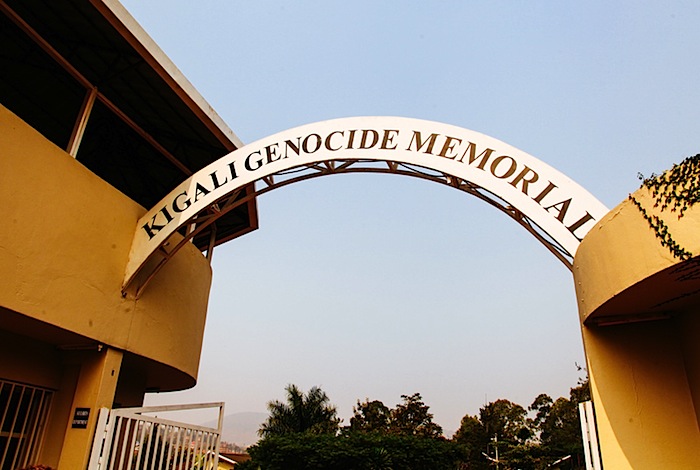
The Kigali Genocide Memorial serves as a crucial educational and emotional stop on Rwandan safaris, offering deep insight into the 1994 tragedy. Located in Gisozi, it hosts remains of over 250,000 victims, featuring extensive exhibits, a children's memorial, and gardens for reflection. Entry is free, with audio guides available for around
21-days-rwanda-primate-safari-culture-history-and-wildlife-holiday
20-days-complete-rwanda-uganda-safari-tour-combo
14-days-luxury-rwanda-primate-safari-and-uganda-safari-tour-combo
14-days-magical-rwanda-photography-safari
12-days-best-rwanda-wildlife-safari-and-rwanda-primate-safari-vacation
11-days-classic-uganda-rwanda-tour-combined-itinerary
10-days-9-nights-midrange-rwanda-gorilla-trekking-wildlife-and-culture
9-day-romantic-honeymoon-rwanda-wildlife-safari-itinerary
9-days-best-family-rwanda-safari-holiday-big-five-canopy-walk-and-chimpanzee
8-days-best-africa-big-five-rwanda-safari-and-gorilla-trekking
6-days-rwanda-gorilla-trekking-chimpanzee-tracking-and-birdwatching
1-day-kigali-city-tour-action-packed-city-excursion
2-days-exciting-kigali-city-tour-itinerary
Where is the main Kigali Genocide Memorial located and is it easily accessible during a Rwanda safari?
The Kigali Genocide Memorial is located in the Gisozi suburb, approximately 10 to 15 minutes from the center of Kigali. It is an essential stop on almost every Rwanda safari, usually scheduled as the first activity upon arrival or the final reflective moment before a departing flight. Because of its central location, it is easily accessible by taxi, moto-taxi, or your dedicated tour vehicle. Most travelers find it a convenient "bridge" between their international arrival at Kigali International Airport and their onward journey to the national parks, such as Volcanoes or Akagera.
Is there an entrance fee required to visit the Kigali Genocide Memorial Centre on my tour?
There is no entrance fee to visit the memorial; the site remains free to ensure that the history of the 1994 Genocide against the Tutsi is accessible to everyone, regardless of their financial means. However, the memorial is managed by the Aegis Trust, a non-profit organization, and donations are highly encouraged. Contributions help fund the maintenance of the mass graves, the preservation of the archives, and the ongoing peace education programs. Many visitors choose to donate at the end of their tour to support the memorial’s mission of "never again."
How much time should I allocate in my safari itinerary to properly visit the Kigali Genocide Memorial?
You should allocate a minimum of two to three hours for a comprehensive visit. The memorial is divided into several sections: the indoor museum (which features three permanent exhibitions), the outdoor mass graves where over 250,000 victims are buried, and the serene memorial gardens. Rushing through the site can diminish the emotional and educational impact of the experience. Allotting at least three hours allows you enough time to move through the heavy content at your own pace and find a quiet moment for reflection in the gardens afterward.
Are guided tours available, and do you recommend them over the audio guides at the memorial?
Both professional human guides and digital audio guides are available. While the audio guide (available in several languages) allows for a private, self-paced experience, personal guides are highly recommended. These guides are often survivors or individuals with deep personal ties to the history; they provide a profound level of insight and emotional depth that a recording cannot replicate. They are skilled at answering complex questions and providing nuanced context about Rwanda’s journey toward reconciliation, making the visit significantly more impactful.
What specific safety precautions should I consider when visiting the memorial sites during my Rwanda safari?
The memorial is a safe, secure, and highly respected site. The "precautions" here are more about emotional safety and respect than physical security. It is a place of deep mourning for many Rwandans; therefore, visitors are expected to maintain a somber demeanor and keep voices low. Regarding photography, it is strictly forbidden inside the exhibition rooms out of respect for the victims and their families. You may take photos in the outdoor gardens and around the mass graves, provided you do so respectfully and without obstructing other visitors or mourners.
Are children allowed to visit the museum, and is the content suitable for young visitors?
While children are technically allowed, the memorial has a recommended age limit of 12 years and above for the main exhibitions. The content is extremely graphic and emotionally intense, featuring harrowing testimonies and photographs. There is a specific section dedicated to the children who perished in the genocide, which is heartbreakingly direct. Parents should use extreme discretion; if traveling with younger children, it is often better for them to remain in the peaceful garden areas with a guardian while the adults tour the indoor museum.
Is photography permitted inside the museum exhibit rooms, or only in the outer gardens area?
Photography and video recording are strictly prohibited inside the museum exhibits. This rule is enforced to protect the dignity of the victims and to maintain the sanctity of the memorial as a place of mourning. The indoor displays contain sensitive artifacts and remains that are not intended for public social media or casual photography. However, photography is permitted in the outdoor memorial gardens and at the Wall of Names. Even in these areas, visitors are asked to be mindful and avoid taking "selfies" or posing in ways that could be seen as disrespectful to the site's solemn purpose.
What is the recommended dress code to show respect while touring the Kigali Genocide Memorial?
The memorial is a burial site, and visitors should dress as they would for a funeral or a place of worship. Modest attire is required: shoulders and knees should be covered, and overly casual or "loud" clothing (like bright beachwear or gym clothes) should be avoided. Comfortable walking shoes are recommended, as you will be on your feet for several hours and walking through garden paths. Dressing respectfully is a vital way of showing solidarity with the Rwandan people and honoring the memory of those buried on the grounds.
What can I learn from visiting the Kigali Genocide Memorial regarding the history of Rwanda?
A visit provides a comprehensive education on the 1994 Genocide against the Tutsi, starting with the pre-colonial history of Rwanda and how colonial-era divisions were exploited. You will learn about the systemic "path to genocide," the 100 days of violence, and the international community's failure to intervene. Crucially, the memorial also focuses on Rwanda’s resilience. The final sections detail the country’s unique judicial responses, such as the Gacaca courts, and the ongoing social programs that have successfully fostered a unified Rwandan identity over the past three decades.
Is the Kigali Genocide Memorial open every day, and what are the typical operating hours?
The memorial is open daily from 8:00 AM to 5:00 PM, with the last entry typically allowed at 4:00 PM. However, there are a few important exceptions to keep in mind for your safari planning. On Umuganda (the last Saturday of every month), the memorial only opens at 12:00 PM following the national community service. Additionally, the site is closed on April 7th, the national day of commemoration, as well as on Christmas and New Year's Day. It is always wise to double-check opening times if your visit coincides with a public holiday.
Does the Kigali Genocide Memorial have a gift shop or bookstore for purchasing educational materials?
Yes, there is a gift shop and bookstore on-site that serves as a social enterprise. The bookstore is an excellent resource, offering a wide selection of historical texts, survivor memoirs, and documentaries that provide deeper academic and personal perspectives on the genocide. The gift shop also sells locally made crafts, such as traditional "Imigongo" art and jewelry. The proceeds from these sales go directly back into the Aegis Trust to support the memorial’s upkeep and the survivors' welfare programs, allowing your purchase to have a positive social impact.
How does visiting this memorial contribute to the local economy or support survivors of the genocide?
Visiting the memorial supports survivors primarily through the Aegis Trust’s outreach programs. While entry is free, the money generated from the café, gift shop, and voluntary donations funds critical services for widows and orphans of the genocide. This includes trauma counseling, education grants for survivor children, and peace-building workshops. By visiting and engaging with the history, tourists also help sustain a "memory economy" that ensures Rwandan history is preserved and that those who lived through the tragedy are not forgotten by the global community.
Yes, for travelers seeking a deeper historical perspective, there are several other significant sites across Rwanda. Nyamata and Ntarama, located about an hour from Kigali, are former churches where thousands sought refuge and were killed; these sites are preserved almost exactly as they were in 1994, offering a raw and visceral experience. Other sites include the Murambi Technical School in the south, which stands as a chilling monument to the scale of the tragedy, and Bisesero, known as the site of Tutsi resistance. These sites provide a more localized view of how the genocide unfolded across different provinces.
How does the Rwanda safari community approach the sensitivity of visiting this memorial with tourists?
Professional safari guides in Rwanda are trained to handle memorial visits with utmost sensitivity. They understand that the experience can be emotionally overwhelming and often plan the day to include "quiet time" or a scenic drive afterward to allow for reflection. Guides serve as cultural bridges, providing context and answering difficult questions that may arise after viewing the exhibits. They ensure that the visit is not just a "tourist stop" but a meaningful engagement with Rwanda’s soul, emphasizing the theme of hope and renewal that defines the country today.
What kind of documentation do I need, such as a passport, for visiting the memorial?
While you generally do not need to show a passport to enter the memorial as an individual visitor, you may be asked to provide your name and country of origin for the guest register. However, for group visits or if you are booking via the IremboGov platform (which is sometimes used for scheduling larger groups or school tours), a Passport or National ID number is required for the application. It is always good practice to have a digital copy of your passport on your phone, but for a standard walk-in visit, your presence and a respectful attitude are the most important requirements.
Booking Rwanda safari with us Roads of Adventure safaris
Book your Rwanda safari with Roads of Adventure Safaris, a top-rated operator specializing in tailored, mid-range to luxury experiences. They offer expert-guided adventures including mountain gorilla trekking in Volcanoes National Park, chimpanzee tracking, and wildlife safaris, with comprehensive logistics management
