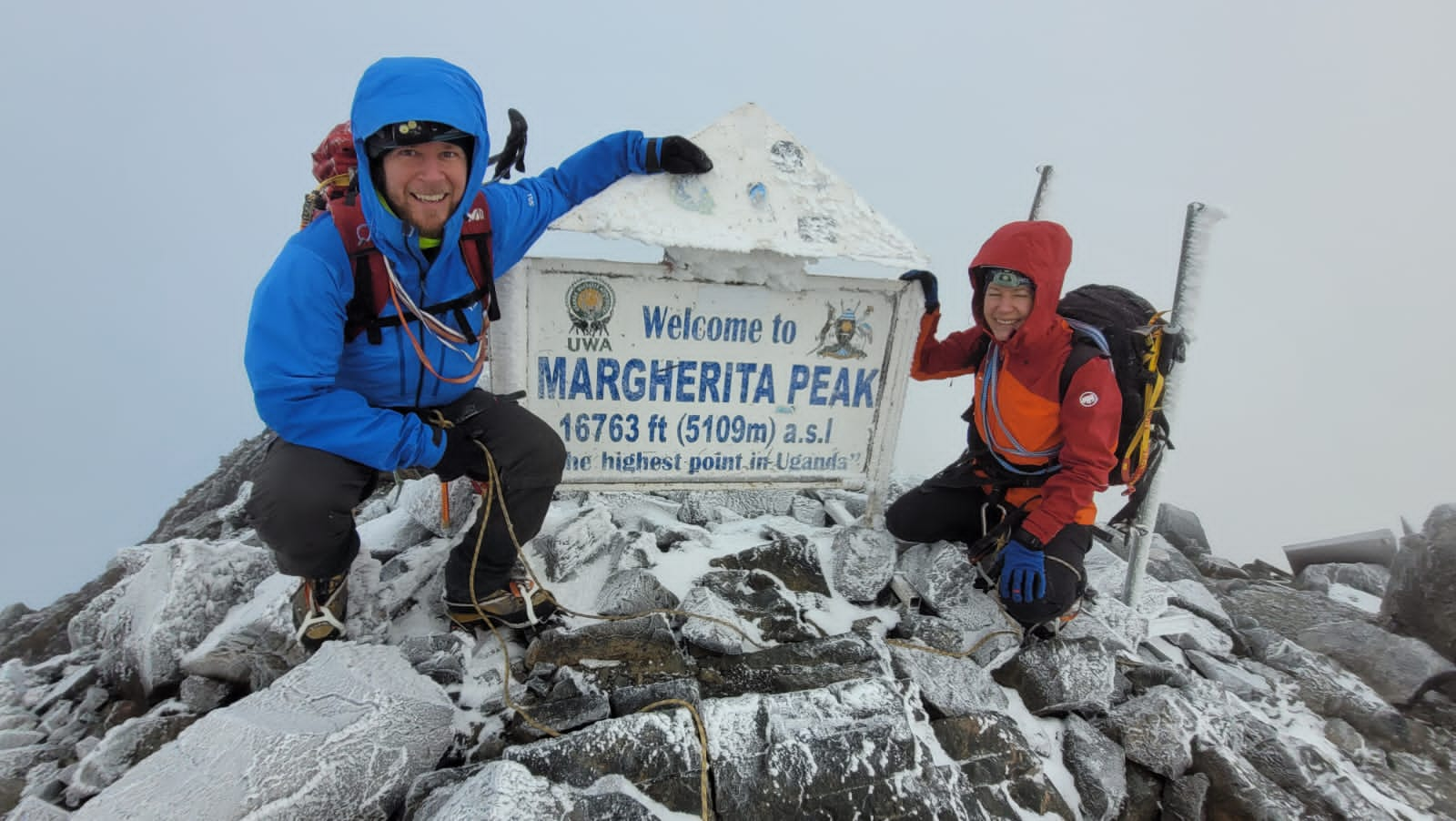
Climbing the Rwenzori Mountains is a beautiful but physically demanding challenge. For first-timers, success comes down to careful route planning, prioritizing slow pacing to avoid altitude sickness, and packing specialized gear to handle the famously wet and freezing terrain
15-days-rwenzori-hiking-safari-and-mountain-gorilla-trekking-vacation
11-days-best-rwenzori-mountain-hike-to-margherita-peak
8-days-rwenzori-hike-via-central-circuit
7-days-mountain-rwenzori-mountain-climbing-active-adventure-to-margherita-peak
7-days-rwenzori-trek-to-mountain-gessi-or-amin
6-days-rwenzori-trek-with-mountain-stanley-margherita-albert-or-alexander
5-days-rwenzori-hike-to-either-mountain-sepeke-baker-or-luig-di-savoia
5-days-mountain-rwenzori-trek-to-bujuku-camp-3977-m-high
3-days-mtn-rwenzori-trek-to-john-mate-camp-3505-m-ascent
2-days-rwenzori-trek-to-nyabitaba-camp
Route & Logistics (Trail Choice and Planning)
Choosing the right route is key for a smooth Rwenzori climb. For beginners, the Central Circuit Trail is widely recommended because it is the oldest established path and generally the most manageable. It offers a structured itinerary and clearer trail progression, which helps you adapt to changing terrain and altitude step by step. If you’re looking for a more comfortable experience with better organization, the Kilembe Trail can be a great alternative. It is often chosen by travelers who want a slightly more curated flow of trekking days and logistics support.
Before committing, consider your experience level, available time, and comfort with daily hiking. Also think about weather exposure, trail conditions, and the likelihood of river crossings or mud sections during wet periods. Planning early improves permit processing and operator availability. With the right trail selection, your Rwenzori climb becomes safer, less stressful, and more enjoyable from start to finish.
Book a Licensed Operator like Roads of Adventure safaris (Permits, Crew, and Safety)
For a responsible and well-supported Rwenzori climb, always book through a recognized and licensed tour operator. Trusted operators arrange the essentials that independent travelers often miss, including qualified guides, experienced porters, and professional cooks. These crews are critical to your comfort, navigation, and overall trek safety—especially in remote areas where conditions can change quickly.
A licensed operator also helps you secure the required Uganda Wildlife Authority (UWA) permits. Since permit procedures and eligibility checks can be strict, using a reputable provider reduces delays and avoids last-minute problems. Operators typically confirm trekking routes, schedule feasibility, and equipment needs before departure.
Additionally, a professional organizer can advise on acclimatization pacing, emergency communication plans, and contingency options if weather worsens. This matters because the Rwenzori climb involves high altitudes and challenging landscapes where preparation is non-negotiable. When you book correctly, you gain both guidance and peace of mind throughout the trek.
Budget for Tipping (Crew Appreciation and Standard Practice)
Tipping is standard and expected on treks, so you should budget for it in advance as part of your overall Rwenzori climb plan. Your trekking crew typically includes guides, porters, and cooks—each playing a direct role in your safety, comfort, and food supply. Tipping is your way of recognizing hard work that can be physical, time-intensive, and sometimes stressful due to changing terrain and weather.
Plan to tip at the end of the trek, after you’ve witnessed the full level of support you received. While exact amounts vary by group size, duration, and service quality, the key is to ensure you have sufficient funds available and not rely on last-minute money withdrawal. If your operator provides suggested tipping guidelines, follow them closely.
Budgeting appropriately also reflects respect for the local team and helps encourage continued quality service for future trekkers. By setting aside a fair tip amount, you support the crew and make your Rwenzori climb experience more respectful and rewarding for everyone involved.
Go During the Dry Seasons (Best Timing for Trail Conditions)
Timing is one of the most important factors for a successful Rwenzori climb, because trail conditions can vary significantly with rainfall. For better navigability, schedule your climb during the drier months. The recommended periods are mid-December to February and June to August. These windows generally bring more stable weather, improved visibility, and fewer hazardous wet sections on steep or muddy trails.
During wet seasons, routes can become slippery, slower to hike, and more difficult for navigation—especially when vegetation is dense and visibility drops in mist. Dry-season trekking helps reduce the risk of delays and makes it easier to maintain a steady pace. It also often improves the overall hiking experience, since river and bog areas may be less challenging than during peak rainfall periods.
Even in the dry season, high-altitude weather can change rapidly, so pack warm layers and rain protection. But choosing a drier window gives your Rwenzori climb the best chance for safer footing, smoother days, and more enjoyable views.
Get Travel Insurance (High-Altitude Cover and Emergency Evacuation)
Travel insurance is essential for a high-altitude Rwenzori climb, especially because trekking can involve risks that may require urgent medical attention. Before purchasing a policy, confirm that it explicitly covers high-altitude trekking up to 5,109m for Margherita Peak. Many standard policies exclude altitude trekking or limit coverage unless you declare the activity and maximum elevation.
Also verify that your insurance includes emergency helicopter evacuation. In remote mountain regions, evacuation may be the fastest or only option during serious illness, injury, or severe weather complications. Without this coverage, the costs can be extremely high and could become financially overwhelming during an emergency.
Read the policy wording carefully and ensure you understand exclusions, deductibles, and the claim process. If possible, carry proof of coverage and emergency contact numbers with your tour operator and guide. For peace of mind, choose a plan that clearly matches your trekking route, altitude, and activities. With proper insurance, your Rwenzori climb is safer, more secure, and better protected from unexpected events.
Physical Preparation & Acclimatization (Prepare Your Body for the Rwenzori Climb)
Train Your Legs
Start training weeks in advance so your body is ready for long uphill stretches during your Rwenzori climb. Include stair-climbing (such as the StairMaster at the gym), squats, and hill running to strengthen the glutes and calves. Strong leg muscles help stabilize your knees and improve endurance on steep, uneven ground.
Progress gradually and aim for consistency rather than extreme workouts. If you can, add mobility and stretching for ankles and hips, because trekking involves frequent changes in footing. Pay attention to any knee discomfort—stop and adjust your training plan if pain increases.
A well-conditioned lower body reduces fatigue, which supports better breathing and pacing at altitude. When your legs are strong, you waste less energy and can maintain a steady rhythm, making acclimatization easier.
Hike at a Slower Pace
“Go slow” is the golden rule during a Rwenzori climb. A slower pace increases your time in steady effort, helping your body maximize oxygen intake. This pacing strategy also supports proper acclimatization, reducing the risk of severe altitude sickness.
Instead of chasing distance, focus on rhythm: short breaks, steady steps, and controlled breathing. If you feel breathless, slow down immediately—don’t push to “catch up.”
The goal is comfort and consistency, not speed. A gradual effort also helps prevent exhaustion-related mistakes, especially on slippery or rocky sections. With a slower pace, your body adapts more effectively to lower oxygen levels, and your trek becomes safer and more enjoyable.
Hydrate Constantly
Hydration is essential every single day during your Rwenzori climb. Drink plenty of water consistently rather than waiting until you’re thirsty. Staying hydrated helps your body cope with lower oxygen availability at high elevations. It also supports circulation and can reduce headaches and fatigue that sometimes worsen with dehydration.
Use a simple routine: take small sips frequently, and drink more during hot or exposed sections. If you’re concerned about water safety, rely on your operator’s guidance for safe water sources and purification methods.
Avoid excessive alcohol before or during the trek, as it can worsen dehydration. Proper hydration supports acclimatization and helps you feel stronger throughout the day, particularly during longer walking periods.
Consider Altitude Medication
Discuss altitude sickness medication with your doctor before starting your Rwenzori climb. Medicines such as Diamox (acetazolamide) may help some trekkers manage symptoms when climbing into higher elevation zones. However, medication should complement—never replace—good acclimatization practices.
Your healthcare provider can advise appropriate dosing based on your medical history, current conditions, and risk level. Be sure to ask about side effects and what to do if symptoms occur.
Even with medication, you must monitor how you feel. Severe symptoms require action, including possible descent and medical evaluation. Prioritize safety: follow medical advice, communicate with your guide, and never ignore warning signs during the climb.
Pack Light, Carry a Daypack
To make your Rwenzori climb easier, pack light and avoid overloading yourself. Keep your main gear pack within your porter-handling limits. Only carry a small daypack on the trail with essentials such as your water, rain gear, and a warm layer.
This approach reduces strain and helps you maintain a steady pace, which is important for acclimatization. A lighter carry also lowers fatigue in the legs and back, improving your balance on uneven terrain.
Remember: your porter can manage heavier items, while you focus on safe and comfortable trekking. Bring only what you truly need for the day, and keep your daypack organized so you can access items quickly when conditions change.
Gear & Equipment (What to Bring for the Rwenzori Climb)
Invest in Waterproof Boots
For a Rwenzori climb, waterproof boots are non-negotiable. The mountains are well known for mud, boggy ground, and frequent rain. Choose high-quality hiking boots that are truly waterproof, provide strong ankle support, and have enough grip for wet, uneven trails. Equally important, buy early and break them in before the trek—brand-new boots can cause painful blisters when you’re walking all day in cold, wet conditions.
Look for boots with thick soles, good traction, and durable construction. Since your feet will be exposed to damp ground for long stretches, comfort and waterproof reliability directly affect your energy and safety.
A good boot setup helps you stay stable on slippery boardwalks and rocky sections, reduces fatigue, and prevents injuries. If you want to avoid unnecessary discomfort during your Rwenzori climb, start with the right footwear and test it on hikes before departure.
Embrace Layering
Layering is essential because the climate shifts dramatically during a Rwenzori climb. You may start near tropical rainforest conditions at the base and later face near-freezing temperatures closer to the glaciers. To handle this change, wear moisture-wicking base layers to keep sweat away from your skin. Add fleece mid-layers for warmth while trekking, then use a heavy down jacket (or equivalent) for colder exposure, especially during summit hours.
This system lets you adjust quickly if you overheat during steep climbs. Being too warm can increase sweating, which can lead to chills when temperatures drop.
Pack layers that are comfortable to move in and easy to remove or add. If possible, plan for windy and wet conditions by pairing warm layers with a dependable outer shell. With proper layering, your body stays warm, dry, and functional as altitude and weather change.
Bring a Reliable Headlamp
You will likely begin your summit attempt in the dark during your Rwenzori climb, so a reliable headlamp is vital. Choose a strong, dependable headlamp and bring extra batteries. Clear lighting helps you navigate safely along steep, uneven paths and reduces the risk of missteps on slippery ground.
Test your headlamp before departure and ensure the battery pack is functioning properly. If you have a spare light or backup batteries, keep them accessible in your daypack.
Good visibility also supports safety during sudden weather changes like mist or light rain. When your footing matters most, light becomes your key tool for staying on route and moving with confidence.
Rent Heavy Gear if Needed
If you’re planning a Rwenzori climb, don’t spend money on gear you may never use again. Instead, consider renting specialized items locally or through your tour operator. Many operators and local outfitters in Uganda can rent gear such as crampons, harnesses, and large sleeping bags.
Renting is practical because these items are expensive, heavy to transport, and often only used for a short period during the trek. By renting, you reduce upfront costs while still getting access to the equipment needed for safety in colder, higher zones.
Before you arrive, confirm what your operator provides and what you must bring personally. This ensures you’re not carrying unnecessary weight and that you still have everything required for your route and conditions.
Use Trekking Poles
Trekking poles are highly useful during a Rwenzori climb, especially on steep descents. They take strain off your knees, improve stability, and help you maintain balance on slippery and uneven ground, including boardwalk sections.
Adjust the pole length properly so they support your posture and reduce stress. Using poles can help you conserve energy, allowing you to hike more comfortably over long days.
Choose sturdy poles with reliable locking mechanisms. If you’re unsure, rent or buy quality poles early and practice using them on local hikes. When the terrain turns muddy or slick, poles become a major safety advantage.
Waterproof Your Gear
Wet conditions are part of the Rwenzori climb, so waterproofing your gear is essential. Use heavy-duty dry bags for important items, and consider lining the inside of your backpack with sturdy garbage bags or a similar waterproof barrier. This keeps clothing, your sleeping bag, and other essentials dry even if your pack gets soaked by rain or mud.
Keep wet-sensitive items packed separately and organized so you can access what you need quickly without opening your whole bag repeatedly.
Good waterproofing prevents cold, uncomfortable nights and reduces the risk of gear damage. With dry clothing and bedding, you’ll recover better each day and stay safer in freezing summit conditions.
Mindset & Safety (Mental Strength for the Rwenzori Climb)
Prepare for Huts
During your Rwenzori climb, you will generally sleep in established mountain huts rather than tents. However, hut accommodation does not eliminate the cold—temperatures at high altitude can still drop sharply, especially during summit and early-morning hours. Bring a quality cold-weather sleeping bag appropriate for low temperatures so you stay warm overnight.
Even if huts provide some shelter, conditions can be damp, and nights can feel extremely chilly. A proper sleeping bag helps you recover physically for the next day’s trek, reducing fatigue and helping your body acclimatize better.
If your operator provides any bedding or sleeping arrangements, confirm what’s included. Otherwise, assume you need your own insulated sleeping bag and pack it properly so it stays dry.
Being warm at night directly supports stamina and mood the next morning—both of which matter greatly for a safe and enjoyable Rwenzori climb.
Listen to Your Guide
One of the most important safety rules during a Rwenzori climb is to listen to your guide. Guides know the mountain routes, weather patterns, and your group’s limits better than anyone. They can assess conditions in real time—such as visibility changes, trail safety, and fatigue levels—and adjust the itinerary accordingly.
Always defer to their decisions about ascent and descent. If your guide suggests slowing down, stopping, or descending due to altitude symptoms or weather risks, take it seriously. Trying to “push through” can turn a manageable situation into a dangerous one.
Good trekking teams also watch for early warning signs like headaches, dizziness, nausea, and unusual breathing difficulty. Communicate honestly with your guide so they can respond quickly if something feels wrong. Your trust and cooperation help ensure both your safety and the safety of the entire group during the Rwenzori climb.
Pack Energy Snacks
Because trekking burns massive amounts of energy, pack snacks you can eat between meals during your Rwenzori climb. Bring items like trail mix, energy gels, and protein bars so you can refuel quickly without interrupting your pace too often.
Choose snacks that are easy to carry, convenient to open, and provide quick calories. During long uphill sections, delayed energy can lead to weakness, headaches, and slower pace—especially at altitude when your body already works harder.
Set a simple plan: eat small amounts regularly, rather than relying on large meals only once or twice per day. If you start feeling low on energy, eat promptly instead of waiting until you’re exhausted.
With the right snacks, you keep your strength, maintain morale, and support steadier acclimatization across each trekking day.
Prepare for Mental Fatigue
A successful Rwenzori climb requires mental strength as much as physical fitness. Even with good training, the trek can feel long, repetitive, or uncomfortable—especially during cold early mornings or steep sections.
Stay positive by focusing on what you can control: your breathing, your pace, and your attitude. Take breaks when your guide suggests or when you truly need them. Short rests help prevent overexertion and allow you to recover before continuing.
Try to connect with the scenery—unique plants, dramatic ridges, changing cloud cover, and mountain views that make the effort worthwhile. When mental fatigue appears, remember it’s normal and temporary.
If you’re struggling, speak up early. Your guide can adjust pacing, arrange support, and help you refocus. With the right mindset, mental fatigue becomes manageable, and the Rwenzori climb feels more rewarding.
Booking Rwenzori climb with us Roads of Adventure safaris
Booking a Rwenzori climb with Roads of Adventures Safaris is an unforgettable way to experience Uganda’s majestic "Mountains of the Moon". Their treks range from 5 to 14 days and include expert guides, porters, and permits, with highly recommended trips like the rugged 7-Day Margherita Peak climb
