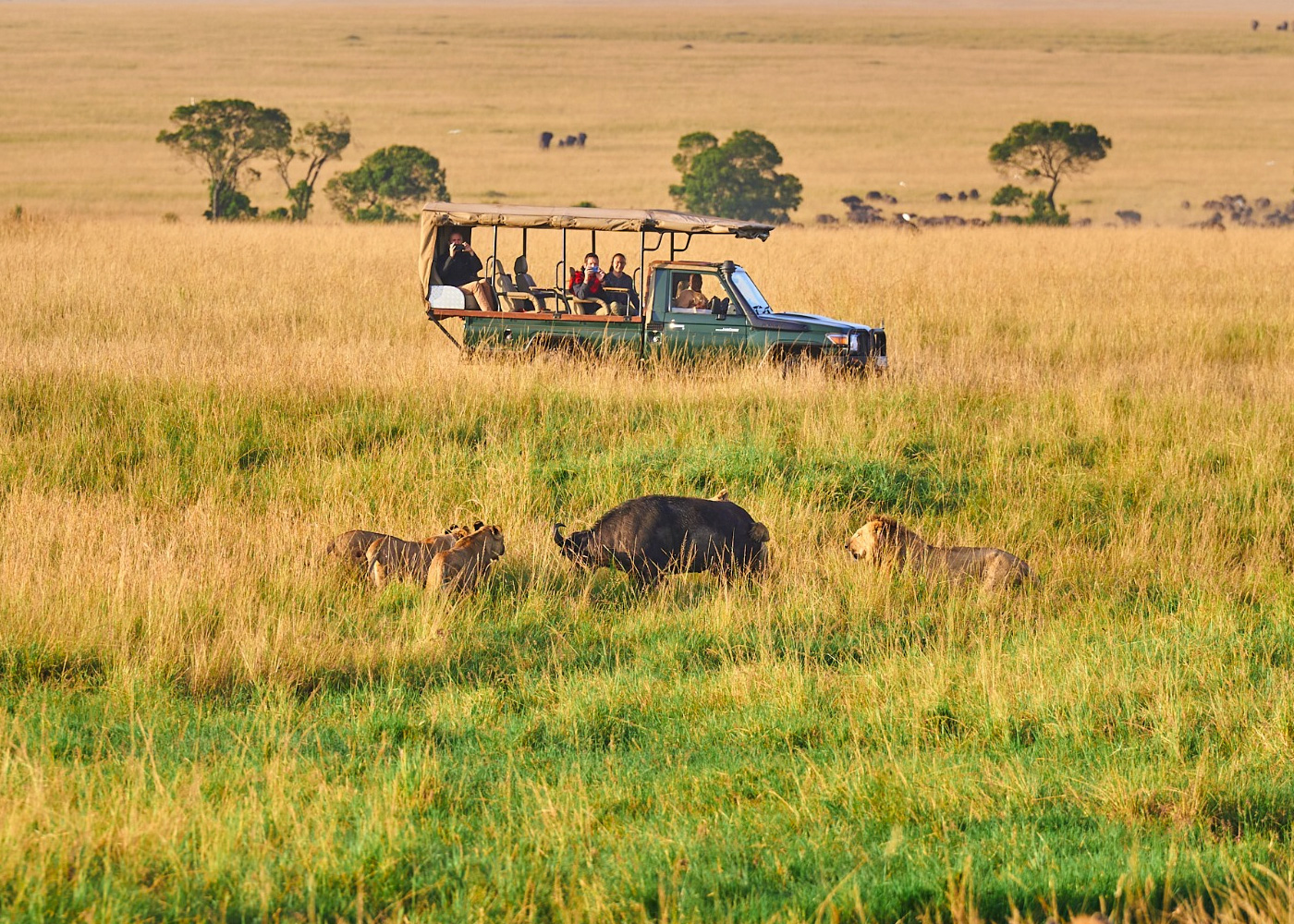
Choosing the best activities for a Tanzania wildlife safari involves balancing iconic sights like the Great Migration in the Serengeti and the Ngorongoro Crater with unique, immersive experiences based on season, location, and personal interests. Key options range from exhilarating hot air balloon rides and walking safaris to cultural encounters in the southern circuit or coastal relaxation in Zanzibar
4-days-tarangire-ngorongoro-and-serengeti-safari-tour
4-days-best-tarangire-ngorongoro-and-serengeti-safari-itinerary
5-days-luxury-africa-safari-in-tanzania-all-inclusive-tour-package
5-days-tanzania-safari-holiday-vacation-tour
5-days-budget-tanzania-safari-tour-package
5-days-tanzania-safari-to-tarangire-serengeti-ngorongoro-and-lake-manyara
5-day-kilimanjaro-climb-marangu-route
5-days-luxury-zanzibar-beach-holidays-and-serengeti-safari-tour
5-days-zanzibar-island-tour-and-zanzibar-beach-holiday-trip
5-days-ultimate-ndutu-migration-calving-season-safari-to-tanzania
6-days-best-northern-circuit-tanzania-safari-to-best-tanzania-safari-parks
6-days-best-kilimanjaro-climb-via-marangu-route
6-days-best-of-tanzania-safari-to-nyerere-mikumi-and-
10-days-best-kenya-tanzania-honeymoon-safari-with-zanzibar-beach-holidays
10-days-samburu-amboseli-nakuru-naivasha-maasai-mara-safari-tour
10-days-best-tanzania-safari-tour-and-zanzibar-beach-holiday-itinerary
10-days-tanzania-safari-to-all-northern-circuit-safari-parks-expedition
10-days-best-tanzania-honeymoon-safari-with-3-days-zanzibar-beach-holidays
Time Your Visit with the Great Migration
Timing your visit to Tanzania to coincide with the Great Migration is one of the most effective ways to ensure an unforgettable safari experience. The Serengeti is the epicenter of this awe-inspiring event, where millions of wildebeest and zebras traverse the plains in search of food and water. The best time to witness river crossings is from June to October, when herds dramatically cross the Mara River, often with crocodiles lurking nearby.
Alternatively, visiting between January and March offers a unique perspective as you can observe the calving season. During this time, thousands of calves are born, and you might witness a delicate balance of life and predation, as big cats such as lions and leopards take advantage of the vulnerable newborns.
To maximize your viewing opportunities, consider booking a reputable safari operator like Dav Safaris, which specializes in migration patterns. Their knowledge can enhance your itinerary, ensuring you’re in the right location at the right time.
Accommodations in the Serengeti are plentiful, but during peak migration periods, it's wise to book well in advance, as lodges and camps fill quickly. Participating in a guided tour during this time not only provides optimal wildlife experiences but also adds educational value, as guides share insights into animal behaviors and conservation efforts. This unparalleled natural spectacle captivates visitors of all ages, creating memories that will linger long after the trip.
Explore the Ngorongoro Crater
The Ngorongoro Crater is a geological marvel and a UNESCO World Heritage site, making it an essential stop on any Tanzania safari itinerary. This vast, sunken caldera offers one of the highest densities of wildlife in Africa within a remarkably accessible area, making it ideal for families and first-time visitors. A priority should be a morning game drive, as this is when wildlife is most active and the cooler temperatures make for comfortable viewing.
Within the crater, visitors can expect to see the "Big Five"—lion, elephant, buffalo, leopard, and rhinoceros—in their natural habitat. The crater’s unique ecosystem provides various environments such as grasslands, swamps, and forests that attract a wide variety of animals, including wildebeest, zebras, and numerous bird species.
Because of its year-round wildlife presence, the Ngorongoro Crater offers great opportunities for photography and wildlife observation. Guided tours provide in-depth knowledge about the area’s ecology, fostering discussions on conservation and sustainability.
Given its popularity, arriving early can help you avoid crowds and increase your chances of spotting rare wildlife, such as the elusive black rhino. And while there are limited lodges within the crater, nearby accommodations provide convenient access to this natural wonder. A visit to the Ngorongoro Crater not only guarantees thrilling wildlife sightings but also deepens your appreciation for Tanzania’s rich natural heritage.
Soar in a Hot Air Balloon
Booking a hot air balloon safari over the Serengeti is an experience unlike any other and provides unparalleled aerial views of the landscape and its wildlife. Ascending at dawn, just before sunrise, allows families to witness the spectacular awakening of the African plains. The peaceful ride floats above the iconic savannah, offering a unique perspective as you take in the vastness of the land and spot herds of animals below.
Expert balloon pilots guide the experience, providing interesting commentary about what you can see from above, including migratory patterns and seasonal wildlife shifts. The breathtaking views make for stunning photographs, capturing the beautiful tapestry of the Serengeti landscape dotted with wildlife.
After the flight, the adventure doesn’t end; it’s often complemented by a celebratory breakfast served in the bush, complete with champagne and fresh local delicacies. This delightful brunch amidst nature creates a serene atmosphere for families to unwind and share their favorite moments from the flight.
While balloon safaris are popular, they do require advance booking, especially during peak migration periods. Be aware that age restrictions may apply, so ensuring all family members are eligible can secure a spot for everyone. A hot air balloon ride is a remarkable way to differentiate your safari experience and create lasting memories while connecting with the beauty of Tanzania's iconic wildlife.
Go on a Walking Safari
The opportunity to go on a walking safari in places like Nyerere National Park (formerly Selous) or Ruaha provides a unique way to immerse yourself in the environment and gain a deeper understanding of Tanzania’s ecosystems. A walking safari focuses on exploration at a slower pace, allowing families to observe the smaller details of nature that are often missed from a vehicle.
Accompanied by experienced guides, walking safaris teach participants about animal tracks, plants, and the intricate relationships within the ecosystem. This intimate experience enables families to engage all their senses, encouraging children to learn about their surroundings through direct interaction. Walking safaris often highlight the importance of conservation, as guides discuss threats to wildlife and habitat preservation.
In addition to traditional wildlife encounters, families may find educational sessions on local culture and history, enriching the overall experience. Understanding traditional uses of medicinal plants or the significance of local ceremonies fosters connection and respect for the culture surrounding wildlife.
As you navigate through varying terrains, children can safely engage in exciting explorations while developing an appreciation for nature. However, it's essential to choose reputable operators that prioritize safety and adhere to responsible practices in wildlife interaction. A walking safari is an enriching experience that emphasizes bonding, learning, and adventure in the heart of Africa.
Track Chimpanzees in Mahale/Gombe
Tracking chimpanzees in Mahale or Gombe National Parks presents a rare and thrilling adventure for families. Located on the shores of Lake Tanganyika in western Tanzania, these remote parks are among the only places on Earth where you can see wild chimpanzees up close. The experience is not just about sighting these remarkable primates; it often provides valuable insights into their behaviors and social structures.
Setting out early in the morning, families embark on guided treks through lush forests, accompanied by knowledgeable guides who provide context about the chimpanzee groups. The effort involved, often requiring hikes through hilly or rough terrains, is rewarded by the possibility of observing feeding, grooming, or playful interactions among chimps.
The guides share fascinating facts about chimpanzee conservation, their habitats, and the importance of protecting these endangered species, creating a rich educational experience for children and adults alike.
While tracking may require physical exertion, the thrill of witnessing these intelligent creatures in their natural habitat makes the journey worthwhile. For families interested in nature and wildlife, tracking chimpanzees offers a unique opportunity that enhances gratitude and respect for the natural world. Ensure to pack comfortable clothing and sturdy hiking shoes, as this adventure will truly connect families to the heart of Africa’s biodiversity.
Take a Night Game Drive
Participating in a night game drive in parks such as Tarangire or Lake Manyara adds a thrilling twist to the traditional safari experience, allowing families to see a different side of Africa's wildlife. These nocturnal excursions present unique opportunities to observe species that typically remain elusive during the day, such as leopards, bushbabies, and other night predators, making for a captivating experience.
Guided by expert rangers, families embark on specially arranged vehicles equipped with spotlights to illuminate the dark landscapes. This heightened visibility allows for exciting wildlife spotting, as nocturnal animals reveal themselves in their natural behavior. The atmosphere is electric with anticipation, making this a memorable adventure for both children and adults.
Night drives often culminate in fascinating discussions about night-time ecosystems, allowing families to learn how animals adapt to the nighttime environment. The guides share valuable insights about animal behavior, food chains, and conservation efforts, enriching the educational aspect of the safari.
However, it’s essential to verify that the parks being visited allow night drives, as not all areas do. Children of appropriate ages are welcome on these adventures, creating opportunities for families to bond over shared wildlife experiences in a new and exciting context. A night game drive enhances the safari experience, transforming the ordinary into the extraordinary and showcasing the rich biodiversity of Tanzania.
Enjoy Boat Safaris
Boat safaris offer families a unique and relaxing way to experience Tanzania's wildlife, particularly in areas like the Rufiji River in Nyerere National Park. These trips allow for close-up encounters with hippos, crocodiles, and various bird species, providing a refreshing perspective of the vibrant ecosystems surrounding the waterways.
Families will find that the slower pace of boat safaris allows for deliberate wildlife observation, ideal for capturing stunning photographs. Guides often provide educational commentary, explaining the behaviors and habitats of the wildlife encountered, which adds depth to the experience for both children and adults. The peacefulness of gliding along the water also creates opportunities for families to observe interactions within animal communities without causing disruption.
In addition to wildlife, boat safaris often reveal beautiful landscapes, including riverine forests and lush vegetation that are home to diverse bird life. Birdwatchers will delight in spotting various species, from kingfishers to herons, making this an excellent addition for families interested in ornithology.
While planning a safari, including at least one boat trip can greatly enhance the experience, offering a different ambiance and opportunities to see wildlife that might be difficult to spot on land. Families can unwind on the water while enjoying nature’s beauty, creating lasting memories intertwined with Tanzania’s majestic wildlife.
Visit Maasai or Local Communities
Incorporating visits to Maasai or local communities into your Tanzania safari is an enriching way to deepen your understanding of the region's cultural tapestry. Engaging with local people allows families to gain insights into the traditions, customs, and daily challenges faced by these communities, adding depth to your wildlife experience.
For families visiting Maasai villages, interactions can include participating in traditional dances, learning about crafts such as beadwork, or exploring daily routines that involve livestock and subsistence farming. These experiences offer children a hands-on approach to understanding cultural diversity and the importance of preserving traditional lifestyles amid modernization.
Cultural visits also emphasize the significance of conserving local ecosystems, as many Maasai communities strive to balance their pastoral way of life with wildlife conservation efforts. By signing up for a culturally-sensitive tour, families can contribute to community development initiatives, creating a more meaningful connection.
However, it is essential to choose reputable tour operators that prioritize respect and ethical interactions with local communities. This ensures that your visit benefits the community while providing an authentic and responsible experience. Engaging with local cultures not only enriches the safari but also ingrains valuable lessons about humanity, nature, and conservation in the hearts and minds of everyone involved.
Seek Out Tree-Climbing Lions
For families wishing to experience something truly unique, seeking out the tree-climbing lions of Lake Manyara National Park is a must. This park is famed for its distinctive population of lions that exhibit behavior uncommon among their species: lounging in the boughs of acacia trees. This striking tableau offers a rare photo opportunity and an exciting twist for any safari itinerary.
A guided game drive through Lake Manyara will provide families with the chance to spot these fascinating animals as they recline on branches, often napping or surveying their surroundings. The guides offer valuable insights into why these lions exhibit such behavior, discussing theories related to hunting strategy, temperature regulation, and territorial displays.
While the lions are undoubtedly a highlight, Lake Manyara is home to diverse wildlife, including elephants, buffalo, and hippos, along with over 300 bird species, making it a rich destination for birdwatchers and wildlife enthusiasts alike.
Children will appreciate the adventure of spotting lions in trees, a delightful alternative to more traditional wildlife viewing. Each sighting reinforces lessons in respect for wildlife ecosystems and enhances appreciation for unusual animal behaviors. For families eager for a memorable twist on their Tanzania safari, Lake Manyara's tree-climbing lions offer an incredible experience that stands out in the minds of all who visit.
Birdwatching in Specialized Habitats
Birdwatching in specialized habitats during a Tanzania safari can be a rewarding experience for families of all ages, especially in places like the Kitulo Plateau and Lake Natron. Kitulo Plateau, often referred to as the "Serengeti of Flowers," hosts over 350 species of birds, including endemic species, making it an ornithologist's paradise. This national park offers vibrant floral displays that attract an incredible variety of avian life, ideal for keen birdwatchers.
Families can embark on guided birdwatching walks to spot unique species such as the blue swallow and the endangered yellow-collared lovebird. Expert guides provide insights into bird behaviors, migration patterns, and conservation efforts, creating an enriching educational adventure.
Likewise, Lake Natron is famous for its flamingo populations, particularly during the breeding season. Families can witness thousands of these striking birds gathering at the lake’s saline shores, creating a breathtaking spectacle that captivates visitors. Combining the lakeside scenery with birdwatching can inspire children’s curiosity about ecosystems and the critical habitats required for various species’ survival.
Packing binoculars, field guides, and a journal can enhance the experience, allowing children to document their observations. Birdwatching adds diversity to a safari, appealing to both wildlife enthusiasts and those looking for more educational experiences. By dedicating time to these specialized habitats, families can deepen their appreciation for the natural beauty and biodiversity that Tanzania has to offer.
Visit Remote Southern Parks
Choosing to visit the remote southern parks of Tanzania, such as Ruaha and Nyerere National Park, offers families exclusive safari experiences often free from the crowds that populate the more popular northern parks. These pristine and less-visited areas provide a unique opportunity to engage more intimately with nature and wildlife.
Ruaha National Park, for instance, is known for its diverse ecosystems, large populations of elephants, and an impressive array of predators, including lions and wild dogs. Families can undertake game drives and guided walking safaris, allowing them to explore the park's varied landscapes, which span savannahs, wetlands, and hills, promoting a deeper understanding of the different wildlife habitats.
Nyerere National Park, formerly known as Selous, enhances the safari experience with opportunities for boat safaris on the Rufiji River. These outings provide views of wildlife such as hippos and crocodiles while enjoying breathtaking riverine beauty.
Visiting these less-traveled parks not only promises rare wildlife encounters but also introduces families to stunning landscapes and rich biodiversity. Additionally, the absence of crowds makes for a more peaceful and reflective experience, ideal for bonding as a family. Leveraging the guidance of knowledgeable local operators ensures that your adventure respects and supports the surrounding ecosystems. A trip to Tanzania's southern parks not only emphasizes adventure but also reinforces the importance of conservation in the most beautiful contexts.
Incorporate Water Activities in Zanzibar
Ending your safari adventure in Tanzania with water activities in Zanzibar is an exciting way to transition from the bush to the beach. Known for its stunning beaches, rich history, and vibrant marine life, Zanzibar offers families the opportunity to enjoy a relaxing and adventurous closure to their journey.
Snorkeling and diving among the coral reefs surrounding the islands provide mesmerizing opportunities to observe colorful fish, sea turtles, and even dolphins. Locations like Mafia Island are particularly notable for their marine biodiversity, allowing families to experience immersive underwater encounters in calm, clear waters.
In addition to underwater adventures, families can also explore the island's beaches, offering plenty of opportunities for swimming, sunbathing, and building sandcastles. Relaxing under palm trees while overlooking the crystal-clear Indian Ocean creates picturesque moments for family bonding.
Furthermore, cultural experiences such as touring spice plantations enhance the trip with educational value. Families can learn about the island’s historical significance in the spice trade, sample local delicacies, and enjoy a sensory adventure through the aromatic spices cultivated on the island.
Incorporating water activities wraps up a Tanzanian safari with leisure and excitement, providing endless opportunities for family fun. Whether engaging in vibrant marine life or exploring cultural heritage, ending your adventure in Zanzibar offers a fitting finale that balances excitement and relaxation, ensuring that memories are made both on land and sea.
Tour Spice Plantations
Touring spice plantations in Zanzibar is a culturally immersive and sensory-rich experience that adds depth to your family’s safari adventure. The island is renowned for its spice production, including cloves, nutmeg, and vanilla, offering a perfect opportunity to explore the agricultural side of the region while enjoying breathtaking landscapes.
During the spice tour, families can wander through lush plantations, engage with local farmers, and learn about the cultivation processes involved in growing these aromatic plants. Guides share stories about the historical significance of spices in trade routes, and you may even get to sample fresh spices directly from the plants—an exciting experience for children and adults alike.
The sights, sounds, and smells of the plantations create a stimulating environment where families can engage their senses. Children will enjoy discovering the various uses of spices, from culinary applications to traditional medicinal practices, fostering an appreciation for the cultural richness of the region.
Tours often include opportunities to visit local artisan markets, providing a chance to purchase handcrafted items and support local communities. A spice plantation visit deepens understanding of the connection between agriculture, culture, and history in Zanzibar, enriching the overall safari experience.
By incorporating a spice plantation tour into your itinerary, families can create unforgettable memories that extend beyond wildlife encounters, ensuring that the adventure is well-rounded and enlightening.
Experience a "Sundowner"
Experiencing a "sundowner" during your safari in Tanzania is not just about enjoying drinks at sunset; it's a cherished tradition that encapsulates the spirit of African adventure. As the sun begins to dip below the horizon, painting the sky with hues of orange and pink, families can pause to reflect on the day's exciting encounters with wildlife.
Many safari operators set up these enchanting overlooks or comfortable arrangements in the bush, complete with snacks and beverages. This tranquil moment allows families to unwind, share stories, and savor the breathtaking landscapes before the stars begin to twinkle in the night sky.
Engaging in this tradition fosters a sense of camaraderie among family members, providing time to connect after a full day of exploration. Plus, guides often enhance the experience by sharing fascinating insights about the area, local wildlife, and even the night sky’s constellations as darkness descends.
Choosing the right location for a sundowner can make this experience even more special, whether it’s a scenic viewpoint overlooking the savannah or a quiet spot near a waterhole where wildlife may gather. It's a magical way to embrace the natural beauty of Tanzania and cherish shared moments. Families walking away from a sundowner experience often leave with their hearts full, appreciating the day’s memories while looking forward to adventures yet to come, making it an essential ritual in any Tanzanian safari itinerary.
Add a Hiking Challenge
Adding a hiking challenge to your Tanzanian adventure can provide a thrilling contrast to the wildlife experiences typically associated with safaris. With iconic landmarks like Mount Kilimanjaro and Ol Doinyo Lengai, families can engage in physically rewarding activities while enjoying stunning views and unique ecosystems.
Hiking Mount Kilimanjaro, Africa's highest peak, offers several routes, allowing families to choose based on fitness levels and time constraints. While reaching the summit is a significant achievement, the journey itself provides opportunities for team bonding and stunning views of diverse landscapes ranging from rainforest to alpine desert. Families can create lasting memories as they support one another through the trek, fostering resilience and determination.
Ol Doinyo Lengai, known as the "Mountain of God," is an active volcano offering a different hiking experience. Families can embark on a challenging ascent that rewards them with breathtaking views of the Great Rift Valley and Lake Natron. Exploring volcanic landscapes enriches the educational aspect of the hike, as families learn about geology and the region's unique ecosystems.
Regardless of the hike chosen, taking time to prepare with appropriate gear, hydration, and guidance from expert operators ensures safety and enjoyment. Incorporating hiking into your safari itinerary provides a physical and mental challenge that complements the wildlife encounters, rewarding families with unique perspectives on Tanzania's stunning landscapes and fostering a deeper appreciation for the environment.
Best activities to do in Tanzania-on-Tanzania wildlife safari
The best activities on a Tanzania wildlife safari include witnessing the Great Wildebeest Migration in the Serengeti, taking hot air balloon safaris over the savannah, and conducting, game drives in the Ngorongoro Crater, and Tarangire National Park for Big Five and elephant sightings. Other top experiences include walking safaris, cultural visits with the Maasai, and, chimpanzee trekking in Mahale Mountains
Witnessing the Great Wildebeest Migration in the Serengeti
One of the most iconic events in the natural world, the Great Wildebeest Migration in the Serengeti offers an unparalleled wildlife experience that attracts travelers from across the globe. Every year, approximately 1.5 million wildebeest and hundreds of thousands of zebras embark on a perilous journey across the vast grasslands of Tanzania, driven by the instinct to find food and water.
Timing is critical for experiencing this remarkable event. The migration typically follows a cyclical pattern, with animals moving to the Serengeti in the north between June and October for the dramatic river crossings at the Mara River. Witnessing wildebeests and zebras bravely navigate strong currents, often with crocodiles lurking, creates a powerful spectacle of survival.
Travelers can witness the migration through guided game drives, where expert guides share insights into animal behavior, predator-prey interactions, and the broader ecosystem. A well-planned safari during this time will also offer opportunities to see various predators, including lions, hyenas, and cheetahs, drawn in by the abundance of herbivores.
For a unique perspective, consider booking a hot air balloon safari over the migration route. This experience provides breathtaking aerial views of the herds and the stunning landscapes below, culminating in a lavish breakfast in the bush. Engaging in this unforgettable event not only creates lasting memories but also emphasizes the importance of wildlife conservation, as guests witness the challenges and triumphs faced by these majestic creatures each year.
Taking Hot Air Balloon Safaris over the Savannah
Taking a hot air balloon safari over the savannah is a magical experience that allows families and adventurers to witness the vast beauty of the African landscape from a unique perspective. Early morning ascents take you high above the Serengeti plains, often at sunrise, where the golden light casts a breathtaking glow across the rugged terrain.
Floating silently through the crisp morning air, you'll have the chance to observe wildlife below in their natural behavior, from herds of elephants moving through the bush to graceful giraffes browsing on acacia trees. This tranquil experience offers a serene contrast to the excitement of traditional game drives and emphasizes the vastness of the landscape.
Expert balloon pilots guide your adventure, providing insight into the region's geography and ecology as you drift along. The ascent often culminates in a celebratory landing with a delicious bush breakfast, complete with champagne, in a picturesque setting, allowing families to savor the moment and reflect on what they’ve witnessed.
Hot air balloon safaris are particularly family-friendly and accessible, with age restrictions typically being the only limitation. They offer an exhilarating way to bond over breathtaking views and vibrant wildlife encounters, enhancing the overall safari experience. This unique activity not only enriches your understanding of Tanzania's ecosystems but also leaves you with unforgettable memories against the backdrop of Africa’s iconic landscapes.
Conducting Game Drives in the Ngorongoro Crater
The Ngorongoro Crater, one of the most spectacular and diverse wildlife regions in Tanzania, offers an unparalleled opportunity for game drives that provide rich wildlife viewing experiences. Formed by a collapsed volcano, this UNESCO World Heritage Site is home to an abundance of wildlife in a unique, self-contained ecosystem.
A morning game drive in the crater is a must-do, particularly for families and first-time visitors. The relatively small area, coupled with a dense concentration of wildlife, guarantees sightings of the "Big Five”: lions, elephants, buffalo, leopards, and rhinos. As you traverse the crater floor, you’ll also encounter wildebeest, zebras, hippos, and various bird species, making it a paradise for wildlife enthusiasts and photographers alike.
The guides in Ngorongoro are often highly knowledgeable, sharing insights about animal behavior, conservation efforts, and the geology of the area. This educational aspect enhances the family experience, sparking conversations about nature and wildlife preservation.
Moreover, the breathtaking scenery—from lush grasslands to soda lakes—makes every game drive visually stunning. Having the chance to watch predators interact with prey adds an exciting dynamic to the experience. The unique geological features of the crater provide a spectacular backdrop for your safari, making it a highlight of any Tanzanian adventure.
Given its popularity, early departure for game drives is recommended to avoid crowds and maximize wildlife sightings. Overall, game drives in the Ngorongoro Crater deliver a thrilling safari experience filled with diverse wildlife encounters and stunning landscapes that resonate long after your visit.
Game Drives in Tarangire National Park
Tarangire National Park is an enchanting destination known for its impressive populations of elephants and iconic baobab trees. Conducting game drives in this vast and varied landscape offers a more intimate wildlife experience, often with fewer visitors than other parks, making it ideal for families seeking a quieter safari adventure.
During the dry season, Tarangire becomes a wildlife hotspot as animals congregate around the Tarangire River, providing excellent opportunities for observing numerous species—particularly elephants, which are known to gather in large herds. Game drives offer breathtaking encounters with these gentle giants, allowing for close-up viewing and incredible photographic opportunities.
In addition to elephants, Tarangire is home to lions, leopards, cheetahs, and a variety of herbivores, which provide ample opportunities for predator-prey interactions. The park is also an ornithologist's dream, boasting over 500 bird species, making birdwatching a rewarding activity for families of all interests.
The unique landscapes of Tarangire—including open savannahs, swamps, and dense woodlands—provide diverse habitats that contribute to rich wildlife sightings. Guided game drives allow families to experience the nuances of the ecosystem, with expert guides highlighting flora and fauna, as well as conservation challenges facing the area.
An afternoon or evening drive can reveal a different side of Tarangire, where the golden light casts dramatic shadows and nocturnal animals begin to stir. Tarangire National Park reveals the beauty and complexity of Tanzania’s wildlife, delivering thrilling encounters that create lasting family memories.
Walking Safaris
Walking safaris provide a unique and immersive way to experience Tanzania’s diverse ecosystems and wildlife, allowing participants to connect with nature on a more personal level. These guided walks, which take place in several national parks like Ruaha and Selous, emphasize the smaller details of the environment that are often overlooked during traditional game drives.
With knowledgeable guides leading the way, families can closely observe animal tracks, learn about indigenous plants, and uncover fascinating aspects of the ecosystem. Engaging with nature in this manner fosters curiosity, making it an educational experience for children and adults alike. Whether identifying bird calls or learning about the medicinal uses of plants, the focus on walking encourages a deeper appreciation for the natural world.
Walking safaris usually occur in the early morning or late afternoon when wildlife is most active, providing opportunities to spot game in a tranquil setting. The thrill of being on foot among potentially wild animals adds an element of excitement, creating unforgettable moments shared between families.
Safety is a priority on walking safaris, with experienced rangers trained to handle situations that may arise. Families are recommended to wear sturdy shoes, comfortable clothing, and carry plenty of water for the journey. This intimate safari experience highlights the bond between humans and nature, encouraging families to reflect on their responsibility towards wildlife conservation while creating cherished memories together.
Cultural Visits with the Maasai
Cultural visits with the Maasai people offer an enriching and educational component to any Tanzania safari experience. The Maasai are known for their vibrant culture, traditions, and unique way of life, and engaging with them provides families with insights into the history and values of one of Tanzania's most iconic communities.
During a cultural visit, families may participate in traditional activities such as dance performances, clothing ceremonies, or beadwork demonstrations, allowing for hands-on learning and interaction with local artisans. This creates an immersive experience that fosters understanding and appreciation for the Maasai’s rich cultural heritage.
The Maasai also share their traditions regarding livestock herding and sustainable land management, underscoring the importance of living in harmony with nature. Children can learn important lessons about biodiversity, conservation, and the challenges faced by indigenous people in preserving their traditions in a rapidly changing world.
Visiting a Maasai village can also provide economic benefits to local communities through responsible tourism. Families are encouraged to choose tour operators who prioritize ethical interactions that respect the Maasai culture and support sustainability.
By engaging with the Maasai, families can deepen their connection to Tanzania beyond wildlife, embracing the educational aspects of cultural experiences. These interactions not only create lasting memories but also promote a greater understanding of the importance of protecting both wildlife and human cultures.
Chimpanzee Trekking in Mahale Mountains
Chimpanzee trekking in the Mahale Mountains is one of the most unforgettable wildlife experiences in Tanzania, providing families with the opportunity to observe these intelligent beings in their natural habitat along the shores of Lake Tanganyika. Mahale is renowned for its thriving chimpanzee populations, offering a unique glimpse into their complex social structures and behaviors.
Embarking on a trekking adventure requires some physical preparation, as trails can be steep and challenging. Guided by experienced rangers, families can trek through lush forests, learning about the diverse flora and fauna along the way. The anticipation of encountering chimpanzees adds excitement to the journey, as guests navigate through their environment while respecting their natural behaviors.
Once the troop of chimpanzees is located, families can spend an hour observing these remarkable primates. Watching chimps interact, groom each other, and care for their young provides a thought-provoking view of their emotional intelligence and social bonds. This connection creates lasting memories and might inspire discussions about wildlife conservation and the importance of protecting these endangered species.
In addition to chimpanzee trekking, Mahale Mountains National Park offers other activities such as swimming in Lake Tanganyika and exploring its underwater life through snorkeling. These varied experiences create a well-rounded adventure, combining wildlife observation with relaxation and discovery. Ultimately, trekking in the Mahale Mountains fosters appreciation for the natural world and emphasizes the importance of preserving biodiversity for future generations.
When is the Best Time for Tanzania Wildlife Safari
The best time for a Tanzania wildlife safari typically falls between June and October, during the dry season. This period coincides with the Great Migration in the Serengeti, offering exceptional wildlife viewing opportunities, especially for river crossings. January to February is ideal for witnessing calving season, where young wildebeests are born. In contrast, the wet season from March to May brings lush landscapes but can make wildlife spotting more challenging due to thicker vegetation. However, this time also attracts fewer tourists, providing a more intimate experience for those seeking solitude in nature.
Where to Stay on Tanzania Wildlife Safari
Accommodations in Tanzania for wildlife safaris range from luxurious lodges to comfortable tented camps, catering to different preferences and budgets. Popular options include Serengeti Migration Camp and Ngorongoro Crater Lodge, offering breathtaking views and proximity to wildlife. For families, consider places like Cottar’s 1920s Camp, which emphasizes family-oriented activities and amenities. Booking early is advisable, especially during peak seasons, to secure the best accommodations. Ensuring the choice of a reputable lodge or camp enhances the safari experience, providing not only luxury but also opportunities for guided tours and cultural interactions.
Booking Tanzania Wildlife Safari with Roads of Adventure Safaris
Booking a Tanzania wildlife safari with Roads of Adventure Safaris offers a tailored experience designed to meet your personal interests and preferences. Their knowledgeable guides ensure that every safari is enriched with insights into local wildlife and ecosystems. With a commitment to responsible tourism, Roads of Adventure Safaris prioritizes sustainable practices to minimize environmental impact. Their customizable itineraries allow you to explore diverse national parks, including the Serengeti and Ngorongoro Crater, while accommodating various budgets and travel styles. Trust in their expertise for an unforgettable safari adventure in Tanzania.
