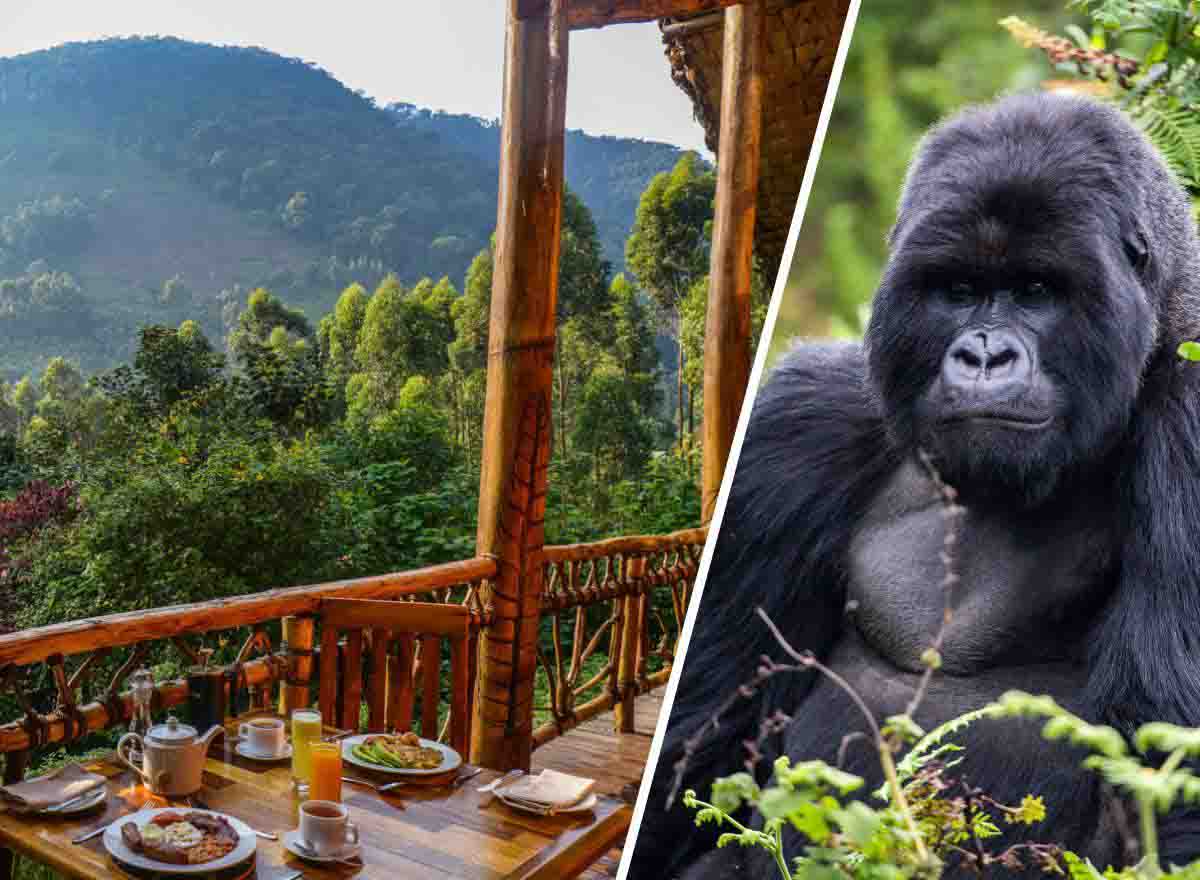
This 14-day budget Uganda safari and gorilla trekking itinerary is designed to help you experience Uganda’s most iconic wildlife areas—while staying affordable with budget guesthouses, simple lodges, and basic campsites. You’ll cover the landscapes of Murchison Falls, Kibale Forest, Queen Elizabeth, Bwindi Impenetrable Forest, Lake Bunyonyi, and Lake Mburo, plus your primate highlights: chimps in Kibale and mountain gorillas in Bwindi. Expect game drives, boat cruises, swamp walks, culture, and scenic drives across tea estates and crater-lakes. Throughout the trip, your guide will also include local storytelling and community visits (where available), so you travel not only to see wildlife, but to understand Uganda’s people and places.
Day 1: Arrival in Uganda (Entebbe → Kampala/Entebbe)
Welcome to Uganda! After landing at Entebbe International Airport, your budget driver-guide will meet you and take you to Kampala or Entebbe (about 45–60 minutes, depending on traffic). You’ll check in at a budget guesthouse—simple rooms, hot water sometimes available—then spend the evening unwinding. If time allows, you can do a short market stroll or a quick briefing about permits, packing, and how gorilla/chimp trekking works. Wildlife today is mostly city vibes—breeze, local sounds, and “how to move around safely.” We keep it relaxed because tomorrow starts early. You’ll sleep early so you’re ready for the road north.
Local word vibe: “Welcome nyo!” (meaning: you’ve arrived safely).
Day 2: Kampala → Murchison Falls (Stop at Ziwa Rhino Sanctuary)
After an early breakfast, you’ll depart Kampala and start the drive north toward Murchison Falls National Park. The journey takes about 5.5–7 hours (often 6–7 hours with stops). Along the way, you’ll stop at Ziwa Rhino Sanctuary for rhino tracking. Activity duration: 1.5–3 hours (tracking walk plus spotting time). You’ll also learn about conservation efforts protecting Uganda’s rhinos. After Ziwa, continue to the park area and check into a budget campsite or basic lodge near Murchison Falls. Evening is for relaxation and an easy talk with your guide about what to look for during tomorrow’s game drive and boat cruise. If you arrive early enough, you may do a short dusk walk around the lodge/campsite to enjoy the sounds of savannah birds and insects.
Jumaise: “Tukusanye nguvu—let’s gather energy.”
Day 3: Murchison Falls (Game Drive + Boat Cruise to the Falls)
Today is pure savannah action! Start with an early morning game drive in the northern sector. Duration: 3–4 hours, usually focusing on animals active in the cool morning. Wildlife commonly seen includes buffalo, giraffe, warthogs, antelopes, elephants (seasonal), and lions (seasonal), plus many birds. Later, head to the river area for a boat cruise toward the base of Murchison Falls. Duration: 2–3 hours cruise plus short viewing time. If conditions allow, you’ll also do a hike to the top of the falls—Duration: 1.5–2.5 hours round trip (depending on pace and crowds). You’ll enjoy mist from the falls and impressive viewpoints. Night stays in a budget campsite/basic lodge inside or near the park.
Local vibe: “Asante—umeona nguvu ya maji!”
Day 4: Murchison Falls → Kibale Forest (Fort Portal area)
After breakfast, you’ll drive south to Kibale Forest National Park via the Fort Portal route. Travel duration: about 6–8 hours (road conditions and stop time affect it). The drive is scenic—rural farms, occasional viewpoints, and tea-growing landscapes near the Albertine region. On arrival, you’ll check into a budget lodge/camp in the Fort Portal area with simple rooms and a calm environment. The rest of the day is low-key: you can take an easy walk to stretch or visit a nearby local spot (if your guide confirms it). If you arrive early, you might do a short bird-and-community observation activity (about 1 hour). Wildlife today is mostly during brief stops, because your main primate activities begin tomorrow.
Local word: “Pole pole” (slowly, you’ll reach comfortably).
Day 5: Kibale (Chimps + Bigodi Wetland Walk)
Today is for primates and birds! In the morning, you’ll go for chimpanzee tracking in Kibale Forest. Activity duration: 3–5 hours total (including briefing, trail search, and time with chimps). Chimps can be found in different areas depending on where they are feeding. After tracking, enjoy lunch, then head for the Bigodi Swamp/Community Walk. Duration: 1.5–2.5 hours with a local guide. Wildlife commonly seen here includes black-and-white colobus monkeys, red-tailed monkeys (seasonal), blue monkeys (seasonal), birds, and other small primates—plus you’ll experience local community life. You’ll return to your budget lodge/campsite near Kibale for rest.
Jumaise: “Leo twende na macho—watching time!”
Day 6: Kibale/Fort Portal → Queen Elizabeth National Park
After an early breakfast, depart for Queen Elizabeth National Park via the Rwenzori/Albertine region. Travel duration: about 5.5–7.5 hours. You’ll arrive in time for a late afternoon mini game drive. Duration: 1.5–2.5 hours—ideal for spotting elephants (often), buffalo, antelopes, warthogs, and lots of birds. Night will be in budget accommodation around the park (basic lodges or camps depending on availability). Evening activity is usually flexible: relaxing, enjoying views of the landscape, and a short briefing for tomorrow’s Kazinga Channel cruise.
Local vibe: “Tunaingia kesho early—leo tuwekwe sawa.”
Day 7: Queen Elizabeth (Game Drive + Kazinga Channel Boat Cruise)
Start early with an extended game drive in the Kasenyi plains. Duration: 3–4 hours. Wildlife commonly seen includes lions (seasonal), elephants, buffalo, Uganda kob/antelope species, jackals, giraffes, and many birds. After lunch, you’ll head for a Kazinga Channel boat cruise, one of Uganda’s highlights. Duration: 2–3 hours cruise, typically packed with hippos, crocodiles, elephants on the shoreline, kingfishers, and other water birds. You’ll take photos from the boat while the wildlife comes close. Return to your budget lodge/camp for the night.
Local phrase: “Hapa ni burungi—so beautiful!”
Day 8: Queen Elizabeth (Ishasha Tree-Climbing Lions) → Bwindi Edge
Today you’ll move to the remote Ishasha sector for the chance to see tree-climbing lions—a special highlight of Queen Elizabeth. Travel time from the main park area to Ishasha can be 2.5–4 hours (depending on your start point). After reaching Ishasha, you’ll do a safari search. Activity duration: 2.5–3.5 hours. Wildlife hopes include lions in fig trees (seasonal sightings), plus elephants, buffalo, and antelope species. After that, continue driving to the Bwindi Impenetrable Forest edge. Travel duration: 4–6 hours. Evening: check into a budget lodge near Bwindi and rest early since tomorrow’s gorilla trekking briefing comes fast.
Jumaise: “Leo tusubirie Mungu—tutapata simba.”
Day 9: Bwindi (Mountain Gorilla Trekking + Optional Walk)
This is your big day: mountain gorilla trekking in Bwindi Impenetrable Forest. Start with a briefing at park headquarters (about 30–45 minutes). Then the trek itself is usually 2–5 hours depending on gorillas’ movement and weather. When you meet the gorillas, you’ll spend about one hour observing them (official time with the group). After trekking, you can choose an optional community/Batwa cultural walk (about 1–2 hours) if permitted and available. Some travelers also enjoy a short viewpoint walk, depending on energy levels. Your lodge tonight will be a budget guesthouse/camp near Bwindi—basic but comfortable enough for sleep after the hike.
Local word: “Umefika—now we celebrate peace.”
Day 10: Bwindi → Lake Bunyonyi
After breakfast, depart Bwindi toward Lake Bunyonyi. Travel duration: about 4.5–6.5 hours with scenic hillside roads. You’ll check into a budget lodge around the lake (some may be simple, with lake views depending on location). The afternoon is yours to relax: you can do a motorized boat ride to visit islands. Duration: 1–2.5 hours including boarding and time on the water. Alternatively, you may just enjoy lakeside scenery, bird watching, and slow pacing. Wildlife around the lake can include birds, and sometimes you’ll spot monkeys in distant tree lines. This day is intentionally lighter to help you recover after gorilla trekking. Evening: dinner, local stories from your guide, and a quiet night by the water.
Local vibe: “Tulia—breathe and enjoy.”
Day 11: Lake Bunyonyi → Lake Mburo National Park
After breakfast, drive to Lake Mburo National Park—journey time about 6–7.5 hours. Upon arrival, check in at a budget campsite/basic lodge near the park. Later in the day, you’ll do either an afternoon boat cruise (if available/seasonal) or an evening game drive depending on your schedule. Game drive duration: 2–3 hours. Wildlife commonly seen: zebras, impalas, warthogs, giraffes (seasonal), buffalo (seasonal), and hippos (at certain areas). Bird species are also strong here. If you do a boat activity, you’ll likely see water birds and shoreline animals. Tonight is restful—this is a good park to enjoy without too much walking.
Jumaise: “Leo ni mchezo—nature game drive.”
Day 12: Lake Mburo (Walking Safari + Community Tour)
Today includes two experiences: a walking safari (guided) and a rural community encounter. Morning walking safari duration: 2–3 hours. You’ll move slowly in the bush with your ranger/guide, watching animals from close but safe distances—commonly zebras, impalas, smaller antelopes, birds, and sometimes giraffes depending on area. After lunch, you’ll go for a cultural/rural tour with local people. Duration: 2–3 hours. You’ll learn daily life, farming basics, and local traditions. Activities differ based on what communities can offer at that time, but your guide will keep it respectful and educational. Return to lodge/campsite for your final night in this park area.
Local phrase: “Karibu—welcome to their home life.”
Day 13: Mburo → Kampala (Equator Stop)
Today is a long travel day back toward the capital. Depart after breakfast for Kampala with a stop at the Uganda Equator (Kayabwe) area for photos and a short visit. Total travel duration: about 5.5–8 hours depending on traffic and breaks. Equator stop duration: 1–1.5 hours. You’ll take souvenir photos, enjoy the fun “demonstration” at the equator viewpoint (when operators are available), and stretch before continuing. In the evening, check into a budget guesthouse in Kampala for your last night. This day is mainly about comfort and safe arrival rather than heavy activities. Your guide will also confirm your departure plans for tomorrow morning/afternoon.
Jumaise: “Leo tuende taratibu—no rush.”
Day 14: Kampala City Short Tour + Departure (Entebbe)
On your final day, enjoy a light morning city experience before heading to the airport. Possible options (choose with your guide based on time): a local market visit, craft/souvenir shopping, or a short cultural stop. Duration: 1.5–3 hours depending on your interest. Then you’ll drive from Kampala to Entebbe International Airport—usually 45–70 minutes. You’ll get to the airport with enough time for check-in and security. This itinerary keeps it simple: you don’t need long travel today; you just need smooth timing. If your flight is evening, you may have time for a final meal near Entebbe/Kampala.
Local vibe: “Asante sana—safe journey!”
What makes a 14-day budget Uganda safari so special?
A 14-day budget safari gives you the ultimate luxury of time without needing a luxury bank account. Spanning two full weeks, you can slow down and truly absorb Uganda’s dramatic landscapes—from the roaring Murchison Falls down to the misty slopes of Bwindi. Doing it on a budget doesn’t mean missing out; rather than staying in fancy 5-star lodges, you sleep in cozy, community-run campsites, budget bandas, or clean local guesthouses. This allows your funds to stretch across multiple national parks, multiple wildlife boat cruises, chimpanzee tracking, and the crown jewel: mountain gorilla trekking. You get authentic cultural interactions and deep wilderness immersion while keeping your expenses remarkably grounded.
How much does a 14-day budget safari realistically cost?
When planning a budget-friendly trip, expect to spend anywhere from $2,000 to $3,200 per person for the entire 14 days. The biggest fixed cost in Uganda is always the permits: a gorilla trekking permit costs $800, and a chimpanzee permit costs around $200–$250. Once you factor in these mandatory primate permits, the rest of your budget covers budget accommodation ($30 to $70 per night), shared or group transport, park entrance fees, meals, and your driver-guide's daily allowance. Traveling with a group of four to six people drastically cuts down the per-person cost of vehicle hire and fuel, making a two-week circuit surprisingly affordable compared to shorter, rushed itineraries.
When is the best time of year to go on a budget?
Uganda is an equatorial country, meaning you can visit year-round, but timing affects both your wildlife viewing and your wallet. The absolute best times are the dry seasons: June to August and December to February. During these months, park tracks are dry, and hiking through Bwindi Impenetrable Forest for gorillas is much less slippery. However, if you are strictly hunting for budget deals, the shoulder or low seasons (March to May and October to November) see fewer tourists. Some budget lodges and tour operators drop their rates or offer promotional packages during these rainy months. Just be prepared for tropical downpours and muddy jungle trails!
What is the general route for a 14-day Uganda circuit?
A well-planned 14-day itinerary forms a massive loop through western and northern Uganda, ensuring you don't waste time backtracking. You typically start by heading northwest from Entebbe/Kampala to Murchison Falls National Park, stopping at the Ziwa Rhino Sanctuary on the way. From there, you cut southwest toward Kibale Forest for chimpanzees, drop down into Queen Elizabeth National Park for classic savannah wildlife and tree-climbing lions, continue south to Bwindi or Mgahinga for gorilla trekking, unwind by the stunning Lake Bunyonyi, and wrap up with a game drive in Lake Mburo before heading back to Entebbe.
How do I secure a gorilla trekking permit on a budget?
Gorilla permits in Uganda cost a flat $800 per person, set by the Uganda Wildlife Authority (UWA), and there are no seasonal discounts or budget loopholes for the permit itself. Because numbers are strictly managed to protect the endangered mountain gorillas, permits sell out months in advance. To stay on budget, the trick is to book through a reputable local Ugandan tour operator who packages the permit directly into a group tour, avoiding third-party international markups. Never delay booking your permit; securing it early ensures your entire 14-day blueprint locks into place without unexpected price surges.
What kind of budget accommodations can I expect?
Forget sterile chain hotels—budget accommodation in Uganda’s national parks is packed with rustic charm and character. You will typically stay in tented camps with permanent canvas walls, twin beds, and en-suite flush toilets, or eco-lodges run by local communities that overlook sweeping valleys or crater lakes. Most budget properties feature cozy communal dining areas where travelers gather around a campfire at night to share stories under the African stars. While luxury properties offer swimming pools and lavish spas, budget spots give you authentic immersion into nature, often with wild vervet monkeys or forest birds greeting you right outside your door.
What should I pack for a 14-day multi-climate trip?
Packing for Uganda requires a strategic mix because you will encounter freezing mountain mornings, hot savannah afternoons, and damp rainforests. For gorilla and chimpanzee trekking, absolute essentials include sturdy, worn-in waterproof hiking boots, thick gardening gloves (to protect your hands from stinging nettles), long-sleeved shirts, and long trousers tucked into socks to keep safari ants at bay. Bring a reliable lightweight rain jacket, as downpours happen even in dry seasons. Don't forget neutral-colored clothing for game drives, a hat, high-SPF sunscreen, a strong insect repellent with DEET, and a power bank since some remote budget camps have limited electricity.
Can I join a group tour to save money?
Joining a scheduled group tour is hands-down the smartest way to slash your expenses on a 14-day Uganda safari. When you travel solo or as a private couple, you shoulder 100% of the vehicle hire, fuel, and driver-guide fees. By jumping onto an open group departure organized by a local agency, these heavy operational costs are split among four to eight travelers. Beyond the heavy financial savings, group tours are fantastic for social dynamics; you get to spend two weeks bonding with fellow wildlife enthusiasts from all over the world, sharing campfire meals, and laughing over unexpected roadside babpie sightings.
What wildlife will I see in Murchison Falls?
Murchison Falls National Park is Uganda’s largest park and acts as an explosive grand opening for your 14-day journey. On morning game drives across the rolling northern savannah, you will spot towering Rothschild’s giraffes, massive herds of elephants, Cape buffaloes, Oribis, Uganda kobs, and—if you are lucky—leopards and lions stalking their prey. The park is bisected by the mighty Victoria Nile, where a boat cruise to the base of the falls brings you face-to-face with pods of grunting hippos, giant Nile crocodiles, and vibrant waterbirds like the rare shoebill stork. The highlight is hiking to the top of the falls, where the entire Nile forces itself violently through a 7-meter rocky gap.
How does chimpanzee trekking in Kibale work?
Kibale National Park is widely celebrated as the primate capital of the world, sheltering 13 different species, including over 1,500 chimpanzees. Your morning starts with an expert ranger briefing at the Kanyanchu visitor center, after which you head into the dense, cathedral-like tropical rainforest in small tracking groups. Once your trackers locate a habituated chimpanzee community, you are allowed one hour to observe them up close. Watching them swing effortlessly through the mahogany canopy, groom one another, or hearing the males let out chest-deep pant-hoots echoing through the mist is an unforgettable, deeply humbling wildlife experience.
What is special about Queen Elizabeth National Park?
Queen Elizabeth National Park offers a classic, diverse ecosystem that seamlessly blends volcanic crater lakes, open grassy plains, and swampy wetlands. A highlight here is taking the afternoon boat cruise along the 40-kilometer Kazinga Channel, which connects Lake Edward and Lake George. This channel boasts one of the highest concentrations of hippos in the world, alongside elephants bathing on the banks and massive pelicans skimming the water. Afterward, a drive through the southern Ishasha sector gives you a rare chance to spot prides of lions lounging lazily high up in the branches of old fig trees—a behavior unique to only a few places on earth.
What is the reality of gorilla trekking in Bwindi?
Gorilla trekking in Bwindi Impenetrable National Park is physically demanding, deeply emotional, and worth every single penny. After an early morning safety briefing, you embark on a guided hike through thick, tangled undergrowth and steep mountain slopes. The trek can last anywhere from 30 minutes to over 4 hours depending on where the gorilla family spent the previous night. The moment you step through the foliage and lock eyes with a silverback weighing over 400 pounds, all physical exhaustion vanishes. Spending an hour watching mothers groom playful infants and juveniles tumble through the vines is widely considered one of the greatest wildlife encounters on planet Earth.
Do I need to be super fit for gorilla and chimp trekking?
You do not need to be an elite marathon runner, but a reasonable baseline level of physical fitness makes the experience vastly more enjoyable. The terrain in Bwindi and Kibale can be steep, uneven, humid, and slick with mud. If you are worried about your fitness level or have minor mobility concerns, do not panic; budget tour operators and park authorities can assign you to a "shorter" or easier-to-reach gorilla family group. Furthermore, hiring a local porter at the trailhead for a small fee ($15–$20) is a brilliant budget move; these local community members will happily carry your heavy daypack and give you a helping hand up slippery slopes.
What are the food and dietary options like on a budget trip?
Eating on a budget safari is a delightful cultural immersion into local Ugandan cuisine. Most budget lodges serve hearty, full-board meals featuring a mix of continental breakfast items (eggs, toast, fresh tropical fruits, African tea, and coffee) and buffet-style dinners. For lunches on transit days, your driver-guide will typically stop at clean local restaurants where you can try traditional dishes like matoke (steamed green bananas), posho, peanut sauce, sweet potatoes, and grilled or fried fish straight from the lakes. Vegetarian, vegan, and gluten-free diets are easily accommodated across almost all camps if you give advance notice.
Is Uganda safe for independent or budget travelers?
Uganda is widely known as one of the safest, friendliest, and most politically stable countries in East Africa, earning it the affectionate nickname "The Pearl of Africa." Local communities are incredibly welcoming to travelers, and English is widely spoken, making communication smooth everywhere you go. National parks are secure zones heavily monitored by wildlife rangers and local security forces. While standard urban common-sense applies—such as avoiding walking alone in unlit areas of major cities late at night—thousands of budget travelers safely navigate Uganda every year without incident, particularly when traveling with a trusted local guide.
What kind of vehicle will we use on a budget safari?
On a budget-tier group tour, your transport will typically be a customized 4x4 safari van (often called a minivan) or a modest 4x4 land cruiser featuring a pop-up roof hatch. These pop-up roofs are essential because they let you stand up safely while scanning the horizon for lions or elephants, ensuring unobstructed 360-degree views and incredible photography angles. While budget vehicles might lack luxury add-ons like leather seats or charging ports at every single chair, they are mechanically rugged, built to handle deeply rutted mud tracks, and navigated by seasoned local drivers who know every corner of the country.
How do local tips and gratuities work?
Tipping is not legally mandatory in Uganda, but it is deeply appreciated and forms a crucial part of the local service economy. On a 14-day budget trip, it is customary to tip your main driver-guide a collective amount at the end of the safari based on satisfaction (typically around $10 to $15 per day total from the group). For specialized park ranger guides and trackers who lead you to the gorillas or chimpanzees, a small group tip of $10 to $20 is standard practice. Carrying plenty of small US dollar bills (printed 2013 or later) or local Ugandan shillings ensures you can easily handle tips and community market purchases.
What cultural experiences are included in a 14-day trip?
A great 14-day safari isn't just about animals; Uganda's rich human tapestry is equally captivating. Depending on your exact route, your itinerary can include community village walks, visits to the Batwa pygmies (the ancient forest keepers near Bwindi), stops at the Igongo Cultural Centre to learn about the Ankole kingdom, or exploring the vibrant local fruit and craft markets. These community visits are structured ethically, meaning a direct portion of your small visitor fee goes straight back into funding local schools, clean water projects, and women's craft cooperatives.
How can I handle money and connectivity on the road?
Managing money in Uganda is straightforward if you plan ahead. While major hotels and upscale spots take credit cards, cash is king on a budget trip—especially for buying souvenirs, drinks, local snacks, and paying porters. You should bring clean, crisp US dollar bills (older series bills under 2013 are widely rejected by banks and forex bureaus due to counterfeiting concerns) and exchange them for Ugandan Shillings upon arrival. For staying connected, pick up a local MTN or Airtel SIM card at Entebbe Airport; mobile data packages are remarkably cheap, keeping you connected to maps and family even while out in the remote western valleys.
Why should I choose Uganda over other African safari destinations?
Uganda offers a rare, uncrowded authenticity that mass-tourism destinations like Kenya or South Africa have largely lost. When you watch a lion hunt or track a gorilla family in Uganda, you aren't surrounded by a traffic jam of twenty other safari vehicles; instead, you share the quiet wilderness with just your small group and nature. It is also one of the most geographically diverse and biologically rich countries on earth, packing savannahs, rainforests, snow-capped mountains, and the source of the Nile into a compact area. Doing it over 14 days on a budget ensures you experience the absolute heart of Africa without emptying your life savings.
Booking 14-day budget Uganda safari with us Roads of Adventure safaris
Booking your 14-Day Budget Uganda Safari with Roads of Adventure Safaris guarantees a classic, action-packed circuit across Uganda's most legendary ecosystems without breaking the bank. By opting for comfortable 4x4 safari vans, well-maintained budget tented camps, and eco-bandas, you will maximize your wildlife immersion while keeping costs exceptionally efficient.
