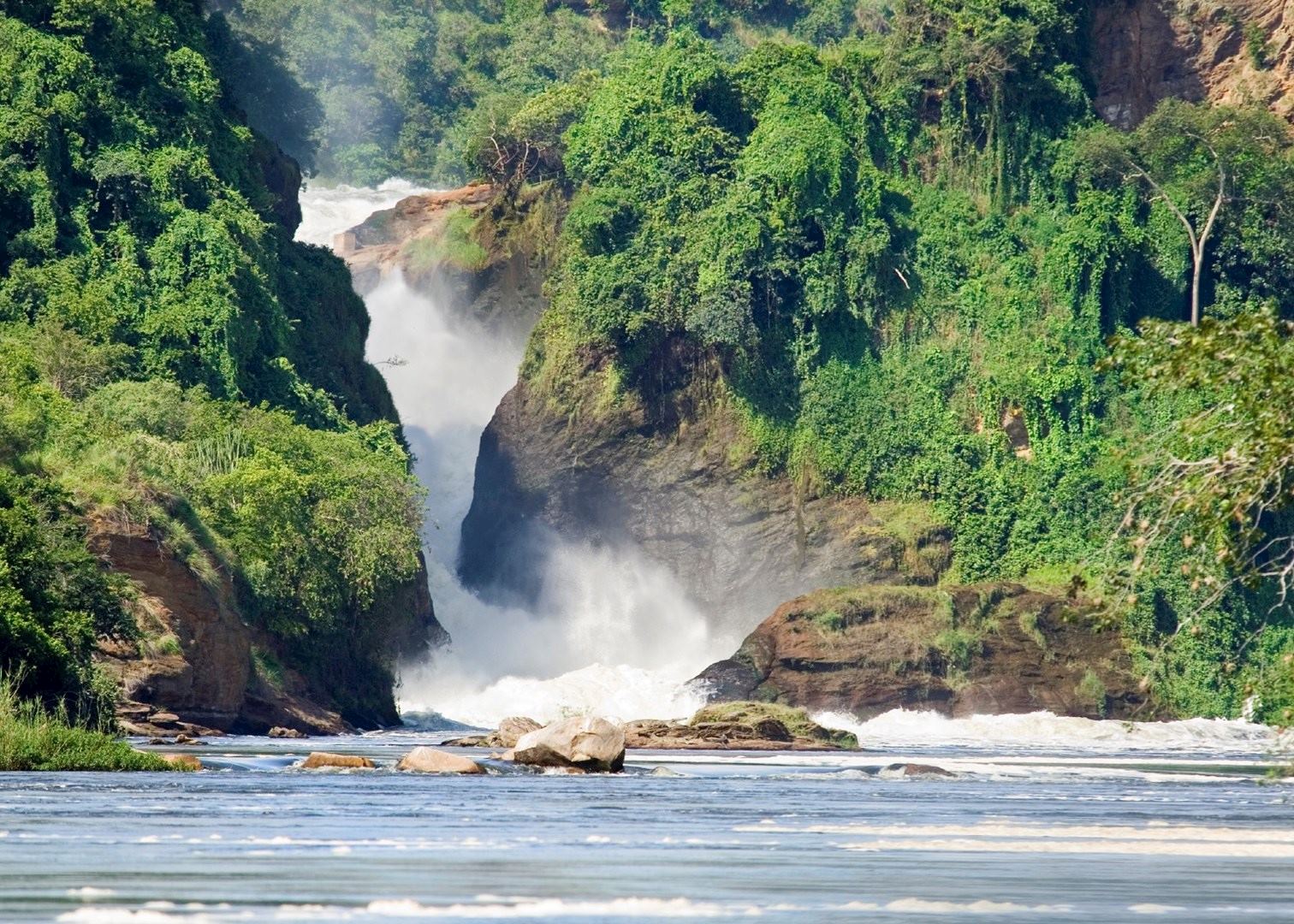
Murchison Falls National Park is Uganda's largest and one of its oldest conservation areas, renowned for the world's most powerful waterfall where the Nile River forces itself through a mere 7-meter (23-foot) wide gorge before plunging 43 meters (141 feet). The park offers diverse landscapes and abundant wildlife, making it a prime safari destination.
3-days-murchison-falls-national-park-best-uganda-safari-road-trip
3-days-best-honeymoon-uganda-safari-escape-to-murchison-falls-national-park
5-day-best-safaris-to-uganda-kidepo-and-murchison-falls-national-parks
5-days-kidepo-valley-uganda-safari-via-ziwa-rhino-sanctuary
6-days-best-of-murchison-and-kidepo-uganda-safari-via-ziwa
7-days-murchison-falls-uganda-safari-trip-via-ziwa-rhinos-kidepo-valley-and-jinja
7-days-uganda-tour-to-murchison-falls-via-ziwa-kibale-and-queen-elizabeth-national-park
9-days-africa-big-five-safari-in-uganda-safari-parks-and-gorilla-trekking
Where is Murchison Falls National Park located?
Murchison Falls National Park is situated in the northwestern region of Uganda, near the town of Masindi. It lies approximately 283 kilometers (about 176 miles) by road from Kampala, the capital city of Uganda. Known for its extensive landscapes and rich biodiversity, the park spans over 3,840 square kilometers (approximately 1,480 square miles). To reach the park from Kampala, travelers typically take a scenic drive that showcases Uganda’s diverse landscapes, including agricultural areas, hills, and lush greenery. The route often involves passing through villages, adding cultural insights to the journey. Major access points to the park include the Zambezi and Kaniyo-Pabidi gates, both well-maintained and equipped to handle tourist traffic. This accessibility ensures that Murchison Falls National Park is a favorite among travelers seeking to experience Uganda’s natural beauty and wildlife. The park’s proximity to other attractions, including the Ziwa Rhino Sanctuary and Budongo Forest, makes it an excellent starting point for a broader exploration of Uganda’s national parks.
What makes Murchison Falls National Park famous?
Murchison Falls National Park is renowned for its namesake waterfall, where the Nile River thunders through a narrow gorge, creating one of Africa's most spectacular natural wonders. The Nile narrows to a mere 7 meters (about 23 feet) before plunging 43 meters (about 141 feet) into the "Devil's Cauldron." This dramatic drop not only adds to the park's stunning beauty but also creates a rich ecosystem that supports diverse flora and fauna. The park is home to an impressive variety of wildlife, including elephants, lions, buffalo, giraffes, and the endangered Rothschild's giraffe. The combination of the breathtaking waterfall and abundant wildlife makes it a top destination for photographers and nature lovers. Additionally, the park's ecosystem includes savannahs, wetlands, and riverine forests, offering varied landscapes and habitats for numerous species. Visitors often enjoy game drives, boat cruises, and trekking opportunities, further enhancing their experience. The park's commitment to conservation and promoting sustainable tourism has also garnered international recognition, attracting wildlife enthusiasts who want to appreciate Uganda's natural heritage.
When is the best time to visit Murchison Falls National Park?
The best time to visit Murchison Falls National Park typically coincides with the dry seasons, which occur from December to February and from June to September. During these months, wildlife tends to congregate around water sources, which makes spotting animals significantly easier. The clear skies and moderate temperatures provide excellent conditions for photography and enjoying the outdoors. Conversely, the wet season, from March to May, brings lush greenery and blooming flora, making it a great time for birdwatching, as many migratory birds visit the park. Although rain can make some areas more challenging to navigate, the resulting vibrant scenery can be incredibly rewarding for photographers and nature lovers. Each season offers unique experiences, allowing visitors to tailor their trips based on their interests, whether it’s wildlife watching or capturing stunning landscapes. Additionally, the park can be less crowded during the wet season, providing a more intimate experience with nature. Understanding the seasonal variations helps guests optimize their visit and enjoy all that Murchison Falls has to offer.
What wildlife can I see in Murchison Falls National Park?
Murchison Falls National Park is teeming with diverse wildlife, making it one of Uganda’s premier safari destinations. Visitors can expect to see large herds of elephants and buffalo, along with various antelope species, such as Uganda kobs. Lions are often spotted lounging in the shade or actively hunting during early mornings and late afternoons. The park is also home to giraffes, including the rare Rothschild's giraffe, and those visiting will likely see these majestic creatures roaming the savannahs. In addition to mammals, the park hosts a variety of reptiles, including hippos and crocodiles that can often be seen basking along the Nile River banks. Birdwatchers will be thrilled with the over 450 species recorded in the park, including the elusive shoebill stork. For primate enthusiasts, chimpanzees can be found in the nearby Budongo Forest. This rich tapestry of wildlife offers something for every nature lover and adventurer, making each visit to Murchison Falls a unique experience filled with opportunities to observe animals in their natural habitats.
What activities are available at Murchison Falls National Park?
Murchison Falls National Park offers a myriad of activities that cater to adventure seekers, wildlife enthusiasts, and nature lovers. One of the most popular activities is game driving, which allows visitors to traverse the park's vast landscapes in search of wildlife. Early morning and late afternoon drives provide the best chances for spotting animals, including elephants, lions, and giraffes. Boat cruises on the Nile River are another highlight, offering stunning views of the falls and opportunities to see hippos, crocodiles, and a variety of bird species. For those looking for a more immersive experience, chimp trekking in the nearby Budongo Forest provides a fantastic chance to observe these fascinating primates in their natural habitat. Guided nature walks are also offered, allowing guests to explore the park at a more leisurely pace and learn about the ecosystem and various plant species. Bird watching is highly rewarding, particularly for enthusiasts hoping to spot rare species in their natural environments. This blend of activities ensures that visitors can create a personalized itinerary that best suits their interests while exploring the park’s diverse offerings.
Is Murchison Falls National Park safe?
Murchison Falls National Park is generally safe for visitors, but, like any wildlife destination, it is essential to stay vigilant and follow established safety guidelines. Visitors are encouraged to adhere to the advice and directions provided by park rangers, particularly when near wildlife or participating in activities such as boat trips. The park employs trained guides to ensure guest safety while enhancing their experience through local knowledge and insights. While wildlife encounters can be thrilling, it’s critical to maintain a safe distance and avoid provoking animals. Staying in designated areas, especially during game drives and trekking, helps minimize risks. Moreover, the park is patrolled regularly by security personnel to ensure the safety of tourists and wildlife alike. Basic health precautions, such as staying hydrated and protecting against mosquito bites, also contribute to a safe and enjoyable visit. Overall, with proper planning and adherence to safety protocols, travelers can experience the beauty of Murchison Falls in confidence and comfort.
Do I need a Yellow Fever vaccination for Murchison Falls National Park?
Yes, a Yellow Fever vaccination is typically required for entry into Murchison Falls National Park and Uganda as a whole. Uganda lies within a region endemic to Yellow Fever, a viral disease transmitted by mosquitoes. To safeguard travelers' health and prevent outbreaks, the Ugandan government mandates vaccination prior to entry. Visitors are advised to obtain the vaccination at least ten days before their arrival, as this will ensure that they have built immunity to the virus. It’s also advisable to carry the vaccination certificate with you, as it may be requested upon arrival at border points and for entry into national parks. In addition to the Yellow Fever vaccine, it is prudent to take other preventive health measures, such as malaria prophylaxis, and vaccinations for routine diseases like hepatitis and typhoid. Consulting with a healthcare professional before traveling is crucial to ensure that all health precautions are taken, allowing for a safer and more enjoyable experience while exploring the beauty of Murchison Falls National Park.
How do I get to Murchison Falls National Park from Kampala?
Traveling to Murchison Falls National Park from Kampala is relatively straightforward, primarily achieved by road. The journey covers about 283 kilometers (approximately 176 miles) and typically takes 4 to 6 hours, depending on traffic and road conditions. Visitors can hire a private taxi or arrange for a guided tour that includes transportation, which can add convenience and enhance the overall experience. The route to the park is scenic, passing through small towns, picturesque landscapes, and farmlands along the way. Major access points to the park, such as the Kaniyo-Pabidi and Zambezi gates, offer well-maintained roads suitable for various vehicles. Those interested in more unique experiences can also consider combining their trip to Murchison Falls with visits to nearby attractions, such as the Ziwa Rhino Sanctuary for rhino tracking or Budongo Forest for chimpanzee trekking. Planning the route in advance, allowing for stops at interesting sites, and checking current road conditions can lead to a more enriching journey to this beautiful national park.
What are the accommodation options in Murchison Falls National Park?
Murchison Falls National Park offers a wide range of accommodation options to cater to different preferences and budgets. For budget-conscious travelers, designated campsites provide an adventurous option to camp in the heart of nature, with basic facilities and services to make the experience enjoyable. Additionally, rest camps like Red Chilli Rest Camp offer affordable lodgings and communal facilities, helping visitors connect with fellow adventurers. For those seeking more comfort, mid-range lodges provide cozy accommodations along with amenities suited for families or small groups. High-end lodges, such as Paraa Safari Lodge and Baker's Lodge, offer luxurious experiences with stunning views of the Nile River, fine dining, and personalized service. Many of these lodges also provide unique wildlife experiences, including organized game drives and boat cruises. The variety of options allows travelers to customize their stay according to their needs, ensuring an unforgettable experience within the stunning landscape of Murchison Falls National Park.
Can I do a chimpanzee trek in Murchison Falls National Park?
While Murchison Falls National Park itself does not host chimpanzees within its borders, nearby Budongo Forest is a prime location for chimpanzee trekking. Budongo, located just south of the park, is part of the greater Murchison Falls ecosystem and offers rich biodiversity, including a significant population of chimpanzees. Guided chimp trekking in Budongo typically involves hiking through lush forest areas where visitors can observe these fascinating primates in their natural habitat. The best months for chimp trekking are generally from October to January, as the chimps are more active during this period. Trekking experiences often feature knowledgeable guides who provide insights into chimpanzee behavior, ecology, and their social structures, enriching the overall experience. The trek itself can be a rewarding adventure, allowing visitors to enjoy not only the chimps but also the unique flora and fauna of the Budongo Forest. Though separate from Murchison Falls, the trek complements a visit to the park, adding a unique primate-viewing opportunity to a broader safari itinerary.
What is the "Big Five" at Murchison Falls National Park?
The "Big Five" refers to the five most iconic and sought-after animals in African safari experiences, and at Murchison Falls National Park, it includes elephants, lions, buffalo, leopards, and rhinos (though rhinos are found at the nearby Ziwa Rhino Sanctuary). Elephants are the largest land mammals and are often seen roaming in herds. They are a major draw for visitors due to their sheer size and fascinating social structure. Lions, the apex predators, can often be spotted resting in the shade during the day or hunting in the cooler hours of twilight. Buffaloes are abundant in the park, often found grazing in open grasslands, while leopards, more elusive, can be spotted occasionally lounging in trees or prowling at night. The Ziwa Rhino Sanctuary, approximately 70 kilometers south of Murchison Falls, is essential for rhino conservation and provides a unique opportunity for sighting these magnificent animals in their natural habitat. This combination of species makes Murchison Falls a prime destination for wildlife enthusiasts eager to experience these majestic creatures firsthand.
What’s special about the Murchison Falls themselves?
Murchison Falls is the park's most distinguished and dramatic feature, where the mighty Nile River narrows dramatically to just 7 meters wide before plunging 43 meters into a deep gorge known as the "Devil's Cauldron." This powerful cascade creates a spectacular show of roaring water, mist, and vibrant rainbows on sunny days. The unique geological formation is not just breathtaking; it represents the point where the river attempts to push through a rocky gap before dramatically falling, creating a forceful outburst of water that has eroded the surrounding hills over millennia. This site is also significant from both ecological and cultural perspectives, as it supports diverse wildlife and serves as a historical landmark. Visitors can enjoy boat rides close to the falls, where they can witness the sheer power of the water up close. The access to viewing platforms and guided tours provides an enriching context, revealing the falls' unique ecosystem and its role in supporting the flora and fauna that thrive in this vibrant environment.
Are there boat trips available in Murchison Falls National Park?
Yes, boat trips are a major highlight of Murchison Falls National Park, offering visitors a unique vantage point to observe wildlife along the Nile. These boat cruises typically depart from Paraa and travel to the bottom of Murchison Falls or the delta area, where the river meets Lake Albert. Along the way, passengers have the opportunity to see hippos basking in the sun, crocodiles lounging by the riverbanks, and a wide variety of bird species, including the rare shoebill stork, known for its distinctive appearance and large beak. The boat trips usually last about 2-3 hours and provide an ideal chance for photographers to capture stunning views and wildlife. These cruises not only enhance the overall experience in the park but also allow for relaxation amidst the natural beauty of the surroundings. Guided boat trips offer informative commentary on the park’s ecosystems, and wildlife, enriching the journey with valuable insights about the conservation efforts underway in the area.
What kind of birdlife is in Murchison Falls National Park?
Murchison Falls National Park is a birdwatcher's paradise, boasting over 450 species of birds, making it one of Uganda's prime birding destinations. The diverse habitats, including savanna, wetlands, and riverine forests, support a rich variety of avian life. Among the notable species, the rare shoebill stork stands out due to its prehistoric appearance and elusive nature, often found in the papyrus swamps near the delta. Other prominent birds include the African Fish Eagle, which can be seen diving for fish, and the colorful Great Blue Turaco, known for its striking plumage. Visitors may also encounter various kingfishers, herons, and hornbills during their explorations. Birdwatching is especially productive during the rainy seasons when migratory species arrive, adding to the already rich biodiversity. Guided birdwatching tours within the park provide enthusiasts with expert knowledge about species identification and behavior, making the experience both educational and rewarding.
What are the best times for game drives in Murchison Falls National Park?
The best times for game drives in Murchison Falls National Park are during the early mornings and late afternoons/evenings when animals are most active. Temperatures in these cooler parts of the day encourage wildlife to emerge from their resting spots, making it easier for visitors to observe various species. During morning drives, the fresh air and dawn light provide excellent photographic opportunities, as the golden hour casts a beautiful glow over the landscape. As the day progresses, animals retreat to shade, making afternoon or evening drives particularly strategic for spotting predators like lions, which are more active at dusk. Additionally, night drives within designated areas of the park offer unique chances to see nocturnal wildlife, such as leopards and hyenas, providing a different perspective on the park’s ecosystem. These varied driving times help maximize opportunities for witnessing wildlife in its natural behavior, ensuring a rewarding and immersive safari experience.
Is Murchison Falls National Park the largest in Uganda?
Yes, Murchison Falls National Park holds the title of the largest national park in Uganda, covering an impressive area of approximately 3,840 square kilometers (1,480 square miles). This vast area encompasses diverse ecosystems, including lush savannahs, riverine forests, and wetlands, which support a rich variety of wildlife and plant species. The immense size of the park allows for significant biodiversity; it is home to not only the "Big Five" but also numerous other mammals, birds, and reptiles. The scale of the park creates varied habitats that are crucial for conservation efforts and sustainable tourism. Murchison Falls' size also provides ample opportunities for exploration, offering numerous trails and pathways for game drives, boat cruises, and walking safaris. Visitors can easily spend several days within the park, taking full advantage of the extensive landscapes and varied activities available, making it a prime destination for adventurous travelers seeking to immerse themselves in Uganda's natural beauty.
What are the park entry fees for Murchison Falls National Park?
Park entry fees for Murchison Falls National Park are set by the Uganda Wildlife Authority (UWA) and vary based on nationality—Ugandan citizens typically pay lower fees compared to foreign tourists. For international visitors, entry fees are generally categorized by the duration of stay, with daily passes available for those wishing to explore for one day or more extended passes offering better value for multi-day visits. Additional fees may apply for activities such as boat rides and guided tours, which enhance the experience but are separate from the standard entry fee. It's advisable to check the latest fee structure on the UWA’s official website or directly at the park entrance, as rates can change and might also vary for different seasons or special events. Proper planning regarding entry fees ensures a smooth and enjoyable entry into the park, allowing visitors to focus on the extraordinary sights and experiences awaiting them.
Can I camp in Murchison Falls National Park?
Yes, camping in Murchison Falls National Park is a popular option for those who wish to immerse themselves deeply in the natural surroundings. The park offers designated campsites equipped with basic facilities to ensure a comfortable experience for campers. Camping allows visitors to enjoy the sounds of the wilderness at night and the stunning star-filled sky, creating a memorable adventure. Campsites like the Red Chilli Rest Camp provide amenities such as cooking areas and common facilities, allowing campers to socialize and share experiences with fellow adventurers. For those seeking a more rustic experience, there are also more secluded, wild camping options available within certain park boundaries, where you can set up a tent and enjoy a more direct connection with nature. Evening campfires are a highlight, where guests can share stories and enjoy the ambiance of the park. However, it’s vital to follow safety guidelines, particularly concerning wildlife encounters, and to always camp in designated areas to respect park regulations.
What’s the altitude of Murchison Falls National Park?
The altitude of Murchison Falls National Park varies significantly, adding to its diverse ecological zones. The park's lowest point is located at the delta near Lake Albert, which is about 619 meters (2,030 feet) above sea level. As one moves through the park, the altitude gradually increases, reaching up to 1,292 meters (4,239 feet) at Rabongo Hill, one of the park's notable viewpoints. This variation in altitude contributes to the park's diverse ecosystems, supporting a wide range of flora and fauna. The differing elevation influences climate, temperature, and biodiversity, creating distinct habitats that can be explored through various activities like hiking and game drives. Visitors can enjoy panoramic views from higher altitudes, making it an excellent spot for photography and wildlife observation. Understanding the park’s altitude and its effects on the environment adds depth to the experience, as travelers can appreciate the rich biodiversity shaped by these geological features.
What other parks can I combine with Murchison Falls National Park?
Murchison Falls National Park is an excellent starting point for exploring other nearby national parks in Uganda. For those looking to extend their adventure, the Ziwa Rhino Sanctuary is a perfect complementary destination where visitors can enjoy guided rhino tracking experiences. This sanctuary focuses on rhino conservation and offers a chance to see these magnificent creatures up close. Another great option is Kibale National Park, famous for its population of chimpanzees, where visitors can partake in primate tracking and guided walks through lush, tropical forests. Queen Elizabeth National Park is also nearby, offering opportunities to see the famous tree-climbing lions of Ishasha and abundant wildlife along the Kazinga Channel. If you're interested in stunning volcanic landscapes, Rwenzori Mountains National Park provides breathtaking trekking opportunities among the highest peaks in Africa. Combining these parks allows for a more diverse exploration of Uganda's remarkable wildlife and breathtaking landscapes, ensuring an unforgettable journey through the country's natural wonders.
Booking Uganda safari to Murchison Falls National Park with us Roads of Adventure safaris
Booking your Murchison Falls safari with Roads of Adventure Safaris guarantees a well-organized and memorable experience, with personalized itineraries that cater to your specific interests and budget. The process is straightforward: you initiate contact via email or phone with your preferred travel dates and interests, and their expert consultants craft a customized plan that includes activities like game drives and boat cruises on the Nile. They handle all the logistics, including securing necessary park permits, arranging transportation, and booking accommodations, ensuring a hassle-free journey. A 30% deposit is typically required to confirm your booking, with the balance due 60 days before your safari begins. Early booking is recommended to secure high-demand permits and lodges, allowing you to focus solely on enjoying the breathtaking Murchison Falls and its diverse wildlife.
