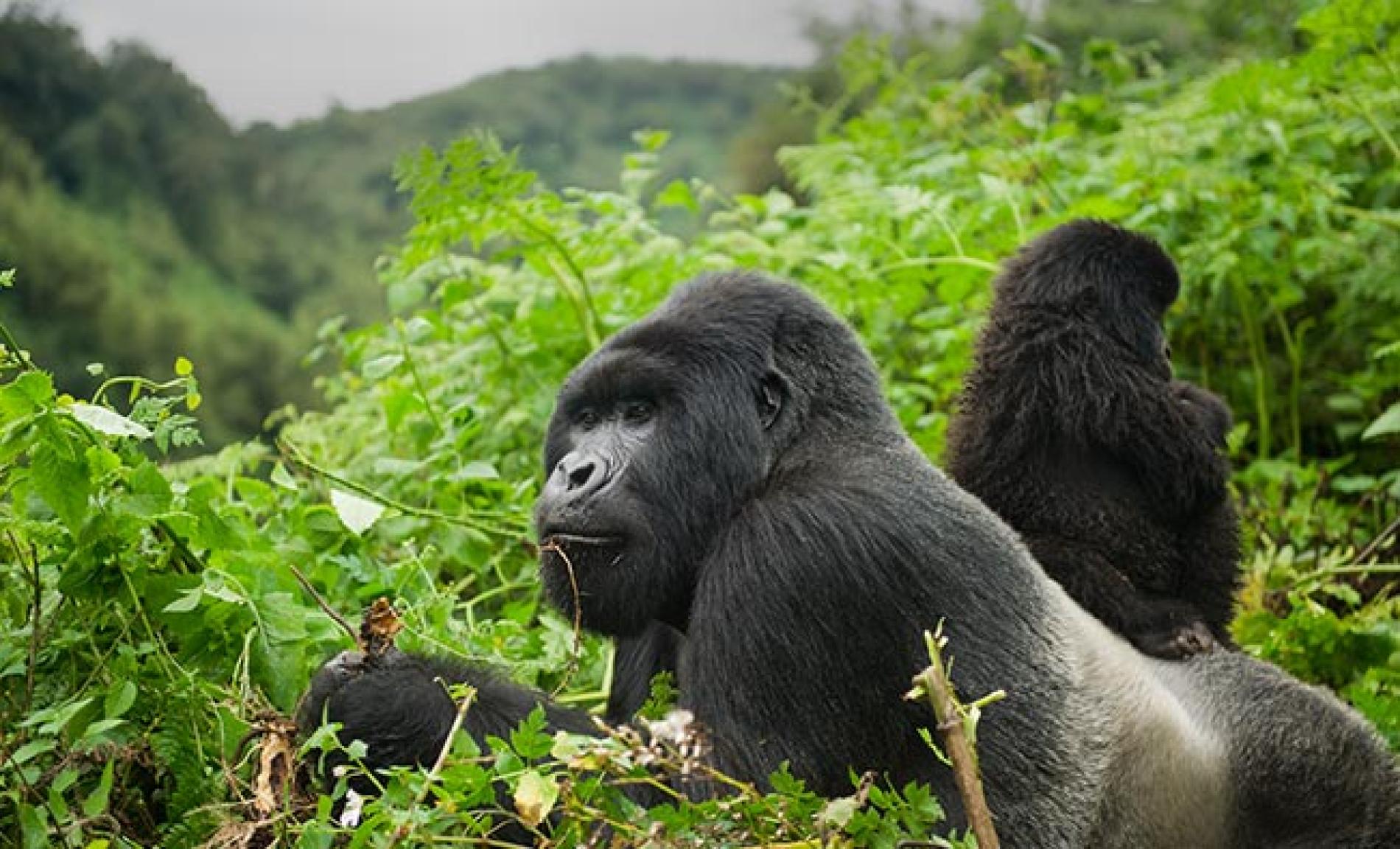
Bwindi Impenetrable Forest in Uganda is a UNESCO site, a biodiversity hotspot with nearly half the world's mountain gorillas, home to 120 mammal species, 350 birds, and 220 butterflies, known for challenging treks through dense foliage, and protects the ancient Batwa people's culture, featuring diverse habitats like montane and lowland forests, all managed by Uganda Wildlife Authority (UWA) for gorilla trekking across sectors like Buhoma, Rushaga, Ruhija, and Nkuringo
3-days-affordable-uganda-budget-gorilla-trekking-via-kigali
3-days-gorilla-trekking-safari-and-lake-bunyonyi-relaxation-itinerary
3-days-gorilla-habituation-in-bwindi-impenetrable-forest
2-days-best-gorilla-trekking-safari-tour-via-kigali-to-bwindi-impenetrable-forest-park
4-days-ultimate-gorilla-and-uganda-safari-and-chimpanzee-tracking
4-days-gorilla-trekking-and-gorilla-habituation-experience
4-days-gorilla-trekking-lake-bunyonyi-and-kalinzu-forest-chimpanzee-tracking
4-days-luxury-gorilla-trekking-safari-in-bwindi-fly-in-all-inclusive-tour
4-days-uganda-gorilla-safari-with-golden-monkey-tracking-from-rwanda
1. Mountain Gorilla Sanctuary
Bwindi Impenetrable Forest serves as a sanctuary for nearly half of the world’s endangered mountain gorillas. This makes the area a prime destination for those seeking to experience gorilla trekking, offering a unique opportunity to observe these majestic creatures in their natural habitat. The gorillas are found in family groups, each meticulously studied and monitored to ensure their well-being. The conservation efforts in Bwindi not only protect the gorillas but also help to promote tourism, which supports local communities economically. This delicate balance between conservation and community benefit makes Bwindi one of the most significant places for mountain gorilla preservation.
2. UNESCO World Heritage
Designated as a UNESCO World Heritage Site in 1994, Bwindi Impenetrable Forest is recognized for its outstanding universal value due to its remarkable biodiversity and importance in conservation efforts. This designation helps raise awareness about the forest's ecological significance, driving both conservation measures and tourism initiatives. The site's recognition by UNESCO highlights the need for ongoing protection against threats posed by deforestation and habitat loss, ensuring that future generations can enjoy and learn from this biodiverse sanctuary. The world sees Bwindi not only as a tourist destination but as a vital part of global conservation efforts.
3. Biodiversity Hotspot
Bwindi Impenetrable Forest is celebrated as a biodiversity hotspot, teeming with life. It boasts over 120 mammal species and 350 bird species, making it a paradise for wildlife enthusiasts and bird watchers alike. The forest is home to numerous other wildlife, including various reptiles, amphibians, and countless insects. This rich tapestry of life is vital for maintaining ecological balance and serves as an important research and study site for ecologists and biologists. The diversity within the forest exemplifies the health of the ecosystem, illustrating the necessity of preserving such environments for their ecological services and inherent beauty.
4. Ancient Forest
With a history spanning over 25,000 years, Bwindi is regarded as one of Africa's most ancient rainforests. Its age has contributed to the complex ecosystem found within, where many species have evolved in isolation. This ancient backdrop has allowed for the development of unique flora and fauna, providing habitat to many endemic species. Being one of the oldest rainforests also positions Bwindi as a crucial site for scientific research, as it allows researchers to study climate change and evolutionary biology over millennia. The ancient nature of the forest adds to its cultural and natural significance.
5. Name Origin
The name "Bwindi" translates to “impenetrable,” symbolizing the forest's dense undergrowth of ferns, vines, and bamboo that makes trekking particularly challenging. The impenetrable nature of the forest has both protected its biodiversity and posed challenges for conservation efforts. It serves as a natural barrier against human encroachment and development, enabling many species to thrive in their natural state. The difficulty in navigating the forest itself enhances the adventure and allure of gorilla trekking, emphasizing the importance of guided treks led by experienced local guides who know how to navigate its complexities.
6. Diverse Flora
Bwindi is home to over 1,000 plant species, which include 163 tree species and 104 fern species. This extensive range of flora not only supports the forest's wildlife but plays a crucial role in local climate regulation and soil preservation. The variety of ecosystems within the forest—from swampy areas to rocky ridges—contributes to the remarkable diversity of plants. Moreover, the plant species present in the forest have traditional uses for local communities, ranging from medicinal properties to construction materials. The vegetation also provides critical habitat for many wildlife species, establishing a network of interdependent relationships that sustain life in the forest.
7. Insect Diversity
Bwindi Impenetrable Forest boasts an impressive 202 butterfly species, along with various moths and other insects. This rich insect diversity is vital for pollination and serves as food for many birds and other wildlife. The multitude of insect species helps maintain the ecosystem's health, emphasizing the interconnectedness of life within the forest. Many of these insects, particularly butterflies, are not just important for ecological balance but also attract nature lovers, once again enhancing Bwindi’s appeal as a tourist destination. The vibrant insect life exemplifies the biodiversity that characterizes this unique environment.
8. Unique Birds
Among the 347 bird species that inhabit Bwindi, approximately 70% are classified as montane birds from the Albertine Rift. This includes a variety of endemic and globally threatened species, making the area an exceptional location for birdwatchers and researchers. Birdwatching in the forest provides opportunities to witness rare birds like the African Green Broadbill and the Blue-headed Sunbird. The unique avifauna of Bwindi underlines the importance of the forest as a biodiversity hotspot and highlights the need for conservation efforts to protect these aviary habitats.
9. Other Primates
In addition to mountain gorillas, Bwindi is also home to a variety of other primates, including chimpanzees, L’Hoest’s monkeys, and several species of monkeys. The presence of these primates enriches the ecosystem and adds to the variety of wildlife seen by trekkers. Chimpanzee tracking is another exciting adventure available in Bwindi, allowing visitors to experience the behaviors and social structures of these fascinating creatures up close. The diverse primate population underscores Bwindi's ecological significance and relevance in studies related to primatology and conservation.
10. Geographical Location
Situated on the Albertine Rift Valley, Bwindi Impenetrable Forest shares its borders with the Democratic Republic of Congo. This unique geographical location contributes to its rich biodiversity due to the variation in altitude and climate associated with the rift valley. The varying elevations within the forest create diverse microhabitats that support numerous species. This positioning also has implications for conservation, as it is essential to maintain cross-border efforts to protect the wildlife that traverses these international boundaries. The forest’s unique location exemplifies the importance of regional collaboration in conservation strategies.
11. Trekking Sectors
Bwindi Impenetrable Forest is divided into four main trekking areas: Buhoma, Ruhija, Rushaga, and Nkuringo. Each sector offers distinct experiences and access to different gorilla families. These areas are strategically chosen to allow for various trekking experiences, catering to different preferences and levels of fitness. Buhoma is often more accessible, while Nkuringo is known for its steeper terrain. This division not only optimizes the trekking experience but also helps manage the number of visitors to each gorilla family, ensuring that conservation efforts remain a priority. The sector-specific trekking options allow visitors to choose the experience that best fits their adventure goals.
12. Batwa People
The Batwa people, indigenous to the region, have deep cultural ties to Bwindi Impenetrable Forest, having lived in and managed the forest sustainably for centuries. However, they were relocated to create conservation zones, leading to significant impacts on their traditional way of life. Today, efforts are underway to integrate the Batwa communities into conservation initiatives, providing them with opportunities to share their rich cultural heritage and knowledge of the forest. The involvement of the Batwa in tourism helps foster community development and ensures that their unique culture is preserved and celebrated, emphasizing the significance of cultural sustainability alongside natural conservation.
13. Water Features
Bwindi is home to several water features, including the Ntegyere and Ishasha rivers, which flow through the forest, creating vibrant ecosystems that support diverse flora and fauna. The presence of waterfalls and swamps throughout the forest also contributes to its rich biodiversity. These water bodies serve as crucial resources for both wildlife and local communities, promoting a healthy ecosystem. Additionally, the scenic beauty of these natural features enhances the trekking experience, providing stunning backdrops for photography and creating peaceful spots for trekkers to enjoy the tranquility of the rainforest.
14. Volcanic Origins
The geological diversity of Bwindi Impenetrable Forest includes areas of volcanic, sedimentary, and metamorphic rock. This complex geological history contributes to the rich soil quality and diverse landscape, supporting the lush vegetation that characterizes the forest. The volcanic origins also influence the hydrology and ecology of the area, shaping the types of plants and animals that thrive there. Understanding the geological background of Bwindi adds richness to the visitor experience, providing insights into how landscape and geology affect biodiversity and conservation.
15. Managed by UWA
Bwindi Impenetrable Forest is governed and protected by the Uganda Wildlife Authority (UWA), which plays a crucial role in managing the park and implementing conservation efforts. UWA collaborates with local communities, stakeholders, and conservation organizations to promote sustainable practices that benefit both wildlife and people. Responsible tourism is emphasized, with funds from permits and park fees reinvested in conservation and community projects. UWA's management ensures that the delicate balance between human activity and wildlife preservation is maintained, making Bwindi an exemplar of successful conservation efforts in Africa.
How to Get to Bwindi Impenetrable Forest Park
Getting to Bwindi Impenetrable Forest Park typically begins with a journey to Kampala, Uganda’s capital. From there, you have several options for reaching the park. The most common method is to hire a private vehicle or join an organized tour, which often includes transportation directly to Bwindi. The drive from Kampala takes approximately 8 to 10 hours, offering scenic views along the way. Alternatively, you can opt for domestic flights from Entebbe to nearby airports such as Kisoro or Kihihi, followed by a short drive to the park itself. Regardless of your chosen mode of transport, it’s wise to start your journey early to ensure you arrive in time for your scheduled gorilla trekking activity. Booking transportation in advance, especially during peak seasons, can help secure your plans and allow for a smoother travel experience to this remarkable destination renowned for its exceptional wildlife.
Where to Sleep in Bwindi Impenetrable Forest Park
When visiting Bwindi Impenetrable Forest Park, you'll find a variety of accommodation options ranging from budget to luxury. For a premium experience, lodges like Buhoma Lodge and Mahogany Springs Lodge offer comfortable rooms and stunning views of the surrounding forest. These lodges provide excellent amenities and are conveniently located near trekking starting points. Mid-range choices, such as Silverback Lodge and Buhoma Community Rest Camp, offer cozy accommodations and local cuisine, providing a balance between comfort and affordability. Budget travelers can take advantage of camping sites or simple lodges like Red Chilli Rest Camp, which is great for those seeking a more rustic experience close to nature. Staying near the park is essential for participating in early morning treks, ensuring you make the most of your visit. Regardless of your budget, make sure to book your accommodation in advance, especially during the busy trekking seasons, to secure your preferred lodging.
What to Pack for Bwindi Impenetrable Forest Park
Packing appropriately for your trip to Bwindi Impenetrable Forest Park is crucial for a comfortable gorilla trekking experience. Essential items include sturdy hiking boots with good traction, as the trails can be steep and muddy. Dress in long sleeves and pants to protect against insect bites and prickly vegetation. A breathable rain jacket is vital, as weather conditions can change rapidly in the rainforest. Don’t forget gloves for navigating dense underbrush and insect repellent to ward off mosquitoes. A hat will help shield you from the sun, and a camera (without flash) is essential for capturing incredible moments with the gorillas. Bring enough water for hydration during the trek and snacks for energy. A small backpack will make it easy to carry your essentials. Proper preparation ensures that you can navigate Bwindi's beautiful yet challenging environment and enjoy your time with the magnificent mountain gorillas.
Booking Gorilla Trekking in Bwindi Impenetrable Forest Park with Us, Roads of Adventure Safaris
Booking your gorilla trekking safari in Bwindi Impenetrable Forest Park with Roads of Adventure Safaris guarantees a well-organized and memorable experience. Our team specializes in creating personalized itineraries tailored to your preferences, ensuring a fulfilling adventure in this remarkable landscape. We handle all aspects of your trip, from securing gorilla trekking permits to arranging accommodation and transportation. Our knowledgeable guides are not only experienced but also passionate about wildlife conservation, offering insights into the local ecosystem while ensuring your safety throughout the trek. We prioritize sustainable tourism practices, with proceeds benefiting both local communities and conservation efforts. By choosing Roads of Adventure Safaris, you engage in an authentic and responsible experience that highlights the extraordinary connection between people and wildlife. Join us for the adventure of a lifetime, exploring Bwindi's breathtaking scenery and unforgettable encounters with mountain gorillas, and make memories that will last forever.
