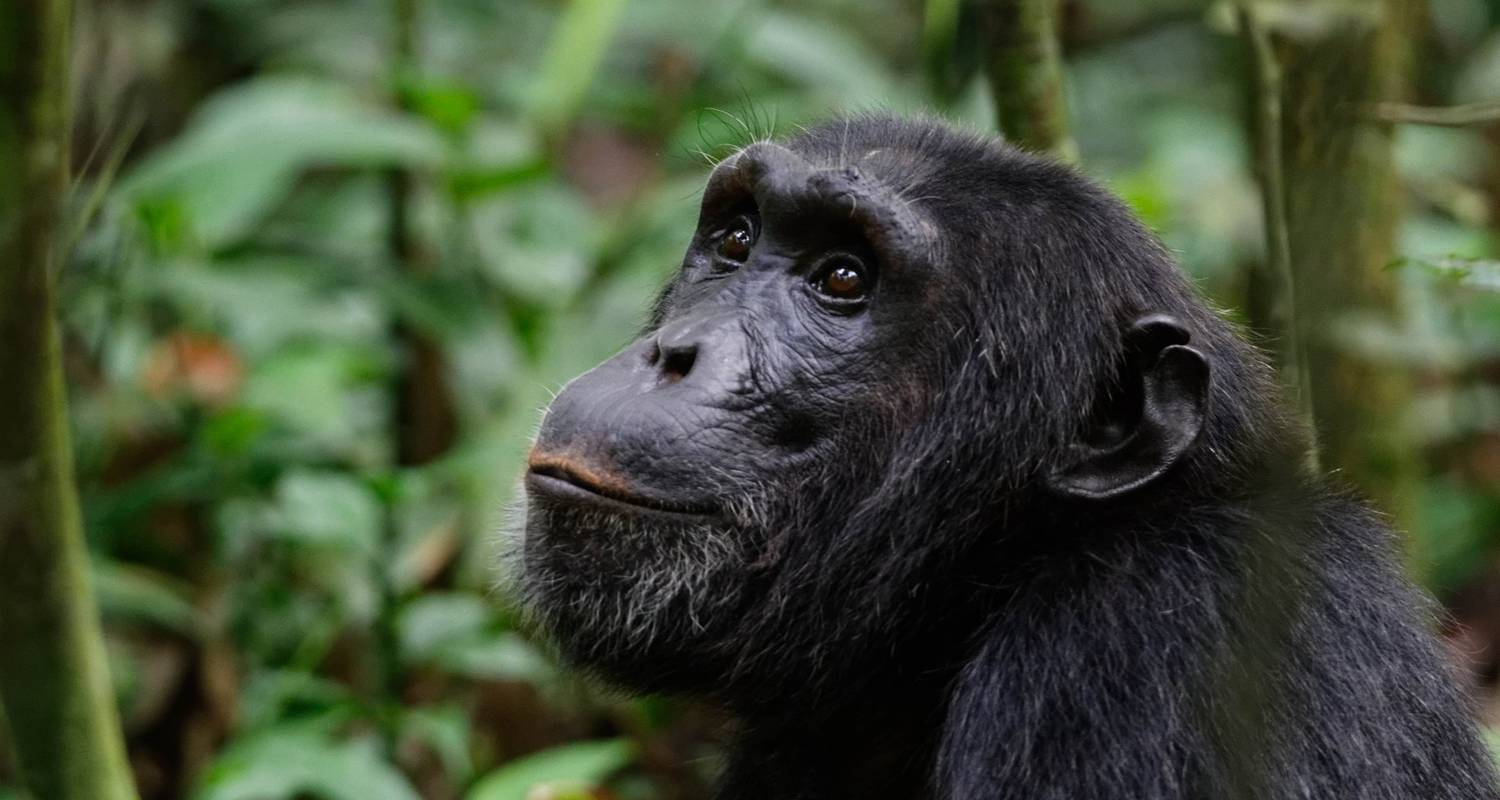
The 2-day and 3-day Uganda gorilla trekking tours from Kigali (Rwanda) are highly popular because they offer a strategic, budget-friendly shortcut. They combine Rwanda's seamless logistics with Uganda's significantly cheaper gorilla permits and richer, wilder jungle experiences.
2-days-best-gorilla-trekking-safari-tour-via-kigali-to-bwindi-impenetrable-forest-park
2-days-quick-escape-to-bwindi-impenetrable-to-trek-mountain-gorilla-from-kigali
3-days-fly-in-uganda-gorilla-habituation-africa-safari-tour-package
2-days-best-gorilla-trekking-safari-tour-via-kigali-to-bwindi-impenetrable-forest-park
3-days-gorilla-trekking-safari-and-lake-bunyonyi-relaxation-itinerary
3-days-affordable-uganda-budget-gorilla-trekking-via-kigali
Shorter Travel Times: Streamlining the Journey via Kigali
The geographic layout of East Africa creates a fascinating logistical paradox for travelers heading to Uganda’s premier primate destinations. Bwindi Impenetrable National Park and Mgahinga Gorilla National Park are located in the remote southwestern corner of Uganda. If you choose to fly into Uganda's primary gateway, Entebbe International Airport (EBB), you must commit to a grueling overland journey spanning 9 to 10 hours across nearly the entire length of the country. This long drive can be physically exhausting and effectively consumes two full days of your vacation purely in highway transit, making a short weekend getaway completely impossible.
By shifting your arrival point to Kigali International Airport (KGL) in neighboring Rwanda, the entire logistical equation changes. Kigali is positioned much closer to the Ugandan border than Entebbe is to the south. Driving north from Kigali through the rolling Rwandan hills to the Chanika or Katuna border posts takes just 3 hours. Once you cross into Uganda, you can reach the tracking sectors of Bwindi or Mgahinga in another 1 to 2 hours. This brings the total driving time down to an incredibly manageable 4 to 5 hours. By cutting the transit time in half, a short, high-efficiency itinerary becomes highly feasible. Travelers can land in Kigali, enjoy a scenic afternoon drive across the border, track the mountain gorillas the very next morning, and head back to the airport that evening—collapsing a massive overland safari into a crisp, stress-free weekend expedition.
Cheaper Gorilla Permits: Maximizing Value Across Borders
The most powerful economic incentive driving the popularity of cross-border safaris is the significant price difference between national primate tracking permits. Mountain gorillas are an endangered species, and access to their natural habitats is strictly regulated by government wildlife authorities to fund intensive conservation efforts and protect the animals from human disturbance. Rwanda’s Volcanoes National Park has positioned itself as an ultra-luxury destination, pricing its standard, one-hour gorilla trekking permit at a premium rate of $1,500 per person.
Just across the border in Uganda, the Uganda Wildlife Authority (UWA) offers an identical one-hour encounter with habituated gorilla families for a standard rate of $800 per person. This price gap creates an immediate, non-negotiable saving of $700 per individual traveler. For couples, families, or small groups, these savings quickly add up to thousands of dollars. By choosing to land in Kigali and drive into Uganda, you get to experience the premium convenience of Rwanda’s aviation infrastructure while taking advantage of Uganda’s highly accessible permit pricing. The mountain gorillas themselves do not recognize international borders, sharing the exact same genetic profile, behaviors, and breathtaking volcanic habitats whether you see them from the Rwandan or Ugandan side. This allows budget-conscious adventurers to enjoy a world-class wildlife encounter without paying a massive luxury premium.
The "Best of Both Worlds": Combining Infrastructure and Wilderness
Opting for a cross-border itinerary allows discerning travelers to enjoy a hybrid vacation that seamlessly blends the finest strengths of two distinct nations. Your journey begins in Rwanda, a country celebrated for its exceptional public infrastructure, pristine cleanliness, and highly organized urban spaces. Kigali International Airport is widely regarded as one of the most efficient, orderly, and stress-free aviation hubs on the African continent. Stepping off your flight, you are immediately greeted by smooth, perfectly paved highways that wind gracefully through the manicured valleys of the "Land of a Thousand Hills," providing a thoroughly modern and comfortable introduction to East Africa.
The moment you cross the international border into southwestern Uganda, the travel narrative shifts from structured modern efficiency into raw, untamed wilderness. Uganda’s Bwindi Impenetrable National Park offers an incredibly authentic, wild safari environment. The forest is a dense, prehistoric ecosystem packed with ancient trees, tangled vines, and a rich layer of biodiversity that creates a true sense of deep-jungle exploration. Tracking gorillas through Bwindi requires a real trek through challenging, unscripted terrain, making the eventual encounter feel like a hard-earned, profound reward. This unique travel combination delivers absolute comfort and logistical ease during your transit legs, followed by a raw, immersive, and unforgettable wilderness experience when you step into the jungle.
Gorilla Habituation Option: An Extended, Research-Focused Encounter
For passionate wildlife enthusiasts seeking a deeper connection with primates, the cross-border route from Kigali unlocks access to one of Africa's most exclusive conservation experiences: the Gorilla Habituation Experience. In a standard gorilla trek, you spend exactly one hour observing a family of wild gorillas that are already completely accustomed to human presence. The habituation experience, which is exclusively offered in the southern Rushaga sector of Uganda's Bwindi Impenetrable National Park, allows a tiny group of just four tourists to accompany professional park researchers, trackers, and rangers as they work to habituate a wild gorilla group to human contact.
This premium permit costs $1,500—coincidentally the exact same price as a standard, one-hour trek in Rwanda. However, instead of a brief sixty-minute visit, the Ugandan habituation permit grants you four full hours in the direct presence of the gorilla family. This extended time completely changes the dynamic of your encounter. You are not just a casual observer taking quick photos; you become an active witness to the subtle, complex process of wildlife research. You will watch scientists read behavioral cues, document social structures, and collect vital data, all while observing the gorillas as they forage, play, and interact over half a day. Starting this multi-day safari from Kigali makes it incredibly easy to target Bwindi's southern tracking sectors, providing an elite, deeply educational experience that offers four times the value of a standard Rwandan trek.
Seamless Border Crossings: Navigating the Frontier with Ease
The logistical success of a short, cross-border safari relies entirely on the efficiency of international border checkpoints, and the frontiers connecting Rwanda and Uganda are engineered for smooth transit. Local tour operators primarily utilize the Katuna or Chanika border posts to move clients between the two nations. Thanks to the progressive integration of the East African Community (EAC), these border crossings have evolved from slow, bureaucratic bottlenecks into modern, streamlined customs facilities designed to support regional tourism.
The introduction of the East Africa Tourist Visa has revolutionized this cross-border flow. For a single fee of $100, travelers can secure a joint multiple-entry visa that grants them seamless entry into Kenya, Rwanda, and Uganda simultaneously, completely eliminating the need to purchase separate, expensive visas at each individual border post. Your professional driver-guide will handle all the heavy lifting—navigating the vehicle clearance gates, validating logbooks, and guiding you smoothly through the immigration halls. The processing time for tourists at customs is remarkably brief, often taking less than twenty to thirty minutes. This minimal friction allows tour companies to execute tight, rapid itineraries with total confidence, ensuring you spend your valuable time tracking primates in the misty forests rather than waiting in administrative lines at the border.
1. How does the driving distance compare between Entebbe and Kigali to Bwindi?
The core reason 2 and 3-day fly-into-Kigali safaris dominate the market is pure geography. Driving to Bwindi Impenetrable National Park or Mgahinga Gorilla National Park from Uganda's own Entebbe International Airport is an arduous overland journey of 9 to 10 hours, traversing nearly 500 kilometers of varying road conditions. This massive distance consumes two full days of a safari itinerary purely in transit.
In sharp contrast, Kigali International Airport in Rwanda is located geographically much closer to southwestern Uganda. Driving north from Kigali to the twin border posts of Cyanika or Katuna takes roughly 3 hours. Once across the border, reaching the southern tracking sectors of Bwindi (Rushaga and Nkuringo) or Mgahinga takes a mere 1 to 2 hours. By cutting the total one-way driving time down to just 4 to 5 hours, the entire journey becomes incredibly efficient. This geographical shortcut single-handedly makes short-duration primate safaris practical for travelers who cannot afford to waste multiple days sitting in a vehicle.
2. Why is a 2-day itinerary practically impossible when starting from Entebbe?
A 2-day gorilla trekking itinerary requires a strict, non-negotiable timeline: travel on day one, trek and return on day two. Attempting this from Entebbe by road fails due to basic math and human endurance. If a traveler departs Entebbe at 7:00 AM, they will not arrive at a Bwindi lodge until roughly 5:00 PM or 6:00 PM, exhausted from 10 hours on the road. The next morning, the trek begins at 8:00 AM and can take anywhere from 2 to 7 hours. Even a short 3-hour trek means completing the activity by 11:00 AM.
Attempting to drive 10 hours back to Entebbe immediately after a grueling mountain hike means navigating dark, winding, unlit highland roads late into the night, reaching the airport well past midnight. This introduces severe safety risks and intense physical exhaustion. By utilizing Kigali as the gateway, the 4-hour drive allows travelers to return to the airport by late afternoon on day two with total ease, turning what would be an exhausting logistical nightmare into a smooth, refreshing, and entirely safe weekend getaway.
3. How does the price difference in gorilla permits drive the popularity of this route?
The financial incentive of the cross-border route is arguably the most compelling factor for budget-conscious and mid-range travelers. Gorilla conservation is highly regulated, and permits are expensive structural necessities. The Rwanda Development Board (RDB) has positioned Volcanoes National Park as an ultra-luxury destination, pricing a standard 1-hour mountain gorilla trekking permit at a steep $1,500 per person.
Conversely, the Uganda Wildlife Authority (UWA) maintains a steady permit price of $800 per person for foreign non-residents. By choosing to fly into Kigali but tracking across the border in Uganda, an international traveler immediately saves $700 on the permit alone. For a couple, this represents an instant saving of $1,400; for a family of four, the savings reach $2,800. This massive cost reduction easily covers the expenses of a private 4x4 safari vehicle, fuel, driver-guide fees, and mid-range lodge accommodations for the entire 3-day duration, making the Uganda-via-Kigali route an unbeatable value proposition.
4. What makes a 3-day Kigali-to-Uganda itinerary the "sweet spot" for most travelers?
While a 2-day safari is highly efficient, the 3-day itinerary from Kigali is widely considered the absolute "sweet spot" because it injects a vital buffer layer of relaxation and comfort into the experience. On a 2-day itinerary, day two is heavily packed, forcing the traveler to hike up steep volcanic slopes in the morning and immediately embark on a 4 to 5-hour drive back across the border to catch a late-night flight out of Kigali.
A 3-day itinerary gracefully unpacks this schedule: Day 1 is dedicated to arrival, a scenic drive through Rwanda's rolling hills, a smooth border crossing, and a relaxing evening at a Ugandan eco-lodge. Day 2 is completely focused on the magical gorilla trekking experience, allowing travelers to spend their afternoon celebrating their encounter, resting, or enjoying a community walk without looking at a watch. Day 3 is a dedicated, leisurely return drive to Kigali for your outbound flight. This extra day eliminates all time-related stress, prevents physical burnout, and allows tourists to actually soak in the stunning landscapes of both countries.
5. How do the road conditions in Rwanda enhance these short-duration safaris?
When executing a tight 2 or 3-day travel plan, road infrastructure can make or break the entire schedule. Delays caused by muddy tracks, deep potholes, or broken-down vehicles on unpaved roads can cause travelers to miss their scheduled park briefings or international flights. This is where Rwanda’s exceptional public infrastructure acts as a major asset for Ugandan tourism.
Rwanda is globally recognized for its beautifully maintained, pristine, fully asphalted highway network. The drive from Kigali International Airport up to the border stations at Cyanika or Katuna is entirely on smooth tarmac roads that wind efficiently through the mountainous terrain. There are virtually no bone-jarring or unpaved sections on the Rwandan side of the journey. This excellent infrastructure ensures that travel times are completely predictable, vehicle breakdowns are rare, and the physical toll of transit on the passengers is minimized. Travelers enjoy a smooth, executive-style transfer for the first 75% of their journey before entering the rugged, authentic wilderness of Uganda.
6. Why is Kigali International Airport preferred over Entebbe for short trips?
Kigali International Airport (KGL) offers a distinct operational advantage for travelers operating on tight timelines. It is a compact, highly organized, and exceptionally clean aviation hub designed for rapid processing. Navigating through immigration, baggage claim, and customs at Kigali typically takes a fraction of the time required at larger, more congested African hubs, allowing arriving travelers to meet their safari guides and hit the road within 30 to 45 minutes of touchdown.
Additionally, Kigali is exceptionally well-connected globally. Airlines like RwandAir offer direct, non-stop flights from major European hubs like London Heathrow, alongside robust schedules from Brussels, Dubai, Doha, and various African capitals. These favorable flight schedules often land in Kigali in the early morning, perfectly aligning with a daytime cross-border transfer. By minimizing airport terminal friction and providing optimal arrival windows, Kigali serves as the perfect launchpad for high-velocity, short-duration safari circuits.
7. How does the East Africa Tourist Visa simplify the cross-border logistics?
Historically, international border crossings in East Africa were notorious for complex bureaucracy, requiring separate visa applications, multiple passport stamps, and unexpected fees at every frontier. The introduction of the joint East Africa Tourist Visa (EATV) completely dissolved these barriers, turning the Rwanda-Uganda border crossing into a highly efficient, predictable formality.
The East Africa Tourist Visa is a single, multi-entry travel document that costs just $100 and grants travelers simultaneous access to Rwanda, Uganda, and Kenya for up to 90 days. Travelers simply apply for the EATV online through the immigration portal of the country they will enter first (in this case, Rwanda). When crossing at Katuna or Cyanika, immigration officers quickly scan the pre-approved visa, check vaccination credentials, and stamp the passport. There is no need to pay additional visa fees or fill out redundant paperwork at the border line, allowing tour operators to move their clients across the frontier in as little as 20 minutes.
8. Why are the southern sectors of Bwindi uniquely suited for Kigali arrivals?
Bwindi Impenetrable National Park is a massive ecosystem divided into four distinct, independent administrative tracking sectors: Buhoma in the north, Ruhija in the east, and Rushaga and Nkuringo in the south. Each sector has its own habituated gorilla families, park headquarters, and access roads. When driving from Entebbe, the northern Buhoma sector is the traditional target, whereas the southern sectors require a significantly longer, more tortuous drive around the margins of the forest.
When launching a safari from Kigali, the geographical orientation flips perfectly in favor of the south. Crossing via the Cyanika border lands travelers directly into the Kisoro district, placing them at the doorstep of the Rushaga and Nkuringo sectors. These southern sectors happen to hold the highest concentration of habituated mountain gorilla families in the entire park. By entering from the south via Kigali, travelers gain immediate, efficient access to the most primate-rich areas of Bwindi, completely bypassing the need to navigate the rugged interior mountain roads required to reach the northern sectors.
9. How does the Gorilla Habituation Experience add immense value to a 3-day Kigali trip?
The proximity of Kigali to Bwindi's southern Rushaga sector unlocks an elite, world-class primate encounter that is entirely unavailable in Rwanda: the Gorilla Habituation Experience. In a standard gorilla trek, visitors spend exactly 60 minutes observing a fully habituated family. However, the habituation permit allows a maximum of just four tourists to accompany specialized UWA researchers and rangers as they track and interact with a wild gorilla group undergoing the multi-year process of becoming accustomed to human presence.
A Ugandan gorilla habituation permit costs $1,500 per person. Remarkably, this is the exact same price as a standard, one-hour trek in Rwanda. Yet, the habituation permit grants visitors four full hours in the direct presence of the mountain gorillas. A 3-day itinerary from Kigali is the perfect length to accommodate this experience. Travelers drive to Rushaga on Day 1, participate in the intensive, deeply educational 4-hour habituation trek on Day 2, and return to Kigali on Day 3. This itinerary provides four times the wildlife viewing interaction of a Rwandan tour for the exact same permit cost, representing extraordinary value for passionate wildlife photographers and enthusiasts.
10. Why is this route a major benefit for business travelers and corporate ex-pats?
Business executives, NGO workers, and corporate expatriates based in regional hubs like Kigali, Nairobi, or Entebbe face severe time constraints, rarely having the luxury of taking a full week off for an extended safari. The 2-day and 3-day cross-border itineraries were specifically engineered to accommodate these fast-paced lifestyles.
Because Kigali sits just 4 hours away from the gorillas, a busy professional can comfortably work a full day on a Friday, take an evening transfer to a lodge in Bwindi or Mgahinga, track the gorillas on Saturday morning, and be back in Kigali by Sunday afternoon. It requires zero days of corporate annual leave. This hyper-efficient itinerary transforms gorilla trekking from an epic, once-in-a-lifetime expedition requiring months of logistical planning into a highly accessible, spontaneous weekend activity. The predictable, rapid nature of the Kigali-to-Uganda corridor ensures that corporate travelers can tick off a major bucket-list experience and return to their Monday morning boardrooms completely on schedule.
11. How do the scenic landscapes of the "Land of a Thousand Hills" enhance the transfer days?
A common concern among tourists booking short itineraries is that the "transfer days" (the days spent driving to and from the destination) will be boring, wasted time. The route from Kigali to southwestern Uganda entirely shatters this preconception by doubling as an extraordinarily beautiful, visually captivating scenic tour in its own right.
Rwanda is globally renowned as the "Land of a Thousand Hills," and the drive northward from the capital winds through a breathtaking landscape of endless terrace-farming valleys, emerald-green tea plantations, and dramatic volcanic backdrops. As you cross into southwestern Uganda, the scenery shifts into the spectacular Kigezi Highlands, often called the "Switzerland of Africa" due to its mist-shrouded peaks, deep valleys, and beautiful terraced slopes. The journey is so visually engaging that the 4-hour drive passes by quickly, with guests constantly stopping at scenic viewpoints for photography or interacting with welcoming local communities along the roadside.
12. What role does the Cyanika border play in connecting Kigali to Mgahinga and Bwindi?
The Cyanika border post, located in the shadow of the majestic Virunga Volcanoes, serves as a crucial strategic conduit for short-duration safaris. Situated just north of Ruhengeri (Musanze) in Rwanda, Cyanika provides the most direct road link to Kisoro town in Uganda, which acts as the urban gateway to both Mgahinga Gorilla National Park and the southern sectors of Bwindi.
By utilizing the Cyanika crossing, tour operators can orchestrate highly optimized itineraries. The drive from Kigali to Cyanika takes roughly 2.5 to 3 hours on pristine roads. Upon crossing into Uganda, Mgahinga’s Ntebeko visitor center is a mere 45-minute drive away, while the Rushaga sector of Bwindi can be reached in about 1.5 hours. Cyanika is traditionally less congested than the larger commercial border at Katuna, resulting in faster processing times for tourist vehicles. This specific border layout makes it the preferred crossing for ultra-efficient 2-day itineraries targeting the southern primate families.
13. What role does the Katuna border play in accessing the eastern sectors of Bwindi?
While Cyanika dominates access to the far southwest, the Katuna (Gatuna) border post serves as the primary gateway for itineraries targeting the eastern and northern sectors of Bwindi, such as Ruhija. Situated directly north of Kigali, the highway to Katuna is a major trade corridor, operating 24 hours a day with modern, integrated infrastructure.
Driving from Kigali to Katuna takes approximately 1.5 to 2 hours. Once across the border into Uganda's Kabale district, a further 2-hour drive through stunning highland passes brings travelers directly into the Ruhija sector of Bwindi. Ruhija is highly favored for its serene, less steep trekking terrain and excellent bird-watching opportunities. By using Katuna, tour companies can easily tailor a 3-day itinerary that combines the infrastructure of Kigali with the rich biodiversity of eastern Bwindi, giving travelers flexibility in permit selection based on which sector has availability.
14. How does this cross-border route protect travelers from political instability in the region?
When planning primate safaris in East-Central Africa, safety and political stability are paramount considerations for international tourists. Historically, the Democratic Republic of Congo (DRC) offered the cheapest gorilla permits in Virunga National Park. However, persistent political instability, rebel activity, and safety concerns in eastern DRC have frequently forced the closure of its tourism sectors.
This leaves Rwanda and Uganda as the two stable, highly secure havens for mountain gorilla trekking. Because Rwanda's permits are priced at a premium luxury rate ($1,500), the Kigali-to-Uganda route emerges as the ultimate tactical compromise. It combines the absolute urban safety, political stability, and security of Rwanda’s entry infrastructure with the peaceful, well-patrolled, and highly secure wilderness of Uganda's national parks. Both countries maintain elite, dedicated tourist police forces and armed military park rangers who continuously patrol the forest boundaries, ensuring that travelers enjoy complete peace of mind on a cost-effective trip.
15. How does the abundance of habituated gorilla families in Uganda support short-notice bookings?
A major logistical hurdle of gorilla tourism is the strict limitation on permit availability. To prevent human diseases from spreading to the primates and to avoid disrupting their natural behaviors, a maximum of 8 tourists are permitted to visit a single habituated gorilla family per day for just one hour. Because Rwanda’s Volcanoes National Park has fewer habituated groups open to the public, its permits frequently sell out more than six months in advance during the peak dry seasons.
Uganda’s Bwindi Impenetrable National Park boasts the largest wild population of mountain gorillas on Earth, housing roughly half of the world's remaining individuals. Consequently, UWA has successfully habituated over 19 gorilla families across its four sectors, creating a massive daily supply of over 150 permits. This abundance of permits means that travelers planning a last-minute 2 or 3-day trip have an incredibly high statistical chance of securing a permit in Uganda, even when Rwanda is completely booked out. This massive availability makes the Kigali-to-Uganda corridor highly reliable for short-notice travel planning.
16. How can an add-on excursion to Lake Bunyonyi fit perfectly into a 3-day Kigali itinerary?
One of the distinct advantages of a 3-day itinerary over a 2-day trip is the ability to easily integrate a relaxing post-trek excursion to Lake Bunyonyi without disrupting the return timeline to Kigali. Lake Bunyonyi, located in southwestern Uganda near Kabale, is famous as one of the deepest and most beautiful crater lakes in Africa, dotted with 29 terraced islands and completely free from dangerous wildlife like hippos, crocodiles, or bilharzia.
On a 3-day itinerary, after completing the gorilla trek on Day 2, instead of driving back across the border immediately, your guide can transfer you to a resort on the shores of Lake Bunyonyi for the evening. Travelers can spend the afternoon enjoying a peaceful dugout canoe ride, exploring the historic punishment islands, or relaxing on lakeside decks surrounded by misty hills. The next morning (Day 3), the drive from Lake Bunyonyi back to Kigali via the Katuna border takes only about 3 to 4 hours. This adds a beautiful, relaxing water-safari element to your primate trek, maximizing the value of your short getaway.
17. How does golden monkey trekking in Mgahinga add variety to a 3-day itinerary?
For travelers booking a 3-day short-duration safari, the proximity of Kigali to Mgahinga Gorilla National Park opens up a fantastic opportunity to create a "double-primate" safari experience. Mgahinga is the only place in Uganda where mountain gorillas coexist with the endangered Golden Monkey (Cercopithecus kandti), a striking, playful primate endemic to the bamboo forests of the Virunga volcanic massif.
A 3-day itinerary can be effortlessly optimized for both species: Day 1 involves driving from Kigali through the Cyanika border to a lodge in Kisoro. Day 2 morning is dedicated to the epic mountain gorilla trek in Mgahinga or southern Bwindi. On Day 3 morning, before driving back to Kigali, travelers can embark on a golden monkey trek in Mgahinga. Because golden monkeys live in the lower bamboo zones, the hike is less physically demanding and typically wraps up by midday. This allows tourists to encounter two rare, endangered primate species in two days before catching an evening flight out of Kigali, vastly increasing the value of their short African safari.
18. Why do international tour operators heavily market the Kigali-to-Uganda route?
International travel agencies and local tour operators heavily promote the 2 and 3-day Kigali-to-Uganda packages because they are highly efficient, highly reliable products with excellent customer satisfaction rates. For an operator, selling a 9-day all-Uganda driving safari involves significant risk: long road distances mean higher vehicle wear-and-tear, massive fuel expenditures, greater chances of mechanical failure, and a higher probability of client fatigue and complaints regarding long transfer days.
The Kigali-to-Uganda product line streamlines operational logistics. The short 4-hour drive keeps fuel costs low and reduces wear on safari vehicles. Because the roads on the Rwandan side are in pristine condition, itineraries run like clockwork, ensuring clients never miss their critical park briefings. Furthermore, by pairing Uganda's affordable permits ($800) with short driving distances, operators can offer highly competitive, attractive package prices that yield strong profit margins while remaining highly affordable for the client. It is a win-win product that sells effortlessly in a competitive tourism market.
19. How does the variety of lodging options in Southern Bwindi cater to all budgets?
A common misconception is that because the safari launches from the high-end hub of Kigali, the entire trip must carry a luxury price tag. In reality, the southern sectors of Bwindi (Rushaga and Nkuringo) feature a highly diverse, mature hospitality ecosystem that offers excellent options across every single budget tier.
For budget-conscious travelers, there are numerous clean, comfortable community-owned camps and eco-lodges offering private rooms, hot showers, and packed trekking lunches for as low as $50 to $100 per night. Mid-range travelers can choose from gorgeous, mid-tier forest lodges providing stunning panoramic ridge views and exceptional hospitality for $150 to $300 per night. Meanwhile, those seeking high-end pampering can book ultra-luxury, world-class eco-resorts nestled directly on the park boundaries. This wide spectrum of accommodation allows tour operators to easily customize the 2 and 3-day Kigali-to-Uganda itineraries to fit the exact financial comfort level of any traveler, maintaining the underlying permit savings of $700.
20. How does this route provide an authentic jungle experience without a massive time commitment?
Ultimately, the enduring popularity of the 2-day and 3-day Uganda gorilla trekking safaris from Kigali boils down to a masterful balancing act: it delivers an uncompromisingly raw, deeply authentic African jungle adventure within a compact, modern timeline. Travelers do not have to sacrifice the thrill of a genuine wilderness expedition just because they are short on time.
Flying into Kigali provides all the comforts of a modern, fast-paced travel corridor—sleek airport infrastructure, excellent highways, and a highly streamlined border crossing. Yet, the moment you step across the threshold into Bwindi Impenetrable National Park, you are immersed in a wild, ancient rainforest that has remained unchanged for thousands of years. You still face the physical challenge of hiking through tangled vines, muddy ridges, and thick undergrowth, and you still experience the profound awe of standing meters away from a magnificent silverback gorilla in its true wild habitat. This unique combination allows busy global citizens to step directly from a modern city into the heart of wild Africa, complete a life-changing wildlife encounter, and return home all within the span of a single weekend.
Booking Uganda gorilla trekking from Kigali Rwanda with us Roads of Adventure safaris
Booking a Uganda gorilla trek from Kigali with Roads of Adventure Safaris is a highly popular and efficient route. It bypasses the long -hour drive from Entebbe, getting you directly to Bwindi Impenetrable or Mgahinga National Parks
