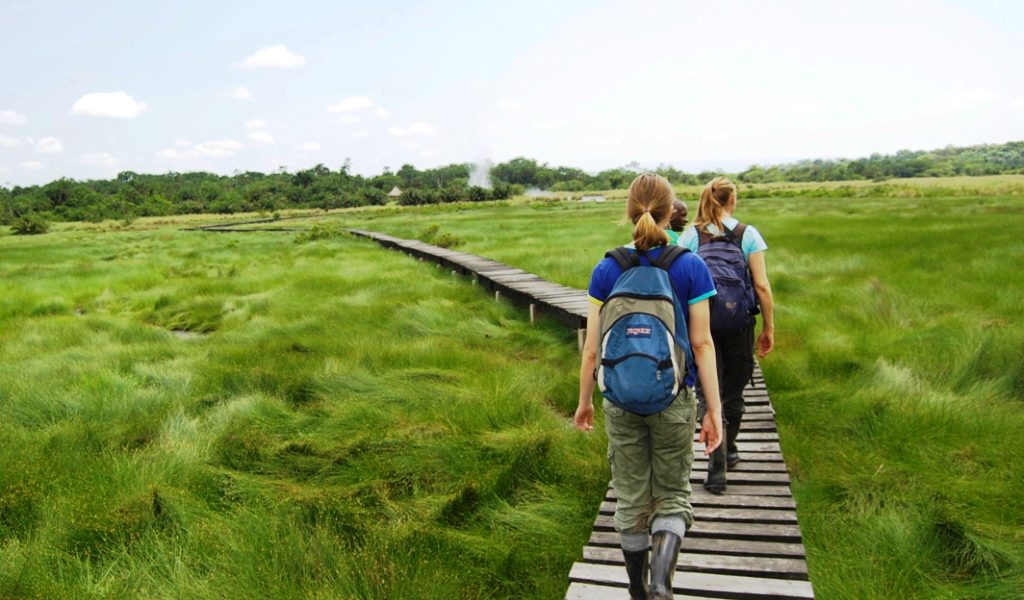
The top birding trials in Semuliki National Park for a Uganda birding safari include the Kirumia Trail, Red Monkey Trail, and Sempaya Nature Trail, which provide access to over 441 recorded bird species, including Congo-Guinea biome species, the Nkulengu Rail, and various hornbills.
30-days-best-uganda-birding-safari-extravaganza-and-wildlife-safari
25-days-complete-uganda-birding-safari-extravaganza-with-wildlife-viewing
22-days-best-uganda-primate-and-birding-safari-adventure
21-days-uganda-birding-safari-extravaganza-to-best-uganda-safari-parks
20-days-uganda-birding-safari-to-uganda-national-park
20-days-uganda-birding-safari-wildlife-gorilla-and-chimpanzee-tracking
14-days-classic-uganda-birding-safari-expedition
12-days-uganda-birding-tour-looking-for-rift-valley-endemic-birds-west-circuit
10-days-best-uganda-birding-safari-and-wildlife-experience
Best Birding Trails in Semuliki National Park
1. Kirumia Trail (13 km)
The Kirumia Trail is widely regarded as the best birding route in Semuliki National Park. This 13-kilometer trail beautifully traverses the lush tropical rainforest, leading to the serene Semuliki River. Birdwatchers flock here for the opportunity to spot a variety of fascinating avian species, including the striking White-crested Hornbill, the elusive Nkulengu Rail, and the melodious Piping Hornbill. The trail allows visitors to immerse themselves in the rich biodiversity of the park, where over 440 bird species thrive.
As you walk along the trail, the sounds of chirping birds and rustling leaves create a symphony of nature. Early morning is an ideal time to embark on the trail when bird activity is peaking. The dense foliage provides shelter for both common and rare species, making it a hotspot for avid birders. Furthermore, the trail is also an excellent opportunity to spot primates such as black and white colobus monkeys and red-tailed monkeys.
The Kirumia Trail offers a unique combination of stunning natural scenery and rich wildlife, making it a must-visit for bird enthusiasts. Guides familiar with the area enhance the experience, helping to identify elusive bird calls and locate hidden species. This trail truly embodies the essence of Semuliki National Park and leaves birdwatchers with unforgettable memories.
2. Red Monkey Trail (11 km)
The Red Monkey Trail, stretching 11 kilometers along the park’s eastern boundary, is another excellent choice for birding enthusiasts. This trail not only offers the chance to observe the rare DeBrazza’s monkey but also serves as a pathway to a variety of specialized forest birds. Given its location along the river, birdwatchers may encounter birds such as the Blue-billed Malimbe and several species of hornbills.
The combination of forest and riverine habitats creates a rich ecosystem, attracting a diversity of wildlife. The Red Monkey Trail is especially rewarding for those keen on both birdwatching and primate spotting. While exploring this trail, visitors will encounter stunning vistas and the vibrant sounds of the rainforest, enhancing the experience.
Due to the trail's structure and landscape, the best time for observation is early in the morning when birds and primates are most active. A guided tour can increase the chances of spotting unique species and learning more about their behaviors and habitats. The Red Monkey Trail provides an engaging experience for birders, blending the excitement of wildlife observation with the serenity of the natural environment.
3. Sempaya Nature Trail (8 km)
The Sempaya Nature Trail, measuring 8 kilometers, leads adventurers to the famous male and female hot springs of Semuliki National Park. This trail is particularly appealing as it offers unique opportunities to observe both diverse bird species and interesting primates. While trekking towards the hot springs, birdwatchers can spot a variety of species, including the striking Gabon Woodpecker and the elusive Black Dwarf Hornbill.
The trail's proximity to the hot springs adds an exciting dimension to the experience. As the warm steam rises from the springs, visitors can witness the geothermal wonders while enjoying the abundant flora and fauna that characterize the park. The fertile ground around the hot springs attracts a plethora of birdlife and provides ideal conditions for spotting a range of species.
Focusing on the rich biodiversity, this trail also presents a chance to observe primates, including red-tailed monkeys and black-and-white colobus monkeys, making it an all-encompassing wildlife experience. Early morning or late afternoon walks are recommended for optimal wildlife activity. The Sempaya Nature Trail highlights Semuliki’s ecological marvels, creating lasting memories for nature enthusiasts and birders alike.
4. Lake Albert/River Area
The Lake Albert and Semuliki River area is renowned for its stunning natural beauty and exceptional birding opportunities. This aquatic environment is particularly famous for sightings of the rare Shoebill Stork, a must-see for serious birdwatchers. Spotting this iconic bird amidst the lush landscape offers an unforgettable experience for any nature lover.
The lake's and river's diverse aquatic ecosystems support a range of bird species, including various herons, kingfishers, and the distinctive Great Egret. Birders can often enjoy leisurely boat rides that allow for unobstructed views and closer encounters with waterbirds in their natural habitat.
In addition to birdwatching, the surrounding area promises encounters with abundant wildlife, including crocodiles and hippos. The combination of water and lush surroundings creates a unique environment teeming with life. Birdwatchers should visit in the early morning or late afternoon for the best chances to see and photograph various species.
With its diverse habitats and rich birdlife, the Lake Albert and Semuliki River area truly captures the essence of Semuliki National Park, making it a must-visit destination for birding enthusiasts eager to explore this spectacular setting.
Tips for Birding in Semuliki
Best Time
For the optimal birding experience in Semuliki National Park, the dry season proves to be the most favorable time to visit. This period runs from late May to September and again from November to April, during which conditions are less likely to be flooded, allowing for easier navigation through the trails. Bird activity is also heightened during these months, making it easier to spot various species.
Essential Gear
When preparing for your birding adventure, there are essential items to pack that will enhance your experience. Binoculars are a must-have for observing birds at a distance, while a good camera with an extra battery is invaluable for capturing the vibrant colors and unique behaviors of the birds you encounter. Due to the dense and often wet environment of Semuliki, insect repellent is essential to protect against pesky mosquitoes and other insects.
Nocturnal Birding
For the adventurous birdwatcher, Semuliki National Park is also an excellent venue for nocturnal birding. Many unique species come to life at night, offering a rare chance to observe birds like the Black-shouldered Nightjar. If you're interested in nocturnal birdwatching, bear in mind that proper gear, including a flashlight and warm clothing, will enhance your experience.
Ultimately, preparing adequately for your birding trip to Semuliki National Park will increase your chances of spotting some of the region's most spectacular bird species, making your safari truly unforgettable.
What Makes Birding Trails in Semuliki National Park Worthwhile on a Uganda Birding Safari?
Semuliki National Park is often heralded as a "true birder's haven," housing over 441 bird species, which represent approximately 40% of Uganda's total avian count. This impressive diversity includes 66% of the country’s forest bird species, making it a prime destination for bird enthusiasts. The park's rich biodiversity is enhanced by its unique position as a continuation of the Ituri Forest of the Democratic Republic of the Congo, which introduces a plethora of Guinea-Congo biome species.
The park’s birding trails allow visitors to explore various habitats, from dense rainforests to riverine environments, offering a mosaic of opportunities for birdwatching. These trails are meticulously designed to immerse visitors in the natural surroundings while maximizing bird sightings. Birders can expect to spot a wide array of species, from common forest dwellers to rare gems.
The chance to encounter endemic species such as the Nkulengu Rail and the Piping Hornbill, both exclusive to this unique biome, makes the experience even more special. For those passionate about birding, the thrill of ticking off unique species from their lists adds an exciting element to their Uganda safari experience. Overall, the birding trails in Semuliki National Park not only provide remarkable sightings but also offer a deeper connection to Uganda’s diverse ecosystems.
Unique Bird Species in Semuliki
Yes, Semuliki National Park stands out as the only park in East Africa where birders can find 46 species belonging to the Guinea-Congo biome. Among the notable species are the Nkulengu Rail, renowned for its elusive nature, and the Piping Hornbill, prized for its striking appearance. This unique biodiversity draws birders from around the globe and sets Semuliki apart from other parks.
In addition to these rare species, birders can also spot a variety of other forest dwellers such as the Great Blue Turaco, Red-billed Dwarf Hornbill, and Yellow-throated Nicator. These birds add to the park’s allure, enriching the overall birding experience.
The presence of such specialized species not only enhances the interest for experienced birdwatchers but also makes Semuliki an attractive destination for novices eager to learn more about avian life. The unique habitats found within the park, ranging from tropical rainforests to marshlands, contribute to this exceptional biodiversity, creating a rich tapestry of avian life that captures the fascination of all who visit.
Top Birding Trails in Semuliki National Park
The most prominent birding trails in Semuliki National Park include the Kirumia Trail, Sempaya Nature Trail, and Red Monkey Trail. Each of these trails offers unique opportunities for birdwatching and wildlife observation, showcasing the diverse ecosystems of the park.
The Kirumia Trail is particularly noteworthy, stretching 13 kilometers deep into the rainforest and recognized for delivering a richly rewarding birding experience. This trail provides access to a diverse array of habitats, enabling birders to spot numerous species, including rare ones exclusive to the region.
The Sempaya Nature Trail, at 8 kilometers, leads visitors to the famous hot springs while allowing for varied bird sightings and primate encounters along the way.
The Red Monkey Trail, measuring 11 kilometers, runs along the eastern boundary of the park and offers ample opportunities to see both specialized forest birds and primates.
Each trail is designed to immerse visitors in the park's spectacular biodiversity, ensuring delightful encounters with both birds and other wildlife along the way.
Which Trail Offers the Best Birding Experience?
The Kirumia Trail is highly regarded as the premier choice for birders visiting Semuliki National Park. Spanning 13 kilometers, this trail allows birders to delve deep into the lush rainforest, where the flora and fauna create a vibrant habitat for a wide array of bird species.
As birders traverse the trail, they are likely to encounter some of the park's signature species, including the elusive Nkulengu Rail and the striking Piping Hornbill. These species are not easily found elsewhere in East Africa, making a trek along the Kirumia Trail particularly rewarding for those seeking unique sightings.
Its well-maintained path encourages leisurely exploration, allowing birdwatchers time to pause and observe the rich birdlife surrounding them. Accompanied by knowledgeable guides, visitors gain insights into the behaviors and habitats of the various species, enriching the overall experience.
Given its exceptional biodiversity and the presence of unique species, the Kirumia Trail provides an unparalleled birding experience in Semuliki National Park, capturing the hearts of both casual observers and dedicated birders alike.
What is the Best Time to Visit?
The timing of your visit to Semuliki National Park can significantly impact your birding experience. Generally, the best times to visit are from March to May and September to November, which are excellent months for spotting migratory birds. Many species transit through the park during these periods, providing birdwatchers with unique sightings not available year-round.
Conversely, the dry seasons, from June to July and December to February, offer favorable conditions for hiking and navigating the trails. During these months, the paths are less likely to be flooded, making walking easier and enhancing the overall experience. Birds are also more visible during the dry seasons, as they gather around scarce water sources.
Regardless of when you choose to visit Semuliki, each season presents distinct wonders, allowing you to witness the beautiful transitions in bird behavior and volume. Proper planning ensures that you make the most of your birding safari, whether you are focusing on endemic species or enjoying the richness of the migratory season.
Can I See the Rare Shoebill Stork in Semuliki?
Yes, birdwatchers can spot the rare Shoebill Stork in the marshes surrounding Lake Albert, just outside Semuliki National Park. This extraordinary bird is highly sought after by birders due to its unique appearance and elusive nature.
The Shoebill is often found in the wetland areas of the lakes and rivers, providing an excellent opportunity for sightings during boat rides or while exploring the riverine habitats. Observing a Shoebill in its natural environment is a thrilling experience, making it a highlight for many visiting the region.
Planning your visit around the best times for spotting this iconic bird can significantly enhance your birding experience. Many birders allocate specific hours for excursions aimed at locating the Shoebill, often pairing it with other sightings in the nearby wetlands.
As a birding destination, Semuliki National Park, combined with the associated areas like Lake Albert, offers unique opportunities to encounter this remarkable species, contributing to an unforgettable experience in Uganda.
How Long Does a Birding Walk Take?
Birding walks in Semuliki National Park can take a full day, especially along the extensive Kirumia Trail, which stretches 13 kilometers. This length of time allows for an in-depth observation of the forest, enriching the overall birding experience.
The pace is typically leisurely, enabling birders to stop frequently to spot and identify various species, take photographs, and enjoy the diverse ecosystems around them. Guides play a crucial role in ensuring that participants maximize their time and sightings, noting the calls and behaviors of birds along the trail.
In addition to birdwatching, full-day walks provide ample opportunity to observe other aspects of the park’s unique wildlife, including primates and other forest inhabitants. The combination of stunning landscapes and rich biodiversity ensures that each moment spent on the trail is worthwhile.
Planning a full-day birding walk not only enhances the chances of spotting rare species but also allows for an immersive experience in one of Uganda's most biodiverse environments.
What Other Birds Can I See Besides Forest Species?
While the Semuliki National Park is famous for its abundant forest birds, visitors can expect to see a wider variety of avian life. Alongside notable forest species, birders may also encounter the vibrant Great Blue Turaco, the charming Red-billed Dwarf Hornbill, and the melodious Yellow-throated Nicator.
These species contribute to the park’s rich tapestry of birdlife, making it an extraordinary place for both novice and experienced birders. Water bodies and marshy areas open up even more opportunities for spotting water-birds such as herons, storks, and the iconic Shoebill, significantly diversifying the birding experience.
The varied habitats present in Semuliki ensure that birders have a plethora of opportunities to encounter different birds across different niches. Whether traversing trails or exploring marshlands, the park showcases a remarkable array of species, enhancing the overall experience for all visitors.
Are the Forest Trails Dangerous?
Visitors to Semuliki National Park encounter professionally guided trails that make for a safe birding experience. Professional rangers lead the walks, providing insights into the local ecosystems, identifying different species, and ensuring that tourists remain safe while navigating the rugged terrain.
While the forest trails can be challenging due to the dense vegetation and natural obstacles, the presence of experienced guides mitigates safety concerns. These guides are trained to handle various situations, making them invaluable resources during the hikes.
Following their advice and directions enhances not only safety but the overall birding experience. Their knowledge of the area helps maximize opportunities for spotting rare and local bird species while ensuring guest safety. Birdwatchers can explore the trails with confidence, immersing themselves in the bird-rich environment without undue worry.
Do I Need Special Gear?
Yes, visitors embarking on birding trails in Semuliki National Park should prepare adequately with special gear. Essential items include sturdy hiking boots to navigate the rugged terrain, particularly along the forest trails, where the ground can be uneven and slippery. Comfortable clothing suitable for varying weather conditions is also advisable.
Given the possibility of rain, a waterproof raincoat will be beneficial, especially during the wet seasons. Binoculars are essential for observing distant birds, while cameras with extra batteries allow for capturing the incredible avian sights along the trails.
Insect repellent will also prove invaluable, especially in the dense forest environment where mosquitoes and other insects are prevalent. By packing appropriately, birders can enhance their experience, benefiting from the stunning biodiversity present in Semuliki National Park.
Is the Park Good for Primate Viewing While Birding?
Absolutely! Semuliki National Park is an exceptional destination for primate viewing in addition to birdwatching. While traversing the birding trails, visitors often spot a variety of primate species, including Red-tailed monkeys, Black-and-white Colobus monkeys, and Baboons.
The rich biodiversity of the park contributes to the chances of encountering these fascinating animals, as they share the same lush habitats. While focused on birding, you may also witness playful monkeys swinging through the trees or foraging for food on the forest floor.
This dual opportunity for wildlife observation enhances the overall experience, allowing visitors to appreciate not only the unique birds but also the intriguing primates inhabiting the park. Such encounters provide a well-rounded connection to Uganda's wildlife and ecosystems, making Semuliki a premier choice for nature enthusiasts.
Is it Suitable for Experienced Birders?
Yes, Semuliki National Park is highly suitable for experienced birders and offers a premier environment for specialists searching for rare species from the Congo basin that are not easily seen elsewhere in East Africa. The park is home to numerous unique birds, including many restricted-range species exclusively found in this region.
For seasoned birdwatchers, the chance to spot species such as the Nkulengu Rail and the Black Dwarf Hornbill adds a level of excitement and fulfillment to their safari experience. The diverse ecosystems also offer opportunities to engage with varied habitats, enhancing bird monitoring and studies.
Experienced guides who are well-versed in avian identification further enrich the experience, allowing birders to explore and learn in depth. Semuliki provides an incredible setting for specialists looking for unique bird species and deepening their understanding of avian ecology.
Is Birding in Semuliki Worth the Cost?
Yes, birding in Semuliki National Park is undoubtedly worth the cost. The park is home to over 35 bird species that can only be found in three other locations in Uganda. This exclusivity, combined with the sheer diversity of over 441 recorded species, makes it a highly valuable destination for birding enthusiasts.
The unique habitats and specialized bird populations create opportunities for memorable sightings that justify the investment. Additionally, the experience of birdwatching amidst stunning scenic landscapes and the interaction with knowledgeable guides enhances the value of the safari.
In essence, the combination of rare species, rich biodiversity, and expert guidance makes birding in Semuliki an exceptional experience, delivering lasting value to visitors eager to explore one of Uganda's premier birding locations.
How Do I Access the Park?
Accessing Semuliki National Park is reasonably straightforward. Travelers can undertake a scenic 3-hour drive from Fort Portal, which is well-connected to other major cities. The drive takes visitors through beautiful landscapes and local villages, providing an engaging prelude to the park experience.
Alternatively, those coming from Kampala can expect a slightly longer journey, approximately 5 to 6 hours, via the Kampala-Fort Portal highway. This route is also scenic, presenting opportunities to appreciate Uganda's natural beauty en route to the park.
For those seeking a quicker option, domestic flights can be arranged from Entebbe International Airport or Kajjansi to the nearby Toro Semliki Airport, which takes roughly 40 minutes. This option minimizes travel time, allowing more opportunities for exploration and enjoyment within Semuliki National Park.
Are There Accommodation Options for Birders?
Yes, there are various accommodation options available near Semuliki National Park, catering specifically to birders and nature enthusiasts. Lodging options range from budget-friendly choices to more comfortable and mid-range accommodations.
Semuliki Safari Lodge is a popular choice among birders, offering convenient access to the park and guided excursions. Other options include Nyati Game Lodge and Bandas overseen by the Uganda Wildlife Authority, which provide comfortable stays in close proximity to nature and birding activities.
For those looking to immerse themselves even further in the park's scenery, campsites are available near the Sempaya area, making overnight stays convenient. This access allows birders to maximize their time in the field, enhancing their overall experience while exploring the incredible biodiversity found within Semuliki National Park.
Booking Uganda birding safari in semuliki park with us Roads of Adventure safaris
Booking a Uganda birding safari in Semuliki National Park with Roads of Adventure Safaris promises an unforgettable experience. Our expertly guided tours allow you to explore this "true birder's haven," home to over 441 species, including unique Guinea-Congo biome birds. We offer tailored packages that include comfortable accommodations, birdwatching excursions along top trails like the Kirumia Trail, and opportunities to spot rare species like the Nkulengu Rail and Shoebill Stork. Join us for an exciting adventure in one of Uganda's most biodiverse parks and witness the beauty of its avian wildlife firsthand!
