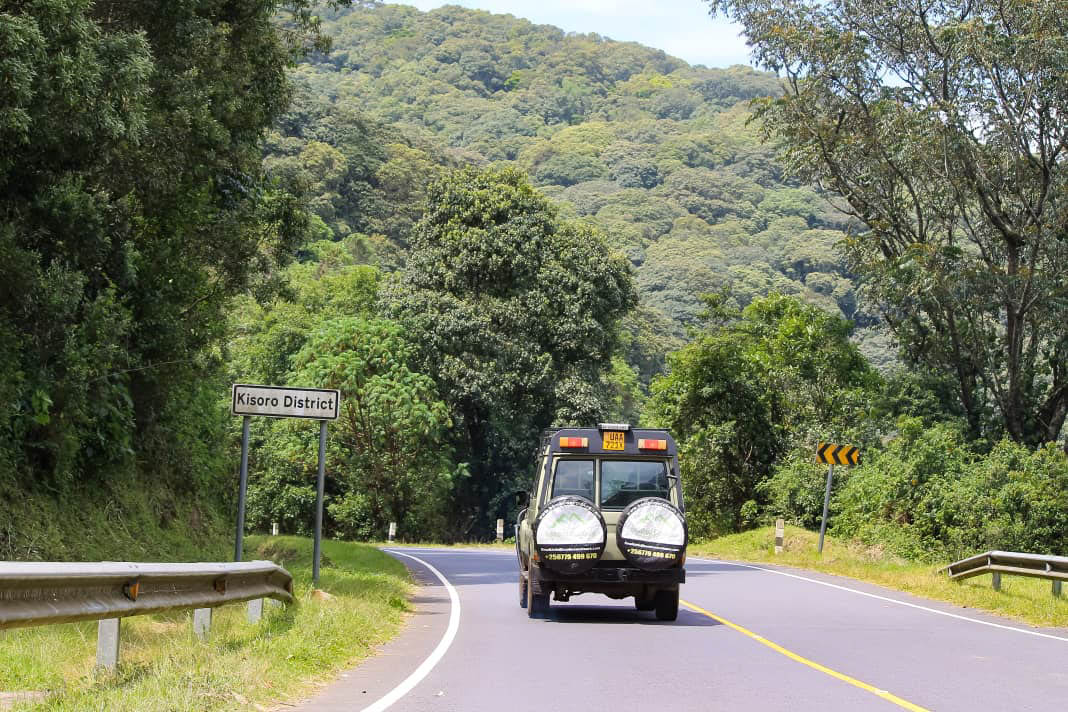
Echuya Forest Reserve, located in southwestern Uganda between Kabale and Kisoro, is a prime, underdeveloped birding destination hosting over 150 bird species, including 18 Albertine Rift endemics. Famed for the elusive Grauer's Swamp Warbler, it offers premier montane birding, specialized bamboo habitat species, and guided forest trails, often combined with trips to Mgahinga or Bwindi.
30-days-best-uganda-birding-safari-extravaganza-and-wildlife-safari
25-days-complete-uganda-birding-safari-extravaganza-with-wildlife-viewing
22-days-best-uganda-primate-and-birding-safari-adventure
21-days-uganda-birding-safari-extravaganza-to-best-uganda-safari-parks
20-days-uganda-birding-safari-to-uganda-national-park
20-days-uganda-birding-safari-wildlife-gorilla-and-chimpanzee-tracking
14-days-classic-uganda-birding-safari-expedition
12-days-uganda-birding-tour-looking-for-rift-valley-endemic-birds-west-circuit
10-days-best-uganda-birding-safari-and-wildlife-experience
Key Bird Species & Highlights
When venturing into the Albertine Rift, birdwatchers have an incredible opportunity to observe a variety of unique bird species endemic to the region. Chief among these is the Grauer's Swamp Warbler, a top target for enthusiasts due to its restricted range and distinctive habitats. This species thrives in the damp environments of the Muchuya Swamp and is often sought after for its elusive behavior.
Other notable highlights include the Red-throated Alethe, a popular favorite among birdwatchers for its striking appearance and curious nature, along with the Collared Apalis and Mountain Masked Apalis, both of which add vibrant colors to the forest canopy. The Kivu Ground Thrush, with its distinctive calls, is another gem that draws birders into the forest depths.
Birders may also encounter the Red-faced Woodland Warbler and the Dwarf Honeyguide, both known for their scarcity and calls. The Archer's Robin-chat and Strange Weaver offer thrilling sightings, while the Doherty's Bush-shrike and Regal Sunbird introduce unique behavioral aspects, attracting birdwatchers' keen eyes.
To complete this incredible list, the Rwenzori Batis and White-eyed Slaty Flycatcher serve as indicators of lush forest health, thriving in the montane environment. Each bird sighting contributes to a rich tapestry of biodiversity unique to the Albertine Rift, making birding here an unforgettable experience.
Key Habitats
The key habitats in the Albertine Rift play a crucial role in supporting the region's rich bird biodiversity. Primarily dominated by mature, high-altitude montane forest, these dense woodlands provide an ideal environment for many endemic species. The combination of towering trees, lush undergrowth, and varied microhabitats facilitates a rich ecosystem where numerous bird species can thrive.
In addition to these forests, the bamboo zones contribute unique ecological niches that support specialized avian life. Bamboo forests often serve as breeding grounds for various bird species and are essential for food and shelter, particularly for the smaller, more specialized birds endemic to the region.
A standout feature of the area is the expansive Muchuya Swamp, a vital habitat for birds that prefer swamp-edge environments. This swampy area serves as a sanctuary for specialized species that are uniquely adapted to wetland conditions. Birdwatchers visiting Muchuya Swamp can expect to observe diverse birdlife, including herons, warblers, and aquatic birds that thrive on the fringe between water and land.
These habitats not only provide essential resources for birds but also shape the overall biodiversity of the region. Protecting these environments is crucial for the survival of both resident and migratory species, making the Albertine Rift an important focal point for conservation and birdwatching alike.
Best Time to Visit
The best time to visit the Albertine Rift for birdwatching coincides with the dry seasons, specifically from June to August and December to February. During these months, birdwatchers will find that trails are significantly less slippery, and visibility is improved, enhancing the overall experience. Dry conditions allow access to remote areas that might be challenging during the rainy seasons, which can lead to muddy and treacherous trails.
Furthermore, during the dry season, birds are more concentrated around water sources, making them easier to spot. Many species engage in breeding behavior during these months, increasing the chance of witnessing courtship displays and other fascinating behaviors. This is essential for birdwatchers seeking both variety and abundance in their sightings.
Traveling during these times not only provides better viewing conditions but also allows for a more enjoyable hiking experience in the region’s varied ecosystems. Birding enthusiasts can take advantage of optimal weather conditions to explore diverse habitats, from montane forests to swamp edges, maximizing their overall encounters with endemic species.
Planning your visit for these dry seasons can elevate your birdwatching adventure, ensuring that you experience the captivating avian life of the Albertine Rift at its peak while enjoying comfortable and safe conditions in the field.
Practical Information for Birding
For a successful birdwatching trip in the Albertine Rift, several practical considerations are essential. First and foremost, hiring a local guide is highly recommended. A knowledgeable guide familiar with the forest’s intricate trails and bird calls can significantly enhance the experience. They can help locate hard-to-find species and provide insights into local ecology, enriching the birdwatching adventure.
Location-wise, the Albertine Rift is ideally situated between Lake Bunyonyi and Mgahinga Gorilla National Park, making it an easy addition to a broader Uganda gorilla safari. This strategic positioning helps travelers maximize their wildlife experiences in a single trip.
Essential gear for birdwatching includes waterproof hiking boots to navigate variable terrain and wet conditions, as well as rain gear to prepare for unexpected weather changes, which are common in this lush region. Additionally, it's imperative to carry binoculars for clear views of distant birds and bug repellent to protect against biting insects that thrive in swampy environments.
Early morning birding, starting around 6:30 AM, is recommended to catch birds while they are most active. This practice not only enhances your chances of sightings but also allows you to enjoy the serene beauty of the forest waking up with the dawn. By preparing adequately and utilizing local expertise, birdwatchers can create a fulfilling and enriching experience in the unique ecosystems of the Albertine Rift.
What Makes Echuya Forest Reserve Special for Birders?
Echuya Forest Reserve stands out as a premier birding destination in Uganda, renowned for its exceptional biodiversity. The reserve is home to over 150 bird species, making it a critical habitat for avian life. Echuya's ecology is characterized by its unique montane rainforest environment, which supports a wide range of bird species, including some of the most sought-after endemics in the Albertine Rift region.
Among its notable features is its designation as an Important Bird Area (IBA), emphasizing its significance in bird conservation. The forest is particularly important for hosting 18 Albertine Rift endemics, which are species that cannot be found anywhere else in the world. This includes the critically endangered Grauer's Swamp Warbler, a top target for bird watchers, showcasing the reserve's unique ecological value.
Birders visiting Echuya can expect a rich experience filled with diverse birding opportunities. The forest's varied habitat types, including bamboo sections and swamp edges, create microhabitats that attract different bird species. This makes Echuya a must-visit destination not just for serious birders but also for anyone interested in experiencing the rich avifauna of Uganda.
Furthermore, the reserve is easily accessible, which enhances its attractiveness for birding tours. Its proximity to major routes and other tourist attractions, such as Bwindi Impenetrable National Park, adds convenience for individuals planning a broader Uganda safari. Overall, Echuya Forest Reserve serves as both a sanctuary for birds and a popular site for ecotourism, making it a vital component of Uganda's natural heritage.
What are the Key Bird Species to See in Echuya?
The key bird species to observe in Echuya Forest Reserve include several notable targets that attract both amateur and seasoned birders. One of the top highlights is the Grauer's Swamp Warbler, an endangered species that prefers the dense, wetland edges of the forest. Its elusive nature makes finding this bird a thrill for dedicated birders.
Another important species is the Handsome Francolin, known for its striking plumage and distinctive calls. Birding aficionados also seek out the Rwenzori Turaco, which adds vibrant color to the canopy, and the Archer’s Robin-Chat, a charming bird often seen flitting through the undergrowth. Other essential species include the Dwarf Honeyguide and the Mountain Masked Apalis, both of which highlight the high diversity found within the montane forest.
The presence of these species emphasizes the ecological significance of Echuya and enriches the birdwatching experience. Being able to observe such unique and sometimes rare birds in their natural habitat is what makes Echuya particularly special for ornithologists and casual birders alike.
With more than 150 species in total, Echuya offers a varied birding experience, ensuring that visitors have the opportunity to spot a range of birds from vibrant turacos to elusive warblers. This wealth of biodiversity, combined with the beauty of the montane rainforest, makes Echuya a critical site for birdwatching in Uganda.
Where is Echuya Forest Reserve Located?
Echuya Forest Reserve is nestled in southwestern Uganda, primarily within the districts of Kabale and Kisoro. This strategic location along the main road connecting these two towns renders the reserve easily accessible for travelers. It is situated in a stunning landscape characterized by lush mountains, adding to its attractiveness as a birding and eco-tourism destination.
The positioning of Echuya Forest Reserve makes it a favorable stop for those journeying to other notable attractions in the region, such as Bwindi Impenetrable National Park and Mgahinga Gorilla National Park. Its proximity to major tourist routes allows visitors to conveniently incorporate Echuya into their travel itineraries while exploring the rich biodiversity of southwestern Uganda.
Moreover, the reserve's elevation, which ranges from approximately 2,000 to 2,500 meters, creates a unique montane rainforest environment. This altitude contributes to the diverse ecosystems found within the forest, making it an attractive locale not just for birders but for anyone interested in the natural beauty and ecological significance of Uganda’s landscape.
In summary, Echuya Forest Reserve’s convenient location, coupled with its rich biodiversity and stunning scenery, establishes it as a compelling destination for eco-tourists, bird watchers, and nature enthusiasts alike, enhancing its importance within Uganda’s conservation framework.
When is the Best Time to Visit Echuya for Birding?
The best time to visit Echuya Forest Reserve for birding is during the dry seasons, specifically from June to September and December to February. During these months, the trails are generally firm, making navigation through the forest significantly easier and more enjoyable. Dry weather conditions enhance visibility, allowing birders to spot their target species without the hindrance of muddy paths that can characterize other times of the year.
The dry season is especially advantageous for birdwatching as many species are more active, and there is less vegetation obscuring views. This is also a prime time for spotting migratory species, as dry conditions encourage birds to gather around available water sources in the forest, making them easier to locate and observe.
Although the rainy season offers unique advantages such as increased breeding activity among birds, the trails often become slippery and challenging, which can make birdwatching less enjoyable and more physically demanding.
Visitors looking to maximize their birding experience and encounters with rare and endemic species should plan their trips during these drier months. Whether it’s the rich auditory tapestry of bird calls in the rainforest or the vibrant displays of plumage, the dry season at Echuya invites a rewarding birdwatching adventure against the backdrop of one of Uganda's most diverse ecosystems.
How Do I Get to Echuya Forest Reserve?
Reaching Echuya Forest Reserve is quite manageable, making it an accessible destination for bird enthusiasts. The reserve is located approximately 9–10 hours by road from Kampala, Uganda’s capital. Travelers can expect a scenic journey that takes them through various landscapes, showcasing the beauty of southwestern Uganda.
For those coming from Rwanda, it is considerably closer; a drive from Kigali to Echuya typically takes around 3 hours. This proximity makes Echuya an attractive option for tourists visiting both Uganda and Rwanda, facilitating easy access for those looking to enjoy birdwatching or gorilla trekking.
Most visitors prefer to hire a 4x4 vehicle for the journey due to the rough roads often encountered, especially as they approach the forest reserve. Public transportation options are available, but hiring a driver is generally recommended for comfort, local guidance, and efficiency.
Upon arrival, visitors will find that the well-maintained paths within the reserve lead to prime birding spots, enhancing the exploration of this avian paradise. With its strategic location and accessibility, Echuya Forest Reserve serves as a vital stopover for travelers aiming to experience Uganda's breathtaking natural beauty and biodiversity.
Are There Specialized Guides for Birding in Echuya?
Yes, specialized local guides are highly recommended for birding in Echuya Forest Reserve. These guides possess an intimate knowledge of the forest’s unique ecosystems, bird species, and their habitats. They play a crucial role in enhancing the birdwatching experience by assisting visitors in locating elusive species and identifying them by their calls—a skill that requires years of experience and familiarity.
Guides not only help in spotting birds but can also provide valuable information regarding the local ecology, plant species, and the cultural significance of the area. Their expertise ensures that birders can maximize their excursions, whether they are complete beginners or seasoned ornithologists seeking specific endemic species.
Moreover, engaging a local guide supports the community and promotes responsible tourism practices. Many guides are community members who understand the economic benefits of sustainable tourism and conservation efforts. By employing a local guide, visitors contribute to the preservation of the forest and help empower local livelihoods.
In summary, hiring a specialized guide for birding in Echuya enhances the likelihood of successful sightings while allowing visitors to connect more deeply with the ecological and cultural richness of the reserve. This strategic partnership between tour guides and birders creates a more rewarding field experience in one of Uganda’s most significant birding hotspots.
What Kind of Habitat Will I Be Birding In?
In Echuya Forest Reserve, birdwatchers will find themselves immersed in primarily a montane rainforest environment. This habitat features a rich tapestry of biodiversity, characterized by towering trees, thick vegetation, and a complex ecosystem that provides a home for numerous bird species. The forest’s elevation contributes to its unique climatic conditions, enhancing the richness of its avifauna.
An important component of the reserve is its large central bamboo section, which serves as a habitat for several specialized bird species. Bamboo forests are known for their unique ecological characteristics, offering food and nesting sites for various bird populations. This dynamic environment significantly enriches the birdwatching experience.
Additionally, the Muchuya Swamp within Echuya serves as a critical habitat for many birds, including the endangered Grauer's Swamp Warbler, making it an essential area for birders seeking unique sightings. This wetland habitat contrasts beautifully with the surrounding forest, attracting a diverse range of avian life.
Birding in such varied habitats allows enthusiasts to witness not only the birds but also the intricate relationships between flora and fauna. The blend of montane forest, bamboo groves, and wetlands creates a mosaic of ecological niches that is critical for maintaining the biodiversity of the region. This combination makes Echuya Forest Reserve a captivating destination for birdwatching, ensuring a memorable and enriching experience in Uganda’s scenic highlands.
How Long Does a Birding Safari in Echuya Last?
A typical birding safari in Echuya Forest Reserve can range from a few hours to a full day, depending on how much you wish to explore and the specific bird species you aim to see. Many visitors opt for half-day excursions, especially if they are on a tight schedule or wish to combine their visit with other activities in the region. This shorter itinerary often allows for quick sightings of several key species.
For dedicated birders or those hoping for a more immersive experience, a full-day birding expedition is ideal. This allows ample time to explore various habitats within the reserve, including the montane forest, bamboo zones, and Muchuya Swamp. Birders can engage in leisurely walking, focusing on both spotting birds and enjoying the rich biodiversity of the area.
Birding safaris in Echuya are often combined with visits to other nearby attractions, such as gorilla trekking in Bwindi Impenetrable National Park or cultural encounters with local communities. This flexibility enhances the overall experience, enabling visitors to make the most of their time in southwestern Uganda.
Regardless of the length of the birding trip, Echuya's rich diversity and specialized ecosystems promise to provide memorable observations and stunning landscapes, ensuring a rewarding adventure for all nature enthusiasts.
What Should I Pack for a Birding Trip in Echuya?
When preparing for a birding trip to Echuya Forest Reserve, packing appropriate gear is crucial for a successful and enjoyable experience. Key essentials include waterproof hiking shoes, as the trails can be muddy and challenging, particularly during the rainy season. Sturdy footwear will provide comfort and stability while navigating the forest terrain.
Rain gear is another vital item to include since Echuya's high-altitude climate can be unpredictable. Lightweight, breathable raincoats or ponchos can keep you dry without overheating during hikes.
Binoculars are essential for spotting distant birds, allowing for close observation of their behavior and features without disturbing them. A bird guidebook specific to the region will enhance the experience by helping identify species, particularly the many Albertine Rift endemics found in the area.
Furthermore, don’t forget to pack insect repellent to protect against biting insects, which can be prevalent in rainforest environments. Consider also bringing a small, portable field notebook or camera to document your sightings and experiences in this rich biotope.
Lastly, water and snacks are advisable to keep your energy up during excursions, especially for longer birding sessions. By preparing adequately and equipping yourself with the right gear, you can focus your attention on the diverse avian life in Echuya Forest Reserve, ensuring a fulfilling adventure in Uganda’s breathtaking wilderness.
Can I See Other Wildlife Besides Birds?
Yes, visitors to Echuya Forest Reserve can indeed observe a variety of wildlife beyond birds. The montane rainforest ecosystem is home to several species of mammals, enhancing the overall experience for nature enthusiasts. Among the notable species are different types of monkeys, including blue monkeys and colobus monkeys, which can often be spotted swinging through the trees or foraging among the foliage.
In addition to these primates, Echuya's diverse habitats support a range of small mammals, such as bushbucks and duikers. These elusive antelopes inhabit the underbrush and can provide exciting encounters for those exploring the forest trails.
The interaction with diverse wildlife creates a richer experience in Echuya, as birdwatchers can delight in both avian and terrestrial creatures cohabitating within the forest. Documenting these moments adds further depth to the visit, allowing a more connected experience to the ecosystem as a whole.
Engaging in community walks can also expose visitors to local wildlife, as guides showcase not only birds but also the plants and animals that play vital roles in the ecological system. By fostering a holistic appreciation for the biodiversity present, visitors leave Echuya with a deeper understanding of its ecological significance.
These additional wildlife encounters transform a birding trip into a multi-faceted adventure, permitting visitors to immerse themselves fully in the captivating world of Echuya Forest Reserve.
How Does the Local Community Benefit from the Forest?
The local community surrounding Echuya Forest Reserve benefits significantly from its presence through various means, particularly from eco-tourism initiatives. One of the most impactful ways to engage with the community is through community walks that educate visitors about the Batwa people's historical lifestyle. This interaction fosters cultural exchanges, allowing tourists to learn about traditional practices while promoting respect for local customs and heritage.
The revenue generated from eco-tourism contributes to community development projects focused on education, the preservation of local culture, and biodiversity conservation. Such initiatives help create a sense of ownership and stewardship among local residents regarding the forest and its resources.
Additionally, the emphasis on sustainable tourism encourages practices that protect the forest while providing economic opportunities for local inhabitants. By involving local guides and promoting community-based tourism, the forest reserve aids in creating jobs and generating income that can support families and local enterprises.
Moreover, conservation efforts supported by tourism help maintain the ecological integrity of Echuya, ensuring the sustainability of both natural and cultural heritage. This integrated approach not only bolsters the local economy but also fosters community involvement in conservation activities, encouraging a harmonious balance between people and nature.
Overall, the relationship between Echuya Forest Reserve and the local community exemplifies how responsible tourism can serve as a catalyst for both ecological preservation and socio-economic development, benefiting both visitors and residents alike.
Is It Possible to Visit Echuya Along with Gorilla Trekking?
Yes, it is entirely feasible to visit Echuya Forest Reserve in conjunction with gorilla trekking experiences, particularly in nearby Bwindi Impenetrable National Park or Mgahinga Gorilla National Park. The close proximity of these two destinations makes them ideal for travelers looking to maximize their Uganda experience by incorporating both birding and gorilla trekking into their itinerary.
Many safari operators offer packages that include stops at both Echuya and gorilla trekking sites, allowing visitors to enjoy a diverse range of activities. A typical itinerary might include birdwatching in the early morning at Echuya, followed by a drive to Bwindi or Mgahinga for an afternoon gorilla trek. This combination showcases Uganda's stunning biodiversity, catering to nature lovers and adventure seekers alike.
Gorilla trekking, celebrated as one of Africa's premier wildlife experiences, offers the chance to observe these majestic creatures in their natural habitat. The contrast between the awe-inspiring experience of coming face-to-face with mountain gorillas and the rich birdlife found in Echuya enhances the overall adventure.
Ultimately, combining visits to Echuya Forest Reserve and gorilla trekking expeditions is an enriching way to experience Uganda's wildlife diversity. This excursion provides a deeper appreciation for the country's ecological treasure trove while fostering lasting memories of its unparalleled natural beauty.
What is the Significance of Muchuya Swamp?
Muchuya Swamp is a significant component of Echuya Forest Reserve, serving as a crucial habitat for various species and contributing to the overall ecological diversity of the area. Known primarily for being one of the few places where the endangered Grauer's Swamp Warbler can be found, the swamp plays a vital role in the birding experience at Echuya.
Muchuya Swamp provides the necessary conditions for various bird species that thrive in wetland habitats, acting as a critical stopover and breeding ground for migratory and resident birds alike. The swamp's rich biodiversity not only attracts birdwatchers but also supports the local ecosystem by providing food and shelter for numerous species, including other aquatic wildlife.
The ecological importance of Muchuya extends to the local community as well. The swamp's health is intertwined with sustainable conservation efforts that benefit both the flora and fauna of the area, leading to increased awareness of the value of natural habitats among locals. Educational programs often highlight the significance of wetland ecosystems, encouraging the community to engage in conservation initiatives.
In summary, Muchuya Swamp’s role in safeguarding biodiversity, particularly for elusive and endangered bird species, underscores its significance in Echuya Forest Reserve. It contributes enormously to the ecological richness of the area, reaffirming the importance of conservation in maintaining such vital habitats for future generations.
Is Hiking Difficult in Echuya Forest?
Hiking in Echuya Forest Reserve can present some challenges, particularly due to steep and muddy trails, especially during the rainy season. The terrain in this montane rainforest environment demands a moderate level of fitness, as navigating the network of trails often involves ascents and descents that can be strenuous.
While the hiking experience is rewarding, visitors should be prepared for varying trail conditions. The wet seasons can lead to slippery paths, making good footwear essential for safety and comfort. Waterproof hiking shoes with good grip are highly advisable to prevent falling, particularly when accessing the swamp areas where footing can become precarious.
For those who are fit and adventurous, hiking in Echuya offers the chance to explore diverse ecosystems and experience the rich biodiversity firsthand. The views and adventurous spirit are well worth the effort, and experienced local guides can help ensure safe passage through challenging sections of the trails.
Overall, while hiking may be challenging at times, it is also rewarding, providing valuable opportunities for birdwatching and interaction with the unique flora and fauna present in Echuya Forest Reserve. The natural beauty and tranquility of the forest punctuate any effort made, ensuring a memorable adventure for all who venture into this remarkable wilderness.
Are There Accommodation Options in Echuya Forest?
There are currently no lodges or accommodation facilities directly within Echuya Forest Reserve itself. However, numerous comfortable accommodation options are available in the nearby towns of Kisoro and Kabale. These towns offer various choices to cater to different budgets, making it convenient for visitors exploring the reserve and its surroundings.
The accommodations in these towns range from basic guesthouses to mid-range hotels, ensuring that visitors have a comfortable place to relax after their adventures in the forest. Staying nearby also facilitates easy access to Echuya for early morning birding excursions or other activities associated with the reserve.
Booking Uganda birding safari in Echuya Forest Reserve with us Roads of Adventure safaris
Book your Uganda birding safari in Echuya Forest Reserve with Roads of Adventure Safaris for an unforgettable experience! Our tailored packages offer expert local guides to help you spot over 150 bird species, including the endangered Grauer's Swamp Warbler and other Albertine Rift endemics. Enjoy the stunning montane rainforest and diverse wildlife while benefiting from comfortable accommodations in nearby Kabale or Kisoro. With flexible itineraries and personalized service, we're dedicated to making your birding adventure truly memorable. Contact us today to plan your incredible journey into Uganda's rich avifauna!
