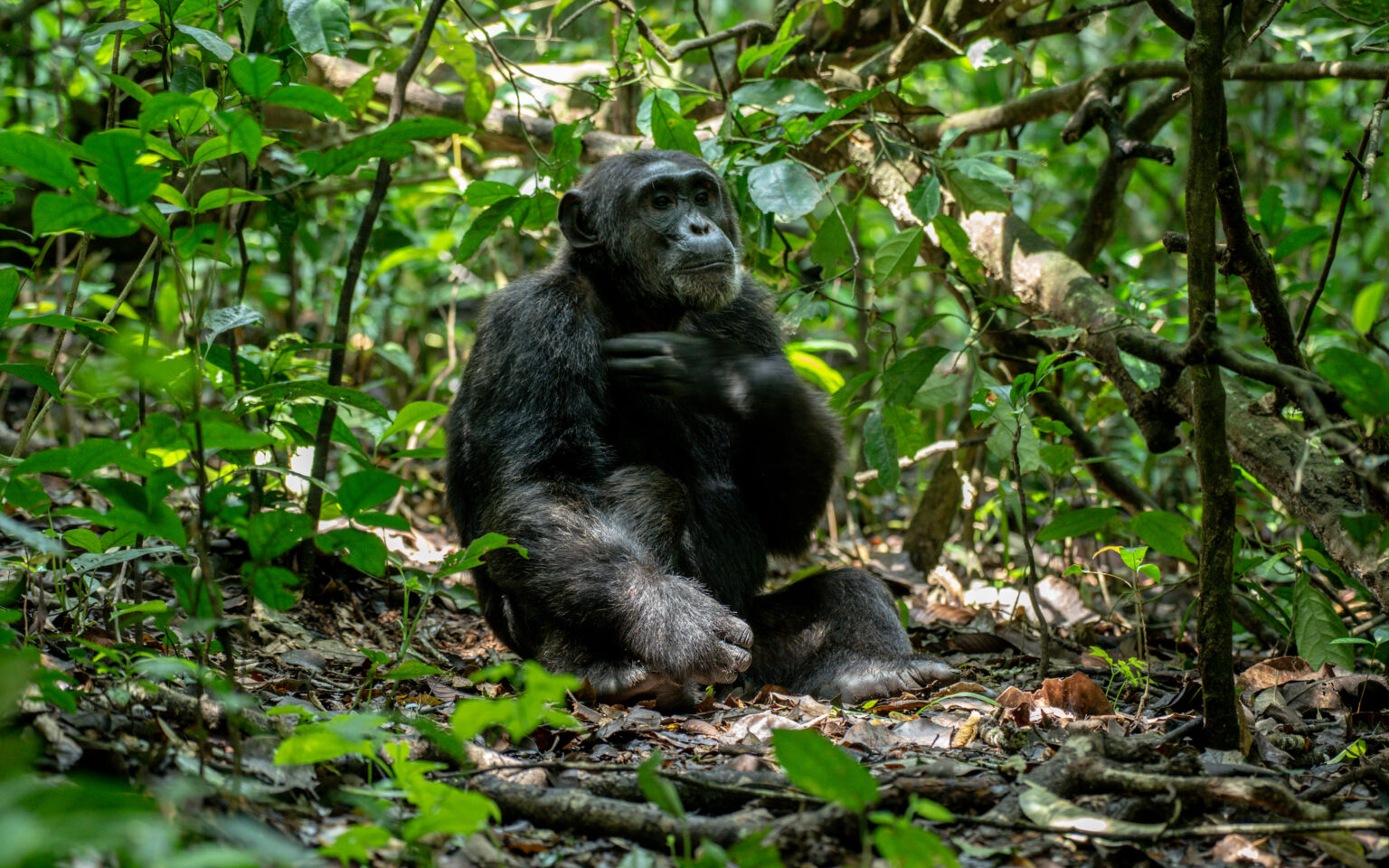
Rwanda chimpanzee tracking mainly takes place in the ancient montane rainforests of Nyungwe National Park and its detached, isolated forest block, Cyamudongo. These lush, mist-covered environments in southwestern Rwanda provide a safe, natural sanctuary where you can observe these intelligent, highly active primates in their wild habitat.
2-days-nyungwe-luxury-fly-in-to-trek-with-chimpanzee
2-days-nyungwe-chimpanzee-tracking-and-canopy-walk
3-days-luxury-honeymoon-chimpanzee-tracking-and-canopy-walk-in-nyungweb
3-days-budget-chimpanzee-tracking-in-nyungwe-forest-park
3-days-nyungwe-chimpanzee-tracking-and-lake-kivu-relaxation
3-days-best-rwanda-canopy-walk-and-nyungwe-chimpanzee-tracking-adventure
3-day-chimpanzee-trekking-tour-package-canopy-and-lake-kivu
4-days-nyungwe-chimpanzee-trekking-canopy-walk-and-lake-kivu-relaxation
Main Tracking Locations
Nyungwe National Park
Stepping into Nyungwe National Park feels like walking into an ancient world. As Africa’s largest Afro-montane forest, this sprawling green wilderness shelters roughly 500 wild chimpanzees beneath its dense canopy. Tracking them here is a true adventure—one that demands grit, patience, and a decent level of fitness. There are no paved footpaths or predictable routes; instead, you find yourself carving through tangled vines, stepping over giant roots, and navigating steep, damp slopes while following the echoes of distant hooting call and pant-hoots ringing across the ridges.
Because the troops are highly mobile and have a vast territory to roam, a trek through Nyungwe can take hours before you catch a glimpse of black fur moving high in the treetops. But that difficulty is precisely what makes the experience so rewarding. You aren't just visiting a zoo enclosure; you are earning your way into an untouched realm where wild primates rule the canopy. Surrounded by misty mountain views, rare orchids, and the raw hum of primeval nature, every grueling step reminds you that you are immersed in a living, breathing ecosystem in its purest form.
Cyamudongo Forest
If Nyungwe is a vast, wild ocean, Cyamudongo Forest is a charming, concentrated island. Nestled just outside the main national park boundaries, this small, isolated pocket of ancient forest holds a very special reputation: it is home to a single, tightly knit family of about 40 to 60 fully habituated chimpanzees. Because the forest boundaries are contained, finding these resident chimps is far less of a gamble, making Cyamudongo the ideal destination for travelers looking for a higher success rate and a somewhat gentler, faster trek.
What Cyamudongo lacks in physical size, it more than makes up for in intimate encounters. Here, you often get to observe chimpanzee social dynamics up close as they groom each other on the forest floor, forage for fresh fruit, or swing effortlessly between low-hanging branches. The guides know individual members of this habituated family well, giving your visit a personal, almost narrative feel. It is an extraordinary spot where you spend less time battling rugged mountain terrain and more time simply watching, listening, and connecting with our closest living relatives in their tranquil sanctuary.
Key Details & Logistics
Starting Points
Your adventure begins long before the sun breaks over the forest canopy. Trekking expeditions start with a morning briefing between 4:30 AM and 5:00 AM, hosted at one of the park’s three main reception centers: Uwinka, Kitabi, or Gisakura. Stepping into the cool morning air with a warm cup of coffee in hand, you will meet your park rangers, go over safety guidelines, and learn about the specific troop you are set to follow. Each center serves as a gateway to different sectors of the forest, and your assigned launching pad usually depends on where the chimps were last spotted the evening before. Starting this early might feel like a test of willpower, but there is a quiet magic in watching the misty forest wake up around you while ambient birdsong replaces the silence of the night.
The Trek
Chimpanzee tracking is an unscripted journey into unpredictable wilderness. Long before you even lace up your hiking boots, dedicated trackers venture out into the dark to locate the nests the chimps built the night before. Once your group sets off, the duration of your hike can range anywhere from a quick one-hour stroll to an intense six-hour trek through dense vegetation and steep terrain. Because chimpanzees travel constantly to forage for fruits and seeds, no two treks are ever identical. You might find them feeding near the trail shortly after starting, or you may end up hiking deep across mud-slicked ridges following the sound of distant pant-hoots. The challenge of the terrain only heightens the excitement, making that moment when you finally lock eyes with a wild chimp feel genuinely earned.
Permits
Securing a permit is your official ticket to this extraordinary wildlife encounter. For foreign non-residents, a tracking permit costs approximately $90 per person, making it an accessible primate experience compared to gorilla trekking. This fee does far more than just grant you access to the forest; it directly funds vital conservation efforts, anti-poaching patrols, and park maintenance that keep these protected areas safe for future generations. It also covers the expertise of the skilled guides and trackers who lead you safely through the terrain. Because tracking spots are strictly capped each day to minimize human impact on the animals, permits can sell out quickly during peak travel seasons. Booking yours well in advance ensures your spot on the trail and supports the delicate ongoing balance between sustainable tourism and habitat protection.
Rules
To protect both visitors and the wild chimps, park authorities enforce a few essential ground rules. Group sizes are strictly limited to just eight people per chimpanzee troop each day. This small group size ensures the animals do not feel overcrowded or stressed, while giving every traveler an intimate, unobstructed view of the action. Additionally, there is a strict minimum age requirement of 16 years old to participate in a trek. This age limit is in place due to the physically demanding nature of the terrain, as well as the need for trackers to follow safety instructions calmly around quick-moving, powerful primates. Following these guidelines allows the chimpanzees to display their natural behaviors without disruption, creating an authentic, respectful atmosphere where humans and wildlife can safely coexist for a rare moment in time.
Where does chimpanzee tracking primarily take place in Rwanda?
Chimpanzee tracking in Rwanda is concentrated in the ancient montane rainforests located in the southwestern region of the country. The absolute epicenter of this activity is Nyungwe National Park, a vast Afro-montane forest that shelters around 500 wild chimpanzees beneath its dense canopy. Alongside the main national park, tracking also takes place in Cyamudongo Forest, an isolated patch of woodland situated right next to Nyungwe. Cyamudongo is famous for housing a single, fully habituated family of around 40 to 60 chimpanzees. Together, these two mist-covered ecosystems provide a protected sanctuary where travelers can observe active primates moving freely in their natural habitat.
What makes Nyungwe National Park unique for chimpanzee tracking?
Nyungwe National Park is unique because it represents one of the largest and oldest remaining Afro-montane rainforests in Central Africa. Spanning a vast landscape of steep hills, deep valleys, and thick vegetation, it offers a raw wilderness experience where chimpanzees live completely uninhibited. Tracking here demands physical endurance, as the terrain features no paved paths, requiring visitors to navigate tangled roots and muddy slopes. The park holds a population of roughly 500 wild chimpanzees that move over extensive territories. The shear scale of the forest means every tracking session feels like a genuine, unscripted expedition deep into primeval nature.
How does Cyamudongo Forest differ from Nyungwe National Park?
Cyamudongo Forest is a small, fragmented forest island adjacent to Nyungwe, offering a distinctly different tracking environment. While Nyungwe is vast and wild, Cyamudongo is compact and contained. It shelters a single habituated troop of 40 to 60 individuals whose territory is well-mapped by local trackers. Because the chimps cannot roam across an expansive mountain range, finding them in Cyamudongo is generally faster and involves less exhausting physical effort. The small size of this forest block creates a more intimate setting where visitors can spend quality time observing troop dynamics without the grueling multi-hour treks typical of Nyungwe.
What is the success rate and trekking experience like in Cyamudongo Forest?
The success rate for spotting chimpanzees in Cyamudongo Forest is exceptionally high due to the small boundaries of the forest fragment and the habituated nature of the troop. Trackers easily monitor the movement of these 40 to 60 individuals as they feed and rest within a limited area. The trekking experience here tends to be gentler and more direct compared to the expansive wilderness of Nyungwe. Visitors spend less time battling steep mountain inclines and dense brush, allowing for an easier hike focused on close-range observation of grooming, foraging, and social interactions among troop members on the forest floor or lower branches.
Where do chimpanzee tracking expeditions start in Rwanda?
All tracking expeditions begin early in the morning at designated park reception centers scattered around the forest edges. The three primary launching points for Nyungwe National Park are Uwinka, Kitabi, and Gisakura. Visitors gather at these centers between 4:30 AM and 5:00 AM for an essential pre-trek safety briefing led by experienced park rangers. The specific reception center you report to depends entirely on which chimpanzee troop you are assigned to follow and where trackers last spotted the animals the previous evening. Starting from these established gateways ensures that groups enter the forest safely and efficiently under expert supervision.
What happens during the early morning briefing at the reception centers?
The early morning briefing between 4:30 AM and 5:00 AM serves as the operational foundation for the entire tracking experience. Rangers welcome trekkers with detailed instructions on forest safety, health precautions, and rules for interacting around wild primates. During this time, visitors learn about the specific chimpanzee troop they will be searching for, the expected terrain conditions, and proper forest etiquette. Guides check gear to ensure everyone is prepared for damp, rugged trails. It is also an opportunity to ask questions, meet your fellow group members, and mentally prepare for the physically demanding hike into the rainforest before setting off at dawn.
How do trackers locate the chimpanzees each morning?
Trackers locate the chimpanzees using a proactive strategy that begins before tourists even arrive at the park headquarters. Dedicated advance teams set out into the forest before dawn, hiking to the exact location where the chimpanzee troop built their sleeping nests the previous evening. Because chimps build new leaf nests in the canopy every night, finding these nesting sites provides a reliable starting point. Once the trackers spot or hear the vocalizations of the waking chimps, they relay real-time coordinates via radio to the lead guides who are walking with the tourist groups, ensuring efficient navigation toward the troop.
How long does a typical chimpanzee trek last in Rwanda?
A typical chimpanzee trek in Rwanda can last anywhere from 1 to 6 hours, depending heavily on the movement of the animals that day. Chimpanzees are highly mobile primates that travel long distances through the forest canopy and ground to forage for seasonal wild fruits, seeds, and leaves. If a troop is feeding near an established trail or near their previous night's nesting site, the hike might be relatively short. However, if the troop is actively pursuing food across deep valleys or steep ridges, trackers and visitors must follow them across challenging wilderness, making for a much longer journey.
What physical challenges should trekkers expect during the hunt for chimps?
Trekkers face a variety of physical challenges dictated by the untamed nature of the Afro-montane rainforest. Navigating Nyungwe or Cyamudongo involves scrambling up steep, muddy inclines, stepping over large tree roots, and pushing through thick, tangled undergrowth without clear paths. High humidity, damp forest floors, and sudden rainforest downpours add to the physical exertion. Because chimpanzees move quickly across the canopy, visitors often have to pick up the pace over uneven terrain to keep up with the troop's calls, requiring a reasonable level of cardiovascular fitness, balance, and physical stamina throughout the hike.
How much does a chimpanzee tracking permit cost in Rwanda?
A chimpanzee tracking permit in Rwanda costs approximately $150 per person for foreign non-residents, though historically pricing has hovered around $90 to $150 depending on structural park updates. Foreign residents and East African Community citizens receive discounted rates to encourage regional tourism. While this cost is higher than standard park entry fees, it remains significantly lower than the price of mountain gorilla tracking permits in Volcanoes National Park. The fee grants access to a certified guide and tracker, covers daily tracking entry, and allows for one hour of direct observation time once the troop is located.
Where does the money from chimpanzee tracking permit fees go?
Permit fees play a direct role in sustaining Rwanda’s wildlife conservation and local community infrastructure. A significant portion of the money directly funds essential park operations, including anti-poaching patrols, veterinary monitoring, and ecological research within Nyungwe National Park. Additionally, revenue-sharing programs redirect a percentage of permit fees into local communities bordering the forest, funding schools, clean water projects, and healthcare clinics. By creating a direct economic benefit for local residents, the permit system encourages nearby populations to actively protect the rainforest ecosystem and its resident wildlife rather than engaging in illegal resource extraction.
Why is it necessary to book chimpanzee tracking permits well in advance?
Booking permits far in advance is critical because park authorities strictly limit the number of visitors allowed to track chimpanzees each day. To prevent human disturbance and manage disease transmission risks, only a small number of daily permits are issued across the habituated troops in Nyungwe and Cyamudongo. During peak travel seasons, demand far exceeds this limited supply. Securing a permit months before your travel date guarantees your spot on the trail, prevents disappointment at the park gates, and allows park management to organize guide logistics efficiently without overcrowding the forest trails.
What is the daily group size limit for tracking a chimpanzee troop?
Park regulations mandate that group sizes are strictly capped at a maximum of eight people per chimpanzee troop each day. Keeping groups small serves multiple conservation and management goals. First, it minimizes stress on the wild primates, allowing them to exhibit natural behaviors like grooming, feeding, and playing without feeling threatened by a crowd. Second, small groups reduce environmental degradation along fragile forest paths. Finally, a limited group size ensures that every participant gets an unobstructed view of the chimps, clear audio of their vocalizations, and personal attention from the guiding team.
What is the minimum age requirement for chimpanzee tracking in Rwanda?
The strict minimum age requirement for participating in chimpanzee tracking in Rwanda is 16 years old. Park authorities enforce this limit due to the rigorous physical demands of trekking through thick vegetation and unpredictable terrain. Beyond the physical challenge, tracking requires participants to remain calm, quiet, and attentive to safety instructions when close to powerful, highly energetic wild animals. Young children may struggle to manage the fatigue, sustain quiet focus, or follow critical safety protocols around habituated primates, making the age threshold a key rule for visitor safety and animal welfare.
What rules must trekkers follow when observing chimpanzees in the wild?
When trekkers reach a troop, strict behavioral rules apply to protect both humans and wildlife. Visitors must maintain a minimum distance of 7 to 10 meters from the animals to prevent the transmission of human respiratory diseases. Eating, drinking, or smoking near the primates is prohibited. Flash photography is banned because sudden flashes can startle or agitate the chimps. Trekkers are expected to keep their voices low, avoid sudden movements, and never touch the animals, even if a curious chimp approaches. Following these guidelines ensures a peaceful encounter for both species.
How long are tourists allowed to spend with the chimpanzees once located?
Once trackers locate the chimpanzee troop, tourists are granted exactly one hour of direct observation time. This time limit is enforced to restrict human exposure and minimize stress on the animals. During this hour, visitors can watch the chimps move through the trees, feed on wild fruit, groom one another, or communicate through loud pant-hoots. Guides track the time closely to ensure the troop returns to its normal routine without lingering human presence. This balance allows tourists to enjoy an unforgettable encounter while keeping conservation principles at the forefront.
Why is starting the trek before dawn so important?
Starting the trek before dawn is essential because chimpanzees are most active early in the morning. Shortly after sunrise, the troop wakes up, leaves its sleeping nests, and begins vocalizing and moving through the forest to search for breakfast. If trekkers launch later in the day, the chimps may have already traveled deep into inaccessible ridges or settled high into the canopy for mid-day rests, making them significantly harder to track down. Starting early aligns human efforts with the natural circadian rhythms of the primates, greatly improving the chances of a successful sighting.
What gear and clothing should you pack for a chimpanzee trek?
Proper gear is vital for managing the wet, rugged rainforest environment. Trekkers should wear sturdy, waterproof hiking boots with excellent traction to handle slippery clay and muddy trails. Sturdy long pants and long-sleeved shirts protect against biting insects, nettles, and sharp thorns. Gaiters can keep mud and ants out of your boots, while a lightweight waterproof rain jacket is essential given the high likelihood of sudden downpours. Packing garden gloves helps when gripping wet branches, and a lightweight daypack with plenty of drinking water and snacks keeps your energy up during long hikes.
How does chimpanzee tracking compare to mountain gorilla trekking in Rwanda?
While both experiences take place in dense mountain forests, chimpanzee tracking is generally more fast-paced and unpredictable than gorilla trekking. Mountain gorillas move slowly, stay in close-knit family units on the ground, and are relatively easy to observe quietly. Chimpanzees, by contrast, are energetic, vocal, and spend a great deal of time moving rapidly through the high forest canopy. Tracking chimps often involves following loud pant-hoot calls and moving quickly through rugged terrain to keep up with their foraging path, making it a more dynamic and athletic wildlife encounter.
What role do habituated troops play in Rwanda's primate tourism?
Habituated troops are the foundation of safe and reliable primate tourism in Rwanda. Habituation is a multi-year process where trained rangers and researchers visit wild chimpanzee groups daily until the animals become accustomed to human presence without changing their natural behaviors. Without this process, wild chimps would flee immediately upon hearing or seeing humans. By habituating specific groups in Nyungwe and Cyamudongo, park authorities can offer safe, close-range educational wildlife viewing experiences for tourists while ensuring the animals remain healthy, wild, and safe from distress.
What types of vocalization might you hear during a chimpanzee trek?
During a trek, visitors will likely hear a dramatic acoustic display dominated by "pant-hoots." This signature vocalization starts as soft, rhythmic grunts that build in volume and pitch into loud, echoing screams across the forest canopy. Chimpanzees use pant-hoots to signal their location to separated troop members, announce abundant fruit trees, or establish territory boundaries. Trekkers may also hear intense drum-like sounds produced when chimps strike the buttress roots of giant trees with their hands and feet, creating long-range sound signals that echo for miles through the dense rainforest.
What makes the Afro-montane forest ecosystem of Nyungwe so special?
Nyungwe's Afro-montane ecosystem is an extraordinary biodiversity hotspot containing thousands of plant and animal species, many of which are endemic to the Albertine Rift. The combination of high altitude, ancient forest cover, and heavy rainfall supports over 1,000 plant species, hundreds of bird species, and 13 distinct primate species, including colobus monkeys and golden monkeys. The forest acts as a vital water catchment area for Rwanda, feeding both the Nile and Congo river basins. Walking through Nyungwe exposes travelers to giant ferns, ancient hardwoods, and epiphytic orchids found nowhere else on earth.
How does weather impact chimpanzee tracking in southwestern Rwanda?
Weather plays a major role in shaping the daily tracking experience in both Nyungwe and Cyamudongo. Being a rainforest, rain can fall at any time regardless of the season, making trails slick and muddy. Heavy downpours often cause chimpanzees to seek shelter under thick foliage or sit quietly high in tree hollows, which can make them quieter and harder to locate. Conversely, clear and cool mornings encourage the primates to move actively, call out frequently, and forage in open canopy areas, offering excellent conditions for tracking and photography.
What is the social structure of the chimpanzee families in Cyamudongo and Nyungwe?
Chimpanzees live in a complex "fission-fusion" social structure where the overarching community splits into smaller, flexible subgroups throughout the day. In Cyamudongo, the entire population consists of one primary community of about 40 to 60 individuals that frequently interact, groom, and travel together across their limited territory. In Nyungwe's vast forest, larger troops of up to 100 or more individuals break off into tiny foraging parties of two to six animals to find food efficiently, recombining later in the day to socialize, defend territory, or build communal night nests.
What other wildlife might you encounter while tracking chimpanzees in Nyungwe?
While chimpanzees are the primary focus of the trek, Nyungwe’s rich ecosystem offers encounters with numerous other rare species. The forest is home to 12 other primate species, including massive troops of Ruwenzori colobus monkeys, L'Hoest's monkeys, silver monkeys, and owl-faced monkeys. Birdwatchers can spot over 300 bird species, including Albertine Rift endemics like the Great Blue Turaco and Neumann's Warbler. Trekkers may also cross paths with colorful forest butterflies, chameleon species, giant forest squirrels, and rare orchids blooming along the trail sides.
How do park rangers ensure safety during chimpanzee tracking tours?
Park rangers enforce strict protocols to maintain safety for both tourists and chimpanzees throughout the excursion. Rangers carry radios to stay in contact with tracking networks and emergency support teams. They undergo extensive training in wilderness first aid, navigation, and primate behavior, allowing them to read the mood of the troop and anticipate any aggression. Armed rangers accompany groups to protect against unexpected encounters with dangerous wildlife or rough terrain hazards. By keeping guests grouped together and maintaining established distance rules, guides ensure a safe, organized journey.
Why are health and disease prevention rules strictly enforced on chimp treks?
Because humans and chimpanzees share approximately 98% of their DNA, chimps are extremely susceptible to human airborne viruses, bacteria, and respiratory infections. A simple common cold or influenza strain brought into the forest by a tourist can rapidly spread through a habituated troop with fatal consequences. To prevent this, park authorities enforce strict health rules: anyone exhibiting signs of illness, cough, or fever is prohibited from tracking. Mask-wearing guidelines and hand sanitation procedures are frequently used to preserve the health of these endangered primates.
What should tourists do if a chimpanzee approaches them during a trek?
If a chimpanzee decides to approach a human group, visitors are instructed to remain completely calm and follow the lead guide’s signals immediately. You should avoid making direct eye contact, which chimps can interpret as a sign of aggression or challenge. Trekkers should slowly and calmly step back to restore the mandatory 7 to 10-meter distance without making sudden movements, screams, or frantic gestures. Crouching down slightly and adopting a submissive posture helps signal to the chimp that you pose no threat, allowing the animal to pass safely by.
What is the best time of year to go chimpanzee tracking in Rwanda?
Chimpanzee tracking is available year-round, but the drier months from June to September and December to February offer easier hiking conditions. During these windows, forest trails are less muddy and slick, making the steep terrain easier to navigate. However, the wet season (March to May and October to November) has distinct advantages: fruit is abundant, causing chimpanzees to forage in concentrated areas rather than traveling vast distances. This can lead to shorter treks and more predictable sightings, making rain-gear-equipped travel during the wet season highly rewarding.
How does chimpanzee tracking contribute to sustainable eco-tourism in Rwanda?
Chimpanzee tracking transforms wild rainforests into economically valuable protected assets, driving sustainable eco-tourism across Rwanda. By generating revenue through permits, lodging, and guide services, eco-tourism provides a strong financial incentive for the government and local communities to preserve Nyungwe and Cyamudongo rather than clear land for agriculture or timber extraction. The presence of tourists creates sustainable jobs for local residents as guides, porters, trackers, and hospitality staff, fostering a community-wide commitment to protecting wild primates and maintaining biodiversity for generations to come.
Booking Rwanda chimpanzee tracking with us Roads of Adventure safaris
Roads of Adventure Safaris is an exciting step. We handle your permits, scenic drives from Kigali, and expert guides so you can simply enjoy the lush rainforest and amazing primate encounters.
