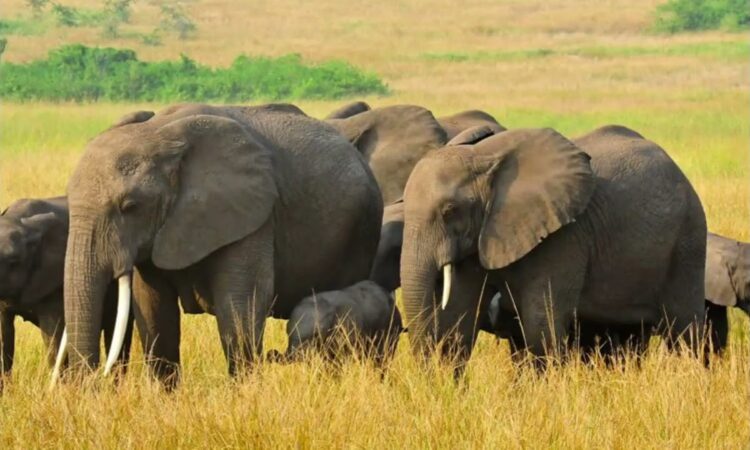
The best time to visit Queen Elizabeth National Park is during the dry seasons, from June to September and January to February, as wildlife is easier to see near water sources, and the thinner vegetation provides better views. While open year-round, the dry seasons are ideal for game drives and chimpanzee tracking. However, the park is also known for its scenic beauty during the wet seasons (March to May and August to December), which offer fewer crowds and discounted lodging rates, and peak birding from late May to September
Popular Uganda safari tour package for Queen Elizabeth national park
14-days-uganda-and-rwanda-safari-tour-itinerary.
12-days-best-uganda-rwanda-primate-safaris-and-akagera-big-five-safaris
10-days-best-uganda-big-five-safaris-and-primate-experience
3-days-uganda-safari-itinerary-to-queen-elizabeth-national-park
3-days-fly-luxury-uganda-safari-to-queen-elizabeth-national-park
5-days-queen-elizabeth-park-and-chimpanzee-tracking-in-kibale-forest-park
5-days-bwindi-gorilla-trekking-and-uganda-safari-queen-elizabeth-park
7-days-uganda-tour-to-murchison-falls-via-ziwa-kibale-and-queen-elizabeth-national-park
During the Dry Seasons (June–September & January–February)
Wildlife Viewing
During the dry seasons, specifically from June to September and January to February, wildlife viewing becomes particularly rewarding. As water sources diminish, animals are compelled to congregate around remaining waterholes and rivers. This behavior significantly increases the likelihood of spotting a variety of species, including elephants, lions, and various antelope. With fewer options for hydration, animals are more visible and easier to approach, allowing for excellent photography opportunities. During these months, many animals also engage in mating behaviors, providing unique chances to observe interactions that might not be as evident during other times of the year. Furthermore, the dry season often coincides with the migration patterns of certain species, such as wildebeest and zebra, which can be a spectacular sight. The concentration of wildlife around water sources creates vibrant scenes that are ideal for both amateur and professional wildlife photographers, allowing them to capture the beauty and drama of nature. Overall, the dry season is a prime time for wildlife enthusiasts to witness dynamic animal behavior in their natural habitats.
Visibility
The dry season offers enhanced visibility for wildlife viewing due to the reduced density of vegetation. As the rains cease, grasses become less lush, and trees shed some of their leaves, creating unobstructed sightlines across the savannahs and woodlands. This clearer visibility allows visitors to spot wildlife from greater distances, making it easier to track animals as they move about in search of food and water. Additionally, the often drier and dustier conditions can create stunning light for photography, particularly during the golden hours of sunrise and sunset. Wildlife enthusiasts can enjoy more effective game drives, as guides can easily navigate and identify animal tracks and signs in the less cluttered landscape. The combination of less foliage and lower humidity often leads to more comfortable and enjoyable viewing conditions. However, while the visibility is generally better, it’s essential to remember that the dry season can also attract more tourists, which may lead to busier viewing spots. Nonetheless, the benefits of increased visibility make this season a favorite among wildlife watchers and photographers alike.
Activities
The dry season is an exceptional time for various activities, particularly game drives and chimpanzee tracking. With wildlife congregating around limited water sources, game drives become more productive, as visitors can easily locate animals in their natural settings. Safari operators often take advantage of this by offering specialized game drives focused on specific wildlife, such as big cats or migratory species. Additionally, the dry season provides ideal conditions for chimpanzee tracking in forests, as the animals are more active and visible. Guided treks through the jungle not only enhance the chances of spotting chimps but also allow for exploration of the rich biodiversity of the forest. Many parks and reserves enhance their offerings during this period, providing opportunities for night drives, walking safaris, and cultural experiences with local communities. Photography workshops and guided tours are also popular, helping visitors capture the beauty of wildlife and landscapes. Overall, the dry season presents a plethora of activities that cater to adventure seekers and nature lovers, making it a prime time to engage with the rich ecosystems of the region.
Drawbacks
While the dry season offers numerous advantages for wildlife viewing and activities, it also comes with its drawbacks. Most notably, this period corresponds with peak tourist season, leading to increased visitor numbers in popular parks and reserves. This influx can result in crowded viewing areas, particularly at iconic wildlife spots, making it more challenging to capture intimate moments with animals. Higher demand also drives up lodge prices, which can significantly impact budget-conscious travelers. Booking accommodations well in advance becomes essential, as many lodges fill quickly during this time. Additionally, the concentration of visitors can sometimes detract from the sense of adventure and solitude that many seek in nature. Moreover, while wildlife is more visible, animals may become more skittish due to increased human presence, potentially altering their natural behaviors. Lastly, the dry conditions can lead to dustier roads, making travel less comfortable. Despite these challenges, many still choose to visit during the dry season for the unparalleled wildlife viewing opportunities and vibrant landscapes, weighing the pros and cons to make the most of their safari experience.
During the Wet Seasons (March–May & August–December)
Lush Scenery
During the wet seasons, which span from March to May and August to December, the parks transform into vibrant landscapes filled with lush greenery and blooming flora. The increased rainfall rejuvenates the environment, resulting in a spectacular display of colors that enhance the natural beauty of the region. This period is particularly appealing for photographers and nature enthusiasts, as the scenery provides a stunning backdrop for wildlife and landscape photography. The lush vegetation not only enriches the visual appeal but also supports a diverse range of wildlife, as food sources become abundant. Animals often appear more active during this time, feeding on the plentiful foliage. Additionally, the contrast between the vibrant greens and the rich earth tones of the terrain can create striking images. The beauty of the wet season is a compelling reason for visitors to explore the parks, as it showcases a different side of the landscape that is often overlooked during the drier months.
Birding
The wet season is an ideal time for birding enthusiasts, particularly from late May to September when migratory birds flock to the region. During this period, a diverse array of bird species can be observed, including both local residents and migratory visitors. Wetlands, rivers, and lush vegetation provide excellent habitats for various bird species, making them more visible and easier to spot. Birdwatchers can enjoy the sight of colorful starlings, weavers, and many other species as they feed, nest, and display their mating rituals. The rich sounds of chirping and calling echo through the parks, adding to the sensory experience. Guided birding tours often take place during this time, allowing enthusiasts to learn about different species and their behaviors. The abundance of birds also presents fantastic opportunities for photography, as the vibrant colors and dynamic movements of the birds make for captivating shots. Overall, the wet season offers a unique birding experience that is not to be missed.
Fewer Visitors
One of the significant advantages of visiting during the wet seasons is the reduced number of visitors in the parks. With fewer tourists, travelers can enjoy a more tranquil experience, often having prime wildlife viewing spots to themselves. This sense of solitude enhances the connection with nature, allowing for deeper appreciation and reflection. Additionally, lodging prices tend to be lower during these months, making it a more budget-friendly option for those looking to explore the region without breaking the bank. Many lodges and camps offer special deals and packages to attract visitors during the wet season. This combination of fewer crowds and lower prices makes it an attractive time for both seasoned travelers and those new to safari experiences. The opportunity to explore popular parks without the hustle and bustle of peak season is a significant draw, offering a more personalized and intimate encounter with the wildlife and landscapes.
Challenges
While the wet seasons bring numerous benefits, they also present certain challenges. Heavy rains can lead to slippery and muddy tracks, making game drives more difficult and, at times, less enjoyable. Some roads may become impassable, requiring visitors to be flexible with their plans and expect potential delays in travel. Activities like walking safaris may also be affected, as wet conditions can make navigating certain areas hazardous. Additionally, the rain can lead to sudden downpours, which may interrupt scheduled activities and necessitate a change in itinerary. Despite these challenges, many travelers find that the lush scenery and abundant wildlife during the wet season far outweigh the downsides. Being prepared for varying weather conditions, including bringing appropriate gear and clothing, can help mitigate some of these challenges. Ultimately, the wet season offers a unique and rewarding experience for those willing to embrace the elements.
What are the itinerary ideas for Queen Elizabeth national park
Itinerary ideas for Queen Elizabeth National Park typically involve a combination of activities including game drives (especially in the Kasenyi Plains for lions and Kisenyi Sector) and a boat cruise on the Kazinga Channel to see hippos and waterbirds. Other popular ideas include chimpanzee trekking in Kyambura Gorge, exploring the Ishasha Sector for tree-climbing lions, and visiting the Katwe Explosion Crater or Maramagambo Forest. A typical trip lasts 3 to 5 days, encompassing these highlights along with transfers from Kampala
Day 1: Arrival and Wildlife Exploration
Upon arrival at Queen Elizabeth National Park, you will be greeted by the stunning landscapes that set the stage for your safari adventure. After checking in to your lodge, enjoy a delicious lunch featuring local cuisine. The anticipation builds as you prepare for your first wildlife exploration. In the afternoon, embark on an exciting game drive, where you will traverse the park’s diverse terrains, including savannahs, wetlands, and forests. Keep your camera ready as you search for iconic wildlife such as elephants, lions, and buffaloes. The golden hour of the evening provides perfect lighting for photography, enhancing the beauty of the safari experience. Knowledgeable guides will share insights about the flora and fauna, enriching your understanding of the ecosystem. As the sun sets, return to your lodge for a sumptuous dinner, where you can share stories and experiences with fellow travelers. The first day concludes with a restful night, allowing you to recharge for the adventures that lie ahead.
Day 2: Scenic Boat Cruise on Kazinga Channel
Start your day with an early breakfast, fueling up for another day of exploration. Afterward, set out for a morning game drive, where the cool morning air offers heightened chances of spotting wildlife as they emerge from their resting spots. Look out for various species, including antelopes and predators, as they begin their daily activities. After returning to the lodge for lunch, prepare for one of the highlights of the trip: the boat cruise on Kazinga Channel. This scenic waterway is teeming with life, and you’ll have the opportunity to observe hippos lounging in the water, crocodiles basking on the shores, and an array of birds, such as pelicans and kingfishers. The boat ride allows for unique photographic opportunities, capturing the beauty of wildlife from a different perspective. As the cruise concludes, return to the lodge for a leisurely evening. Enjoy dinner and perhaps share a nightcap under the stars, reflecting on the day’s incredible experiences.
Day 3: Final Wildlife Encounter and Departure
On your final day, rise early for a last chance to immerse yourself in the wildlife of Queen Elizabeth National Park. Depending on your preferences, you can opt for an early morning game drive or another activity, such as a guided nature walk. This is an excellent opportunity to capture any wildlife you may have missed, as well as to enjoy the serene morning atmosphere of the park. After returning to the lodge for breakfast, take a moment to soak in the beautiful surroundings one last time. Check out of your accommodation and prepare for the return journey to Kampala. As you drive back, reflect on the unforgettable memories and stunning sights experienced during your safari. The journey is not just about the destination but also the connections made with nature and fellow travelers. Upon arrival in Kampala, you’ll carry with you the essence of Africa’s wild beauty, eager to share your adventures and perhaps plan your next safari.
Example 3-Day Safari Structure to Queen Elizabeth Park
Day 1: Transfer from Kampala to Queen Elizabeth National Park
Your adventure begins with a scenic transfer from Kampala to Queen Elizabeth National Park, a journey that typically takes about 7-8 hours. As you travel through the picturesque Ugandan countryside, you'll pass vibrant villages and lush landscapes, giving you a taste of local life. Along the way, there may be opportunities to stop for refreshments or take photos of the stunning scenery. Upon arrival at the park, check in to your lodge and enjoy lunch while soaking in the beautiful surroundings. If time permits, embark on an evening game drive, where knowledgeable guides will take you through the park’s diverse habitats. This drive provides an excellent opportunity to spot wildlife as they become more active in the cooler evening hours. Keep your camera ready for elephants, buffaloes, and possibly even lions. As the sun sets, return to your lodge for dinner and share stories of your first day in the wild, ending the day comfortably as you prepare for the adventures ahead.
Day 2: Morning Game Drive and Afternoon Boat Cruise
Begin your second day with an early morning breakfast before heading out for a game drive in the Kasenyi sector of Queen Elizabeth National Park. This area is known for its abundant wildlife, including elephants, lions, and various antelope species. The early morning hours are ideal for wildlife watching, as animals are often more active and visible. Your guide will provide insights into the park's ecosystem and the behaviors of the animals you encounter. After an exhilarating morning, return to your lodge for a well-deserved lunch. In the afternoon, embark on a leisurely boat cruise along the Kazinga Channel, a waterway that connects Lake Edward and Lake George. This cruise offers a unique perspective of the park, allowing you to see hippos, crocodiles, and a variety of bird species up close. The lush banks and vibrant wildlife make for fantastic photography opportunities. As the day winds down, return to your lodge for dinner and relax, reflecting on the day’s experiences.
Day 3: Early Morning Transfer Back to Kampala
On your final day, wake up early for a last chance to enjoy the morning serenity of Queen Elizabeth National Park. After breakfast, check out of your lodge and prepare for the transfer back to Kampala. The return journey allows for the opportunity to reflect on the unforgettable moments and stunning wildlife you've encountered. Depending on your schedule, you may have time for a brief stop at the equator for photos and souvenirs. As you approach Kampala, consider the memories made during this enriching safari experience and the beauty of Uganda's landscapes. Arriving back in the city, you'll carry with you the essence of your adventure, eager to share your stories and photos with friends and family.
Things to Do in Queen Elizabeth National Park
Queen Elizabeth National Park offers a diverse range of activities that cater to wildlife enthusiasts and adventure seekers alike.
- Game Drives: Experience thrilling game drives in various sectors, such as the Kasenyi and Ishasha sectors, where you can spot elephants, lions, leopards, and numerous antelope species.
- Boat Cruise on Kazinga Channel: Take a scenic boat cruise along the Kazinga Channel, where you can observe hippos, crocodiles, and a rich variety of birdlife, including vibrant kingfishers and majestic fish eagles.
- Chimpanzee Tracking: Venture into the nearby Kyambura Gorge for an unforgettable chimpanzee tracking experience, where you can observe these fascinating primates in their natural habitat.
- Nature Walks: Enjoy guided nature walks that allow you to explore the park's diverse ecosystems, providing insights into the flora and fauna that thrive in this region.
- Cultural Interactions: Engage with local communities around the park to learn about their traditions and lifestyles, enhancing your understanding of the cultural landscape.
Accommodation Options in Queen Elizabeth National Park
Queen Elizabeth National Park offers a variety of accommodation options to suit different preferences and budgets:
- Luxury Lodges: Options like Mweya Safari Lodge and Kyambura Gorge Lodge provide upscale amenities, stunning views, and fine dining experiences.
- Mid-Range Lodges: Lodges such as Bush Lodge and Queen Elizabeth Bush Camp offer comfortable accommodations with essential amenities at a more affordable price.
- Budget Options: For budget travelers, there are campsites and basic lodges providing essential facilities, such as the Queen Elizabeth National Park Campsite, where you can experience nature up close.
- Tented Camps: Experience the wilderness with tented camp options that offer a unique blend of comfort and adventure, such as the Simba Safari Camp.
What to Expect in Queen Elizabeth National Park
When visiting Queen Elizabeth National Park, you can expect a rich tapestry of wildlife and stunning landscapes. The park is home to over 95 mammal species and 600 bird species, making it a paradise for nature lovers. Expect to see elephants roaming the savannah, lions lounging in the shade, and hippos wallowing in the water. The park’s diverse ecosystems, including wetlands, savannahs, and forests, provide a range of habitats for various species. Additionally, the breathtaking views of the Rwenzori Mountains add to the park's allure. Be prepared for an immersive experience, with knowledgeable guides who will enhance your understanding of the complex ecosystems and cultural heritage of the area.
Booking with at Roads of Adventure Safaris
Booking your safari with Roads of Adventure Safaris ensures a tailored and unforgettable experience in Queen Elizabeth National Park. Our team of experts is dedicated to crafting personalized itineraries that meet your interests and preferences, whether you are focusing on wildlife photography, family adventures, or cultural experiences. We handle all the logistics, from accommodation to guided tours, allowing you to relax and fully enjoy your journey. With our commitment to customer satisfaction and deep knowledge of the region, we strive to make your safari a memorable adventure. Contact us today to start planning your dream safari experience
