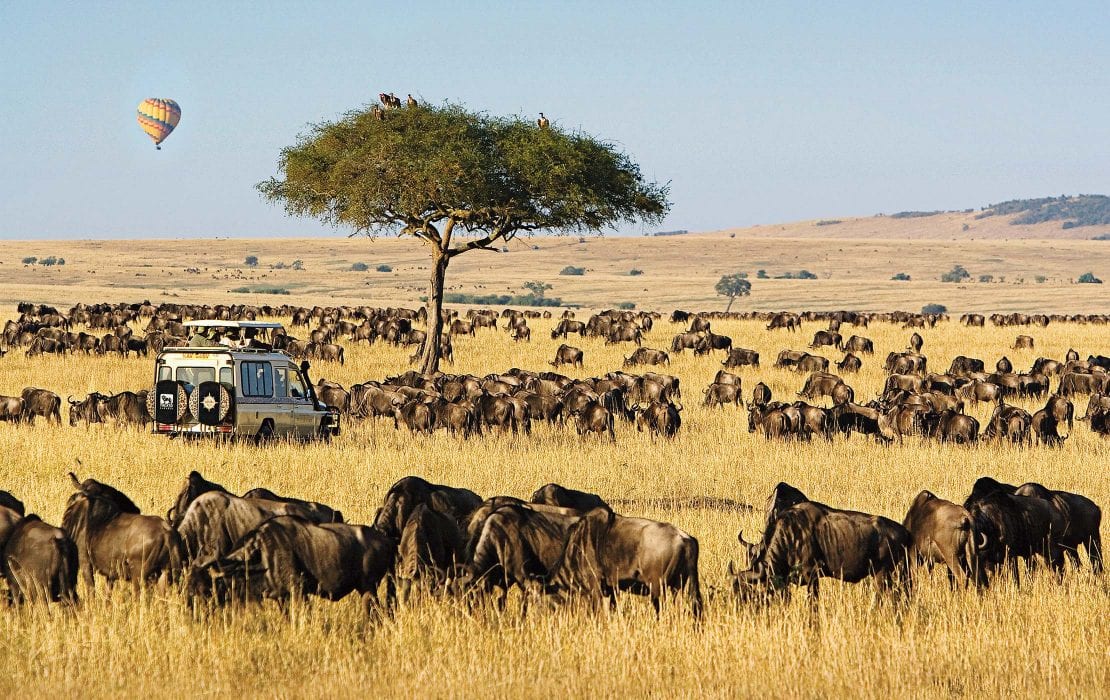
The best time for a 3-day Masai Mara safari is from late June to October, during the long dry season, which offers prime game viewing and coincides with the Great Migration. For the best chance to see the dramatic Mara River crossings, visit between mid-July and October
3-days-budget-masai-mara-safari-tour-package-itinerary
3-days-masai-mara-national-reserve-kenya-safari-tour-package
3-days-fly-in-masai-mara-safari-tour-package
3-days-luxury-masai-mara-kenya-honeymoon-safari-vacation
Key Periods for a 3-Day Safari
- Peak Season (July – October): Best for witnessing the Wildebeest Migration, including river crossings. The weather is dry, and wildlife is easy to spot, but it is also the most crowded time.
- Best Time for Fewer Crowds (Late June / October): Offers excellent wildlife spotting at the beginning or end of the migration season, avoiding the peak tourist traffic of August and September.
- Calving/Predator Season (January – March): Dry weather makes for good game viewing, and this period is known for high predator activity as herds give birth.
When is the absolute best time to visit the Masai Mara?
While the Mara is a year-round destination, July to October is widely considered the absolute best time for a visit. This is the dry season, characterized by cool, crisp mornings and warm, sun-drenched afternoons. The lack of rain causes the grass to recede, making wildlife much easier to spot against the golden savannah. More importantly, this window coincides with the Great Migration, when the land is flooded with over a million wildebeest and zebras. It is the quintessential "National Geographic" experience, where the air is thick with dust and the sounds of life, offering the most reliable and high-density wildlife viewing on the planet.
When is the Wildebeest Migration in the Mara?
The clock of the migration is set by the rains. Usually, the first herds begin to trickle into the Mara from the Serengeti by late June. By July and August, the "super-herds" have arrived, and the dramatic Mara River crossings begin in earnest. The herds remain in the Mara through September and into October, grazing on the lush grasses before the scent of rain in the south draws them back toward Tanzania. This four-month window is a period of high drama, where the abundance of prey leads to incredible interactions with the park’s famous lion prides and leopard populations.
Is a 3-day Masai mara trip enough for a safari?
A 3-day safari is a popular and effective way to experience the Mara, especially for those with limited time. While it may seem short, the high density of wildlife means you can see a staggering amount in a few game drives. Typically, a 3-day itinerary involves an afternoon drive on arrival, a full day of exploration (often reaching the Mara River), and a final sunrise drive before departure. It is a "high-intensity" introduction to Africa that hits the main highlights—the Big Five, the vast landscapes, and the incredible birdlife—leaving you with a profound sense of the wilderness.
When is the best time for predator sightings?
While predators like lions, leopards, and cheetahs are territorial and present year-round, the July to October window offers the highest action. Predators are opportunists; when over a million herbivores arrive on their doorstep, they go into overdrive. This is the best time to witness a hunt or see large prides interacting. The shorter grass during these dry months also means you are more likely to spot a leopard draped over a limb or a cheetah scanning the plains from a termite mound. If your goal is to see the "Big Cats" in action, this is your time.
Which months should I avoid due to heavy rain?
April and May are the peak of the "long rains" in Kenya. During this time, the sky often opens up in the afternoons with powerful, dramatic downpours. These months are generally avoided by those who prefer predictable logistics, as the black cotton soil of the Mara can become slippery and challenging for vehicles. However, for the intrepid traveler, this period offers a different kind of beauty: total solitude. The park is empty of crowds, the air is washed clean of dust, and the landscape is a vibrant, electric green. It is a time for slow, mindful travel, provided you are in a sturdy 4x4 with an expert driver.
Is it possible to see animals during the rainy season?
Yes, the "Green Season" (November to early December and March) is a favorite among safari connoisseurs. After the rains, the Mara transforms into a lush, flowering garden. Wildlife is abundant, and because there is plenty of water and food, the animals are in peak physical condition. Newborns are common during this time, particularly among the gazelles and topis. While navigating can be a bit more tactical than in the height of the dry season, the reward is a sense of exclusivity and a landscape that feels fresh, fertile, and deeply alive.
When are the best prices available?
For the budget-conscious traveler, the Low/Green Season (March–May and November–early December) is the "golden ticket." During these months, many of the luxury lodges and tented camps offer significantly reduced rates—sometimes up to 40% off peak-season prices. Beyond the financial savings, you avoid the "safari traffic" that can occur during the migration. You can spend an hour at a lion sighting without another vehicle in sight, turning a standard game drive into a deeply personal and private encounter with nature.
When is the best time for photography?
Photography in the Mara is a tale of two seasons. The dry season (July–October) is preferred for its "clean" action shots and the iconic golden-hour light that filters through the dust, creating a soft, ethereal glow. However, the green season offers something the dry season cannot: contrast and drama. The deep greens of the grass against a bruised, stormy sky make for incredibly powerful compositions. The lack of dust also means your telephoto shots will be sharper. Ultimately, the dry season is for "action," while the green season is for "atmosphere."
When is the best time for bird watching?
Bird lovers should point their compass toward the rainy months. From November to April, the Mara becomes a bustling hub for migratory birds from Europe and North Africa. The landscape is in bloom, providing ample food for a dizzying array of species. You can spot everything from the majestic Martial Eagle to the vivid Lilac-breasted Roller in their brightest breeding plumage. The presence of water in the seasonal pans also attracts waterbirds and waders, making this the most diverse time of year for any enthusiast with a pair of binoculars.
What is the weather like in the dry season?
The weather during the dry season is remarkably pleasant. Because the Masai Mara sits at a high altitude (around 1,500 meters), it rarely feels oppressively hot. Days are typically warm and sunny, with temperatures hovering between 20°C and 27°C. However, the mornings and evenings can be surprisingly chilly, often dropping to 12°C. This "layering weather" is perfect for safari—start with a heavy fleece during the sunrise drive and strip down to a light shirt by midday. It is a comfortable, temperate climate that makes long hours in an open vehicle very enjoyable.
Are mosquitoes a problem during the dry season?
A common question involves the "buzz" in the air. Mosquito levels are significantly lower during the dry season (July–October) because there is less standing water for breeding. However, the Mara is a tropical environment, and mosquitoes are a year-round reality. While they are rarely a "problem" in the sense of ruining a trip, precautions are essential. Most camps provide mosquito nets and repellent, and wearing long sleeves during the "magic hour" of sunset is a simple way to stay comfortable while enjoying your sundowner.
Is it better to stay in a lodge or tented camp for 3 days Masai Mara?
For a 3-day trip, the choice between a lodge and a tented camp depends on the "texture" of the experience you want. Lodges are typically permanent structures with solid walls, offering a more hotel-like feel and often more amenities like swimming pools. Tented camps, however, offer the quintessential safari experience. These are luxury tents with en-suite bathrooms and real beds, but the canvas walls allow you to hear the night—the whoop of a hyena or the distant roar of a lion. For a short stay, a tented camp often helps you feel "immersed" in the wild more quickly.
Do I need to book in advance?
If you are eyeing a trip during the Great Migration (July to October), the rule is simple: book early. The most popular camps and those situated near prime river-crossing points often fill up six to twelve months in advance. Because the Mara has strict regulations on the number of beds allowed in certain areas to prevent overcrowding, "last-minute" deals during the peak season are rare. Planning ahead ensures you get the location you want, which is the most critical factor in seeing the migration's most dramatic moments.
Is the Mara crowded in peak season?
It is important to be realistic: the Mara is crowded during the peak migration. Because the river crossings are so spectacular, they act as a magnet for vehicles. You might find yourself sharing a crossing sighting with twenty other jeeps. However, the Mara is vast. A skilled guide can easily take you away from the "honey pots" to find private sightings of leopards or elephants in the quieter corners of the conservancies. The "crowd" is a small price to pay for witnessing one of the seven natural wonders of the world.
What is the best time of day to do a game drive?
The animals of the Mara don't follow a clock, but they do follow the sun. Early mornings (leaving just as the sun peeks over the horizon) are the best for seeing predators while they are still active and cool. The light is also soft and perfect for photos. Late afternoons, as the heat of the day breaks, are another peak time for activity. Midday is usually "siesta time," where animals (and humans) retreat to the shade. A typical day involves these "edge of day" drives, with a long, lazy lunch in between to soak in the sounds of the African bush.
Booking 3 days Masai mara Kenya safari with us Roads of Adventure safaris
Book a 3-day Maasai Mara Road safari with Roads of Adventure Safaris for an immersive, budget-friendly experience starting at roughly $300-$500 per person. Packages typically include transport from Nairobi, expert guiding, accommodation, and meals, offering prime opportunities to view the Big Five
