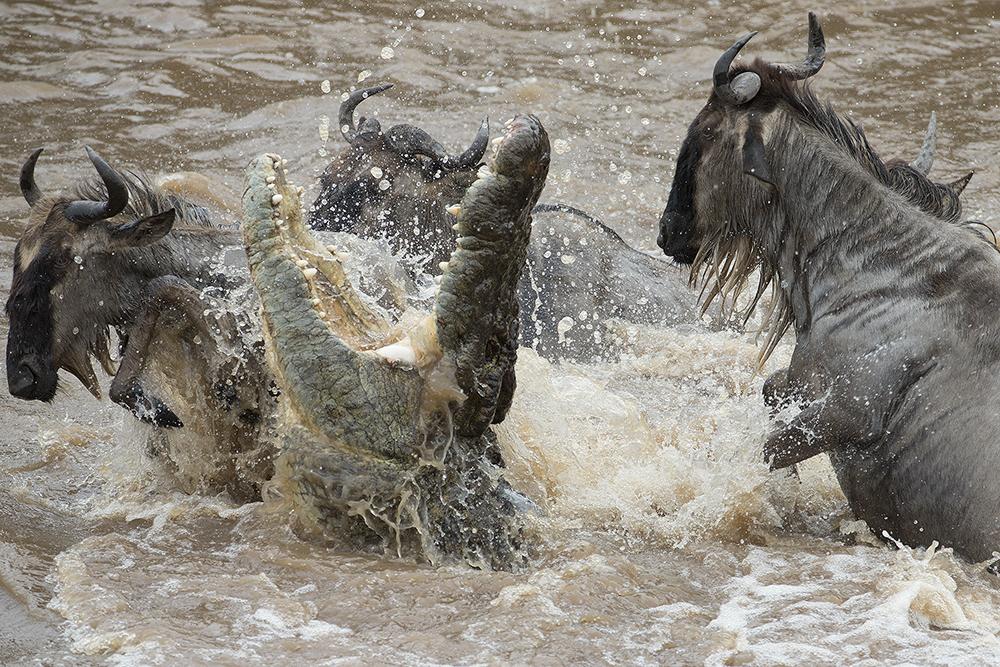
August is widely considered the best and most reliable month for dramatic Mara River crossings, with peak action occurring from early to late August. While crossings can happen from late June through October, August offers the highest probability of seeing herds in the Northern Serengeti/Maasai Mara, featuring intense predator action and massive, chaotic, and dramatic crossings.
15-days-africa-big-cats-safari-kenya-tanzania-safari-and-zanzibar-beach-holidays
12-days-best-tanzania-and-kenya-safari-combo-itinerary
10-days-ultimate-budget-tanzania-safari-holiday-vacation
9-days-luxury-family-tanzania-safari-in-africa-holiday-vacation
8-days-7-nights-midrange-safari-in-tanzania-northern-circuit-parks
Best Time to Book: The first three weeks of August
Booking a safari for the first three weeks of August positions you at the heart of one of the most dramatic spectacles in African wildlife — the peak river crossings during the Great Migration. In many years the timing of the Mara River crossings clusters around late July through August, with early to mid-August frequently delivering the highest probability of witnessing large-scale, multi-species crossing events. This concentration of activity arises because vast herds of wildebeest and zebra converge on the northern Serengeti plains and the Mara River corridor after the long trek from the southern Serengeti’s calving grounds. As the herds arrive in numbers, the pressure to cross swells and river-crossing attempts—and successful crossings—increase.
From a logistics standpoint, August is peak season. Expect higher demand for lodges, tented camps, and vehicle-based guiding services in prime Northern Serengeti (Kogatende) and bordering Maasai Mara areas. Advance reservations are strongly advised — ideally several months to a year ahead for the most sought-after properties and specialized migration-focused guides. Rates are often at their seasonal high; however, the payoff is a greater likelihood of close encounters with large crossing events, dramatic predator–prey dynamics, and extended viewing windows as multiple herds attempt the river.
Weather in August tends to be relatively cool and dry compared with wet-season months, improving game-viewing conditions and reducing road and trail challenges. Mornings and evenings are crisp, so warm layers are recommended. Photographers benefit from clear light and dust-hazed atmospheres that add drama to images but should expect long hours of focused observation — patience often rewards you with the crossing spectacle. Ultimately, selecting the first three weeks of August maximizes your statistical chance of observing the iconic river crossings and their intense wildlife interactions, provided you secure reputable guiding and flexible scheduling to follow the herds’ shifting patterns.
What to Expect: Thousands of wildebeest and zebras, crocodiles and strong currents
Witnessing a Mara River crossing is to observe raw, large-scale natural drama. On crossing days the riverbanks become crowded with vast columns of wildebeest and herds of zebra, often numbering thousands, that mill and surge as groups test the waters, hesitate, or plunge in. The scene alternates between long, patient build-ups and sudden, chaotic sprints when a crossing begins. Herds may circle and attempt multiple crossing points; calves, older animals and weaker individuals add emotional intensity when predators and river hazards are present.
The river itself is a gauntlet. Fast-moving currents and deep channels form natural hazards that can separate animals from their groups. Large Nile crocodiles lie in ambush at favored crossing points; they are capable of seizing young or weakened wildebeest and creating dramatic surface struggles. These encounters provide powerful, sometimes graphic, examples of predator–prey interactions that are a core part of the migration’s ecology. Simultaneously, big-cat predators such as lions and hyenas exploit the congregation of prey along the riverbanks, adding terrestrial hunting pressure.
From a visitor perspective expect both high-intensity action and long periods of watchful waiting. Guides frequently reposition vehicles to follow the most promising movement lines, and patience is essential; successful crossings can unfold suddenly after hours of buildup. The auditory landscape is compelling: animal vocalisations, hooves thunder, birds wheel overhead, and the river’s roar underscores the visual drama. For photographers, the scene provides incredible opportunities: wide panoramas of sweeping herds, intimate action shots of animals mid-leap, and tense close-ups of crocodile lunges — but also logistical challenges in exposure and timing.
Safety and ethics matter: vehicles must keep respectful distances, and visitors should never attempt to intervene. Viewing from well-positioned vehicles, with experienced guides who understand animal behavior, optimizes both safety and the chance of witnessing the epic and elemental scenes that define the Mara crossings.
Alternative Months: Late July and September
While early-to-mid August often delivers the densest crossing activity, both late July and September are excellent alternatives that can offer nuanced advantages. In late July the leading edge of the migration typically arrives in the northern corridors, meaning there are frequent crossing attempts as herds settle into river-edge grazing and test various crossing points. Late July can be slightly less crowded than peak August, which may afford better vehicle positioning, a quieter safari experience, and still-strong chances for spectacular river action.
September represents the trailing edge of intense migration movement across the northern ecosystem. Herds frequently continue moving between prime grazing grounds on both sides of the border, and you can witness different behavioral dynamics: many animals begin moving back toward the southern plains as the season shifts. September’s advantage is that the crossings can be more dispersed in time and space, which sometimes allows for prolonged, repeated viewing of the same herds as they move within the northern plains. Accommodation availability and guiding logistics can also be somewhat more flexible than peak August, and temperatures typically begin to warm, producing clearer skies and dramatic light for photography.
Each month carries trade-offs: July may present slightly chillier mornings and fewer crowds; August maximizes crossing probability but requires early booking; September can provide sustained viewing as the migration continues to move, with the benefit of slightly milder visitor numbers and more flexible travel arrangements. Your choice should balance priorities — witnessing the biggest river spectacles, enjoying quieter viewing conditions, or scheduling flexibility — and be informed by real-time reports from operators and guides who track herd movements daily.
Location: Northern Serengeti (Kogatende area) and the Maasai Mara
The geography of the Great Migration makes location critical to maximizing your encounter with river crossings. Two focal regions dominate crossing activity: the northern Serengeti’s Kogatende sector and the adjoining Maasai Mara in southwestern Kenya. Kogatende, on the eastern bank of the Mara River in the Northern Serengeti, is a hotspot during the peak crossing window because migrating herds funnel through its plains en route between seasonal grazing areas. Camps and lodges in Kogatende are strategically positioned for rapid access to likely crossing points, allowing guides to capitalize on herd movements and offer close, sustained observation.
The Maasai Mara, on the Kenyan side, is equally iconic. Its riverine habitats and broad plains create classic crossing scenes, and the Mara’s conservancies and national reserve have an extensive safari infrastructure that accommodates large numbers of visitors. Crossings here are often dramatic and highly photographed; the Mara’s road networks can enable quicker repositioning among vantage points during active crossing periods.
Choosing between Kogatende and the Maasai Mara depends on logistics, visa and border considerations, and what kind of safari experience you prefer. Kogatende offers a more remote, focused migration-centric base with fewer lodges but close proximity to specific crossing sites. The Maasai Mara provides a wider range of accommodation tiers, established photographic hides, and a denser concentration of safari operators. In practice many operators use both sides of the border — following herds flexibility — so booking with experienced migration-focused guides who monitor real-time herd movements is the best way to ensure you’re in the right place at the right time.
Are crossing possible in July?
Yes, crossings are indeed possible in July as the wildebeest herds begin their journey north from the southern Serengeti towards the Masai Mara. This month marks the start of one of the most anticipated phases of the Great Wildebeest Migration, as thousands of wildebeests, along with zebras, move towards the river in search of fresh grazing grounds.
While not every day guarantees a crossing, the likelihood increases significantly as the herds congregate at the Mara River. July is an exciting time for safari-goers, as the migration starts to build momentum, and the animals prepare to brave the river’s treacherous currents. The anticipation of witnessing these crossings draws visitors from around the globe, making it a thrilling experience.
During this month, the riverbanks are often populated with scoring safari vehicles filled with eager tourists, all hoping to capture the dramatic moments when the wildebeests plunge into the water. While this means a bustling atmosphere, July offers ample opportunities for fantastic wildlife viewing and photography.
As herds arrive, you may observe them nudging closer to the river, often hesitating for various reasons, including the presence of crocodiles lurking in the water. With patience and persistence, visitors can witness the extraordinary spectacle of nature as the wildebeests navigate the dangerous crossing. July provides an unparalleled experience, combining the raw beauty of the African wilderness with the thrill of witnessing one of nature’s most dramatic events, setting the stage for an unforgettable safari adventure.
How good is September for crossings?
September is an excellent month for witnessing wildebeest crossings, often regarded as one of the best times to observe this incredible natural phenomenon. During this period, the herds are frequently observed crossing back and forth between the Masai Mara and the Serengeti, providing multiple opportunities for breathtaking viewing experiences. This eastward migration leads to more frequent crossings, offering both safari veterans and newcomers the chance to witness the wildebeests in action.
One of the advantages of visiting in September is that, compared to the busy peak months of July and August, there tends to be less crowding at popular crossing points. While popular places can still draw tourists, the overall visitor numbers are often reduced by this time of year, allowing for a more intimate experience with nature. This less crowded environment enhances the overall enjoyment, allowing you to focus on capturing stunning photographs without the distraction of too many safari vehicles.
Additionally, September often features less dramatic weather, creating suitable conditions for observing wildlife behavior and photography. With plentiful vegetation and game still on the move, September offers a rich and diverse viewing experience beyond river crossings. Visitors can see a high density of predators, including lions and crocodiles, monitoring the migration paths for potential prey.
In summary, if you're considering timing your safari to witness the migration, September is an optimal choice, combining good crossing opportunities with fewer tourists, making it a rewarding adventure that immerses you in the heart of the extraordinary Wildebeest Migration.
Can I see crossings in October?
Yes, you can still see crossings in October, but they tend to be less consistent compared to the peak months of July and August. By October, the wildebeest migration signifies a transition as the herds begin their return journey to Tanzania. This gradual shift means that while crossings can still occur, they may not happen as frequently or predictably as they do earlier in the season.
During this time, many herds have crossed the Mara River, settling into the lush pastures of the Masai Mara for feeding and resting. However, as the month progresses, the routines of the wildebeests start to change as they prepare for the journey back toward the Serengeti. The behavior of the herds can become sporadic, with some groups migrating back across the river as they search for fresh grazing land.
For safari enthusiasts, witnessing a river crossing in October is still an exhilarating experience, but it's essential to understand that the dynamics of the migration are shifting. The river may see fewer crossings, with the avoidance of crocodiles becoming evident as the animals grow more cautious. The focus during this month often shifts to observing the remaining wildebeests, potential predator interactions, and the overall landscape.
While visiting in October may not guarantee dramatic crossings, it provides a unique opportunity to witness the concluding stages of the migration. This makes it a compelling time for photographers interested in capturing the aftermath of the migration, highlighting both the beauty of the landscape and the diverse wildlife that remains active in the region.
When is the absolute peak of the migration in the Mara?
The absolute peak of the migration in the Masai Mara occurs in mid-August, making it statistically the most favorable time to witness the dramatic wildebeest crossings at the famed Mara River. During this month, the herds are typically at their largest and most active, creating spectacular sights as thousands of wildebeests and zebras navigate the treacherous waters.
August is marked by a significant buildup in crossing events, as the wildebeests have arrived from the southern Serengeti and are keenly seeking fresh grazing areas in the Mara. This period features intense moments characterized by the dramatic struggle of wildebeests leaping into the river, fighting strong currents, and evading lurking crocodiles—all elements that contribute to the thrilling spectacle that draws many safari-goers.
At this time, the atmosphere around key crossing points can be particularly exhilarating, as multiple vehicles gather to watch the drama unfold. The excitement peaks as many herds attempt the crossing, and photographers have numerous chances to capture stunning action shots. However, this popularity also means that these areas can be crowded, with numerous safari vehicles vying for the best viewing spots.
Despite the crowds, witnessing a crossing during mid-August is unparalleled, as the sheer scale and energy of the massive herds create an unforgettable experience. For anyone looking to capture nature's raw beauty, mid-August offers the highest probability of experiencing the great wildebeest migration at its most spectacular, marking it as a must-visit time for safari enthusiasts. The combination of wildlife action and environmental beauty makes this one of the highlights of any African safari adventure.
Are crossings guaranteed if I visit in August?
While visiting in August offers one of the highest probabilities of witnessing wildebeest crossings during the migration, it's crucial to understand that crossings are not guaranteed. The nature of the migration is inherently unpredictable. Although August is statistically the peak month for crossings, various factors influence when and where the wildebeests choose to cross the Mara River.
The dynamics of animal behavior, weather conditions, and river levels all play significant roles in determining crossing events. Herds often display caution, sometimes lingering on the banks for hours before a courageous leader prompts the herd to plunge into the water. As such, while many guests may be lucky enough to witness multiple crossings during a visit, others may leave without seeing one, as no specific schedule exists for these natural events.
The meticulous planning of your safari experience can enhance your chances of witnessing crossings, which typically involves spending enough time in the area to capture multiple migration behaviors. It is highly recommended to stay at least four to five days, allowing flexibility for different viewing opportunities and ensuring ample time to witness the spectacle should it occur.
For the best chance at witnessing a crossing during your August safari, consider booking a specialized photographic safari or staying in mobile camps positioned near the riverbanks. This proactive approach improves your likelihood of experiencing one of nature's most exhilarating events while appreciating the overall grandeur of the migration. Ultimately, while no crossing is guaranteed, the anticipation and natural beauty of the experience remain invaluable parts of a safari adventure.
What is the best time of day to witness a crossing?
The best time of day to witness a wildebeest crossing at the Mara River can be unpredictable, as crossings may occur at any time. However, many experienced safari-goers suggest that early mornings and late afternoons provide the best opportunities for observing these dramatic events. These times are not only cooler, making animals more active, but they also coincide with natural lighting conditions that enhance photography.
Mornings often see herds grazing and moving toward the riverbanks. This is a crucial time to observe groups of wildebeests gathering, as they may hesitate on the banks while assessing the dangers of crossing, such as lurking crocodiles. The anticipation builds during this period, offering a dynamic viewing experience as the animals strategize.
In contrast, late afternoons can produce similar opportunities. After a day of grazing, many herds might make a final effort to cross before the sunset. The softer light during these hours can create beautiful photographic opportunities as the animals navigate the river against the backdrop of a setting sun.
Regardless of the time, witnessing a river crossing often requires patience. It is common for wildebeests to linger and hesitate at the water’s edge, so maintaining a calm and observant demeanor is key. Camps or lodges near the river offer great vantage points for watching and waiting, complementing the thrill of the experience.
Thus, while early mornings and late afternoons are generally the most favorable times, the unpredictability of nature means that any moment spent at the river could present a spectacular crossing event, making every safari hour precious in this breathtaking environment.
Which side of the river is better to stay on?
When planning your safari to witness the wildebeest migration, one of the critical decisions is determining which side of the river to stay on. Both the Tanzanian side (Northern Serengeti/Kogatende) and the Kenyan side (Masai Mara) have their unique advantages.
Staying on the Tanzanian side, particularly in the Kogatende area, offers direct access to the Mara River, enabling quick movement to prime crossing points. This region is known for its fewer tourists and expansive wilderness, providing a more serene experience. Additionally, the private conservancies in the Masai Mara grant exclusive access to prime viewing locations, often away from the crowds. Here, you can enjoy the thrill of the crossing while having ample opportunities for wildlife encounters without competing for space with other vehicles.
On the other hand, the Kenyan side has the advantage of being closer to the river's most well-known crossing points, where crossings are frequently observed. The proximity to established accommodations in the Maasai Mara can also offer more amenities and services. However, popularity brings larger crowds, particularly during peak migration periods, which can affect the overall experience.
Ultimately, the choice depends on your preferences for the type of safari experience you want. If solitude and access to less commercialized viewing spots are priorities, consider staying on the Tanzanian side. Conversely, if you are eager to maximize crossing opportunities and engage in a wide array of activities, the Kenyan side might be more suitable. Either choice promises to deliver unforgettable moments during your wildebeest migration adventure.
What makes the crossing so dramatic?
The drama of the wildebeest crossing at the Mara River is unmatched in the natural world, making it a highlight for any safari-goer. Several factors contribute to this extraordinary spectacle, foremost being the sheer number of wildebeests involved. Thousands of these animals plunge into the river simultaneously, creating a powerful wave of movement that captivates viewers.
The strong currents of the Mara River add intensity to the experience, as the wildebeests must fight against the water's strength to reach the opposite bank. This challenge, together with the risks presented by crocodiles lurking below the surface, raises the stakes significantly. These predators wait patiently, ready to strike as vulnerable wildebeests attempt the crossing. Witnessing the struggle for survival can evoke a mixture of awe and tension, as viewers see the raw realities of nature unfold before them.
Additionally, the emotional weight of the crossing cannot be understated. Each herd resembles a bustling city, with young calves and protective mothers navigating the treacherous course through the currents. The calls and noises generated by the herd amplify the drama of this scene, creating an energetic ambiance that is hard to replicate elsewhere.
Moreover, the setting itself—the lush, verdant banks juxtaposed against the turbulent waters—adds to the visual impact. The contrast between the animals’ frantic movements and the serene environment enhances the sense of drama and urgency.
In summary, witnessing a wildebeest crossing is not just a simple viewing of an animal migration; it is an unparalleled experience filled with raw emotion, high stakes, and natural beauty, making it one of the most dramatic spectacles on Earth.
Do they cross every day?
No, the wildebeests do not cross every day, as their migration behaviors are influenced by a variety of factors. Although large groups of wildebeests gather near the riverbanks, these animals often spend several days grazing, assessing conditions, and waiting for a "courageous" leader to initiate the crossing. The dynamics of migration can involve long periods of observation and hesitation before the herd commits to plunging into the river.
The timing of crossings can be unpredictable due to the need to assess the situation at the river. Conditions such as the presence of predators like crocodiles, water level fluctuations, and the overall safety of the environment play significant roles in their decision-making behavior. Wildebeests are social animals that rely heavily on group behavior, making the timing of their crossings contingent not only on individual animals but on collective courage.
Moreover, the ebb and flow of the migration are impacted by weather conditions and food availability. Even if animals are physically present at the river, their instincts may compel them to wait until they feel assured of safety and the right conditions.
Therefore, while crossings do occur throughout the migration season, they may not be as frequent as one might hope or expect. Observers are encouraged to depend on patience and adaptability, recognizing that the crossing is a natural process shaped by instinct and environmental cues. The excitement of waiting for these unpredictable moments adds to the allure of the wildebeest migration experience.
Are the crossings only in one direction?
During the migration season, wildebeest crossings are not limited to one direction. In fact, as the migration unfolds, particularly in September and October, herds frequently cross back and forth between Kenya and Tanzania. This behavior is part of their search for fresh grazing land and water sources, influenced by the availability of resources and environmental conditions.
Initially, the wildebeests move north across the Mara River from Tanzania into the Masai Mara in search of lush pastures. The first major crossings often occur in July and August, when the herds migrate towards the river. However, by September, the migration pattern evolves. As the herds settle into their new grazing areas, they may backtrack to the river for various reasons.
The propensity for crossing in both directions emphasizes the unpredictable nature of the migration. Factors such as changes in grass quality, water availability, and threats from predators can motivate the herds to move back to previously crossed areas. Observing this dynamic movement provides an exciting opportunity for safari-goers to witness the behavior of the wildebeests as they adapt to their surroundings.
This back-and-forth crossing not only adds layers to the migration spectacle but also creates more chances for visitors to enjoy the excitement of witnessing group dynamics and natural survival instincts. As such, experienced safari-goers may plan their visits to coincide with these critical crossing periods, ensuring a comprehensive experience while engaging with one of nature's most stunning phenomena.
What is the best way to see the crossing?
The best way to see the wildebeest crossings at the Mara River is to book a specialized photographic safari or stay in a mobile camp located near the riverbanks. These options maximize your chances of witnessing this breathtaking event while offering exceptional viewing experiences.
A specialized photographic safari is tailored to enhance your ability to capture stunning images of the crossings. This type of safari typically involves smaller groups, allowing more flexibility for positioning at prime vantage points. Experienced guides accompany photographers, providing insights on the best times and angles for shooting. Their expertise can help you anticipate animal behavior and positioning, increasing your likelihood of capturing those memorable moments.
Alternatively, staying in a mobile camp situated close to the river provides unmatched access to crossing points. Mobile camps are designed to move with the migration, allowing visitors to remain near areas where crossings are most likely to occur. These camps often have experienced staff that is knowledgeable about the migration patterns, so you can rely on them to guide you to the best observation sites.
Additionally, choosing a camp or lodge located in exclusive concession areas can significantly reduce competition from other safari vehicles, making for a more intimate and immersive wildlife experience. Quiet observation enhances the thrill of watching the crossings unfold.
Ultimately, to optimize your wildebeest migration experience, a combination of specialized knowledge, strategic accommodations, and patience will yield the most rewarding outcomes, allowing you to fully appreciate one of the most remarkable natural phenomena on Earth.
What else can I see in August besides the river crossing?
In addition to the wildebeest river crossings, August offers a wealth of wildlife encounters and natural spectacles in the Masai Mara. During this period, the high density of predators following the migrating herds becomes particularly prominent, providing exhilarating opportunities for wildlife observation.
As wildebeests and zebras move towards the river, predators like lions, crocodiles, and hyenas also take advantage of this abundance of prey. Watching lion prides strategizing on how to ambush unsuspecting herbivores offers a thrilling dimension to your safari experience. The dramatic interactions between predators and prey make for captivating wildlife photography and the ultimate showcase of nature's survival dynamics.
Moreover, August sees the presence of many resident species, including elephants, giraffes, buffalo, and various antelope. The diverse ecosystems of the Masai Mara provide habitats for an array of bird species as well. With the ecosystem in full bloom and abundant wildlife, August is a fantastic time for game drives, nature walks, and even hot air balloon safaris.
Visitors can also engage with the Maasai community, participating in cultural experiences that highlight local traditions and ways of life. Such interactions create well-rounded safari experiences, fostering a deeper appreciation of the region's rich cultural heritage.
Booking Wildebeest migration in Tanzania with us Roads of Adventure safaris
Book your unforgettable Great Wildebeest Migration safari with Roads of Adventure Safaris to witness over 1.5 million wildebeest and zebras crossing the Serengeti plains and Mara River. Our expert-guided 7-day tours include Ngorongoro Crater and Tarangire, offering prime viewing opportunities. We specialize in private 4x4, comfortable lodging, and personalized service to ensure a safe, breathtaking adventure
