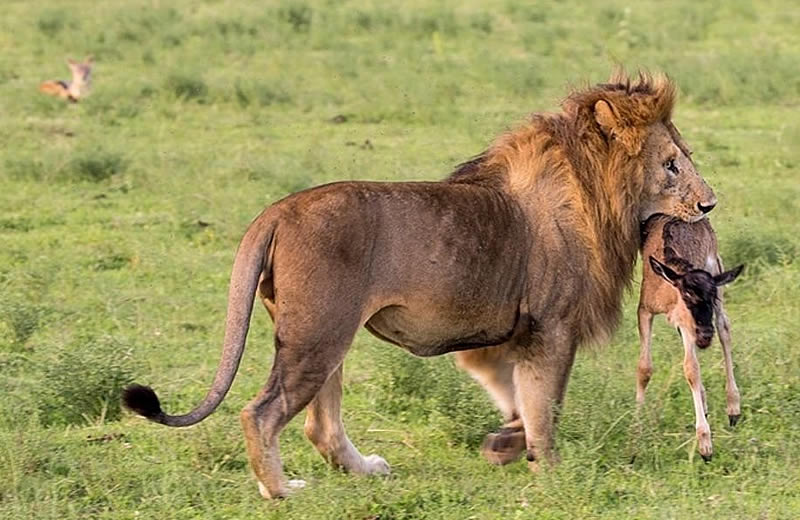
An 8-day Tanzania wildlife and cultural safari offers an immersive journey through the Northern Circuit, featuring game drives in the Serengeti, Ngorongoro Crater, and Tarangire, alongside Maasai or Hadzabe cultural encounters. Expect to see the Big Five, witness great migration herds, and explore diverse landscapes, usually starting from Arusha
8-days-budget-tanzania-safari-tour-holiday-vacation
8-days-tanzania-safari-tour-to-nyerere-mikumi-udzungwa-and-ruaha-national-parks
8-days-great-mara-river-crossing-hadzabe-tribe-and-optional-hot-air-balloon-tanzania-safari
8-days-lemosho-route-kilimanjaro-climb
8-days-best-tanzania-wildlife-safari-to-zanzibar-beach-holiday-combined
8-days-best-tanzania-wildlife-safari-to-zanzibar-beach-holiday-combined
Wildlife Viewing
Expect exceptional wildlife density and classic safari spectacles in the regions referenced. Game viewing in places like the Serengeti and Ngorongoro Crater is characterized by concentrated animal activity shaped by seasonal movements and reliable water sources. In the Serengeti, vast herds of wildebeest and zebra move with the rains, and their migrations attract large carnivores—lions, leopards, and cheetahs—that follow or stalk across the plains. The Ngorongoro Crater, a collapsed volcanic caldera, creates a natural amphitheater where resident populations of elephants, rhinos, buffalo, and many antelope species concentrate in a confined area, increasing sighting odds and making it an excellent spot for observing predator-prey interactions. Tarangire’s acacia woodlands and riverine corridors support some of East Africa’s largest elephant herds; large baobab trees punctuate the landscape and offer a dramatic backdrop for photographic compositions.
Viewing success depends on timing and guide expertise. Early mornings and late afternoons are prime times when predators are most active and temperatures are comfortable for both animals and visitors. Guides use knowledge of seasonal patterns, waterhole locations, and radio networks to locate big cats and other species efficiently. Weather influences behavior—during dry seasons animals cluster around diminishing water, making sightings denser; in wetter months they disperse with the vegetation, offering different but rewarding viewing as migratory species pass through.
Ethical wildlife viewing matters: maintain respectful distances, minimize noise, and follow your guides’ instructions to avoid disturbing animals. Consider guided walking safaris or night drives where permitted to experience different taxa and behaviors not visible from vehicles. For photographers, bring a range of lenses (a fast telephoto for predators, a wide-angle for landscapes) and expect to adapt quickly to changing light. With patience, knowledgeable guides, and realistic expectations, wildlife viewing in these ecosystems delivers unforgettable encounters with an impressive array of large mammals and birdlife.
Cultural Immersion
Cultural experiences enrich a safari by connecting visitors with the people whose lives are intertwined with the landscapes they visit. Expect structured, respectful interactions with traditional communities such as Maasai, Hadzabe, Datoga, or other local groups who offer insights into cultural practices, livelihoods, and adaptive strategies in semi-arid or highland environments. Maasai visits often include traditional dancing demonstrations, beadwork displays, and homestead (boma) tours where hosts explain pastoral life, cattle-keeping customs, and the centrality of livestock in social organization. These visits are typically staged to be educational and mutually beneficial; reputable operators ensure payments or contributions go directly to host families or community projects and that visits are pre-arranged with consent.
Lake Eyasi provides a chance to learn about hunter-gatherer lifeways through carefully managed encounters with Hadzabe bushmen—demonstrations might include hunting techniques, fire-making, foraging knowledge, and storytelling that convey deep ecological knowledge. Datoga blacksmith visits showcase metalworking traditions where artisans fashion tools and ornaments using longstanding techniques. Participate in hands-on demonstrations where allowed, such as learning to make simple crafts or trying traditional medicinal plant identification under guidance.
Cultural immersion should prioritize dignity and reciprocity. Avoid "human zoo" scenarios by selecting operators who support community-led tourism, fair compensation, and transparent benefit-sharing. Ask whether fees fund schools, health clinics, or conservation initiatives. Respect local customs: dress modestly when visiting villages, ask permission before photographing people, and accept that some cultural practices are private. Bring small, useful gifts (school supplies, seeds) only when coordinated with community leaders to avoid creating dependency.
Well-designed cultural visits deepen your appreciation of how human cultures shape and respond to ecosystems, highlight conservation challenges and successes, and foster meaningful exchanges that benefit both visitors and host communities. Engage with humility, listen actively, and reflect on how tourism can support cultural resilience alongside wildlife conservation.
Scenic Highlights
Scenic highlights on classic East African safaris range from crater rims and volcanic highlands to expansive savannahs, seasonal wetlands, and dramatic lakeshore systems. The Ngorongoro Crater presents one of the continent’s most striking geological features: a vast, intact caldera ringed by steep walls that drop to a verdant floor dotted with wildlife. From viewpoint rims, the panorama of the crater basin—its contrasting green interior, scattered acacias, and congregations of animals—creates a compact and photogenic ecosystem. Volcanic landscapes often include jagged peaks, gorges, and hot springs that tell geological stories and offer dramatic backdrop light for sunrise and sunset photography.
The Serengeti’s endless plains define the quintessential safari aesthetic: golden grass interrupted by kopjes (rocky outcrops) that host predators and provide vantage points for surveying the horizon. The seasonal migration adds a temporal dimension to the scenery—thundering herds crossing rivers, dust-laden horizons, and vast open skies reinforce the scale and dynamism of the landscape. Tarangire’s mix of open floodplain, riverine forest, and iconic baobab-studded terrain provides varied photographic motifs and substantial ecological niches; the baobabs themselves are sculptural elements that punctuate the skyline.
Other notable scenic elements include Lake Natron’s alkaline flats—when in season, the shallow waters support large flamingo flocks whose blush color contrasts with stark, mineral-rich shores and nearby volcanic escarpments. Waterfalls and escarpments in highland forests offer cool, lush counterpoints to lowland savannahs. Dawn and dusk light dramatically enhance textures and silhouettes; plan key drives for these hours when the landscape’s colors and shadows are most evocative.
To maximize scenic appreciation, combine game drives with dedicated photo stops, short walks where permitted, and viewpoints at dawn or sunset. Use varied lenses to capture sweeping panoramas and intimate animal-in-habitat shots. Beyond photography, take moments to absorb the scale: listen to wind across the plains, watch cloud shadows move across the crater, and watch birds trace the thermals—these sensory experiences define the memorable scenic highlights of a safari.
Activities
Safari activities typically center on game drives but diversify to include walking safaris, boat cruises, cultural visits, birding excursions, and, where available, hot air balloon rides. Daily 4x4 game drives form the backbone of most itineraries, offering access to big-game habitats in the relative comfort of open-sided vehicles. Guides tailor routes and times—early morning and late afternoon drives are best for predator activity and soft, low-angle light for photography. Night drives (where permitted) reveal nocturnal species like genets, civets, and porcupines that are largely invisible during the day.
Guided walking safaris provide a tactile and immersive way to experience ecosystem scale and small-scale biodiversity. Walking with an armed ranger and local guide, you’ll track animal signs, learn about plants and insect life, and gain an intimate appreciation for the bush that vehicle-based viewing can’t match. These guided walks are typically safe, slow-paced, and educational, with strict protocols to mitigate wildlife risk.
Boat cruises on lakes and rivers add aquatic and waterbird viewing opportunities; on places like Lake Ihema, boat-based safaris allow close-up views of hippos, crocodiles, and wading birds without disturbing the shore-based wildlife. Birding-focused excursions cater to enthusiasts: early starts, point counts, and targeted habitat visits (papyrus swamps, riverine forests) increase chances of seeing specialty species.
For a once-in-a-lifetime perspective, sunrise hot air balloon rides over the Serengeti combine aerial vantage points with dramatic lighting, followed by champagne breakfasts in the bush. Community and cultural activities—Maasai visits, market tours, and cooperative workshops—complement wildlife pursuits and provide socioeconomic context.
Safety and permits govern many activities; walking safaris require experienced guides and often exclude areas with dangerous large mammals. Activity choice should reflect fitness, interest, conservation ethics, and seasonality. A well-rounded safari balances active exploration (walks, drives, boat trips) with restorative downtime at lodges, ensuring both adventure and comfort.
Accommodation & Pace
Accommodation on safari spans a continuum from rustic campsites and budget lodges to comfortable mid-range properties and luxurious tented camps. The choice impacts both comfort and how you experience the landscape. Tented camps—often canvas structures with en-suite facilities—offer close-to-nature immersion with comfortable beds, hot showers, and private verandas. Mid-range lodges provide more stable infrastructure, dining variety, and often scenic settings with panoramic views. Luxury camps add bespoke services, gourmet dining, and curated experiences like private game drives or spa treatments.
The pacing of a multi-park safari is a balancing act: maximize wildlife viewing while minimizing travel fatigue. Long drives between regions are common in countries with dispersed parks; smart itineraries stagger activities and include rest or scenic stopovers to break up transit days. Early-morning and late-afternoon game drives are standard, bookending quieter midday periods ideal for relaxation, lodge activities, or cultural visits. Staying inside or on the edge of parks reduces pre-dawn transfer times and enables more time on game drives.
Logistical factors—road conditions, seasonal accessibility, and distance between parks—shape accommodation choices. In remote areas, expect simpler facilities but higher proximity to wildlife; in more developed zones, choose lodges with amenities and shorter transfer times. Many camps and lodges practice sustainable operations—solar power, water conservation, and community engagement—so inquire about environmental credentials when booking.
Comfort also depends on group size and vehicle allocation; smaller groups offer more personalized experiences but can be costlier. Consider luggage restrictions for domestic flights between parks: soft-sided bags are usually required. Finally, allow flexibility in your schedule for unforeseen wildlife opportunities—longer than-planned sightings or conservation activities—so that your safari prioritizes experience over strict timetables. A thoughtfully paced itinerary paired with well-chosen accommodation ensures a rewarding safari that blends adventure, relaxation, and meaningful wildlife encounters.
8 days Tanzania wildlife and cultural experience
Set out on an unforgettable 8 days Tanzania wildlife and cultural experience that blends iconic game viewing with authentic local encounters across northern Tanzania. This 8 days Tanzania wildlife and cultural experience visits classic parks—Tarangire’s elephant-dotted woodlands, the wide-open Serengeti plains for big-cat action, and the Ngorongoro Conservation Area with its dramatic crater—while adding cultural stops to meet Maasai communities and learn traditional lifeways. Designed for a comfortable yet active pace, the 8 days Tanzania wildlife and cultural experience balances early-morning and late-afternoon game drives with relaxed midday breaks and guided village visits. Expert guides will track predators, interpret animal behavior, and introduce you to birds and smaller wildlife that enrich each day. Lodges and tented camps selected for your 8 days Tanzania wildlife and cultural experience provide easy access to park gates and thoughtful local hospitality. Whether you’re a first-time safari traveler or a seasoned enthusiast, this 8 days Tanzania wildlife and cultural experience delivers dramatic landscapes, memorable wildlife sightings, and meaningful cultural exchanges.
Day 1 — Arrival in Arusha & briefing
Arrive in Arusha to begin your 8 days Tanzania wildlife and cultural experience with airport pickup and transfer to your hotel. Use the afternoon for a briefing with your guide who will outline the route, park permits, and safety protocols central to the 8 days Tanzania wildlife and cultural experience. If time allows, visit the Cultural Heritage Centre for crafts or the Arusha National Park gate for an introductory short game drive to stretch legs before the full safari rhythm begins. Dinner at the lodge offers a chance to sample local cuisine and meet other travelers in your group, setting the tone for the 8 days Tanzania wildlife and cultural experience. Ensure equipment is ready—binoculars, camera batteries, and appropriate clothing—so you’re prepared for the pre-dawn starts that maximize wildlife sightings on subsequent days of the 8 days Tanzania wildlife and cultural experience.
Day 2 — Tarangire National Park
Drive to Tarangire National Park as the first major wildlife stop of your 8 days Tanzania wildlife and cultural experience. Tarangire is famed for its large elephant herds, seasonal swamps, and dramatic baobab-studded landscapes—perfect for photography and varied wildlife viewing during your 8 days Tanzania wildlife and cultural experience. Spend the day on guided 4x4 game drives that traverse riverine corridors and open plains; experienced guides use waterhole knowledge to locate concentrations of elephants, buffalo, and possibly big cats. Enjoy a picnic lunch in the park or return to a nearby lodge for a relaxed afternoon. Late-afternoon drives often reveal predators emerging as temperatures cool—an ideal time during your 8 days Tanzania wildlife and cultural experience to watch stalking or feeding behaviors. Overnight near Tarangire positions you well for the next day’s travel toward the Serengeti on this 8 days Tanzania wildlife and cultural experience.
Day 3 — Travel to Serengeti & evening game drive
After breakfast, transfer toward the Serengeti as a centerpiece of your 8 days Tanzania wildlife and cultural experience. Depending on route choices, stop en route for photos and a break before crossing into the Serengeti ecosystem. On arrival, check into your tented camp or lodge and head out for an evening game drive—serenading plains and kopjes set the scene for your 8 days Tanzania wildlife and cultural experience. The Serengeti’s vast landscapes host abundant herbivores and predators; guides position you for sunset light and potential predator activity. Evening drives may reveal lions returning to kills, bat-eared foxes, or hyena packs beginning their nightly routines—an evocative part of the 8 days Tanzania wildlife and cultural experience. Return to camp under star-filled skies and enjoy stories from guides that deepen your understanding of the ecosystem central to this 8 days Tanzania wildlife and cultural experience.
Day 4 — Full-day Serengeti game drives
Spend a full day exploring Serengeti habitats during your 8 days Tanzania wildlife and cultural experience with morning and afternoon game drives targeting resident wildlife and seasonal migration concentrations. Early morning drives increase chances of witnessing predator hunts, while midday offers opportunities for resting at scenic picnic spots before afternoon drives that often produce active sightings as temperatures cool—an essential rhythm of the 8 days Tanzania wildlife and cultural experience. Guides use experience and park radio networks to follow big-cat movements and locate cheetahs on the open plains or leopards in acacia trees. Birdwatchers and photographers appreciate the diversity of plains species and dramatic light conditions that frame intimate animal-in-habitat shots. Return to your camp for dinner and relaxation, reflecting on another immersive day of the 8 days Tanzania wildlife and cultural experience that showcases the Serengeti’s dynamic wildlife theater.
Day 5 — Optional balloon safari & transfer to Ngorongoro
Start the day with an optional sunrise hot air balloon ride—a pinnacle activity in many 8 days Tanzania wildlife and cultural experience itineraries—drifting over the Serengeti at dawn with spectacular aerial wildlife viewing and a champagne breakfast on landing. Afterward, begin the scenic transfer toward the Ngorongoro Conservation Area as you continue the 8 days Tanzania wildlife and cultural experience. Enjoy stops at viewpoints and small towns to stretch and photograph the changing landscapes from open plains to highland escarpments. In the late afternoon, arrive near the Ngorongoro rim and prepare for the crater descent scheduled for the next day; attend briefings on crater rules and conservation notes that matter during your 8 days Tanzania wildlife and cultural experience. Overnight near the rim ensures an easy start and restful evening before the crater exploration.
Day 6 — Ngorongoro Crater full-day safari
Descend into the Ngorongoro Crater for a remarkable full-day game drive, a highlight of the 8 days Tanzania wildlife and cultural experience. The crater’s enclosed geography concentrates wildlife—elephants, black rhinos, buffalo, wildebeest, and diverse antelope species—creating exceptional viewing opportunities during your 8 days Tanzania wildlife and cultural experience. Skilled guides navigate the crater floor to maximize sightings and interpret ecological relationships within this unique microhabitat. Enjoy a picnic lunch at a scenic spot while listening to the sounds of the open grasslands and woodlands that define the crater’s mosaic—a memorable segment of the 8 days Tanzania wildlife and cultural experience. In the afternoon, continue game viewing before ascending the rim at dusk, reflecting on the day’s encounters that illustrate the richness of Tanzania’s conservation landscapes featured in your 8 days Tanzania wildlife and cultural experience.
Day 7 — Maasai village visit & cultural exchange
On day seven of your 8 days Tanzania wildlife and cultural experience, spend time with a Maasai community to learn about pastoral traditions, song and dance, and daily life. These respectful, organized visits showcase beadwork, warrior dances, and fire-making demonstrations designed to educate visitors while providing direct economic benefit to hosts—an essential cultural component of the 8 days Tanzania wildlife and cultural experience. Participate in hands-on activities where appropriate, such as learning to string beads or hearing stories about livestock management and land stewardship that underpin Maasai identity in the 8 days Tanzania wildlife and cultural experience region. Guides will emphasize etiquette—ask before photographing and dress modestly during the visit. After the cultural exchange, enjoy a leisurely drive back to Arusha or your lodge, reflecting on how human traditions and wildlife conservation intersect during the 8 days Tanzania wildlife and cultural experience.
Day 8 — Departure from Arusha
Conclude your 8 days Tanzania wildlife and cultural experience with a relaxed morning in Arusha, time for last-minute shopping at local craft markets, or a visit to a coffee cooperative to taste freshly roasted beans that showcase regional agriculture—small activities that finish the 8 days Tanzania wildlife and cultural experience on a pleasantly local note. Depending on your flight schedule, enjoy a final briefing with your guide to recap highlights, receive photos or contacts, and settle any outstanding arrangements from the trip that shaped your 8 days Tanzania wildlife and cultural experience. Transfer to Kilimanjaro or Arusha airport with ample time for check-in, carrying memories of dramatic landscapes, abundant wildlife, and meaningful cultural exchanges that defined your 8 days Tanzania wildlife and cultural experience. Safe travels, and consider returning—Tanzania’s diversity invites repeat visits beyond this 8 days Tanzania wildlife and cultural experience.
Best itinerary for an 8 days Tanzania wildlife and cultural experience
A well-structured 8-day Tanzania wildlife and cultural experience typically balances wildlife-rich parks with meaningful cultural encounters while minimizing exhausting transfers. A common and effective routing begins in Arusha, the safari capital, and follows a clockwise loop that includes Tarangire National Park (day 2), Lake Manyara (day 3), two full days in the Serengeti (days 4–5), Ngorongoro Crater (day 6), a cultural stop (day 7), and return to Arusha for departure (day 8). Day 1 is arrival and briefing in Arusha, ensuring the group meets guides, confirms permits and gear, and receives safety orientations. Tarangire provides an introduction to large elephant herds, baobab landscapes, and predator searches in a less crowded setting. Lake Manyara offers a contrasting environment: lush groundwater forest, the famous tree-climbing lions, and abundant birdlife. The Serengeti occupies the itinerary’s middle days—two full days here increase chances of finding large predator activity and, depending on timing, witnessing great migration dynamics. Ngorongoro Crater’s enclosed ecology offers concentrated wildlife viewing including rhino sightings if conditions permit. A cultural stop—Maasai boma visit or Hadzabe encounter near Lake Eyasi—wraps the trip with human context. Logistics-wise, plan for park fees, gorilla/other special permits if added, and possible domestic flights to save road time. Lodging can be chosen by comfort level: tented camps near park gates shorten transfer times. The itinerary should include buffer time for unpredictable wildlife sightings and road conditions, and operators should build in flexibility—extended game drives or extra stops—to maximize the safari experience while preserving traveler comfort.
What wildlife will I see during an 8 days Tanzania wildlife and cultural experience?
On an 8-day Tanzania wildlife and cultural experience you can expect a broad cross-section of East African fauna. Core targets are the “Big Five” — lion, leopard, elephant, buffalo, and rhinoceros — though seeing all five depends on park selection and luck: Ngorongoro Crater is a strong candidate for all except leopards which are more elusive, while Tarangire and Serengeti regularly host elephants, buffalo, and lion populations. The Serengeti is the showpiece for carnivores; with skilled guides and radio networks you’ll track lion prides, cheetahs sprinting on open plains, and elusive leopards often perched in trees. Herbivores are abundant: large herds of wildebeest and zebra traverse the Serengeti, giving rise to dramatic predator-prey interactions; giraffes browse acacias across parks; impala, gazelle species, eland, hartebeest, and Thompson’s and Grant’s gazelles are commonly seen. Hippos concentrate in rivers and lakes—especially on boat excursions and in the crater’s wet areas—and Nile crocodiles lurk in larger water bodies. Birdlife is prolific and varied: raptors like martial eagles and secretary birds, waterbirds on Lake Manyara and the crater’s lakes, and specialties like the lilac-breasted roller and the saddle-billed stork. Small mammals, primates (vervet monkeys, baboons), and nocturnal species (genets, aardvarks in rare cases) round out the ecosystem. Seasonal variation is important: during migration months (roughly June–October northwards and January–March calving in the south) migratory concentrations add drama and variety. Overall, an 8-day program gives good coverage across habitats—riverine forest, acacia savannah, open plains, and crater floor—maximizing species variety in a compact schedule.
What does the cultural aspect include on an 8 days Tanzania wildlife and cultural experience?
The cultural component of an 8-day Tanzania wildlife and cultural experience complements wildlife viewing with human stories rooted in landscape and livelihood. Typical cultural interactions include visits to Maasai bomas where visitors meet pastoralists who demonstrate traditional dances, beadwork techniques, and elements of livestock-based life. These visits illuminate pastoral customs, social organization, and land-use approaches that influence wildlife coexistence. Near Lake Eyasi, carefully managed encounters with the Hadzabe hunter-gatherer community showcase bushcraft skills: tracking, arrow-making, fire-starting, and edible plant identification—activities that demonstrate deep ecological knowledge built over generations. Datoga blacksmith demonstrations (where present) reveal artisanal metalworking traditions. Other cultural stops may include market visits in small towns, coffee cooperative tours that demonstrate post-harvest processing and the economic role of specialty coffee, and school or community-project visits that highlight conservation revenue reinvestment. Crucial to an ethical cultural experience is informed consent, fair compensation, and community control: choose operators who channel fees into local projects and coordinate visits with leaders to avoid exploitative “human zoo” scenarios. Activities should emphasize respectful engagement: ask permission before photographing, dress modestly for village interactions, and accept that some cultural practices remain private. Hands-on opportunities—bead stringing, traditional cooking demonstrations, or participation in a ceremonial greeting—are sometimes available but should be guided by hosts’ preferences. A good cultural program deepens understanding of how people steward land and wildlife, illustrates contemporary conservation challenges, and supports livelihoods through tourism. When designed ethically, cultural exchanges enrich the safari by connecting natural history with human resilience and adaptation.
What type of accommodation is included in an 8 days Tanzania wildlife and cultural experience?
Accommodation in an 8-day Tanzania wildlife and cultural experience ranges across budget, mid-range, and luxury options, each affecting the trip’s feel and logistics. Budget travelers might use public or private campsites and basic lodges with shared facilities; these options prioritize affordability but may have limited creature comforts and greater distance from park gates. Mid-range choices commonly include permanent tented camps or comfortable lodges offering en-suite bathrooms, hot showers, communal dining, and often scenic verandas. These properties strike a balance between immersion and convenience and are widely used on classic circuits. Luxury camps and lodges elevate the experience with spacious canvas suites or stone cottages, fine dining, guided activities, and additional services like spa treatments and private game drives. Many luxury camps position guests very close to prime wildlife areas, reducing transfer times and enabling pre-dawn departures. Tented camps provide a more “in-the-bush” feeling—canvas walls, raised platforms, and often private decks—while lodges provide more solid infrastructure and sometimes better access to electricity and Wi-Fi. In Ngorongoro and Serengeti, select camps are seasonal to align with migration flows, so know whether your dates match camp openings. Consider altitude and climate—Ngorongoro rim lodges can be colder at night, so ensure heating or extra blankets if needed. Ecotourism credentials matter: many properties follow sustainable practices (solar power, water recycling, community benefit programs); ask about these policies. Finally, domestic flight itineraries sometimes impose weight limits and luggage shape requirements, favoring soft-sided bags. Accommodation choice should balance comfort preferences, proximity to wildlife, and cost—well-chosen lodges or tented camps significantly enhance the overall safari rhythm and convenience.
How do I get around during an 8 days Tanzania wildlife and cultural experience?
Transport on an 8-day Tanzania wildlife and cultural experience is typically organized around private 4x4 vehicles—Land Cruisers or Land Rovers—configured for game viewing with pop-up roofs or elevated seats for unhindered sightlines. These vehicles handle rough tracks, river fords, and rutted accesses within parks, and they are equipped with radios to coordinate sightings and safety with other drivers. A driver-guide accompanies the vehicle and doubles as a naturalist interpreter, tracking animals, reading signs, and explaining ecology and culture. For longer transfers between ecosystems, some itineraries incorporate scheduled domestic flights (e.g., Arusha to Seronera in the Serengeti) to save road time; these flights have strict baggage weight and size limits and usually operate on small aircraft landing at bush airstrips. Road transfers, while time-consuming in places, offer scenic value and the opportunity for roadside stops; expect bumpy conditions on secondary roads and allow buffer time in the schedule. Boat cruises (where included) provide watery access to hippo and birdlife in lakes and river systems and are operated from small motorized boats with local skippers and guides. Walking safaris, if included, are on foot with an armed ranger and walking guide, following strict safety protocols and limited to suitable habitats. Some operators offer balloon safaris over the Serengeti—these involve early-morning pickups and a short flight followed by return to camp. Choose an operator that maintains vehicles properly, adheres to safety and conservation policies (no off-road driving in sensitive habitats), and provides a knowledgeable guide. Understanding logistic constraints—road conditions, seasonal closures, and domestic flight limits—helps set realistic expectations and influences whether to include a flight or rely on road transfers for the 8-day itinerary.
Is it possible to witness the Great Migration on an 8 days Tanzania wildlife and cultural experience?
Yes—witnessing the Great Migration during an 8-day Tanzania wildlife and cultural experience is possible, but success depends on timing and location. The migration’s movements are seasonal and follow rainfall-driven patterns of grazing and water availability across the Serengeti-Mara ecosystem. Roughly speaking, January–March marks the southern Serengeti calving season, when vast herds of wildebeest and zebra gather in the southern plains, attracting predators in extraordinary numbers. From April–May the herds disperse northward as calving ends; June–July through September often sees the migration in the western and northern corridors, including the dramatic river crossings of the Grumeti and Mara rivers—these crossings are iconic photo opportunities featuring crocodile ambushes and desperate crossings. By October–December, the herds typically return southward. To see crossings and high-density migration behavior during an 8-day window, schedule your trip during the relevant months and center more days in the Serengeti regions where the migration is located that year. However, migration timing can shift with rainfall variability—exact movements are not guaranteed. Many operators monitor migration reports and can route vehicles to zones with recent sightings. Also consider that the migration is vast and dynamic: even outside peak crossing months you’ll see large herds and predator activity, just in different Serengeti sectors. For photographers and wildlife enthusiasts, staying multiple nights in strategically placed camps increases the odds of encountering major migration events. If witnessing the migration is a primary goal, book with experienced operators and plan flexibility in the itinerary—extra nights or internal flights may enhance your chances within an 8-day timeframe.
- What is the best time of year for an 8 days Tanzania wildlife and cultural experience? (300 words)
The best time for an 8-day Tanzania wildlife and cultural experience depends on priorities—big-game viewing, migration spectacle, birding, or lower prices. Generally, the dry season from late June to October is considered prime safari time. Vegetation is thinner and water sources are concentrated, which concentrates wildlife around rivers and waterholes and increases sighting odds for predators and large herbivores. This period also coincides with the northern migration and river crossings in the Serengeti, offering dramatic photo opportunities. The short dry season (June–October) also provides more reliable road access across parks. The “green” or wet season (November–May) has advantages: January–March is the calving season in southern Serengeti, when young ungulates attract intense predator activity—excellent for observing hunts and newborns—while the long rains (March–May) reduce tourist numbers and can offer lower rates and lush landscapes. Birding is superb during and after rains when migrants and breeding plumages are prevalent. If birdwatching or photography of verdant landscapes and newborn wildlife is a priority, consider the wet season despite muddier roads. For cultural interactions, visits to communities such as the Maasai are possible year-round, but some seasonal activities (e.g., cattle movements) vary with local climate. Ultimately, plan around your wildlife priorities: for broad reliability and road access choose June–October; for calving or more intimate, green-season experiences choose January–March; for fewer crowds and value, consider shoulder months. Check specific park conditions and migration forecasts when booking to align the 8-day schedule with your must-see events.
What should I pack for my 8 days Tanzania wildlife and cultural experience?
Packing thoughtfully enhances comfort and safety on an 8-day Tanzania wildlife and cultural experience. Choose neutral-colored clothing (khaki, olive, tan) to blend with the bush and avoid disturbing wildlife. Daytime temperatures vary—lightweight, breathable layers are ideal, plus an insulating fleece for cool early mornings and evenings. A waterproof shell or light rain jacket is essential in unpredictable weather. Comfortable, sturdy walking shoes or light hiking boots are important for lodge walks or optional walking safaris; sandals or trainers are good for downtime at camps. Sun protection is crucial: wide-brim hat, high-SPF sunscreen, and UV-blocking sunglasses. Bring binoculars (8x42 recommended) for distant viewing and a reliable camera with a telephoto lens (200–400mm range desirable for wildlife), spare batteries, and ample memory cards. A small daypack carries water, snacks, camera, and personal items during drives and walks. Health and hygiene items include hand sanitizer, wet wipes, personal medications, a basic first-aid kit, insect repellent with DEET or picaridin, and altitude-appropriate remedies if visiting high-rim areas. Packing cubes and zip-lock bags help organize and protect electronics from dust. For lodge comfort, a lightweight sleepwear layer and quick-dry towel may be useful. If taking internal flights, use soft-sided bags to comply with luggage restrictions; check weight limits with your operator. Consider a flashlight or headlamp with spare batteries for camp use. Finally, bring copies of travel documents, vaccinations card, and emergency contacts in a waterproof holder. Respect local culture: modest clothing for village visits and small, useful gifts for community projects (coordinated via operators) are appreciated. With wise packing you’ll be prepared for varied landscapes and activities across the 8-day safari.
- Are meals included in an 8 days Tanzania wildlife and cultural experience? (300 words)
Most reputable 8-day Tanzania wildlife and cultural experience packages are sold on a full-board basis—this typically includes breakfast, lunch (often picnic-style during game drives), and dinner—along with non-alcoholic beverages in many mid-range and luxury lodges. Full-board simplifies logistics, especially in remote parks where dining options are limited. Breakfasts are usually early to accommodate pre-dawn departures; packed breakfasts are common for early game drives. Lunches vary by operator—some camps return guests to lodge for a hot meal, while others offer picnic lunches at scenic spots within parks, providing a flexible and immersive bush dining experience. Dinners at lodges range from family-style buffets at basic properties to multi-course à la carte menus at luxury camps. Special dietary requirements (vegetarian, vegan, gluten-free, allergies) can generally be accommodated with advance notice—communicate needs to the operator at booking. Alcoholic beverages are often not included in standard packages; many camps and lodges operate licensed bars where drinks are purchased separately. Water is typically provided—find out whether lodges supply bottled water or encourage reusable bottles with filtration systems to reduce plastic waste. Snacks, sundowner drinks during evening drives, and occasional high-tea services may or may not be included depending on the package. Meal timing is organized to sync with game drives and activity schedules, ensuring guests don’t miss wildlife opportunities. Finally, some cultural visits or local market stops may include a chance to sample traditional foods—ask guides about these opportunities. Clarify inclusions and any extra-cost meals at booking to budget appropriately for the trip.
How long are the daily game drives during an 8 days Tanzania wildlife and cultural experience?
Daily game drives on an 8-day Tanzania wildlife and cultural experience are flexible in duration and tailored to wildlife opportunities, park regulations, and guest preferences. Typical structure includes two main game-drive windows: an early morning drive (pre-dawn departure through mid-morning) and a late-afternoon drive (mid-afternoon to dusk). Morning drives often begin around 05:30–06:00 to catch predators at their most active and enjoy cooler temperatures; these sessions can last 3–5 hours, with a breakfast break either back at camp or as a picnic in the field. Afternoon drives resume after a mid-day rest—lasting another 3–4 hours—taking advantage of cooling temperatures when animals re-emerge. Full-day drives are common in the Serengeti, especially when following migration routes; these can span 8–10 hours with scheduled stops for lunch and rest. On transfer days or when focusing on cultural activities, drives may be shorter. Driver-guides are adept at reading situations: if wildlife activity is high, they may extend a drive within park timing rules to capitalize on sightings; if sightings are sparse or the group prefers comfort, they may shorten outings. Night drives, where permitted (Tarangire and selected conservancies), are shorter and focused on nocturnals. It’s important to consider personal stamina: long full-day drives involve many hours sitting on rough tracks—bring layers for changing temperatures, water, and snacks. In sum, expect daily driving to average 6–8 hours on active wildlife days, split across morning and afternoon sessions, with flexibility built in to pursue exceptional wildlife encounters.
Is an 8 days Tanzania wildlife and cultural experience safe?
Generally, an 8-day Tanzania wildlife and cultural experience is safe when conducted with reputable operators and experienced guides who prioritize guest safety and follow park regulations. Safari safety focuses on minimizing risk during wildlife encounters, road travel, and community visits. Professional guides are trained to interpret animal behavior, maintain appropriate distances, and position vehicles to reduce disturbance and danger. Strict park rules—such as staying inside vehicles except in designated areas or when accompanied by armed guides—are enforced to protect visitors and wildlife. When walking safaris are included, they are conducted with armed rangers and follow established protocols to reduce risk from large mammals. Road safety depends on vehicle maintenance and driver experience; choose operators who regularly service their 4x4s, carry spare tires, and adhere to sensible driving speeds. Health safety involves taking common precautions: malaria prophylaxis, routine travel vaccinations, and carrying a basic first-aid kit. Bring travel insurance that covers emergency evacuation—remote areas can necessitate airlift in serious medical cases. Drinking water policies vary; many lodges provide bottled water or encourage use of filtered reusable bottles. Cultural visits are generally safe when pre-arranged and facilitated by guides; respect for local customs and prompt adherence to guidance reduces social friction. Political stability in Tanzania is typically good, but monitor travel advisories for any regional issues. Finally, personal belongings should be secured—pickpocketing can occur in urban markets—so use hotel safes and avoid displaying valuables. Using vetted operators, following guides’ instructions, preparing medically, and exercising sensible travel behavior makes an 8-day Tanzania wildlife and cultural experience a safe and rewarding adventure.
Do I need visas for an 8 days Tanzania wildlife and cultural experience?
Most international travelers require a tourist visa to enter Tanzania, and visa requirements vary by nationality. Tanzania has offered e-visa services that allow visitors to apply online before arrival, streamlining border entry; alternatively, many nationals can obtain visas on arrival at major airports and some land borders, though e-visa use is recommended to avoid delays. The e-visa application typically requires a valid passport with at least six months’ validity beyond the travel dates, a passport photo, travel itinerary or proof of accommodation, and an online payment using a credit or debit card. Visa fees differ by nationality and whether single- or multiple-entry is sought. Always check the most current guidance from Tanzania’s immigration website or your nearest embassy/consulate because requirements and fees can change. Some travelers may need additional documentation such as proof of yellow fever vaccination when arriving from certain countries; Tanzania enforces yellow fever vaccination requirements for travelers from affected regions, and it’s prudent to carry the International Certificate of Vaccination. For visitors planning to transit through neighboring countries or use cross-border road transfers, verify whether separate visas are needed for those countries. Entry conditions can also change due to public health measures (e.g., COVID-era rules), so confirm testing, vaccine, or health-declaration requirements close to departure. Work with your tour operator who can advise on visa procurement and often provide supporting documents (invitation letters or booking confirmations) that facilitate applications. Allow sufficient time—apply at least a few weeks before travel—to resolve any documentation issues. Keeping digital and printed copies of visa approval, passport identification pages, and emergency contact details helps smooth immigration processes on the 8-day journey.
Is the 8 days Tanzania wildlife and cultural experience suitable for children & how much walking is involved?
Suitability for children depends on age, temperament, and family expectations. Many operators welcome families, and safaris can be an excellent educational and bonding experience for children old enough to tolerate long game drives and early starts—typically those aged 6–8 and above, though some lodges have minimum-age policies for safety and conservation reasons. Family-friendly lodges may offer interconnecting rooms, flexible meal times, and child-focused activities. Consider the long hours in vehicles and rough tracks; children who can sit calmly and engage with guides will enjoy the experience more. Safety is paramount: ensure children understand wildlife distance rules and remain in vehicles unless supervised in designated areas. Health-wise, confirm vaccinations and malaria prophylaxis with a travel clinic; younger children may have different medication dosing and mosquito protection needs.
Walking during an 8-day experience varies by itinerary. Most safari time is vehicle-based, but optional walking safaris and cultural visits require moderate walking ability. Guided walking safaris are slow-paced, educational, and led by trained guides and armed rangers; they involve short distances (typically 2–4 hours total, broken into segments) and focus on tracking signs, plants, and small fauna. These are usually suitable for older children and fit families who are comfortable with moderate exertion and uneven terrain. Community visits (Maasai bomas, markets) involve brief walks around villages and homesteads; dress modestly and be prepared for dusty paths. Consider mobility constraints—if anyone in your party has limited mobility, prioritize vehicle-based activities and choose lodges with easy access. Discuss family composition with your operator so they can tailor the pace, include child-friendly guides, and select accommodations with suitable amenities. With proper planning—age-appropriate expectations, health precautions, and a flexible schedule—an 8-day Tanzania wildlife and cultural experience can be highly rewarding for families.
What is not included in an 8 days Tanzania wildlife and cultural experience?
Packages vary, but typical exclusions in an 8-day Tanzania wildlife and cultural experience include international flights to and from Tanzania, travel insurance (including emergency medical evacuation), personal gratuities for guides and lodge staff, and certain optional activities. Alcoholic beverages are commonly excluded from standard rates and are charged at lodges’ bars. Visa fees, departure taxes, and airport transfers outside the itinerary are often extra, so verify whether transfers from alternate airports are covered. Additional costs may arise from optional activities such as hot air balloon safaris, guided walking safaris in some locations, or special cultural experiences that require extra entrance fees or local payments. Personal expenses—laundry, phone calls, Wi‑Fi (where available), souvenir purchases, and minibar items—are typically charged separately. Park entry fees, conservation levies, and community-development fees are usually included in full-package quotes but always confirm because some operators list them as supplements. Tips for drivers, guides, rangers, and lodge staff are normally not included and should be budgeted; recommended tipping guidelines vary by service level. Medical costs beyond basic first aid, including costs related to malaria or other illnesses, aren’t covered unless you have appropriate travel insurance. If domestic flights are part of your itinerary, excess baggage fees can apply if you exceed strict weight limits. Finally, any changes to the planned itinerary—extra nights, independent excursions, or emergency alterations—incur supplementary charges. Before booking, request a clear, itemized quote outlining inclusions and exclusions so you can budget accurately and avoid surprises during the 8-day Tanzania wildlife and cultural experience.
Booking 8 days Tanzania wildlife and cultural experience with us Roads of Adventure safaris
Embark on an unforgettable 8-day Tanzania wildlife and cultural safari with Roads of Adventure Safaris. This curated journey takes you through the heart of the northern circuit, starting with the baobab-studded Tarangire National Park, famous for large elephant herds. Experience the thrill of the Serengeti’s endless plains and the spectacular Wildebeest Migration, followed by unparalleled big-five game viewing in the UNESCO-listed Ngorongoro Crater. Beyond the wildlife, immerse yourself in authentic Maasai cultural encounters, learning about traditional life. Enjoy comfortable mid-range lodges and expert guidance for a seamless experience. Book your adventure today to witness Tanzania’s remarkable biodiversity and rich culture.
