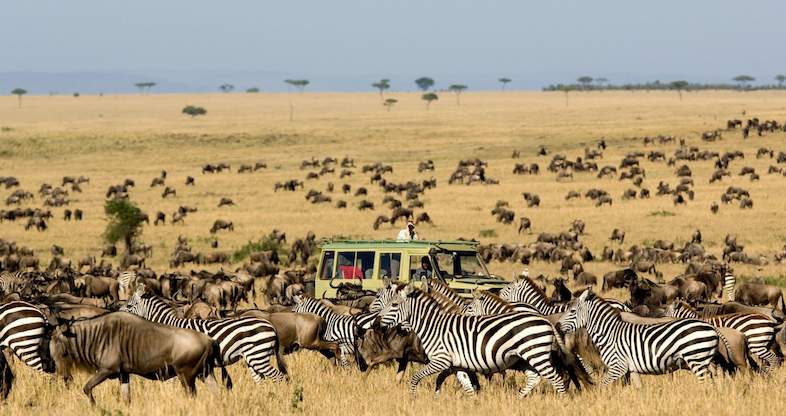
A 10-day luxury Kenya safari offers an exclusive, high-end experience featuring private 4x4 transport, stays in premier tented camps or lodges (e.g., Serena or luxury conservancy camps), and gourmet dining. Expect immersive wildlife viewing, including the Big Five in Maasai Mara, Samburu, and Amboseli, along with exclusive experiences like hot air ballooning and expert-guided bush walks
10-days-samburu-amboseli-nakuru-naivasha-maasai-mara-safari-tour
10-days-luxury-kenya-safari-holiday-vacation
10-days-best-maasai-mara-lake-nakuru-and-amboseli-safari-and-diani-beach-holiday-escape
10-day-luxury-kenya-wildlife-safari-holiday
10-days-kenya-wildlife-safari-diani-beach-holiday-round-trip-to-all-best-parks-in-kenya
10-days-ultimate-budget-kenya-tanzania-wildlife-safari-holiday-tour-package
10-days-perfect-kenya-tanzania-photographic-safari-tour
10-days-best-kenya-tanzania-safari-itinerary-tour
10-days-best-kenya-tanzania-honeymoon-safari-with-zanzibar-beach-holidays
10-days-kenya-wildlife-safari-and-gorilla-safari-in-uganda
10-days-kenya-safari-to-mombasa-beach-escape
Key Highlights and Experiences
- Premier Wildlife Viewing
Premier wildlife viewing on a luxury safari is defined by intimate access, expert interpretation, and flexible schedules that prioritize wildlife encounters. Daily private game drives in 4x4 vehicles give you the freedom to linger where the animals are, follow sightings longer, and take alternative routes that shared-game-drive itineraries cannot accommodate. Private drives often include an experienced driver-guide and a spotter; the driver-guide interprets animal behaviour and habitat while the spotter — often an additional team member in high-end safaris — locates animals using practiced knowledge of spoor, calls, and landscape cues.
A premium itinerary is typically custom-built around known seasonal patterns (e.g., migration routes, calving seasons, or rutting periods), enabling a higher probability of witnessing marquee species like lion prides on the hunt, leopard stalks, elephant herds, and elusive predators. In reserves with strict vehicle limits and permit systems, luxury operators secure early and exclusive access — sometimes entering the park before general gate opening — reducing vehicle congestion at sightings and improving photographic and observational opportunities.
Wider benefits include access to private concessions and community-run conservancies where operators work directly with land custodians to protect habitat and negotiate exclusive use. In such areas, off-road driving and night drives may be permitted under specialist guidance, vastly increasing the range of possible encounters. Guides on these safaris are often highly trained naturalists with deep regional knowledge and connections to local researchers, enabling guests to participate in conservation-centric activities — tracking collared individuals, attending debriefs with researchers, or visiting anti-poaching units.
Ultimately, premier wildlife viewing is an immersive blend of timing, place, personnel, and privilege: the right guide at the right moment in the right landscape, with the logistical flexibility to turn a momentary sighting into a lasting memory.
- Elite Accommodations
Elite safari accommodations combine exquisite design, superb service, and a seamless relationship with the surrounding wilderness. These lodges and tented camps are intentionally intimate — often with fewer than 20 suites or tents — ensuring personalized service and exclusivity. Architecture and interiors are crafted to reflect local aesthetics and materials while delivering five-star comforts: king-sized beds, spa-standard bathrooms, private plunge pools, and terraces or floor-to-ceiling windows framing uninterrupted views of plains, waterholes, or mountain silhouettes.
Location is paramount. Luxury properties are often situated inside private concessions or on the edge of national parks, granting immediate access to early-morning and late-evening game drives, when wildlife is most active. Proximity reduces transfer times and allows sunrise drives before other operators arrive. Many elite camps offer private dining options — cliff-top sundowners, bush breakfasts served beside a termite mound, or candlelit dinners under the stars — all curated by gourmet chefs who blend international technique with local ingredients and flavors.
Service at these properties is anticipatory: staff-to-guest ratios are high, guides are allocated privately, and butlers or guest relations hosts manage bespoke requests — from arranging private photographic hides to organizing wellness treatments in open-air treatment salas. Sustainability and community engagement are integral: notable camps invest in local employment, source produce from nearby communities, and run conservation education programs. In some regions, architectural design minimizes environmental impact through solar power, water reuse, and low-footprint building techniques.
For guests, elite accommodations are not just a place to sleep; they are part of the itinerary’s highlight reel. After a day tracking wildlife, a guest returns to restorative luxury, punctuated by culinary excellence and thoughtful service, making the overall safari both exhilarating and supremely comfortable.
- Diverse Destinations
Diverse destinations are the backbone of a comprehensive luxury safari, each region offering distinct wildlife spectacles, habitats, and cultural experiences. The Masai Mara is synonymous with the Big Five and, seasonally, the Great Migration — millions of wildebeest and zebra sweeping across plains, punctuated by dramatic river crossings and predator encounters. Masai Mara’s wide open grasslands favor long-range sightings and photographic opportunities, while luxury camps often provide hot-air balloon launches that turn the migration into a cinematic aerial experience.
Ol Pejeta Conservancy blends classic safari wildlife viewing with intensive conservation work. Home to rhino protection initiatives and the only place in Kenya where you can track chimpanzees, Ol Pejeta offers intimate encounters with rare species alongside game drives for lions, elephants, and hyenas. Its conservation model funds local communities and anti-poaching units, giving guests a chance to learn about the tangible impacts of tourism.
Samburu National Reserve presents a markedly different ecosystem — arid riverine habitat where the "Samburu Special Five" (reticulated giraffe, Grevy’s zebra, Somali ostrich, gerenuk, and beisa oryx) thrive. Wildlife here adapts to a harsher climate, producing unique behaviors and striking photographic compositions. Samburu’s local cultures, particularly the pastoralist Samburu people, add a rich anthropological layer to visits.
Lake Nakuru and Naivasha shift the focus to water-edge ecosystems. Lake Nakuru is famed for its rhino populations and flamingo-flushed shores, while Naivasha offers serene boat trips and walking safaris on crescent-shaped islands. Both areas are ideal for combining birding with forested lodge stays.
A luxury itinerary weaves these varied ecosystems together via private charters and bespoke road transfers, maximizing time on the ground. The result is a safari that balances blockbuster wildlife viewing, conservation engagement, cultural encounters, and contrasting landscapes — from savannah to semi-arid scrub to freshwater lakes — delivering a layered, unforgettable journey.
- Exclusive Experiences
Exclusive experiences elevate a luxury safari from exceptional to singular by offering activities unavailable to standard itineraries. Hot-air balloon safaris over the Masai Mara are the archetype: dawn ascents float silently above herds and river crossings, with champagne breakfasts on landing. The vantage point transforms animal behavior into a choreography of movement and scale, while the exclusivity of a private balloon can serve as a once-in-a-lifetime celebration.
Walking safaris, escorted by armed and deeply knowledgeable rangers, shift the focus from vehicles to tracking by foot. These guided walks expose smaller ecological dramas — insect life, spoor, medicinal plants — and provide a visceral sense of the environment’s textures and sounds. Night game drives reveal the nocturnal rhythms of predators and smaller mammals; they’re often restricted in national parks but available in private concessions with experienced guides and spotlights to locate elusive species.
Camel treks across dust-gold horizons offer an alternative, slower-paced safari rhythm, especially suited to arid landscapes like Samburu, where camels have co-evolved with pastoral communities. For photographers and dedicated wildlife fans, private hides and specialist photographic guides can be arranged, enabling extended sessions at waterholes or predator kills, with expert coaching on framing and exposure.
Other bespoke options include fly-camping under the stars, joining vet teams for anti-poaching collaring operations (where permitted), or private cultural evenings with Maasai or Samburu leaders for respectful insight into pastoral life. These experiences are tightly curated for safety, conservation ethics, and cultural sensitivity.
In sum, exclusive experiences are designed to deepen engagement while minimizing ecological impact. They’re driven by expertise and respect — for wildlife, landscapes, and peoples — and by the logistical capacity to offer time, space, and privacy for transformative moments.
- Cultural Immersion
Cultural immersion on a luxury safari is a carefully curated exchange that honors local traditions while offering authentic, respectful interactions. Private visits to Maasai or Samburu villages are arranged with community consent and guided by cultural liaisons who ensure interactions are meaningful and not performative. Guests might participate in daily activities — learning beadwork from local artisans, joining a moran’s storytelling session, or sharing a meal prepared with traditional recipes — all framed by discussions on history, land use, and contemporary challenges facing pastoralists.
High-end operators design cultural programs that benefit communities financially and socially: entrance fees support schools, healthcare projects, or conservation-linked initiatives. Luxury lodges often employ local staff in skilled roles — guiding, hospitality, conservation — which transforms tourism into a tool for capacity building. Guests are briefed on cultural etiquette beforehand, fostering mutual respect and minimizing intrusion.
Beyond village visits, cultural immersion can include guided market tours where chefs source local ingredients, participatory cooking classes, or craft-shopping sessions with provenance storytelling. In regions with colonial or conservation histories, guided visits to community-run conservancies reveal how local governance models and revenue-sharing work in practice.
Importantly, cultural immersion in a luxury context avoids commodification by prioritizing long-term community relationships and measurable benefits. Programs are co-created with villagers so that activities reflect contemporary life rather than staged “traditions.” For travelers, this approach transforms the safari into a holistic experience: while wildlife encounters inform the heart of the journey, cultural encounters supply its soul, revealing human stories entwined with the landscape and wildlife conservation.
- Convenience
Convenience is a hallmark of luxury safaris, transforming complex logistics into seamless experiences so guests can focus on immersion rather than transfers. Private charter flights are central: short hops between airstrips bypass long drives, reducing travel fatigue and maximizing time at each destination. Aircraft schedules are tailored to guest itineraries, and luggage handling is coordinated to ensure smooth transitions. On the ground, private 4x4 vehicles with experienced driver-guides provide door-to-door transfer and flexible game-drive timing.
Concierge-level planning extends to pre-trip services: visa assistance, tailored packing lists, and pre-arrival briefings. At each lodge, a dedicated guest relations manager coordinates activities, spa appointments, private dinners, and special requests like arranging a surprise celebration or photography workshops. Dietary preferences and medical needs are accommodated proactively, with many camps hosting chefs able to adapt menus to gourmet or dietary-specific requirements.
Logistics also account for conservation-friendly practices: operators plan routes and schedules that minimize environmental impact and respect park regulations. For photography-focused guests, guides may reposition vehicles to optimize light and composition without compromising other guests’ experiences. High standards of safety are maintained with trained first aid personnel, clear emergency evacuation plans, and relationships with medical evacuation providers.
Overall, convenience in luxury safaris is not mere pampering; it’s strategic time optimization and risk mitigation. By smoothing travel friction points, operators ensure guests spend more hours engaging with wildlife, landscapes, and cultures, delivering a high-yield, low-stress experience that defines premium travel.
What to Anticipate Daily
- Early Mornings
Early mornings on a luxury safari are purposeful, ritualized, and quietly thrilling. Before dawn, a gentle wake-up — often with a tray of tea, coffee, and a warm towel — begins the day. Guides brief guests on the morning’s plan around a map or tablet, outlining likely sightings and routes based on overnight reports and local knowledge. Vehicles depart in the cool pre-sunrise air, when temperatures are comfortable and wildlife is most active. Predators, especially lions and leopards, use the early hours to hunt or move between shaded areas; herbivores graze and drink, causing a concentration of viewing opportunities.
The timing of these departures is deliberate. Morning light is prized by photographers: low-angle gold enhances textures, and the atmospheric clarity yields crisp silhouettes. Guides are attuned to subtle signs — a distant alarm call, fresh tracks, or recent scat — allowing them to intercept animals without disturbing them. Routes are chosen to take advantage of waterholes, ridge-lines, or migration corridors where encounters are likeliest.
Despite the focus on sightings, early-morning drives are also about sensory immersion. The bush at dawn is alive with sound: bird calls, rustling undergrowth, and the distant chiming of hippos or hyenas. Guides often pause to point out smaller wonders — a duiker’s tracks, a waking bushbabies’ call, or a delicate spiderweb beaded with dew. For guests, these drives blend anticipation with intimate natural history lessons, deepening appreciation for ecological interplay.
After the drive, many camps stage bush breakfasts beneath acacia trees or on raised decks, providing a convivial space to share highlights. Early mornings thus set the tempo for the day: a concentrated, expertly guided window of activity that maximizes wildlife viewing while honoring comfort, safety, and conservation-minded conduct.
- Gourmet Dining
Gourmet dining on a luxury safari transforms field meals into culinary highlights, marrying fine cuisine with the raw backdrop of the bush. Chefs at top lodges craft menus that reflect seasonality, local ingredients, and guests’ preferences—ranging from hearty continental breakfasts to multi-course dinners anchored in regional flavors. Breakfasts often follow morning drives and can be served al fresco beside a waterhole, with freshly brewed coffee, artisan breads, and made-to-order eggs. These bush breakfasts are staged with thoughtful details: linens, choice of fruit compotes, and even portable espresso setups.
Lunches may be light affairs at the lodge or elegant bush picnics set in scenic clearings. Picnic setups are typically curated to the highest standards: crisp tablecloths, silverware, chilled wines, and a curated menu of salads, grilled specialties, and inventive desserts. Afternoon teas back at camp offer pastries, sandwiches, and freshly baked scones — a civilized pause during midday heat.
Dinners are often the gastronomic centerpiece. Chefs create tasting menus that balance international technique with local produce — smoked fish from lake regions, spiced stews, or vegetable medleys using foraged greens. Presentation is refined; dining venues range from candlelit terraces to private tents or cliff-edge platforms with panoramic views. Vegetarian, vegan, gluten-free, and other dietary needs are accommodated with creativity and care.
Beyond food, the dining experience includes curated wine lists, signature cocktails, and attentive service that anticipates needs without intrusion. For special occasions, lodges arrange private dinners — a moonlit table for two, a bush braai (barbecue) around a fire pit, or a chef-led tasting paired with sommelier notes. In short, gourmet dining on safari is both practical sustenance and an extension of the luxury narrative: memorable, locally rooted, and impeccably presented.
- Relaxation
Relaxation is an essential counterpoint to the day’s active safaris, and luxury lodges design midday and late-afternoon rhythms to maximize restorative comfort. After a morning drive, guests return to accommodations where the heat peaks and a slower tempo prevails. Suites and tents are intentionally comfortable: large beds with high-thread-count linens, shaded terraces, and private plunge pools or hammocks provide immediate opportunities for rest. Many properties offer spa services — from Swedish massages to indigenous treatments using local botanicals — in open-air salas that allow the ambient sounds of the bush to provide a gentle soundtrack.
For those who prefer solitude, private libraries, chill-out lounges, or meditation decks offer quiet corners for reading, journaling, or simply watching the landscape. Pools and shaded verandas invite languid swims or sunset-facing relaxation. Lodges curate guest options: guided short walks around the property’s perimeter for birding, photography sessions with in-house experts, or cooking demos that are casual and interactive.
Staff anticipate individual preferences: cold towels on return from drives, refreshing fruit platters, and personalized cool-down beverages. Connectivity varies by property, but many high-end camps balance intentional digital disconnection with the option for private Wi-Fi if needed. Midday naps are normalized and encouraged; the physical exertion and sensory intensity of game drives make these restorative periods important for enjoyment and safety.
In essence, relaxation on a luxury safari is structured yet flexible: an invitation to slow down, absorb the environment, and recharge. It’s where the emotional highs of sightings are processed and where guests regain energy for evening activities. Thoughtful design, attentive service, and curated options ensure that downtime is luxurious, restorative, and seamlessly integrated into the day’s rhythm.
- Evening Drives
Evening drives are a signature element of a safari day, offering a shift in mood and opportunity as the landscape cools and nocturnal life awakens. Departures are timed to capture the golden light of late afternoon and extend into dusk, when predators become more active and the silhouettes of animals against a sinking sun create cinematic scenes. Guides plan routes to intersect water sources and game trails, often returning to hotspots that yielded morning sightings—the repeatability can reveal new behaviors under changing light.
Safety and minimal disturbance guide evening-drive protocols. Vehicles are equipped with high-spec lighting and experienced guides who know how to observe nocturnal species with minimal intrusion. As darkness deepens, spotlights are used judiciously to locate creatures like hyenas, civets, genets, and nocturnal raptors, while the ambient hush heightens the drama of a distant lion call or the reflective eyes of a leopard.
Sundowner moments are carefully orchestrated: a pause on a ridgeline or beside a river for drinks, snacks, and the setting sun. These stops are both functional and ceremonial—time to share sightings, capture photos in the last light, and savor the landscape’s transition. For photographers, the changing temperatures produce shifting light conditions that reward creative framing and longer exposures.
Evening drives often lead into nocturnal experiences—listening for hippos at river mouths, tracking small mammals by spotlight, or returning to camp beneath an expansive starfield. At day’s end, vehicles arrive at the lodge to hot towels, warm drinks, and sometimes a nighttime briefing. The evening drive thus bookends the day: it reintroduces guests to the bush’s quieter rhythms and extends the window for memorable wildlife encounters in a dramatically different light.
- Personalization
Personalization is the defining promise of a luxury safari: every itinerary, activity, and moment is tailored to guests’ interests and rhythms. Before arrival, guests often complete detailed preference forms covering dietary needs, photography goals, mobility considerations, and special occasions. Lodge teams and operators use these inputs to craft bespoke days—whether prioritizing birding hotspots with an ornithologist guide, designing extended photography sessions with specialist hides, or focusing on big-cat tracking during periods when lions and leopards are most active.
Guides adapt in real time. If a guest expresses interest in botany, the guide will shift from a macro to a micro focus, pointing out medicinal plants and the ecological roles of specific species. For families, activities are paced and content-modified to engage children with interactive learning and safe, supervised short walks. Wildlife scientists or conservation-focused guests may be offered behind-the-scenes access—visiting research stations, meeting anti-poaching teams, or receiving briefings on current population studies.
Accommodation arrangements reflect personalization: private vehicles, dedicated guides, and staff handling special requests like anniversary surprises, private sundowner setups, or custom menus. Logistics—flight times, transfers, and timings of drives—are adjusted to optimize guest energy and photographic light. Even the daily tempo can be flexible: a late start for those who prefer midday rest, or extended drives for guests pursuing a specific sighting.
Crucially, personalization is executed with cultural and ecological sensitivity. Requests are balanced against park regulations and community agreements to ensure responsible tourism. The outcome is an experience that feels curated, intimate, and uniquely aligned to each guest—where the itinerary serves not as a rigid template but as a living plan, responsive to curiosity and guided by expertise.
10-day luxury Kenya safari
This 10-day luxury Kenya safari blends iconic wildlife encounters, cultural experiences, and exclusive lodges for an unforgettable journey. Begin in Nairobi with boutique comforts and intimate wildlife moments—perfect for acclimatizing and engaging with conservation centers. Then venture to Amboseli for spectacular elephant sightings framed by Mount Kilimanjaro. Choose Samburu or the Laikipia Plateau next to discover rare species adapted to arid landscapes and enjoy culturally rich encounters. The crescendo of the trip is three days in the Masai Mara, where private game drives, hot-air balloon safaris, and—seasonally—the Great Migration offer dramatic wildlife theatre. Each day pairs immersive activities with elite accommodations that prioritize personalized service, sustainability, and conservation support. Private charters and carefully timed transfers maximize wildlife-viewing hours while minimizing travel fatigue. The itinerary balances high-adrenaline game drives with leisurely lodge downtime, gourmet dining, and meaningful cultural exchange—ideal for travelers seeking comfort, authenticity, and exceptional wildlife moments in Kenya.
Day 1 Arrival & Nairobi Conservation Encounters
Arrive Nairobi and settle into Hemingways Nairobi or the iconic Giraffe Manor—both offering boutique luxury and distinctive atmospheres. After check-in, enjoy a relaxed lunch and brief orientation with your safari specialist to review the itinerary and preferences. In the afternoon, visit the David Sheldrick Elephant Orphanage to witness rehabilitation work and meet rescued baby elephants during their public mud-bath and feeding session. Later, explore the Karen Blixen Museum to learn about Kenya’s colonial-era history and the author’s life. Return to your hotel for a refined dinner featuring locally sourced cuisine and an overnight in plush comfort. The day is designed to gently immerse you in Kenyan culture and conservation while providing time to rest before the safari’s early starts—ensuring you’re refreshed for the adventure ahead.
Day 2 Giraffe Centre Visit & Transfer to Amboseli
Morning begins with an optional early visit to the Giraffe Centre at Lang’ata, where you can feed endangered Rothschild giraffes and learn about community-led conservation. After returning to the lodge for brunch, meet your private guide and depart Nairobi for Amboseli—either by a scenic road transfer or a short charter flight to maximize time on the ground. En route, enjoy rolling landscapes and a light picnic if timing allows. Arrive at your Amboseli lodge—such as ol Donyo or Tawi—where staff welcome you and brief you on the next day’s activities. In the late afternoon, take your first game drive into Amboseli, aiming for prime viewpoints of elephant herds with Mount Kilimanjaro as an awe-inspiring backdrop. Conclude with sundowners and a gourmet dinner back at camp.
Day 3 Amboseli: Elephants and Kilimanjaro Sunrises
Wake early for a sunrise game drive in Amboseli when elephant activity peaks and the morning light reveals dramatic views of Kilimanjaro. Guides focus on locating large bull elephants and family herds that define Amboseli’s reputation. Return to the lodge for a leisurely breakfast and some downtime—opt for a spa treatment or a poolside relax. Midday can include a cultural visit to a Maasai village for a respectful insight into pastoral life and traditions. In the afternoon, head out for another game drive concentrating on plains species, birdlife, and photographic vantage points. The evening brings sundowners overlooking marshes and a carefully prepared dinner at the lodge, with opportunities to discuss wildlife sightings and conservation initiatives observed during the day.
Day 4 Journey North: Samburu or Laikipia Arrival
Depart Amboseli after an early breakfast and transfer—by road or charter flight—to Samburu or Laikipia, depending on your chosen route. On arrival, check into Sasaab Luxury Tented Camp (Samburu) or Segera Retreat (Laikipia), both offering immersive tented luxury and conservation-focused programming. After a short rest, enjoy an afternoon game drive targeting the Samburu Special Five: reticulated giraffe, Grevy’s zebra, Somali ostrich, gerenuk, and beisa oryx—species adapted to the arid north. Expect intimate encounters and knowledgeable guides who explain ecological adaptations and local conservation efforts. In camp, savor regional cuisine and engage with conservation briefings or community initiatives hosted by the lodge. The evening is spent under clear skies, with private dining options and comfortable accommodations that reflect local design and high-end amenities.
Day 5 Samburu/Laikipia: Unique Species & Cultural Insight
Begin with a dawn game drive in Samburu or Laikipia, when wildlife movement is heightened and photographic light is optimal. Focus on predator tracking and locating species unique to this region, with guides skilled at reading tracks and animal behavior. Return to your camp for a late breakfast and leisure time—consider a guided bush walk or a visit to a nearby conservancy project highlighting anti-poaching or community education. Afternoon activities can include a camel ride in Samburu or a horseback safari in Laikipia for an alternate perspective on the landscape. As the sun lowers, enjoy sundowners at a scenic vantage point, then a gourmet dinner paired with local storytelling. The day balances active exploration with conservation learning and luxurious downtime.
Day 6 Final Conservancy Drives & Flight to the Masai Mara
After an early breakfast, embark on a final morning game drive, perhaps venturing into lesser-visited corners of the conservancy to find elusive species or scenic vistas. Midday offers an extended leisure period at the lodge—opt for a spa treatment, a private photography session, or a chef-led cooking demo that highlights regional ingredients. In the afternoon, transfer to a charter flight bound for the Masai Mara, enjoying aerial views of Kenya’s diverse ecosystems. Arrive at your Mara camp—Angama Mara, Mara Plains, or Mahali Mzuri—where staff usher you into elegant accommodations perched near the reserve. Finish the day with a twilight drive or a relaxing evening on your suite’s verandah, preparing for the Mara’s intensive wildlife days ahead.
Day 7 Masai Mara: Ballooning, Big Five & Migration
Begin your Masai Mara experience with an early morning hot-air balloon safari (optional) that floats over the plains at dawn—followed by a champagne bush breakfast upon landing. Morning and afternoon game drives are tailored to maximize sightings of the Big Five and, seasonally, dramatic river-crossing points of the Great Migration. Guides with deep Mara knowledge position you at predator hotspots and migration corridors for sustained viewing. Between drives, enjoy lodge comforts—swim, relax, or consult with your guide about photographic goals. Private concessions and small-group policies at select camps allow flexible routes and extended tracking sessions. Evenings feature sundowners overlooking acacia-dotted plains and gourmet dinners under the stars, with storytelling by local Maasai hosts enriching cultural context.
Day 8 Full-Day Mara Game Drives & Photographic Focus
Devote a full day to Masai Mara exploration with early and late game drives that capitalize on predator behavior and migratory movements. Depending on season and sightings, drives may include river-crossing stakeouts, extended time with lion prides, and searches for elusive leopards in woodland pockets. For a unique vantage, schedule a guided walk with an armed ranger through permitted areas to appreciate smaller-scale ecology and tracking skills. Photographers can arrange private hides near waterholes for uninterrupted shooting. Return to camp mid-day for relaxation, then head out for an evening drive culminating in sundowners at a scenic overlook. The day blends intense wildlife focus with the lodge’s restorative amenities, preparing you for another morning of Mara spectacle.
Day 9 Bespoke Mara Activities & Community Engagement
On your penultimate day, choose a bespoke activity—repeat a favorite drive, take a cultural visit to a Maasai village, or enjoy another balloon flight at dawn. Guides will target any missed species and revisit productive sighting areas, ensuring a sense of completion. Consider an early-morning photographic session or a private picnic within the concession to savor the Mara’s atmosphere. Afternoon options include a conservation briefing with a local NGO, a visit to community projects funded by your camp, or simply lounging with panoramic views. Conclude with a final sundowner and a celebratory dinner, reflecting on standout moments—predator interactions, migration drama, and intimate wildlife encounters—that have defined your safari experience.
Day 10 Return to Nairobi: Farewell Dinner & Departure
Depart the Masai Mara after a leisurely breakfast and a final short drive, then transfer by charter flight back to Nairobi. Upon arrival, store luggage at your boutique hotel and enjoy a relaxed day: perhaps a late lunch, souvenir shopping, or a short cultural stop if time allows. In the evening, gather for a farewell dinner with your guide and fellow travelers to share highlights and receive a trip summary and departure assistance. After dinner, transfer to Nairobi’s international airport for your onward flight home, or stay another night if your schedule permits. The day is paced to ensure smooth logistics, comfortable travel connections, and a thoughtful close to an expertly curated Kenyan safari.
What does a 10 Days luxury Kenya safari typically include?
A 10-day luxury Kenya safari is designed to combine seamless logistics, exceptional wildlife encounters, and high-end comfort. Typical inclusions emphasize convenience, privacy, and curated experiences: private 4x4s — often custom Toyota Land Cruisers with pop-up roofs — driven by expert guides who offer personalized game-viewing, wildlife interpretation, and photography assistance; stays in exclusive boutique lodges or luxury tented camps featuring spacious suites or tents with ensuite bathrooms, fine linens, private verandas (sometimes plunge pools), and attentive staff including butlers; gourmet dining using fresh, local ingredients with bespoke dining options such as bush breakfasts, sundowner cocktails, and private dinners under the stars; domestic charter flights between parks or airstrip transfers, which reduce long road transfers and maximize time exploring; full-board packages that typically include meals, selected drinks, park fees, and most activities; tailored private activities — hot-air balloon safaris, guided walking safaris with armed rangers, night drives (where permitted), cultural visits to Maasai or Samburu communities, horseback or camel safaris, and photography-focused outings; wellness offerings like spa treatments, yoga sessions, and private pool time; high staff-to-guest ratios, enabling highly personalized service and flexibility in scheduling; conservation-focused elements, including visits to sanctuaries, talks by conservationists, and direct contributions to local projects; detailed pre-trip planning and on-ground concierge services handling visas, transfers, special dietary requirements, and bespoke celebrations. Luxury safaris emphasize sustainability and community engagement—select lodges practice eco-friendly operations, source locally, and support nearby conservancies. Ultimately, a 10-day luxury safari is about minimizing hassle and maximizing meaningful wildlife time, while providing an intimate, comfortable, and ethically minded experience.
What is the best time to book a 10 Days luxury Kenya safari?
Timing your 10-day luxury Kenya safari depends on what you most want to see and experience. The most popular period is the long dry season from July through October. This coincides with the peak of the Great Migration in the Masai Mara: hundreds of thousands of wildebeest and zebra move north from the Serengeti, creating dramatic river crossings and intense predator-prey dynamics. Dry conditions cause animals to congregate near permanent water, increasing sighting frequency, and roads are generally more accessible. July–October is high season—expect premium rates and the need to book lodges, private charters, and balloon flights well in advance.
January to March represents a warm, generally dry window with excellent game viewing, clear skies, and the calving season in some areas, which can produce abundant predator action as newborns attract lions, hyenas, and other predators. This period is attractive for photographers seeking softer light and family groups of animals.
The short rains (November–December, and April–June) tend to be quieter and greener. April–May sees heavier rains in many parts of Kenya and is low season for tourism; many lodges reduce rates and offer value-adds, but some remote camps close for maintenance. The shoulder months (late June and early November) can be good for lower prices and still-solid wildlife viewing—plus lush scenery.
Other considerations: Amboseli’s iconic Kilimanjaro views are clearest in the dry months, though early morning cloud can occur year-round. Birding enthusiasts may prefer the wetter months when migrant species are present and vegetation attracts more birdlife. Luxury travelers should balance weather and wildlife priorities with lodge availability: for peak experiences (balloons, migration) book 9–12 months ahead; for lower-season savings, book 3–6 months in advance. Ultimately, the “best” time aligns with your priorities—migration drama, calving season, clear mountain views, or quieter green-season landscapes—and with early reservations to secure top lodges and private charters.
Is 10 days enough time for a comprehensive luxury safari in Kenya?
Yes—10 days is widely regarded as an ideal duration for a comprehensive luxury safari in Kenya. It strikes a balance between seeing multiple ecosystems and allowing a relaxed pace that suits high-end travel expectations. With careful planning and the common use of domestic charter flights, a 10-day itinerary can include three to four major conservation areas—typically the Masai Mara, Amboseli, Samburu or Laikipia, and optionally a rhino-focused conservancy such as Ol Pejeta or a lake/river area like Naivasha. This breadth offers exposure to varied habitats (savannah, acacia woodland, arid scrub, marshland), and thus diverse species—elephants and Kilimanjaro backdrops in Amboseli, the Samburu Special Five in the north, and migration/predator spectacle in the Mara.
The luxury travel model uses short internal flights that bypass long road transfers, maximizing wildlife hours and minimizing fatigue. Private guides and vehicles provide flexible, tailored game drives that can start at dawn and continue into prime evening hours. This extra time per day, combined with fewer travel days, allows guests to pursue in-depth tracking of particular prides or herds, enjoy bespoke activities like a balloon safari, and include conservation and community visits.
Ten days also lets you appreciate lodge comforts: afternoon siestas, spa treatments, long meals, and time to absorb the environment—key to the “luxury” experience. It gives buffer days for weather or sighting variability: if one area is having low predator activity, you still have time in other reserves to deepen sightings.
For travelers who prefer an even more leisurely trip or want to add a beach extension (e.g., Diani or Lamu), 12–14 days are preferable. Conversely, if constrained, a tightly arranged 7–8 day luxury safari can still deliver highlights. Ultimately, 10 days is a sweet spot for combining breadth of experience, deeper wildlife engagement, and true relaxation in upscale settings.
How much does a 10 Days luxury Kenya safari cost?
The cost of a 10-day luxury Kenya safari varies widely based on seasonality, accommodation tier, private versus shared services, included activities, and transport choices. As a general range, expect per-person pricing starting around $5,000 in lower shoulder-season scenarios and rising to $10,000–$20,000+ in peak months for top-tier private experiences.
Major cost drivers:
- Accommodation: Luxury tented camps and boutique lodges command premium nightly rates, often between $700 and $2,500+ per person per night on full-board and activity-inclusive bases. Ultra-exclusive private-use villas or suites can add significantly to the per-person rate.
- Domestic flights and charters: Scheduled light-airline flights between Nairobi and park airstrips are typically $150–$400 one-way per person; private charter flights that carry only your party are much more expensive—often $1,500–$5,000+ per leg depending on distance and aircraft.
- Private vehicles and guides: Exclusive-use 4x4 vehicles with expert guides are standard for luxury safaris and are often included in the lodge rate; bespoke itineraries or extended guide time may incur supplemental fees.
- Activities: Hot-air balloon safaris ($450–$600+ per person), private walking safaris or fly-camping, cultural experiences, and spa treatments add to the total.
- Park and conservancy fees: National park entry and vehicle fees vary by reserve and nationality (residents vs. non-residents), and private conservancies often charge daily levies; these can add several hundred dollars per park per person.
- Seasonality and exclusivity: Peak-season bookings (July–October, December–January) push rates higher, while green-season discounts may yield savings of 20–40%.
- Inclusions/exclusions: Some operators include most transfers, activities, and drinks; others present a base rate with many add-ons. Don’t forget tipping, travel insurance, visas, and international flights.
For a typical mid-to-high luxury package with domestic scheduled flights, premium lodges, and a few exclusive activities, budget about $7,000–$12,000 per person. For fully private charter transfers, villa buyouts, and multiple exclusive extras, budgets of $15,000–$30,000+ per person are realistic. Always request a detailed quote outlining inclusions, single-supplement policies, child rates, and cancellation terms.
Which are the best parks to visit on a 10 Days luxury Kenya safari?
Selecting parks for a 10-day luxury Kenya safari depends on wildlife priorities, landscapes, and desired activities. A well-rounded route covers distinct ecosystems to maximize species variety and photographic opportunities. Top parks and conservancies include:
- Masai Mara National Reserve: The marquee destination for big cats and the Great Migration (July–October). Private conservancies around the Mara (e.g., Mara North, Olare Motorogi) offer exclusive game drives, longer safari hours, and intimate sightings. Balloon safaris and riverside predator action are highlights.
- Amboseli National Park: Renowned for large elephant herds and panoramic views of Mount Kilimanjaro. Its short grass plains and marshes concentrate wildlife, making it ideal for iconic Kilimanjaro-framed photographs and large bull elephants.
- Samburu National Reserve (and surrounding conservancies): Located in northern Kenya, Samburu is home to regionally endemic species—the Samburu Special Five (reticulated giraffe, Grevy’s zebra, gerenuk, Somali ostrich, beisa oryx). The arid landscape and riverine habitat create striking photographic contrasts.
- Laikipia Plateau: A conservation-focused region with wide-open landscapes, private conservancies, and community-run projects. Laikipia is excellent for walking safaris, horseback rides, and rhino tracking; many lodges practice strong conservation and community engagement.
- Ol Pejeta Conservancy: A leading rhino sanctuary and chimpanzee sanctuary, and a top choice for those seeking close work with anti-poaching and conservation initiatives. It also offers excellent plains wildlife viewing and night drives.
- Lake Naivasha / Hell’s Gate: For a water-side interlude, Naivasha combines boat trips for birding and hippo viewing with dramatic gorge walks or cycling in Hell’s Gate National Park, ideal for mixing gentle adventure with wildlife.
- Meru National Park: Less visited, Meru rewards with solitude, diverse wildlife, and strong conservation stories (famous from Joy Adamson’s books). It’s good for travelers who want quiet, authentic bush time.
Combining 3–4 of these locales in 10 days (e.g., Mara + Amboseli + Samburu/Laikipia + Ol Pejeta or Naivasha) gives a diverse safari. Prioritize private conservancies for exclusivity, and choose lodges that enable flexible game-drive times, walking safaris, and conservation interactions to deepen the experience. Work with a luxury operator to tailor transfers (charter flights or road) so you maximize days in the bush rather than in transit.
Can I see the "Big Five" on a 10 Days luxury Kenya safari?
Yes—on a thoughtfully planned 10-day luxury Kenya safari your chances of encountering the “Big Five” (lion, elephant, buffalo, leopard, and rhinoceros) are high. Each species tends to concentrate in particular parks or conservancies, so an itinerary that visits several key areas maximizes opportunities.
- Lions: Widespread in multiple reserves, with particularly good concentrations in the Masai Mara and the greater Mara conservancies. Early-morning and late-afternoon drives, plus knowledge of pride movements from experienced guides, increase the likelihood of close, lingered sightings.
- Elephants: Amboseli is famous for its large elephant herds and iconic Kili-backed silhouettes; Amboseli and Laikipia also offer consistent elephant viewing. Small family groups and large bulls are frequently encountered.
- Buffalo: Cape buffalo are common across major reserves, including the Masai Mara and Samburu; they often form large herds around water sources and in grassland areas.
- Leopards: More elusive than other Big Five species, leopards are best located in wooded or rocky habitats. Private conservancies surrounding the Mara, Laikipia, and areas near Samburu and Ol Pejeta improve chances through targeted, patient tracking by specialist guides.
- Rhinoceros: Kenya hosts both black and white rhinos in protected conservancies. Ol Pejeta Conservancy is one of the best places for guaranteed rhino encounters, including close-up visits to intensive protection zones, plus conservation briefings on anti-poaching work. Lewa Wildlife Conservancy and some private Laikipia conservancies also support rhino populations.
Luxury safaris increase success because private guides and vehicles can remain with sightings longer, follow tracks off-the-beaten-path within concession areas, and start drives at dawn when predators and many species are most active. Private conservancies and small concessions reduce competition from other vehicles, enabling extended observation windows. Add-on experiences like night drives (where permitted) and guided walks reveal nocturnal species and tracking signs that improve overall wildlife encounters.
While sightings can’t be guaranteed—wildlife is unpredictable—visiting the right mix of protected areas and employing experienced guides on a luxury itinerary makes seeing most or all of the Big Five quite likely within a 10-day window.
What is a "fly-in" option on a 10 Days luxury Kenya safari?
A “fly-in” safari uses scheduled light aircraft or private charter flights to transfer guests between parks, rather than relying on long overland drives. For a 10-day luxury safari, fly-in logistics are often central because they dramatically increase time spent in reserves and reduce travel fatigue, enabling guests to experience multiple ecosystems efficiently.
How it works: Guests typically fly from Nairobi Wilson Airport on small commuter aircraft (12–30 seat turboprops) or on bespoke charter planes. Many lodges operate their own scheduled flights to nearby airstrips or coordinate with regional carriers. For ultimate privacy and flexibility, operators can arrange private charters where the aircraft is reserved exclusively for your party. Flight times are short—often 30–90 minutes between hubs and park airstrips—offering aerial views of Kenya’s patchwork of rangelands, ranches, and conservation areas.
Benefits:
- Time efficiency: Fly-in itineraries cut hours of road transfer, permitting early-morning game drives shortly after arrival and more time in the bush each day.
- Comfort: Avoid long, bumpy drives; luxury operators arrange comfortable ground transfers at each end. Private charters can depart on your schedule.
- Access: Fly-in safaris reach remote, exclusive camps and conservancies that are not road-accessible or would require very long drives.
- Flexibility: Operators can craft multi-destination routes (e.g., Samburu → Ol Pejeta → Laikipia → Masai Mara) that would be impractical by road.
- Scenic value: Short flights offer spectacular aerial photography and perspective on Kenya’s diverse landscapes.
Considerations:
- Cost: Scheduled light-airline flights are moderate in price, but private charters add substantially to the budget.
- Weight limits and luggage: Small aircraft impose luggage restrictions; luxury operators often advise on packing and can arrange excess baggage at extra cost.
- Weather: Short flights can be affected by weather; itineraries usually include buffer time to accommodate delays.
Overall, fly-in options are standard for luxury 10-day safaris and are strongly recommended when you want to maximize wildlife time, visit multiple parks, and travel in comfort.
Will I witness the Great Migration on a 10 Days luxury Kenya safari?
You can witness the Great Migration on a 10-day luxury Kenya safari if you travel during the migration peak—typically July through October—when vast herds of wildebeest and zebra move from the southern Serengeti into the Masai Mara. The migration is a dynamic, shifting phenomenon driven by rains and grass availability; exact crossing points and timing vary year to year, so flexible planning and experienced guides are key to maximizing encounters.
Why the Mara: The Masai Mara hosts the northern leg of the migration where river crossings (e.g., the Mara River) create some of the most dramatic wildlife spectacles—wildebeest plunging into fast-flowing water, crocodiles poised along banks, and predators exploiting the chaos. Private conservancies adjacent to the Mara provide strategic vantage points with reduced vehicle competition, allowing longer, more intimate observation.
How to plan:
- Travel window: Aim for July–October for the best chance of witnessing crossings and dense herds. Late August to September often sees peak river crossings but can vary.
- Flexible itinerary: Build buffer days into your schedule and stay in the Mara for multiple nights (3+ days) to increase probability—migration patterns can shift quickly.
- Experienced guides and trackers: Use operators with local intelligence and vehicles positioned to move quickly to promising sighting areas.
- Private conservancy access: Book lodges in exclusive conservancies that allow earlier and later drive times and offer more freedom to follow the herds.
- Balloon safaris and river-view lodges: Balloon flights provide panoramic migration views; river-view camps let you stake out crossing points.
- Weather contingency: Migration behavior depends on rains; keep expectations realistic—while the migration is vast, specific crossings may not occur on any given day.
Remember the migration is a natural event—spectacular but unpredictable. Even outside peak crossing times, the Mara during dry season offers excellent predator activity and abundant wildlife. To maximize the chance of seeing migration highlights within a 10-day luxury safari, travel in the July–October window, allow multiple Mara nights, and use a specialist operator with proven migration tracking expertise.
Are there exclusive activities included in a 10 Days luxury Kenya safari?
Yes—luxury Kenyan safaris are defined by exclusive, tailored activities that elevate wildlife encounters and cultural immersion. Typical premium options included in high-end 10-day itineraries are:
- Hot-air balloon safaris: Dawn balloon flights over the Masai Mara are emblematic of luxury safaris. Floating above the plains, followed by a champagne bush breakfast, offers unforgettable perspectives and photographic opportunities. Balloon rides usually carry a supplemental fee and should be booked early.
- Guided walking safaris: Led by seasoned guides and armed rangers, walking safaris in private conservancies provide close-up natural history education, tracking skill demonstrations, and an intimate sense of scale. These are often available in Laikipia, some Mara conservancies, and private ranches.
- Night game drives: Where permitted (mostly in private conservancies), night drives reveal nocturnal species—bush babies, aardvarks, civets—and spotlight predator behavior not visible during daylight.
- Private picnics and bush dinners: Customized dining experiences in scenic locations—riverbanks, kopjes, or under acacia trees—enable romantic or celebratory moments amid nature.
- Photography safaris and hides: Specialist photographic guides, private hides near waterholes, and vehicle-mounted beanbags/tripods support serious photographers seeking prolonged, unobtrusive shooting windows.
- Horseback, camel, and biking safaris: Alternate-pace safaris provide unique vantage points—horseback in Laikipia, camel treks in Samburu, or guided cycling through Hell’s Gate.
- Cultural experiences: Respectful visits to Maasai, Samburu, or local community projects arranged as private encounters emphasize cultural exchange, traditional dance, beading workshops, and understanding of pastoral livelihoods and conservancy partnerships.
- Conservation experiences: Behind-the-scenes access to anti-poaching units, rhino tracking collars, or visits to rehabilitation centers (e.g., David Sheldrick, Ol Pejeta) allow guests to witness and support on-the-ground conservation.
- Private charters and exclusive-use camps: Entire camps or villas can be booked for single parties, ensuring absolute privacy and fully bespoke programming.
Each activity is chosen and timed to align with guest preferences and seasonal suitability. Luxury operators craft itineraries that blend high-adrenaline experiences with restful lodge time, ensuring safety, sustainability, and cultural sensitivity—and most activities can be tailored to fitness, interest, and photographic goals.
How private are the game drives on a 10 Days luxury Kenya safari?
Privacy on game drives depends on the lodge’s policies and whether you book private-vehicle use or join other guests. True luxury safaris prioritize exclusivity: private 4x4s driven by dedicated guides for your party are standard at high-end camps and conservancies. This private-vehicle model means drives are scheduled around your preferences—early starts, extended stakeouts, and customized routes—without sharing time or space with unfamiliar guests.
Benefits of private drives:
- Tailored pace and focus: Your guide concentrates on your interests (birds, big cats, photography), can linger at sightings, and adjusts timing for light and animal behavior.
- Reduced vehicle competition: Private conservancies and lodge-owned concessions limit the number of vehicles in prime areas, decreasing crowding and enabling more intimate encounters.
- Flexible itinerary: Private drives can be extended, combined with walking legs, or coordinated with other activities (private picnics, sundowners) at your request.
- Enhanced safety and comfort: Smaller groups mean less noise and movement, improving both the guest experience and animal tolerance of vehicles.
Shared drives still exist at some lodges and are often excellent—professional guides and small group sizes can create wonderful dynamics, but privacy is reduced and sightseeing time must be divided. In busy public parks (main areas of the Masai Mara during peak migration), even private vehicles may encounter more crowds near river crossings and popular sighting spots; choosing private conservancies around the Mara can significantly increase privacy.
For complete exclusivity, clients can book private-use camps or villas where all vehicles and guiding are reserved for the party; this option is premium-priced but delivers the maximum private experience. When booking, clarify with your operator whether private vehicle use, exclusive conservancy access, and single-party departures are included—or available at an extra cost—and confirm policies on group size limits to ensure the level of privacy you expect.
What kind of accommodation is used in a 10 Days luxury Kenya safari?
Luxury 10-day safaris feature carefully selected accommodation blending comfort, style, and immersion. The two dominant types are boutique lodges and luxury tented camps, often with features tailored to high-end travelers.
- Luxury tented camps: These offer an authentic “out in the bush” feel with all modern comforts—spacious canvas tents on raised platforms, king-sized beds, ensuite bathrooms with hot water, private decks, and sometimes plunge pools. Interiors are designer-led with quality linens, electricity, and thoughtful furnishings. Tented camps often place guests closer to wildlife and scenery, creating a sense of immediacy. Many are seasonal and moveable, opening in optimal wildlife months.
- Boutique lodges and villas: Permanent stone-and-timber lodges provide a higher level of architectural refinement, larger suites, private dining areas, and full-service spas. Some luxury lodges offer private villas with dedicated staff (chef, ranger, guide), private vehicles, and extensive facilities—ideal for families or groups seeking seclusion.
Common luxury amenities:
- Ensuite bathrooms with hot-water showers and often indoor/outdoor bathing options.
- Private decks or verandas with panoramic vistas; select suites include plunge pools.
- High staff-to-guest ratios, turn-down service, personal butlers, and concierge-style attention.
- Gourmet dining, including set menus, dietary accommodations, private dining, and bush meals.
- Wellness facilities: spas, yoga platforms, massage treatments, and fitness offerings.
- Sustainability features: solar power, water recycling, locally sourced materials and foods, and community-engagement programs.
- Technology: reliable Wi-Fi in public areas (and often suites), charging stations, and sometimes in-room safes.
Choice of accommodation affects the safari tone: luxury tented camps emphasize closeness to nature with rustic-chic elegance; permanent lodges lean toward refined comfort and broader facilities. Top-tier operators focus on privacy, exclusivity, and conservation ethics—selecting camps situated in private conservancies where guests enjoy longer game-drive hours and fewer vehicles. For a 10-day itinerary, a mix of both styles gives varied experiences: the romance of tented nights and the pampering of lodge stays.
Is it safe to do a 10 Days luxury Kenya safari?
Yes—when organized through reputable operators, a 10-day luxury Kenya safari is very safe. The safari industry in Kenya is highly experienced with established safety protocols for wildlife encounters, transport, health, and guest security. Several factors contribute to safety:
- Professional guides and staff: Licensed, experienced guides are trained in wildlife behavior, safe vehicle positioning, first aid, and emergency procedures. Rangers accompanying walking safaris are armed and trained to manage potential threats. High staff-to-guest ratios ensure attentive service and vigilance.
- Secure accommodations: Reputable lodges and camps have well-established security measures—perimeter awareness, trained night staff, secure lighting, and protocols for guest movement after dark. Private villas or use of exclusive camps adds layers of controlled access.
- Transportation safety: Vehicles used for game drives are well-maintained 4x4s designed for rough terrain. Domestic airlines and charter operators follow civil aviation regulations; high-end operators use proven charter companies with strong safety records. Transfers are organized to avoid unsafe routes and to optimize daylight travel.
- Health and medical preparedness: Luxury camps maintain first-aid kits, oxygen, and evacuation plans. Many have established relationships with medical facilities in Nairobi and regionally, and can arrange air evacuations if necessary. Guests are advised to have comprehensive travel insurance that covers medical evacuation.
- Wildlife risk management: Guides understand how to interact safely with wildlife—maintaining respectful distances, managing group behavior, and positioning vehicles to avoid startling animals. Night drives and walking safaris occur only where permitted and when safety protocols are in place.
- Political and regional stability: Most safari areas are stable and focused on tourism. Standard travel advisories should be checked before booking; reputable operators monitor security and can alter routes or schedules as needed.
- Health precautions: Malaria prophylaxis is recommended for many regions, and routine travel vaccines should be up to date. During health crises (e.g., pandemics), lodges and operators implement additional hygiene protocols, testing, and guest screening.
By choosing established luxury operators, confirming emergency evacuation coverage in your travel insurance, following guide instructions, and taking routine health precautions, a 10-day luxury Kenya safari is a safe, expertly managed adventure.
What should I pack for a 10 Days luxury Kenya safari?
Packing well makes your safari more comfortable and ensures you’re ready for varied weather and activities. For a 10-day luxury Kenya safari, focus on practical, layered clothing, camera gear, and health essentials. Luxury camps typically provide laundry service and can advise on specific gear or restrictions.
Clothing:
- Neutral, breathable colors (khaki, olive, tan) to avoid attracting insects and to blend with the bush; avoid bright colors.
- Lightweight long-sleeve shirts and trousers for sun and insect protection.
- A warm insulated jacket or fleece for early mornings and balloon flights; temperatures can be surprisingly cool at dawn.
- A light waterproof jacket for unexpected showers (especially in the green season).
- Comfortable walking shoes or trainers with good grip; include closed-toe shoes for bush walks.
- Sandals or flip-flops for relaxing around camp.
- Sunhat with a wide brim and a buff or scarf.
- Swimwear for lodge pools.
- Smart casual outfit for evenings if dining areas are formal.
Camera and electronics:
- DSLR or mirrorless camera with telephoto lens (200–400mm recommended), spare batteries, chargers, and memory cards.
- Lightweight tripod or monopod; beanbags for vehicle photography are often provided.
- Binoculars (8x42 recommended).
- Universal travel adapter and power bank; many camps provide charging points but power may be limited in remote camps.
Health and paperwork:
- Personal medications, prescriptions, and a basic first-aid kit.
- High-SPF sunscreen, lip balm, and insect repellent (DEET or Picaridin).
- Malaria prophylaxis as recommended by your travel clinic.
- Vaccination records, passport, visas, travel insurance details, and emergency contacts.
- Copies of important documents stored separately and digitally.
Other useful items:
- Small daypack, water bottle, reusable toiletries (eco-friendly).
- Lightweight binoculars, guidebooks, and a journal.
- Dry bags or packing cubes to organize luggage and protect electronics from dust.
Check luggage restrictions for internal flights—light aircraft often limit checked baggage to about 15–20 kg per person and enforce soft-sided luggage. Verify any activity-specific requirements (e.g., long sleeves for walking safaris) with your operator before packing.
Do I need vaccinations for a 10 Days luxury Kenya safari?
Travel vaccination and health advice for a 10-day luxury Kenya safari should be individualized, but some standard recommendations apply. Before travel, consult a travel clinic or your healthcare provider at least 6–8 weeks prior to departure to discuss vaccines, malaria prophylaxis, and other precautions.
Common vaccine considerations:
- Routine vaccinations: Ensure you are up to date on routine immunizations such as MMR (measles, mumps, rubella), diphtheria-tetanus-pertussis, polio, and influenza.
- Hepatitis A: Recommended for most travelers to Kenya, as it spreads through contaminated food and water.
- Typhoid: Advised for travelers, especially if you’ll be eating outside of major hotels or trying street food.
- Hepatitis B: Considered for longer stays or potential medical exposure; it’s transmitted via blood and bodily fluids.
- Yellow fever: Required only if you are arriving from/through a country with risk of yellow fever transmission; Kenya itself does not require proof for visitors from low-risk countries, but rules change—check current requirements. Some countries require a yellow-fever certificate to enter after visiting Kenya.
- Rabies: Considered for travelers who will be in close contact with animals (wildlife, dogs) or visiting remote areas without prompt medical care.
- Meningococcal vaccine: Recommended for certain travelers to the meningitis belt during peak season; generally not mandatory for typical safari itineraries.
Malaria prophylaxis:
- Malaria risk exists in many parts of Kenya. Consult a travel health specialist for prescription prophylaxis appropriate to your medical history and itinerary (commonly atovaquone-proguanil, doxycycline, or mefloquine). Use daily mosquito precautions—repellents with DEET, long sleeves at dusk/dawn, and mosquito nets where provided.
Other health tips:
- Drink bottled/treated water and avoid ice from uncertain sources.
- Practice food hygiene—eat well-cooked meals and peel fruit.
- Carry a basic medical kit and any personal prescription medications.
- Obtain comprehensive travel insurance that includes medical evacuation.
Entry requirements and health advisories can change; always verify current recommendations from your national health authority, the CDC, WHO, or local Kenyan health authorities and liaise with your tour operator before travel.
Can I combine a 10 Days luxury Kenya safari with a beach holiday?
Absolutely—combining a 10-day luxury Kenya safari with a beach extension is a popular and seamless way to conclude the bush adventure with relaxation. Many travelers pair a safari with 3–5 nights at one of Kenya’s luxury Indian Ocean beach destinations for swimming, snorkeling, spa treatments, and coastal culture.
Popular beach choices:
- Diani Beach: South of Mombasa, Diani offers long white-sand beaches, crystal-clear waters, luxury resorts, water sports, and chic beachfront dining. It’s accessible via a quick domestic flight from Nairobi or Mombasa.
- Watamu and Malindi: North of Mombasa, these areas are known for calmer lagoons, excellent snorkeling, the Watamu Marine National Park, and laid-back boutique hotels.
- Lamu Archipelago: For a secluded, cultural option, Lamu combines Swahili architecture, dhow sailing, and high-end boutique hotels—accessible by small plane and prized for privacy.
- Zanzibar (Tanzania): Many travelers opt to extend into Zanzibar via an international connection for variety in culture and beaches; note that it requires border crossings and possibly separate visas.
Logistics and considerations:
- Transfers: Domestic flights connect Nairobi or Mara/Lamu hubs to coastal airports—Nairobi to Diani (Ukunda), Malindi, or Mombasa runs frequently. Some safari operators include the beach transfer in the itinerary; private charters are also possible for direct bush-to-beach transfers.
- Timing: Add 3–5 beach nights to decompress; many combine 10 safari days + 4 beach nights for a 14-day total. This balances wildlife immersion with rest and pampering.
- Packing: Bring beachwear, reef-safe sunscreen, light clothing, and water-sport gear if needed. Consider luggage limits on internal flights and coordinate with your operator.
- Experiences: Beach extensions can include snorkeling, diving, deep-sea fishing, dhow cruises, spa packages, historical tours (e.g., Fort Jesus in Mombasa), and cultural dining experiences.
Booking luxury Kenya safari with us Roads of Adventure safaris
Book a luxury Kenya safari with Roads of Adventure Safaris for an unforgettable, personalized experience exploring the Masai Mara and Amboseli, staying at premium lodges, and viewing the "Big Five" with expert guides. Our tailor-made itineraries focus on comfort, exclusive wildlife encounters, and high-end services
