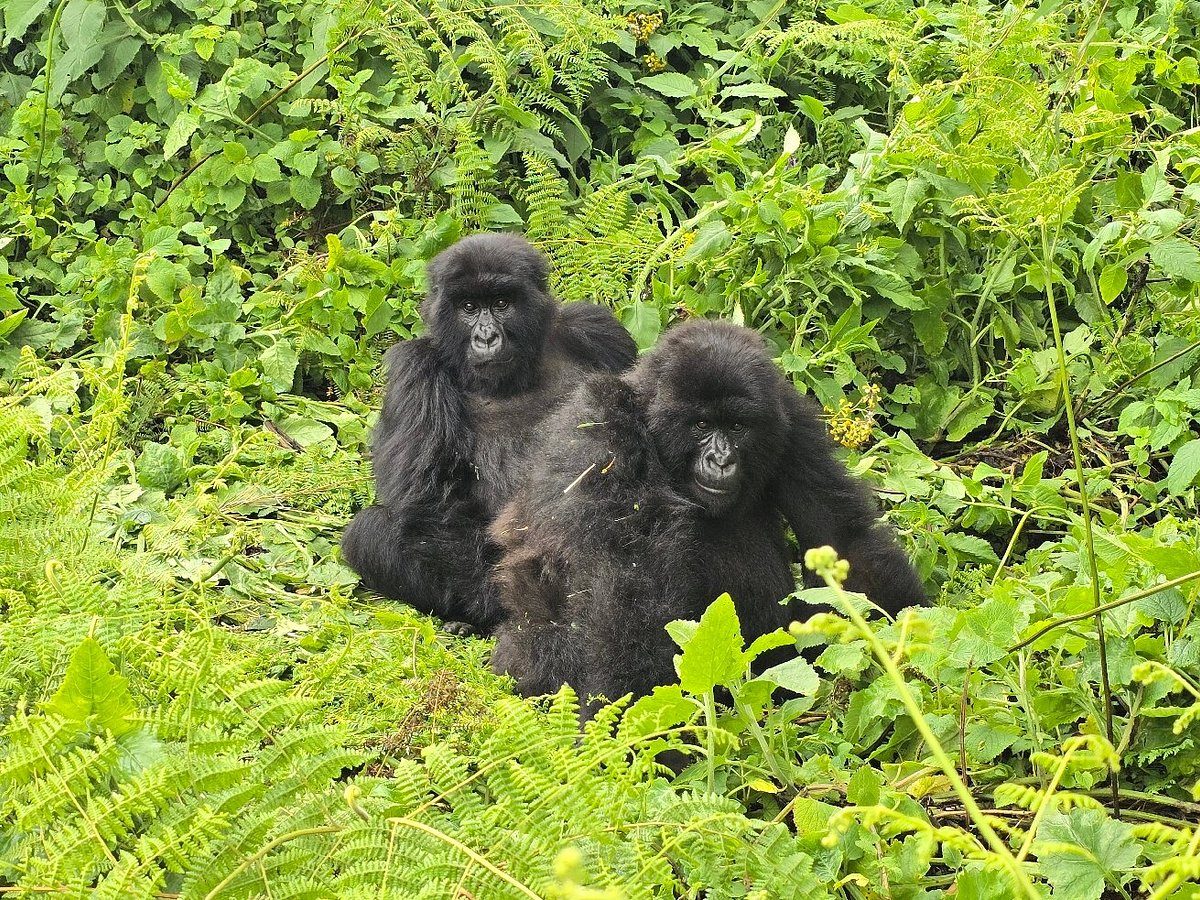
An 8-day Uganda safari typically combines thrilling gorilla trekking in Bwindi Impenetrable National Park with chimpanzee tracking in Kibale Forest and savannah game drives in Queen Elizabeth National Park. You should expect a packed, adventurous itinerary starting in Entebbe/Kampala, featuring primate encounters, boat cruises, boat trips on the Nile or Kazinga Channel, and scenic landscapes, including the Equator
Popular 8 days Uganda safari tour packages
8-day-africa-big-five-safari-in-uganda-and-mabamba-swamp-shoebill
8-days-best-uganda-safari-holiday-to-ziwa-murchison-kibale-forest-and-lake-mburo
8-days-uganda-rwanda-gorilla-trekking-big-five-safari-and-rwanda-genocide
8-days-best-uganda-rwanda-safari-holiday-ending-in-kigali
8-days-best-uganda-tour-with-lake-bunyonyi-ending-in-kigali-city
8-days-luxury-uganda-wildlife-safari-tour-package
Gorilla Trekking (Highlight)
Gorilla trekking in Bwindi Impenetrable Forest is an unforgettable, intimate wildlife encounter that many consider the pinnacle of an African safari. After trekking through dense montane forest along steep, often muddy trails, visitors reach a habituated family of mountain gorillas for a one-hour visit. The hike to find gorillas can take anywhere from two to eight hours depending on the group’s location and the day’s conditions; it’s physically demanding and requires good stamina, balance, and waterproof footwear. Still, the reward—spending sixty minutes within touching distance of a gorilla family—is unparalleled. You’ll observe complex social behaviors: mothers cradling infants, juveniles wrestling, silverbacks surveying their group, and subtle facial expressions that reveal intelligence and emotion. Photographers must respect rules—no flash, minimal movement—while guides enforce strict protocols to protect both guests and gorillas from disease and stress. These treks are tightly regulated by conservation authorities; permits are limited and often booked months in advance. The experience is both humbling and transformative, offering profound insight into primate behavior and the urgency of conservation. Many visitors report a lasting emotional impact, a greater appreciation for fragile ecosystems, and motivation to support conservation and local community initiatives that benefit both people and wildlife. For anyone seeking a deep, personal wildlife experience, gorilla trekking in Bwindi is a life-changing encounter—intense, moving, and impossible to forget.
Chimpanzee Tracking
Kibale Forest National Park is famed for hosting Africa’s highest concentration of chimpanzees, making it a premier destination for primate enthusiasts. Chimpanzee tracking here blends scientific interest with adventurous exploration: guided walks through evergreen rainforest, swamps, and rolling hills lead you to troops of chimpanzees as they forage, groom, and vocalize. Trek lengths vary—sometimes under an hour when troops are close to habituated trails, but often several hours requiring sturdy boots and stamina. Guides use radio tracking and years of local knowledge to locate groups while minimizing disturbance. Observing chimps offers insights into their complex social hierarchies, tool use, and expressive behaviors—youngsters playfully chase each other, while dominant males display hierarchical gestures and vocalizations. Kibale also hosts other primates—red colobus, L’Hoest’s monkeys, and grey-cheeked mangabeys—so expect diverse sightings. The park’s biodiversity extends to abundant birdlife and plant species, enriching the trek. Patient, quiet observation yields the best encounters: chimps may move rapidly through canopy or linger nearby, offering varied photographic opportunities. As with all primate tourism, health precautions are vital—maintaining distance, avoiding visits if ill, and following guide instructions protect both humans and apes. The experience is intellectually rewarding and thrilling, combining field biology with eco-tourism and contributing to conservation funding and local livelihoods.
Game Drives
Game drives in Uganda’s premier savanna parks—Queen Elizabeth and Murchison Falls—offer classic African wildlife viewing from the comfort of a 4x4 land cruiser. Early morning and late afternoon drives maximize sightings as animals are most active during cooler periods. Drives traverse open plains, riverine corridors, and woodland patches, where you may encounter lions (notably tree-climbing lions in Ishasha), large herds of elephants, powerful buffalo, elusive leopards, and myriad antelope species such as kob, Uganda kob, waterbuck, and bushbuck. Knowledgeable guides scan for tracks, signs, and vantage points, often homing in on predators or watering holes. In Ishasha sector of Queen Elizabeth, tree-climbing lions lounge on branches—an iconic and photogenic behavior. Murchison’s vast landscapes and riverine habitats increase chances of spotting apex predators and transient species. Drives balance patience and movement: sometimes sightings are immediate, other times you stake out a watering hole or follow fresh spoor. Photographers benefit from vehicle-mounted swivel seats and open-roof setups for unobstructed views and telephoto use. Game drives are adaptable—tailored for wildlife priorities, birding interests, or scenic photography. They also play a key conservation role by supporting park fees and community-based tourism. For travelers, game drives combine excitement with relaxation, delivering close-up wildlife encounters in safe, guided conditions that highlight Uganda’s remarkable terrestrial biodiversity.
Boat Safaris
Boat safaris on the Kazinga Channel (Queen Elizabeth) or along the Nile at Murchison Falls provide a serene, water-level perspective on East Africa’s aquatic wildlife. These cruises glide past riverbanks brimming with life: massive pods of hippos wallow at the water’s edge, crocodiles bask on sunlit sandbanks, and flocks of herons, kingfishers, and fish eagles patrol the skies. The Kazinga Channel links Lake George and Lake Edward, concentrating animals along its banks and offering prolonged, relaxed viewing opportunities with minimal disturbance. Murchison Falls boat trips—often to the base of the falls—present dramatic scenery as powerful rapids funnel through narrow gorges, with the surrounding vegetation attracting large mammals and raptors. Boat safaris are excellent for photography: the low vantage yields intimate portraits of animals using the river, and lighting at dawn or dusk creates dramatic silhouettes. Cruises vary from short, hour-long excursions to half-day trips with picnic stops; some include guided commentary from naturalist guides who explain ecology, behavior, and conservation issues. Safety protocols keep passengers at a respectful distance from wildlife, especially hippos and crocodiles, which can be unpredictable. These safaris are comparatively gentle and accessible for travelers of moderate fitness, making them ideal for families and those seeking relaxation mixed with wildlife viewing. Overall, boat safaris balance calm observation with high wildlife density, delivering memorable encounters and stunning landscapes.
Scenic & Cultural Stops
Uganda’s landscapes and communities offer compelling complements to wildlife viewing: from the Equator’s playful photo opportunities to community walks and panoramic vistas of tea plantations and crater lakes. Visiting the Equator provides a light-hearted stop—often with demonstrations of Coriolis-effect myths, local crafts, and photo spots marking the line between hemispheres. Community walks, such as the Bigodi Wetland Sanctuary near Kibale, immerse visitors in rural life: guided strolls reveal medicinal plants, birdlife, and the daily rhythms of farming communities while supporting locally run conservation and livelihood projects. Tea plantations in southwestern Uganda create rolling, emerald hills perfect for scenic hikes and photography; tea estate visits often include explanations of processing and opportunities to sample locally produced teas. The crater lakes of the region, set amidst verdant ridges, offer tranquil picnic spots and birdwatching. Cultural experiences—village visits, traditional dance performances, and markets—allow respectful engagement with local traditions, crafts, and cuisine. These stops support community-based tourism, ensuring economic benefits reach local people and incentivize conservation. They also provide narrative context: understanding how communities interact with wildlife and landscapes deepens appreciation for conservation challenges and solutions. For travelers, blending scenic and cultural stops into a safari creates a richer, more rounded itinerary—mixing adventure with relaxation, natural beauty with human stories.
Logistics & Physical Activity
A typical Uganda safari combines private 4x4 land cruiser transport, professional English-speaking guides, and a range of accommodation from budget lodges to luxury camps. Vehicles are often fitted for game viewing—open roofs, swivel seats, and charging points—and drives can include long days on rough, sometimes muddy roads. Tour operators coordinate permits (essential for gorilla and chimp tracking), park fees, and transfers; many itineraries build in buffer time for unpredictable road conditions. Accommodation choices vary: basic bandas and community-run guesthouses offer cultural immersion and value, mid-range lodges balance comfort with authenticity, and luxury camps provide high-end amenities and scenic locations. Guides handle logistics, safety briefings, and interpretive commentary; they also enforce health protocols, especially for primate encounters where disease transmission risk requires strict rules. Trekking activities demand moderate to high fitness—gorilla treks often involve steep, slippery climbs and long hours on foot; chimp tracking can be strenuous but variable. Proper gear—sturdy boots, gaiters, rain gear, layered clothing, insect repellent, water, and walking sticks—is essential. Travelers should ensure appropriate vaccinations and travel insurance, bring lightweight daypacks, and acclimate to altitude when necessary. Responsible tourism practices—following park rules, minimizing plastic waste, and tipping guides and porters—enhance the experience and support local economies. With proper preparation, a Uganda safari delivers rewarding wildlife encounters, cultural immersion, and varied physical challenges suited to many travelers seeking adventure and conservation-minded travel.
Will I only see gorillas on the 8 days gorilla and Uganda safari?
No. While trekking mountain gorillas in Bwindi is the marquee highlight, an eight‑day Uganda safari typically includes a range of other wildlife and cultural experiences that broaden the trip. Queen Elizabeth National Park is often included and offers classic savanna game drives and the famous tree‑climbing lions of Ishasha, alongside sightings of elephants, buffalo, antelope and predators. Boat safaris on the Kazinga Channel provide close, water‑level views of hippos, crocodiles and dense birdlife. Kibale Forest National Park commonly features as the chimpanzee‑tracking stop: Kibale hosts a high density of chimpanzees and other primates (red colobus, L’Hoest’s monkeys), giving visitors lively, arboreal encounters distinct from mountain gorilla viewing. Depending on the exact itinerary, travellers may also visit Murchison Falls for dramatic river scenery and Nile hippo populations, Lake Mburo for zebras and impalas, or include cultural stops—village visits, Batwa pygmy experiences, tea‑estate tours and wetland walks at Bigodi—to learn about local communities and conservation linkages. Birdwatchers find Uganda exceptional, with diverse habitats producing rare and sought‑after species. Thus, the eight‑day package balances the intimacy of a gorilla hour with savanna spectacles, aquatic wildlife, primate diversity and cultural immersion, ensuring a varied and well‑rounded safari rather than a single‑focus trip.
How difficult is the gorilla trekking?
Gorilla trekking ranges from moderately strenuous to very demanding depending on the chosen sector, the specific gorilla family’s location and current trail conditions. Bwindi’s terrain is mountainous and heavily forested; treks can involve steep ascents and descents, slippery muddy paths, thick undergrowth and occasional river or swamp crossings. Altitude and humidity add to exertion, making sustained walking more tiring for those not used to hilly, highland environments. That said, people with a reasonable level of fitness typically manage the activity successfully. Trekking durations vary—some groups locate gorillas within two hours, others require up to six or more hours—so stamina and good balance are helpful. Porters can often be hired locally to carry luggage and offer physical assistance on steep stretches, which makes the activity accessible to older or less fit travellers. Proper footwear (sturdy waterproof boots), gaiters, gloves, a walking stick, and layered clothing reduce discomfort and risk of injury. Guides and rangers are experienced at pacing groups and will adapt as needed; they also cut brief paths through vegetation but expect natural trails rather than cleared walkways. Weather impacts difficulty: the wet season increases slipperiness and can make the trek significantly harder. For many visitors, the physical challenge amplifies the sense of achievement when the gorillas are found. Overall, with reasonable preparation, optional porter support, and sensible pacing, most travellers accomplish gorilla treks; those with limited mobility should consult guides beforehand and consider alternative activities or accessible gorilla habituation programmes where available.
What should I pack for the 8 days gorilla and Uganda safari?
Careful packing enhances comfort and safety on an eight‑day gorilla and Uganda safari. Essential footwear is sturdy, waterproof hiking boots with good ankle support and thick socks; gaiters help keep mud and nettles out. Long‑sleeved shirts and long trousers in quick‑dry fabrics protect against scratches, insects and sun—bring a light fleece or thermal top for cool mornings. A waterproof, breathable rain jacket or poncho is vital; even the dry season can bring showers. Gardening or leather gloves protect hands during dense bush walking. A wide‑brimmed hat, sunglasses and sunscreen are useful for open‑area drives. For photography, a mid‑range zoom (70–200mm) and a telephoto (200–400mm) are helpful for different situations; bring spare batteries, memory cards and a rain cover for cameras. A comfortable daypack should hold water, snacks, hand sanitiser and a basic first‑aid kit. Insect repellent (DEET or picaridin) is essential; consider anti‑malaria measures advised by your clinician. Personal items: toiletries, any prescription medicines, copies of passport/permits and travel insurance. Consider a collapsible trekking pole for balance on slippery slopes. Reusable water bottle and water purification tablets or a UV purifier are useful backups. For village visits, modest clothing is respectful. Small cash (local currency) helps for tips, porter fees and market purchases. Lastly, pack light but smart: laundry services are often available at lodges, and excess luggage can complicate transfers on rough roads and small aircraft if used. Proper gear makes trekking and multi‑park travel far more enjoyable.
Are the gorillas dangerous?
Mountain gorillas are powerful wild animals but habituated groups visited by tourists are generally calm and not prone to aggression—provided visitors follow park rules and ranger instructions. Gorillas are intelligent and usually avoid conflict; most encounters are peaceful and marked by natural behaviours such as feeding, grooming and play. Nevertheless, gorillas can be dangerous if provoked. Silverbacks—adult males—defend their families and may display threat behaviours (chest‑beating, loud roars, mock charges) if they feel threatened; these displays typically stop if humans remain calm and follow ranger guidance. To minimise risk, park regulations limit group size (commonly eight visitors), enforce a one‑hour maximum viewing time and require a safe viewing distance (historically about seven metres; sometimes extended to ten metres during health concerns). Visitors must not touch, feed or make sudden moves, and people with respiratory illness are usually barred from trekking because gorillas easily contract human diseases. Rangers are trained to manage both gorilla behaviour and visitor safety and will intervene if a situation escalates. Actual attacks on visitors in regulated trekking contexts are extremely rare. The combination of strict park protocols, experienced guides and responsible visitor behaviour makes gorilla trekking widely regarded as a safe activity. Nonetheless, remember that these are wild animals with instincts and great strength; respectful distance, silence, and adherence to rules are essential to keep both gorillas and visitors safe.
What is the best time to go on an 8 days gorilla and Uganda safari?
The optimal time for an eight‑day gorilla and Uganda safari is the dry seasons: the long dry spell from June to September and the shorter dry window from December to February. During these months trails are firmer and less slippery, making gorilla treks and forest walks more comfortable and safer. Game viewing on savanna drives improves as animals concentrate around permanent water sources and vegetation is sparser, increasing sighting opportunities. Birdwatching also benefits from clearer visibility in dry months. The wet seasons—March to May (long rains) and October to November (short rains)—bring lush vegetation and fewer tourists, plus lower lodge rates, but heavy rains can make trekking considerably harder, extend search times and increase the chance of muddy, slippery conditions. Shoulder months (late May and early October) may offer a compromise: fewer visitors than peak dry months but with drier patches. Importantly, gorilla permits sell out year‑round and should be booked well in advance regardless of season. Traveller preferences matter: choose dry months for easier trekking and more predictable road conditions; choose wet months for lush scenery, lower prices and enhanced bird activity if you are comfortable with rain. Always check specific local weather patterns and trail conditions with your operator before travel, as microclimates in mountain rainforests can vary and affect daily trekking conditions.
Will I need a visa for Uganda?
Most international visitors to Uganda require a visa and are advised to obtain it in advance through the Uganda Electronic Visa/Permit system. The e‑visa simplifies entry formalities and reduces arrival delays; tour operators often assist with the application process and provide invitation or booking confirmations needed for the application. Visa requirements, fees and the availability of visas on arrival depend on nationality; some citizens may be eligible for visas on arrival under changing policies, but relying on this can introduce uncertainty, so applying online beforehand is recommended. If your itinerary crosses into Rwanda (common for access to Bwindi via Kigali), you may also need a Rwandan visa; Rwanda operates its own e‑visa system. Some travellers choose an East Africa Tourist Visa (covering Kenya, Uganda and Rwanda) where eligible, which streamlines cross‑border travel—check eligibility and current rules. Standard documents needed include a passport valid for at least six months beyond travel dates, passport‑style photos, proof of onward travel or return ticket, and proof of accommodation or tour booking. Health entry requirements (yellow fever vaccination certificate, COVID‑related rules) can change, so verify current mandates before travel. Your safari operator will usually confirm visa and entry particulars, but ultimately obtaining the correct visas and carrying printed confirmations is the traveller’s responsibility; do this well in advance to avoid complications upon arrival.
What is the accommodation like?
Accommodation on eight‑day gorilla and Uganda safari ranges from simple community bandas to comfortable mid‑range lodges and high‑end luxury camps, giving travellers options that suit budget and comfort preferences. Near Bwindi Impenetrable National Park, options include community‑run guesthouses and bandas that prioritise cultural exchange and support local livelihoods, mid‑range lodges offering en‑suite rooms and local cuisine, and luxury lodges with private chalets, fine dining and scenic vistas over the forest. Proximity to park sectors (Buhoma, Ruhija, Nkuringo, Rushaga) affects travel time to trailheads and may influence lodging choice. In areas such as Kibale and Queen Elizabeth, eco‑lodges and forest camps provide immersive wildlife settings, while savanna lodges near Murchison or Lake Mburo focus on game viewing with open design and viewing platforms. Luxury properties typically include comforts such as hot water, electricity, hot showers, swimming pools and guided activities; basic options may have shared facilities and simpler meals but offer authentic local engagement. Many lodges contribute to conservation and community projects; choosing community lodges or eco‑certified properties can enhance local benefit. Meal plans are often full board on safari; if you have dietary requirements, inform your operator in advance. Seasonal rates vary, with peak dry months generally costing more. Overall, expect a mixture of rustic charm and modern comfort depending on category; experienced operators tailor accommodation choices to balance convenience for early starts, comfort after long days and connection to local culture and conservation initiatives.
Is water provided during the 8 days gorilla and Uganda safari?
Yes—reputable safari operators typically provide drinking water during transfers and activities on an eight‑day Uganda safari, though exact arrangements vary. Safari vehicles commonly carry bottled or purified water for guests during long drives and park transfers; guides refill bottles at lodges or use filtered water containers to limit single‑use plastics. Lodges and camps generally supply drinking water for meals and room use—some provide bottled water, others offer safe filtered water stations for refilling reusable bottles. On trekking days, guides advise bringing a personal water bottle with sufficient capacity for several hours in the field; many operators refill bottles at the start of the walk or at staging points. In very remote areas, some lodges may rely on boiled or filtered water rather than bottled supplies, so bringing a reusable bottle and a small water purification method (tablets or UV pen) can be a useful backup. Travellers should avoid drinking tap water in most locations unless a lodge explicitly confirms potability. For health and comfort during strenuous treks, carry electrolytes or rehydration sachets if prone to dehydration. If you have specific preferences—only bottled water, large capacity containers, or filtration needs—confirm with your tour operator beforehand so they can provision appropriately. Overall, water provision is a standard part of safari logistics, but confirming details before travel ensures you remain well hydrated during long drives and demanding treks.
Do I need to be vaccinated for malaria?
There is no universally mandatory malaria vaccine for travellers to Uganda, but malaria is endemic and antimalarial prophylaxis is strongly recommended. Consult a travel health specialist well before departure to receive personalised advice on antimalarial medication—common prophylactic choices include atovaquone‑proguanil, doxycycline and mefloquine—taking into account current regional resistance patterns and personal medical history. Start and finish prophylaxis according to the chosen drug’s schedule. In addition to chemoprophylaxis, use insect bite prevention measures: apply repellent containing DEET or picaridin to exposed skin, wear long sleeves and long trousers in the evening, and sleep under insecticide‑treated nets where provided. Many lodges supply nets; confirm availability if staying in basic accommodation. Vaccinations commonly recommended for Uganda travel include routine immunisations, hepatitis A and B, typhoid and yellow fever—yellow fever vaccination may be required for entry from some countries and a certificate might be requested. Keep all vaccination records handy and check the latest entry health requirements. Carry a basic medical kit (antidiarrhoea meds, oral rehydration salts, pain relief) and ensure comprehensive travel insurance that covers medical evacuation. Pregnant travellers or those with serious health conditions should seek specialist advice, as malaria risk and medication safety vary. Overall, while there is no single mandatory malaria vaccine for most tourists, proactive prophylaxis and bite prevention are essential for a safe trip.
What to expect from the 8 days gorilla and Uganda safari in terms of transportation?
Expect a mix of long road transfers, short trailhead drives and optional domestic flights on an eight‑day Uganda safari. Most itineraries use private 4x4 safari vehicles—commonly Toyota Land Cruisers—adapted for rough rural roads and wildlife viewing, often with elevated seating or pop‑up roofs for better photography. Road conditions can be rough and seasonal: dirt and gravel stretches may become slippery in the rains, increasing travel times, so trips commonly build in buffer days. Transfers between key points (Entebbe/Kigali airports, Bwindi, Kibale, Queen Elizabeth or Murchison) can run from a few hours to full‑day drives of five to eight hours, depending on distance and road quality. Drivers and guides are experienced with local routes and will plan early starts to avoid afternoon rains and to reach parks for prime viewing times. For travellers who prefer to minimise long drives, scheduled or charter domestic flights connect Entebbe/Kigali to airstrips near Bwindi (Kisoro, Kihihi) and other parks—these reduce travel time but add cost and require advance booking. Boat transfers are commonly used for Kazinga Channel and Nile excursions, offering relaxed wildlife viewing from the water. Short hikes to trailheads, transfers within park areas and occasional bumpy stretches are typical; carry motion‑sickness remedies if prone. Guides handle permits, park entry logistics and local liaison, easing border or inter‑park movements. Overall, transportation is functional and adventurous: expect scenic but sometimes long and bumpy drives unless you opt for internal flights, and plan clothing and rest to accommodate full travel days.
Booking 8 days gorilla and Uganda safari with us Roads of Adventure safaris
Book an unforgettable 8-day gorilla and Uganda safari with Roads of Adventure Safaris, your expert guide to the 'Pearl of Africa'. This immersive itinerary takes you deep into Bwindi Impenetrable National Park for a thrilling mountain gorilla trek. Experience the ultimate primate adventure with chimpanzee tracking in Kibale Forest and explore the scenic Queen Elizabeth National Park for game drives—including tree-climbing lions in Ishasha—and boat cruises along the Kazinga Channel. Relax at scenic Lake Bunyonyi, known for its stunning islands. Our packages offer top-tier, well-rounded safari experiences with specialized, knowledgeable guides, ensuring lasting memories of Africa’s wildlife and culture.
