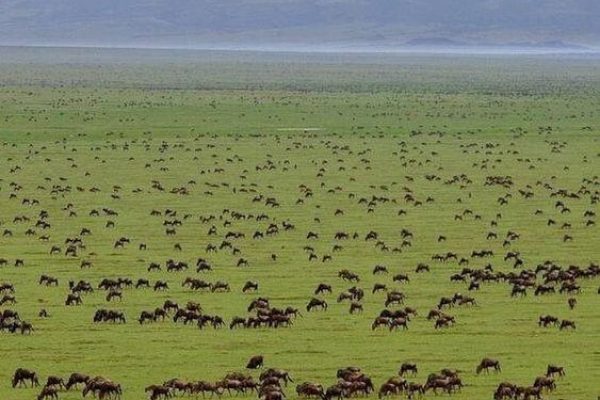
A 12-day Tanzania wildlife safari offers an in-depth, immersive experience of the "Northern Circuit," featuring extensive game drives, the Big Five, and the Great Migration. You should expect to visit Serengeti, Ngorongoro Crater, Tarangire, and Lake Manyara, featuring savannah plains, volcanic landscapes, luxury tented camps, and rich cultural interactions.
12-days-budget-tanzania-safari-itinerary-visiting-tanzania-on-budget
12-days-tanzania-photography-safari-capturing-the-wild-with-lenses
12-days-tanzania-safari-and-culture-experience
12-days-budget-tanzania-safari-itinerary-visiting-tanzania-on-budget
12-days-perfect-tanzania-zanzibar-beach-holiday-tour-package
12-days-tanzania-photography-safari-capturing-the-wild-with-lenses
12-days-tanzania-safari-and-culture-experience
12-days-best-tanzania-and-kenya-safari-combo-itinerary
12 days Tanzania wildlife safari tour
Experience Tanzania’s wildlife-rich heart on this 12-day safari that balances iconic game reserves, dramatic landscapes, and cultural encounters. Beginning with the vast plains of the Serengeti, you’ll follow seasonal movements of zebras and wildebeest, watching ambushes by lions and cheetahs at sunrise and sunset. The Ngorongoro Crater offers a compact, wildlife-dense setting where black rhinos, elephants, and large prides are often seen against a volcanic backdrop. Tarangire’s elephant-packed woodlands and towering baobabs create unforgettable silhouettes, while Lake Manyara’s birdlife and tree-climbing lions add variety. Between game drives, meet Maasai communities to learn pastoral traditions, and enjoy comfortable nights at a mix of tented camps and luxury lodges that bring you close to nature without sacrificing comfort. Travel in well-equipped 4x4 vehicles with expert guides who read animal behavior and optimize sightings. This 12-day itinerary suits first-time safari-goers and seasoned naturalists alike, offering day-by-day discoveries, excellent photographic opportunities, and a well-paced rhythm that turns each day into a new chapter of Tanzania’s wild story.
Day 1 — Arrival and transfer to Arusha
Arrive at Kilimanjaro International Airport or Julius Nyerere International and transfer to Arusha, the safari hub. After clearing immigration and collecting luggage, you’ll meet your driver-guide for a briefing on the safari, vehicle familiarization, and permit checks. Depending on arrival time, explore Arusha town briefly—visit a local craft market or the Cultural Heritage Centre for East African art and crafts. Settle into a comfortable lodge or boutique hotel on the outskirts, enjoy a welcome dinner, and rest. Your guide will review the 12-day route, discuss camera gear, clothing, and health precautions (malaria prophylaxis, hydration). Early nights are common to prepare for an early departure the next morning. Accommodation typically includes dinner and breakfast; meals will reflect local flavors with international options. This gentle first day helps you acclimatize and ensures everyone is ready and informed for the journey ahead.
Day 2 — Arusha to Tarangire National Park
After an early breakfast, depart Arusha for Tarangire National Park (about 2–3 hours). Known for its seasonal river and vast elephant herds, Tarangire’s baobab-dotted landscape is ideal for photography and relaxed game viewing. On arrival, embark on a full-day game drive—searching for large elephant family groups, buffalo, impala, hartebeest, and predators such as lions and spotted hyenas. Birdlife is prolific, including raptors, storks, and the endemic yellow-collared lovebird. Enjoy a picnic lunch inside the park at a scenic spot, then continue afternoon drives when animals become more active as temperatures cool. Late afternoon, exit to your nearby camp or lodge for sundowners and dinner. Accommodation ranges from tented camps offering candlelit dining to mid-range lodges with hot showers. Guides will adapt the day to seasonal water levels and animal concentrations, maximizing sightings and sharing natural history insights.
Day 3 — Tarangire to Lake Manyara National Park
Depart after breakfast for short transfer to Lake Manyara National Park (about 1–1.5 hours). Small but ecologically diverse, Manyara features a soda lake attracting thousands of flamingos, extensive woodlands, and the famed tree-climbing lions. Begin with a mid-morning game drive along the lake shore and through the forest—excellent for spotting giraffe, buffalo, and elusive bushbuck. Lunch can be at the park picnic site or back at the lodge. Afternoon game drives target the rift-valley escarpment for sweeping views and birdwatching; Manyara is a favored site for bee-eaters, pelicans, and hornbills. If time allows, visit the hot springs or viewpoint for sunset. Transfer later to your lodge near Manyara or en route to Karatu, where many accommodations offer stunning crater rim vistas. Evening at leisure with dinner and a briefing for the next-day Ngorongoro descent.
Day 4 — Ngorongoro Crater full-day safari
Descend into the Ngorongoro Crater after an early breakfast for a full-day game drive in this unique caldera—often called a “natural zoo” due to its high density of wildlife. The crater floor provides excellent chances to see black rhinos, elephants, large prides of lions, and herds of wildebeest and zebra, all set against grassy plains dotted with small lakes and swamps. Your guide will plan a route to maximize sightings, stopping for picnic lunch at a designated crater site. Expect continuous wildlife viewing and abundant birdlife, including flamingos on seasonal pools. Mid to late afternoon, begin the ascent back to the rim where you’ll enjoy panoramic views of the crater before returning to your lodge on the crater edge or in Karatu. Carry warm layers—the rim is cooler—and follow park rules regarding proximity to animals and waste disposal. Overnight and dinner at lodge.
Day 5 — Karatu to Serengeti National Park (via Olduvai Gorge)
After breakfast, depart Karatu and drive toward the Serengeti, stopping at Olduvai Gorge en route—a key paleoanthropological site where early human fossils were found. A brief museum visit and short walk give context to human evolution and the region’s geology. Continue across the Ngorongoro Conservation Area into the Serengeti ecosystem, watching for wildlife along the way. Depending on the season and your chosen Serengeti sector (north, central, south), arrive in time for an afternoon game drive. The Serengeti’s endless grasslands and kopje formations are prime territory for predators and prolific herbivore herds. Evening at your tented camp or lodge within or near the park. Guides will discuss multi-day plans to follow migration patterns if timing aligns. Relax with dinner under starlit skies, listening for distant hippo or hyena calls.
Day 6 — Full-day Serengeti game drives
Spend a full day in the Serengeti with morning and afternoon game drives targeting predator hotspots and migratory herds. Early morning drives focus on sunrise activity—predators returning from night hunts and grazers moving across the plains. Midday offers birding and photography around kopjes where leopards rest, and midday heat draws animals to shaded areas. Picnic lunch at a scenic spot, then afternoon drives pursuit of sightings like lionesses with cubs, cheetah on the hunt, and large grazing herds. If the migration is present, expect dramatic river crossings and intense predator-prey interactions (season and location dependent). Guides use radio networks and local scouts to locate focal animals. Evening returns to camp for bush dinner or lodge dining. Optional night drives (where permitted) can reveal nocturnal species like civets and bushbabies—ask your guide about park regulations.
Day 7 — Serengeti to Central/Northern Serengeti
Today continue deeper into the Serengeti, transferring between sectors to track wildlife movements—northward during calving/migration seasons or central during resident herds. The drive itself is a safari, with game viewing en route: watch for large predator concentrations, grazing wildebeest, and solitary bull elephants. Stop at iconic kopjes for photography and to scan the plains for distant activity. Afternoon game drives focus on following leads from other guides and scout reports—this mobility increases chances of witnessing hunts, chases, and social behaviors among big cats. Accommodation shifts to a different camp or lodge to reduce transit time and access fresh territories. The day balances driving with repeated short drives to exploit sightings. Your guide will keep you informed of road conditions and recommended viewing times, and sundowners on a scenic rise are a highlight before dinner at camp.
Day 8 — Serengeti to Ngorongoro (via scenic route)
After morning game viewing, leave the Serengeti and head back toward the Ngorongoro Conservation Area along scenic routes that traverse Maasai grazing lands and rolling highlands. Expect wildlife sightings during the morning and possibly at water points along the way. Arrive in time for a relaxed afternoon—visit a Maasai boma if included, or rest at your lodge nestled on the crater rim with expansive views. This transition day offers a chance to enjoy lodge comforts, review photos, and learn more about local culture and conservation efforts. Dinner and overnight on the crater rim allow for sunrise access to the crater for the following day’s activities. Your guide will brief you on the next-day schedule and any necessary permits or park fees for the crater visit.
Day 9 — Cultural visit and Lake Eyasi / Hadzabe encounter
Depart for Lake Eyasi for a full-day cultural experience with the Hadzabe hunter-gatherers and Datoga pastoralists. The Hadzabe, one of Africa’s last hunter-gatherer groups, may demonstrate traditional hunts with bows and arrows, gather edible plants, and share stories about their way of life. Participate in tracking demonstrations and learn about their intimate knowledge of the land. Visit nearby Datoga communities to observe blacksmithing and pastoral traditions. A picnic lunch by the lake follows, with birdwatching opportunities and scenic views of the escarpment. This day contrasts wildlife-driven excursions with human cultural continuity, offering insights into how traditional livelihoods persist alongside conservation. Return to your Karatu or Ngorongoro rim accommodation for dinner and overnight. Respect local customs—ask before photographing individuals and consider small gifts like basic supplies rather than money.
Day 10 — Ngorongoro to Tarangire
Leave the Ngorongoro area after breakfast and drive east toward Tarangire National Park. Enter Tarangire for an afternoon game drive—this park is famous for its large elephant populations and majestic baobab trees. Afternoon game viewing often yields close elephant interactions, sizable buffalo herds, and a variety of antelope species. Birdwatchers will enjoy raptors, kingfishers, and the colorful lilac-breasted roller. Stay at a lodge or tented camp near the park for an early start the following day. Evening activities include guided bush walks (where offered) and hearty dinners around a campfire. Guides will recommend optimal areas for the next morning based on recent sightings and seasonal water availability. Tarangire’s open landscapes make game viewing accessible and often less crowded than the Serengeti, providing a different but equally rich safari experience.
Day 11 — Morning Tarangire game drive; return to Arusha
Begin with an early morning game drive in Tarangire when animals are most active, especially elephants moving toward water sources. Enjoy crisp morning light for photography among towering baobabs. After a final wildlife circuit, exit the park and begin the drive back to Arusha (approx. 2–3 hours). Stop en route for lunch and any last-minute visits to craft markets for souvenirs. Arrive in Arusha in the afternoon; time permitting, visit the Cultural Heritage Centre for final gift shopping or relax at your hotel with a pool. In the evening, enjoy a farewell dinner with your guide to review safari highlights and receive digital copies of any shared photos. Overnight in Arusha at a comfortable hotel; prepare for departure the next day. Depending on flight schedules, an airport transfer can be arranged.
Day 12 — Departure
After breakfast, enjoy a final morning in Arusha—take a short city walk, visit a local café, or simply relax at the lodge. Your guide will ensure all accommodations and park payments are settled and assist with any last-minute arrangements. Transfer to Kilimanjaro or Julius Nyerere International Airport for your onward flight home. Allow time for international check-in and any required COVID-19 or health documentation (as applicable). If you have a late departure, discuss options for an extended half-day excursion or a drop-off at a nearby cultural site. Before parting, exchange contact details with your guide and driver, and consider tipping for excellent service—typical guidelines vary by group size and level of service. Depart with memories of close wildlife encounters, dramatic landscapes, and cultural insights—a compact yet comprehensive taste of Tanzania’s wild heart.
What is the main focus of a 12 days Tanzania wildlife safari tour?
A 12-day Tanzania wildlife safari is designed to deliver a comprehensive, relaxed-paced exploration of the Northern Circuit’s highlights—Serengeti, Ngorongoro Crater, Tarangire, and Lake Manyara—while balancing long game-drive days with downtime for rest and optional activities. The primary focus is wildlife viewing: tracking the great herbivore migrations when in season, observing big-cat behavior, locating elusive species like leopard and wild dog, and encountering high concentrations of plains game. The itinerary typically stages time across different ecosystems so guests experience savannah plains, riverine woodlands, crater floor habitats, and soda-lake shorelines. This diversity increases sighting variety and photographic opportunities. Equally important is the itinerary’s rhythm—early morning and late-afternoon drives when animals are most active, midday periods for lodge relaxation or short cultural visits, and occasional full-day crater or park excursions. The tour emphasizes quality guiding: experienced driver-guides who read animal behavior, use radio networks and local scouts, and customize daily routes to maximize encounters. Conservation and cultural context are woven in—visits to Maasai bomas or interpretive stops (e.g., Olduvai Gorge) help place wildlife within human and geological histories. Accommodation choices—tented camps and lodges—bring guests close to nature without sacrificing comfort, often situated with easy access to park gates to allow early starts. Logistics and transport are optimized with custom 4x4 vehicles that enable flexible sector transfers and off-road access where permitted. Overall, the main focus is to provide an immersive, varied, and well-paced wildlife experience that showcases Tanzania’s ecological richness while minimizing travel fatigue and maximizing meaningful encounters.
Will I see the Big Five on a 12 days Tanzania wildlife safari tour?
A 12-day Northern Circuit safari gives you a strong chance to encounter all members of the classic “Big Five” (lion, leopard, elephant, buffalo, and rhinoceros), but sightings are never guaranteed—wildlife moves freely and is influenced by season, park, and luck. The Ngorongoro Crater is arguably the best single-location guarantee for seeing a high density of species in a compact area; black rhinos, elephants, buffalo, and lions are regularly recorded on crater-floor game drives. The Serengeti provides excellent lion and leopard viewing—its open plains and kopjes are classic big-cat habitats—while extensive elephant ranges occur across Tarangire and parts of the Serengeti. Tarangire is particularly reliable for large elephant herds and buffalo populations. Rhinos are the trickiest: black rhino populations in Tanzania are limited and often concentrated in protected zones like portions of Ngorongoro and some conservation areas; while sightings are possible, they are less common than the other four species. Guides coordinate with park rangers and use radio networks and scout reports to increase chances of locating rarer animals. Time allocation across multiple parks (Serengeti and Ngorongoro, primarily) and flexible driving to follow animals improves odds. Remember that “Big Five” expectations should be balanced with appreciation for the full suite of wildlife: cheetahs, wild dogs, hyenas, giraffes, zebras, and numerous ungulates appear daily and offer spectacular behavior to observe. Also consider conservation-minded viewing practices—maintain respectful distances, follow guide and park rules, and support operators who contribute to anti-poaching and community initiatives. In summary, a 12-day Northern Circuit safari gives you high probability of seeing most of the Big Five, especially with experienced guides and some seasonal luck, but absolute guarantees aren’t possible in wild, free-ranging systems.
When is the best time to book a 12 days Tanzania wildlife safari tour for the Migration?
Timing your 12-day Tanzania safari to coincide with the Great Migration depends on which migration behavior you most want to witness. Broadly, two peak windows stand out: June–October and January–March, each offering distinct experiences. June to October (dry season) is the prime period for northern Serengeti river crossings—legendary scenes of wildebeest and zebra braving crocodile-filled rivers—because herds move northwest following grazing. Dry conditions concentrate wildlife near water, improving predator sightings and making roads more passable; visibility is excellent and walking or photographic conditions are favorable. This is also high season, so book 6–12 months ahead for prime camps and permits. January to March centers on the southern Serengeti’s calving season (typically January–February, sometimes into March), when hundreds of thousands of wildebeest give birth. Calving offers extraordinary predator-prey dynamics: vulnerable calves attract concentrated predator activity and dramatic hunts—excellent for wildlife documentary-style observation. April–May is the long rainy season and is generally less recommended for migration viewing because herds disperse, roads may be muddy, and some camps close; however, it’s shoulder season for lower prices and lush landscapes. November (short rains) can see transitional movements as herds begin shifting. Because migration timing varies year-to-year based on rainfall patterns, the most reliable approach is to coordinate with an experienced operator who tracks herd movements in real time and choose an itinerary flexible enough to position you in the sector where migration is occurring during your travel dates. Book early—popular dates in June–October and January–March fill quickly, especially for high-end camps and ballooning slots.
What kind of vehicle is used during a 12 days Tanzania wildlife safari tour?
The standard vehicle for a 12-day Tanzania Northern Circuit safari is a custom-built 4x4 Land Cruiser or Land Rover designed specifically for game viewing. These vehicles are chosen for reliability on rough roads and off-road capability where allowed. Key features include raised suspension and durable tires suited to dirt tracks and seasonal mud, ample power for hilly terrain, and large fuel capacity for long park-to-park transfers. For viewing and photography, safari vehicles commonly have a pop-up or sliding roof hatch that allows passengers to stand partly upright for unobstructed 360-degree views and higher camera angles—crucial for photographing wildlife and scanning the horizon. Seating configurations typically seat 4–7 guests, each with individual seats and often swivel capabilities so everyone can face both sides during sightings. Windows are large and sometimes removable to reduce reflection. Vehicles are equipped with charging points for camera batteries and USB ports, secure storage for gear, and often a fridge/box for cold drinks. Safety equipment includes a first-aid kit, fire extinguisher, spare tire, and communication radios. Experienced driver-guides accompany each vehicle; they are trained in wildlife behavior, first aid, and bush-driving techniques, and they coordinate with other guides via radio to locate animals. Some operators provide custom touches: shaded awnings, fold-down tables for picnic lunches, and optional rooftop seating for open-air drives (depending on park rules). For transfers involving light aircraft to remote airstrips, luggage limits apply—vehicles then meet you at airstrips for road transfers within the circuit. Overall, expect a rugged, purpose-built 4x4 that balances comfort, safety, and maximum wildlife visibility.
What kind of accommodation should I expect on a 12 days Tanzania wildlife safari tour?
Accommodation on a 12-day Tanzania safari typically mixes tented camps, permanent safari camps, and luxury lodges to balance immersion in nature with comfort. Tented camps are often canvas-built with raised wooden platforms, en-suite bathrooms (hot showers and flush toilets in most mid-to-high-end camps), and private verandas overlooking plains or waterholes—offering a close-to-nature experience with comfortable beds, linen, and sometimes electricity and charging points. Permanent lodges provide more amenities: stone or timber cottages, full-service restaurants, swimming pools, and spa facilities at higher-end properties, usually located on crater rims or park edges for spectacular views. In places like the Serengeti, many camps operate seasonally and are sited to follow migration patterns, so a tour might include several camps to position you near wildlife concentration areas. Ngorongoro rim lodges tend to be slightly more permanent and can offer panoramic crater views, while Tarangire and Manyara accommodations range from rustic camps to boutique lodges near park gates. Expect meal-inclusive plans—full board or all-inclusive at luxury properties—with breakfasts timed before early departures and picnic lunches during game drives. Camp atmospheres vary: some emphasize luxury with gourmet dining and private guides, others focus on authentic bush camping with communal dinners and campfires. Facilities like laundry, Wi-Fi, and hot-water availability depend on camp grade; remote sites may limit internet access but provide excellent stargazing. When booking, check whether accommodations are inside park boundaries (closer access but sometimes higher fees) or on park perimeters (short drives to gates). Many operators include accommodation choices to suit budgets and can recommend upgrades for special nights like crater rim stays or Serengeti luxury camps.
Can I experience a cultural tour on a 12 days Tanzania wildlife safari tour?
Yes—cultural encounters are commonly integrated into 12-day Tanzania safaris to complement wildlife experiences and provide contextual understanding of local peoples and landscapes. Typical cultural stops include visits to Maasai villages (bomas) near Tarangire and the Serengeti, where you can learn about pastoralist lifestyles, traditional beadwork, pastoral skills, and sometimes participate in dances or observe household activities. In the Ngorongoro highlands and areas around Lake Eyasi, itineraries may include visits to the Hadzabe hunter-gatherer community—offering demonstrations of tracking, hunting with bows and arrows, and foraging techniques that illustrate millennia-old subsistence strategies. Mto wa Mbu is a cultural crossroads often visited en route to Lake Manyara; it hosts multiple ethnic groups, a bustling market, and opportunities to sample local cuisine, visit banana plantations, and learn about rice and maize farming. These experiences are usually arranged to be respectful and mutually beneficial: many reputable operators coordinate with community tourism initiatives that channel fees or tips back to villages, support schools, or buy local crafts. For meaningful interactions, ask about interpreter availability, photography permissions, and appropriate gifts (useful items rather than cash). Duration can range from short 1–2 hour visits to half-day engagements depending on your itinerary. Cultural stops can also include visits to historical or educational sites such as Olduvai Gorge museum (human evolution), coffee plantations near Karatu, or local conservation projects that explain human-wildlife coexistence. Including cultural elements broadens the safari narrative—helping travelers appreciate the human dimensions of conservation and meet the people whose livelihoods are intertwined with Tanzania’s wild spaces.
Is a 12 days Tanzania wildlife safari tour suitable for birdwatchers?
A 12-day Northern Circuit safari is excellent for birdwatchers because it covers diverse habitats—soda lakes, riverine woodlands, acacia savannahs, and montane forests—each supporting distinct avifauna. Key birding hotspots include Lake Manyara (waterbirds, flamingos), Tarangire (woodland and savannah species, raptors), Ngorongoro (highland and crater-edge species), and the Serengeti (open-country birds and migrants). Across these areas you can expect to see kingfishers, herons, storks, egrets, raptors (eagles, hawks, secretary birds), hornbills, bee-eaters, lilac-breasted rollers, and numerous warblers and weavers. The time you spend in each park—early mornings and late afternoons—aligns well with peak bird activity. Guides on birding-capable safaris often carry reference books, use apps or checklists, and can point out subtle plumage differences and call identifications. For specialist birders, custom versions of the 12-day itinerary can add sites like Lake Eyasi for specialized species, forests around Ngorongoro for montane endemics, or even side trips to Arusha National Park for forest species. Bring binoculars (8x42 recommended), a field guide for East Africa, and a notebook or birding app for lists. Seasonality matters: migrant birds arrive in the wet seasons (Oct–May) boosting diversity, while dry-season months concentrate waterbirds and make shoreline species easier to spot. Early booking can secure guides with strong ornithological experience. Though daily drives focus on large mammals, a well-crafted 12-day safari provides abundant birding opportunities and the chance to compile an impressive life list while enjoying the broader safari experience.
Will I do walking safaris during a 12 days Tanzania wildlife safari tour?
Walking safaris can be included in a 12-day Tanzania itinerary, but their availability and character depend on park regulations, season, and operator choices. Walking safaris are commonly offered in Arusha National Park, certain conservation areas, and around some lodges where armed rangers escort guests—these guided walks provide close-up encounters with birdlife, smaller mammals, and plant ecology, and are an excellent complement to vehicle-based game drives. In major parks like the Serengeti and Ngorongoro Crater floor, guided walking is more restricted due to predator and large-animal risks; however, some conservancies adjacent to the Serengeti and community-run areas permit escorted walks focusing on tracking skills, small fauna, and night-walks for nocturnal species. Walks are typically conducted in small groups, led by an armed, trained guide who sets the pace and explains safety protocols—participants should follow instructions closely. Expect easy-to-moderate distances (1–3 hours) on gentle terrain for general nature walks, while more strenuous hikes (half-day to full-day) may be possible in highland areas like the Ngorongoro rim or around Lake Manyara depending on fitness levels and permit rules. Walking safaris emphasize different senses than vehicle drives: you’ll detect subtle signs—scat, tracks, bird calls—and appreciate flora and insect life often missed from a car. Wear long trousers, sturdy closed shoes, a hat, and bring water and insect repellent. If walking is important to you, request inclusion when booking—operators can tailor days in parks that allow safe walks and arrange armed ranger accompaniment. Walking adds depth to a 12-day safari, offering intimacy with the bush and educational value that vehicle-based viewing alone can’t match.
How long are the daily game drives on a 12 days Tanzania wildlife safari tour?
Daily game drives on a 12-day Tanzania safari typically last between 4 and 8 hours, structured around peak animal activity times—early morning (before and during sunrise) and late afternoon into early evening. A typical full safari day includes a dawn departure for 2–3 hours of morning viewing, a mid-day break for a picnic or return to camp when temperatures rise and animals rest, followed by a 2–3 hour afternoon drive when activity increases again. Full-day drives (6–8 hours) are common in large parks like the Serengeti, where the distances between sightings can be significant and where guests may spend all day in search of migration concentrations or predator interactions. In Ngorongoro Crater, the day can be a continuous full-day game drive (often 6–7 hours) since the crater floor is compact and teeming with wildlife; drives here include a long picnic stop. Tarangire and Lake Manyara drives are often half to full days depending on transfers and lodge proximity. Night drives—offered in some parks or private concessions but typically prohibited in national parks—can last 1–2 hours and focus on nocturnal species. The actual length and rhythm depend on guest preferences, park rules, weather, and sightings; guides adjust timing to maximize encounters and comfort. Expect unpaved, bumpy roads and stops for photography, birding, and short walks where permitted. Drivers plan breaks for restroom access, refreshments, and sundowner stops at scenic viewpoints. If you prefer a gentler pace, request shorter drives or more downtime in lodges; if you’re a dedicated naturalist or photographer, anticipate long, flexible days designed to follow animal movements and capitalize on golden-hour light. Always carry water, sun protection, and layers for variable temperatures across long drive days.
Can I add a hot air balloon ride to a 12 days Tanzania wildlife safari tour?
Yes—hot air ballooning over the Serengeti is a popular and spectacular optional add-on to a 12-day Tanzania safari, and many itineraries reserve a morning in the Serengeti for this highlight. Balloon rides typically depart before sunrise, offering panoramic aerial views of the plains, kopjes, and wildlife patterns as the day begins. Flights last about 45 minutes to an hour depending on atmospheric conditions and the operator, followed by a traditional champagne (or non-alcoholic) bush breakfast and transfer back to camp. The experience delivers unique photographic perspectives: aerial compositions of migrating herds, river channels, and predator-prey dynamics that are impossible from the ground. Practical considerations include early wake-up times, light clothing (it can be chilly at altitude before sunrise), and adherence to safety briefings; pregnant women, very young children, and people with certain medical conditions may be advised against flying. Ballooning is seasonal and weather-dependent—wind conditions can result in cancellations, and operators prioritize safety. Because it’s a premium activity, book balloon seats well in advance (often months ahead) especially during high season (June–October) to secure availability. Cost varies by operator and package level, and it’s commonly priced as an extra supplement to the safari. Reputable operators maintain strict safety records, provide experienced pilots, and operate with insurance. If you’re keen, request the balloon morning be scheduled during your Serengeti stay; your guide will coordinate pickup from camp and timing to ensure you return for the day’s planned drives. A balloon flight is often the unforgettable highlight of a 12-day safari for many travelers.
Do I need to pack specific clothing for a 12 days Tanzania wildlife safari tour?
Yes—packing appropriate clothing is essential for comfort, safety, and responsible behavior on a 12-day Tanzania safari. Start with neutral, earth-toned garments (khaki, olive, tan) that blend into the environment and reduce disturbance to wildlife; avoid bright colors and whites. Use lightweight, breathable, quick-dry fabrics—moisture-wicking shirts and convertible zip-off trousers are practical for variable temperatures and activities. Layering is key: early mornings and crater rims can be chilly (bring a fleece or light insulated jacket), mid-days hot (short-sleeve shirts), and evenings cooler; include a windproof outer layer. Footwear should include a sturdy, broken-in pair of closed-toe walking shoes or light hiking boots for guided walks and uneven lodge approaches, plus comfortable sandals or trainers for evenings. Sun protection is crucial—pack a wide-brim hat, sunglasses with UV protection, and high-SPF sunscreen. For rainy seasons, carry a packable waterproof jacket or poncho and quick-dry garments; camps may be dusty in dry months, so a buff or scarf helps. Insect protection matters: long-sleeved shirts and long trousers for dusk, a high-quality repellent (DEET or picaridin), and permethrin-treated clothing or treatment sprays are recommended; bring malaria prophylaxis as advised by your physician. Practical extras include thermal sleepwear for cold nights, several pairs of warm socks, swimwear for lodges with pools, a small daypack, a reusable water bottle, and a headlamp. Respectful attire is also important for cultural visits—carry modest clothing (long skirts or sleeves) when visiting villages. Finally, check baggage limits for light-aircraft transfers—pack a small soft-sided bag for internal flights and keep essential items and documents in your carry-on. Thoughtful clothing choices let you focus on wildlife viewing and comfort across changing conditions.
Booking 12 days Tanzania wildlife safari tour with us Roads of Adventure safaris
Book an unforgettable 12-day Tanzania wildlife safari with Roads of Adventure Safaris, exploring the iconic Northern Circuit. Experience the untamed Serengeti, breathtaking Ngorongoro Crater, and Tarangire’s elephants. Our comprehensive itinerary includes thrilling game drives, rich cultural encounters with the Hadzabe tribe, and potential Zanzibar beach relaxation, with expert guides ensuring an intimate, private journey. This immersive tour is designed for nature lovers seeking premium wildlife viewing, comfortable lodging, and lasting memories. Secure your spot today for the ultimate Tanzanian adventure and witness the greatness of Africa's wilderness.
