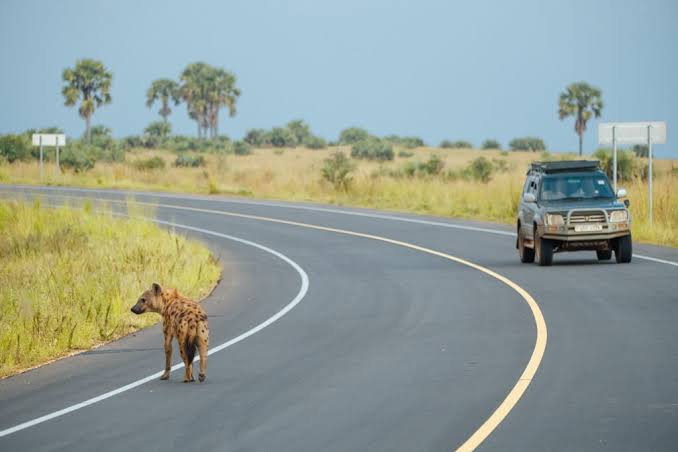
Uganda is renowned as the Pearl of Africa and a premier safari destination because it combines primate encounters, classic savannah wildlife, and dramatic landscapes into one compact country
2-days-best-chimpanzee-tracking-in-kibale-forest-park-tour-package
3-days-trips-to-queen-elizabeth-national-park-for-chimpanzee-tracking-in-kyambura-gorge
3-days-chimpanzee-tracking-to-kibale-forest-national-park
4-days-queen-elizabeth-national-park-and-kyambura-gorge-chimpanzee-tracking
4-days-kibale-forest-chimpanzee-tracking-and-queen-elizabeth-national-park
4-days-chimpanzee-tracking-in-lake-mburo-national-park-and-lake-mburo-safari
4-days-kibale-forest-chimpanzee-tracking-and-queen-elizabeth-national-park
4-days-murchison-falls-and-chimpanzee-tracking-in-budongo-forest
5-days-uganda-big-five-safari-and-chimpanzee-tracking-in-kibale-forest-park
6-days-jinja-white-water-rafting-gorilla-trekking-and-chimpanzee-tracking-adventure
6-days-budget-uganda-safari-and-gorilla-trekking
7-days-perfect-uganda-primate-safari-itinerary
8-days-exclusive-gorilla-trekking-chimpanzee-and-big-five
9-days-luxury-gorilla-and-uganda-safari-tour-package
Bwindi Impenetrable Forest: The World's Mountain Gorilla Sanctuary
Covering 331 square kilometers of ancient montane rainforest in southwestern Uganda, Bwindi Impenetrable National Park is a UNESCO World Heritage site dating back over 25,000 years. Resting at altitudes between 1,160 and 2,607 meters above sea level, this dense biological haven shelter roughly half of the global population of endangered mountain gorillas. Over 20 habituated gorilla families live across four main tracking sectors: Buhoma, Ruhija, Rushaga, and Nkaringo.
Bwindi Impenetrable National Park
Trek through mist-covered hills and ancient tree canopies with experienced Uganda Wildlife Authority trackers. Gorilla treks range from 2 to 7 hours depending on troop movements, leading to a life-changing 1-hour encounter with these gentle giants. For a deeper experience, Bwindi offers the exclusive Gorilla Habituation Experience in the Rushaga sector, allowing guests to spend up to 4 hours alongside researchers and wild troops.
- Best Time to Visit: Dry seasons from June to August and December to February offer optimal trail conditions.
- Permit Cost: Standard gorilla trekking permits cost $800 for foreign non-residents, while the Habituation Experience is $1,500.
- Key Biodiversity: Bwindi is home to 120 mammal species, 350 bird species (including 23 Albertine Rift endemics), and over 200 butterfly species.
Kibale National Park: The Primate Capital of Africa
Spanning 795 square kilometers in western Uganda, Kibale National Park holds the highest concentration and diversity of primates in Africa. Its lush evergreen rainforest protects 13 distinct primate species, including an estimated population of over 1,500 wild chimpanzees (Pan troglodytes).
Kibale National Park
Chimpanzee tracking in Kibale yields an impressive 95%+ success rate, primarily centered around the Kanyanchu visitor area. Guided tracking excursions take visitors through dense undergrowth to observe chimp communities as they communicate using loud pant-hoots, forage for fruit, and groom one another. Beyond chimpanzees, guided nature walks in the park and adjacent Bigodi Wetland Sanctuary reveal sightings of rare l'Hoest's monkeys, Ugandan red colobus, red-tailed monkeys, grey-cheeked mangabeys, and black-and-white colobus monkeys.
Kibale National Park
- Tracking Options: Choose between standard 3-hour chimpanzee tracking or the full-day Chimpanzee Habituation Experience (CHEX).
- Location & Access: Situated near Fort Portal, Kibale easily connects to Queen Elizabeth National Park along western safari circuits.
- Primate Highlights: Home to over 1,000 chimps in habituated communities alongside nocturnal species like bushbabies and pottos.
Queen Elizabeth National Park: Tree-Climbing Lions and the Kazinga Channel
Stretching across 1,978 square kilometers between Lake Edward and Lake George, Queen Elizabeth National Park showcases a rich tapestry of savanna, wetlands, and crater lakes. The park’s crowning wildlife spectacle is the tree-climbing lions of the southern Ishasha sector. Resting on the wide limbs of sycamore fig and acacia trees, these lions climb aloft to escape ground heat and biting insects while keeping an eye out for grazing Uganda kob.
Queen Elizabeth National Park
In the northern sector, the 32-kilometer natural Kazinga Channel links the park's two major lakes. Boarding a boat safari along the channel provides front-row seats to one of Africa’s highest concentrations of hippos, Nile crocodiles, and thirsty elephant herds cooling off along the banks.
- Wildlife Viewing: Game drives yield sightings of lions, leopards, African buffaloes, hyenas, giant forest hogs, and over 600 bird species.
- Key Activities: Morning game drives in the Kasenyi Plains, boat cruises along Kazinga Channel, and chimp tracking inside Kyambura Gorge.
Kibale National Park
- Scenic Features: Explore the Katwe Explosion Craters and enjoy clear views of the Rwenzori mountain ranges on sunny days.
Kidepo Valley National Park: Africa's Untamed Northern Frontier
Nestled in the rugged mountain-rimmed valleys of Karamoja in northeastern Uganda, Kidepo Valley National Park covers 1,442 square kilometers of open savanna wilderness. Bordering South Sudan and Kenya, Kidepo offers an off-the-beaten-path safari experience away from heavy tourist crowds.
The park centers around two main river systems: the Narus Valley and the Kidepo Valley. During dry periods, the permanent waterholes of the Narus Valley attract immense herds of African buffaloes (often numbering over 1,000 individuals), along with elephants, Rothschild's giraffes, zebras, and Jackson's hartebeests. Predators thrive here as well, with healthy populations of lions, leopards, cheetahs, spotted hyenas, and black-backed jackals wandering the open plains.
- Cultural Connections: Combine game viewing with cultural encounters visiting traditional Karamojong manyattas (homesteads) or the remote Ik tribe on Mount Morungole.
- Getting There: Reach Kidepo via a scenic 10-to-12-hour overland drive from Kampala or a direct 2-hour domestic flight to Kidepo Airstrip.
- Exclusive Wildlife: Kidepo is one of the few places in Uganda to spot cheetahs, ostrich populations, and caracals in the wild.
Murchison Falls National Park: The Power of the Mighty Nile
Covering 3,840 square kilometers, Murchison Falls National Park is Uganda’s oldest and largest protected conservation area. The park is bisected by the Victoria Nile, which rushes westward before crashing through a narrow 7-meter rock gorge. Plunging 43 meters into the "Devil's Cauldron," the river forms Murchison Falls—the most powerful waterfall in the world.
River boat cruises travel upstream to the base of the falls, passing pods of hippos, Nile crocodiles, and elephants feeding on riverbanks. Travelers can hike along the river canyon up to the Top of the Falls to feel the ground vibrate beneath the rushing waters. Game drives on the northern bank's open savanna offer sightings of Rothschild's giraffes, lions, leopards, hyenas, oribi, and patas monkeys.
- Classic Experiences: Afternoon Nile boat cruises, top-of-the-falls nature hikes, and morning savanna game drives.
- Nearby Sanctuary: Visit the nearby Ziwa Rhino Sanctuary en route to track southern white rhinos on foot and complete a Big Five itinerary.
- Historical Legacy: Famous explorers including Winston Churchill, Theodore Roosevelt, and Ernest Hemingway all famously documented visits to Murchison Falls.
Birdwatching & Scenery: The Shoebill Stork and the Rwenzori Mountains
Uganda is an international birding haven, boasting over 1,080 confirmed bird species across its diverse habitats—accounting for over 50% of Africa’s total bird diversity. The undisputed highlight for avian enthusiasts is tracking the prehistoric-looking Shoebill Stork (Balaeniceps rex). Special boat excursions through swamp ecosystems like Mabamba Bay Wetland near Entebbe or the Albert Delta in Murchison Falls offer fantastic chances to spot this solitary marsh dweller.
Framing western Uganda's skyline are the UNESCO-listed Rwenzori Mountains, famously known as the "Mountains of the Moon". Rising to 5,109 meters at Margherita Peak on Mount Stanley, Africa's third-highest peak features glaciers, alpine lakes, and giant lobelias. Crossing the Equator landmark at Kayabwe rounds out the trip, offering a classic photo stop where northern and southern hemispheres meet.
- Top Birding Spots: Mabamba Swamp, Bwindi Impenetrable Forest, Semuliki National Park, and Kazinga Channel.
- Albertine Rift Endemics: Seek out 24 regional endemic species in the high-altitude montane forests of western Uganda.
- Trekking the Rwenzoris: Multi-day mountaineering circuits cater to high-altitude hikers seeking glaciers directly over the Equator.
Why is Uganda famous for mountain gorilla trekking?
Uganda protects roughly half of the world's remaining endangered mountain gorilla population within Bwindi Impenetrable National Park and Mgahinga Gorilla National Park. Unlike captive environments, these high-altitude montane forests allow travelers to hike alongside expert Uganda Wildlife Authority trackers to encounter habituated gorilla families in their natural habitat.
Bwindi features four distinct tracking sectors—Buhoma, Ruhija, Rushaga, and Nkaringo—housing over 20 habituated family groups. Permits cost $800 for foreign non-residents, offering a 1-hour encounter with a gorilla family once located. Uganda also exclusively offers the Gorilla Habituation Experience in Rushaga for $1,500, granting up to 4 hours alongside researchers and wilder troops. Strict visitor limits of eight people per group ensure minimal impact on the animals while securing sustainable funding for rainforest preservation and neighboring communities.
What makes Kibale National Park the primate capital of Africa?
Kibale National Park spans 795 square kilometers of rich evergreen rainforest, protecting the highest density and diversity of primates on the African continent. Among its 13 distinct primate species, Kibale is home to over 1,500 wild chimpanzees (Pan troglodytes), making it the premier destination for wild chimp tracking.
Standard guided tracking excursions from the Kanyanchu visitor hub boast a 95%+ success rate in locating habituated chimp communities. Visitors observe complex social structures, pant-hoot communications, grooming rituals, and high-canopy feeding sessions. Nature walks in Kibale and the adjacent Bigodi Wetland Sanctuary also showcase rare l'Hoest's monkeys, Ugandan red colobus, red-tailed monkeys, grey-cheeked mangabeys, and black-and-white colobus monkeys, alongside nocturnal bushbabies and pottos.
How does Queen Elizabeth National Park combine savanna safaris with water cruises?
Queen Elizabeth National Park spans 1,978 square kilometers between Lake Edward and Lake George, showcasing savanna vegetation, explosion craters, and wetlands. Its crowning geographical feature is the 32-kilometer natural Kazinga Channel, which connects the two lakes.
Boat safaris along the Kazinga Channel bring travelers face-to-face with Africa’s highest concentrations of hippos, alongside Nile crocodiles, bathing elephant herds, and abundant waterbirds. On land, morning and evening game drives across the Kasenyi Plains provide opportunities to spot lions, leopards, hyenas, African buffaloes, and Uganda kob. Additionally, the park features the Kyambura Gorge, a sunken underground rainforest where visitors can track isolated chimp communities directly beneath savanna grasslands.
Where can you see rare tree-climbing lions in Uganda?
The Ishasha sector, located in the southern region of Queen Elizabeth National Park, is one of only two places in Africa where lions regularly climb trees. These lions spent their afternoons lounging on the sturdy limbs of sycamore fig and acacia trees, elevated high above the open grassland.
Wildlife experts attribute this unique behavioral trait to two main reasons: escaping the intense ground heat during dry afternoons and avoiding biting insects in the undergrowth. Positioning themselves on high branches also gives these apex predators a clear vantage point to monitor grazing herds of Uganda kob and topi across the plains. Game drives through Ishasha offer photographers rare framing opportunities of large lion pride members sleeping across horizontal branches.
Why is Murchison Falls National Park considered a geological powerhouse?
Murchison Falls National Park is Uganda’s oldest and largest protected conservation area, covering 3,840 square kilometers. The park's main feature is the Victoria Nile, which rushes westward before forcing its way through a narrow, 7-meter-wide solid rock gorge.
Plunging 43 meters downward into the "Devil's Cauldron," the Nile creates Murchison Falls—the most powerful natural waterfall on earth. The force of the water creates a continuous mist and vibrant rainbows across the canyon. Riverboat cruises travel upstream to the base of the falls, where visitors can disembark to hike along the canyon rim up to the Top of the Falls to feel the ground vibrate under the rushing river.
What sets Kidepo Valley National Park apart from other East African reserves?
Located in the far northern Karamoja region bordering South Sudan and Kenya, Kidepo Valley National Park covers 1,442 square kilometers of rugged, mountain-rimmed savanna. Frequently recognized for its untouched wilderness, Kidepo offers off-the-beaten-path safaris free from heavy tourist vehicle traffic.
The park revolves around the Narus and Kidepo River valleys. During dry months, the permanent waterholes of the Narus Valley attract immense herds of African buffaloes (often over 1,000 individuals), alongside elephants, Rothschild's giraffes, zebras, and Jackson's hartebeests. Kidepo is also the primary reserve in Uganda where travelers can spot cheetahs, ostriches, black-backed jackals, and caracals roaming wide open valley floors framed by the Napore Mountain range.
Why is Uganda a world-class destination for birdwatchers?
Uganda protects over 1,080 recorded bird species within its borders, representing more than 50% of Africa’s total avian diversity and 11% of the global total. This high concentration is made possible by Uganda's position at the intersection of East African savannas, West African rainforest ecosystems, and high-altitude Albertine Rift zones.
The ultimate trophy species for visiting birders is the prehistoric-looking Shoebill Stork (Balaeniceps rex). Specialized canoe trips through Mabamba Bay Wetland near Entebbe or boat rides through the Albert Delta in Murchison Falls offer strong chances to observe this solitary marsh predator. Furthermore, montane forests like Bwindi protect 23 Albertine Rift endemic species, including the African green broadbill and Shelley’s crimsonwing.
How does Ziwa Rhino Sanctuary complete Uganda's Big Five safari experience?
Ziwa Rhino Sanctuary, located in Nakasongola District en route to Murchison Falls National Park, is the only location in Uganda where wild rhinos can be tracked on foot. Spanning 70 square kilometers of savanna woodland, Ziwa was established to reintroduce the southern white rhinoceros after poaching eradicated wild populations during the late 20th century.
Guarded 24/7 by armed rangers and anti-poaching units, Ziwa's breeding program has grown the sanctuary's rhino population significantly. Accompanied by trained rangers, visitors walk through bush terrain to track and observe these giant mammals up close. Stopping at Ziwa allows safari itineraries to combine rhinos with lions, leopards, elephants, and buffaloes in neighboring reserves, completing Africa's iconic Big Five checklist.
What makes Lake Mburo National Park ideal for active safaris?
Lake Mburo National Park covers 370 square kilometers and is the closest national park to Kampala and Entebbe, making it an accessible safari gateway. Unlike larger savanna reserves dominated by dangerous predators, Lake Mburo lacks dense lion populations, creating safe conditions for active outdoor safaris.
Visitors can choose guided walking safaris, mountain bike tours, and horseback safaris led by experienced wildlife rangers. These active excursions allow travelers to move quietly among herds of impalas (found nowhere else in Uganda), Burchell's zebras, topis, elands, and Rothschild's giraffes. Lake Mburo also features a peaceful boat trip along its central lake, offering close encounters with hippos, African fish eagles, and elusive African finfoots.
Why are the Rwenzori Mountains unique among African mountain ranges?
Rising along Uganda's border with the Democratic Republic of Congo, the UNESCO-listed Rwenzori Mountains—historically known as the "Mountains of the Moon"—are Africa's highest mountain range. Unlike volcanic peaks such as Mount Kilimanjaro or Mount Kenya, the Rwenzoris were formed by block-faulting tectonic forces uplifting giant granite crusts.
Rising to 5,109 meters at Margherita Peak on Mount Stanley, the range houses tropical glaciers directly over the Equator. Trekking routes take high-altitude hikers through distinct vegetation zones: bamboo forests, heather zones draped in moss, and surreal high-alpine valleys filled with giant lobelias and groundsels. Multi-day mountaineering expeditions provide a technical alpine challenge combined with scenic montane landscapes.
What cultural immersion experiences can travelers enjoy in Uganda?
Uganda's cultural diversity spans over 50 distinct tribes, each maintaining unique traditions, languages, music, and architectural heritage. Safari itineraries often integrate community visits alongside national park game drives to provide authentic cultural connections.
In the southwestern highlands near Bwindi, visitors can meet the Batwa forest inhabitants—the original hunter-gatherer keepers of the ancient rainforest—to learn about traditional survival skills, medicinal plants, and forest folklore. In the northern Karamoja region, travelers can visit traditional Karamojong manyattas (fortified homesteads) to understand pastoral cattle culture or trek Mount Morungole to interact with the isolated Ik tribe, offering insights into rural East African community life.
What role does Lake Bunyonyi play in a Ugandan safari itinerary?
Lake Bunyonyi, situated in southwestern Uganda near the border with Rwanda, is widely regarded as one of Africa’s most scenic bodies of water. Ringed by terraced agricultural hills and dotted with 29 individual islands, this high-altitude freshwater lake offers a peaceful retreat after demanding gorilla treks in nearby Bwindi or Mgahinga.
Bunyonyi translates to "place of little birds," reflecting its rich birdlife. The lake is billharzia-free and lacks dangerous aquatic wildlife like hippos and crocodiles, making its clear waters safe for swimming, canoeing, and stand-up paddleboarding. Travelers can rent traditional dugout canoes to explore island histories, such as punishment island (Akampene), while taking in views of the surrounding highlands.
How does Jinja serve as East Africa's adventure tourism capital?
Located along the shores of Lake Victoria where the river begins its 6,600-kilometer journey north to the Mediterranean, Jinja is internationally famous as the historic Source of the Nile. Today, the town serves as the vibrant adventure tourism hub of Uganda.
The white-water rapids along the Nile below the Nalubaale Dam attract rafters and kayak enthusiasts from across the globe, offering Grade 3 to Grade 5 white-water rafting runs. Beyond rapid navigation, Jinja offers tandem bungee jumping over the river, quad biking along rural bank trails, horseback riding through traditional villages, sunset Nile cruises, and mountain biking along forest paths, making it a natural stop for thrill-seekers.
How does Uganda's year-round climate favor safari travel?
Uganda sits directly across the Equator, enjoying a tropical climate moderated by high elevation. Average temperatures range comfortably between 20°C and 28°C (68°F to 82°F) across most safari destinations throughout the year, preventing extreme heat during game drives.
The country experiences two primary dry seasons: December to February and June to August. These months feature clear skies, dry forest trails for gorilla and chimp tracking, and concentrated wildlife viewing around permanent waterholes. However, the wet seasons (March to May and September to November) offer advantages: lush green scenery, fewer tourist vehicles in national parks, lower accommodation rates, and exceptional conditions for migratory birdwatching.
How does choosing a Ugandan safari support sustainable conservation?
Tourism serves as a major driver for conservation and habitat preservation across Uganda's national park network. A direct portion of all national park entry fees and gorilla permit sales collected by the Uganda Wildlife Authority (UWA) goes toward park maintenance, ranger anti-poaching patrols, and wildlife veterinary care.
Crucially, UWA allocates 20% of all park entry fees directly back to local communities bordering protected areas. This revenue sharing funds essential infrastructure projects such as schools, health clinics, clean water boreholes, and roads. By turning local communities into financial stakeholders in conservation, Uganda actively combats poaching and habitat encroachment while protecting endangered species for future generations.
Booking Uganda safari with us Roads of Adventure safaris
Book your custom Uganda safari with Roads of Adventure Safaris to explore gorilla trekking, chimpanzee tracking, and wildlife game drives across East Africa. You can start planning your tailored itinerary directly through their Roads of Adventure Safaris Inquiry Page, via email at info@roadsofadventuresafaris.com, or by calling/WhatsApp at +256 701041637. Their team handles all ground logistics, private 4x4 safari vehicles, accommodations, and official park or gorilla permits so you can experience a seamless and unforgettable journey through the Pearl of Africa.