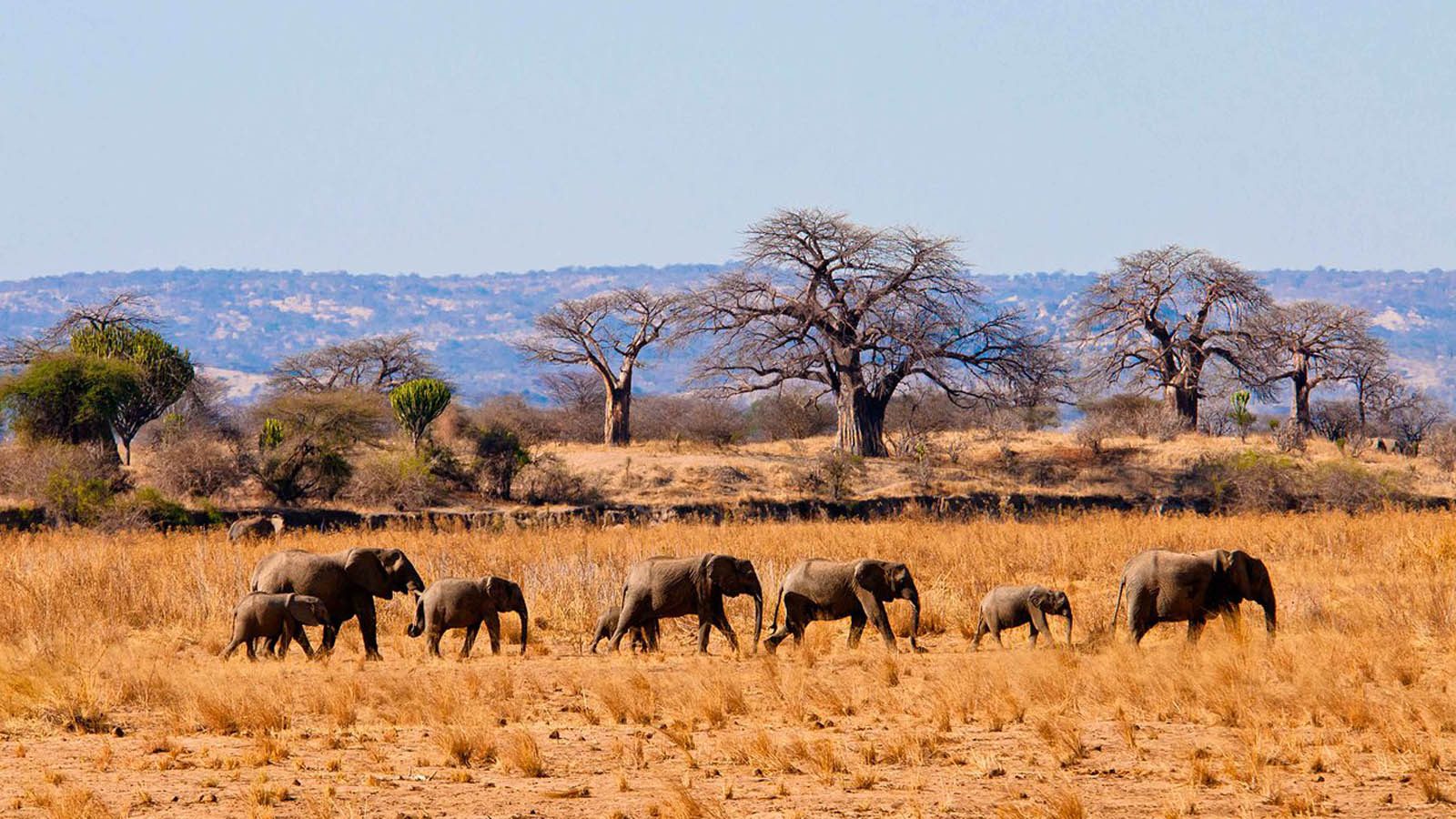
Tarangire National Park is unique for its massive, dry-season elephant herds (often 300+), iconic ancient baobab trees, and the Tarangire River acting as a vital, dry-season wildlife refuge. It offers a less crowded "hidden gem" experience with high predator sightings and exceptional birding, providing a quieter alternative to the popular Serengeti.
10-days-tanzania-wildlife-safari-and-optional-visit-to-masai-tribe-or-hadzabe
8-days-perfect-materuni-waterfall-and-coffee-cultural-tour-in-tanzania
7-days-best-of-tanzania-safari-grumetimara-river-crossing-and-masai-warrior-homestay
10-days-perfect-tanzania-safari-itinerary
10-days-luxury-kenya-tanzania-safari-holiday-high-end-tour-package
10-days-tanzania-wildlife-safari-and-optional-visit-to-masai-tribe-or-hadzabe
10-days-luxury-gorilla-trekking-masai-mara-serengeti-and-ngorongoro-crater
14-days-best-tanzania-honeymoon-safari-and-zanzibar-for-couples
3-days-fly-in-and-out-tanzania-wildlife-safari-itinerary-to-nyerere-from-zanzibar
3-days-serengeti-safari-fly-in-ngorongoro-big-five-safari-from-zanzibar-island
10-days-best-tanzania-safari-tour-and-zanzibar-beach-holiday-itinerary
8-days-best-tanzania-wildlife-safari-to-zanzibar-beach-holiday-combined
Massive Elephant Population
Tarangire National Park is synonymous with the African elephant ($Loxodonta$ $africana$). It boasts one of the highest concentrations of these majestic pachyderms in all of Tanzania, with a population that thrives within its diverse ecosystems. While elephants are present year-round, the true spectacle occurs during the dry season, from June to October. As the surrounding landscape parches, the Tarangire River becomes the primary lifeline for the entire region. During these months, it is not uncommon to witness massive family groups—sometimes numbering several hundred individuals—gathering along the riverbanks to drink, bathe, and socialize.
These encounters are remarkably intimate. The elephants of Tarangire are well-accustomed to safari vehicles, often allowing travelers to observe complex social behaviors from a respectful distance. You might see protective matriarchs guiding calves through the tall grasses or young bulls testing their strength in play-fights near the water’s edge. The sheer density of elephants here is so significant that it has become a global hub for elephant research. For any traveler who considers the elephant a "must-see" species, Tarangire provides perhaps the most reliable and visually stunning opportunities in East Africa to see them in a setting that feels both ancient and untamed.
Iconic Baobab Trees
The landscape of Tarangire is defined by its dramatic "Garden of Giants"—the ancient Baobab trees ($Adansonia$ $digitata$). These prehistoric-looking trees, with their massive, bulbous trunks and root-like branches that reach toward the sky, are some of the oldest living organisms on the continent, with many specimens in the park estimated to be over 1,000 years old. They are a photographer’s dream, providing a rugged, picturesque backdrop that is unique to this part of the Tanzanian northern circuit.
Beyond their aesthetic appeal, Baobabs are vital to the park's ecology. During the peak of the dry season, elephants utilize their tusks to gouge the soft, fibrous bark of the trees to access the moisture stored within the trunks. This symbiotic, albeit destructive-looking, relationship is a testament to the harsh survival instincts of the African bush. Many of the older trees bear the deep "scars" of centuries of elephant visits. At sunset, the silhouettes of these "Upside-Down Trees" against the burning orange Tanzanian sky create one of the most iconic images of the African wilderness, making Tarangire feel like a living museum of natural history.
Dry Season Migration
While the "Great Migration" of the Serengeti is world-famous, Tarangire hosts its own spectacular "mini-migration" during the dry season (June–October). This movement is driven by the desperate search for water. As the smaller waterholes in the surrounding Maasai Steppe dry up, tens of thousands of migratory animals—including wildebeests, zebras, buffaloes, and elands—are drawn toward the permanent pools of the Tarangire River. This seasonal influx transforms the park into a bustling wildlife corridor, rivaling the density of more famous parks.
For safari-goers, this migration offers a high-action viewing experience. The high concentration of herbivores naturally draws in the park’s predators, leading to frequent sightings of hunts and territorial disputes. Unlike the Serengeti migration, which covers vast distances, the Tarangire migration is more concentrated, meaning you don’t have to drive as far to find the action. The sight of thousands of zebras and wildebeests kicking up dust as they descend the valley slopes toward the river is a primal, thundering display of nature's rhythms that every wildlife enthusiast should experience at least once.
Diverse Predator Sightings
With such an abundance of prey, Tarangire is naturally a haven for Africa’s "Big Cats." Lions are the most frequently spotted predators, and in Tarangire, they are known for a unique behavior similar to those in Lake Manyara: they are often seen climbing trees to escape the heat and insects. Finding a pride of lions lounging in the branches of a large acacia or a low-slung sausage tree is a major highlight for visitors. Leopards are also highly successful here, taking advantage of the dense riverine woodlands and the camouflage provided by the massive baobab trunks to stalk their prey in silence.
For the lucky few, Tarangire offers even rarer sightings. The park's southern reaches, which are more open and less traveled, are prime territory for cheetahs chasing gazelles across the plains. Perhaps most exciting for conservationists is the presence of the African wild dog. While they are nomadic and highly elusive, Tarangire is one of the few places in northern Tanzania where these endangered "painted wolves" are occasionally seen. The mix of riverine forest, swampy floodplains, and open savannah ensures that predators of all types find their specific niches, making every game drive a high-stakes adventure.
Exclusive Activities
One of the greatest advantages of Tarangire National Park is the flexibility it offers in how you experience the wilderness. Unlike many of its more rigid neighbors, Tarangire is one of the few national parks that allow walking safaris and night game drives. A walking safari, led by an armed ranger and a professional guide, is a sensory-rich experience that puts you on the same level as the wildlife. You learn to track animals by their footprints (spoor), identify bird calls, and understand the medicinal uses of local plants—all while feeling the crunch of the African earth beneath your boots.
Night game drives provide a completely different perspective, revealing the "other half" of the animal kingdom. Using filtered spotlights, you might see the glowing eyes of a leopard on the hunt, the curious face of a bushbaby in the trees, or the rare white-tailed mongoose. Nocturnal birds like nightjars and owls become active, and the air is filled with a different symphony of sounds. These exclusive activities provide a more immersive and intimate connection to the bush than a standard jeep tour, allowing you to engage with the ecosystem in a way that feels personal and profound.
"Less Crowded" and Underrated
In the world of Tanzanian tourism, Tarangire is often overshadowed by its more famous neighbors, the Serengeti and Ngorongoro Crater. However, for the savvy traveler, this "underrated" status is its greatest strength. Tarangire offers a quieter, more intimate safari experience without the "traffic jams" of vehicles that can sometimes occur at major sightings in other parks. Here, you can often spend an hour watching a family of elephants at a watering hole without seeing another soul, creating a sense of private discovery that is increasingly rare in modern travel.
This lack of crowds allows for a slower, more contemplative pace. You have the time to stop for the smaller things—the colorful Lilac-breasted Roller, the industrious dung beetle, or the intricate weaver nests—without feeling rushed to the next "Big Five" sighting. The park's vastness, combined with its lower visitor density, means you can truly feel the "spirit of the wild." For those who value solitude, authenticity, and a deep connection to nature, Tarangire is the northern circuit's best-kept secret, offering world-class wildlife encounters with a fraction of the audience.
What makes Tarangire National Park famous?
Tarangire National Park is globally renowned for hosting one of the most significant and concentrated elephant populations in Africa. For many travelers, the park is synonymous with these majestic giants; during the peak dry season, the density of elephants here is arguably the highest in Northern Tanzania. It is not uncommon to witness "super-herds" of several hundred individuals gathering along the riverbanks, offering a level of intimacy and scale that is difficult to find elsewhere. Beyond its pachyderms, Tarangire is famous for its prehistoric landscape. Unlike the flat, infinite plains of the Serengeti, Tarangire is a rugged, hilly terrain defined by its iconic "Garden of Giants"—the ancient Baobab trees. These massive, bulbous trees give the park an otherworldly, cinematic feel that transports visitors back in time. This combination of "Big Five" wildlife and a unique, ancient aesthetic has earned Tarangire a reputation as the "hidden gem" of Tanzania’s northern circuit, beloved by seasoned safari-goers for its raw, authentic atmosphere.
Why are there so many baobab trees in Tarangire?
The landscape of Tarangire is dominated by the African Baobab ($Adansonia$ $digitata$), often referred to as the "Upside-Down Tree" because its leafless branches resemble roots reaching for the sky. These trees thrive in Tarangire due to the park's specific soil composition and semi-arid climate, which are perfectly suited for their long-term survival. Baobabs are biological marvels, capable of living for over 1,000 years; many of the specimens seen today were saplings long before the first explorers arrived in East Africa. Their prevalence is also a testament to the park’s ecological stability. These trees act as "succulents" of the savannah, storing thousands of liters of water in their massive trunks to survive prolonged droughts. For the wildlife, the baobabs are more than just a backdrop—they are keystone structures. They provide nesting sites for various bird species, shelter for smaller mammals, and a critical source of moisture for elephants. The sheer number of these ancient giants creates a jagged, beautiful skyline that has become the visual signature of the park.
When is the best time to visit Tarangire for wildlife?
While Tarangire is a year-round destination, the dry season (June to October) is the undisputed "prime time" for wildlife viewing. As the surrounding Maasai Steppe parches and seasonal waterholes disappear, the Tarangire River becomes the only permanent water source in the entire region. This triggers a massive, localized migration where wildlife from the far reaches of the ecosystem converges on the river valley. During these months, the game viewing is nothing short of spectacular; you don't have to search for the animals—you simply find the water.
The thinning of the vegetation also works in the traveler's favor, as the tall grasses recede, making it significantly easier to spot predators like leopards and lions. The weather during this period is generally clear, dry, and temperate, which is ideal for photography. Conversely, the wet season (November to May) sees the animals disperse into the wider ecosystem, making wildlife sightings more sporadic. However, the wet season brings its own beauty: the park turns a vibrant emerald green, the baobabs bloom with large white flowers, and the birdlife is at its most active, making it a favorite for photography enthusiasts and ornithologists.
Is there a mini-migration in Tarangire National Park?
Yes, Tarangire hosts a fascinating and often overlooked "mini-migration" that rivals the Great Migration in density, if not in distance. As the dry season (June–October) intensifies, the park acts as a magnet for over 250,000 migratory animals. Thousands of wildebeests, zebras, buffaloes, and elands move from the drying plains of the Simanjiro Plains and the Maasai Steppe toward the permanent water of the Tarangire River. This is a survival-driven movement; the animals have no choice but to enter the park to access the river and the lush Silale Swamp.
For visitors, this migration provides a high-stakes viewing experience. The high concentration of herbivores naturally attracts a high density of predators, leading to frequent sightings of hunts and territorial battles. Unlike the Serengeti’s migration, which is a continuous cycle across a massive landscape, Tarangire’s migration is a concentrated gathering. You can sit at a single bend in the river and watch thousands of zebras and wildebeests descend the slopes to drink, creating a thundering, dusty spectacle that captures the true essence of the African wilderness. It is a raw display of nature's rhythms that makes the dry season in Tarangire truly world-class.
How do elephants interact with the baobab trees?
The relationship between elephants and baobabs in Tarangire is one of the most fascinating ecological stories in the park. During the peak of the dry season, when water is scarce and vegetation is parched, elephants turn to the baobabs as a critical source of hydration and minerals. Using their powerful tusks and trunks, elephants gouge out the soft, fibrous, and moisture-rich inner bark of the trees. Some older trees bear deep scars from centuries of these visits, with massive "caves" carved into their trunks by generations of thirsty elephants.
While this behavior can appear destructive—and in some cases, can lead to the death of the tree—it is part of a complex natural cycle. Interestingly, the "damage" caused by elephants often creates new micro-habitats. The hollowed-out sections of the trunks provide nesting cavities for birds like hornbills and swifts, or shelter for smaller mammals and reptiles. Furthermore, the elephants’ consumption of baobab fruit helps in seed dispersal, as the seeds pass through their digestive tracts and are deposited in nutrient-rich dung, facilitating the growth of new saplings. This interaction highlights the "ecosystem engineering" role of the elephant, where their survival tactics directly shape the landscape for other species.
What other unique wildlife can be seen in Tarangire?
While elephants and big cats are the main draw, Tarangire is a sanctuary for several unusual and specialized species that are rarely seen in the neighboring Serengeti or Ngorongoro Crater. One of the most distinctive is the Fringe-eared Oryx, a stunning antelope with striking facial markings and long, elegant horns that thrive in the park's more arid zones. You may also spot the Long-necked Gerenuk, a bizarre-looking antelope that stands on its hind legs to reach the high leaves of acacia trees—a behavior unique to this species in the northern circuit.
Tarangire is also one of the best places in Tanzania to observe Dwarf Mongooses, which are frequently seen darting in and out of the park’s numerous abandoned (or active) termite mounds. Other "Tarangire specials" include the Lesser Kudu, with its spiraled horns and delicate white stripes, and the Coke’s Hartebeest. For those with a keen eye, the park's more remote southern sectors are home to the African Wild Dog, though they remain highly nomadic and elusive. These specialized species add a layer of "biological depth" to a Tarangire safari, providing sightings that even the most experienced travelers will find new and exciting.
Is Tarangire a good destination for birdwatching?
Tarangire is an absolute paradise for birdwatchers, boasting a recorded list of over 550 species—more than any other park in Tanzania. This incredible diversity is due to the park’s varied habitats, which range from the aquatic environments of the Silale Swamp to the dense acacia woodlands and the high, rocky ridges. The Silale Swamp is the park’s avian "hotspot," acting as a massive green sponge that attracts a staggering variety of water birds, including pelicans, storks, and herons.
One of the park's most iconic avian residents is the Yellow-collared Lovebird, a bright green and yellow parrot that is endemic to this region and frequently seen in noisy, colorful flocks around the baobab trees. The park is also a haven for birds of prey, with a high density of vultures, eagles (including the majestic Bateleur and Martial Eagle), and falcons that use the thermal currents rising from the valley floor. During the wet season (November to April), the population is further bolstered by thousands of migratory birds from Europe and Asia. Whether you are a dedicated "twitcher" or a casual observer, the sheer volume of birds—and the vibrant colors of species like the Lilac-breasted Roller—makes Tarangire a world-class birding destination.
What is the Tarangire River's role in the ecosystem?
The Tarangire River is the lifeblood and "ecological anchor" of the entire park. It is the primary reason why Tarangire supports such a high concentration of wildlife. During the dry season, most of the smaller waterholes in the surrounding Maasai Steppe dry up, leaving the Tarangire River as the only permanent source of water for hundreds of square miles. Without this river, the park's massive elephant herds and migratory zebras and wildebeests simply could not survive the harsh African sun.
The river creates a lush, green corridor that snakes through the parched landscape, providing not just water but also high-quality grazing and shade-rich riverine forests. This "magnet effect" dictates the movement of all animals in the park—predators like lions and leopards stake out the riverbanks, knowing that their prey must eventually come to drink. Even as the river recedes into a series of disconnected pools in the height of the dry season, animals continue to congregate around it. The river’s presence ensures that Tarangire remains a resilient sanctuary, supporting life even in the most extreme conditions, and making it one of the most reliable places in Africa for wildlife viewing.
Are walking safaris available in Tarangire?
Yes, Tarangire is one of the few national parks in Tanzania that officially permits walking safaris, offering a profound and visceral way to experience the African bush. Led by a highly trained, armed ranger and a professional guide, these walks typically take place in the park’s secluded northern and southern sectors, away from the main game-drive tracks. Stepping out of the vehicle and onto the soil changes your perspective entirely; you are no longer a spectator, but a part of the ecosystem.
A walking safari focuses on the smaller details that are often missed from a car—identifying animal tracks (spoor), learning about the medicinal properties of various plants, and observing the complex life inside a termite mound. It is a "slow safari" that engages all your senses: the smell of wild sage, the sound of a distant elephant snapping a branch, and the thrill of spotting a zebra or giraffe from a few hundred meters away. Walking through the acacia woodlands and across the open plains provides an intimate connection to the land and a deep respect for the natural world. It is an essential activity for those seeking an active, immersive, and educational addition to their Tanzanian adventure.
Is Tarangire National Park crowded compared to Serengeti?
One of the most appealing aspects of Tarangire is that it remains significantly less crowded and more secluded than its famous neighbors, the Serengeti and Ngorongoro Crater. While the Serengeti is world-renowned and can attract large numbers of vehicles—especially during the Great Migration—Tarangire feels like a private discovery. It is often referred to as the "quiet cousin" of the northern circuit, offering a more tranquil and personal safari experience.
Because the park is large and the visitor density is low, you can often spend hours exploring its diverse habitats without seeing another vehicle. This lack of "safari traffic" allows for longer, more patient sightings. You can stay with a pride of lions or a family of elephants for as long as you wish, without the pressure of other cars waiting for your spot. This sense of solitude enhances the "wilderness" feel of the park, making it a favorite for photographers and those who value authenticity over fame. For travelers who want world-class wildlife encounters without the crowds, Tarangire is the perfect alternative, offering a peaceful and profound engagement with the African wild.
Are there many predators in Tarangire?
Tarangire features an exceptionally high concentration of predators, supported by the park’s massive population of herbivores. Lions are the most visible, and Tarangire is famous for its large, healthy prides. Interestingly, the lions here have adopted a behavior similar to those in Lake Manyara: they are often seen climbing trees to escape the heat and ground-dwelling insects. Spotting a "tree-climbing lion" lounging on the horizontal branch of a sausage tree is a signature Tarangire experience.
Leopards are also thriving, taking advantage of the thick riverine forests and the camouflage provided by the massive trunks of the baobab trees. They are most active at dawn and dusk and are frequently spotted in the trees along the Tarangire River. Cheetahs are commonly found in the more open, southern savannahs of the park, where they use the flat plains to reach high speeds in pursuit of impalas and gazelles. The park is also home to spotted hyenas and occasionally, the elusive African Wild Dog. This diverse "predator-prey" dynamic ensures that every game drive is filled with tension and excitement, as the park’s cats are constantly on the move, stalking the thousands of animals that gather near the river.
Can you visit Maasai communities near Tarangire?
Yes, the regions surrounding Tarangire National Park are traditional Maasai and Barabaig lands, and cultural visits are a highlight for many travelers. These communities have lived in harmony with the wildlife for generations, and a visit to a local Boma (homestead) offers a deep insight into their unique way of life. The Maasai are famous for their vibrant red "shukas" (blankets), intricate beadwork, and their energetic traditional dances, which often involve rhythmic chanting and impressive high jumping.
Unlike more commercialized cultural tours, many of the visits near Tarangire focus on authentic exchange. You can learn about their traditional pastoralist lifestyle, their deep knowledge of the local flora and fauna, and the challenges of modern-day conservation. You might visit a local school supported by safari lodges or learn how the Maasai women create their artistic jewelry. These cultural interactions provide a vital "human dimension" to a Tanzanian safari, highlighting the artistic heritage and resilience of people who continue to maintain their ancestral traditions in an ever-changing world. It is a powerful reminder that the African wilderness is not just a place for animals, but a living cultural landscape.
Is it possible to do a night game drive in Tarangire?
Yes, Tarangire is one of the few national parks in Tanzania where guided night game drives are officially permitted, providing a rare and exhilarating look at the world of Africa’s nocturnal creatures. Starting after the sun dips below the horizon, these drives use specialized vehicles equipped with high-powered, filtered spotlights to reveal a side of the bush that daytime visitors never see. The experience is incredibly atmospheric, as the familiar landscape transforms into a place of glowing eyes and mysterious sounds.
During a night drive, you have a much higher chance of spotting elusive nocturnal hunters like the Leopard, which is a master of stealth during the day but an active hunter at night. You might also see "rarities" like the Honey Badger, Caracal, and Serval Cat. The night reveals a host of smaller mammals as well, such as the white-tailed mongoose, springhares (which look like miniature kangaroos), and bushbabies darting through the trees. Nocturnal birds like owls and nightjars become the stars of the sky. For many travelers, a night drive is the ultimate "safari extra," offering a complete and profound perspective of the park's 24-hour ecosystem.
What is special about the vegetation in Tarangire?
The vegetation in Tarangire is incredibly diverse and layered, which is why it can support such a wide variety of wildlife. The park is characterized by four distinct vegetation zones. The first is the savannah, defined by open grasslands and the iconic baobab trees. The second is the dense acacia woodland, which provides critical cover and food for browsing animals like giraffes and elephants. The third is the riverine forest, a lush strip of greenery along the Tarangire River that remains fertile even in the dry season.
The most ecologically significant zone, however, is the Silale Swamp. Covering a massive area in the south, this swamp acts as a "giant green sponge," absorbing water during the rains and releasing it slowly throughout the year. Even in the height of the dry season, the Silale Swamp remains lush and green, providing a critical "fallback" food source for thousands of elephants and buffaloes. This mix of wetland, woodland, and open plains ensures that different species find their perfect niches within the park. This botanical diversity is not just beautiful to look at; it is the structural foundation that makes Tarangire one of the most resilient and wildlife-rich environments in East Africa.
What is the significance of the "Lion Conservation Unit" in Tarangire?
Since 2005, Tarangire National Park has been officially recognized as a Lion Conservation Unit (LCU). This designation highlights the park’s critical role in the long-term survival of the African lion ($Panthera$ $leo$). Tarangire is part of a larger, interconnected ecosystem that allows for genetic flow between different lion populations, which is vital for preventing inbreeding and ensuring a healthy, resilient population. The park’s high density of prey and stable water sources make it a "source population" for lions in the wider northern Tanzanian region.
The LCU status also signifies that Tarangire is a focal point for research and anti-poaching efforts. Organizations like "Tarangire Lion Project" work closely with park authorities to monitor prides, study their movement patterns, and mitigate human-wildlife conflict with the surrounding communities. By protecting the habitat and the prey base within the park, Tarangire ensures that its lions continue to thrive. For tourists, this conservation success translates into frequent and high-quality lion sightings. Seeing a healthy pride of lions resting under a baobab tree is not just a great photo opportunity; it is a direct reflection of the park's successful status as a vital sanctuary for one of the world’s most iconic predators.
Booking Tanzania wildlife safari with us Roads of Adventure safaris
Book a Tanzania wildlife safari with Roads of Adventure Safaris for tailored, budget-to-luxury adventures in Serengeti, Ngorongoro, and Tarangire. They offer expert-guided game drives, Wildebeest migration viewing, and cultural tours, with options for 3–10-day itineraries. Contact them via email (info@roadsofadventuresafaris.com) or WhatsApp (+256 701041637) to plan your trip.
