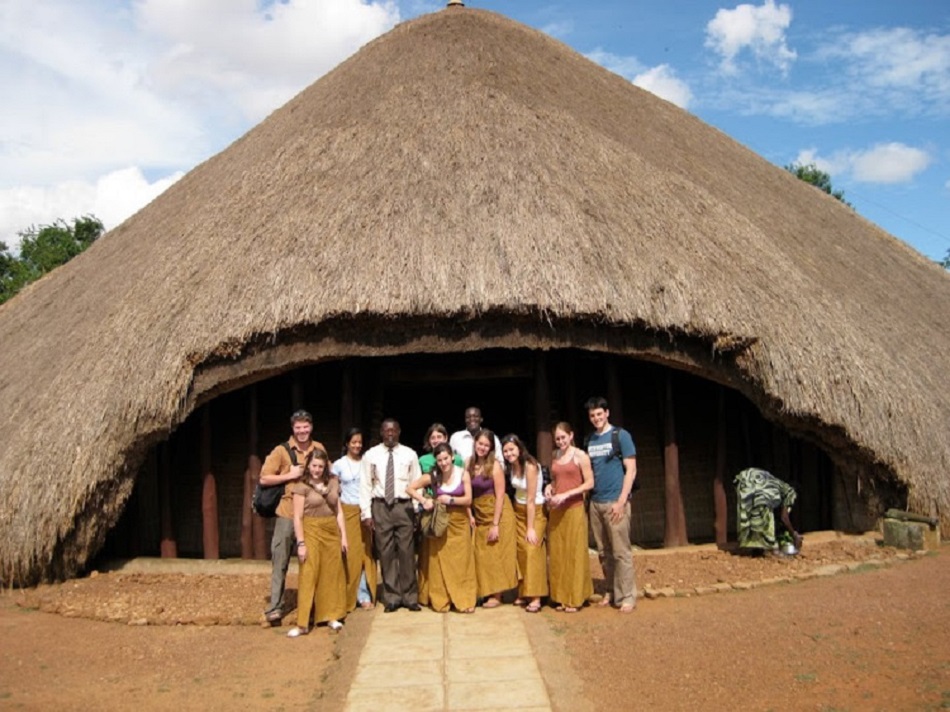
A Uganda cultural safari offers deep immersion into over 50 diverse ethnic groups, featuring vibrant music, traditional dance, and ancient culinary practices. Key experiences include visiting the Batwa pygmies, exploring kingdoms like the Buganda, herding Ankole long-horned cattle, exploring local markets, and crafting, with options to visit historical sites like the Kasubi Tombs.
38-days-unmatched-uganda-primate-safari-tour-and-uganda-wildlife-safari-with-culture
30-days-uganda-rwanda-photography-safari-adventure
14-days-uganda-primate-safari-and-jinja-white-water-rafting
10-days-luxury-uganda-gorilla-trekking-safari-and-big-five-safari-vacation
7-day-uganda-gorilla-trekking-chimpanzee-wildlife-safari-tour-and-culture
- Kingdom Heritage: Kabaka’s Palace and Tooro Kingdom
Visiting kingdom sites such as the Kabaka’s Palace in Kampala and the Tooro Kingdom in Fort Portal offers a rich introduction to Uganda’s layered precolonial and colonial history and the living cultural institutions that remain central to identity and civic life. The Kabaka’s Palace (Mengo) sits near the capital and functions as both a historical site and a contemporary symbol of Buganda polity. Guided visits explain royal lineage, regalia, court rituals, clan systems, and the palace’s role in shaping land tenure and social authority. Exhibits and palace grounds often include royal tombs, ceremonial objects and oral histories delivered by palace attendants who explain how the Kabaka’s role has adapted through colonial administration, independence, and modern constitutional arrangements.
Fort Portal’s Tooro Kingdom complements this with a more rural royal context: the Omukama’s palace, traditional court customs, and sacred sites tied to clan territories and legend. The Tooro region’s oral literature—stories of foundation ancestors, migration tales and crater-lake myths—illustrates how landscape and monarchy intertwine. Visitors may observe regalia, royal drums and artifacts, and sometimes witness ceremonial performances during public festivals or on arranged visits. Knowledgeable local guides and palace interpreters provide critical context on how kingdom institutions coexist with Uganda’s national government and how chiefs and clan elders resolve social matters today.
For travelers, kingdom visits are a chance to view material culture and understand governance models different from Western state forms. Ethical engagement includes asking permission before photographing royals or sacred objects, paying local fees where required, and buying crafts from accredited palace cooperatives that return revenue to the community. A guided visit often pairs well with museum stops or village walks to see how royal influence extends into everyday life—land use, agricultural rites and seasonal festivals—offering a rounded cultural perspective.
- Batwa Cultural Trail near Bwindi
The Batwa Cultural Trail, located on the edges of Bwindi Impenetrable National Park, provides a window into the knowledge systems of Batwa people—forest-dependent hunter-gatherers who historically lived within the forest. Modern Batwa programs are often community-led initiatives designed to generate income after displacement from ancestral forests, and they focus on demonstrating forest survival skills, medicinal plant knowledge, musical traditions, and storytelling.
A typical trail experience begins with an introductory talk from Batwa guides who explain the historical relationship between the Batwa and the forest, their cosmology and the circumstances surrounding displacement. On the walk, guides demonstrate techniques for tracking, setting simple snares (for illustrative purposes only), gathering wild edibles, crafting hunting tools, and identifying medicinal plants. Their intimate botanical knowledge—what bark soothes stomachs, which roots treat wounds—reveals a sophisticated ethnobotanical system developed over generations.
Music and dance are integral: visitors hear unique Batwa songs, rhythmic clapping patterns, and simple flute or percussion pieces that accompany stories about ancestors and forest spirits. Hands-on elements may include fire-making demonstrations, weaving small items from forest fibers, and cooking tastings of smoked or forest-based foods. The experience is both educational and emotionally complex; Batwa guides often discuss the social impacts of conservation policies that excluded them from ancestral lands, creating nuanced conversations about rights, restitution and collaborative conservation.
For ethical visitors, it is important to choose Batwa experiences offered by community-run cooperatives or NGOs that ensure transparent revenue flows and fair payment to performers and guides. Photography should be requested, and small purchases of crafts and donations can support local development projects. When designed responsibly, the Batwa Cultural Trail offers unforgettable cultural learning while directly supporting a marginalized community’s livelihoods and cultural survival.
- Ankole Cattle Experience
The Ankole cattle experience immerses visitors in the pastoral culture of southwestern Uganda, where the long-horned Ankole cattle (sometimes called Watusi) are central to identity, economy and ritual. This hands-on encounter commonly takes place on family-run ranches or pastoral homesteads, and it includes milking, herding, and demonstrations of traditional practices such as milk preservation and ceremonial watering rites like "kuhesera."
Visitors typically begin with an orientation to cattle breeds and husbandry: guides explain grazing rotations, communal pasture access, and the cultural value of horn size and coat patterns. Milking demonstrations allow guests to try hand-milking and learn how milk is processed—strained, fermented or preserved using traditional methods such as heating and smoking. Guests may taste soured milk products and learn how dairy complements staple foods.
"Kuhesera" or similar watering rites underscore the ritual relationship between people and cattle. These ceremonies can involve leading animals to communal water points, blessing the herd, or simple dance-song sequences that pay respect to livestock as wealth and kin. Ceremonial regalia—necklaces, beadwork and specific herding tools—may be shown while elders recount proverbs and lineage stories connected to cattle gifts and bride-wealth traditions.
Practical activities often include grazing with pastoralists, participating in herd checks, and learning about pastoral resilience strategies—fodder preservation, drought coping measures and veterinary basics. Travelers interested in sustainable tourism can observe pasture conservation techniques like rotational grazing and native grass reseeding.
To ensure respectful engagement, travelers should accept invitations, follow dress and behavior norms, and offer fair compensation for experiences and purchases. Farm stays, where available, provide deeper insight through overnight immersion in herd routines, evening storytelling and early-morning grazing. The Ankole cattle experience balances cultural insight, active participation and an appreciation for pastoral livelihoods that remain essential to southwestern Uganda’s social fabric.
- Traditional Dance & Music (Ankole, Acholi, Karamojong)
Traditional dance and music across Uganda present a kaleidoscope of regionally distinct styles, each intimately tied to social function—celebration, initiation, mourning or status display. On cultural safaris you can witness, and sometimes join, performances such as the Ankole Ekitaguriro, Acholi energetic dances, and the vigorous Karamojong expressions. These performances are rich in symbolism, costume and rhythmic complexity.
The Ankole Ekitaguriro celebrates cattle and agricultural prosperity; dance steps often mimic livestock movements, and performers wear beadwork and adornments that reference pastoral wealth. Drumming and call-and-response chanting provide the backbone, while dance formations convey community cohesion and seasonal gratitude.
Acholi dances from northern Uganda are notable for their high-energy footwork, dynamic jumps and storytelling choreography. Acholi music frequently employs lamellophones, drums and vocal harmonies; older compositions preserve historical narratives and moral lessons. In some contexts, dance is used in reconciliation ceremonies and plays a role in conflict transformation, reflecting the region’s recent history.
The Karamojong of northeastern Uganda are famed for their expressive warrior dances and acrobatic displays. Performances often include rapid leg work, spear-twirling (performed for demonstration rather than as combat), and rhythmic stomping that echoes nomadic mobility and pastoral life. Karamojong music emphasises vocal rhythm and percussive accompaniment—songs may serve as courtship tools, battle recollections or cattle-lifting ballads.
For visitors, live workshops and participatory sessions are common: local instructors teach basic steps, clapping patterns and call-and-response singing, enabling tourists to appreciate the skill and communal aspect of performance. Ethical presentation requires context—ask about the dance’s function, whether it is a revived practice, and how performers are compensated. Performances at cultural centres like Ndere in Kampala provide high-quality, curated showcases that support professional troupes, while village-based dances offer raw, community-rooted experiences. Whether seen in urban theatres or open village squares, Uganda’s traditional dance and music are compelling cultural expressions that reward attentive viewing and respectful participation.
- Culinary Tours & Cooking Classes (matooke, luwombo, rolex)
Culinary tours and cooking classes provide a delicious, hands-on way to explore Uganda’s living culture—its ingredients, techniques and social foodways. These experiences range from market visits and street-food tastings to full cooking workshops where participants prepare iconic dishes such as matooke (steamed green bananas), luwombo (stew cooked in banana leaves), and the popular street food "rolex" (rolled chapati filled with eggs and vegetables).
A typical culinary session begins at a local market where guides introduce indigenous ingredients—matooke, sweet potatoes, cassava, greens, local chilies, peanuts and freshwater fish. Market tours emphasize seasonality, bargaining customs and the importance of smallholder agriculture to household diets. Participants then move to a community kitchen or lodge cooking space where an instructor demonstrates preparation steps and invites hands-on participation.
Matooke is prepared by steaming peeled green bananas, often mashed and served with a peanut or meat sauce. Luwombo is more elaborate: meat, chicken or fish is wrapped in banana leaves and slow-cooked with local spices, producing a layered, aromatic dish tied to celebratory occasions. The "rolex" is an accessible, everyday treat—chapati cooked thin, filled with a spiced omelette, tomatoes and cabbage, rolled and eaten on the go.
Workshops also touch on fermentation practices (for soured milk and local beverages), coffee roasting and tasting, and safe, traditional preservation methods. Many classes include communal dining where guests sit with hosts and discuss cultural meanings of food—sharing customs, table etiquette and celebrations linked to harvest cycles.
Ethical considerations include ensuring workshops work with local cooks and community-run cooperatives so payments support households. Dietary restrictions should be communicated in advance; most programs can adapt recipes. Culinary sessions are ideal for families and small groups, and they pair well with farm visits or homestays for a full farm-to-table cultural arc.
- Craftsmanship & Artisan Visits (bark cloth, basketry, beadwork)
Uganda’s artisan traditions are diverse and socially important; visiting workshops and participating in craft sessions reveals skill, symbolism and local economies. Highlights include bark cloth production—a UNESCO-recognised cultural heritage—along with basket weaving, beadwork, pottery and bark painting. These crafts are often taught in village cooperatives or artisan centres that promote cultural preservation and income generation.
Bark cloth is produced by harvesting and processing the inner bark of the Mutuba (fig) tree. Artisans strip the bark, beat it using wooden mallets to soften and expand it, and then sun-dry and decorate panels with natural dyes and motifs. Historically used for royal regalia and burial cloths, bark cloth is now adapted for contemporary items—wall hangings, fashion and home décor—while maintaining traditional techniques and symbolic patterns.
Basketry (agaseke) is widely practiced by women’s groups. Weaving techniques vary regionally: tight coils for storage baskets, flat weaves for mats, and decorative styles for market baskets. Patterns often signal regional identity and are dyed using plant-based colorants. Basket cooperatives are an effective way to channel tourism income to women-led enterprises.
Beadwork and jewellery-making are also common; artisans craft necklaces, bracelets and ceremonial regalia using glass beads, seeds and cowrie shells. These pieces are often sold through fair-trade outlets or community shops, and workshops let visitors string their own creations while learning about design meanings.
Visiting an artisan workshop includes learning techniques, trying basic steps and hearing creation stories—who holds the patterns, seasonal production rhythms and distribution systems. Ethical engagement involves buying directly from makers, asking about fair pricing, and supporting cooperatives that reinvest in training and schools. Workshops also discuss sustainability—use of fast-growing, renewable fibers, and techniques to minimize waste. For travelers, artisan visits are tactile cultural encounters that support livelihoods while preserving fragile craft knowledge.
- Coffee Tours around Mount Elgon and Sipi Falls
Coffee tours near Mount Elgon and Sipi Falls offer a sensory-rich exploration of Uganda’s coffee heritage—from cherry to cup—set against dramatic highland scenery. These programs typically involve cooperative visits, walking tours of smallholder farms, demonstrations of processing methods, and tastings that reveal the flavor profiles shaped by altitude, soil and varietal choices.
A visit often begins at a village cooperative where farmers explain agronomy practices—shade management, varietal selection (often Bourbon and other Arabica strains), and pest control. Guests walk between terraces of coffee bushes, observe harvesting techniques (selective picking of ripe cherries), and sometimes try picking themselves. Processing demonstrations show wet-processing (washing), fermentation times, pulping, drying on raised beds or patios, and the critical importance of consistent moisture and sun exposure in developing acidity and aroma.
Many tours include mill visits where beans are hulled, sorted and roasted to varying degrees. Roasting demonstrations culminate in cupping sessions where guests evaluate aroma, acidity, body and finish—learning how altitude and microclimate near Sipi Falls produce bright, floral notes and lively acidity. Guides discuss value chains, price differentials, and cooperative models that improve farmer incomes through direct trade, quality premiums and certifications.
Beyond coffee, tours often integrate community aspects: visits to nursery projects, women’s savings groups funded by coffee revenue, and hospitality at farmhouses for tastings with local snacks. The dramatic backdrop of Sipi Falls and the cool, high-altitude slopes of Mount Elgon make these tours visually memorable and agriculturally instructive.
For ethical travelers, choose tours that ensure a fair share of revenue reaches farmers—look for cooperatives with transparent pricing and established direct-trade relationships. Coffee tours are ideal for pairing with hikes, birding or cultural visits and provide a palpable connection between everyday beverages and the livelihoods of rural Ugandans.
- Community & Village Life with the Karamojong (Manyattas)
Visiting Karamojong manyattas in northeastern Uganda offers an intimate encounter with a nomadic-pastoral culture shaped by arid landscapes, livestock wealth and strong social codes. The Karamojong value cattle as central to social economy—used for bride-wealth, status and daily sustenance—and manyatta visits reveal how mobility, resilience and traditional governance maintain cultural continuity.
A manyatta visit usually begins with a welcome by elders and a guided tour of the compound: domed or circular huts constructed from poles, thatch and mud, livestock enclosures, and communal spaces. Hosts explain homestead organization, division of labor (women managing milking, food preparation and crafts; men handling herding and security), and ceremonial practices. Demonstrations include milking methods, hide processing, leatherwork and bead-making for personal adornment.
Karamojong ceremonies and dance displays—often performed for visitors—showcase warrior traditions, call-and-response songs, and energetic footwork. Visitors can learn bead-stringing techniques and purchase beadwork made by women’s groups. Interactions include participatory activities like assisting in food preparation, learning about traditional medicinal plants, and walking with herders to see grazing patterns and water-point management.
Ethical considerations are crucial: the Karamojong have historically faced marginalization and stereotyping; visits must be arranged with consent, fair payment and sensitivity to privacy. Avoid voyeuristic behavior—ask before photographing, accept any restrictions, and barter only through agreed practices. Manyatta visits are most valuable when organized through trusted community liaisons or operators that return a clear share of fees to households and invest in local priorities such as water projects or education.
For culturally curious travelers, manyatta visits illuminate pastoral adaptation strategies—drought coping, transhumance patterns, and evolving livelihoods as markets and conservation pressures reshape traditional life. These experiences foster mutual learning and, when ethically run, offer tangible support to Karamojong communities.
- Commonly Combined Cultural Sites: Igongo, Ndere, Amabere Ga Nyinamwiru
Several cultural sites across Uganda are frequently paired in itineraries because they complement each other in scope and accessibility. The Igongo Cultural Centre near Mbarara, Ndere Cultural Centre in Kampala, and the Amabere Ga Nyinamwiru caves in Tooro each present distinct aspects of Uganda’s heritage—museum interpretation, performance arts, and mythic landscape nhrespectively.
Igongo Cultural Centre is a comprehensive stop for southwestern Uganda’s culture: its museum displays artefacts, historic photographs and interpretive exhibits on pastoral societies, early trade and colonial encounters. Igongo also hosts quality traditional cuisine and craft markets, making it an excellent place to sample Ankole dishes and purchase locally produced crafts. The centre’s educational programs explain regional kingdoms and agricultural practices and often include demonstrations of cattle-related culture.
Ndere Cultural Centre in Kampala is a premier performance venue showcasing Uganda’s tribal dances, music and storytelling in a polished format. Professional troupes perform choreographed sets representing Acholi, Baganda, Ankole and other traditions, making Ndere ideal for visitors who want a high-calibre, time-efficient cultural overview. The centre supports artists and provides a reliable source of income for performers, and it frequently offers workshops and community outreach programs.
Amabere Ga Nyinamwiru—literally “the breasts of Nyinamwiru”—are caves and crater-lake landscapes in the Tooro region tied to founding myths of the Tooro Kingdom. Guided walks to the caves include legends of a princess and explanations of how the formations shaped clan territories and ritual use. The site blends geology and folklore and is often combined with visits to nearby crater lakes and the Tooro palace for a layered historical perspective.
Combining these sites in an itinerary gives travelers a balance of museum learning (Igongo), live performance (Ndere), and mythic landscape immersion (Amabere). Practical tips: schedule Ndere for an evening performance, allow time for market browsing at Igongo, and wear sturdy footwear for the cave walk. Use accredited guides and purchase crafts directly from vendors to ensure community benefit. Together, these stops create a cohesive cultural arc across Uganda that’s accessible, varied and memorable.
What is the Batwa Trail experience on a Uganda cultural safari?
The Batwa Trail experience is an immersive cultural and ecological walk led by Batwa guides—members of an indigenous people historically dependent on the forests of southwestern Uganda. Located on the edges of Bwindi Impenetrable and Mgahinga Gorilla National Parks, the Batwa Trail is designed to share traditional forest knowledge: tracking and foraging techniques, medicinal plant uses, fire-making, hunting tool demonstrations (illustrative, not predatory), and storytelling that embeds cosmology, ancestry and social memory. Typically organized as a 1–3 hour walk, the program begins with an orientation where guides explain Batwa history, the community’s deep connection to the forest, and the contemporary impacts of displacement due to conservation. On the trail, visitors see how Batwa people identify edible roots, mushrooms and wild greens, how they construct rudimentary snares or traps in demonstration form, and how they read animal signs. Guides demonstrate crafting small items from natural fibers, traditional fire-starting methods and the preparation of simple forest foods for tasting. Music and song are central: participants often hear Batwa vocal styles, rhythmic clapping and short dance pieces that recount ancestral stories or celebrate the forest. Importantly, modern Batwa Trail initiatives are community-run or NGO-supported projects intended to provide alternative livelihoods after displacement from ancestral lands. Ethical tours emphasize fair pay, clear revenue-sharing, and opportunities to buy crafts. Visitors are encouraged to ask permission before photographing, to refrain from intrusive behavior, and to support community projects when possible. The experience is powerful both educationally and emotionally—a tangible encounter with a people whose ecological knowledge spans generations—and it often prompts reflection on conservation policy, indigenous rights and cultural survival. When arranged respectfully, the Batwa Trail offers unforgettable skills demonstrations and a direct way to contribute to Batwa livelihoods while learning about forest stewardship.
Can I visit the kings' burial sites on a Uganda cultural safari? (Kasubi Tombs)
Yes—visiting kings’ burial sites is a meaningful component of many Uganda cultural safaris, and the Kasubi Tombs in Kampala are among the most significant. The Kasubi Tombs are a UNESCO World Heritage Site and the traditional burial ground for the Kabakas (kings) of Buganda. Located on rolling grounds near central Kampala, the site comprises several thatched buildings built using traditional materials and techniques, notably the massive Muzibu Azaala Mpanga building which houses royal relics and tombs. A guided visit begins with a contextual introduction to the Buganda kingdom—its clan structure, role of the Kabaka, and how royal customs shape social norms. Guides explain rituals associated with burial, the symbolic architecture (circular forms, thatched roofs, carved entrances), and the cultural protocols visitors should observe. Inside sacred structures, only certain artifacts are displayed and photography may be restricted to protect ritual privacy; guides interpret oral histories, legends and the meanings of regalia. The Kasubi site also offers insight into the resilience of intangible heritage: in 2010 a fire destroyed parts of the complex, prompting national and international efforts at reconstruction that underscored the living nature of these traditions. For visitors, the tombs provide a respectful glimpse into how monarchy, spirituality and community memory intertwine. Ethical visitation includes listening to local guides, adhering to dress and behavior norms, paying entrance and guide fees that support conservation, and purchasing authorized crafts from local vendors. Many cultural safaris combine Kasubi with other heritage sites—palaces, museums or clan meeting places—to offer fuller perspectives on royal influence in land rights, folklore and ceremonial cycles. Visiting kings’ burial sites like Kasubi is both an educational and solemn experience; with proper respect it deepens understanding of Uganda’s historical continuity and the contemporary role of kingdoms within the nation.
What traditional dances will I see on a Uganda cultural safari? (Ekitaguriro, Kadodi, others)
A Uganda cultural safari showcases a dazzling variety of traditional dances—each region’s choreography, costume and musical accompaniment reflect distinct histories, livelihoods and social functions. Among the dances you can encounter are the Ankole Ekitaguriro, the Kadodi of the Bamasaba, and many more from Baganda, Acholi, Karamojong, Tooro and other communities. The Ankole Ekitaguriro is a celebratory dance tied to pastoral life, performed during festivals and cattle-related ceremonies. Movements can mimic cattle behaviors—head-bobbing, rhythmic stomping—and costumes often include beadwork and capes that reference pastoral pride. The Kadodi is a vigorous dance of the Bamasaba (Bagisu) in eastern Uganda, commonly performed during marriage celebrations and harvests; it uses rapid footwork, shoulder movement and repetitive rhythmic patterns often driven by traditional drums and xylophone-like instruments. It is also associated with the Imbalu circumcision ceremonies, where dance affirms community values and rites of passage. Beyond these, you might see Baganda royal dances with royal regalia and stately steps performed at palace events; Acholi dances from northern Uganda featuring dynamic jumps and storytelling sequences; and the Karamojong’s warrior dances, characterized by acrobatic leg work and spear-twirling demonstrations (performed in controlled, non-combat contexts for visitors). Performances appear in multiple settings: curated shows at cultural centres (Ndere Cultural Centre in Kampala), community festivals, village visits and private ceremonies when invited. Many tours include participatory workshops where visitors learn basic steps, clapping patterns and call-and-response singing—these sessions reveal the communal learning embedded in dance. Ethical practice requires asking about the dance’s social role and whether performances are staged for tourists or part of living cultural cycles; ensure performers are fairly compensated. Experiencing Uganda’s traditional dances offers not only entertainment but insights into social cohesion, history and the performative ways communities transmit values across generations.
Are there food tasting opportunities on a Uganda cultural safari? (matooke, luwombo, rolex)
Yes—food tasting and hands-on cooking are integral to a Uganda cultural safari and provide one of the most immediate ways to experience daily life. Culinary activities range from market tours and street-food tastings to full cooking classes where travelers prepare local staples like matooke (steamed green bananas), luwombo (a stew slow-cooked in banana leaves) and the popular street dish "rolex" (a chapati rolled with an omelette and vegetables). Market visits are common starting points: guided walks through bustling markets introduce seasonal produce—matooke varieties, sweet potatoes, cassava, greens, tomatoes, peanuts and indigenous spices—and explain buying customs and bargaining etiquette. Cooking classes are typically run by local cooks or guesthouses: participants learn how to peel and steam matooke until soft and mash it into a starchy accompaniment; how to prepare luwombo—wrapping seasoned meat, chicken or fish with vegetables in banana leaves for slow steaming; and how to make chapati dough, fry thin flatbreads and assemble a rolex with spiced eggs, tomatoes and cabbage for an on-the-go snack. Tastings may also include local beverages (freshly roasted and brewed coffee, millet beers, or soured milk), chutneys and peanut-based sauces. Food experiences often incorporate cultural context—when specific dishes are served (festivals, mourning periods, celebratory feasts), table manners, and symbolic meanings attached to ingredients. Many programs emphasize farm-to-table connections: visiting smallholder farms or community gardens to harvest ingredients before cooking. For travelers with dietary restrictions, most hosts can adapt recipes. Ethical and sustainable food tourism supports local cooks and households by directing payments and purchasing ingredients locally. Food experiences on cultural safaris are convivial, educational and memorable—connecting taste, technique and storytelling to the broader cultural landscape of Uganda.
What is the Ankole cattle experience on a Uganda cultural safari?
The Ankole cattle experience is a culturally immersive visit to pastoral homesteads in southwestern Uganda where Ankole long-horned cattle are central to identity, economy and ritual life. Often hosted by family ranches or community cooperatives, the experience offers hands-on activities: milking by hand, participating in grazing rounds, observing herd management, and learning traditional milk processing and preservation techniques. The visit begins with an orientation about Ankole cattle breeds—their distinctive long, curved horns, adaptive traits, and symbolic role as wealth and social capital. Hosts explain herd structures, grazing patterns, and customary practices such as gift-giving of cattle for marriage or dispute resolution. Visitors may try hand-milking and taste fresh or fermented milk products, learn how milk is strained, heated, and preserved (sometimes via smoking or fermentation), and see how dairy products are incorporated into meals. Cultural rituals around cattle are explained by elders: stories linking lineage to cattle names, ceremonial watering rites like "kuhesera"—where herders lead cattle to water, perform blessings or songs—and the significance of particular cattle in social exchanges. Guests frequently participate in grazing sessions, walking with herders to observe pasture selection and communal grazing rights. Hosts also demonstrate traditional artisanal skills: hide processing, horn carving, or crafting of herding equipment. Ethical engagement means respecting animal welfare protocols, following safety guidance around large livestock, and compensating families fairly for their time. Farm stays deepen the encounter, offering overnight immersion in herd routines, early-morning milking and evening storytelling. For travelers interested in sustainable pastoralism, hosts often discuss climate adaptation strategies—fodder conservation, rotational grazing and veterinary practices—highlighting how pastoralists balance tradition with modern challenges. The Ankole cattle experience combines tangible activities, social storytelling and agricultural insight into a pastoral way of life still vital to southwestern Uganda’s cultural fabric.
Can I visit local markets during a Uganda cultural safari?
Yes—local markets are essential stops on a Uganda cultural safari and offer vivid, ground-level exposure to daily life, commerce and food systems. Markets range from small village trading centers to large urban hubs like Owino (St. Balikuddembe) Market in Kampala. A market visit typically includes a guided walk through rows of fresh produce stalls, live fish and meat counters, spice merchants, textile and clothing sections, and artisan booths selling baskets, beadwork and wood carvings. Guides introduce seasonal produce—matooke, cassava, maize, local greens and fruits—explain pricing and bargaining norms, and show how households plan meals and allocate purchases. Beyond food, markets are social hubs: you’ll see credit systems, mobile money transactions, informal savings groups, and hear market gossip and local politics. Visiting artisans and craft centers often organized adjacent to markets provides opportunities to watch or join demonstrations—basket weaving, beading, bark cloth sales and woodcarving—with chances to buy directly from makers. Practically, market visits teach safe purchasing practices: carrying small amounts of cash in local currency, asking for prices upfront, and being mindful of crowded conditions. For photographers, always ask permission before taking portraits. Markets are also excellent for tasting street foods—rolex, roasted maize, samosas, fresh fruit juices—giving immediate gustatory context to what you learn. Ethical market engagement includes respecting vendors’ space, buying fairly, and using authorized guides who channel sales to the right sellers. Many tours incorporate market visits with cooking classes (buying ingredients together) or community visits (bringing market-procured gifts). Markets reveal the informal economies that sustain communities and offer memorable sensory encounters—colors, smells, textures and the rhythms of everyday Ugandan life.
What is a "Manyatta" visit on a Uganda cultural safari? (Karamojong homestead)
A "manyatta" visit introduces travelers to the Karamojong pastoralist homestead in northeastern Uganda, offering insight into a semi-nomadic way of life organized around livestock, kinship and adaptation to arid landscapes. Manyattas are traditional compounds consisting of circular or domed huts made from local materials (poles, mud, thatch), corrals for livestock, and communal spaces. Visits are typically coordinated with local leaders to ensure consent and fair compensation; they include guided tours led by elders who explain household layout, gendered roles, and seasonal patterns of mobility and grazing. Visitors learn about the social significance of cattle and goats—sources of milk, bride-wealth, and social status—and observe milking routines, leatherwork, hide tanning and bead-making. Manyatta hosts demonstrate everyday tasks: preparing millet-based porridge, processing hides, and constructing temporary fences. Ceremonial components, when appropriate, may include traditional songs, dancing and demonstrations of warrior culture (performed safely for visitors). Manyatta visits emphasize Karamojong governance—elders convene to resolve disputes, and age-set systems structure social responsibilities. Tourists also learn about coping strategies for drought (agro-pastoral diversification, water-conservation tactics) and evolving livelihoods as some Karamojong take up trading or crafts. Ethical considerations are paramount: the Karamojong have faced stereotyping and military operations in the past, so visits must be non-exploitative, arranged through respected community liaisons, and include transparent fee sharing. Visitors should ask before photographing, respect privacy, and avoid intrusive questions about sensitive topics. Well-run manyatta visits can fund community priorities—water, schools or veterinary services—and foster two-way cultural exchange. For travelers, this is a unique chance to observe resilience, communal life and pastoral knowledge in practice—an immersive experience that stresses respect, consent and meaningful benefit to host communities.
Can I learn local crafts on a Uganda cultural safari? (basket weaving, bark cloth)
Yes—learning local crafts is a frequent and rewarding element of a Uganda cultural safari. Craft workshops and artisan visits offer hands-on lessons in basket weaving (agaseke), beadwork, bark cloth production, pottery and wood carving. These experiences often take place in community cooperatives, artisan centres or family studios, where local makers both preserve traditions and generate income through tourism. Basket weaving is commonly led by women’s groups; visitors learn to braid plant fibers into functional and decorative baskets, mats and storage containers, often using locally sourced reeds or sisal. Patterns and colors can indicate regional identity, and purchases from cooperatives directly support women’s livelihoods. Bark cloth production—recognized by UNESCO as a cultural heritage practice—is a special craft to learn. The process begins with harvesting the inner bark of the Mutuba (fig) tree, beating it with wooden mallets to spread and soften the fibers, and then dyeing or painting panels with natural pigments. Historically used for royal regalia and burial cloths, bark cloth is now fashioned into fashion items and home décor, and workshops explain both technique and cultural significance. Beadwork workshops teach stringing, patterning and symbolic uses of beads in ornamentation and ceremony. Pottery and woodwork sessions cover coiling techniques, firing basics, and carving motifs used in household tools. Ethical craft tourism supports fair pay, direct purchases from artisans, and respect for intellectual property—ask about provenance and whether designs are commercially shared. Hands-on sessions are typically suitable for all ages and are a creative way to take home an authentic souvenir while learning about material culture. Well-run craft visits invest in skill transmission, promote sustainable material sourcing, and help sustain intergenerational knowledge—making them culturally enriching and economically empowering components of a Uganda safari.
What is the Imbalu ceremony on a Uganda cultural safari? (Bamasaba circumcision rite)
The Imbalu ceremony is a traditional circumcision rite practiced by the Bamasaba (Bagisu) people of eastern Uganda; it functions as a public initiation that transitions boys into manhood and affirms community identity. Typically held every few years in a cyclical schedule across sub-counties, Imbalu is a large, elaborate cultural event involving music, dance, feasting and ritualized procedures. The ceremony’s public aspect is distinctive: many initiates undergo circumcision in a communal setting, attended by family members, clan elders and spectators from surrounding areas. Before the physical rite there are preparatory rituals—blessings, instruction in social responsibilities, and the giving of symbolic gifts. Traditional songs and dances accompany the event; performers dress in distinctive regalia and perform dances that communicate values of bravery, solidarity and lineage. Post-circumcision, initiates enter a seclusion phase where they receive instruction in adult roles, responsibilities and customary law. The community celebrates their successful transition with feasts and public dance displays. For visitors, witnessing Imbalu requires extreme cultural sensitivity: the rite is deeply private and sacred for families; not all ceremonies welcome outsiders. Some events have clear visitor parameters—designated spectator areas, photography restrictions and specific times for outsider presence. Ethical travel guidelines demand securing permission through community leaders well in advance, respecting all restrictions (especially around direct interaction with initiates), and avoiding any behavior that could be seen as exploitative. Tour operators who facilitate such visits must have longstanding community relationships and transparent benefit-sharing arrangements. Many communities create parallel cultural showcases—public dances and performances related to Imbalu—so tourists may experience the music and dance components without intruding on sacred rites. Experiencing Imbalu—when done with consent and sensitivity—offers profound insights into rites of passage, social cohesion and the living cultural rhythms of the Bamasaba people.
Do I get to interact with local community members on a Uganda cultural safari? (homestays, Nshenyi Village)
Yes—direct interaction with local community members is a hallmark of cultural safaris in Uganda. Homestays, village visits (such as to Nshenyi Village), and community-led activities are designed to foster meaningful exchange between visitors and hosts. Homestays offer immersive overnight experiences in local homes where guests share meals, daily routines and sometimes participate in agricultural tasks, craft-making, or household chores. These arrangements give travelers insight into domestic life—cooking methods, sleeping arrangements, family structures, and communal decision-making—while creating personal connections that can challenge stereotypes and deepen mutual understanding. Village visits, such as guided tours in Nshenyi, usually include introductions to household heads, guided walks through farms and gardens, craft workshops, school or community projects, and cultural demonstrations like music, dance or storytelling. Hosts demonstrate farming practices, teach traditional recipes, or show craft techniques, and visitors are encouraged to ask questions respectfully. Ethical homestays and village programs should be organized with community consent, clear revenue-sharing, and safeguards for privacy (e.g., separate guest sleeping areas, explicit photography permissions). Sensitive topics (income, politics, trauma) should be approached carefully and only when hosts volunteer. For families traveling with children, many homestays include family-friendly activities and meaningful, supervised interactions with local children. Participation often supports local priorities—school fees, health projects or small-business development—when operators channel fees transparently. Language barriers are usually bridged by guides or community translators, and basic greetings in local languages enhance rapport. Overall, interacting with community members through homestays and village visits offers the most intimate cultural learning on a Uganda safari—anchored in everyday life, grounded in reciprocity, and most rewarding when approached with humility and respect.
Are there historical, religious sites included in a Uganda cultural safari? (Uganda Martyrs Shrine, Namugongo)
Yes—Uganda cultural safaris commonly include visits to important historical and religious sites, among the foremost of which is the Uganda Martyrs Shrine at Namugongo. The shrine commemorates the 22 Anglican and 23 Catholic Christian converts—young men and boys—who were executed between 1885 and 1887 under the orders of King Mwanga II of Buganda for refusing to renounce their faith. Namugongo has since become a central pilgrimage site for Christians in Uganda and beyond, with large annual commemorations on June 3rd that draw hundreds of thousands of worshippers. A visit includes the Martyrs’ Memorial sites, basilica and grounds where plaques, statues and interpretive displays recount the historical narrative and its religious significance. Guided tours explain precolonial political-religious tensions, the spread of Christianity and Islam in Uganda, and how the martyrs’ legacy shaped missionary-era institutions and modern religious identity. Beyond Namugongo, cultural safaris often call at colonial-era structures, mission compounds, and mosques or shrines important to other faiths—reflecting Uganda’s religious pluralism. These visits provide historical context linking spirituality, colonial encounters, and sociopolitical change. Respectful behavior at religious sites—modest dress, quiet reflection, and following photography and access rules—is essential. Many itineraries also include museums that contextualize religious histories within broader national narratives, and local guides often relate personal family histories connected to these sites. For visitors, these stops are contemplative and informative: they reveal how religion intersects with politics, identity and community memory in Uganda, and they help explain festivals, holidays and moral frameworks still influential today.
Can I visit a museum on a Uganda cultural safari? (Uganda National Museum)
Yes—the Uganda National Museum in Kampala is a standard stop on cultural safaris and provides a structured overview of the nation’s ethnography, archaeology and natural history. Established in 1908, the museum houses extensive collections of material culture—traditional regalia, musical instruments, bark cloth, beadwork, and artifacts from diverse ethnic groups across Uganda. Exhibits are arranged to highlight cultural diversity, historical transformations, and contemporary life, with periodic rotating displays and special exhibitions that address current social themes. Visitors can expect interpretive panels, guided tours, and sometimes live demonstrations or temporary performances. The museum’s ethnographic galleries contextualize items within social practices—ceremonial dress, initiation artifacts, or agricultural implements—helping visitors understand form and function. Archaeological and paleontological displays provide insight into Uganda’s deep past, including prehistoric tools and fossils. The museum also features collections related to colonial history, missionary activities and early scientific expeditions, enabling a clear arc from precolonial times through colonial upheaval to independence. For educators and researchers, the museum offers archival resources and connections to local cultural institutions. Practical tips: allocate 1–2 hours for a good visit, check for guided tour times, and combine the museum stop with nearby craft markets or the National Theatre for a fuller cultural outing. Supporting the museum through entrance fees and purchases sustains preservation work and gallery programming. The Uganda National Museum is a compact, authoritative introduction to the country’s cultural patrimony and a useful orientation before undertaking village visits or performance shows.
Is coffee making part of a Uganda cultural safari? (Sipi Falls, coffee farms)
Yes—coffee-making experiences are a popular and informative component of Uganda cultural safaris, particularly in highland areas like Sipi Falls and the slopes of Mount Elgon. Coffee is both an important cash crop and a cultural product; tours typically visit smallholder farms and cooperatives to demonstrate the full value chain: planting, selective picking of ripe cherries, pulping, fermentation, washing, drying, milling, roasting and brewing. A typical visit begins with a walk through coffee plots where farmers explain varietal choices (commonly Arabica varieties), shade management, pruning and pest control. Guests often try their hand at picking ripe cherries and learn how harvest timing affects cup quality. Processing demonstrations show wet-processed methods—cherry pulping, fermentation periods, and drying on raised beds—and emphasize hygiene and consistency. Many stops include local mills where beans are hulled and sorted, followed by roasting sessions where guides explain roasting profiles and how roast level influences acidity and body. A cupping (tasting) session teaches guests to evaluate aroma, acidity, sweetness and finish—often revealing the bright, floral character of high-altitude coffees near Sipi Falls. Coffee tours also highlight socioeconomic aspects: cooperative structures, direct-trade models that increase farmer incomes, and women’s roles in processing and micro-enterprises. Many farm visits pair coffee with local hospitality—freshly brewed coffee with local snacks—and scenic hikes to the waterfalls. Ethical considerations include choosing tours that ensure fair compensation to farmers and transparent pricing; cooperative-run tours or direct trade partnerships are preferable. Coffee experiences link a globally loved beverage to local livelihoods and landscapes, making them both educational and enjoyable additions to a cultural safari.
- What is the "Ik People" trail on a Uganda cultural safari? (Mount Morungule) (300 words)
The "Ik People" trail is a rare, off-the-beaten-path cultural and hiking experience centered on visiting the Ik, a small, relatively isolated ethnic group in northeastern Uganda near Mount Morungule. The Ik are known for a distinctive language and social customs, and their communities were long considered secluded—leading to anthropological interest and limited, regulated tourism. The trail typically involves guided hikes on Mount Morungule’s ridges and plateaus to reach Ik villages, where visitors may be welcomed to observe daily life, learn about subsistence farming (sorghum, millet, and small livestock), and hear about the Ik’s cultural practices, language and folklore. Because Ik communities are small and sensitive to external contact, visits are usually organized with strict community consent, limited group sizes, and responsible local guides who mediate interactions. Activities can include village walks, demonstrations of household chores, craft-making, and storytelling sessions where elders share myths and survival strategies for a semi-arid environment. The trail also offers excellent birding and landscape views—Mount Morungule’s ecology supports unique flora and fauna that complement cultural learning. Ethical tourism to the Ik stresses minimal disruption: no intrusive photography without permission, adherence to health precautions to avoid disease transmission, and clear benefit-sharing agreements so communities receive direct support from visits. Because access can be restricted, travelers should plan well in advance and use operators with established community relationships. When properly organized, the Ik People trail is a rare opportunity to engage respectfully with a small cultural group, learn about linguistic and social uniqueness, and support culturally sensitive, low-impact tourism in one of Uganda’s most secluded regions.
What is a "Ndele" cultural performance on a Uganda cultural safari?
A "Ndele" cultural performance commonly refers to the type of multi-ethnic, staged cultural showcase presented at venues like the Ndere Cultural Centre in Kampala. Ndere’s productions—sometimes called Ndele-style performances—combine traditional dances, music, storytelling and drama drawn from multiple Ugandan ethnic groups into a polished, audience-friendly program. The centre’s resident troupe is composed of professional dancers, drummers and vocalists who perform choreographed sequences representing Baganda, Ankole, Acholi, Basoga, Bamasaba and other cultures. Each segment is crafted to highlight distinctive rhythms, costumes and instruments—drumming ensembles, xylophones, lamellophones and call-and-response vocals—while providing clear interpretive continuity for visitors. A typical performance is narrative-driven: dancers enact folktales, courtship scenes, agricultural celebrations or historical episodes, with costume changes and musical transitions that maintain high energy. Ndere also integrates educational commentary, explaining the significance of dances and rituals to the audience, and often invites audience participation for communal songs or simple steps. The Ndele model succeeds in providing accessible cultural exposure while generating reliable income for performers and preserving choreography through professional practice. For visitors, Ndere is a convenient, high-calibre way to experience Uganda’s dance and music traditions in one evening—particularly useful when time is limited. Ethically, it’s important to recognize the difference between staged performances and village-context rituals: while Ndere supports artists professionally, some ceremonies retain sacred or private aspects that are inappropriate for public staging. Attending Ndele performances is recommended as part of a balanced safari that also includes community visits, museum stops and smaller-scale, community-run shows to gain a fuller picture of living culture.
What is the Batwa Trail experience on a Uganda cultural safari?
(As you’ve listed the Batwa Trail earlier, here’s an alternate 300-word description emphasizing community-led development and conservation context.) The Batwa Trail is an immersive, community-managed cultural trail adjacent to Bwindi Impenetrable or Mgahinga National Parks where Batwa guides—descendants of the forest’s original inhabitants—lead visitors through demonstrations of traditional forest skills, music and storytelling. These programs emerged after Batwa communities were displaced during park creation; many Batwa initiatives now provide alternative livelihoods through guiding, craft sales and cultural performances. On the trail, Batwa guides demonstrate foraging techniques for edible roots, mushrooms and greens, explain medicinal plant uses and identify tree species by scent and bark; they also show traditional methods of making simple tools and constructing small snares (for demonstration only). Fire-making demonstrations and smoke-preservation of food are typical, as are singing and dancing segments that express Batwa cosmology and ancestral reverence. The trail is an educational platform about co-management debates—how conservation can be reconciled with indigenous rights—and discussions often touch on access to natural resources, land restitution, and community-led conservation models. Ethical visitors select Batwa Trail experiences run by Batwa cooperatives or reputable NGOs that guarantee transparent revenue-sharing and fair wages. Photography consent and modest purchases of local crafts further support households. The Batwa Trail is powerful because it pairs unique ethnobotanical knowledge with a human story of adaptation, offering travelers both tangible skills demonstrations and a deeper understanding of conservation justice in Uganda.
Can I visit the kings' burial sites on a Uganda cultural safari
(Additional emphasis on multiple royal burial sites and visitor practices.) Yes, visiting kings’ burial sites is possible and culturally illuminating on a Uganda safari. Beyond Kasubi Tombs for the Buganda kingdom, other royal burial grounds and palaces—such as the Tooro royal burial sites near Fort Portal or various clan-associated shrines—offer regionally specific insights into monarchy and ritual. Each kingdom has its own funerary architecture and protocols: Buganda’s Kasubi complex features thatched royal buildings and sacred objects, Tooro’s sites connect to crater-lake myths and lineage stories, and Rwenzururu/Ankole areas have their own royal memorials. A respectful visit includes learning the correct etiquette—modest dress, removing hats in sacred spaces, asking permission before photographing, and following guidance about where visitors may walk. Guided tours interpret oral genealogies, coronation practices and uses of regalia; they explain how funerary rites anchor community identity and perpetuate clan relationships. Many burial sites are active cultural landscapes with rituals performed during anniversaries, so timing a visit to coincide with a public festival can be rewarding—though access may be restricted during private rites. Reconstruction and conservation are ongoing in some places (e.g., Kasubi after the 2010 fire), and visitor fees contribute to maintenance and community programs. When combined with palace visits and museum stops, royal burial sites help visitors grasp the interplay between spiritual authority, land tenure and social organization across Uganda’s kingdoms. For ethically-minded travelers, choose accredited guides, respect sacred norms, and consider purchasing crafts or donating to official site funds that support conservation and community projects.
What traditional dances will I see on a Uganda cultural safari?
(Extra emphasis on workshop opportunities and regional contexts.) Traditional dances you’ll encounter on a Uganda cultural safari are numerous and regionally specific: Ankole’s Ekitaguriro, Acholi dances with pronounced jumps and storytelling, the Karamojong warrior dances, Bamasaba Kadodi, Baganda royal court dances and many others. Each dance carries social meaning—harvest celebrations, rites of passage, marriage ceremonies, spiritual supplication and historical commemoration. Beyond viewing, many tours arrange participatory workshops where community instructors teach basic rhythms, steps and call-and-response singing, enabling visitors to appreciate the physical demands and group coordination required. Regional contexts matter: western Uganda’s dances often celebrate cattle and agriculture with gestures mimicking livestock; northern dances may recall hunting or resilience during displacement; eastern dances emphasize initiation and valor. Performances range from curated shows at cultural centres (Ndere) where choreography is polished for audiences, to village-based displays during markets, weddings or festivals where dance is embedded in daily social life. To engage ethically, clarify whether a performance is staged for tourists or part of living ritual, ask about performer compensation, and avoid photographing private ceremonies. If you wish to learn, choose programs run by community troupes or cooperatives that reinvest proceeds into training and local development. Traditional dance on safari is both entertainment and ethnography—through movement, costume and music, communities communicate values, histories and social bonds. Experiencing dance in varied contexts—stage, village square, or festival—gives the fullest appreciation of Uganda’s performative diversity.
Booking Uganda cultural safari with us Roads of adventure safaris
Experience the heart of the Pearl of Africa with Roads of Adventure Safaris. Our tailored Uganda cultural safaris take you beyond the scenery, offering deep immersion into the traditions of over 50 tribes. From the ancient storytelling of the Batwa pygmies in Bwindi to the vibrant dances of the Ndere Troupe, we connect you with authentic heritage. Visit the historic Kasubi Tombs, participate in traditional cooking with local families, or explore the unique pastoral life of the Karamojong. With our expert local guides, you’ll discover the soul of Uganda through its people, crafts, and timeless customs.
