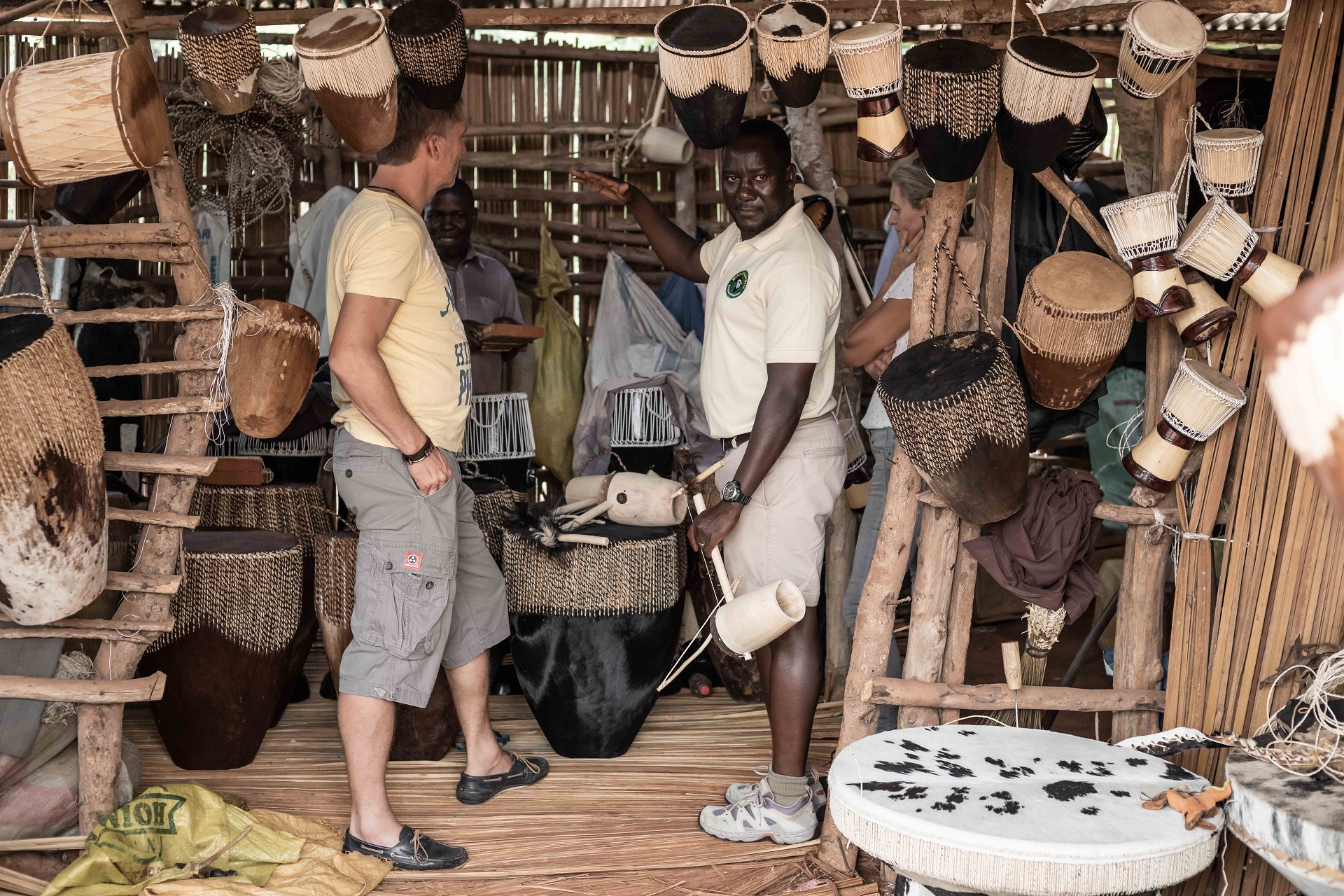
Adding cultural encounters to a safari in Uganda transforms a standard wildlife trip into a deep, human connection with Ugandaa. Beyond the savannas and rainforests, Uganda is home to over 50 distinct tribes, each with its own language, music, traditions, and relationship with the natural world. Engaging with local communities allows you to witness traditional customs, support local conservation initiatives, and understand how people and wildlife coexist.
3-days-affordable-uganda-budget-gorilla-trekking-via-kigali
3-day-budget-gorilla-trekking-safari-in-uganda
2-days-affordable-budget-uganda-safari-to-queen-elizabeth-national-park
2-days-budget-uganda-safari-to-murchison-falls-park
4-days-budget-queen-elizabeth-park-and-chimpanzee-tracking-in-kalinzu-forest
6-days-budget-uganda-safari-and-gorilla-trekking
7-days-budget-uganda-safari-tour-package
10-days-luxury-uganda-gorilla-trekking-safari-and-big-five-safari-vacation
9-days-luxury-gorilla-and-uganda-safari-tour-package
8-days-luxury-uganda-wildlife-safari-tour-package
4-days-luxury-gorilla-trekking-safari-in-bwindi-fly-in-all-inclusive-tour
4-days-luxury-murchison-falls-and-jinja-uganda-safari-vacation
Forest and Mountain Encounters
- Batwa Cultural Trail: Pair your gorilla trek in Bwindi or Mgahinga with the Batwa Tribal Village Tour to learn ancient forest survival skills, medicinal plant uses, and traditional music from indigenous elders.
- Ankole Cattle Herding: Stop by a traditional Bahima homestead or the Igongo Cultural Centre in Mbarara on your way to western parks to watch long-horned cattle milking and try local dairy-and-millet foods.
Kingdoms and Heritage Sites
- Buganda Royal Circuit: Explore Kampala's historical roots by visiting the Kabaka's Palace in Mengo and the UNESCO-listed Kasubi Tombs, the traditional burial grounds of Buganda kings.
- Tooro Kingdom & Amabere Caves: Near Kibale National Park, visit the Amabere Ga Nyina Mwiru stalactite caves, tour the Tooro Kingdom palace in Fort Portal, and learn how to cook regional dishes like firinda.
Music, Dance, and Community Projects
- Ndere Troupe Performances: Spend an evening at the Ndere Cultural Centre in Kampala to experience high-energy traditional drumming, multi-ethnic folk dances, and theatrical storytelling from across Uganda.
- Women's Craft Initiatives: Visit community projects near national parks, such as the Boomu Women's Group near Murchison Falls, to buy local crafts, see basket weaving, and taste home-cooked traditional meals.
Who are the Batwa people, and how can I meet them near Bwindi?
The Batwa are the original hunter-gatherer inhabitants of the ancient rainforests of Bwindi and Mgahinga. For thousands of years, they lived in harmony with the forest before it was designated a protected national park. Today, you can join the Batwa Cultural Experience, a guided walk led by Batwa elders themselves. They share traditional forest survival skills, demonstrate medicinal plant uses, show how they harvested wild honey, and demonstrate ancient hunting techniques using bows and arrows. The experience concludes with traditional music, dance, and storytelling, giving visitors deep insight into their rich heritage and current resettlement efforts.
What cultural experiences can I combine with a safari in Queen Elizabeth National Park?
Around Queen Elizabeth National Park, you can visit the Kasoga Community Experience near the Kazinga Channel. This community-led initiative invites travelers to take part in traditional fishing practices, canoe regattas, and salt mining at Lake Katwe. You can also walk through local villages to learn about cattle milking, traditional ghee making, and how local farmers protect their crops from wandering wildlife like elephants. These visits show how local communities adapt to living right alongside a major national park while preserving their traditional livelihoods.
What can I learn during a visit to the Lake Katwe Salt Works?
At Lake Katwe, located just outside Queen Elizabeth National Park, salt mining has been practiced since the 16th century using traditional methods. Visiting the lake allows you to walk down to the salty pans alongside local miners. You will learn how shallow evaporation pans are constructed, how rock salt is harvested by hand in intense heat, and how different grades of salt are extracted for domestic use and livestock feed. It is a striking visual experience that highlights the resilience and hard work of the local community.
How can I experience the Karamojong culture near Kidepo Valley National Park?
The Karamojong are traditional pastoralists inhabiting the semi-arid northeast of Uganda near Kidepo Valley. Visiting a Manyatta—a traditional fortified village built with thorny wood and mud—offers an authentic look into their nomadic way of life. You can observe how extended families live together, learn about their cattle-centered culture, watch traditional leather crafting, and witness the energetic Ekemwar jumping dance. Visiting a Karamojong village provides a fascinating cultural contrast to the central and southern regions of Uganda.
What cultural encounters are available near Murchison Falls National Park?
Near Murchison Falls, you can visit the Boomu Women’s Group near the southern park gate. Established to improve local livelihoods, this community project offers guided village walks where you can learn about traditional subsistence farming, blacksmithing, and food preparation. Guests can participate in basket weaving, craft making, and cooking traditional dishes using locally grown ingredients. Staying in their traditional mud-walled bandas or sharing a home-cooked meal directly supports women and children in the surrounding rural area.
What is the Ik tribe, and how do you visit them in the Morungole Mountains?
The Ik are one of Uganda's most remote and smallest ethnic groups, living high in the Morungole Mountains near Kidepo Valley. Reaching their villages requires an adventurous full-day hike up steep mountain ridges. Historically displaced from their lowland hunting grounds, the Ik have preserved an isolated culture centered on terraced farming, beekeeping, and unique social customs. Visiting the Ik offers incredible mountain vistas alongside a rare, respectful window into a ancient culture that remains largely untouched by modern urbanization.
How does visiting local communities support wildlife conservation in Uganda?
Community tourism creates a direct economic bridge between protected national parks and the people living along their borders. When local residents earn income from cultural visits, craft sales, guided walks, and homestays, they see tangible financial benefits from tourism. This incentive fosters a protective attitude toward wildlife, significantly reducing human-wildlife conflict and poaching. Revenue sharing programs managed by the Uganda Wildlife Authority also funnel park entry fees directly into building local schools, health clinics, and clean water infrastructure.
What traditional music and dance performances can I see on a Ugandan safari?
Uganda's cultural diversity is reflected in its energetic music and dance forms. Near Bwindi, the Batwa perform rhythmic songs accompanied by wood instruments and drums. In central and western Uganda, you might witness the energetic Ekitaguriro dance of the Banyankole, which mimics the graceful movements and long horns of the Ankole cattle. Visiting cultural centers like Ndere Troupe in Kampala or community groups near national parks gives you a firsthand look at how storytelling, celebrations, and history are preserved through music and dance.
What is unique about the Ankole long-horned cattle culture in Western Uganda?
Ankole long-horned cattle are iconic animals deeply woven into the identity of the Banyankole people of western Uganda. These cattle feature massive, elegant white horns that can span several feet. Visiting a traditional cattle farm near Lake Mburo National Park allows you to participate in morning milking, learn how milk is processed into ghee using dried gourds, and understand the cultural value assigned to these animals. Cattle are not merely livestock here; they represent wealth, social status, and deep cultural heritage.
Can I learn traditional cooking and food preparation on a safari?
Yes, culinary experiences are a wonderful way to connect with Ugandan culture. Many community groups offer hands-on cooking classes where you learn to prepare Matooke—green bananas steamed and mashed in banana leaves—alongside rich peanut sauce, beef stew, or fresh tilapia. You will harvest fresh ingredients from local gardens, peel bananas with traditional knives, and cook over open firewood stoves. Sharing the meal with your hosts offers a warm, conversational atmosphere to learn about daily domestic life.
What coffee tours can I take near Uganda’s national parks?
Uganda is one of Africa’s top coffee producers, growing both Arabica and Robusta varieties. Near Mount Elgon in the east and the Rwenzori foothills near Kibale, you can take a farm-to-cup coffee tour. You walk through lush coffee plantations with local farmers, pick ripe red coffee cherries by hand, shell and roast the beans over an open fire, and grind them using traditional wooden mortars. The tour ends with a hot, freshly brewed cup of organic coffee that you helped make from scratch.
What crafts and souvenirs can I buy directly from local artisans?
Ugandan artisans produce beautifully handcrafted items that make meaningful safari keepsakes. Popular crafts include hand-woven raffia baskets, bark cloth paintings, wooden carvings of mountain gorillas and wildlife, hand-poured soaps, and colorful batik textiles. Buying directly from artisan cooperatives near park gates—such as the Ride 4 a Woman project in Bwindi—ensures your money goes straight to female artisans, supporting family health, education, and economic independence.
What is Bark Cloth, and why is it culturally significant in Uganda?
Barkcloth is an ancient textile craft practiced by the Baganda people of central Uganda, recognized by UNESCO as a Masterpiece of the Intangible Heritage of Humanity. It is made from the inner bark of the Mutuba tree (Ficus natalensis) without harming the tree. The bark is repeatedly beaten with specialized grooved wooden mallets until it becomes soft, thin, and terracotta-brown in color. Barkcloth is traditionally worn during royal ceremonies, cultural rituals, and burials, and is now used to craft modern art, clothing, and bags.
Can I visit local schools or health centers during my safari?
Yes, many tour itineraries include visits to rural primary schools or community health clinics near national park boundaries. These visits offer a realistic perspective on daily life, education, and healthcare access in rural Uganda. It is best to arrange these visits through established community projects to ensure they are respectful and non-disruptive. Bringing useful supplies like exercise books, pens, soccer balls, or medical supplies is a practical way to give back to the communities hosting you.
What cultural sites can I visit in Kampala before or after a safari?
Kampala features several major cultural and historical sites worth exploring. The Kasubi Tombs serve as the burial site for Buganda kings and represent a magnificent example of traditional thatched architecture. You can also visit the Kabaka's Palace (Lubiri) in Mengo to learn about Buganda Kingdom history, explore the Uganda Museum for a comprehensive look at national ethnography, and visit the Namugongo Martyrs Shrine to understand the country's deep religious heritage.
How can I experience traditional fishing communities along Lake Victoria or the Nile?
Visiting fishing villages along Lake Victoria, the Kazinga Channel, or the Victoria Nile offers a glimpse into maritime livelihoods in Uganda. You can board traditional wooden canoes with local fishermen, learn how net setting and line fishing are done, and see how fish are preserved through smoking or sun-drying. Stopping at sites like the Ssese Islands or Jinja allows you to enjoy fresh tilapia while learning about the cultural traditions of water-dependent communities.
What cultural experiences are available around Mount Elgon and Sipi Falls?
The slopes of Mount Elgon are home to the Bagisu people, famous for their rich agricultural traditions and unique cultural ceremonies. Visiting the Sipi Falls region allows you to tour local Arabica coffee shambas and hike through lush terraced hillsides. If visiting between August and December in even-numbered years, you might witness Imbalu—a traditional public circumcision ceremony marking a young man's passage into adulthood through energetic drumming, dancing, and community processions.
What is the Buganda Kingdom, and how does it influence modern Uganda?
The Buganda Kingdom is the largest traditional kingdom in Uganda, located in the central region surrounding Kampala. Led by the Kabaka (King), Buganda has a rich history of political organization, clans, and cultural protocols that heavily influence modern Ugandan society. Visiting royal sites, learning about the clan system named after local animals and plants, and observing traditional etiquette offers valuable historical context for understanding contemporary Ugandan governance and identity.
Can I participate in a community village walk near Bwindi?
Yes, community village walks are widely available around sectors like Buhoma, Ruhija, and Rushaga in Bwindi. Led by knowledgeable local guides, these walks take you through banana plantations, local homesteads, traditional herbalist shrines, and primary schools. You will see how local banana beer (Tonto) is brewed, meet traditional healers using forest plants, and interact with residents in a relaxed, friendly setting that complements your gorilla trekking adventure.
What is the significance of traditional healers and herbalists in Uganda?
Traditional medicine remains an integral part of healthcare in rural Uganda, often operating alongside modern medical clinics. Herbalists and traditional healers possess deep knowledge of indigenous plants, roots, and tree barks passed down through generations. Visiting a herbalist on a community walk provides insight into how natural remedies are prepared to treat common ailments, and highlights the deep historical connection between local communities and indigenous plant life.
How do local communities brew traditional banana beer (Tonto)?
Tonto (or Aguardiente) is a traditional fermented beverage made from specific varieties of green bananas (Embuiru). During a cultural demonstration, you will see how ripe bananas are mashed by foot in hollowed wooden troughs lined with grass. The extracted juice is mixed with roasted sorghum flour to kickstart fermentation, then covered and left underground in warm soil for several days. Guests are invited to taste the final sweet and tangy brew.
What is the royal heritage of the Tooro Kingdom near Fort Portal?
The Tooro Kingdom is centered around Fort Portal, near Kibale National Park and the Rwenzori Mountains. Known for its picturesque crater lakes and tea plantations, Tooro boasts a proud royal history. Visitors can view the Karuzika Palace perched on Kabarole Hill, which offers panoramic views of Fort Portal town. Exploring Tooro culture highlights their peaceful traditions, traditional Empaako pet names, and deep respect for the young reigning monarch, King Oyo.
What is the Empaako naming tradition in Western Uganda?
Empaako is an ancient naming ritual practiced by the Batooro, Banyoro, Batuku, and Batagwenda peoples of western Uganda, recognized by UNESCO. Alongside a regular family name, every child is given one of twelve special Empaako honorific names (such as Abooki, Akiiki, or Abwooli). These names are used as affectionate greetings to show respect, diffuse tension, and reinforce social bonds across communities. Learning your own Empaako name during a visit is a memorable cultural touchpoint.
How can I visit the Rwenzori mountain communities?
The foothills of the Rwenzori Mountains are inhabited by the Bakonzo people, who have lived alongside the "Mountains of the Moon" for generations. You can participate in the Ruboni Community Camp walk, where local guides lead you through mountain hamlets, terraced farmland, and along rushing glacial rivers. You will visit a traditional Bakonzo home, listen to storytellers explain their cultural reverence for the mountain spirit Kibyira, and watch energetic traditional dance performances.
What cultural etiquette should I follow when visiting Ugandan communities?
Respectful behavior ensures a positive experience for both you and your hosts. Always ask for permission before taking photographs of individuals or homes. Greet people warmly with a smile and a handshake—greetings are highly valued in Ugandan culture. Dress modestly by covering shoulders and knees, especially in rural areas or religious sites. Additionally, accept hospitality gracefully, use your right hand when receiving items, and support local economies by paying fair prices for crafts.
How do I arrange cultural visits on my Uganda safari?
Cultural experiences can easily be integrated into your overall safari itinerary. When planning your trip with a local tour operator, specify that you want to include community walks, coffee tours, or cultural village visits alongside game drives and primate tracking. Most popular community projects are located close to park headquarters, making them easy to schedule during free afternoons or intermediate travel days.
What is the role of storytelling in Ugandan culture?
Storytelling is a cherished oral tradition across Uganda, used for centuries to pass down history, moral lessons, folklore, and practical knowledge from elders to younger generations. During evening campfires at community lodges or cultural centers, local storytellers share traditional fables, legends about mountain spirits, and historical accounts of legendary kings. Sitting around a fire listening to local folklore provides a warm, authentic end to a day in the bush.
Can I stay in a community homestay on my safari?
Yes, community homestays are available near several national parks, including Bwindi, Kibale, and Lake Mburo. Staying with a local host family allows you to experience authentic daily life firsthand. You will sleep in comfortable, locally built guest rooms, share home-cooked Ugandan meals, help with household chores or farming if you choose, and engage in meaningful conversations that build cross-cultural understanding far beyond standard hotel stays.
What is the Sebei culture around Mount Elgon?
The Sebei people inhabit the northern slopes of Mount Elgon in eastern Uganda. They possess a distinct Nilotic culture centered on cattle keeping, terraced maize and coffee farming, and running heritage. The region’s high altitude has produced many of Uganda’s famous Olympic distance runners. Visiting Sebei communities near Sipi Falls allows you to explore scenic mountain farms, learn about their unique history, and hike along trails used by elite athletes for high-altitude training.
How do cultural tours directly benefit rural Ugandan women?
Many community tourism initiatives in Uganda are founded and run by female cooperatives. Projects like Ride 4 a Woman in Bwindi and Boomu Women’s Group near Murchison Falls empower women through craft making, tailoring, hospitality training, and agriculture. Income generated from cultural tours allows women to pay school fees, access healthcare, buy land, and achieve financial stability, directly uplifting entire households and rural communities.
Booking cultural safari in Uganda with us Roads of Adventure safaris
You can book a cultural safari with Roads of Adventure Safaris by contacting their team via email at info@roadsofadventuresafaris.com or by calling/WhatsApp at +256 701 041637
