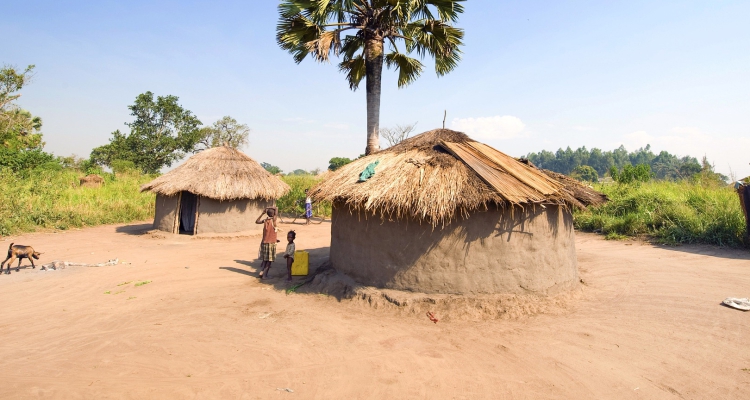
Uganda cultural safaris offer deep immersion into the nation's rich heritage, moving beyond wildlife to connect with over 50 ethnic groups through vibrant music, dance, storytelling, and traditional ceremonies. These journeys explore diverse customs, from the pastoral Banyankole and their cattle rituals to the nomadic Ik people's unique survival skills, visiting ancient kingdoms like Buganda and Toro, and engaging in daily life through craft-making, cooking, and visiting local homesteads for authentic community interaction. Expect to experience unique crafts, historical sites, and the spirit of "Obuntu" (togetherness) firsthand, creating a profound appreciation for Uganda's cultural soul.
1-day-kampala-city-tour-excursion-full-day-tour
4-days-best-uganda-cultural-safari-deep-in-cultural-history
7-days-best-uganda-wildlife-safari-and-culture
8-days-uganda-and-rwanda-cultural-and-city-life-experience
What exactly are Uganda cultural safaris?
Uganda cultural safaris offer a unique and immersive experience that goes beyond wildlife viewing to delve deep into the rich traditions, history, music, dance, and daily life of Uganda's diverse ethnic communities. This land is home to over 50 distinct ethnic groups, each with unique customs, languages, and cultural practices that contribute to the nation's vibrant tapestry.
These tours allow travelers to engage directly with local communities, fostering meaningful interactions. Visitors may attend traditional ceremonies, participate in local dances, or even learn time-honored crafts and activities. By doing so, individuals gain insight into the cultural heritage of Uganda, which has been influenced by various factors, including history, geography, and social structures.
Cultural safaris can encompass various elements, such as village visits, local market tours, and opportunities to try traditional cuisine. Travelers may also have the chance to explore Uganda's significant historical sites, which offer context on the nation's complex past and the significance of its diverse ethnic groups.
Additionally, cultural safaris provide a platform for conservation efforts by promoting responsible tourism that supports local economies and the preservation of cultural identities. By participating in these tours, travelers contribute to sustainable livelihood initiatives that empower local communities.
In summary, Uganda cultural safaris are enriching experiences that immerse travelers in the country’s diverse cultural landscape. They create opportunities for authentic engagement and appreciation of Uganda's unique heritage, making them an integral part of any travel itinerary.
When is the best time to visit Uganda for cultural safaris?
While Uganda cultural safaris can be enjoyed year-round, the dry seasons—from June to September and December to February—are considered the best times for such experiences. During these periods, weather conditions are generally favorable, making travel easier and more comfortable across the country’s varied terrains.
The dry seasons allow participants to access rural communities without the challenges posed by muddy roads and rainy weather, which can complicate travel during the wet seasons (March to May, and October to November). Moreover, rural areas, where many cultural interactions take place, become more accessible, facilitating visits to remote villages and traditional homesteads.
In addition to easier travel conditions, visiting during these dry months enhances opportunities for engagement in cultural activities. Traditional ceremonies, music, and dance performances are often scheduled during this time to align with festivities, making it an even more enriching experience for visitors. Cultural festivals and community events can often be found throughout the dry seasons, adding vibrancy and authenticity to the safari experience.
Ultimately, while travelers can partake in cultural safaris throughout the year, planning your visit during the dry seasons increases the likelihood of a smooth and fulfilling experience. It allows for deeper connections with local communities and an increased understanding of their customs, traditions, and daily life.
How long does a typical Uganda cultural safari last?
Uganda cultural safaris are highly customizable, with durations that can vary widely based on travelers’ interests and schedules. However, the most common cultural safaris range from 3 days for a quick weekend immersion to 7–15 days for those seeking a more comprehensive experience across the country.
A 3-day safari typically focuses on Kampala, where visitors can explore urban cultural sites, markets, and local arts and crafts. These short excursions may include visits to museums and cultural centers, allowing travelers to gain insight into Uganda’s history and diverse ethnic groups within the capital city.
For a more in-depth exploration, 7 to 15-day safaris provide opportunities to travel to multiple regions, thus experiencing a wider array of cultures. Such itineraries can include visits to various ethnic groups, including the Baganda, Batwa, Karamojong, and Banyankole, each showcasing unique traditions, lifestyles, and customs.
Many multi-day cultural safaris will also combine visits to significant historical and cultural landmarks, such as the Kasubi Tombs and the Tooro Kingdom Palace, alongside experiences with local families and participation in traditional ceremonies.
In summary, whether you are looking for a quick getaway or a comprehensive cultural immersion, Uganda offers flexible options to explore its rich heritage. Tailoring the duration of your cultural safari allows for deep and meaningful encounters, creating lasting memories of Uganda's vibrant culture and communities.
How many distinct cultural groups can I experience during Uganda cultural safaris?
Uganda is home to an incredibly diverse population, encompassing over 50 distinct ethnic groups, each with its own unique traditions, languages, and customs. During a cultural safari, travelers can experience the rich cultural mosaic of the country by engaging with multiple communities and learning about their ways of life.
Among the most prominent cultural groups are the Baganda, known for their rich history and traditional monarchy; the Bagisu, famous for their unique circumcision rituals; and the Batwa, who are recognized as ancient forest dwellers with a treasure trove of traditional knowledge about their environment. Each ethnic group presents a unique cultural experience, showcasing traditional crafts, music, and dance.
Additionally, safaris often provide opportunities to engage with the Karamojong, who are pastoralists known for their vibrant cultural practices and deep connection to cattle, and the Banyankole, who are renowned for their long-horned Ankole cattle. These encounters allow travelers to participate in traditional ceremonies, observe cattle herding, and sample local cuisines.
Cultural interactions can include visiting local homesteads, sharing meals with families, or participating in traditional dances, enriching the experience of learning about Uganda's cultures. This engagement not only fosters understanding and appreciation of different ethnic groups but also supports local communities through sustainable tourism initiatives.
In summary, a cultural safari in Uganda opens doors to experiencing a wide array of distinctive cultural groups. The deep-rooted customs and traditions of these communities provide a rich and engaging backdrop for understanding the nation’s cultural diversity, making it a key aspect of any visit to Uganda.
Can I combine Uganda cultural safaris with gorilla trekking?
Yes, combining Uganda cultural safaris with gorilla trekking is a popular and rewarding option for those seeking a comprehensive wilderness experience. This blend allows travelers to immerse themselves not only in the stunning landscapes and wildlife but also in the rich cultural heritage of Uganda’s diverse communities.
One of the most compelling combinations is pairing a visit with the Batwa community, who are traditionally known as forest people. Many tours offer experiences that include a hike in Bwindi Impenetrable National Park or Mgahinga Gorilla National Park with Batwa guides. These guides share insights into their historic lifestyle as hunter-gatherers, teaching visitors about their customs, traditional fire-making techniques, medicinal plants in the forests, and traditional dances. This cultural immersion complements the thrill of gorilla trekking, where you can witness the majestic mountain gorillas in their natural habitat.
Additionally, many travel itineraries include gorilla trekking experiences followed by cultural visits to nearby communities. For instance, after trekking to see the gorillas, travelers might visit local villages to engage with communities like the Bakiga and Banyaruguru, learning about their unique traditions and lifestyles.
This combination not only enriches the visitor experience but also aids local communities through responsible tourism, supporting initiatives that promote conservation and cultural preservation.
In summary, combining cultural safaris with gorilla trekking in Uganda offers an exceptional opportunity to experience the country’s rich biodiversity alongside its unique cultural heritage, allowing for a well-rounded and unforgettable adventure.
What is the Batwa cultural experience during Uganda cultural safaris?
The Batwa cultural experience is a remarkable highlight of Uganda cultural safaris, particularly centered around the Bwindi Impenetrable National Park and Mgahinga Gorilla National Park. This experience allows visitors to learn about the Batwa people, who historically lived as forest hunter-gatherers in these lush ecosystems.
Visitors can embark on guided hikes through the beautiful forests of Bwindi or Mgahinga with Batwa guides. These knowledgeable individuals share their expertise about the flora and fauna, while also recounting their ancient traditions and ways of life. One of the most fascinating aspects of this experience is the demonstration of traditional skills, such as fire-making and the identification of medicinal plants that the Batwa used for healing. Witnessing these practices deepens appreciation for their sustainable way of life in harmony with nature.
Participants often engage in traditional dances and songs, which are integral to the Batwa culture. These performances provide a lively and engaging way to experience their customs while fostering a connection with the community. Sharing in their music and dance offers a vivid portrayal of Batwa heritage and keeps their traditions alive.
Additionally, visitors can enjoy storytelling sessions where elders recount tales from their history, teaching about their unique relationship with the forests and the wildlife that inhabit them.
In summary, the Batwa cultural experience during Uganda cultural safaris is an enriching opportunity for travelers to gain insight into the lives, customs, and traditions of this unique community. By participating in these activities, travelers not only deepen their understanding of the Batwa culture but also contribute to its preservation and sustainable tourism initiatives that support local livelihoods.
What can I expect from Karamojong cultural safaris in the northeast?
Karamojong cultural safaris offer a fascinating glimpse into the vibrant lifestyle of the Karamojong people, an ethnic group residing in the northeast of Uganda. Known for their pastoral and nomadic traditions, Karamojong culture revolves around cattle-keeping, which is central to their way of life.
Visitors to the Karamojong region can expect authentic experiences that include visits to traditional Manyatta, or homesteads, which are constructed in circular patterns. Here, travelers have the opportunity to engage with local families, learn about their daily routines, and discover the importance of cattle in their social structures and economy.
During these safaris, you may participate in activities such as herding cattle alongside local men, witnessing traditional cattle-rearing practices, and partaking in the vibrant lifestyle of the Karamojong community. Engaging with Karamojong warriors provides insight into their customs, including the significance of traditional attire, body painting, and adornments.
One of the highlights of Karamojong cultural safaris is the chance to participate in traditional dances. These energetic performances are often accompanied by rhythmic drumming and singing, showcasing their rich musical heritage and fostering a deeper connection with the community.
Additionally, visitors learn about local customs and cultural values, emphasizing the Karamojong’s deep respect for cattle and their role as a symbol of wealth and status. This guide-backed cultural immersion provides an enriching understanding of their unique heritage.
In summary, Karamojong cultural safaris offer travelers an authentic experience filled with engaging interactions and traditional activities that highlight the rich lifestyle of the Karamojong people. This valuable encounter fosters cultural appreciation while supporting sustainable tourism initiatives that benefit local communities.
How do Uganda cultural safaris showcase the royal kingdoms?
Uganda’s cultural safaris provide an enriching opportunity to explore the country’s historical royal kingdoms, which play a significant role in Ugandan identity and heritage. The Buganda Kingdom is perhaps the most well-known, but Uganda has several other kingdoms, each with rich histories and traditions.
One prominent cultural site included in many tours is the Kasubi Tombs in Kampala, a UNESCO World Heritage Site that serves as the burial ground for Buganda’s kings. This sacred site allows visitors to understand the significance of monarchy in Buganda, including its role in governance, ceremonies, and traditional practices. Guided tours often include details about the architectural features of the tombs and the rituals performed there.
Safaris often extend to the Tooro Kingdom in the Fort Portal area, where visitors can explore the Tooro Palace. Here, they can learn about the kingdom’s royal history, cultural practices, and the current role of the monarchy in contemporary Ugandan society. Engaging with local guides provides insight into the ceremonies, traditional attire, and the social responsibilities of the royal families.
In addition to specific sites, many cultural safaris feature local community engagements, where travelers can witness traditional ceremonies or events led by royal representatives. This interaction provides firsthand experience of the customs and practices upheld by the various kingdoms.
In summary, Uganda cultural safaris expertly showcase the royal kingdoms by combining visits to historical sites with engaging cultural experiences. This rich exploration of traditional monarchies offers travelers a deeper understanding of Uganda's culture and legacy while celebrating the vibrant history that still influences the country today.
What are the highlights of Ankole cultural safaris?
Ankole cultural safaris focus on the unique traditions and lifestyle of the Banyankole people, an ethnic group known for its rich cultural heritage and historical significance in Uganda. A key highlight of these cultural experiences is the opportunity to interact with the community and learn about their traditional practices, especially regarding their famed long-horned Ankole cattle.
During these safaris, visitors can explore traditional farms where Ankole cattle are raised. Travelers gain insights into the importance of cattle in Banyankole culture, where they symbolize wealth, status, and social identity. This interaction may include activities like observing cattle herding, learning about breeding practices, and understanding the role of cattle in daily life.
Another essential component of Ankole cultural safaris is the opportunity to participate in local culinary experiences. Tourists may have the chance to learn how to prepare traditional dishes, such as Ugandan staple matooke (steamed plantains) and luwombo (a rich stew), sharing in meals with local families. This culinary immersion fosters a deeper appreciation for local food culture and practices.
Additionally, the safaris often include cultural performances featuring traditional dances, music, and storytelling. These performances, sometimes staged at community gatherings, highlight the richness of Banyankole heritage and keep traditional customs alive.
Moreover, exploring significant cultural sites—like the Ruhengeri Sacred Mountain or local markets—further enriches the experience, providing a comprehensive understanding of the Ankole culture.
In summary, Ankole cultural safaris present unique opportunities to engage with the Banyankole people, witness their vibrant traditions, and enjoy authentic cultural experiences. From cattle-keeping practices to culinary delights, these safaris offer a deep dive into the life and customs of this remarkable ethnic group in Uganda.
Do Uganda cultural safaris include traditional cooking experiences?
Yes, Uganda cultural safaris often include traditional cooking experiences, allowing travelers to engage directly with local culinary practices and appreciate the rich flavors of Ugandan cuisine. These cooking experiences are integral to cultural safaris, fostering a deeper connection to the communities and their traditions.
During these hands-on sessions, visitors have the opportunity to learn about local ingredients, cooking techniques, and traditional recipes that have been passed down through generations. Participants can expect to prepare staple dishes such as matooke (steamed plantains), luwombo (a flavorful stew made with meat, vegetables, and groundnut sauce), and posho (maize porridge), among others.
Cooking classes are often conducted in local homes, where travelers can interact with residents and gain insights into their daily lives and cultural practices. This interaction deepens the traveler’s understanding of food's role in local traditions and how it fosters community bonds. Sharing meals prepared during these sessions creates opportunities for cultural exchange, as participants can enjoy the fruits of their labor alongside their hosts.
Some cultural safaris also incorporate visits to local markets, where travelers can witness the vibrant atmosphere of buying and selling fresh ingredients. Learning about the significance of certain foods in local culture enriches the overall culinary experience.
In summary, traditional cooking experiences are a noteworthy feature of Uganda cultural safaris, offering an engaging way to connect with local communities. These culinary adventures not only showcase Uganda’s diverse flavors but also contribute to a broader understanding of the significance of food in Ugandan culture and society.
Booking Uganda cultural safari with us Roads of Adventure safaris
To book a cultural safari with Roads of Adventure Safaris, you can initiate the process by contacting their team directly via email at info@roadsofadventuresafaris.com, through their website's inquiry form, or by calling them at +256 701 041637. Once you provide details like your desired destination, travel dates, and group size, their expert consultants will craft a personalized itinerary that aligns with your interests and budget, which can include cultural experiences like the Batwa cultural experience or a Buganda cultural tour. After confirming the proposed package and costs, a deposit is typically required to secure necessary permits and accommodations, with the remaining balance due before your arrival. The company handles logistics like transportation and guides, ensuring a seamless and unforgettable journey through Uganda's rich cultural heritage.
