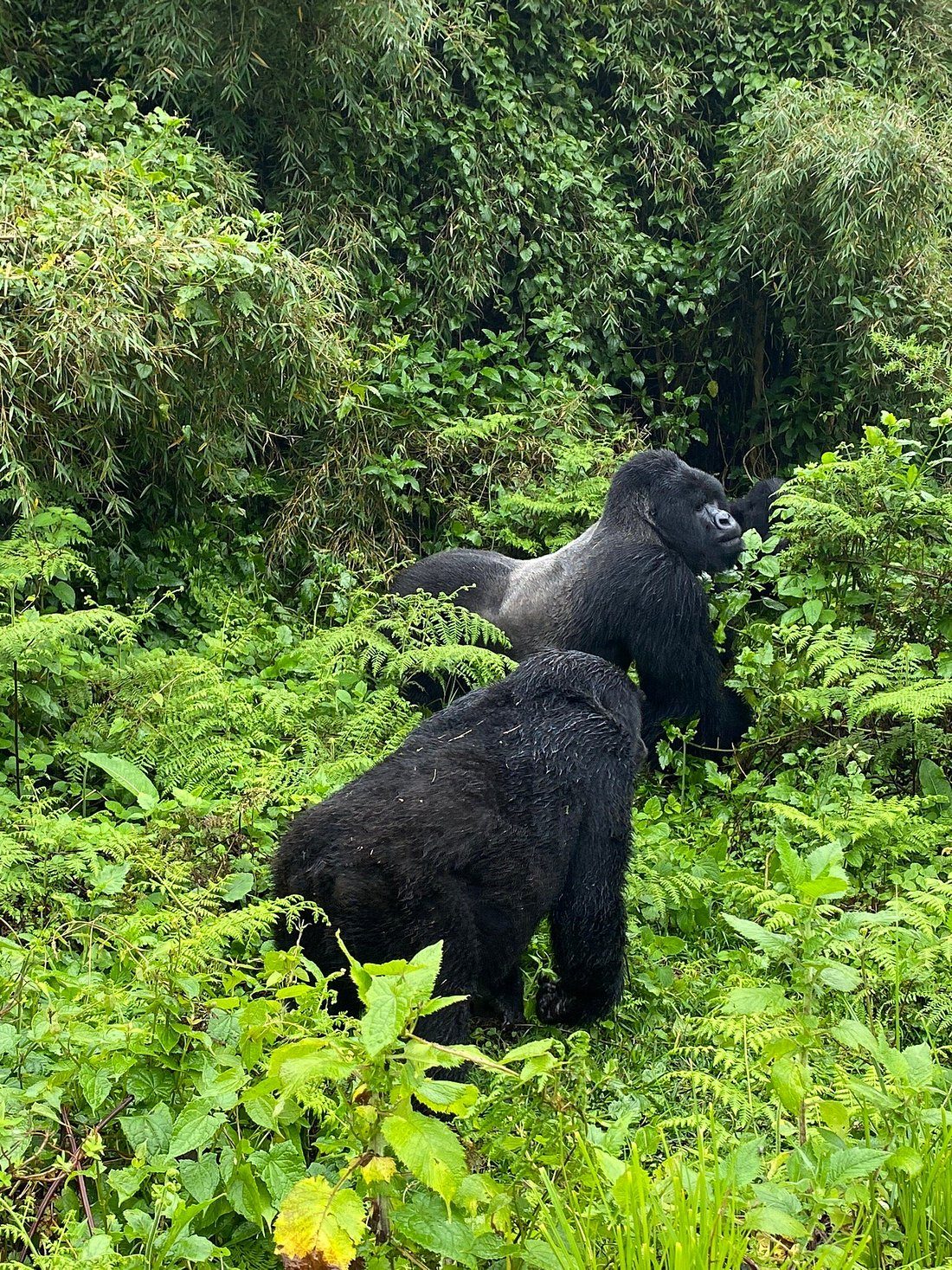
For a 7-day Uganda safari, pack lightweight, neutral-colored layers (khaki, olive) for protection against sun and insects, including long-sleeved shirts and trousers. Key essentials include sturdy, broken-in hiking boots for trekking, a waterproof rain jacket, a warm fleece for cool mornings, and a durable daypack. Don't forget sunscreen, bug spray, binoculars, and a camera
Popular one week 7 days tour packages
7-days-safari-to-uganda-queen-elizabeth-park-gorillas-trekking-and-lake-mburo
7-days-perfect-uganda-primate-safari-itinerary
7-days-uganda-tour-to-murchison-falls-via-ziwa-kibale-and-queen-elizabeth-national-park
7-day-ultimate-uganda-primate-safari-chimpanzees-and-game-drives
7-days-best-uganda-safari-tour-to-popular-safari-parks
7-days-perfect-road-trip-uganda-safari-tour
7-days-best-uganda-birding-safari-tour
7-day-uganda-safari-to-kidepo-valley-via-jinja-and-sipi-falls
7-days-murchison-falls-uganda-safari-trip-via-ziwa-rhinos-kidepo-valley-and-jinja
When is the best time for a 7-day Uganda safari and gorilla trekking?
Timing is everything when planning a Uganda wildlife safari, and the country’s equatorial climate divides the year into distinct seasons. The absolute best time to visit is during the two dry seasons: June to September and December to February. During these windows, the skies are generally clear, and the reduced rainfall makes the logistics of a 7-day trip much smoother. In the savannah parks like Murchison Falls and Queen Elizabeth, the dry weather causes vegetation to thin out and animals to congregate around permanent water sources, such as the Kazinga Channel and the Nile, making wildlife spotting significantly easier.
For those focusing on gorilla trekking in Bwindi or Mgahinga, the dry season is particularly beneficial. The forest trails, which can be notoriously steep and slippery, are firmer and easier to navigate. While it can still rain at any time in a tropical rainforest, the downpours are less frequent and shorter in duration. However, the "green seasons" (March to May and October to November) have their own allure. The landscape is incredibly lush, birdwatching is at its peak with migratory species, and some luxury lodges offer discounted rates. Furthermore, gorillas often stay at lower altitudes during the rainy season to feast on fresh bamboo shoots, which can actually lead to shorter trekking times. Regardless of when you go, Uganda’s beauty is year-round, but the dry months provide the most predictable conditions for a multi-destination itinerary.
How far in advance should I book my gorilla permits for Uganda?
Securing a gorilla permit is the most critical step in planning your safari, and it should ideally be done 3 to 6 months in advance. The Uganda Wildlife Authority (UWA) strictly limits the number of visitors to ensure conservation standards; only eight people are allowed to visit a specific habituated gorilla family per day for exactly one hour. Because Bwindi Impenetrable National Park is divided into four distinct sectors (Buhoma, Ruhija, Rushaga, and Nkuringo), permits are sector-specific. If you have a specific lodge in mind, you must secure a permit for the corresponding sector, or you may face a multi-hour drive on the morning of your trek.
During the peak seasons of July, August, and December, permits often sell out a year in advance. Booking early not only guarantees your spot but also allows your tour operator to logistically align your permit with the rest of your 7-day route, ensuring you aren't backtracking across the country. Each permit currently costs $800 for foreign non-residents. Once purchased, these permits are non-refundable (though they can sometimes be rescheduled in cases of illness). Since the permit is the "anchor" of your entire itinerary, waiting until the last minute is a significant risk that could result in missing out on the primate encounter entirely.
What should I pack for gorilla trekking in Bwindi Impenetrable National Park?
Packing for a Uganda wildlife safari requires a balance between savannah-ready gear and rainforest essentials. For the gorilla trek itself, the "gold standard" is layering and protection. You must have sturdy, waterproof hiking boots with excellent ankle support and "lug" soles for grip on muddy inclines. Long trousers and long-sleeved shirts are mandatory, not just for the weather, but to protect your skin from stinging nettles, sharp branches, and "safari ants." Tucking your trousers into your socks is a common and highly effective local tip to keep insects out.
A surprising but essential item is a pair of tough gardening gloves. You will often find yourself grabbing onto vines and branches to steady yourself on steep slopes; these gloves protect your hands from thorns and irritants. A lightweight, breathable rain jacket or poncho is a must, as Bwindi is a rainforest where weather changes in minutes. Inside your daypack, carry at least two liters of water, a packed lunch, insect repellent with DEET, and a camera with extra batteries. Lastly, don’t forget a face mask, which is required during the one hour you spend with the gorillas to prevent the transmission of human respiratory droplets to our primate cousins.
How hard is the actual gorilla trek, and do I need high fitness?
Gorilla trekking is a physically demanding activity that is often described as a "meaningful challenge." There are no manicured paths; you will be hiking off-trail through dense undergrowth, crossing small streams, and navigating steep, often muddy slopes at altitudes ranging from 1,100 to 2,500 meters. The duration of the trek is unpredictable, ranging from 2 to 7 hours depending on where the gorilla family nested the night before. Because of the altitude and the humidity of the "impenetrable" forest, even a short hike can feel twice as strenuous as a walk at sea level.
While you do not need to be an elite athlete, a reasonable level of physical fitness will greatly enhance your enjoyment. If you can walk for a few hours on uneven terrain, you can manage the trek. The park rangers are incredibly patient and will set a pace that suits the slowest member of the group. Furthermore, the availability of porters is a "game-changer" for those worried about their fitness. For a small fee, a porter will carry your bag and literally provide a helping hand (or a push) through the most difficult sections. If you have mobility issues, there is even an option to be carried into the forest on a "sedan chair" by a team of porters, ensuring that this life-changing experience is accessible to almost everyone regardless of physical limitations.
What is the "7-meter rule" in gorilla trekking, and why is it important?
The 7-meter rule is a cornerstone of responsible primate tourism. Trekkers are required to maintain a minimum distance of 7 meters (approximately 23 feet) from the gorillas at all times. This rule exists for two primary reasons: health and safety. Biologically, mountain gorillas share approximately 98% of their DNA with humans, making them highly susceptible to human respiratory infections, such as the common cold, flu, and COVID-19. Because these gorillas have no natural immunity to many human germs, a simple cold caught from a tourist could potentially wipe out an entire family.
From a safety perspective, the 7-meter gap ensures that the gorillas do not feel crowded or threatened. While habituated gorillas are accustomed to human presence, they are still wild, powerful animals. Maintaining distance allows them to continue their natural behaviors—grooming, foraging, and playing—without feeling the need to defend their territory. If a gorilla moves closer to you (which they often do, especially the curious juveniles), the rangers will instruct you to slowly move back. Adhering to this rule is an act of respect; it ensures that your presence is a "silent observation" rather than an intrusion, helping to keep these magnificent creatures wild and healthy for generations to come.
Can I use a flash camera while photographing the mountain gorillas?
No, flash photography is strictly prohibited during gorilla trekking. This rule is non-negotiable and is enforced by the rangers for the safety of both the visitors and the primates. Mountain gorillas are sensitive to sudden, bright bursts of light. A camera flash can be perceived as a threat or can startle a silverback, potentially triggering a defensive charge. Given the size and power of a silverback, keeping them calm and relaxed is the top priority for a successful encounter.
Photographing in the dense Bwindi canopy can be challenging due to the low-light conditions and the dark fur of the gorillas. To get the best shots without a flash, you should ensure your camera has a high ISO capability and a "fast" lens (with a wide aperture like f/2.8 or f/4). Most modern smartphones do an admirable job, but make sure to turn off the "Auto Flash" setting before you even enter the forest. Instead of focusing on the "perfect" shot, many travelers find that spending at least some of their one-hour window without a lens in front of their face allows them to truly connect with the experience. The sights, sounds, and even the smell of the gorillas are far more memorable than any photograph.
Do I need a porter to help me during my gorilla trekking experience?
While not mandatory, hiring a porter is highly recommended and is often cited by trekkers as the best $20 they spent on their entire Uganda wildlife safari. Porters are members of the local community, many of whom are former poachers who have turned to tourism for their livelihood. By hiring one, you are providing a direct financial incentive for the community to protect the forest and its inhabitants. Beyond the ethical impact, a porter provides invaluable physical assistance.
The forest floor is often a "carpet" of roots and slippery mud. A porter will carry your heavy daypack—containing your water, lunch, and camera gear—leaving you free to focus on your footing and the scenery. More importantly, they act as a "personal anchor" on the trails. They are incredibly sure-footed and will offer a hand to help you navigate steep embankments or pull you up through thickets. This support can be the difference between finishing the trek exhausted and finishing it with a smile. The relationship between a trekker and their porter often becomes a highlight of the day, offering a chance for personal connection and a deeper understanding of life in the Ugandan highlands.
What is the minimum age for trekking gorillas in Bwindi Impenetrable National Park?
The minimum age for gorilla trekking in Uganda is 15 years old. This age limit is strictly enforced by the Uganda Wildlife Authority, and you will be required to present your passport for verification during the morning briefing. There are several reasons for this restriction. Firstly, children under 15 are more likely to carry common childhood diseases like coughs, mumps, or chickenpox, which can be fatal to mountain gorillas. The age limit acts as a biological "safety barrier" to protect the primates' health.
Secondly, the trek requires a level of physical stamina and emotional maturity that younger children may not possess. The terrain is rugged and the hike can be long and exhausting. Furthermore, if a silverback were to make a "mock charge"—a common display of dominance—it is vital that everyone in the group remains calm and follows the ranger’s instructions. A younger child might panic or run, which could escalate a harmless display into a dangerous situation. For families traveling with younger children, many lodges offer child-minding services or "forest walks" outside the park boundaries, allowing the adults to trek while the children engage in age-appropriate activities.
Should I bring malaria medication for a 7-day safari to Uganda?
Yes, malaria prophylaxis is strongly recommended for anyone embarking on a safari in Uganda. While the higher altitudes of Bwindi and Mgahinga have fewer mosquitoes, the savannah parks like Queen Elizabeth and Murchison Falls are located in tropical, lower-altitude regions where malaria-carrying mosquitoes are present. It is essential to consult with a travel clinic or your doctor several weeks before your trip to discuss which medication (such as Atovaquone/Proguanil or Doxycycline) is right for you.
In addition to medication, you should practice "integrated pest management." This includes wearing long-sleeved clothing and trousers in the evenings, using a DEET-based insect repellent, and always sleeping under a mosquito net (which is provided by almost all safari lodges). Malaria is preventable and treatable, but it can be a serious illness that would certainly cut a 7-day trip short. Being proactive about your health ensures that you can focus on the wildlife rather than worrying about bites. Also, ensure your routine vaccinations are up to date and consider a Yellow Fever vaccination, as proof of this is often required for entry into Uganda.
How many hours am I allowed to spend with the gorillas once found?
Once your group locates the habituated gorilla family, you are allowed exactly one hour in their presence. This "Golden Hour" is a strictly enforced conservation protocol designed to balance the benefits of tourism with the well-being of the gorillas. Limiting the encounter to sixty minutes reduces the stress on the animals and prevents them from becoming too habituated to human presence, which could alter their natural foraging and social behaviors.
The hour begins the moment the lead ranger determines that the group has a clear view of the gorillas. During this time, you can observe them eating, grooming, playing, and resting. It is an incredibly intimate window into their lives. Rangers will keep a close eye on the time, and when the hour is up, the group must quietly retreat to allow the gorillas their privacy. While an hour may seem short given the effort to find them, most travelers find it to be an intensely concentrated experience. The silence, punctuated only by the sound of snapping branches and low gorilla grunts, makes every minute feel significant. If you wish for more time, Uganda also offers a "Gorilla Habituation Experience" in the Rushaga sector, which allows for a four-hour encounter at a higher permit cost.
What happens if I have a cold or respiratory illness on the trekking day?
If you wake up on the morning of your trek with a cold, flu, or any contagious respiratory illness, you will not be allowed to trek. This is a heartbreaking scenario for someone who has traveled halfway around the world, but it is a vital rule for the survival of the species. Because humans and gorillas are so closely related, a simple human virus can quickly turn into a pneumonia-like epidemic within a gorilla family. The rangers have the authority to disqualify anyone who appears visibly ill (sneezing, coughing, or feverish) from the group.
In such cases, the best course of action is to report your illness to the park authorities immediately. Often, if you are deemed unfit to trek for health reasons, the Uganda Wildlife Authority may offer a partial refund of the permit fee (usually 50%) or allow you to reschedule your trek for a later date once you have recovered, provided there is availability. Many tour operators also recommend travel insurance that specifically covers "lost permits" due to illness. To avoid this, it is wise to take extra care of your health in the weeks leading up to your trip—stay hydrated, get plenty of sleep, and avoid crowded places where you might pick up a bug.
Is it possible to see the Big Five on a 7-day Uganda safari itinerary?
Yes, a well-planned 7-day itinerary can successfully deliver the Big Five (lion, leopard, elephant, buffalo, and rhino), though it requires a specific route. Since rhinos are extinct in Uganda's main national parks, you must include a stop at the Ziwa Rhino Sanctuary on your way to Murchison Falls. Here, you can track white rhinos on foot, ticking off the first member of the list.
The remaining four are found in the savannah parks. Murchison Falls National Park is excellent for spotting massive herds of elephants and buffaloes, while the Buligi Peninsula is a prime hunting ground for lions and leopards. If your route moves toward Queen Elizabeth National Park, you have a second chance at the big cats, especially the tree-climbing lions of Ishasha. While the leopard remains the most elusive member of the group, a 7-day trip provides multiple morning and evening game drives, significantly increasing your odds. By combining these savannah experiences with your gorilla trek, you achieve a "best of both worlds" safari that captures the full spectrum of Africa’s most iconic wildlife alongside the unique primates of the Albertine Rift.
How do I dress for the 7-day trip to ensure I am comfortable?
Dressing for a Uganda wildlife safari is all about functionality and "safari chic"—which essentially means earth tones and layers. For game drives in the savannah, you want lightweight, breathable fabrics. Neutral colors like khaki, olive, and tan are preferred because they blend into the environment and do not attract tsetse flies (which are notoriously drawn to bright blue and black). A light sweater or fleece is essential for early morning drives when the air can be surprisingly chilly.
For the forested portions of the trip, the dress code becomes more protective. You will need long-sleeved shirts and long trousers to guard against stinging nettles and insects. A wide-brimmed hat is vital for sun protection, and a pair of sunglasses will save you from the midday equatorial glare. When it comes to footwear, bring a pair of comfortable sandals or sneakers for relaxing at the lodge, but reserve your waterproof hiking boots for the forest. Don’t forget a swimsuit, as many lodges in the savannah and at Lake Bunyonyi have beautiful pools or lake access. The key is to pack clothes that can be easily layered and washed, as dust is a constant companion on the Ugandan roads.
What should I tip my ranger, guide, and porter after the gorilla trek?
Tipping is a common and much-appreciated practice in the Ugandan tourism industry, as it provides a vital supplement to the modest wages of the staff who make your safari possible. After a gorilla trek, it is customary to tip the main guide, the trackers (who go out at dawn to find the family), and the security rangers. A general guideline is to contribute to a "group tip" that the lead guide then distributes; typically, $15 to $20 per trekker for the entire team is considered generous and fair.
Your porter is tipped separately, as they are not UWA employees but local community members. The standard fee for a porter is around $20, but most trekkers provide an additional tip of $5 to $10 for exceptional service, especially if the trek was particularly long or difficult. For your private safari driver-guide, who is with you for the full 7 days, a tip of $10 to $15 per day from the group is standard. Tipping should always be in the local currency (Ugandan Shillings) or in small, clean US Dollar bills (post-2013). While it is never mandatory, it is a direct way to show gratitude for the expertise and hard work that goes into ensuring your safety and success in the wild.
What kind of vehicle is necessary for a 7-day Ugandan road trip safari?
A 4x4 safari vehicle is an absolute necessity for a 7-day trip through Uganda. While the main highways connecting major towns are generally paved, the roads leading into and inside the national parks are "African dirt roads" that can be unpredictable. In the mountainous regions around Bwindi, these roads are steep and can become extremely muddy and slippery after a rain shower. A standard 2WD vehicle will simply not have the traction or ground clearance to navigate these conditions safely.
Most professional safari companies use customized Toyota Land Cruisers or Safari Vans (Omnibuses) with 4WD capabilities. These vehicles are designed for the terrain, featuring reinforced suspension and heavy-duty tires. Crucially, they come with a pop-up roof, which is essential for wildlife viewing; it allows you to stand up during game drives for a 360-degree view and provides a steady platform for photography. Furthermore, the distance covered in 7 days is significant, so a comfortable vehicle with good air circulation and plenty of legroom ensures that the "transit" portions of your trip are just as enjoyable as the wildlife encounters themselves. Always confirm with your operator that you have a dedicated 4x4 for the duration of your journey.
Booking Uganda safari with us Roads of Adventure safaris
Book your unforgettable Uganda safari with Roads of Adventure Safaris, a premier, highly reputable Tripadvisor operator specializing in customized, 14-day itineraries. We craft bespoke, tailored adventures ranging from mid-range to luxury, focusing on gorilla trekking, chimpanzee tracking, and scenic wildlife game drives in Queen Elizabeth and Murchison Falls national parks. Our expert local guides provide safe, knowledgeable, and engaging tours, handling all permits and logistics for a seamless journey. Experience top-tier service and witness the 'Pearl of Africa's' breathtaking biodiversity. Contact us to start planning your dream adventure today.
