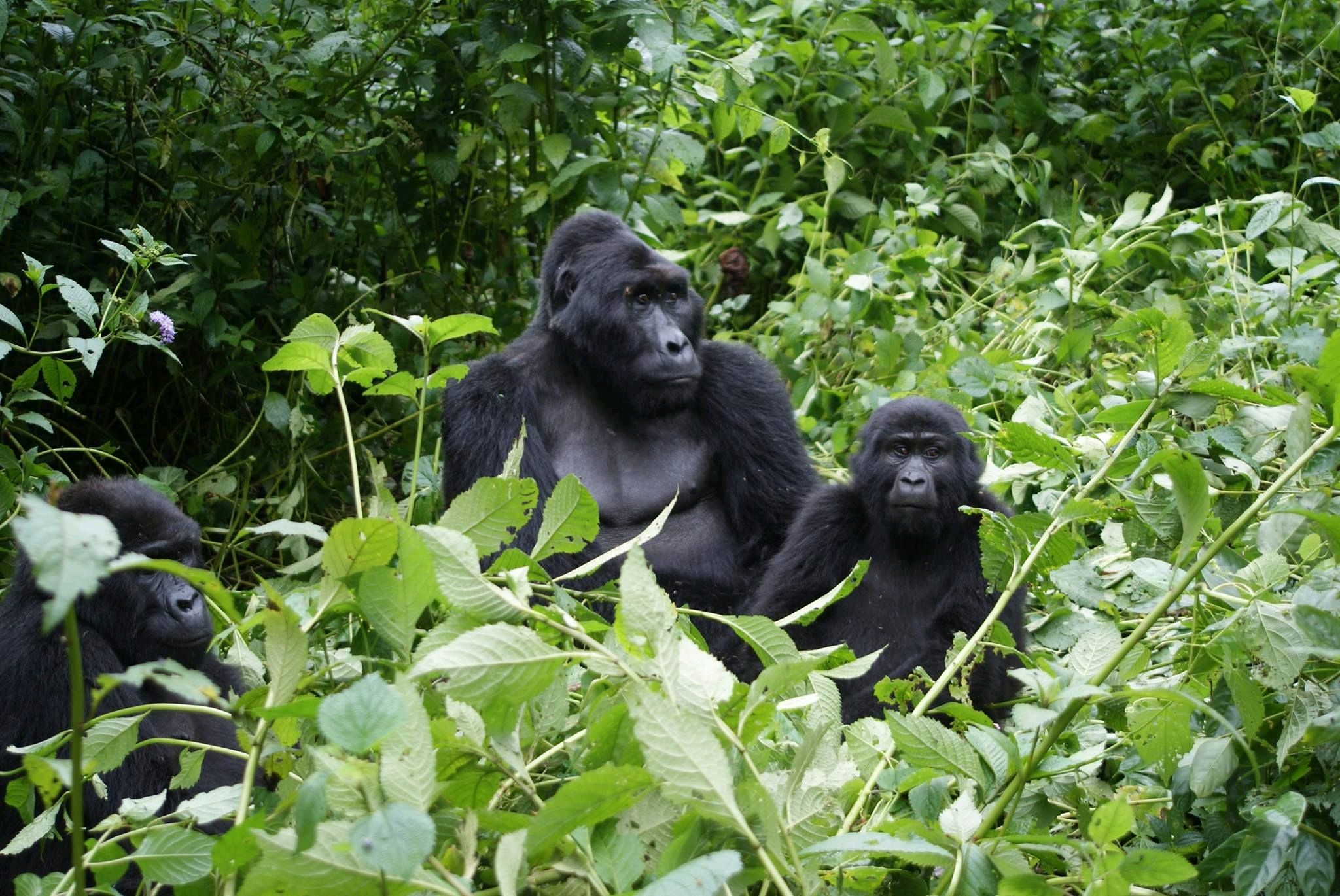
For a 12-day Rwanda safari, pack versatile layers, sturdy waterproof hiking boots, and neutral-colored clothing (khaki, olive) for varied altitudes and temperatures. Essential gear includes a rain jacket, long-sleeved shirts, gardening gloves for gorilla trekking, a camera with extra memory, binoculars, insect repellent, sunscreen, and a daypack.
12-days-classic-rwanda-uganda-africa-safari-tour-package-combo
12-days-rwanda-primate-safari-vacation-and-akagera-national-park
12-days-best-rwanda-wildlife-safari-and-rwanda-primate-safari-vacation
12-days-rwanda-safari-adventure-and-active-hiking-safari
12-days-rwanda-uganda-safari-and-rwenzori-climb-and-hiking
12-days-perfect-rwanda-birding-safari-itinerary
Clothing: The Art of Layering
In regions where you might experience a misty rainforest at dawn and a scorching savannah by noon, layering isn't just a suggestion; it's a survival strategy. Start with moisture-wicking base layers (merino wool or synthetic) that pull sweat away from your skin. Avoid cotton, as it stays damp and can lead to chills once the sun dips.
Your long-sleeved shirts and trousers serve a dual purpose: defense against the intense equatorial sun and protection from the "Tsetse" flies or mosquitoes. Neutral colors like khaki, olive, and beige are standard for a reason—bright whites get ruined by dust instantly, and dark blues or blacks actually attract biting flies. When the sun goes down in higher altitudes, the temperature can plummet, making that fleece or sweater your best friend at the dinner table. Finally, a high-quality waterproof jacket is non-negotiable. Tropical rains are sudden and heavy; you want something breathable (like Gore-Tex) so you don't end up soaking wet from sweat on the inside while staying dry from the rain on the outside.
Gorilla & Chimpanzee Trekking Gear
Trekking for primates is often described as "mountain gymnastics." You aren't walking on manicured trails; you are hacking through thick vines, sliding down muddy slopes, and grabbing onto vegetation for balance. This is where gardening gloves become your most prized possession. The forest is full of stinging nettles and thorns; gloves allow you to grab branches without hesitation.
Your hiking boots must be waterproof and, most importantly, broken in long before you arrive. A blister on day one can ruin a multi-thousand-dollar permit. Pair these with gaiters—these sleeves cover the gap between your boots and trousers, preventing "safari ants" from crawling up your legs and keeping thick mud from seeping into your laces. For the actual encounter, wear thick trousers (like canvas or heavy hiking fabric); thin leggings will be shredded by briers in minutes.
Gear & Electronics
The distance between you and a leopard or a rare Shoebill stork can be vast, making binoculars and a zoom lens essential. For photography, a lens reaching at least 300mm to 400mm is recommended. Because you’ll likely be taking hundreds of photos and videos, extra memory cards and batteries are vital. Many lodges rely on solar power or generators that may only run for a few hours a night, so a high-capacity power bank ensures your phone or camera stays charged.
A headlamp is superior to a flashlight because it keeps your hands free for packing or navigating dark paths between your tent and the main lodge. Lastly, the universal travel adapter should ideally be one that includes multiple USB ports, as "charging stations" in communal lodge areas are often crowded with other travelers' devices.
Toiletries & Health
Health prep starts weeks before your flight. Malaria prophylaxis is a must for most primate-trekking regions; consult a travel clinic to see which variety (Malarone, Doxycycline, etc.) suits you best. On the ground, insect repellent with 30-50% DEET is the gold standard, though you should avoid getting it on your camera gear as it can melt plastic.
Your first aid kit should be "triage-ready." Blister pads (like Compeed) are essential for the steep climbs, and anti-diarrhea medication is a safety net for "traveler's tummy" as your system adjusts to new flora. Don't forget SPF lip balm; even under the forest canopy, the equatorial UV rays are potent. Hand sanitizer and wet wipes are your "bush shower" for when you've been eating dusty snacks on a six-hour game drive.
Documents & Essentials
Organization here is about minimizing friction. Your Passport and Yellow Fever certificate are often checked multiple times at borders and small airstrips. When it comes to cash, the "post-2009" rule is strict; many African banks and vendors will physically reject older US bills or those with any tears or ink marks. Carry a mix of large bills (for visas or tips) and small bills ($1, $5, $10).
Your waterproof daypack should be small enough to be comfortable but large enough to carry 2–3 liters of water, your lunch box, and your camera. If your pack isn't inherently waterproof, bring a rain cover or heavy-duty dry bags for your electronics. Remember: in the rainforest, "waterproof" is a relative term—prepare for everything to get at least a little damp.
12 Days Rwanda safari holiday
12 Days Rwanda safari holiday, the "Land of a Thousand Hills," offers a profound journey through one of Africa’s most inspiring success stories. This comprehensive circuit balances raw adventure with serene relaxation, taking you from the vibrant, clean streets of Kigali to the mist-covered peaks of the Virunga Mountains. You will traverse diverse ecosystems: the golden savannahs of Akagera, where the "Big Five" roam; the ancient, high-altitude rainforests of Nyungwe, home to chimpanzees and rare birds; and the emerald shores of Lake Kivu. Beyond the wildlife, this itinerary emphasizes Rwanda’s deep cultural resilience and commitment to conservation. Whether you are locking eyes with a mountain gorilla or walking suspended 60 meters above the forest floor on a canopy bridge, this 12-day odyssey provides an intimate look at a nation that has transformed itself into a premier luxury ecotourism destination, blending high-end hospitality with authentic, life-changing encounters.
Day 1: Arrival in Kigali & Welcome
Your Rwandan adventure begins at Kigali International Airport, where the crisp air and organized atmosphere immediately set the tone. After a warm meet-and-greet with your guide, you’ll transfer to your hotel to shake off the jet lag. If time permits, take a gentle introductory drive through the city’s hilly neighborhoods. Kigali is renowned for its safety and cleanliness, offering a "soft landing" into East African culture. Spend your evening enjoying a fusion dinner at one of the city’s top-tier restaurants, overlooking the twinkling lights of the surrounding hills. This first day is purposely light on activities, allowing you to settle in, meet your safari vehicle, and receive a detailed briefing on the incredible 11 days ahead. It’s the perfect moment to double-check your gear and prepare for the transition from urban sophistication to the wild landscapes of the east.
Day 2: Kigali City Tour & History
Before heading into the wild, it is essential to understand Rwanda's heartbeat. Spend the morning at the Kigali Genocide Memorial, a powerful and moving tribute to the victims of the 1994 genocide against the Tutsi. While somber, the memorial is a vital testament to the country’s journey of "Never Again" and its incredible reconciliation. Afterward, pivot to the modern energy of the city with a visit to the Kimironko Market—a sensory explosion of vibrant fabrics, fresh passion fruit, and local crafts. You’ll also visit the Nyamirambo Women’s Center for a traditional lunch and a walking tour through one of Kigali’s oldest neighborhoods. This day bridges the gap between Rwanda’s difficult past and its hopeful, energetic present, ensuring that when you see the rural beauty of the countryside tomorrow, you carry the context of the people who call it home.
Day 3: Transfer to Akagera National Park
Leave the city behind as you head east toward the Tanzanian border. The landscape shifts from steep, cultivated hills to the flatter, warmer savannahs of Akagera National Park. Upon arrival, you’ll check into your lodge—perhaps a luxury tented camp overlooking the water—before heading out for an afternoon boat cruise on Lake Ihema. This is a birder’s paradise, but the stars are the hippos and massive Nile crocodiles sunning themselves on the banks. As the sun begins to set, casting a golden glow over the papyrus swamps, you’ll get your first glimpse of the park's remarkable recovery. Akagera is a conservation miracle, having been restocked with lions and rhinos over the last decade. Keep an eye out for elephants and buffaloes coming down to the water’s edge for a drink as the evening cool settles over the park.
Day 4: Full Day Savannah Game Drive
Dedicate today to a deep exploration of Akagera’s diverse ecosystems. Starting at dawn, you will traverse the park from south to north, moving through acacia woodlands, open grasslands, and thick thickets. This is your best chance to spot the "Big Five." Look for lions lounging in the shade and the elusive leopard draped over a branch. The park is also home to herds of zebra, giraffe, impala, and the majestic eland—Africa’s largest antelope. Because Akagera is less crowded than many East African parks, your sightings often feel private and exclusive. Your guide will find a scenic spot for a bush picnic lunch, allowing you to soak in the silence of the wild. By late afternoon, you’ll reach the northern plains, where the wildlife density is highest, before returning to your lodge for a well-earned dinner under the vast African stars.
Day 5: Northern Plains & Return to Kigali
The northern sector of Akagera offers a different vibe, characterized by wide-open plains that feel like the classic Serengeti. After an early breakfast, enjoy one last game drive focused on the predators that are most active in the morning light. You might witness a pride of lions on the move or hyenas returning from a night of hunting. After exiting the park, begin the scenic drive back to Kigali. The journey offers a chance to see the "real" Rwanda—terraced farms, children waving from the roadside, and bustling village centers. Once back in the capital, check into your hotel for a night of "city comfort." This serves as a vital transition point between the hot savannah of the east and the cool, misty rainforests of the southwest that await you tomorrow morning.
Day 6: The Journey to Nyungwe Forest
Today’s drive is one of the most scenic in Africa. You will head southwest, winding through the "Land of a Thousand Hills." Along the way, stop in Huye (formerly Butare) to visit the Ethnographic Museum, which houses one of Africa’s finest collections of traditional artifacts and royal history. You will also visit the King's Palace in Nyanza, a reconstruction of a traditional royal residence where you can meet the long-horned Inyambo cattle, which are treated like royalty themselves. As you approach Nyungwe National Park, the air turns cool and the vegetation becomes incredibly dense. This ancient montane rainforest is one of the oldest in Africa, surviving even the last Ice Age. You’ll arrive at your lodge on the edge of the forest in time to watch the mist roll over the tea plantations that border the park.
Day 7: Chimpanzee Trekking & Canopy Walk
Your day starts at 5:00 AM. Nyungwe is home to 13 primate species, but the chimpanzees are the main event. After a briefing, you’ll head into the deep forest with expert trackers. Hearing the pant-hoots of a chimp troop echoing through the canopy is a spine-tingling experience. Once located, you’ll spend an hour observing their complex social dynamics, from playful youngsters to grooming adults. After lunch, the adventure moves from the forest floor to the sky. The Nyungwe Canopy Walk is a suspended bridge 60 meters above a deep ravine. It offers a bird’s-eye view of the ancient treetops and a unique perspective on the forest’s biodiversity. Walking across the swaying bridge is a thrill for the senses, providing views that stretch all the way to the mountains of the neighboring Democratic Republic of Congo.
Day 8: Waterfall Hike or Colobus Monkey Trek
Nyungwe’s beauty is best discovered on foot. Today, you have a choice of trails. The Isumo Waterfall trail is a favorite, taking you through tea estates and then deep into the fern-shrouded forest, ending at a thundering 17-meter waterfall. Alternatively, you can trek to see the Black and White Colobus monkeys. Unlike the chimps, these monkeys live in massive "super-groups" of up to 400 individuals, creating a stunning visual as they leap through the trees in a flurry of black and white fur. This day is about slow-paced immersion. You’ll notice the smaller details: rare orchids, giant lobelias, and the incredible variety of butterflies. In the afternoon, visit a local tea factory to learn how Rwanda’s world-class tea is processed, from the bright green leaves in the fields to the aromatic brew in your cup.
Day 9: Transfer to Lake Kivu (Kibuye)
Say goodbye to the rainforest as you drive north toward the shores of Lake Kivu, one of Africa’s Great Lakes. Your destination is the town of Kibuye (Karongi), arguably the most beautiful spot on the lake. The road winds along the Congo Nile Divide, offering dramatic views of the lake's turquoise waters and numerous emerald islands. Kibuye is the perfect place for "active relaxation." Upon arrival, check into your lakeside lodge and take a boat trip to Napoleon Island—so named because it's shaped like the emperor's hat. The island is home to a massive colony of fruit bats, and a short hike to the top provides a 360-degree view of the lake. Spend the evening enjoying "Sambaza" (small local sardines) and watching the sunset transform the water into a sheet of liquid gold.
Day 10: Scenic Drive to Musanze (Volcanoes)
Continue your journey north along the scenic shores of Lake Kivu toward Gisenyi (Rubavu). This stretch of road is part of the famous Congo Nile Trail, characterized by steep hills and tiny fishing villages. After a lakeside lunch in Gisenyi—where you can stick your toes in the water and look across at the Congolese city of Goma—you will turn inland toward Musanze. This is the gateway to Volcanoes National Park, the world-famous home of the mountain gorillas. The scenery changes once again as the massive peaks of the Virunga Volcanoes begin to loom over the horizon. You’ll check into your lodge, which likely offers stunning views of the Karisimbi, Bisoke, and Mikeno volcanoes. The evening is spent in quiet anticipation, preparing your gear for the pinnacle experience of the entire safari: the gorilla trek.
Day 11: Mountain Gorilla Trekking
This is the day you’ve been waiting for. After an early briefing at the park headquarters, you’ll be assigned to a gorilla family based on your fitness level. Accompanied by armed rangers and expert trackers, you’ll hike through bamboo forests and stinging nettles into the heart of the mountains. The trek can take anywhere from one to five hours, but all fatigue vanishes the moment you see them. You have exactly one hour to sit among the gorillas. Watching a 400-pound Silverback calmly oversee his family while juveniles tumble and play just meters away is a transformative, almost spiritual experience. After the trek, visit the Iby’iwacu Cultural Village (Gorilla Guardians) to learn about traditional Rwandan life, archery, and medicine. It’s a celebratory afternoon, marking the successful completion of one of the world's most iconic wildlife encounters.
Day 12: Golden Monkeys & Departure
On your final morning, return to the park for a lighter but equally charming trek to see the Golden Monkeys. These "Little Primates of the Virungas" are endemic to the region and are known for their striking orange coats and playful, hyperactive nature. They live in the bamboo forests at the base of the volcanoes, making for a relatively easy and beautiful walk. After the trek, enjoy a final lunch with a view of the peaks before beginning the two-hour drive back to Kigali. Use this time for some last-minute souvenir shopping—perhaps some Rwandan coffee or a hand-woven Agaseke basket—before transferring to the airport for your evening flight home. You leave Rwanda with a full camera, a tired body, and a soul deeply enriched by the "Land of a Thousand Hills."
1. What are the top activities on a 12-day Rwanda safari?
A 12-day safari in Rwanda is designed to provide a comprehensive look at the country’s three distinct ecosystems: the savannah, the ancient rainforest, and the volcanic highlands. The journey typically begins with game drives in Akagera National Park, where conservation efforts have successfully reintroduced lions and black rhinos, making it a "Big Five" destination. From the plains, you transition to Nyungwe National Park for chimpanzee trekking and the famous canopy walk, which offers a bird’s-eye view of the prehistoric forest.
The absolute pinnacle of the trip is gorilla trekking in Volcanoes National Park. This is often supplemented by golden monkey tracking and cultural visits to the Ibyi’wacu Cultural Village. To balance the intensity of the trekking, the itinerary includes a retreat to Lake Kivu, where scenic boat rides and lakeside relaxation provide a necessary "breather." Throughout the 12 days, you also engage with Rwanda’s history through a Kigali city tour, visiting the Genocide Memorial and local markets. This combination of high-adrenaline wildlife encounters, serene water landscapes, and deep cultural immersion ensures that travelers experience the full spectrum of what the "Land of a Thousand Hills" has to offer. By the end of the nearly two-week journey, guests have moved from the lowest heat of the eastern plains to the misty, cool peaks of the Virungas, witnessing a nation that has perfectly integrated high-end tourism with grassroots conservation and community development.
2. Can I track chimpanzees on this tour?
Yes, chimpanzee tracking is a foundational element of a 12-day Rwandan itinerary, typically taking place in Nyungwe National Park or the smaller, newly designated Gishwati-Mukura National Park. Nyungwe is one of the oldest rainforests in Africa, and tracking our closest genetic relatives (sharing approximately 98% of our DNA) through its dense undergrowth is an exhilarating experience. Unlike the mountain gorillas, who are relatively stationary, chimpanzees are highly active, vocal, and arboreal. The trek often begins very early in the morning, as trackers head out to locate the "nests" where the chimps slept the night before.
When you find them, you are immersed in a world of pant-hoots, screams, and rapid movement through the canopy. You might witness them grooming each other, hunting, or playing. The terrain in Nyungwe can be steep and slippery, so a moderate level of fitness is required to keep pace with these agile primates. The experience is limited to a specific number of permits per day to ensure the chimps remain habituated but not stressed by human presence. Most 12-day tours pair this activity with the Canopy Walk, allowing you to see the forest from both the floor and the sky. It is a raw, loud, and energetic encounter that stands in stark contrast to the quiet, stoic presence of the mountain gorillas, providing a well-rounded primate-viewing experience.
3. Is gorilla trekking included?
Gorilla trekking is not just included; it is the center around which a 12-day Rwanda safari revolves. This activity takes place in Volcanoes National Park, a section of the greater Virunga Conservation Area. Because gorilla permits are highly sought after and limited in number, they are usually the first thing booked when finalizing an itinerary. The trek involves hiking through bamboo forests and sub-alpine moorlands to locate one of the habituated gorilla families. Once the group is found, visitors are permitted exactly one hour of observation time.
This hour is often described by travelers as the most profound wildlife encounter of their lives. You are standing just meters away from a Silverback, a creature of immense power and surprising gentleness. You’ll watch juveniles wrestling and mothers meticulously tending to their infants. The park’s expert rangers and trackers provide a wealth of information about the family’s history, individual personalities, and the ongoing conservation efforts that have seen the mountain gorilla population rise from the brink of extinction. While the hike can range from thirty minutes to several hours depending on the gorillas' movement, the reward is a life-changing connection with one of the rarest animals on Earth. In a 12-day tour, this activity is strategically placed toward the end of the trip as the grand finale of your Rwandan adventure.
4. What kind of wildlife can I see?
The wildlife diversity on a 12-day Rwanda safari is staggering because you visit three vastly different biomes. In Akagera National Park, you will find traditional African savannah species. This includes the Big Five: lions, leopards, elephants, buffaloes, and black rhinos. You will also see Maasai giraffes, zebras, topis, and the majestic eland. Akagera’s lakes are teeming with hippos and Nile crocodiles, and the park is a premier birding destination with over 480 species, including the iconic Shoebill stork.
As you move into the montane rainforests of Nyungwe, the wildlife shifts to primates and forest-dwelling species. Beyond the chimpanzees, you can see L’Hoest’s monkeys, owl-faced monkeys, and massive troops of black-and-white colobus monkeys. The forest is also home to endemic birds like the Great Blue Turaco. Finally, in Volcanoes National Park, the focus is on the mountain gorillas and the endemic golden monkeys. While you won't see the massive herds of the Serengeti, Rwanda offers something more intimate: the chance to see rare, "specialist" species that exist nowhere else on Earth. The 12-day timeframe allows you to move slowly enough to appreciate the smaller creatures, such as the three-horned chameleon or the vibrant butterflies that thrive in the Albertine Rift.
5. Are there any cultural experiences?
Rwanda is a country that wears its culture and history on its sleeve, and a 12-day safari ensures you engage with it authentically. One of the primary cultural stops is the Ibyi’wacu Cultural Village (now known as the Gorilla Guardians Village) in Kinigi. This community-run project allows you to see traditional Rwandan house-building, medicine-making, and the famous Intore dance. It’s a place where history comes alive through drumming and storytelling, and it directly supports the livelihoods of local people.
Furthermore, most long-duration safaris include a visit to a Reconciliation Village. These are unique communities where survivors and perpetrators of the 1994 genocide live and work together. Hearing their stories of forgiveness and national unity is a powerful, humbling experience that provides deep insight into the "New Rwanda." You might also visit the King’s Palace in Nyanza, which features a reconstruction of a traditional royal residence and the magnificent, long-horned Inyambo cattle. These cattle are part of the royal heritage and are even "sung to" by their keepers. These cultural interludes are vital; they transform the trip from a simple wildlife tour into a deep exploration of the human spirit and the traditions that bind this resilient nation together.
6. What can I do in Lake Kivu?
Lake Kivu serves as the "relaxation hub" of a 12-day safari, providing a picturesque break between the intensive trekking days. One of the most popular activities is a scenic boat ride to the various islands near Kibuye or Gisenyi. Napoleon Island is a favorite, known for its massive colony of fruit bats and a hiking trail that offers 360-degree views of the lake. You can also visit Amahoro Island, which has a small bar and restaurant for a quiet lunch in the middle of the water.
For those who prefer to stay active, kayaking or paddleboarding along the coastline is a serene way to see the terraced hills and local fishing villages. One of the most unique cultural sights on the lake is the evening fishing ritual. As the sun sets, hundreds of fishermen in three-man outrigger canoes head into the deep water, singing rhythmic songs as they paddle. You can watch their lanterns twinkle across the water through the night. Additionally, the towns of Gisenyi and Kibuye offer sandy beaches where you can simply relax with a book or enjoy a "Sambaza" (small local fish) dinner. Because Lake Kivu is a "Congo Nile Divide" lake, it is free of hippos and crocodiles, making it one of the few lakes in Africa where you can safely swim.
7. Is the canopy walk in Nyungwe worth it?
The Nyungwe Canopy Walk is absolutely worth it and is often cited as a highlight for anyone not afraid of heights. Suspended 70 meters (about 230 feet) above the forest floor, this 160-meter-long bridge is the only one of its kind in East Africa. It is divided into three sections, with the central span offering the most dramatic views. Walking across the swaying bridge gives you a perspective of the rainforest that is usually only accessible to birds and primates. You are looking down on the ancient treetops, which allows for unique sightings of colorful birds like the Turaco or monkeys playing in the upper canopy.
The walk is not just about the bridge itself; the hike to get there is equally beautiful. You’ll walk through the Igishigishigi trail, which is lined with giant ferns and ancient hardwoods. Even if it is misty, the atmosphere is ethereal and hauntingly beautiful. The bridge was built with high safety standards and is led by professional guides who explain the ecology of the "upper world" of the forest. For many, the thrill of standing in the middle of the bridge, feeling the vastness of the Albertine Rift Valley beneath them, is the most "Instagrammable" and exhilarating moment of the entire 12-day journey. It provides a sense of scale that you simply cannot get from the forest floor.
8. What does the Kigali city tour include?
The Kigali city tour is far more than a standard sightseeing drive; it is an introduction to the soul of Rwanda. The most important stop is the Kigali Genocide Memorial at Gisozi. This is a deeply moving experience that provides the necessary historical context for the country’s modern-day peace and stability. It serves as a place of remembrance for the victims and an educational center for "Never Again." While somber, it is a vital part of understanding the resilience of the people you will meet throughout your safari.
Beyond the memorial, the tour showcases the city’s remarkable modernization. You’ll visit the Kandt House Museum, the former home of the German explorer Richard Kandt, which details Rwanda’s colonial history and natural wonders. For a taste of modern life, you’ll head to the Kimironko Market, a sprawling, vibrant hub where you can buy everything from local produce to custom-tailored clothing made from colorful Kitenge fabric. Art lovers will enjoy stops at the Inema or Ivuka Arts Centers, where local painters and sculptors showcase Rwanda’s thriving contemporary art scene. The tour usually concludes with a drive to the highest point in the city, Mount Kigali, for a panoramic view of the "Land of a Thousand Hills." This day bridges the gap between Rwanda’s tragic past and its bright, clean, and organized present.
9. Can I hike a volcano?
Yes, Rwanda is a premier destination for volcano hiking, and a 12-day itinerary provides enough time to tackle one of these peaks. The most popular option is Mount Bisoke, an extinct volcano that stands at 3,711 meters. The hike takes about 6 to 7 hours round trip and is rewarded with a massive, beautiful crater lake at the summit. While it is a "day hike," it is quite steep and requires a good level of fitness. For the more hardcore mountaineer, Mount Karisimbi is the highest peak in Rwanda at 4,507 meters. This is a two-day trek that involves camping overnight on the mountain and offers a true alpine experience.
Another popular "hiking" activity is the trek to Dian Fossey’s grave and her former research station, Karisoke. This is more of a historical pilgrimage than a peak-bagging hike, but it still takes you through beautiful Hagenia forests and provides a deep look at the woman who sacrificed everything for gorilla conservation. All volcano hikes are led by park rangers and often require walking through muddy or overgrown terrain. These hikes offer a different kind of satisfaction than wildlife viewing; they are a test of physical endurance and provide some of the most spectacular views in all of East Africa, overlooking the border into the Democratic Republic of Congo and Uganda.
10. What is the best time for a 12-day safari?
The best time for a 12-day Rwanda safari is during the long dry season from June to September or the short dry season from December to February. These windows are ideal for several reasons. First, in the rainforests of Nyungwe and Volcanoes National Park, the trails are significantly less muddy and slippery. Trekking for gorillas and chimpanzees can be physically demanding, and having firm footing makes a massive difference in your comfort and safety. Additionally, there are fewer mosquitoes, and the chance of being caught in a tropical downpour during your one-hour gorilla encounter is much lower.
In Akagera National Park, the dry season is perfect for game viewing. As the vegetation thins out and water holes begin to dry up, animals are forced to congregate around the remaining permanent water sources like Lake Ihema. This makes predators easier to spot. However, the "green season" (March to May) also has its perks. The landscape is incredibly lush and vibrant, which is a dream for photographers. Furthermore, during the wet season, the gorillas tend to stay on the lower slopes of the volcanoes because food is more abundant there, which can actually result in shorter, easier treks. Ultimately, while the dry seasons are the most popular, Rwanda’s equatorial climate makes it a viable destination all year round.
11. Is golden monkey tracking possible?
Yes, golden monkey tracking is a highly recommended addition to a 12-day safari. These striking primates are endemic to the Virunga Massif and are listed as endangered. Characterized by their bright orange-gold fur and playful personalities, they live in the bamboo forests at the base of the volcanoes. Tracking them is generally much easier and less strenuous than gorilla trekking because they inhabit a lower altitude and stay in relatively flat areas.
A golden monkey encounter is quite different from a gorilla encounter. While gorillas are calm and somewhat predictable, golden monkeys are hyperactive. They leap through the bamboo, swing from branches, and chase each other in a flurry of gold fur. Because they have been habituated to humans, they often hop quite close to visitors, providing excellent opportunities for action photography. You will spend an hour with them, usually in the morning light, watching them forage for bamboo shoots and socialized within their large troops, which can number up to 100 individuals. It is a joyful, energetic experience that serves as a perfect complement to the more "serious" and quiet nature of the gorilla trek. Including this in your 12-day trip ensures you see the full range of Rwanda’s unique primate heritage.
12. What should I pack for these activities?
Packing for Rwanda requires a "layering" mindset because you will be moving between hot savannahs and cold mountain peaks. For the trekking activities, sturdy, waterproof hiking boots with good grip are the most important item. You should also pack long-sleeved shirts and long trousers (even in the heat) to protect yourself from stinging nettles, thorns, and biting insects. A pair of gardening gloves is a "pro-tip" for gorilla trekking; you will often need to grab onto vegetation for balance, and many plants in the forest have thorns or stings.
For Akagera and the city, lightweight, breathable clothing in neutral colors (khaki, green, tan) is best. Avoid dark blue or black, as these colors attract Tsetse flies. A high-quality rain jacket is essential regardless of the season, as it can rain at any time in the rainforest. Other must-haves include a wide-brimmed hat, high-SPF sunscreen, and insect repellent with a high DEET percentage. Don’t forget a power bank for your devices and plenty of memory cards for your camera, as you will be taking more photos than you anticipate. Finally, a waterproof daypack or a rain cover for your backpack is vital to keep your electronics dry during forest treks.
13. What is the Ibyi'wacu Cultural Village?
The Ibyi’wacu Cultural Village, located near the entrance of Volcanoes National Park in Kinigi, is one of the most successful community-based tourism projects in Africa. Its name roughly translates to "Treasures of our Heritage." The village was established to provide a sustainable livelihood for former poachers, transforming them into protectors of the mountain gorillas. By visiting, you are directly contributing to the conservation of the park by ensuring that the local community sees more value in live gorillas than in poached ones.
The experience is highly interactive. You are greeted by the thunderous sound of drums and the high-energy Intore dancers. You can visit a traditional healer’s garden to learn about local medicinal plants, watch women weave intricate baskets, and even visit a replica of a King’s house. One of the highlights is the chance to try traditional archery or learn how to grind grain using stones. It’s a place of celebration and pride, where the residents are eager to share their "Aka" (traditional life) with the world. For a 12-day traveler, this visit provides the "human" side of the conservation story, showing that the survival of the gorillas is inextricably linked to the prosperity of the people living alongside them.
14. Are there boating options?
Yes, water-based activities are a key part of the Rwandan safari experience, providing a change of pace from the bumpy roads and forest trails. In Akagera National Park, a boat cruise on Lake Ihema is a highlight. This allows you to get much closer to hippos and crocodiles than you could from a vehicle. It is also an extraordinary birding experience; you can see kingfishers, herons, and sometimes the elusive Shoebill stork hiding in the papyrus.
On Lake Kivu, the boating options are even more extensive. In Kibuye, you can hire a boat to explore the many small, uninhabited islands. In Gisenyi, you can take a sunset cruise or even a "coffee tour" where you boat to an island plantation to see how coffee is grown, harvested, and roasted. For those looking for something truly unique, you can join the night fishermen. You follow their wooden boats into the center of the lake under the moonlight and watch them use lanterns to attract small "Sambaza" fish. Whether you are looking for a high-speed transfer across the lake or a slow, rhythmic sunset cruise, Rwanda’s lakes provide a sense of space and tranquility that rounds out the 12-day itinerary perfectly.
15. Can I visit the Ellen DeGeneres Gorilla Campus?
Absolutely, a visit to the Ellen DeGeneres Campus of the Dian Fossey Gorilla Fund is a must-see for anyone interested in the science and history of gorilla conservation. Located near Volcanoes National Park, this state-of-the-art facility opened in 2022 and serves as the permanent home for the Dian Fossey Gorilla Fund’s work in Rwanda. The campus is a stunning piece of architecture that blends into the volcanic landscape, and it is open to the public for educational tours.
Inside, you will find the Sandy and Harold Price Research Center, an interactive exhibit that details Dian Fossey’s life, her groundbreaking research, and the "Gorillas in the Mist" legacy. There are 3D maps of the gorilla groups, videos of their behavior, and detailed information about the daily work of the trackers and researchers who monitor the families you just visited in the wild. The campus also features a reforestation center and beautiful walking trails through native plants. It is the perfect educational bookend to your trekking experience, giving you a deep appreciation for the massive scientific effort required to keep the mountain gorillas safe. It is an inspiring look at how philanthropy, science, and tourism can work together to save a species from the brink of extinction.
Booking 12 Day Rwanda safari with us Roads of Adventure safaris
Book a 12-day Rwanda safari with Roads of Adventure Safaris for a comprehensive experience featuring mountain gorilla trekking in Volcanoes National Park, Chimpanzee trekking, and wildlife game drives. Packages are often combined with Uganda for extended exploration and include 4x4 transport, permits, and expert guides.
