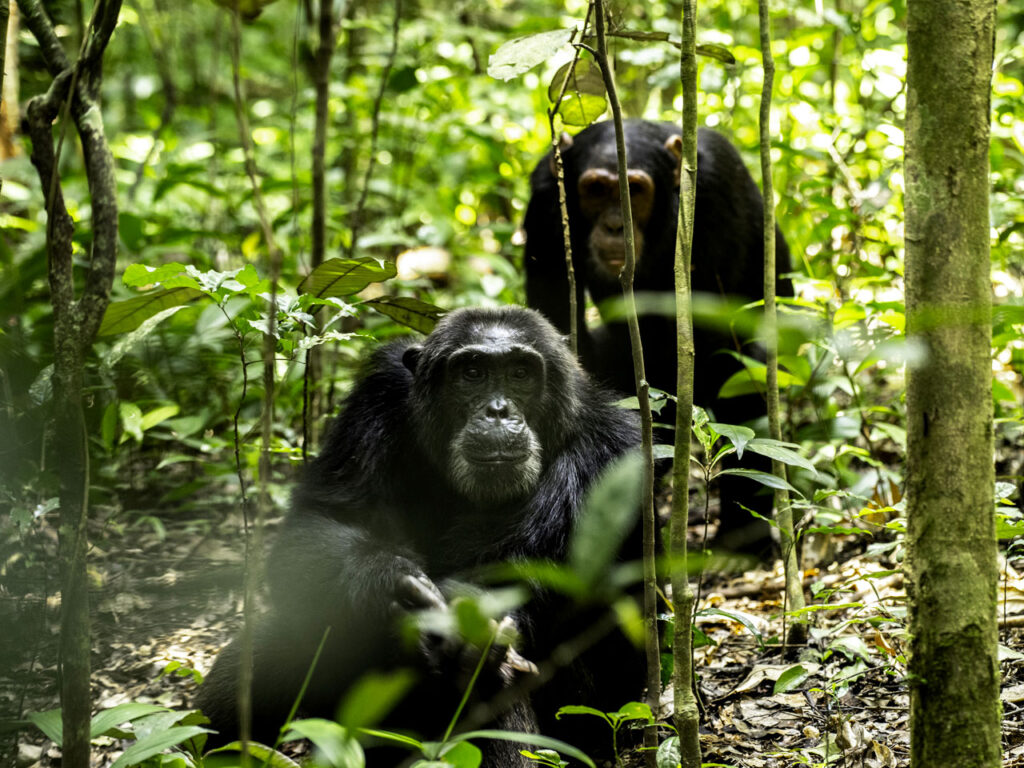
The most visited tour destinations in Rwanda center on mountain gorilla trekking in Volcanoes National Park, chimpanzee tracking in Nyungwe Forest National Park, and wildlife safaris in Akagera National Park. Other top attractions include the, Kigali Genocide Memorial, Lake Kivu for relaxation, Gorilla Guardians Village for culture, and the bustling capital, Kigali.
21-days-rwanda-primate-safari-culture-history-and-wildlife-holiday
20-days-complete-rwanda-uganda-safari-tour-combo
14-days-luxury-rwanda-primate-safari-and-uganda-safari-tour-combo
14-days-magical-rwanda-photography-safari
12-days-best-rwanda-wildlife-safari-and-rwanda-primate-safari-vacation
11-days-classic-uganda-rwanda-tour-combined-itinerary
10-days-9-nights-midrange-rwanda-gorilla-trekking-wildlife-and-culture
9-day-romantic-honeymoon-rwanda-wildlife-safari-itinerary
9-days-best-family-rwanda-safari-holiday-big-five-canopy-walk-and-chimpanzee
8-days-best-africa-big-five-rwanda-safari-and-gorilla-trekking
6-days-rwanda-gorilla-trekking-chimpanzee-tracking-and-birdwatching
1. Volcanoes National Park
Situated in northwestern Rwanda, Volcanoes National Park is the crown jewel of the country’s tourism. It protected the Rwandan sector of the Virunga Mountains, a chain of dormant volcanoes that creates a dramatic, mist-shrouded backdrop. The park is most famous for being the sanctuary of the endangered mountain gorillas. Gorilla trekking here is a highly regulated, once-in-a-lifetime experience where visitors hike through dense bamboo forests to spend a silent, transformative hour observing a gorilla family in their natural habitat.
Beyond the gorillas, the park is home to the rare and playful golden monkeys, which inhabit the lower reaches of the forest. For those seeking physical challenges, the park offers demanding hikes up Mount Bisoke, featuring a stunning crater lake at its summit, or the multi-day trek up Mount Karisimbi, the highest peak in the range. The conservation success story here is profound; the local community is deeply involved in protecting the park, ensuring that tourism revenue directly supports both the wildlife and the people living on the forest fringes.
2. Nyungwe Forest National Park
In the southwest lies Nyungwe Forest, one of the oldest and best-preserved montane rainforests in Africa. This massive green expanse is a biodiversity hotspot, home to over 1,000 plant species and 13 different types of primates. The most popular activity is chimpanzee tracking, where visitors follow expert rangers into the thicket to witness these vocal and energetic primates.
A highlight of any visit is the Canopy Walkway, a 160-meter-long suspension bridge hanging 70 meters above the forest floor. It provides a literal bird's-eye view of the ancient treetops and the colorful birdlife—including the Great Blue Turaco—that inhabits them. With over 130 kilometers of hiking trails, ranging from easy strolls to the grueling Nile-Congo Divide Trail, Nyungwe is a paradise for hikers and botanists who want to lose themselves in a prehistoric wilderness that has survived since the last Ice Age.
3. Akagera National Park
Akagera offers a stark and beautiful contrast to the mountainous west. Located along the border with Tanzania, it is a classic savanna landscape characterized by rolling hills, acacia woodlands, and a complex system of lakes and papyrus swamps. After years of restoration, Akagera is now a "Big Five" destination, following the successful reintroduction of lions and black rhinos.
Game drives in Akagera reveal a diverse array of wildlife, including massive herds of buffalo, elephants, giraffes, zebras, and various antelope species. The park is unique for its water-based safaris; a boat trip on Lake Ihema allows visitors to see hippos and enormous Nile crocodiles up close, along with an incredible variety of water birds like the rare shoebill stork. Akagera’s management by African Parks has turned it into a model for conservation, proving that degraded landscapes can be restored to their former glory through dedicated protection and community engagement.
4. Lake Kivu
Lake Kivu is Rwanda’s largest body of water and one of the African Great Lakes. Part of the Albertine Rift, it is surrounded by emerald-green mountains and terraced hillsides. Unlike many African lakes, Kivu is free of hippos and crocodiles, making it a safe haven for swimming, kayaking, and paddleboarding.
The lakeside towns of Gisenyi (Rubavu), Kibuye (Karongi), and Cyangugu (Rusizi) offer different vibes, from Gisenyi’s bustling resort feel to Kibuye’s tranquil, island-dotted bays. A favorite activity is a boat ride to Napoleon Island to see a massive colony of fruit bats or hiking a portion of the Congo Nile Trail, which runs along the lake's shoreline. As the sun sets, the lake comes alive with the singing of "singing fishermen" as they paddle their three-hulled boats into the deep water for their nightly harvest of sambaza (small sardines), their lanterns twinkling across the water like fallen stars.
5. Kigali City
Kigali is frequently cited as the cleanest and safest city in Africa. It serves as the country’s heartbeat—a hilly, vibrant metropolis that blends modern infrastructure with traditional Rwandan warmth. The Kigali Genocide Memorial at Gisozi is an essential, though somber, stop for any visitor. it provides a deeply moving educational experience about the 1994 Genocide against the Tutsi, serving as a place of remembrance and a testament to the country’s incredible journey of reconciliation and growth.
However, Kigali is also a city of celebration. Its culinary scene is booming, with world-class coffee shops, fusion restaurants, and lively markets like Kimironko, where you can buy vibrant Kitenge fabrics. The city's art scene is equally thriving, headlined by spots like the Inema Arts Center. Whether you are exploring the "car-free zones" or taking a motorcycle taxi (moto) across the ridges of the city, Kigali represents the forward-looking spirit of the "New Rwanda."
6. Gorilla Guardians Village (Iby’iwacu)
Located just outside Volcanoes National Park, the Iby’iwacu Cultural Village—now known as the Gorilla Guardians Village—is an immersive cultural experience. What makes this place special is its origin: many of the performers and guides are former poachers who have been incentivized to protect the gorillas by sharing their heritage with tourists instead.
Visitors can participate in a variety of activities, from grinding grain with stones and shooting bows and arrows to learning about traditional medicine from a local healer. The highlight is the Intore dance, a powerful performance involving rhythmic drumming and dancers wearing long grass wigs that mimic a lion’s mane. By visiting, tourists contribute directly to a community-led initiative that has significantly reduced poaching in the region, proving that culture and conservation are inextricably linked.
7. Dian Fossey Grave Site
For those interested in the history of primatology, the hike to the Dian Fossey grave site is a pilgrimage. Fossey was the American primatologist whose work with mountain gorillas brought their plight to global attention and arguably saved the species from extinction. Her research base, Karisoke, was nestled in the saddle between Mount Visoke and Mount Karisimbi.
The hike is a beautiful but muddy trek through hagenia forests and hypericum trees draped in old-man’s-beard lichen. At the site, you can see the ruins of her original cabin and the "Gorilla Cemetery" where she buried her favorite gorillas, including the famous Digit. Fossey herself is buried alongside them. The experience is a poignant reminder of the sacrifices made for conservation and offers a quiet space to reflect on the legacy of the woman who "lived among the giants."
Here is a detailed guide to your questions about Rwanda, with each section expanded to approximately 300 words to give you a comprehensive look at the "Land of a Thousand Hills."
1. What is the most popular tourist activity in Rwanda?
Gorilla trekking in Volcanoes National Park is undeniably the most sought-after experience in Rwanda. This ancient rainforest, part of the Virunga Massif, is home to over 400 mountain gorillas—roughly a third of the world’s remaining population. The popularity of this activity stems from its raw, emotional intimacy. Unlike a standard safari where you view animals from a vehicle, gorilla trekking requires you to hike through dense bamboo thickets and stinging nettles to find a family on foot.
Once you encounter a silverback and his troop, you are granted exactly one hour to observe them. This time limit is strictly enforced to minimize human impact and prevent the transmission of diseases, to which gorillas are highly susceptible. Visitors often describe the experience as life-changing; watching a mother groom her infant or a playful juvenile tumble through the leaves just meters away creates a profound sense of connection to nature.
The popularity of the trek is also driven by its exclusivity and successful conservation model. A significant portion of the permit fee is reinvested into the park and local communities, ensuring that the gorillas’ habitat is protected. Because only a limited number of permits are issued each day (eight people per gorilla group), the experience feels private and serene. While the park also offers golden monkey tracking and volcano hiking, the chance to stand in the presence of these "gentle giants" remains the primary reason travelers fly from across the globe to visit Rwanda.
2. Where can I see the "Big Five" in Rwanda?
To see the "Big Five" (lion, leopard, rhinoceros, elephant, and buffalo), you must head to Akagera National Park in eastern Rwanda. This park is a remarkable story of ecological restoration. In the late 1990s, much of the park’s wildlife was depleted due to the aftermath of the 1994 Genocide, as returning refugees used the land for cattle grazing. However, through a partnership between the Rwanda Development Board and African Parks, Akagera has been completely transformed into a world-class safari destination.
The return of the "Big Five" was a multi-year process. Lions were reintroduced from South Africa in 2015, followed by Eastern black rhinos in 2017 and 2019. Today, the park is a thriving ecosystem of savanna, woodlands, and wetlands. While elephants and buffalo are relatively easy to spot near the water sources, the leopards remain the most elusive, often hiding in the thickets of the Mutumba Hills. The rhinos are usually found in the more secluded southern plains of the park.
What makes Akagera unique compared to the famous plains of the Serengeti or the Maasai Mara is its staggering topographical diversity. You can spend the morning driving through rolling green hills that look like the Swiss Alps, and by afternoon, you are in a swampy labyrinth of lakes filled with hippos and crocodiles. This variety of habitats means that in addition to the Big Five, you can see giraffes, zebras, and over 480 species of birds, making it a complete African safari experience within a relatively compact area.
3. What makes Nyungwe National Park famous?
Nyungwe National Park is famous for being one of the oldest and most well-preserved montane rainforests in Central Africa. It is a biodiversity powerhouse, surviving even the last Ice Age, which allowed it to develop an incredibly complex ecosystem. Its primary claim to fame is its primate diversity. Nyungwe is home to 13 different species of primates, including a large population of chimpanzees. Tracking these vocal, high-energy cousins of ours through the forest is a highlight for many, offering a more chaotic and athletic experience than the steady pace of gorilla trekking.
Another major draw is the Canopy Walk, the only one of its kind in East Africa. This suspension bridge hangs 70 meters above the forest floor, stretching 160 meters across a deep valley. Walking across it provides a perspective usually reserved for birds and monkeys. From this height, you can see the "broccoli-like" tops of ancient mahogany trees and catch glimpses of rare orchids or the Great Blue Turaco flying beneath your feet.
Beyond the primates and the bridge, Nyungwe is a "holy grail" for birdwatchers. It hosts over 300 bird species, 29 of which are endemic to the Albertine Rift. The park also serves as a critical water catchment for Rwanda, feeding both the Congo and Nile rivers. Whether you are trekking to the Isumo waterfall or walking through the tea plantations that fringe the forest, Nyungwe feels like a prehistoric world. Its fame lies in this sense of ancient, untouched wilderness that serves as a vital lungs-of-the-planet for the region.
4. Is Lake Kivu good for visitors?
Yes, Lake Kivu is the perfect "cool down" destination after the physical intensity of trekking in the national parks. It is one of the African Great Lakes and is unique because its deep waters are free of both hippos and crocodiles, making it exceptionally safe for swimming and water sports. The lake is surrounded by steep, terraced hillsides that drop dramatically into the water, creating a landscape that feels more like the Italian coast than a landlocked African country.
For visitors seeking relaxation, the towns of Rubavu (Gisenyi) and Karongi (Kibuye) offer beautiful lakeside resorts. In Rubavu, you can enjoy the vibrant beach atmosphere, visit local hot springs, or enjoy a sundowner at a waterfront bar. Karongi is quieter and more scenic, characterized by deep bays and dozens of islands. A popular activity here is taking a boat trip to Napoleon Island, which is home to a massive colony of fruit bats, or Amahoro Island for a quiet lunch.
For the more adventurous, Lake Kivu is the gateway to the Congo Nile Trail, a 227-kilometer path that can be hiked, biked, or even kayaked. Exploring the lake by water allows you to see the "singing fishermen." Every evening, these fishermen head out in their unique three-hulled wooden boats, singing rhythmic songs in unison as they paddle into the deep water to catch sambaza (tiny sardines). The sight of their lanterns flickering across the dark water at night is one of the most iconic and peaceful images of Rwanda.
5. What is the best time for a safari in Rwanda?
The best time for a safari in Rwanda generally falls during the two dry seasons: from June to September and from December to February. These windows are considered the "peak season" for a few practical reasons. First, the trails in Volcanoes National Park and Nyungwe are significantly less muddy, making the steep climbs for gorillas or chimpanzees much easier to manage. Second, in Akagera, wildlife tends to congregate around the permanent water holes during the dry months, making animals like lions, elephants, and rhinos much easier to spot.
However, the "best time" really depends on your specific interests. If you are an avid birdwatcher, the rainy seasons (March to May and October to November) are actually superior. This is when migratory birds from Europe and the Arctic arrive, and the resident birds are in their bright breeding plumage. The landscape during the rains is also breathtakingly green, providing a lush, misty backdrop that is a dream for photographers, even if the clouds make for trickier lighting.
Another factor to consider is the "Emerald Season" (the rains), which is becoming popular for luxury travelers. Because this is the low season, many high-end lodges offer significantly reduced rates. While you might get wet during your trek, the rain in Rwanda often comes in short, heavy bursts followed by sunshine. If you don't mind a bit of mud and want to avoid the crowds, the shoulder months of May and October can provide a more private, cost-effective experience without sacrificing the quality of wildlife sightings.
6. Where is the Kigali Genocide Memorial located?
The Kigali Genocide Memorial is located in the Gisozi district of the capital city, Kigali. It is situated on a hill overlooking the city and serves as the final resting place for more than 250,000 victims of the 1994 Genocide against the Tutsi. While it is a somber and deeply emotional site, it is considered an essential stop for any visitor who wishes to truly understand the heart and spirit of modern Rwanda.
The memorial is divided into several sections. The outdoor area consists of mass graves and a beautiful, quiet Rose Garden of Remembrance, where families come to pay their respects. Inside, the museum features three permanent exhibitions. The largest chronicles the history of the 1994 Genocide—its colonial roots, the propaganda that fueled it, and the harrowing 100 days of violence. There is also a "Children’s Room" dedicated to the youngest victims and a section that looks at other genocides around the world, such as the Holocaust and the Armenian Genocide.
A visit to the memorial is not just about the tragedy; it is about the journey of "Never Again." It explains how Rwanda chose a path of reconciliation and unity over revenge, leading to the stability the country enjoys today. The staff are incredibly knowledgeable, and audio guides are available in several languages. It is a place of profound education that leaves visitors with a deep respect for the resilience of the Rwandan people. It is generally recommended to visit at the beginning of your trip to provide context for everything else you will see in the country.
7. What can I experience at Iby'Iwacu Cultural Village?
The Iby'Iwacu Cultural Village, now officially known as the Gorilla Guardians Cultural Village, is an award-winning community project located just outside Volcanoes National Park in Musanze. It offers a "one-stop shop" for Rwandan culture. The village was founded with the revolutionary idea of turning former poachers into conservationists by giving them a way to earn a living through sharing their culture rather than hunting wildlife.
When you visit, you are treated to a series of interactive demonstrations. You can watch the Intore dance, a traditional performance where men wear long grass wigs and carry shields and spears, mimicking the movements of a lion. You can also try your hand at traditional activities: grinding sorghum with a heavy stone, shooting a bow and arrow with the Batwa community, or visiting the "King’s House," a replica of an ancient royal hut where you can be "crowned" as king or queen for a few minutes while a village elder explains the history of Rwandan royalty.
One of the most fascinating stops is the traditional healer’s hut. Here, you learn about the medicinal properties of local plants and how they have been used for centuries to treat everything from stomach aches to snake bites. The experience is loud, colorful, and very hands-on. By participating, you are directly supporting the local economy and ensuring that the men who once posed a threat to the gorillas are now their most dedicated protectors. It is a joyful celebration of Rwandan heritage that perfectly complements the natural wonders of the nearby park.
8. Can I hike volcanoes in Rwanda?
Yes, Rwanda offers some of the most spectacular volcanic hiking in Africa within Volcanoes National Park. The park protects five of the eight volcanoes in the Virunga Mountains: Karisimbi, Bisoke, Muhabura, Gahinga, and Sabyinyo. Each offers a different level of challenge and a unique reward at the summit.
Mount Bisoke is the most popular choice for a day hike. It stands at 3,711 meters and features a stunning crater lake at the top. The hike takes about 6 to 7 hours round trip and involves trekking through various vegetation zones, from bamboo forests to afro-alpine meadows. While it is steep and can be muddy, the view of the turquoise lake surrounded by mist at the summit is unforgettable. For the more hardcore hikers, Mount Karisimbi is the highest peak at 4,507 meters. This is usually a two-day trek that requires camping on the mountain. It is a grueling climb, but it offers the chance to stand at the highest point in Rwanda, often above the clouds.
Mount Muhabura is the most demanding day hike due to its extreme steepness, while Mount Gahinga is the gentlest, offering a hike through a beautiful volcanic caldera. All hikes are led by professional park rangers and usually include a military escort for safety (standard practice in the border region). These hikes are not just about the physical challenge; they offer incredible birdwatching opportunities and a chance to see the unique high-altitude flora that only grows on these volcanic slopes.
9. What is unique about Gishwati-Mukura National Park?
Gishwati-Mukura is Rwanda’s fourth and newest national park, and its uniqueness lies in its story of rebirth. Not long ago, the Gishwati and Mukura forests were nearly destroyed due to resettlement, illegal mining, and livestock farming following the 1994 Genocide. The forest had shrunk to just a fraction of its original size. However, through a massive government and international conservation effort, the two forests were joined by a "wildlife corridor" and designated as a national park in 2015.
This park is a laboratory for ecological restoration. Because it is less famous than Volcanoes or Nyungwe, it offers an incredibly intimate and quiet experience. It is home to a small, habituated group of chimpanzees, as well as golden monkeys and L'Hoest's monkeys. For birders, it is a hidden gem with over 230 species, including several that are endemic to the Albertine Rift.
What sets Gishwati-Mukura apart is the ability for tourists to see conservation in action. You can visit community-run cooperatives, learn about sustainable beekeeping, and see how the forest is being actively replanted to expand the habitat. It was recently designated as a UNESCO Biosphere Reserve, recognizing the balance between the protected forest and the people living around it. If you want to escape the more commercial tourist circuits and see a "success story" of nature being brought back from the brink, Gishwati-Mukura is the place to go.
10. Do I need a permit for gorilla tracking in Rwanda?
Yes, a permit is absolutely mandatory for gorilla tracking in Rwanda, and it is the most important document you will secure for your trip. Because mountain gorillas are a protected species and highly sensitive to human presence, the number of visitors is strictly limited to 96 people per day (8 people per habituated group). This scarcity means that permits often sell out months in advance, especially during the peak dry seasons of June–September and December–February.
As of 2026, a gorilla permit in Rwanda costs $1,500 per person. While this is significantly higher than in neighboring Uganda or the DRC, the Rwandan government justifies this through its "High-Value, Low-Impact" tourism strategy. This price includes the park entrance fee, the services of expert trackers and armed rangers, and the one hour spent with the gorillas. Crucially, 10% of the permit revenue is funneled directly into local community projects, such as building schools, health clinics, and clean water systems, which incentivizes the local population to protect the gorillas.
Booking is typically done through the Rwanda Development Board (RDB) website or, more commonly, through a reputable tour operator who can handle the logistics of transportation and timing. You must be at least 15 years old to track gorillas, and you must be in good health; if you have a cold or the flu, you will not be allowed to trek, as human illnesses can be fatal to gorillas. Carrying your physical permit and passport to the park headquarters on the morning of the trek is essential for verification.
11. How many days are needed for a trip?
The number of days needed for a trip to Rwanda depends on your budget and how much of the country’s diversity you want to see. Because Rwanda is small (roughly the size of Maryland or Albania) and has excellent paved roads, you can see a lot in a short amount of time.
A 3-day trip is the "express" version. This is usually enough for someone flying into Kigali, driving to Volcanoes National Park for a single gorilla trek, and returning for a brief city tour. This is ideal for business travelers or those on a tight schedule. However, to truly appreciate Rwanda, a 7-to-10-day itinerary is highly recommended. This longer duration allows you to follow the "Grand Circuit": 2 days in Akagera for a savanna safari, 2 days in Kigali for culture and history, 2 days in Nyungwe for chimpanzees and the canopy walk, and 2 or 3 days in the Volcanoes region for gorillas and hiking.
A 10-day trip also allows for "buffer time" at Lake Kivu to relax, which is necessary after the physical exertion of trekking. It also gives you the flexibility to visit Gishwati-Mukura or take a more leisurely pace through the scenic "Thousand Hills." Rwanda is best enjoyed when you aren't rushing from one park to another; taking the time to stop at a local coffee washing station or walk through a village market is often where the most memorable moments happen.
12. Is it safe to travel to Rwanda?
Rwanda is widely recognized as one of the safest countries in Africa, and often ranks highly in global safety indexes. This reputation is a cornerstone of the country’s identity and is something the government and citizens take great pride in. Walking through the streets of Kigali at night is generally considered safe, even for solo travelers, which is a rarity in many major world capitals.
The safety extends beyond just crime rates. Rwanda is remarkably clean and organized. There is a strong police and military presence, particularly near the borders and national parks, which provides a sense of security for tourists. The "moto-taxi" drivers wear helmets and carry a spare for their passengers, and traffic laws are strictly enforced. Furthermore, Rwanda was one of the first countries in the world to ban non-biodegradable plastic bags, contributing to the pristine environment you see as soon as you exit the airport.
From a health perspective, Rwanda has made massive strides in malaria control, though it is still a malarial zone, so precautions are necessary. The biggest "danger" most tourists face is the altitude or a bit of mud on a slippery forest trail. The Rwandan people are exceptionally welcoming and polite; the culture values "Agaciro" (dignity/self-worth), and this translates into a high level of respect for visitors. As with any travel, common sense applies—keep an eye on your belongings in crowded markets—but overall, Rwanda is a destination where you can let your guard down and enjoy the journey.
13. What is the canopy walk in Rwanda?
The Canopy Walk in Nyungwe National Park is a high-altitude suspension bridge that offers a unique way to experience the rainforest. It was opened in 2010 and has since become one of the park’s most famous attractions. The walkway is divided into three sections, with the longest and highest stretch hanging 70 meters (about 230 feet) above the forest floor. It is essentially a series of sturdy metal walkways and cables anchored to giant trees and the valley walls.
To reach the canopy walk, you must take a guided hike on the Igishigishigi Trail (or the longer Umuyove or Imbaraga trails). The hike itself is beautiful, taking you through ancient ferns and under massive hardwood trees. Once you reach the bridge, the experience is exhilarating. If you can handle the height, the views are breathtaking. You are level with the tops of the trees, providing a clear view of birds, butterflies, and primates that rarely descend to the dark forest floor.
The walk is not just for thrill-seekers; it is a vital educational tool. Rangers explain the different layers of the rainforest and the importance of the canopy in regulating the forest's climate. Even if it’s raining or misty—which it often is in Nyungwe—the experience is ethereal. The bridge does sway slightly as you walk, but it is built to international safety standards. It is an accessible way for people who might not be able to do a grueling all-day trek to still feel the majesty and scale of an African montane forest.
14. How do I get to Rwanda's national parks?
Getting around Rwanda is relatively straightforward compared to many of its neighbors. Most international visitors arrive at Kigali International Airport (KGL). From there, you have three main options for reaching the national parks.
The most popular method is hiring a private 4x4 vehicle with a driver-guide through a reputable tour operator. This is highly recommended because the roads in the national parks can be rough, and having a local expert who knows the terrain and the wildlife is invaluable. The drive from Kigali to Volcanoes National Park takes about 2.5 to 3 hours on well-paved roads. Akagera is about 2.5 hours east, and Nyungwe is further south, about 5 to 6 hours away.
For those with a higher budget and limited time, domestic flights and helicopter transfers are available. Akagera Aviation offers helicopter flights from Kigali directly to the national parks, turning a 6-hour drive to Nyungwe into a stunning 45-minute flight over the "Thousand Hills." Lastly, for budget travelers, there is a network of reliable public buses that connect Kigali to the main towns near the parks (like Musanze for Volcanoes or Rusizi for Nyungwe). However, once you reach the town, you will still need to hire a private taxi or "moto" to get to the actual park headquarters, which are often located several kilometers away on unpaved mountain roads.
15. What is "Umuganda" that tourists might encounter?
Umuganda is a unique Rwandan tradition that tourists often find fascinating—and sometimes a bit surprising if they haven't planned for it. The word translates to "coming together in common purpose to achieve an outcome." On the last Saturday of every month, from 8:00 AM to 11:00 AM, all able-bodied citizens between the ages of 18 and 65 are required by law to participate in community service.
During these hours, the entire country effectively shuts down. Shops are closed, public transport stops, and the streets of Kigali and other towns become eerily quiet. Locals gather in their neighborhoods to perform tasks like sweeping the streets, planting trees, building schools, or clearing brush. It is not just about manual labor; it is also a time for community meetings where local officials discuss security, health initiatives, and new laws.
As a tourist, you are not legally required to participate in the physical labor, though you are welcome to join in if you want to experience the community spirit. However, you must respect the rules: you should not plan to travel between cities during these hours, as you will likely be stopped at a checkpoint until Umuganda is over. Most hotels will explain this to guests. This tradition is a major reason why Rwanda is so clean and organized; it fosters a sense of national pride and shared responsibility. Seeing a cabinet minister or a CEO out on the street with a broom alongside their neighbors is a powerful symbol of the "New Rwanda" and its focus on unity and self-reliance.
Booking Rwanda tour with us Roads of Adventure safaris
Book your unforgettable Rwanda safari with Roads of Adventure Safaris, a trusted operator specializing in gorilla trekking, chimpanzee tracking, and Akagera wildlife adventures. Our customized, expertly guided tours provide seamless, secure travel from Kigali to the Volcanoes National Park. Experience the Land of a Thousand Hills through curated luxury or mid-range itineraries featuring top lodges. As highly rated professionals, we manage all permits and logistics, ensuring an intimate, personalized adventure. Book your 5-day to 15-day journey to Rwanda with us
